Taxonomy & Classification
- Kingdom
- Animalia
- Phylum
- Chordata
- Class
- Actinopterygii
- Order
- Perciformes
- Family
- Percidae
- Genus
- Perca
- Species
- Perca fluviatilis

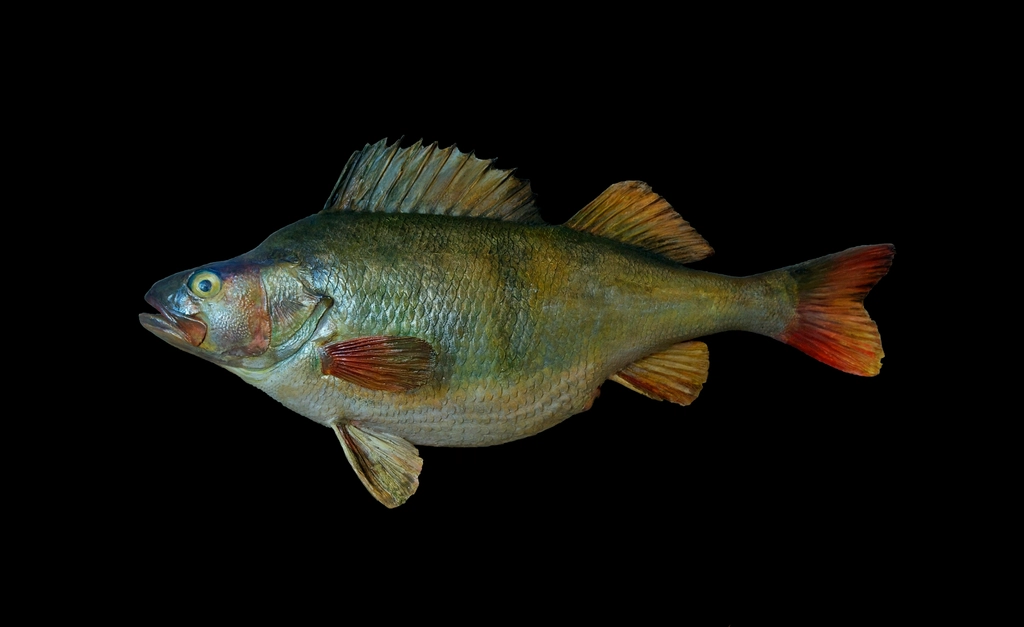 Photo Credit: Rawpixel
In the shimmering waters of lakes and rivers, the perch fish, known scientifically as Perca, glides gracefully through its aquatic realm. With its elongated body adorned in striking vertical stripes of green and yellow, the perch is a sight to behold. These vibrant colors not only make it a beautiful addition to the underwater landscape but also serve as a clever camouflage among the sun-dappled plants and rocks. As the sun rises, the perch becomes a lively character in this bustling ecosystem, darting through the water in search of food, showcasing its agility and speed.
What makes the perch particularly intriguing to scientists and nature lovers alike is its role in the food web. As both predator and prey, the perch helps maintain the balance of its environment. It feasts on smaller fish and insects, while also being a target for larger fish and birds. This dual role highlights the interconnectedness of life in freshwater ecosystems. The perch’s adaptability, thriving in various habitats, and its vibrant mating displays during the spring season add layers of wonder to its story. As we dive deeper into the world of the perch fish, we will explore its fascinating behaviors, diet, and the vital role it plays in the health of our waterways.
The perch fish holds a special place in the tree of life, showcasing the incredible diversity of the animal kingdom. Belonging to the phylum Chordata, which includes all animals with a backbone, perch are part of the class Actinopterygii, known as ray-finned fishes. This class is distinguished by its unique fin structure, where the fins are supported by bony rays. Perch are particularly interesting because they belong to the order Perciformes, which is the largest order of fishes, encompassing a wide variety of species. Their streamlined bodies and vibrant colors make them not only a favorite among anglers but also a vital part of freshwater ecosystems.
| Taxonomic Rank | Scientific Name | Meaning & Significance |
|---|---|---|
| Kingdom | Animalia | This name comes from the Latin word “animalis,” meaning “having breath” or “living.” It signifies all living organisms that are not plants or fungi. |
| Phylum | Chordata | Derived from the Greek word “chordē,” meaning “string,” this name refers to the notochord, a flexible rod that supports the body in all chordates during some stage of development. |
| Class | Actinopterygii | This term comes from the Greek words “aktis,” meaning “ray,” and “pteryx,” meaning “fin.” It highlights the characteristic bony rays that support the fins of these fish. |
| Order | Perciformes | From the Latin “perca,” meaning “perch,” this name indicates the order’s connection to perch-like fish, which are often recognized for their laterally compressed bodies. |
| Family | Percidae | This family name is derived from the same Latin root “perca,” emphasizing the relationship among various species of perch and their relatives. |
| Genus | Perca | The genus name also comes from the Latin “perca,” which refers to the perch fish itself, highlighting its importance in both ecology and human culture. |
The classification of perch fish reveals much about their evolutionary journey. As members of the Actinopterygii class, they share a common ancestry with other ray-finned fishes, which have adapted to a wide range of aquatic environments. Their position within the Perciformes order indicates a long history of diversification, allowing them to thrive in various freshwater habitats. This evolutionary background not only underscores their adaptability but also their role as key players in the ecosystems they inhabit, contributing to the balance of aquatic life. Understanding where perch fit in the tree of life helps us appreciate the intricate connections among all living beings.
The evolutionary journey of the perch fish is a captivating tale that stretches back millions of years. These fish belong to the family Percidae and the genus Perca, with their ancestors swimming in ancient waters long before the first dinosaurs roamed the Earth. The story of perch evolution is marked by significant changes that allowed them to thrive in various aquatic environments.
The earliest ancestors of perch were likely small, primitive fish that emerged during the Devonian period, often referred to as the “Age of Fishes.” These early fish had simple body structures and were primarily adapted to life in shallow waters. Over time, as the environment changed, so did the perch. They developed more complex features, such as a bony skeleton and a swim bladder, which is a gas-filled organ that helps them maintain buoyancy. This adaptation allowed them to navigate different water depths more efficiently.
As the ages progressed, perch began to exhibit adaptations that enhanced their survival. They developed a more streamlined body shape, which improved their swimming abilities, and their fins became more specialized for maneuverability. These changes were crucial as they faced new predators and competition for food in their habitats.
These evolutionary adaptations have played a vital role in the survival of perch fish. By becoming more agile swimmers and developing features that enhance their ability to navigate their environment, perch have successfully thrived in diverse habitats, from lakes to rivers. Their journey through time showcases the incredible power of evolution, demonstrating how life can adapt and flourish in the face of change.
The perch fish presents a striking silhouette in the water, characterized by its long, round body that glides gracefully through its aquatic habitat. With a streamlined shape, it is built for speed and agility, allowing it to dart between rocks and plants with ease. The perch’s skin is covered in rough scales, giving it a textured appearance that glimmers under the sunlight filtering through the water’s surface. This combination of form and texture not only enhances its beauty but also plays a crucial role in its survival.
| Feature | Description |
|---|---|
| Weight | 1-8 pounds |
| Skin Type | Scales |
| Most Distinctive Feature | Long, round bodies and rough scales |
The perch’s long, round body is not just for show; it allows for swift movements, helping it evade predators and catch prey. The rough scales serve a dual purpose: they protect the fish from potential injuries and parasites while also providing a surface that can reflect light, making it harder for predators to spot. Together, these features create a perfect blend of beauty and functionality, ensuring that the perch thrives in its underwater world.
The perch fish thrives in a vibrant world of freshwater, where it finds its home in rivers, lakes, and streams. Picture a sun-dappled lake, its surface shimmering under the warm sun, with lush green banks teeming with life. Beneath the water, schools of perch dart among submerged rocks and aquatic plants, creating a lively scene. These fish prefer areas with plenty of cover, where they can hide from predators and ambush their prey, making their habitat a bustling underwater community.
Perch fish are adaptable and can thrive in a variety of environmental conditions. They prefer waters that are cool to moderate in temperature, typically ranging from 15 to 20 degrees Celsius (59 to 68 degrees Fahrenheit). These fish are often found in areas with good water quality, where oxygen levels are sufficient to support their active lifestyle. They enjoy habitats with a mix of open water and structures like rocks or plants, which provide both shelter and hunting grounds.
Over time, perch have developed several adaptations that help them succeed in their chosen environments. Their streamlined bodies allow for swift movement through the water, making it easier to catch smaller fish and invertebrates. Their keen eyesight helps them spot prey and avoid danger, while their ability to tolerate a range of water conditions means they can thrive in various habitats. This versatility has allowed perch to flourish in diverse regions, from the tranquil lakes of Europe to the bustling rivers of North America.
The daily life of a perch fish is a blend of activity and rest, shaped by its diurnal lifestyle, which means it is most active during the day. As the sun rises, perch begin to swim through their freshwater homes, exploring the nooks and crannies of their environment. They spend their time hunting for food, which mainly consists of smaller fish, insects, and crustaceans. With keen eyesight, they scan the water for movement, ready to dart after their next meal. As the day progresses, they may find a cozy spot among aquatic plants or rocks to rest, conserving energy for their next feeding frenzy.
While perch are often seen swimming alone, they do exhibit interesting social behaviors, especially during breeding season. During this time, they may gather in groups to spawn, creating a lively scene in the water. Outside of this period, they tend to be solitary, preferring to stake out their own territory. This independence allows them to be agile hunters, but it also means they must be vigilant against predators. Communication among perch is subtle; they rely on body language and changes in swimming patterns to signal their presence or warn others of danger.
| Behavior Type | Description |
|---|---|
| Activity Patterns | Perch are diurnal, meaning they are active during the day, hunting for food and exploring their environment. |
| Social Structure | Generally solitary, perch come together in groups mainly during breeding season, showcasing a temporary social dynamic. |
| Communication Methods | Perch communicate through body language and swimming patterns, using subtle movements to convey messages to one another. |
The behaviors of perch fish are finely tuned to ensure their survival in the wild. By being active during the day, they can take advantage of the light to hunt effectively. Their solitary nature allows them to be stealthy and avoid detection by larger predators. Yet, when the time comes to reproduce, their ability to gather in groups demonstrates adaptability and cooperation, ensuring the continuation of their species. Each aspect of their daily life is a testament to the intricate balance of nature, where every behavior plays a crucial role in the grand tapestry of life underwater.
The perch fish is an omnivore, which means it enjoys a varied diet that includes both plant and animal matter. This adaptability allows perch to thrive in diverse environments. They primarily feed on zooplankton, small crustaceans, insects, and even smaller fish. With keen eyesight and a swift swimming ability, perch are skilled hunters, often using their agility to chase down prey in the water. They can be seen darting through their habitat, searching for food among the plants and rocks.
| Dietary Aspect | Details |
|---|---|
| Diet Type | Omnivore |
| Favorite Foods | Zooplankton, crustaceans, insects, and smaller fish |
| Prey Items | Small aquatic animals and insects |
| Hunting/Foraging Strategies | Using keen eyesight and speed to chase and capture prey |
The diet of the perch fish plays a crucial role in its ecology and daily routine. By consuming a variety of food sources, perch help maintain the balance of their aquatic ecosystems. Their hunting habits not only keep their populations in check but also influence the populations of the organisms they prey upon. This dynamic interaction highlights the importance of perch in their habitats, as they contribute to the health and stability of freshwater environments.
As spring arrives and the water warms, perch fish engage in a lively mating ritual. During this breeding season, males become particularly vibrant, showcasing their bright colors to attract females. They often gather in shallow waters, where they perform elaborate displays to impress potential mates. This energetic courtship is not just for show; it plays a crucial role in ensuring the survival of their species.
| Reproductive Aspect | Details |
|---|---|
| Gestation Period | Perch do not have a gestation period like mammals; instead, they lay eggs that hatch in about 10 to 14 days. |
| Litter Size | A female perch can lay thousands of eggs, sometimes up to 300,000, depending on her size. |
| Age of Maturity | Perch typically reach sexual maturity between 1 to 4 years of age. |
| Name of Young | The young perch are called larvae. |
Once the eggs are laid, the female leaves them to develop on their own, as perch do not provide parental care. The eggs are often attached to vegetation, where they are protected from predators. After hatching, the larvae are tiny and vulnerable, relying on their yolk sacs for nourishment until they can swim freely and start hunting for food. As they grow, they gradually develop into juvenile perch, learning to navigate their environment and avoid dangers. With time, they will mature into adults, continuing the cycle of life in the vibrant waters they call home.
The perch fish plays a vital role in its aquatic ecosystem, sitting comfortably in the middle of the food web. This means it is both a predator and prey, feasting on smaller fish and insects while also being a meal for larger animals. Its position helps maintain the balance of life in freshwater habitats, making it an essential player in the health of its environment.
To survive against these threats, perch fish have developed several clever strategies. They often rely on their excellent camouflage, blending in with the plants and rocks in their environment to avoid detection. When danger approaches, perch can dart away quickly, thanks to their streamlined bodies and powerful tails. Additionally, they tend to school together, which means they swim in groups. This behavior not only confuses predators but also increases their chances of survival. By using these tactics, perch fish can navigate the challenges of their underwater world.
A keystone species is an organism that has a disproportionately large impact on its environment relative to its abundance. In simpler terms, if you remove a keystone species, the entire ecosystem can change dramatically. The perch fish, with its role in freshwater habitats, qualifies as a keystone species. Its presence influences the populations of other species and helps maintain the balance of its aquatic ecosystem.
Perch fish are omnivores, meaning they eat both plants and animals, which allows them to play a crucial role in controlling the populations of various organisms. For example, they feed on smaller fish and insects, helping to keep these populations in check. This predatory behavior prevents any one species from becoming too dominant, which is essential for maintaining biodiversity. Additionally, perch serve as prey for larger fish and birds, linking different levels of the food web. Their presence supports a variety of predators, ensuring that energy flows through the ecosystem efficiently.
Moreover, perch fish contribute to the health of their habitats by influencing the distribution of aquatic plants. As they forage, they can help control the growth of algae and other plant life, which can otherwise overtake a water body if left unchecked. This balance is vital for maintaining clear water and providing a healthy environment for other aquatic organisms.
If perch fish were to disappear from their habitats, the consequences would be significant. Without perch, the populations of smaller fish and insects could explode, leading to overpopulation and depletion of resources. This imbalance would not only affect the perch’s predators but also disrupt the entire food web. Algal blooms could become more frequent, resulting in murky waters that harm other aquatic life. In essence, the absence of perch would ripple through the ecosystem, highlighting their vital role in maintaining a healthy and balanced environment.
The perch fish occupies a crucial ecological niche in freshwater ecosystems, acting as both predator and prey. This versatile fish thrives in rivers, lakes, and streams, where it plays a significant role in maintaining the balance of aquatic life. By feeding on a variety of organisms, including smaller fish and insects, perch help regulate populations of these species, ensuring that no single group overwhelms the ecosystem. Their presence supports a diverse community of organisms, making them essential players in their watery world.
| Ecosystem Service | Impact |
|---|---|
| Population Control | Regulates the numbers of smaller fish and invertebrates, preventing overpopulation. |
| Food Source | Serves as a vital food source for larger predators, including birds and mammals. |
| Nutrient Cycling | Contributes to nutrient cycling by breaking down organic matter through its feeding habits. |
| Habitat Structure | Influences the physical structure of habitats by interacting with aquatic plants and substrates. |
The influence of perch fish extends beyond their immediate feeding habits. For instance, by preying on smaller fish and invertebrates, they help maintain a balanced food web, which is essential for the health of their environment. When perch populations are healthy, they can effectively control the numbers of species like minnows and aquatic insects, which, if left unchecked, could disrupt the ecosystem. Additionally, perch contribute to nutrient cycling by consuming organic matter, which helps keep the water clean and supports the growth of aquatic plants.
The broader ecological importance of perch fish cannot be overstated. As a keystone species, their presence is vital for the stability of freshwater ecosystems. If perch were to disappear, the ripple effects would be felt throughout the food web, potentially leading to declines in other species and altering the habitat itself. By supporting a diverse range of life and contributing to the health of their environment, perch fish exemplify the interconnectedness of nature, reminding us of the delicate balance that sustains life in our rivers and lakes.
In the intricate web of life, symbiosis plays a vital role in shaping ecosystems. This term refers to the close interactions between different species, which can be beneficial, harmful, or neutral. These relationships can be classified into three main types: mutualism, where both species gain; parasitism, where one benefits at the other’s expense; and commensalism, where one benefits while the other is neither helped nor harmed. Understanding these connections helps us appreciate the delicate balance of nature and the ways in which species, like the perch fish, interact with their environment and each other.
| Species/Type | Relationship Type | Description |
|---|---|---|
| Cleaner Fish | Mutualistic | Perch fish often visit cleaner fish, which remove parasites and dead skin from their bodies. In return, the cleaner fish get a meal, benefiting both parties. |
| Leeches | Parasitic | Leeches can attach to perch fish, feeding on their blood. This relationship harms the perch, as it loses vital nutrients and energy. |
| Water Plants | Commensal | Perch fish often seek shelter among aquatic plants. While the plants are unaffected, the perch gain protection from predators and a place to hide. |
These relationships have evolved over time, shaped by the needs and behaviors of the species involved. Mutualistic partnerships, like those with cleaner fish, enhance the health and survival of perch, while parasitic interactions with leeches can pose challenges. Commensal relationships with water plants provide essential cover, allowing perch to thrive in their habitats. Each interaction highlights the interconnectedness of life, demonstrating how species adapt and rely on one another in the ever-changing tapestry of nature.
Perch fish are not just ordinary swimmers in the water; they are full of surprises that make them truly captivating. From their unique adaptations to their role in the ecosystem, these fish have stories that will intrigue nature lovers of all ages.
The relationship between perch fish and humanity stretches back through history, woven into the fabric of various cultures. Ancient civilizations often revered these fish, not just for their culinary value but also for their symbolic significance. In many regions, perch have been featured in folklore and local traditions, representing abundance and the bounty of freshwater resources. As people settled near lakes and rivers, they learned to fish for perch, making it a staple in their diets. This connection has fostered a deep appreciation for the species, highlighting its role in sustaining communities and shaping local economies.
Today, our interactions with perch fish are multifaceted, reflecting both cooperation and conflict. On one hand, conservation efforts are underway to protect their habitats from pollution and overfishing, ensuring that future generations can enjoy these vibrant fish. On the other hand, challenges arise as human activities, such as dam construction and agricultural runoff, threaten their ecosystems. Some communities have even turned to aquaculture, or fish farming, to domesticate perch, providing a sustainable source of food while alleviating pressure on wild populations. This blend of conservation and cultivation illustrates the complex dynamics of our relationship with perch.
Looking ahead, the future of our relationship with perch fish will likely hinge on our ability to balance human needs with environmental stewardship. As awareness of ecological issues grows, more people are recognizing the importance of preserving the delicate ecosystems that support perch populations. By fostering sustainable practices and respecting the natural world, we can ensure that perch continue to thrive alongside humanity, enriching our lives and the environments we share.
The conservation status of perch fish is currently classified as “Least Concern” by the International Union for Conservation of Nature (IUCN). This means that, overall, perch populations are stable and not facing immediate threats of extinction. With an estimated population size in the tens of millions, these fish continue to thrive in their freshwater habitats across various regions.
| Conservation Factor | Status/Details |
|---|---|
| IUCN Status | Least Concern |
| Estimated Population Size | Tens of millions |
| Population Trend | Stable |
Despite their stable status, perch fish face several threats that could impact their populations in the future. Habitat degradation is a significant concern, as pollution and development can harm the water quality and reduce the availability of suitable spawning grounds. Additionally, overfishing in some areas can lead to localized declines, especially if fishing practices are not managed sustainably. Climate change also poses a risk, as rising water temperatures and altered precipitation patterns can affect their habitats and food sources.
Conservation efforts for perch fish focus on maintaining healthy ecosystems and promoting sustainable fishing practices. Many regions have implemented regulations to ensure that fishing is done responsibly, allowing populations to recover and thrive. Public awareness campaigns also play a crucial role in educating communities about the importance of preserving freshwater habitats. With continued efforts, the outlook for perch fish remains positive, ensuring that these vibrant swimmers continue to grace our lakes and rivers for generations to come.
| Question | Answer |
|---|---|
| Where do perch fish live? | Perch fish are commonly found in freshwater habitats like rivers, lakes, and streams. They prefer areas with plenty of vegetation and structures, which provide shelter and hunting grounds. |
| What do perch fish eat? | Perch are omnivores, meaning they eat both plants and animals. Their diet includes small fish, insects, and crustaceans, allowing them to adapt to various food sources in their environment. |
| How do perch fish behave? | Perch are known for their schooling behavior, often swimming in groups for safety and hunting efficiency. They are also quite active, especially during dawn and dusk when they hunt for food. |
| How do perch fish reproduce? | Perch typically spawn in the spring when water temperatures rise. They lay their eggs in shallow waters, often attaching them to plants or rocks, where they will hatch in a few weeks. |
| What threats do perch fish face? | While perch are currently classified as Least Concern, they can face threats from pollution, habitat destruction, and overfishing. Changes in water quality can significantly impact their populations. |
| What is a distinctive feature of perch fish? | Perch fish are easily recognized by their long, round bodies and rough scales. Their vibrant coloration, often featuring stripes, helps them blend into their surroundings. |
| Are perch fish popular among anglers? | Yes, perch are a favorite among anglers due to their abundance and tasty flesh. They are often sought after for sport fishing, making them an important species in recreational fishing. |