Taxonomy & Classification
- Kingdom
- Animalia
- Phylum
- Chordata
- Class
- Mammalia
- Order
- Lagomorpha
- Family
- Ochotonidae
- Genus
- Ochotona
- Species
- Ochotona Minor

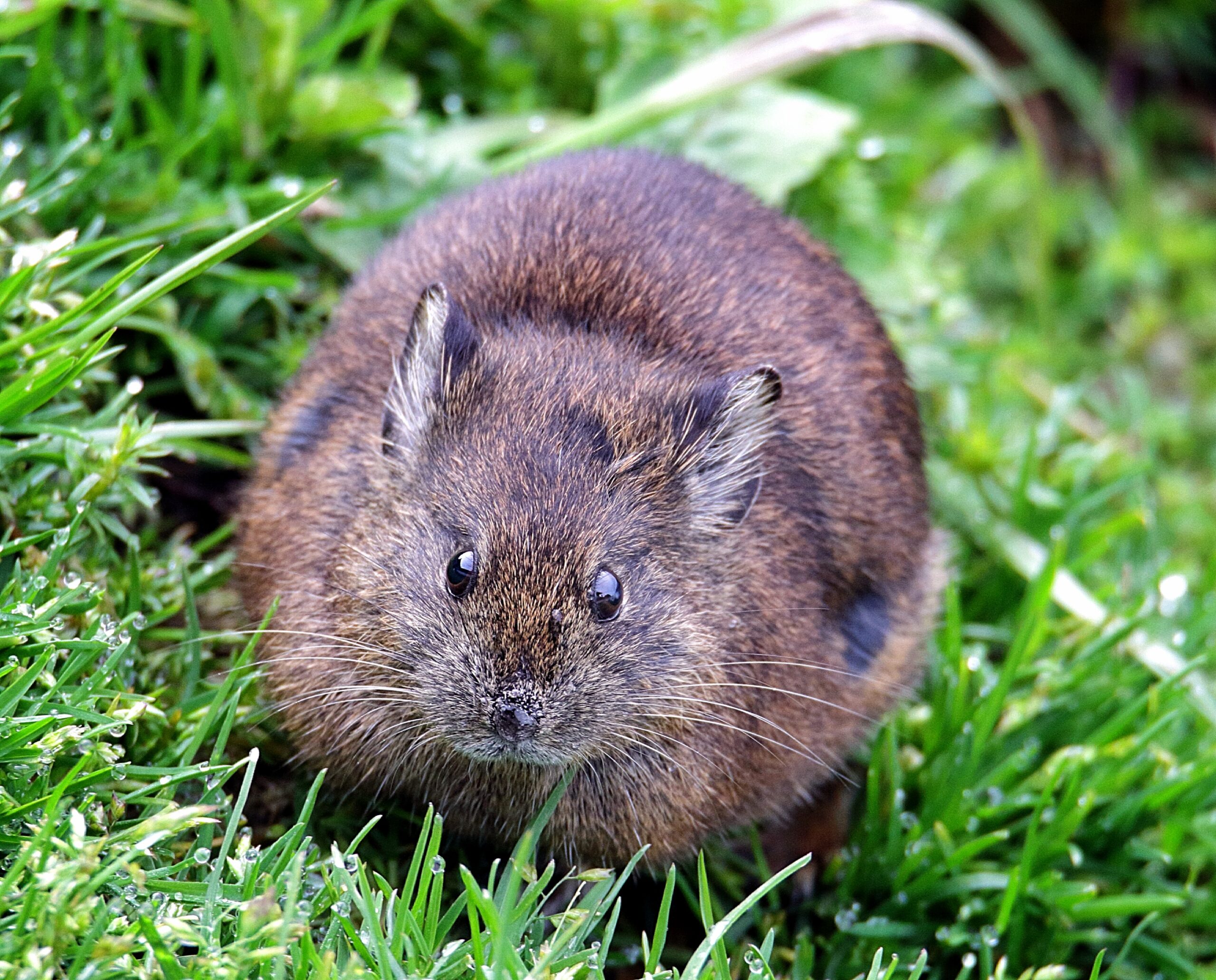 Photo Credit: Akash Maity / Wikimedia
In the rugged heights of the mountains, where the air is crisp and the rocks are worn smooth by time, lives the pika, scientifically known as Ochotona princeps. This charming little mammal, often affectionately called the “rock rabbit,” is a delightful sight as it scurries among boulders, its round body and perky ears making it look like a tiny, furry ball of energy. With its soft, grayish-brown fur blending seamlessly into the rocky landscape, the pika is a master of camouflage, allowing it to thrive in its alpine home.
Pikas are not just adorable; they are also fascinating to scientists and nature lovers alike. These small herbivores play a crucial role in their ecosystem, foraging for grasses and wildflowers to create haypiles that sustain them through the harsh winter months. Their unique adaptations, such as their ability to withstand cold temperatures and their strategic food storage habits, make them a subject of study in the face of climate change. As temperatures rise, understanding how pikas adapt to their environment can provide valuable insights into the health of mountain ecosystems. Join us as we explore the enchanting world of pikas, uncovering their behaviors, habitats, and the vital roles they play in the natural world.
The pika, a small, adorable mammal, holds a special place in the tree of life. It belongs to the order Lagomorpha, which also includes rabbits and hares. What sets pikas apart is their unique adaptations to high-altitude environments, where they thrive in rocky, mountainous regions. These little animals are known for their distinctive vocalizations and their habit of collecting and storing food for the winter, a behavior that showcases their resourcefulness. With their rounded ears and short limbs, pikas are perfectly designed for their chilly habitats, making them a captivating subject of study in the animal kingdom.
| Taxonomic Rank | Scientific Name | Meaning & Significance |
|---|---|---|
| Kingdom | Animalia | This name comes from the Latin word for “animal,” highlighting that pikas are part of the vast group of living organisms that are multicellular and capable of movement. |
| Phylum | Chordata | Derived from the Greek word “chordē,” meaning “string,” this classification indicates that pikas have a notochord, a flexible rod that supports their bodies during development. |
| Class | Mammalia | This term comes from the Latin “mamma,” meaning “breast,” referring to the fact that female mammals nurse their young with milk, a key characteristic of this class. |
| Order | Lagomorpha | From the Greek words “lagos,” meaning “hare,” and “morphe,” meaning “form,” this order includes animals with similar body structures, like pikas and rabbits, known for their long ears and strong hind legs. |
| Family | Ochotonidae | This name is derived from the genus name “Ochotona,” which is thought to come from a Mongolian word for “small animal,” reflecting the pika’s petite size. |
| Genus | Ochotona | The genus name “Ochotona” is used to classify these small mammals, emphasizing their distinct characteristics and behaviors that set them apart from other lagomorphs. |
Understanding the pika’s classification reveals much about its evolutionary journey. As a member of the Lagomorpha order, pikas share a common ancestor with rabbits and hares, but their adaptations to cold, rocky environments have led to unique traits that help them survive in harsh conditions. This evolutionary path highlights the incredible diversity of life on Earth and how different species have adapted to thrive in their specific habitats. Pikas remind us of the intricate connections within the animal kingdom and the importance of preserving their mountainous homes.
The evolutionary journey of the pika stretches back millions of years, weaving through the tapestry of time to reveal a small mammal that has adapted to some of the harshest environments on Earth. Pikas belong to the family Ochotonidae and the genus Ochotona, with their ancestors dating back to the late Eocene epoch, around 35 million years ago. As the world changed, so did the pikas, evolving to thrive in the rocky, mountainous terrains where they now make their homes.
The earliest pikas were likely similar to modern-day species but lived in a variety of habitats. Over time, as the climate shifted and mountain ranges rose, these small mammals adapted to their surroundings. One major transition was the development of their distinctive rounded ears and short limbs, which helped them navigate rocky landscapes. Another significant change was their shift to a herbivorous diet, allowing them to feed on the abundant vegetation found in their alpine homes. This dietary adaptation was crucial as it enabled them to store food for the winter months, ensuring their survival during harsh conditions.
Pikas are a testament to the power of adaptation in the face of environmental challenges. Their thick fur keeps them warm, while their specialized teeth and food storage techniques allow them to survive in alpine habitats. These adaptations not only help them endure the cold but also ensure they can thrive in a world that is constantly changing. As guardians of their rocky realms, pikas remind us of the intricate connections between species and their environments, showcasing the beauty of evolution in action.
The pika is a charming little mammal that captures the heart with its round body and perky ears. These small creatures, often found in rocky mountain habitats, have a compact form that allows them to navigate their rugged surroundings with ease. Their short limbs and stout build give them a sturdy appearance, while their bright eyes sparkle with curiosity. Pikas are often seen darting among boulders, their soft fur blending beautifully with the rocky terrain.
| Feature | Description |
|---|---|
| Weight | 75-290 grams (2.6-10 ounces) |
| Skin Type | Fur |
The pika’s lightweight body is perfectly suited for its high-altitude home, where it can easily hop from rock to rock. Their fur not only provides warmth in chilly mountain climates but also offers camouflage against predators. This combination of features allows pikas to thrive in their environment, gathering food and evading danger while showcasing their delightful, lively nature.
Pikas call the rugged mountains their home, thriving in rocky terrains that provide both shelter and food. These small mammals are often found among boulders and cliffs, where they can easily navigate the crevices. The landscape is typically dotted with alpine meadows, where wildflowers bloom and grasses grow, creating a vibrant patchwork of color against the stark rock. This high-altitude environment is not just beautiful; it’s essential for the pika’s survival.
Pikas thrive in cool, mountainous climates, where temperatures can drop significantly. They prefer areas that are above the tree line, often at elevations ranging from 8,000 to 13,000 feet. These environments are characterized by cold winters and mild summers, which help keep their bodies cool. Pikas are sensitive to heat, so they rely on the cooler temperatures of their high-altitude homes to stay comfortable and active.
To survive in these challenging habitats, pikas have developed several clever adaptations. Their thick fur keeps them warm during chilly nights, while their small size allows them to squeeze into tight spaces among the rocks. Pikas are also known for their unique behavior of collecting and storing food, known as haypiling. They gather grasses and herbs during the summer months and stash them in their rocky homes to eat during the winter when food is scarce. This ability to prepare for the colder months is crucial for their survival in the harsh mountain environment.
Pikas lead a daily life that is both busy and strategic. As the sun rises over their rocky mountain homes, these small mammals begin their day by foraging for food. They spend hours collecting grasses, herbs, and flowers, which they store in their burrows for the colder months. Pikas are most active during the day, taking advantage of the sunlight to gather as much food as possible. Their routine is a careful balance of eating, gathering, and resting, all while keeping an eye out for potential predators like hawks and foxes.
Though pikas are primarily solitary creatures, they do exhibit interesting social behaviors. They communicate with one another through a series of high-pitched calls, which can alert others to danger or signal their presence. While they may not form tight-knit groups like some other animals, pikas maintain a loose social structure in their territories. Each pika has its own area, and they respect the boundaries of their neighbors, which helps reduce conflicts over resources. This social dynamic allows them to thrive in their challenging environments.
| Behavior Type | Description |
|---|---|
| Foraging | Pikas spend their days collecting a variety of plants, ensuring they have enough food stored for winter. |
| Territoriality | Each pika has its own territory, which it defends from others to secure food and shelter. |
| Communication | They use high-pitched calls to communicate with each other, warning of danger or signaling their presence. |
| Solitary Behavior | While they may interact occasionally, pikas primarily live alone, which helps them avoid competition for resources. |
The behaviors of pikas are finely tuned to ensure their survival in the harsh mountain environment. By foraging efficiently and maintaining their territories, they secure the food and shelter they need. Their communication methods help them stay alert to dangers, allowing them to thrive despite the challenges they face. Each aspect of their daily life is a testament to their adaptability and resilience, making them a vital part of their ecosystem.
Pikas are herbivores, meaning they primarily eat plants. Their diet consists mainly of grasses, weeds, and thistles, which they find in their rocky mountain habitats. These small mammals are known for their energetic foraging behavior, often scurrying around to gather food. Pikas have a special knack for selecting the tastiest and most nutritious plants, which they then store for later use. This behavior is crucial, especially as they prepare for the colder months when food becomes scarce.
| Dietary Aspect | Details |
|---|---|
| Diet Type | Herbivore |
| Favorite Foods | Grasses, Weeds, Thistles |
| Prey Items | None (strictly herbivorous) |
| Hunting/Foraging Strategies | Forages actively during the day, collects and stores food for winter |
The pika’s diet plays a vital role in its ecology and daily routine. By foraging and storing food, pikas not only ensure their survival during harsh winters but also contribute to the health of their mountain ecosystems. Their eating habits help control plant growth, allowing a diverse range of flora to thrive. This, in turn, supports other wildlife in their habitat, creating a bustling community in the high-altitude world they call home.
Pikas have a fascinating mating behavior that typically occurs during the warmer months of spring and summer. This is when they are most active and can find ample food to support their young. Males often engage in vocalizations and scent-marking to attract females, showcasing their fitness and territory. Once a pair mates, they will work together to prepare for the arrival of their offspring, creating a cozy nest in the rocky crevices of their mountainous homes.
| Reproductive Aspect | Details |
|---|---|
| Gestation Period | 30 days |
| Litter Size | 3 |
| Age of Maturity | 1 year |
| Name of Young | Piklets |
Once the young, known as piklets, are born, they are born hairless and blind, relying entirely on their parents for warmth and nourishment. The mother pika is particularly attentive, nursing her young and keeping them safe in the nest. As the weeks pass, the piklets grow quickly, developing fur and opening their eyes. By the time they reach maturity at about one year old, they are ready to venture out on their own, continuing the cycle of life in the rugged mountain environment they call home.
Pikas play a vital role in their mountain ecosystems, serving as both prey and foragers. Positioned in the food web, they are herbivores that help maintain plant health by consuming various grasses and herbs. However, their small size makes them an easy target for a variety of predators, which rely on them as a food source. This delicate balance highlights the importance of pikas in their habitats, as they contribute to the overall health of the ecosystem while also facing numerous threats.
To survive against these dangers, pikas have developed several clever strategies. They are known for their remarkable agility, allowing them to dart quickly between rocks to evade predators. Additionally, their keen sense of hearing helps them detect approaching threats. Pikas also create “haypiles,” storing food for winter, which not only sustains them during harsh conditions but also keeps them hidden from hungry eyes. By using their environment wisely and staying alert, pikas continue to thrive in their challenging mountain homes.
A keystone species is a vital part of its ecosystem, meaning its presence and activities have a significant impact on the environment and other living things. The pika, a small herbivorous mammal found in mountainous areas, qualifies as a keystone species due to its unique role in shaping its habitat and supporting various forms of life.
Pikas are not just adorable; they are essential players in their ecosystems. By foraging on grasses, weeds, and thistles, they help control plant growth and maintain the health of their mountainous habitats. This foraging behavior prevents certain plants from becoming too dominant, allowing a diverse range of plant species to thrive. In turn, this diversity supports a variety of other animals, from insects to larger herbivores, creating a balanced ecosystem.
Moreover, pikas are known for their habit of collecting and storing food in the form of haypiles. These haypiles not only provide sustenance for pikas during the harsh winter months but also serve as a food source for other animals, such as birds and small mammals, when resources are scarce. This behavior highlights their role as a food provider, linking them to many other species in their environment.
If pikas were to disappear from their ecosystems, the consequences would be significant. Without these small mammals, plant overgrowth could occur, leading to a decline in plant diversity. This, in turn, would affect the animals that rely on those plants for food and shelter. The entire food web could become unbalanced, demonstrating just how crucial pikas are to the health of their mountainous homes. Their absence would echo through the ecosystem, highlighting the interconnectedness of all living things.
The pika occupies a crucial ecological niche in mountainous regions, where it plays a significant role in shaping its environment. These small, herbivorous mammals thrive in rocky terrains, foraging for a variety of plants. By collecting and storing vegetation, pikas not only ensure their survival but also influence the health of their ecosystem. Their activities help maintain plant diversity and contribute to soil stability, making them essential players in their high-altitude habitats.
| Ecosystem Service | Impact |
|---|---|
| Plant Foraging | Helps control plant growth and promotes biodiversity. |
| Soil Aeration | Burrowing activities improve soil structure and nutrient cycling. |
| Food Source | Serves as prey for various predators, supporting the food web. |
| Seed Dispersal | Contributes to the spread of plant species through their foraging habits. |
Pikas influence their environment in several specific ways. By foraging on grasses, weeds, and thistles, they help control the growth of these plants, preventing any single species from dominating the landscape. This foraging behavior not only supports a diverse plant community but also creates habitats for other animals. Additionally, as pikas dig and burrow, they aerate the soil, allowing water and nutrients to penetrate deeper, which benefits the surrounding vegetation. Their role as prey for larger animals, such as hawks and foxes, further underscores their importance in the food web.
The broader ecological importance of pikas cannot be overstated. As a keystone species, their presence significantly impacts the health and stability of their mountainous ecosystems. By maintaining plant diversity and supporting soil health, pikas help create a balanced environment that benefits countless other species. Their activities ensure that the high-altitude habitats remain vibrant and resilient, showcasing the interconnectedness of life in these rugged landscapes.
In the intricate web of life, symbiosis refers to the close interactions between different species, which can take on various forms. These relationships can be mutualistic, where both species benefit; parasitic, where one benefits at the expense of the other; or commensal, where one benefits while the other is neither helped nor harmed. Pikas, those charming little mammals of the mountains, engage in several fascinating partnerships with other species, showcasing the diverse ways life can connect and thrive together.
| Species/Type | Relationship Type | Description |
|---|---|---|
| Mountain Bluebird | Mutualistic | Pikas and mountain bluebirds often share the same rocky habitats. The pikas provide a food source for the birds, while the birds help keep the pika’s environment free of pests by eating insects that may harm the pikas. |
| Weeds and Grasses | Mutualistic | Pikas rely on various plants for food, and in return, their foraging helps to spread seeds and promote plant growth, benefiting the ecosystem as a whole. |
| Ticks | Parasitic | Ticks can latch onto pikas, feeding on their blood. This relationship is harmful to pikas, as it can lead to health issues and stress. |
| Rocky Terrain | Commensal | The rocky habitats that pikas inhabit provide shelter and protection. While the rocks benefit from erosion and weathering, pikas gain a safe home without affecting the rocks themselves. |
These relationships have evolved over time, shaped by the needs and adaptations of the species involved. Mutualistic partnerships, like those with mountain bluebirds and plants, highlight how cooperation can enhance survival and well-being. Meanwhile, parasitic relationships, such as those with ticks, remind us that not all interactions are beneficial. Understanding these connections helps us appreciate the delicate balance of ecosystems, where each species plays a role in the grand story of life.
Pikas are enchanting little mammals that often go unnoticed in the rugged mountains they call home. These small creatures are not just cute; they have some surprising traits and behaviors that make them truly special.
Throughout history, pikas have captured the imagination of people living in mountainous regions. These small mammals, often referred to as “rock rabbits,” have been part of local folklore and cultural stories, symbolizing resilience and adaptability. In many cultures, they are seen as indicators of environmental health, reflecting the balance of their alpine habitats. Their charming appearance and lively behavior have made them beloved among hikers and nature enthusiasts, fostering a connection that goes beyond mere observation.
In modern times, the relationship between pikas and humans has evolved, particularly as conservation efforts gain momentum. As climate change threatens their habitats, scientists and conservationists are working diligently to protect these small mammals. Pikas are sensitive to temperature changes, and their populations can decline if their alpine homes become too warm. This has led to increased awareness and initiatives aimed at preserving their environments. However, conflicts can arise, especially in areas where human development encroaches on their natural habitats. While pikas are not domesticated animals, their presence in national parks and protected areas highlights the importance of coexisting with wildlife.
As we look to the future, the relationship between pikas and humanity will likely continue to evolve. With growing awareness of environmental issues, there is hope that more people will advocate for the protection of these charming mammals and their habitats. By fostering a deeper understanding of pikas and their role in the ecosystem, we can work together to ensure that these delightful creatures thrive alongside us in the mountains for generations to come.
The conservation status of pikas is currently classified as “Least Concern” by the International Union for Conservation of Nature (IUCN). This means that, overall, pikas are not facing immediate threats that could lead to their extinction. However, population trends can vary by region, and some local populations may be experiencing declines due to environmental changes. As climate change continues to impact their mountainous habitats, the future of these charming mammals remains a topic of interest and concern among conservationists.
| Conservation Factor | Status/Details |
|---|---|
| IUCN Status | Least Concern |
| Population Estimates | Varies by region; some local declines noted |
| Trend Direction | Stable overall, but some populations declining |
Despite their current status, pikas face several significant threats that could impact their populations in the future. One of the most pressing issues is climate change, which is causing temperatures to rise in their mountainous habitats. Pikas are sensitive to heat, and as their environment warms, they may struggle to find suitable living conditions. Additionally, habitat loss due to human activities, such as mining and development, poses a risk to their survival. These factors combined could lead to a decline in pika populations if not addressed.
Conservation efforts are underway to monitor pika populations and protect their habitats. Researchers are studying how climate change affects these small mammals and working to create strategies that can help them adapt. Protected areas in mountainous regions are also being established to ensure that pikas have safe spaces to thrive. With continued attention and action, there is hope that pikas will remain a vibrant part of our natural world for generations to come.
| Question | Answer |
|---|---|
| Where do Pikas live? | Pikas are found in mountainous areas, particularly in North America and parts of Asia. They prefer rocky slopes and alpine meadows where they can easily hide from predators and find food. |
| What do Pikas eat? | Pikas are herbivores, which means they primarily eat plants. Their diet consists of grasses, herbs, and other vegetation, and they are known to collect and store food for the winter. |
| How do Pikas behave? | Pikas are social animals that often live in family groups. They are very vocal, using a variety of sounds to communicate with each other, especially when warning of danger. |
| How do Pikas reproduce? | Pikas typically breed once a year, usually in the spring. After a gestation period of about 30 days, the female gives birth to a small litter of 2 to 6 young, which are cared for by both parents. |
| What threats do Pikas face? | While Pikas are currently classified as Least Concern, they face threats from climate change and habitat loss. Warmer temperatures can affect their food supply and force them to move to higher elevations. |
| What are some interesting characteristics of Pikas? | Pikas are known for their adorable, rounded bodies and short limbs. They have a unique ability to survive in cold environments, thanks to their thick fur and the way they store food for winter. |
| Can Pikas be found in urban areas? | Pikas are not typically found in urban areas as they prefer natural habitats. However, they can sometimes be spotted near ski resorts or other mountainous recreational areas where their habitat overlaps with human activity. |