Taxonomy & Classification
- Kingdom
- Animalia
- Phylum
- Chordata
- Class
- Mammalia
- Order
- Carnivora
- Family
- Canidae
- Genus
- Canis
- Species
- Canis lupus

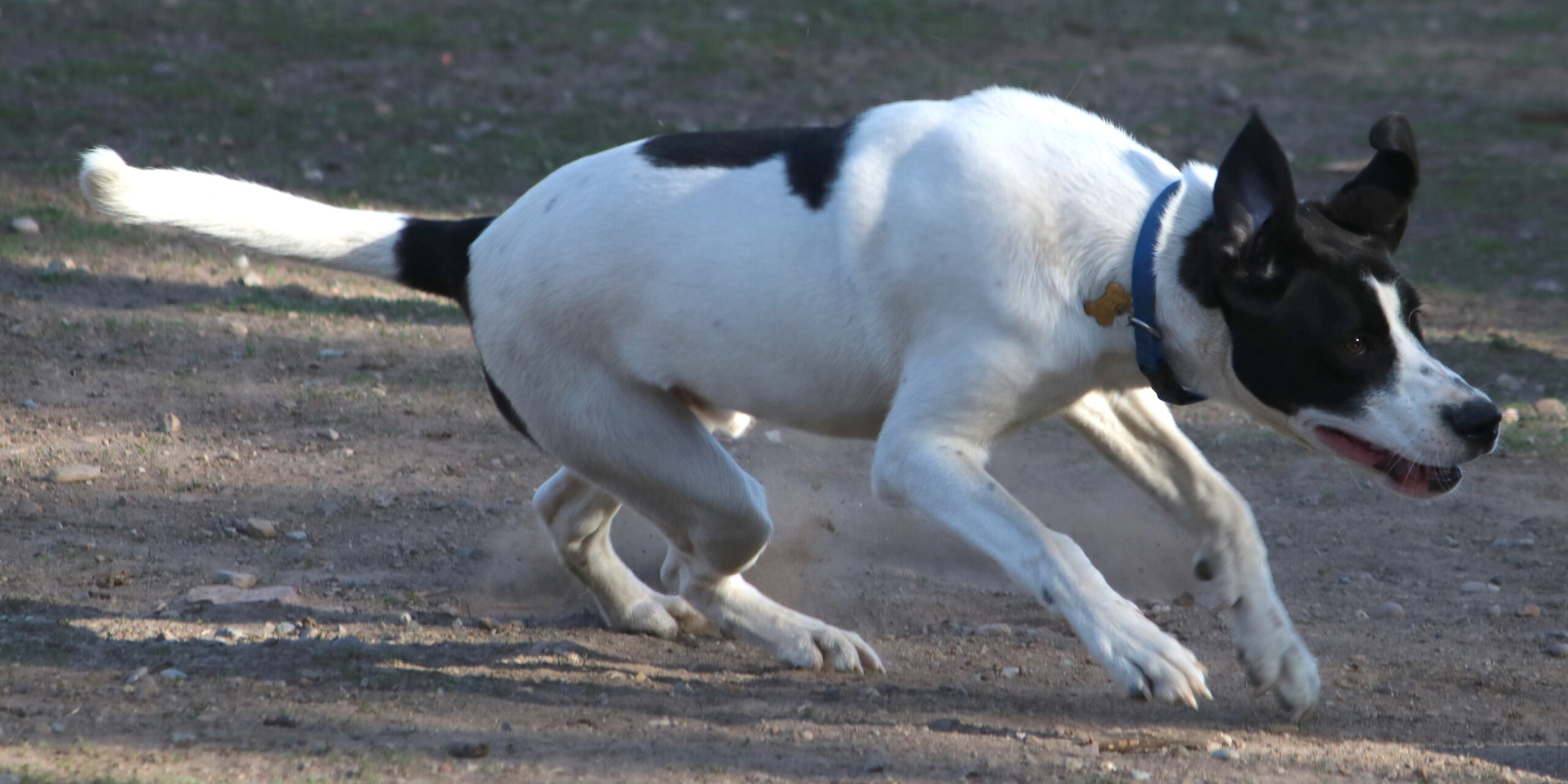 Photo Credit: Ser Amantio di Nicolao / Wikimedia Commons
In the sun-drenched fields of Europe, the Pointer, scientifically known as Canis lupus familiaris, stands as a testament to the bond between humans and dogs. With its sleek, athletic body and elegant stance, this breed is a sight to behold. Its short, glossy coat glistens in the sunlight, showcasing a palette of colors that can range from white to liver or lemon. But it’s not just the Pointer’s striking appearance that captivates onlookers; it’s the way it moves with purpose and grace, embodying the spirit of a natural-born hunter.
Pointers are renowned for their incredible sense of smell and sharp instincts, making them exceptional companions for hunters. As they traverse open fields and wooded areas, their keen noses lead them to hidden treasures of the wild, from small game to the scent of the earth itself. This remarkable ability to detect scents, combined with their energetic demeanor, has fascinated scientists and nature enthusiasts alike. The Pointer’s role in the ecosystem is vital, as it helps maintain the balance of wildlife populations while also showcasing the deep connection between humans and their four-legged friends. Join us as we explore the world of the Pointer, uncovering its history, behavior, and the unique traits that make it a beloved breed around the globe.
In the grand tapestry of life, the Pointer holds a distinguished position within the animal kingdom. This breed, known for its keen sense of smell and remarkable hunting abilities, belongs to the family Canidae, which includes wolves, foxes, and domestic dogs. Pointers are celebrated for their unique ability to “point” at game birds, a behavior that showcases their exceptional training and instinct. Their classification not only highlights their physical traits but also reveals their evolutionary adaptations that have made them skilled hunters alongside humans.
| Taxonomic Rank | Scientific Name | Meaning & Significance |
|---|---|---|
| Kingdom | Animalia | This name signifies that Pointers are part of the vast group of multicellular organisms that are primarily heterotrophic, meaning they obtain their food by consuming other organisms. |
| Phylum | Chordata | Chordata refers to animals that have a notochord, a flexible rod that supports the body. In Pointers, this structure is present during their early development, showcasing their place in the evolutionary lineage of vertebrates. |
| Class | Mammalia | Mammalia indicates that Pointers are warm-blooded animals with fur or hair and mammary glands, which allow females to nurse their young. This class is characterized by advanced brain development and social behaviors. |
| Order | Carnivora | Carnivora, meaning “meat-eaters,” highlights the dietary habits of Pointers and their relatives. This order includes animals that have adaptations for hunting and consuming other animals, which is essential for their survival. |
| Family | Canidae | Canidae, the family of dogs, wolves, and foxes, emphasizes the social and hunting behaviors that Pointers share with their relatives. This family is known for its diverse range of species, all exhibiting unique adaptations. |
| Genus | Canis | Canis translates to “dog” in Latin, reflecting the domesticated nature of Pointers and their close relationship with humans. This genus includes various species of dogs and their wild ancestors, showcasing their shared lineage. |
Understanding the taxonomic classification of the Pointer reveals much about its evolutionary journey. As a member of the Canidae family, it shares a common ancestor with wolves and foxes, highlighting the traits that have been honed over millions of years. The Pointer’s specialized hunting skills and social behaviors are not just a product of training but are deeply rooted in its genetic heritage. This classification not only connects Pointers to their wild relatives but also illustrates the fascinating interplay between domestication and natural instincts, making them a vital part of our shared history with the animal kingdom.
The evolutionary journey of the Pointer is a captivating tale that stretches back thousands of years. This breed, part of the Canidae family, shares a common ancestor with wolves and other canines. The story begins in the late Pleistocene epoch, around 20,000 years ago, when early humans began to domesticate wolves. Over time, selective breeding led to the development of various dog breeds, including the Pointer, which emerged as a specialized hunting companion.
Ancestral forms of the Pointer can be traced back to the early domesticated dogs that roamed alongside humans. These early canines were likely versatile hunters, adapting to various environments and prey. As humans refined their hunting techniques, they began to favor dogs that excelled in specific tasks. The Pointer, known for its exceptional ability to locate game birds, underwent significant evolutionary changes. Its keen sense of smell and remarkable stamina were honed through generations of selective breeding, making it an invaluable partner in the field.
These adaptations have played a vital role in the survival and success of the Pointer as a hunting breed. Their keen sense of smell and athleticism allow them to thrive in various environments, while their social nature fosters strong bonds with humans. As a result, the Pointer has not only survived but has also become a beloved partner in the world of hunting and companionship, showcasing the incredible journey of evolution that has shaped this remarkable breed.
The Pointer is a striking dog, known for its athletic build and graceful demeanor. With a sleek, muscular body, this breed exudes both power and elegance. Its long legs are designed for speed, allowing it to cover ground quickly while hunting. The Pointer’s head is well-proportioned, featuring a long, narrow muzzle that enhances its keen sense of smell. Its ears hang down, framing its face and adding to its overall charm. When you see a Pointer in motion, you can’t help but admire the fluidity of its movements, a testament to its purpose as a skilled hunting companion.
| Feature | Description |
|---|---|
| Weight | 30 kg (66 lbs) |
| Skin Type | Hair |
The Pointer’s physical features are not just for show; they play a crucial role in its survival. The lightweight frame and powerful legs allow it to run swiftly through various terrains, making it an excellent tracker. Its keen sense of smell, aided by the elongated muzzle, helps it locate game from great distances. The short hair coat is practical, providing protection without hindering movement, and it allows the Pointer to stay cool during long hunts. Together, these characteristics create a dog that is not only beautiful but also perfectly adapted for the challenges of the wild.
The Pointer thrives in a variety of environments, but it is most commonly found in open spaces that allow for plenty of movement and exploration. Picture rolling hills, expansive fields, and wooded areas where the sun filters through the leaves. These settings provide the perfect backdrop for this energetic breed, as they love to run and play. Whether it’s a sunny day or a crisp morning, the Pointer is always ready to embark on an adventure in nature.
To flourish, the Pointer requires a climate that is not too extreme. They prefer moderate temperatures, which allow them to engage in their favorite activities without overheating or becoming too cold. These dogs are quite adaptable, but they thrive best in environments where they can enjoy both sunny days and cooler breezes. Access to open spaces is essential, as it allows them to exercise and explore their surroundings freely.
Over time, the Pointer has developed several adaptations that help it excel in its preferred habitats. Their sleek coat is designed to keep them comfortable in various weather conditions, while their strong legs enable them to cover large distances quickly. Additionally, their keen sense of smell and sharp eyesight make them exceptional hunters, allowing them to track scents and spot movement from afar. These traits not only enhance their hunting skills but also help them navigate the diverse landscapes they call home.
The daily life of a Pointer is a blend of energy, focus, and instinct. These dogs are known for their boundless enthusiasm, which is evident in their morning routines. As the sun rises, a Pointer is often eager to start the day with a brisk walk or a run. Their keen sense of smell drives them to explore their surroundings, sniffing out every interesting scent along the way. Throughout the day, they engage in various activities, from playing fetch to practicing their hunting skills, always ready for the next adventure.
Socially, Pointers are friendly and enjoy the company of both humans and other dogs. They thrive in a pack environment, whether that’s with their human family or fellow canines. Their playful nature encourages bonding, and they often engage in games that involve chasing and retrieving. Communication is key in their interactions; they use a combination of barks, body language, and even facial expressions to convey their feelings and intentions. This social behavior not only strengthens their relationships but also enhances their hunting efficiency when working with humans.
| Behavior Type | Description |
|---|---|
| Activity Patterns | Pointers are highly active, requiring regular exercise and mental stimulation. They enjoy running, playing fetch, and exploring their environment. |
| Social Structure | These dogs are pack-oriented, forming strong bonds with their human families and other dogs. They thrive on companionship and social interaction. |
| Communication Methods | Pointers communicate through barks, body language, and facial expressions. They are expressive and use these cues to interact with their environment and companions. |
The behaviors of Pointers are not just for fun; they play a crucial role in their survival. Their active lifestyle keeps them physically fit, which is essential for a breed that was developed for hunting. Social interactions help them learn important skills and build teamwork with their human partners. By communicating effectively, they can navigate their world more successfully, ensuring they remain alert and responsive to potential dangers. In essence, the daily life of a Pointer is a vibrant dance of activity and connection, all aimed at thriving in their environment.
The Pointer is an omnivore, which means it enjoys a varied diet that includes both plant and animal matter. This breed is particularly known for its hunting prowess, often seeking out small game and birds. With their sharp senses and energetic nature, Pointers are skilled at locating food, whether it’s sniffing out a hidden treat or chasing after a fluttering bird. Their feeding behavior is not just about survival; it’s also a reflection of their playful and active lifestyle.
| Dietary Aspect | Details |
|---|---|
| Diet Type | Omnivore |
| Favorite Foods | Small game, birds, and occasionally fruits or vegetables |
| Prey Items | Rabbits, squirrels, and various bird species |
| Hunting/Foraging Strategies | Utilizes keen sense of smell and sight to track and chase prey |
This diverse diet plays a crucial role in shaping the Pointer’s ecology and daily routine. By consuming a mix of foods, they help control small animal populations, which can benefit their environment. Their energetic nature means they require regular meals to fuel their active lifestyle, leading them to explore vast areas in search of food. This not only keeps them healthy but also allows them to engage in their natural instincts, making every meal a little adventure.
The mating behavior of the Pointer is a captivating display of instinct and connection. During the breeding season, which typically occurs in the spring, male Pointers become particularly attentive and eager to attract females. They engage in a variety of courtship rituals, including playful chases and vocalizations, to demonstrate their fitness as potential mates. This season is marked by heightened energy and excitement, as both males and females prepare for the next generation.
| Reproductive Aspect | Details |
|---|---|
| Gestation Period | Approximately 63 days |
| Litter Size | Average of 6 to 8 puppies |
| Age of Maturity | About 12 to 18 months |
| Name of Young | Puppies |
Once the puppies are born, the nurturing role of the mother Pointer comes into play. She provides warmth, protection, and nourishment, ensuring her young are safe and healthy. The puppies are born blind and deaf, relying entirely on their mother for care. As they grow, they begin to explore their surroundings, developing their senses and social skills. The mother teaches them essential behaviors, such as how to hunt and interact with others. By the time they reach maturity, these young Pointers are well-equipped to thrive in the world, carrying on the legacy of their breed.
In the intricate web of life, the Pointer occupies a unique niche as both a skilled hunter and a potential target. As a breed known for its agility and keen senses, it plays a vital role in controlling populations of small game. However, this position also places it in the sights of various predators and environmental threats that can impact its survival.
To navigate these dangers, Pointers have developed several defensive behaviors and survival strategies. Their speed and agility allow them to escape quickly from threats, while their sharp senses help them detect danger before it gets too close. Additionally, Pointers often rely on their strong instincts to find safe hiding spots or to stay close to their human companions, who provide protection and support. By combining these skills, Pointers can thrive despite the challenges they face in the wild.
A keystone species is a vital part of its ecosystem, one that has a disproportionately large impact on its environment relative to its abundance. The Pointer, with its exceptional hunting skills and role in controlling small game populations, can be considered a keystone species in certain habitats. By maintaining the balance of prey species, the Pointer helps ensure that the ecosystem remains healthy and diverse.
The ecological impact of the Pointer is significant. As an omnivore, it feeds on a variety of small animals and plants, which helps regulate their populations. For instance, by hunting rodents and other small mammals, Pointers prevent these species from overpopulating, which could lead to the depletion of vegetation and disrupt the food chain. Additionally, their presence can influence the behavior of other predators, creating a ripple effect throughout the ecosystem.
Moreover, Pointers contribute to seed dispersal when they consume fruits and berries. As they roam through their habitats, they inadvertently spread seeds through their droppings, promoting plant growth and diversity. This not only benefits the plants but also provides food and shelter for other wildlife, creating a thriving community of organisms.
If the Pointer were to disappear from its ecosystem, the consequences could be profound. Without this skilled hunter, small game populations could surge, leading to overgrazing and a decline in plant life. This imbalance would not only affect the vegetation but also the animals that rely on those plants for food and shelter. The entire ecosystem could shift, resulting in a loss of biodiversity and a less resilient environment. In essence, the absence of the Pointer would create a domino effect, highlighting just how crucial this breed is to maintaining ecological harmony.
The Pointer plays a significant role in shaping its ecosystem, acting as both a hunter and a contributor to the balance of wildlife populations. This breed, with its keen sense of smell and agility, helps control the numbers of small game, ensuring that no single species overwhelms the environment. By maintaining this balance, the Pointer supports a diverse range of plants and animals, creating a healthier ecosystem overall.
| Ecosystem Service | Impact |
|---|---|
| Population Control | Regulates small game species, preventing overpopulation. |
| Seed Dispersal | Helps in spreading seeds through its diet, promoting plant diversity. |
| Habitat Maintenance | Encourages growth of certain plant species by controlling herbivore populations. |
| Soil Aeration | Contributes to soil health through movement and digging behaviors. |
The Pointer’s influence can be seen in various ways. For instance, as it hunts small mammals, it helps keep their populations in check. This is crucial because too many rabbits or rodents can lead to overgrazing, which harms plant life. Additionally, when Pointers forage for food, they inadvertently help disperse seeds, allowing new plants to grow in different areas. This not only supports plant diversity but also creates habitats for other animals, showcasing the interconnectedness of life.
In the grand scheme of nature, the Pointer serves as a keystone species, meaning its presence is essential for maintaining the health of its ecosystem. By controlling populations and promoting biodiversity, this breed ensures that various species can thrive together. The Pointer’s role highlights the importance of every creature in the web of life, reminding us that even the most energetic and playful dogs contribute to the balance of nature in profound ways.
In the intricate world of nature, many species form partnerships that help them survive and thrive. These relationships, known as symbiosis, can take various forms. Some species work together in ways that benefit both, while others may find one party gaining at the expense of another. Understanding these ecological relationships reveals the interconnectedness of life and how different organisms adapt to their environments.
| Species/Type | Relationship Type | Description |
|---|---|---|
| Birds (e.g., oxpeckers) | Mutualistic | Oxpeckers perch on large mammals like rhinos or buffalo, eating ticks and parasites off their skin. In return, the mammals get relief from pests. |
| Fungi (e.g., mycorrhizal fungi) | Mutualistic | Mycorrhizal fungi form partnerships with plant roots, helping them absorb water and nutrients from the soil. The plants provide sugars to the fungi, creating a win-win situation. |
| Tapeworms | Parasitic | Tapeworms live in the intestines of their hosts, like dogs or humans, absorbing nutrients from the food the host eats. This relationship harms the host while benefiting the tapeworm. |
These relationships have evolved over millions of years, shaped by the needs and behaviors of the species involved. Mutualistic partnerships, like those between oxpeckers and large mammals, showcase how cooperation can enhance survival. Meanwhile, parasitic relationships, such as those with tapeworms, highlight the darker side of nature, where one species thrives at the expense of another. Understanding these dynamics not only deepens our appreciation for the natural world but also emphasizes the importance of preserving these delicate connections.
The Pointer is not just a skilled hunting dog; it has a rich history and a set of surprising traits that make it truly special. Here are some intriguing facts that will captivate nature enthusiasts of all ages.
Throughout history, the Pointer has forged a remarkable bond with humanity, serving as both a companion and a skilled hunting partner. This breed, known for its exceptional sense of smell and agility, has been a part of human culture for centuries. From the fields of Europe to the vast landscapes of North America, Pointers have been celebrated in art, literature, and folklore. Their ability to locate game birds and other small animals has made them invaluable to hunters, while their friendly demeanor has endeared them to families. This deep-rooted connection highlights not just the utility of the Pointer, but also its role in our shared stories and traditions.
In modern times, the relationship between Pointers and people has evolved, reflecting changes in society and our understanding of animal welfare. Today, Pointers are often seen in various roles beyond hunting, including therapy and assistance dogs. However, challenges remain, such as habitat loss and conflicts with wildlife. As urban areas expand, Pointers may find themselves navigating new environments, which can lead to encounters with other animals and even humans. Conservation efforts are crucial to ensure that these dogs, along with their wild counterparts, can thrive in a rapidly changing world. The bond we share with Pointers continues to grow, shaped by our mutual needs and the responsibilities we hold toward them.
Looking ahead, the future of the Pointer and humanity’s relationship holds exciting possibilities. As we continue to learn more about animal behavior and welfare, we can foster deeper connections with these remarkable dogs. By prioritizing conservation and responsible ownership, we can ensure that Pointers not only remain cherished companions but also play vital roles in our ecosystems. Together, we can create a world where both humans and Pointers thrive, celebrating the unique bond that has developed over centuries.
The conservation status of the Pointer is currently classified as “Not Listed” by the International Union for Conservation of Nature (IUCN). This means that there is not enough data to determine whether the population is declining or stable. While specific population estimates for Pointers are not readily available, they are generally considered to be a well-established breed with a presence in various regions. However, ongoing monitoring is essential to ensure that their numbers remain healthy.
| Conservation Factor | Status/Details |
|---|---|
| IUCN Status | Not Listed |
| Population Estimates | Not Available |
| Trend Direction | Unknown |
Despite their current status, Pointers face several threats that could impact their future. One of the main challenges is habitat loss, as urban development and agricultural expansion reduce the open spaces they thrive in. Additionally, irresponsible breeding practices can lead to health issues within the breed, which may affect their overall population. Lastly, the increasing prevalence of diseases among domestic animals poses a risk to their well-being.
Conservation efforts for the Pointer focus on responsible breeding and promoting awareness about the breed’s needs. Organizations dedicated to dog welfare are working to ensure that Pointers are bred ethically, with an emphasis on health and temperament. As long as these efforts continue, the outlook for the Pointer remains hopeful. By fostering a deeper understanding of this breed, we can help ensure that they continue to thrive alongside us in the natural world.
| Question | Answer |
|---|---|
| What is the habitat of a Pointer? | Pointers are versatile dogs that thrive in various environments. They are often found in open fields, forests, and even near water, as they were originally bred for hunting and retrieving game. |
| What do Pointers eat? | Pointers are omnivores, which means they eat both plants and animals. Their diet typically includes high-quality dog food, meat, vegetables, and some fruits to keep them healthy and energetic. |
| What is the behavior of a Pointer? | Pointers are known for their friendly and energetic nature. They are social dogs that enjoy being around people and other animals, making them great companions for families. |
| How do Pointers reproduce? | Pointers reproduce like most dogs, with a gestation period of about 63 days. After this time, a female Pointer can give birth to a litter of puppies, usually ranging from 6 to 10 pups. |
| What threats do Pointers face? | While Pointers are not currently listed as endangered, they can face threats from habitat loss and overbreeding. Responsible breeding and proper care are essential to ensure their health and well-being. |
| What are some interesting characteristics of Pointers? | Pointers are known for their incredible sense of smell and keen hunting instincts. They have a unique stance called "pointing," where they freeze and hold a specific position to indicate the location of game. |
| How much exercise do Pointers need? | Pointers are active dogs that require plenty of exercise to stay healthy and happy. Daily walks, playtime, and mental stimulation are important to keep them engaged and prevent boredom. |