Taxonomy & Classification
- Kingdom
- Animalia
- Phylum
- Chordata
- Class
- Amphibia
- Order
- Anura
- Family
- Dendrobatidae
- Genus
- Dendrobates

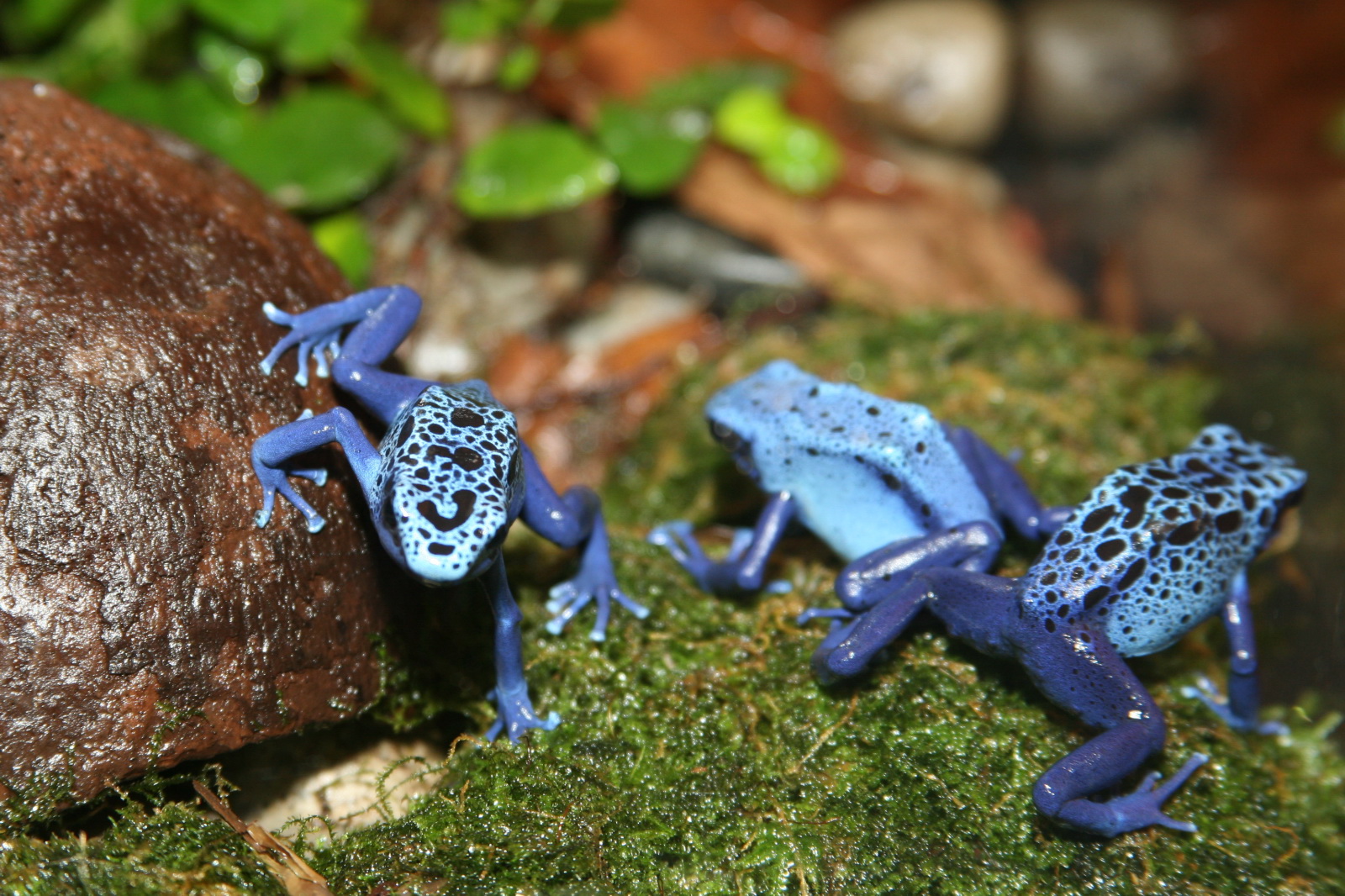
In the heart of the tropical rainforest, where the air is thick with humidity and the vibrant sounds of nature fill the atmosphere, lives the Poison Dart Frog, scientifically known as Dendrobates. This small amphibian, often no longer than a few centimeters, is a dazzling spectacle of color, showcasing bright yellows, blues, and reds that seem to glow against the lush green backdrop of its habitat. These striking hues are not just for show; they serve as a warning to potential predators about the frog’s potent toxins, which can be deadly if ingested. This unique adaptation has captivated scientists and nature enthusiasts alike, sparking curiosity about the intricate relationships between color, danger, and survival in the wild.
As you wander through the dense foliage, you might catch a glimpse of these frogs perched on leaves or hopping gracefully among the underbrush. Their delicate bodies and vibrant patterns make them a highlight of the rainforest ecosystem, where they play a crucial role in maintaining the balance of life. Poison Dart Frogs are not just beautiful; they are also fascinating creatures that engage in complex behaviors, from their melodious courtship calls to their careful foraging for tiny insects. In this article, we will dive deeper into the world of the Poison Dart Frog, exploring its habitat, diet, and the vital role it plays in its environment, all while uncovering the secrets that make this tiny amphibian a true marvel of nature.
The Poison Dart Frog holds a special place in the tree of life, showcasing the incredible diversity of the animal kingdom. This vibrant amphibian belongs to the class Amphibia, which includes frogs, toads, and salamanders. What sets the Poison Dart Frog apart is its striking colors and potent toxins, which have fascinated scientists and nature lovers alike. These small but mighty creatures are not just beautiful; they play a crucial role in their ecosystems, serving as indicators of environmental health. Their unique adaptations and behaviors make them a captivating subject of study in evolutionary biology.
| Taxonomic Rank | Scientific Name | Meaning & Significance |
|---|---|---|
| Kingdom | Animalia | This name means “animals” in Latin, highlighting that these frogs are part of the vast group of multicellular organisms that are typically mobile and consume organic material. |
| Phylum | Chordata | Chordata comes from the Latin word “chorda,” meaning “string.” This refers to the notochord, a flexible rod that supports the body, which all members of this phylum possess at some stage of development. |
| Class | Amphibia | Amphibia means “both kinds of life” in Greek, indicating that these animals can live both in water and on land during different stages of their life cycle. |
| Order | Anura | Anura translates to “without a tail” in Greek, which is fitting since adult frogs and toads lose their tails as they mature from tadpoles. |
| Family | Dendrobatidae | This family name comes from the Greek “dendron,” meaning “tree,” and “bates,” meaning “to climb.” It reflects the tree-dwelling habits of many species within this group. |
| Genus | Dendrobates | Dendrobates combines “dendron” for “tree” and “bates,” referring to the climbing nature of these frogs, which often inhabit tropical rainforests. |
Understanding the Poison Dart Frog’s classification reveals much about its evolutionary journey. As part of the amphibians, these frogs share a common ancestry with other creatures that transitioned from water to land. Their vibrant colors and toxic skin are not just for show; they serve as a defense mechanism against predators, showcasing the intricate relationships between species and their environments. This evolutionary adaptation highlights the ongoing dance of survival and adaptation in nature, reminding us of the delicate balance that sustains life on our planet.
The evolutionary journey of the Poison Dart Frog stretches back millions of years, tracing its roots to the early amphibians that first emerged during the Devonian period, around 400 million years ago. As these ancient creatures adapted to life on land, they evolved into a variety of forms, leading to the diverse amphibian families we see today. Among them, the Dendrobatidae family, which includes the Poison Dart Frog, began to take shape, showcasing a remarkable story of adaptation and survival.
The ancestors of Poison Dart Frogs were likely small, insect-eating amphibians that thrived in moist environments. Over time, they developed key adaptations that set them apart from their relatives. One major transition was the evolution of bright coloration, which serves as a warning to potential predators about their toxicity. This vibrant display is not just for show; it plays a crucial role in their survival. Additionally, these frogs developed specialized skin glands that produce potent alkaloids, the chemicals responsible for their toxicity. This adaptation likely evolved as a defense mechanism against predators, allowing them to thrive in their rainforest habitats.
The adaptations of the Poison Dart Frog have been vital for their survival in the wild. Their bright colors not only warn off predators but also attract mates, ensuring the continuation of their species. The toxicity they possess acts as a powerful deterrent, allowing them to thrive in competitive ecosystems filled with potential threats. By mastering their environment through these evolutionary changes, Poison Dart Frogs have carved out a niche that showcases the wonders of nature’s ingenuity.
The Poison Dart Frog is a small but striking amphibian that captures the imagination with its vivid colors and delicate form. Typically measuring just a few centimeters in length, these frogs boast a slender body that is both agile and graceful. Their skin, smooth and permeable, glistens under the sunlight, showcasing a dazzling array of colors that can range from bright yellows and blues to deep greens and reds. This vibrant appearance not only makes them a visual delight but also serves a crucial role in their survival.
| Feature | Description |
|---|---|
| Size | Typically 2 to 5 centimeters long |
| Weight | Weighs between 2 to 7 grams (0.07 to 0.25 ounces) |
| Color | Brightly colored in shades of yellow, blue, green, and red |
| Skin Type | Smooth and permeable, allowing for moisture absorption |
The dazzling colors of the Poison Dart Frog serve a vital purpose in the wild. These bright hues act as a warning to potential predators, signaling that they are toxic and not safe to eat. This strategy, known as aposematism, helps them avoid becoming a meal. Their permeable skin is also essential for their survival, as it allows them to absorb moisture from their environment, keeping them hydrated in their often humid habitats. Together, these features create a perfect blend of beauty and functionality, ensuring that the Poison Dart Frog thrives in the lush ecosystems it calls home.
The Poison Dart Frog thrives in the lush, vibrant world of tropical jungles and wet forests. Picture a place where the air is thick with humidity, and the sounds of chirping insects and rustling leaves fill the atmosphere. Sunlight filters through a dense canopy of green, creating a mosaic of light and shadow on the forest floor. Here, the ground is often blanketed with rich, damp soil and a variety of plants, providing the perfect environment for these colorful amphibians to flourish.
These frogs prefer warm, humid climates that offer plenty of moisture. They thrive in temperatures ranging from 70 to 90 degrees Fahrenheit (21 to 32 degrees Celsius). The environment is typically rich in vegetation, which not only provides shelter but also a variety of food sources. The constant presence of water, whether from rain or nearby streams, is crucial for their survival, as it helps maintain the humidity levels they need to keep their skin moist.
Adaptation is key for the Poison Dart Frog in these specific habitats. Their bright colors serve as a warning to potential predators about their toxicity, a clever survival strategy. Additionally, their skin absorbs moisture from the environment, allowing them to stay hydrated in the humid jungle. They have also developed a diet that includes small insects, which are essential for obtaining the toxins that make them so poisonous. This unique combination of traits helps them thrive in the vibrant yet challenging world of tropical jungles and wet forests.
The daily life of a Poison Dart Frog is a blend of quiet observation and careful movement. These small amphibians spend much of their time foraging for food, which mainly consists of tiny insects like ants and termites. As they hop through the underbrush, their bright colors serve as a warning to potential predators, signaling that they are toxic. This vibrant display is not just for show; it plays a crucial role in their survival. During the day, they are often found resting on leaves or hiding in the shadows, conserving energy until the evening when they become more active.
Socially, Poison Dart Frogs are quite solitary. Unlike many other frog species that thrive in groups, these frogs prefer to keep to themselves. This solitary lifestyle helps them avoid competition for food and reduces the risk of attracting predators. However, they do communicate with one another through a series of calls, especially during the breeding season. Males will croak to establish territory and attract females, showcasing their vocal prowess. While they may not form tight-knit communities, their interactions are essential for reproduction and maintaining their presence in the ecosystem.
| Behavior Type | Description |
|---|---|
| Foraging | Poison Dart Frogs search for small insects, using their keen eyesight to spot potential meals among the foliage. |
| Territorial Calls | Males croak to mark their territory and attract females, using sound to communicate their presence. |
| Solitary Lifestyle | These frogs prefer to live alone, reducing competition for food and minimizing the risk of predation. |
| Hiding | During the day, they often remain hidden in the shadows or under leaves to avoid detection by predators. |
The behaviors of Poison Dart Frogs are finely tuned to ensure their survival in the wild. By foraging alone and using their bright colors as a warning, they effectively navigate the challenges of their environment. Their solitary nature allows them to conserve energy and avoid conflicts, while their vocalizations during mating season ensure the continuation of their species. Each aspect of their daily life is a testament to the delicate balance of nature, where every action plays a role in the grand tapestry of life.
The Poison Dart Frog is a carnivore, meaning it primarily eats meat. Its diet mainly consists of small insects, which it skillfully hunts in its tropical forest home. These frogs are particularly fond of ants and spiders, using their keen eyesight to spot these tiny creatures among the leaves and underbrush. When it comes to feeding, the Poison Dart Frog employs a strategy of slow, careful movements, allowing it to sneak up on its prey before striking with precision.
| Dietary Aspect | Details |
|---|---|
| Diet Type | Carnivore |
| Favorite Foods | Ants, spiders, and other small insects |
| Prey Items | Insects, particularly ants and spiders |
| Hunting/Foraging Strategies | Slow movements and keen eyesight to spot prey |
This specialized diet plays a crucial role in the Poison Dart Frog’s ecology. By consuming a variety of small insects, these frogs help control insect populations in their environment. Their feeding habits also influence their daily routine, as they spend a significant amount of time foraging for food. This not only sustains them but also contributes to the vibrant ecosystem of the tropical forests they inhabit, showcasing the interconnectedness of life in these lush habitats.
During the breeding season, which typically occurs in the rainy months, Poison Dart Frogs engage in a captivating courtship ritual. Males call out with a series of melodic croaks to attract females, creating a symphony of sounds that fills the humid air. Once a female chooses a mate, they will often engage in a dance, hopping and moving together in a display of affection. This vibrant mating behavior sets the stage for the next exciting chapter in their life cycle.
| Reproductive Aspect | Details |
|---|---|
| Gestation Period | About 10 to 14 days |
| Litter Size | Average of 10 eggs |
| Age of Maturity | Approximately 6 to 12 months |
| Name of Young | Tadpoles |
After the female lays her eggs, she carefully places them in a safe spot, often on leaves above water. Once the eggs hatch, the tiny tadpoles drop into the water below, where they begin their journey of growth. The male often stays nearby, guarding the area and ensuring the safety of the young. As the tadpoles develop, they undergo a remarkable transformation, changing from aquatic creatures into fully formed frogs. This process, known as metamorphosis, can take several weeks, and once they emerge as adults, they are ready to explore the world around them, continuing the cycle of life in their vibrant rainforest home.
The Poison Dart Frog plays a crucial role in its ecosystem, nestled within the intricate web of life in tropical rainforests. As both predator and prey, it helps maintain the balance of its environment. These vibrant amphibians feast on small insects, while also being a target for various predators. Their striking colors, which can range from bright yellows to deep blues, serve as a warning to potential threats about their toxicity. This fascinating relationship highlights the interconnectedness of species in the wild.
To survive against these dangers, Poison Dart Frogs have developed several clever strategies. Their bright colors act as a warning signal, a tactic known as aposematism, which tells predators that they are not safe to eat. Additionally, these frogs often choose to hide in dense foliage, making it harder for predators to spot them. Some species even have the ability to secrete toxins through their skin, a powerful defense mechanism that can deter would-be attackers. By combining these defensive behaviors, Poison Dart Frogs navigate the challenges of their environment, ensuring their survival in a world full of threats.
A keystone species is an organism that has a disproportionately large impact on its environment relative to its abundance. This means that if it were removed, the ecosystem would change dramatically. The Poison Dart Frog qualifies as a keystone species due to its role in the tropical jungles and wet forests where it resides. Its presence helps maintain the balance of these ecosystems, influencing both the populations of its prey and the overall health of its habitat.
Poison Dart Frogs are carnivores, primarily feeding on small insects. By controlling insect populations, they help prevent any one species from becoming too dominant, which could disrupt the delicate balance of their ecosystem. For example, if these frogs were to disappear, the number of insects could explode, leading to overgrazing of plants and a decline in vegetation. This, in turn, would affect other animals that rely on those plants for food and shelter.
Additionally, the vibrant colors of Poison Dart Frogs serve as a warning to potential predators about their toxicity. This not only protects the frogs but also influences the behavior of other species in the area. Predators learn to avoid brightly colored creatures, which can help maintain a diverse range of species in the ecosystem. The frogs also contribute to nutrient cycling in their environment, as their waste provides essential nutrients for the soil, promoting plant growth.
If Poison Dart Frogs were to vanish from their habitats, the consequences would ripple through the ecosystem. Insect populations would likely surge, leading to a decline in plant life and altering the landscape. This change would not only affect the frogs’ immediate neighbors but also the entire food web, as animals that depend on plants for food would struggle to survive. The vibrant tapestry of life in tropical jungles would be significantly diminished, showcasing just how vital these small amphibians are to their environment.
The Poison Dart Frog occupies a vital ecological niche in the tropical jungles and wet forests where it resides. As a small but significant player in its environment, this amphibian contributes to the balance of its ecosystem. By preying on insects, it helps control their populations, while also serving as a food source for larger predators. This interconnectedness illustrates how the Poison Dart Frog is not just a colorful inhabitant of the rainforest but a key component in maintaining the health of its habitat.
| Ecosystem Service | Impact |
|---|---|
| Insect population control | Prevents overpopulation of insects, which can damage plant life. |
| Food source for predators | Provides nourishment for birds, snakes, and other larger animals. |
| Indicator of environmental health | Reflects the overall health of the ecosystem, as they are sensitive to changes. |
| Contribution to biodiversity | Enhances the variety of life in the rainforest, supporting a complex web of interactions. |
The influence of the Poison Dart Frog extends beyond its immediate actions. For instance, by keeping insect populations in check, these frogs help protect the delicate balance of plant life in their habitat. Without them, certain insect species could multiply unchecked, leading to overgrazing of vegetation. Additionally, their vibrant colors and toxic skin serve as a warning to potential predators, which helps maintain a diverse range of species in the ecosystem. This dynamic interplay showcases how even the smallest creatures can have a profound impact on their surroundings.
The broader ecological importance of the Poison Dart Frog cannot be overstated. As a keystone species, its presence is crucial for the stability of its ecosystem. If these frogs were to disappear, the ripple effects would be felt throughout the food web, potentially leading to declines in both predator and prey populations. Furthermore, their sensitivity to environmental changes makes them valuable indicators of ecosystem health. By studying these remarkable amphibians, scientists can gain insights into the overall state of tropical ecosystems, highlighting the need for conservation efforts to protect these vibrant habitats.
In the vibrant world of tropical jungles, the Poison Dart Frog engages in fascinating ecological relationships with other species. These interactions can be classified into three main types: mutualism, parasitism, and commensalism. Symbiosis, a term that describes close and long-term interactions between different species, plays a crucial role in the survival and thriving of these frogs and their partners. By understanding these relationships, we can appreciate how interconnected life is in the rainforest.
| Species/Type | Relationship Type | Description |
|---|---|---|
| Ants | Mutualistic | Poison Dart Frogs often share their habitat with certain ant species. The frogs benefit from the ants’ presence, as they help deter predators with their aggressive behavior, while the ants gain protection from larger threats. |
| Fungi | Commensal | Some fungi grow on the skin of Poison Dart Frogs. While the frogs are not harmed, the fungi benefit by having a moist environment to thrive in, showcasing a relationship where one party gains without affecting the other. |
| Parasites (like nematodes) | Parasitic | Some nematodes can infect Poison Dart Frogs, drawing nutrients from their hosts. This relationship can weaken the frogs, demonstrating how not all interactions are beneficial. |
These relationships have evolved over time, shaped by the needs and adaptations of each species involved. Mutualistic partnerships, like that with ants, enhance the survival of both parties, while commensal relationships allow species to coexist without harm. On the other hand, parasitic interactions remind us of the challenges that can arise in nature. Understanding these dynamics helps us appreciate the delicate balance of life in the rainforest, where every species plays a role in the grand tapestry of the ecosystem.
The Poison Dart Frog is a captivating amphibian that not only dazzles with its bright colors but also intrigues with its unique adaptations and behaviors. Here are some surprising facts that showcase just how extraordinary these little frogs truly are.
The relationship between Poison Dart Frogs and humanity is as colorful and complex as the frogs themselves. Historically, these vibrant amphibians have captured the attention of indigenous peoples in Central and South America. The indigenous tribes, such as the Embera and the Kuna, have long used the frogs’ toxic secretions to poison the tips of their blow darts for hunting. This practice not only highlights the frogs’ significance in traditional hunting methods but also reflects a deep cultural connection to the natural world. The bright colors of these frogs, which serve as a warning to predators about their toxicity, have also inspired art and folklore, making them symbols of beauty and danger intertwined.
In modern times, the interactions between Poison Dart Frogs and humans have evolved, focusing on conservation and education. As deforestation and habitat loss threaten these amphibians, conservationists are working tirelessly to protect their natural habitats. Many organizations are dedicated to raising awareness about the importance of biodiversity and the role these frogs play in their ecosystems. However, there are also conflicts, as some people may see these frogs as pests or may not understand their ecological value. Additionally, the exotic pet trade has led to concerns about the domestication of these frogs, which can disrupt their populations in the wild.
As we look to the future, the relationship between Poison Dart Frogs and humanity holds both promise and challenges. With increased awareness and education, there is hope for a more harmonious coexistence. By valuing these frogs not just for their beauty but also for their ecological roles, we can foster a deeper respect for the natural world. Protecting their habitats and understanding their significance can lead to a brighter future for both these remarkable amphibians and the people who share their environment. Together, we can ensure that the vibrant legacy of the Poison Dart Frog continues to thrive for generations to come.
The conservation status of the Poison Dart Frog is currently classified as Near Threatened. This means that while the species is not yet endangered, it faces significant risks that could lead to a decline in its population if protective measures are not taken. Population estimates vary, but many species within this group are experiencing downward trends due to habitat loss and other environmental pressures.
| Conservation Factor | Status/Details |
|---|---|
| IUCN Status | Near Threatened |
| Population Estimates | Varies by species; some populations are declining |
| Trend Direction | Decreasing |
The main threats to Poison Dart Frogs stem from habitat destruction, primarily due to deforestation and land conversion for agriculture. As tropical rainforests are cleared, these frogs lose their homes and the delicate ecosystems they rely on. Additionally, climate change poses a significant risk, altering rainfall patterns and temperatures, which can disrupt their breeding cycles and food availability. Pollution from pesticides and other chemicals can also harm these sensitive amphibians, as they absorb toxins through their skin.
Conservation efforts are underway to protect Poison Dart Frogs and their habitats. Organizations are working to preserve tropical rainforests and promote sustainable land-use practices. Education and awareness campaigns help local communities understand the importance of these frogs in their ecosystems. The outlook for the species depends on continued conservation actions and global efforts to combat climate change. With the right measures in place, there is hope that Poison Dart Frogs can thrive in their natural environments for generations to come.
| Question | Answer |
|---|---|
| Where do Poison Dart Frogs live? | Poison Dart Frogs are found in tropical jungles and wet forests, primarily in Central and South America. They thrive in humid environments where they can easily find food and shelter. |
| What do Poison Dart Frogs eat? | These frogs are carnivores, meaning they eat other animals. Their diet mainly consists of small insects like ants, termites, and beetles, which provide them with the toxins that make them poisonous. |
| How do Poison Dart Frogs behave? | Poison Dart Frogs are known for their vibrant colors and often live in small groups. They are diurnal, which means they are active during the day, and they communicate with each other using a variety of calls and vocalizations. |
| How do Poison Dart Frogs reproduce? | During mating, the male frog calls to attract a female. After mating, the female lays her eggs on moist leaves or in small pools of water, where the tadpoles will later hatch and develop. |
| What threats do Poison Dart Frogs face? | Poison Dart Frogs are considered Near Threatened due to habitat loss from deforestation and pollution. Climate change also poses a risk, as it can alter their habitats and food sources. |
| What makes Poison Dart Frogs interesting? | One of the most fascinating aspects of Poison Dart Frogs is their bright colors, which serve as a warning to predators about their toxicity. Interestingly, the toxins they produce come from their diet in the wild, and frogs raised in captivity do not develop these poisons. |
| Can Poison Dart Frogs be kept as pets? | While some people do keep Poison Dart Frogs as pets, it is important to note that they require specific care and a suitable environment. Additionally, they should not be handled frequently, as this can stress them and affect their health. |