Taxonomy & Classification
- Kingdom
- Animalia
- Phylum
- Chordata
- Class
- Mammalia
- Order
- Carnivora
- Family
- Ursidae
- Genus
- Ursus
- Species
- Ursus maritimus

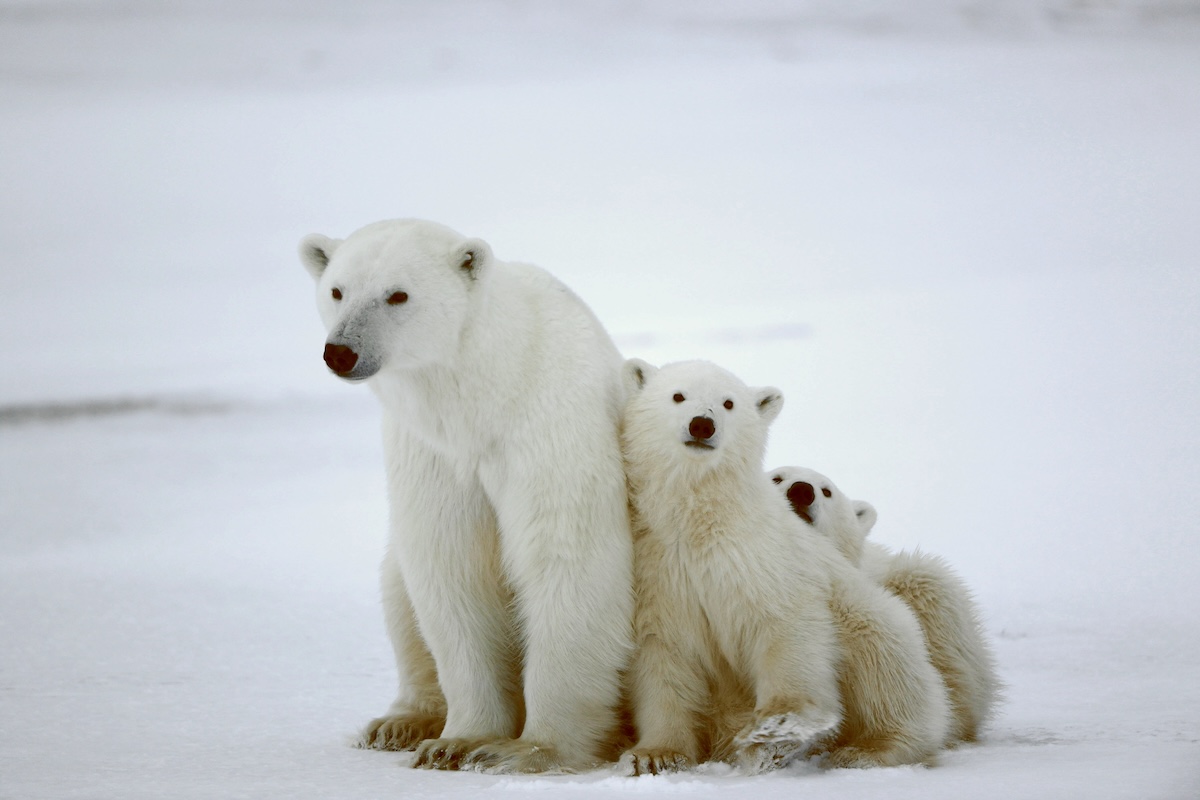 Photo Credit: SURZet at Deposit Photos
In the vast, icy expanse of the Arctic, the polar bear, known scientifically as Ursus maritimus, reigns as a majestic symbol of survival and strength. Picture a colossal creature, its thick white fur glistening under the pale sun, blending seamlessly with the shimmering ice and snow. With powerful limbs and large paws designed for traversing the frozen landscape, this magnificent animal is not just a sight to behold; it is a master of its frigid domain. Scientists and nature enthusiasts alike are captivated by the polar bear’s ability to thrive in one of the harshest environments on Earth, showcasing remarkable adaptations that allow it to hunt seals and navigate the shifting sea ice.
As the polar bear roams its icy kingdom, it embodies the delicate balance of life in the Arctic. These bears are not only skilled hunters but also play a crucial role in their ecosystem, helping to maintain the health of marine life. Their presence is a vital indicator of the changing climate, making them a focal point for conservation efforts. With their striking appearance and fascinating behaviors, polar bears invite us to explore the wonders of the natural world, urging us to understand and protect the fragile beauty of their habitat. Join us as we delve deeper into the life of Ursus maritimus, uncovering the secrets of this incredible species and the challenges it faces in a warming world.
The polar bear, a magnificent symbol of the Arctic wilderness, holds a special place in the tree of life. Scientifically known as Ursus maritimus, it belongs to the kingdom Animalia, which includes all animals, and is classified under the phylum Chordata, meaning it has a backbone. As a member of the class Mammalia, polar bears are warm-blooded and nurse their young with milk. They are part of the order Carnivora, which includes meat-eating animals, and the family Ursidae, which encompasses all bears. What sets polar bears apart is their incredible adaptation to life in icy environments, with thick blubber and a dense fur coat that keeps them warm in freezing temperatures.
| Taxonomic Rank | Scientific Name | Meaning & Significance |
|---|---|---|
| Kingdom | Animalia | This name comes from the Latin word “animalis,” meaning “having breath” or “living.” It signifies all living creatures, including polar bears. |
| Phylum | Chordata | Derived from the Greek word “chordē,” meaning “string,” this classification highlights that polar bears have a backbone, a key feature of vertebrates. |
| Class | Mammalia | This term comes from the Latin “mamma,” meaning “breast,” indicating that polar bears, like all mammals, feed their young with milk. |
| Order | Carnivora | From the Latin “carnivorus,” meaning “meat-eating,” this classification reflects the polar bear’s diet, which primarily consists of seals. |
| Family | Ursidae | This name is derived from the Latin word “ursus,” meaning “bear.” It groups polar bears with other bear species, emphasizing their shared characteristics. |
| Genus | Ursus | Also from the Latin “ursus,” this classification further identifies the bear’s lineage, connecting it to its closest relatives. |
| Species | Ursus maritimus | The species name means “of the sea,” highlighting the polar bear’s strong association with marine environments and its reliance on sea ice for hunting. |
Understanding the polar bear’s classification reveals much about its evolutionary journey. As a member of the Ursidae family, polar bears share a common ancestor with other bear species, but their adaptations to the Arctic environment set them apart. Over time, they have evolved specialized traits, such as their white fur for camouflage and their powerful limbs for swimming. This unique evolutionary path not only showcases the polar bear’s resilience but also highlights the delicate balance of life in one of the planet’s most extreme habitats.
The evolutionary journey of the polar bear is a captivating tale that stretches back millions of years. This magnificent animal, known scientifically as Ursus maritimus, diverged from its closest relatives around 500,000 to 1 million years ago. As the Earth’s climate changed, these bears adapted to the icy realms of the Arctic, evolving traits that would allow them to thrive in one of the planet’s harshest environments.
The ancestors of polar bears were brown bears, which roamed the forests and mountains of the Northern Hemisphere. As some of these bears ventured northward, they encountered the frigid conditions of the Arctic. Over time, natural selection favored those individuals that could better survive in the cold, leading to significant changes. Their fur became thicker and whiter, providing camouflage against the snow and ice. Additionally, their bodies grew larger and more robust, which helped them retain heat and navigate the icy terrain.
These adaptations have been crucial for the polar bear’s survival in the Arctic. The combination of thick fur and a substantial layer of fat allows them to endure freezing temperatures, while their large paws help them traverse the icy terrain with ease. Their keen sense of smell ensures they can locate food even in the vast, snowy expanse. As the climate continues to change, these remarkable adaptations will be tested, but they have allowed polar bears to thrive in one of the most challenging habitats on Earth for thousands of years.
The polar bear is an awe-inspiring sight, embodying the stark beauty of its icy habitat. With a powerful body built for survival in the harsh Arctic environment, it can weigh anywhere from 150 to 600 kilograms, which is about 330 to 1,322 pounds. This hefty frame is supported by strong limbs and large paws, perfect for traversing snow and ice. Its most striking feature is its fur, which appears white but is actually clear, allowing sunlight to filter through and reflect off its black skin underneath. This clever adaptation helps the polar bear blend into its snowy surroundings while also absorbing warmth from the sun.
| Feature | Description |
|---|---|
| Weight | 150kg – 600kg (330lbs – 1,322lbs) |
| Skin Type | Fur |
| Most Distinctive Feature | Clear not white fur and black skin |
These physical characteristics work together to create a perfect survival machine. The polar bear’s thick layer of fat, combined with its fur, provides insulation against the freezing temperatures of the Arctic. The clear fur not only helps with camouflage but also allows the bear to soak up the sun’s warmth, which is crucial for maintaining its body heat. With its powerful build and specialized features, the polar bear is a master of its icy domain, showcasing the incredible ways animals adapt to their environments.
The polar bear’s home is a breathtaking expanse of icy wonder, where the land meets the sea in a dance of frost and light. Imagine vast coastal ice fields, shimmering under the pale Arctic sun, and floating icebergs drifting like giant white ships across the deep blue waters. This is a world where snowflakes twirl in the air, and the silence is only broken by the crackling of ice. Here, the polar bear reigns as the top predator, perfectly adapted to thrive in this frigid paradise.
The climate in these regions is extreme, characterized by long, harsh winters and short, cool summers. Temperatures can plummet to minus 30 degrees Fahrenheit or lower, creating a challenging environment for survival. Polar bears rely on sea ice, which forms in the winter and melts in the summer, to hunt seals, their primary food source. This ice is crucial, as it provides a platform for the bears to rest and stalk their prey. The polar bear’s habitat is not just cold; it is a delicate balance of ice and water, where the changing seasons dictate their way of life.
To thrive in such a demanding environment, polar bears have developed incredible adaptations. Their thick layer of blubber, which can be up to four inches deep, acts as insulation against the biting cold. Their fur, while appearing white, is actually transparent and hollow, helping to trap heat. Polar bears also have large, powerful limbs and webbed paws that make them excellent swimmers, allowing them to navigate the icy waters with ease. These adaptations are essential for their survival, enabling them to hunt, travel, and endure the challenges of their stunning yet unforgiving Arctic home.
The daily life of a polar bear is a blend of adventure and survival in the icy realms of the Arctic. These magnificent animals are diurnal, meaning they are most active during the day. As the sun rises, a polar bear might begin its hunt for seals, their primary food source. They use their keen sense of smell to detect seals hiding beneath the ice. After a successful hunt, they may spend time resting or playing in the snow, enjoying the chilly environment that is their home.
While polar bears are often seen alone, they do have interesting social behaviors, especially during the breeding season. Males and females will come together to mate, but outside of this time, they prefer solitude. This solitary lifestyle helps them avoid competition for food and territory. However, mothers with cubs are an exception; they are fiercely protective and will stay close to their young, teaching them essential survival skills.
| Behavior Type | Description |
|---|---|
| Hunting | Polar bears hunt primarily for seals, using their strong sense of smell to locate them beneath the ice. |
| Resting | After a hunt, they often take time to rest, conserving energy for the next hunt. |
| Social Interactions | Outside of mating season, polar bears are solitary, but they may interact during breeding or when a mother is with her cubs. |
| Communication | They communicate through vocalizations, body language, and scent marking, especially during mating season. |
The behaviors of polar bears are finely tuned to ensure their survival in one of the harshest environments on Earth. Their solitary nature allows them to efficiently hunt and conserve energy, while their social interactions during breeding ensure the continuation of their species. By mastering the art of living in the Arctic, polar bears remain resilient and majestic, embodying the spirit of the wild.
The polar bear’s diet is primarily carnivorous, focusing on high-fat foods that provide the energy needed to thrive in its frigid habitat. These magnificent animals are expert hunters, relying on their keen sense of smell to locate prey, often from miles away. Their favorite meals include seals, particularly ringed and bearded seals, which they hunt by waiting patiently at breathing holes in the ice. This strategy showcases their remarkable patience and skill, as they can remain still for hours, ready to pounce when the seal surfaces for air.
| Dietary Aspect | Details |
|---|---|
| Diet Type | Carnivore |
| Favorite Foods | Seals, especially ringed and bearded seals |
| Prey Items | Walrus, seabirds |
| Hunting Strategies | Waiting at breathing holes, stalking on ice |
The polar bear’s diet plays a crucial role in shaping its ecology and daily routine. By primarily feeding on seals, these bears help maintain the balance of the Arctic ecosystem. Their hunting habits also influence the population dynamics of their prey, ensuring that the delicate web of life in the Arctic remains intact. As they traverse vast distances in search of food, polar bears not only sustain themselves but also contribute to the health of their icy environment, making them vital players in the Arctic’s natural world.
When it comes to polar bear reproduction, the Arctic’s long, dark winter plays a crucial role. Mating typically occurs in the spring, from March to May, when the bears are more active and social. Male polar bears, known as boars, will often travel great distances to find a female, or sow, in estrus, which means she is ready to mate. After a successful courtship, the female will enter a fascinating phase called delayed implantation, where the fertilized egg does not immediately attach to the uterus. This clever adaptation allows her to time the birth of her cubs for when conditions are more favorable, usually in late December or early January.
| Reproductive Aspect | Details |
|---|---|
| Gestation Period | 6 – 9 months |
| Average Litter Size | 2 |
| Age of Sexual Maturity | 3 – 5 years |
| Name of Young | Cub |
After the cubs are born, the mother polar bear becomes a dedicated caregiver. She will nurse her young, providing them with rich milk that helps them grow quickly. The cubs are born blind and helpless, weighing only about a pound each. As they grow, they learn essential survival skills from their mother, such as hunting and navigating their icy environment. By the time they are about two years old, the cubs are ready to venture out on their own, having absorbed the knowledge and strength needed to thrive in the challenging Arctic landscape. This nurturing bond between mother and cub is vital for the survival of the next generation of these magnificent bears.
The polar bear occupies a crucial position in the Arctic food web, sitting at the top as a formidable predator. This majestic animal primarily hunts seals, which are its main source of food. However, its role is not just about hunting; it also helps maintain the balance of the ecosystem by controlling seal populations. This balance is vital for the health of the entire Arctic environment, where every species plays a part in the intricate web of life.
To defend against these threats, polar bears have developed several survival strategies. They are excellent swimmers, allowing them to navigate through melting ice and find food in open waters. Their thick layer of blubber and dense fur keeps them warm in freezing temperatures, while their keen sense of smell helps them locate seals beneath the ice. Despite the challenges they face, polar bears continue to adapt, showcasing their resilience in a rapidly changing world.
A keystone species is an organism that plays a critical role in maintaining the structure of its ecosystem. Its presence and activities significantly influence the environment and the other species that inhabit it. The polar bear, known scientifically as Ursus maritimus, certainly qualifies as a keystone species in the Arctic ecosystem. By regulating the populations of its prey and influencing the dynamics of the ice-covered habitat, the polar bear helps maintain the balance of life in this frigid world.
Polar bears primarily hunt seals, which are their main source of food. By preying on these marine mammals, they help control seal populations, preventing them from overgrazing on the sea ice. This hunting behavior is essential because seals play a vital role in the health of the marine ecosystem. When polar bears hunt effectively, they ensure that the seal population remains balanced, which in turn supports the entire food web. Without polar bears, seal numbers could skyrocket, leading to overconsumption of fish and other marine life, disrupting the entire ecosystem.
Moreover, polar bears are also indicators of climate change. As they rely on sea ice for hunting, their health and population trends reflect the state of the Arctic environment. When polar bears struggle to find food due to melting ice, it signals to scientists and conservationists that the ecosystem is in distress. This connection highlights the polar bear’s role not just as a predator, but as a vital sign of the health of the Arctic ecosystem.
If polar bears were to disappear from the Arctic, the consequences would be profound. The unchecked growth of seal populations could lead to a decline in fish and other marine species, disrupting the entire food web. This imbalance would not only affect the marine life but also the indigenous communities that rely on these resources for their survival. The loss of polar bears would signal a significant shift in the Arctic ecosystem, highlighting the interconnectedness of all species and the delicate balance that sustains life in this icy realm.
The polar bear, known scientifically as Ursus maritimus, plays a vital role in its Arctic ecosystem. As a top predator, it helps maintain the balance of marine life, particularly through its hunting of seals. This hunting behavior not only regulates seal populations but also influences the distribution of other species in the food web. By shaping the dynamics of its environment, the polar bear ensures that the Arctic remains a thriving habitat for a variety of organisms.
| Ecosystem Service | Impact |
|---|---|
| Predation | Controls seal populations, preventing overpopulation and promoting biodiversity. |
| Scavenging | Clears carcasses from the environment, which helps prevent the spread of disease. |
| Habitat Creation | Through their movements on ice, they create pathways that other animals can use. |
| Climate Indicator | Reflects the health of the Arctic ecosystem, signaling changes in climate and ice conditions. |
The polar bear’s influence extends beyond its immediate hunting practices. For instance, when a polar bear hunts a seal, it not only provides food for itself but also leaves behind remains that other scavengers, like arctic foxes and ravens, can feed on. This scavenging behavior supports a diverse range of wildlife. Additionally, the polar bear’s presence in the ecosystem serves as an indicator of climate health. As the ice melts due to rising temperatures, the polar bear’s struggle for survival highlights the urgent need for conservation efforts in the Arctic.
The broader ecological importance of the polar bear cannot be overstated. As a keystone species, its existence is crucial for maintaining the structure of the Arctic ecosystem. The health of the polar bear population reflects the overall condition of its environment, making it a vital player in the fight against climate change. Protecting this magnificent animal and its habitat is essential not only for the polar bear itself but for the entire Arctic ecosystem, which is interconnected with global environmental health.
In the intricate web of life, symbiosis refers to the close interactions between different species, which can take on various forms. These relationships can be mutualistic, where both species benefit; parasitic, where one benefits at the expense of the other; or commensal, where one benefits while the other is neither helped nor harmed. In the Arctic, where the polar bear roams, these relationships are essential for survival and ecological balance.
| Species/Type | Relationship Type | Description |
|---|---|---|
| Seals | Mutualistic | While polar bears hunt seals for food, seals help maintain the health of the marine ecosystem by controlling fish populations, indirectly supporting the bears’ hunting grounds. |
| Arctic Fox | Commensal | Arctic foxes often scavenge on the remains of polar bear kills, benefiting from the bears’ hunting without affecting the bears. |
| Birds (like gulls) | Commensal | Birds may follow polar bears to feed on scraps left behind after a hunt, gaining food while the bears remain unaffected. |
These relationships have evolved over time, shaped by the harsh conditions of the Arctic environment. The polar bear’s role as a top predator influences the populations of seals, which in turn helps maintain the balance of marine life. Meanwhile, the scavengers like Arctic foxes and birds benefit from the bears’ hunting success, creating a dynamic ecosystem where each species plays a part. Understanding these connections highlights the importance of preserving the delicate balance of Arctic habitats, ensuring that all species can thrive together.
Polar bears are not just iconic symbols of the Arctic; they are also full of surprises that reveal their incredible adaptations and behaviors. Here are some intriguing facts that showcase the extraordinary life of these magnificent animals.
The relationship between polar bears and humanity is steeped in history and cultural significance. For centuries, Indigenous peoples of the Arctic have revered these majestic animals, weaving them into their folklore and traditions. The polar bear, known as “nanuq” in the Inuktitut language, symbolizes strength and resilience. Historical encounters often involved hunting, where the bear was not only a source of food but also a vital part of the community’s spiritual beliefs. These interactions have shaped a deep respect for the polar bear, highlighting its importance in the cultural identity of Arctic communities.
Today, the relationship between polar bears and humans is complex and multifaceted. As climate change accelerates, the melting ice in the Arctic poses significant challenges for these bears, leading to increased human-wildlife conflict. As polar bears venture closer to human settlements in search of food, encounters can become dangerous. Conservation efforts are underway to protect their habitats and ensure their survival, but these efforts often clash with human activities like oil drilling and shipping. While domestication of polar bears is not feasible due to their wild nature and specific habitat needs, understanding and respecting their role in the ecosystem is crucial for both species.
Looking ahead, the future of the relationship between polar bears and humanity hinges on our ability to adapt and respond to the challenges posed by a changing climate. As stewards of the Earth, we have a responsibility to protect these incredible animals and their habitats. By fostering a deeper understanding of their needs and the threats they face, we can work together to ensure that polar bears continue to thrive in the wild. The journey ahead will require collaboration, innovation, and a commitment to preserving the delicate balance of life in the Arctic.
The polar bear, a majestic inhabitant of the Arctic, is currently classified as “Vulnerable” on the International Union for Conservation of Nature (IUCN) Red List. This status indicates that the species faces a high risk of extinction in the wild. Recent estimates suggest that there are between 20,000 and 25,000 polar bears roaming the icy expanses of their habitat. However, their population trends are concerning, as many experts believe that numbers are declining due to various environmental pressures.
| Conservation Factor | Status/Details |
|---|---|
| IUCN Status | Vulnerable |
| Estimated Population Size | 20,000 – 25,000 |
| Population Trend | Declining |
The main threats to polar bears stem from climate change and habitat loss. As global temperatures rise, the Arctic ice they depend on for hunting seals is melting at an alarming rate. This loss of sea ice not only reduces their hunting grounds but also forces polar bears to travel greater distances in search of food. Additionally, oil and gas exploration, pollution, and increased shipping traffic in the Arctic pose further risks to their survival. These factors create a challenging environment for polar bears, making it harder for them to find food and reproduce successfully.
Conservation efforts are underway to protect polar bears and their habitat. Organizations and governments are working together to reduce greenhouse gas emissions, which contribute to climate change. Protected areas are being established to safeguard critical habitats, and research is being conducted to better understand polar bear populations and their needs. While the outlook remains uncertain, these efforts provide hope for the future of polar bears, reminding us that with concerted action, we can help ensure that these magnificent animals continue to roam the Arctic for generations to come.
| Question | Answer |
|---|---|
| Where do polar bears live? | Polar bears primarily inhabit coastal ice fields and floating ice in the Arctic region. They are found in countries like Canada, Alaska, Russia, Greenland, and Norway, where they rely on sea ice to hunt for food. |
| What do polar bears eat? | Polar bears are carnivores, meaning they mainly eat meat. Their diet consists mostly of seals, particularly ringed and bearded seals, which they hunt by waiting near breathing holes in the ice. |
| How do polar bears behave? | Polar bears are known for their solitary behavior, often roaming alone except for mothers with cubs. They are excellent swimmers and can cover long distances in the water, using their powerful limbs to paddle through icy seas. |
| How do polar bears reproduce? | Polar bears mate in the spring, and after a gestation period of about eight months, females give birth to one to three cubs in a den. The cubs are born small and helpless, relying on their mother for warmth and milk during their early months. |
| What threats do polar bears face? | Polar bears are classified as vulnerable due to climate change, which is causing their sea ice habitat to shrink. Other threats include oil drilling, shipping traffic, and pollution, which can harm their food sources and overall health. |
| What is a unique characteristic of polar bears? | One of the most distinctive features of polar bears is their clear fur, which appears white but actually helps them blend into their icy surroundings. Beneath their fur, they have black skin that absorbs sunlight, helping them stay warm. |
| How do polar bears stay warm in cold temperatures? | Polar bears have a thick layer of blubber, or fat, beneath their skin that insulates them against the cold. Their fur also traps air, providing additional warmth, making them well-adapted to their frigid environment. |