Taxonomy & Classification
- Kingdom
- Animalia
- Phylum
- Chordata
- Class
- Mammalia
- Order
- Primates
- Family
- Cercopithecidae
- Genus
- Papio
- Species
- Papio

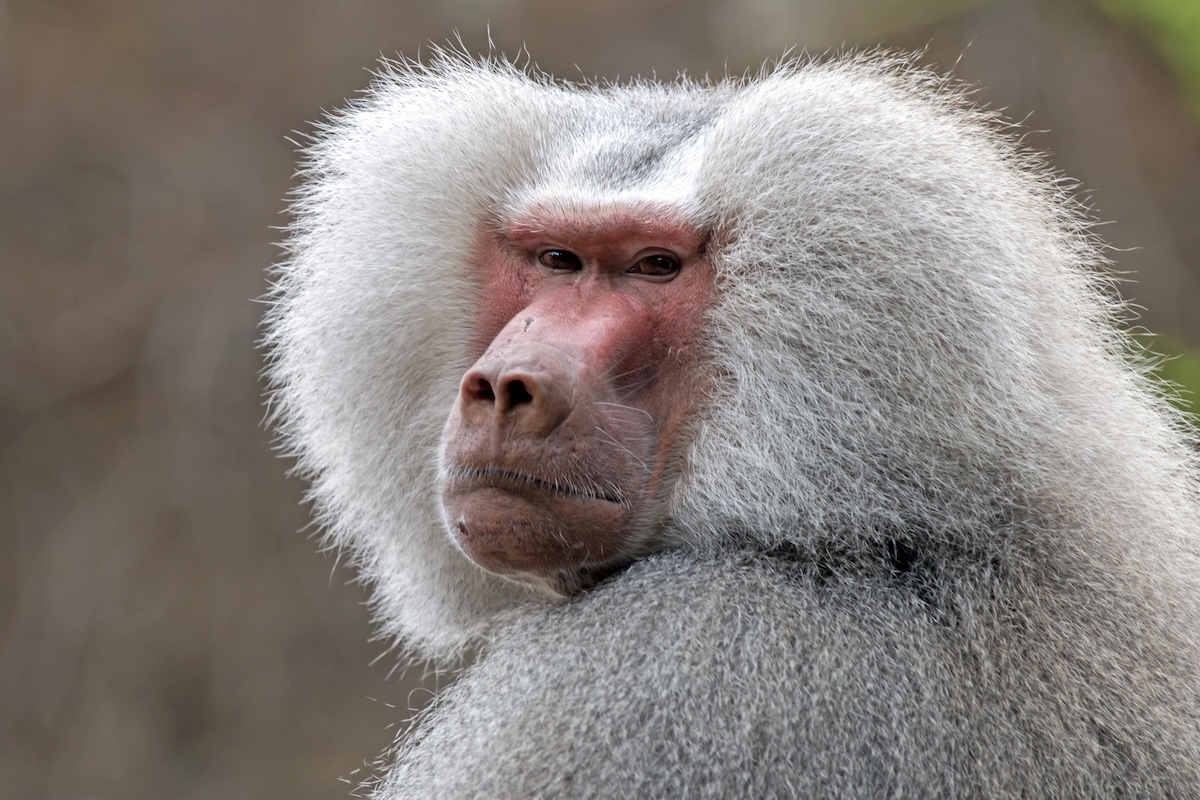 Photo Credit: EBFoto at Deposit Photos
In the sun-drenched savannas of Africa, the Olive Baboon, scientifically known as Papio anubis, roams with a lively spirit and a keen sense of curiosity. With its striking olive-green fur and expressive face, this primate is hard to miss. Baboons are not just visually captivating; they are also incredibly intelligent and social animals, often seen interacting in tight-knit groups. Their robust bodies and long, powerful limbs allow them to navigate their diverse habitats, from rocky cliffs to open grasslands, showcasing their adaptability and resilience.
What makes the Olive Baboon particularly fascinating to scientists and nature lovers alike is its complex social structure and behavior. Living in troops that can number in the hundreds, these primates exhibit a range of interactions, from grooming to playful antics, which strengthen their bonds and maintain harmony within the group. Their omnivorous diet, which includes fruits, seeds, and even small animals, highlights their role as key players in their ecosystems. As they forage and explore, baboons not only sustain themselves but also help shape their environment, making them vital contributors to the health of their habitats. Join us as we delve deeper into the world of baboons, uncovering their intriguing behaviors, social dynamics, and the important roles they play in the wild.
Baboons are intriguing members of the animal kingdom, sitting firmly within the primate family tree. They belong to the order Primates, which includes all monkeys, apes, and humans. What sets baboons apart is their complex social structures and remarkable adaptability to various environments, from savannas to forests. With their expressive faces and strong social bonds, these animals showcase behaviors that hint at the roots of human social interaction. Their classification reveals not just their biological relationships but also their evolutionary journey through time.
| Taxonomic Rank | Scientific Name | Meaning & Significance |
|---|---|---|
| Kingdom | Animalia | This name means “animals” in Latin, highlighting that baboons are part of the vast group of multicellular organisms that consume organic material for energy. |
| Phylum | Chordata | Chordata comes from the Latin word “chorda,” meaning “string.” This refers to the notochord, a flexible rod that supports the body, which all members of this phylum possess at some stage of development. |
| Class | Mammalia | Mammalia is derived from the Latin word “mamma,” meaning “breast.” This name signifies that all mammals, including baboons, nurse their young with milk produced by mammary glands. |
| Order | Primates | The term Primates comes from the Latin “primus,” meaning “first.” This reflects their position as one of the earliest groups of mammals to evolve complex behaviors and social structures. |
| Family | Cercopithecidae | This family name means “tail-less monkeys” in Greek, although baboons do have tails. It emphasizes their classification among Old World monkeys, which are known for their diverse adaptations. |
| Genus | Papio | Papio is derived from the Latin word for “baboon,” which is thought to relate to their distinctive facial features and social behaviors that are easily recognizable. |
Understanding where baboons fit in the tree of life not only highlights their biological connections but also sheds light on their evolutionary history. As primates, they share a common ancestor with humans, which is evident in their social behaviors and cognitive abilities. This classification reveals how baboons have adapted over millions of years, developing traits that allow them to thrive in diverse habitats while maintaining complex social interactions. Their place in the animal kingdom is a testament to the intricate web of life that connects all living beings.
The evolutionary journey of baboons stretches back millions of years, weaving through the complex tapestry of primate history. These fascinating animals belong to the genus Papio and are part of the family Cercopithecidae, which includes many other Old World monkeys. Baboons have adapted to a variety of environments across Africa, showcasing their resilience and versatility as they evolved from their ancient ancestors.
The story begins with early primates that roamed the Earth around 60 million years ago. These ancestral forms were small, tree-dwelling creatures that gradually adapted to life on the ground. As the climate changed and forests gave way to savannas, some primates began to develop traits that would help them thrive in open habitats. Over time, these adaptations led to the emergence of the baboon lineage, which split from other primates around 2 to 3 million years ago. This transition marked a significant shift, as baboons became more terrestrial, relying on their social structures and physical adaptations to navigate their environments.
Baboons’ evolutionary adaptations have been crucial for their survival in diverse habitats. Their strong limbs and social structures enable them to thrive in the challenging landscapes of Africa, while their dietary flexibility allows them to exploit various food sources. By developing keen communication skills and a robust defense mechanism, baboons have successfully navigated the complexities of their environment, ensuring their place in the animal kingdom for generations to come.
Baboons are striking animals that command attention with their robust bodies and expressive faces. Standing between 50 to 86 centimeters tall, they possess a sturdy build that allows them to navigate their environments with agility and strength. Their skin is covered in coarse hair, which can vary in color from sandy brown to olive green, helping them blend into their natural habitats. One of their most distinctive features is their dog-like muzzle, which gives them a unique appearance and aids in their social interactions. Their long, bent tails add to their character, serving as a balance aid when they move through trees or rocky terrains.
| Feature | Description |
|---|---|
| Height | 50cm – 86cm (20in – 34in) |
| Weight | 14kg – 45kg (30lbs – 100lbs) |
| Skin Type | Hair |
| Most Distinctive Feature | Dog-like muzzle and long, bent tail |
These physical traits are not just for show; they play crucial roles in the baboon’s survival. The strong, muscular body allows them to defend themselves against predators and compete for resources. Their dog-like muzzle is not only visually striking but also enhances their ability to communicate through facial expressions and vocalizations, which is vital for maintaining social bonds within their troops. The long, bent tail helps with balance, especially when they are climbing or leaping between branches. Together, these features make baboons well-adapted to their environments, showcasing the beauty of evolution in action.
Baboons thrive in a variety of habitats that showcase their adaptability and resilience. Picture vast grasslands where the sun shines brightly, rocky deserts with rugged terrain, and lush rainforests filled with vibrant life. These environments provide the perfect backdrop for baboons, allowing them to forage for food, socialize, and raise their young. Whether they are climbing trees in the rainforest or foraging on the ground in open savannas, baboons are always on the move, exploring their surroundings.
The climate in these regions can vary significantly. In grasslands, baboons enjoy warm temperatures and seasonal rainfall, which supports the growth of grasses and shrubs. In contrast, the rocky deserts present a harsher environment, with extreme heat during the day and cooler nights. Rainforests, on the other hand, offer a humid climate with plenty of rainfall, creating a rich ecosystem filled with diverse plants and animals. Baboons are skilled at navigating these different climates, finding food and shelter wherever they roam.
To thrive in such diverse habitats, baboons have developed remarkable adaptations. Their strong limbs and sharp eyesight help them climb trees and navigate rocky landscapes with ease. They are also social animals, living in troops that provide protection and support. This social structure allows them to communicate effectively and work together to find food and avoid predators. By being flexible and resourceful, baboons have carved out a niche in some of the most varied environments on the planet.
Baboons lead vibrant and active lives, filled with a variety of daily activities that keep them engaged and alert. As diurnal animals, they rise with the sun and spend their days foraging for food, grooming one another, and socializing within their troops. Their mornings often begin with a hearty breakfast, where they search for fruits, seeds, and even small insects. As the sun climbs higher, they may take breaks to rest and bask in the warmth, but their keen eyes are always scanning the surroundings for potential threats or tasty snacks.
Social behavior is at the heart of baboon life. Living in troops, which can consist of dozens to even hundreds of individuals, these primates form complex social structures. Each troop has a hierarchy, with dominant males and females leading the way. Grooming is a vital part of their interactions, serving not only to keep their fur clean but also to strengthen bonds and establish friendships. Baboons communicate through a range of vocalizations, facial expressions, and body language, allowing them to convey everything from alarm calls to playful invitations. This social network is essential for their survival, as it helps them work together to find food and protect each other from predators.
| Behavior Type | Description |
|---|---|
| Foraging | Baboons search for food during the day, eating fruits, seeds, and insects. |
| Grooming | This activity helps maintain hygiene and strengthens social bonds within the troop. |
| Troop Structure | Baboons live in troops with a clear hierarchy, led by dominant males and females. |
| Communication | They use vocalizations, facial expressions, and body language to convey messages. |
The behaviors of baboons are not just fascinating; they are crucial for their survival in the wild. By living in troops, they can protect one another from predators and share information about food sources. Their social interactions foster cooperation and support, ensuring that each member of the troop can thrive. In this way, baboons exemplify the power of community in the animal kingdom, showcasing how teamwork and communication can lead to success in the face of challenges.
Baboons are omnivores, which means they enjoy a diverse diet that includes both plants and animals. Their feeding behavior is quite adaptable, allowing them to thrive in various environments. Baboons often forage in groups, using their keen eyesight and social dynamics to locate food. They are known to eat fruits, seeds, and insects, making their meals a colorful mix of flavors and textures. This variety not only satisfies their hunger but also provides essential nutrients for their health.
| Dietary Aspect | Details |
|---|---|
| Diet Type | Omnivore |
| Favorite Foods | Fruits, seeds, and insects |
| Prey Items | Insects and small animals |
| Hunting/Foraging Strategies | Foraging in groups, using social cues and keen eyesight |
The baboon’s diet plays a crucial role in shaping its ecology and daily routine. By consuming a wide range of foods, they help disperse seeds and maintain the health of their habitats. Their foraging habits also encourage social interactions within their troops, fostering strong bonds among members. This dynamic lifestyle not only keeps them well-fed but also contributes to the balance of their ecosystems, showcasing the interconnectedness of life in the wild.
Baboons have a fascinating mating behavior that is closely tied to their social structure. During the breeding season, which can vary depending on the species and environmental conditions, males often engage in displays of strength and agility to attract females. These displays can include vocalizations, physical posturing, and even playful interactions. Female baboons are typically receptive to mating for a short period each month, and during this time, they may mate with multiple males. This behavior helps ensure genetic diversity within the troop, which is important for the health of the population.
| Reproductive Aspect | Details |
|---|---|
| Gestation Period | 170 days |
| Average Litter Size | 1 |
| Age of Sexual Maturity | 5 – 7 years |
| Name of Young | Infant |
Once the infant is born, the mother plays a crucial role in its development. Baboons are known for their strong maternal instincts, and mothers are highly attentive to their young. They carry their infants close to their bodies, providing warmth and protection. As the infant grows, it begins to explore its surroundings, learning important social skills by interacting with other members of the troop. This nurturing environment helps the young baboon develop into a well-adjusted adult, ready to take its place within the complex social hierarchy of baboon society.
Baboons play a significant role in their ecosystems, often positioned near the top of the food web. As omnivores, they consume a wide variety of foods, which helps control plant and insect populations. However, despite their adaptability and social structures, baboons face several dangers that threaten their survival.
To defend themselves against these threats, baboons have developed a range of survival strategies. They live in troops, which are groups that provide safety in numbers. This social structure allows them to keep watch for predators and communicate warnings through vocalizations. Baboons are also known for their intelligence; they can use tools and solve problems to find food or escape danger. When threatened, they may display aggressive behaviors, such as showing their teeth or making loud noises, to deter potential attackers. These clever tactics help them navigate the challenges of their environment and continue to thrive in the wild.
A keystone species is a vital part of its ecosystem, meaning its presence and activities have a significant impact on the environment and other living things. Baboons, with their complex social structures and diverse diets, certainly qualify as a keystone species. Their role in the ecosystem is not just about their numbers; it’s about how they influence the balance of their habitats.
Baboons are omnivores, which means they eat both plants and animals. This dietary flexibility allows them to help control the populations of various species. For example, by foraging for fruits, seeds, and insects, they contribute to seed dispersal, which is essential for plant reproduction. When baboons eat fruits, they often drop seeds in different locations, helping new plants to grow in areas where they might not have otherwise taken root. This process supports the growth of diverse plant life, which in turn provides food and shelter for many other animals.
Moreover, baboons live in troops, which are social groups that can range from a few individuals to over a hundred. Their social behavior helps maintain the structure of their ecosystem. For instance, when baboons forage in a particular area, they can disturb the soil and vegetation, which can create opportunities for other species to thrive. This activity can also help aerate the soil, promoting healthier plant growth.
Baboons also serve as prey for larger predators, such as lions and leopards. By being part of the food web, they help sustain these predators, which are crucial for controlling herbivore populations. Without baboons, these predators might struggle to find enough food, leading to an imbalance in the ecosystem.
If baboons were to disappear from their ecosystems, the effects would be profound. The loss of their seed dispersal role would lead to fewer plants, which would affect not only the vegetation but also the animals that rely on those plants for food and shelter. Additionally, without baboons, predator populations might decline due to a lack of prey, leading to overpopulation of herbivores. This could result in overgrazing and further degradation of the habitat. In essence, the absence of baboons would ripple through the ecosystem, highlighting just how crucial they are to maintaining balance in their environment.
Baboons are fascinating animals that play a crucial role in shaping their ecosystems. As omnivores, they consume a wide variety of foods, including fruits, seeds, insects, and small animals. This diverse diet allows them to thrive in different habitats, such as grasslands, rocky deserts, and rainforests. By foraging for food, baboons help control plant and insect populations, making them an essential part of their ecological niche. Their activities not only support their survival but also influence the health and balance of their environment.
| Ecosystem Service | Impact |
|---|---|
| Seed Dispersal | Baboons help spread seeds through their droppings, promoting plant growth and diversity. |
| Soil Aeration | As they dig for roots and tubers, baboons aerate the soil, improving its quality for other plants. |
| Prey Population Control | By eating insects and small animals, baboons help maintain balanced populations of these species. |
| Habitat Modification | Their foraging behavior can alter vegetation patterns, creating new habitats for other animals. |
Baboons influence their ecosystems in several specific ways. For instance, when they consume fruits and then move to different areas, they inadvertently plant seeds through their droppings. This process is vital for the growth of new plants, which in turn provides food and shelter for countless other species. Additionally, as they dig into the ground for roots, they aerate the soil, making it easier for other plants to grow. This digging behavior can also create small depressions that collect water, benefiting other wildlife during dry spells.
The broader ecological importance of baboons cannot be overstated. As a keystone species, their presence and activities significantly impact the health of their ecosystems. By controlling insect populations and promoting plant diversity, baboons help maintain the balance of their habitats. Their social structures and foraging behaviors create a ripple effect, influencing not just their immediate surroundings but also the larger web of life that depends on a healthy environment. In this way, baboons are not just survivors; they are vital architects of their ecosystems.
In the intricate web of nature, many species form partnerships that benefit them in various ways. These relationships can be classified into three main types: mutualism, where both species gain; commensalism, where one benefits while the other is neither helped nor harmed; and parasitism, where one benefits at the expense of the other. Baboons, with their adaptable nature and social structures, engage in several of these ecological relationships, showcasing the interconnectedness of life in their habitats.
| Species/Type | Relationship Type | Description |
|---|---|---|
| Oxpeckers | Mutualistic | These birds perch on baboons, eating ticks and parasites from their skin. In return, baboons enjoy a cleaner coat and reduced irritation from pests. |
| Termites | Commensal | Baboons often disturb termite mounds while foraging for food. While the baboons benefit from the insects, the termites are not significantly affected. |
| Fleas | Parasitic | Fleas can infest baboons, feeding on their blood. This relationship harms the baboons, causing discomfort and potential health issues. |
These relationships have evolved over time, shaped by the needs and behaviors of the species involved. Mutualistic partnerships, like that with oxpeckers, highlight how cooperation can lead to better health and survival for both parties. Meanwhile, commensal relationships, such as those with termites, illustrate how one species can thrive without impacting the other. On the flip side, parasitic relationships remind us that not all interactions are beneficial. Understanding these dynamics helps us appreciate the delicate balance of ecosystems and the roles that baboons and their partners play in maintaining it.
Baboons are not just your average primates; they are complex, social animals with behaviors that can surprise even the most seasoned nature enthusiasts. Here are some intriguing facts about these fascinating creatures that showcase their unique adaptations and social structures.
Baboons have long held a significant place in human culture and history. Ancient Egyptians revered these primates, often depicting them in art and mythology, associating them with wisdom and protection. Their striking features and social behaviors have captured the imagination of people for centuries. In many African cultures, baboons symbolize strength and community, reflecting their complex social structures. These historical encounters have laid the groundwork for a multifaceted relationship that continues to evolve today.
In modern times, interactions between baboons and humans are marked by both cooperation and conflict. As human populations expand into baboon habitats, these primates often find themselves in competition for resources. This can lead to conflicts, especially when baboons raid crops or invade urban areas in search of food. On the flip side, conservation efforts are underway to protect baboon populations and their habitats, recognizing their role in the ecosystem. Some communities have even embraced ecotourism, allowing people to observe baboons in their natural environments while promoting their conservation.
Looking ahead, the future of the relationship between baboons and humanity will depend on our ability to find balance. As we learn more about these intelligent primates, we can foster a deeper understanding and respect for their role in the ecosystem. By promoting conservation and developing sustainable practices, we can ensure that both baboons and humans thrive together in a shared world. The journey ahead is one of discovery, cooperation, and mutual respect, paving the way for a harmonious coexistence.
Baboons currently hold a conservation status of “Least Concern,” according to the International Union for Conservation of Nature (IUCN). This means that, overall, they are not considered at immediate risk of extinction. However, their population is on a downward trend, which raises concerns about their long-term survival. As adaptable and resilient animals, baboons have managed to thrive in various environments, but changes in their habitats and human activities are beginning to take a toll.
| Conservation Factor | Status/Details |
|---|---|
| IUCN Status | Least Concern |
| Estimated Population Size | Decreasing |
| Trend Direction | Negative |
Baboons face several significant threats that contribute to their declining numbers. Habitat loss is a major concern, as urban development and agriculture encroach on their natural environments. Additionally, hunting and poaching for bushmeat can severely impact local populations. Human-wildlife conflict also plays a role, as baboons sometimes raid crops, leading to retaliatory actions from farmers. These pressures can disrupt their social structures and reduce their chances of survival.
Conservation efforts are underway to help protect baboons and their habitats. Organizations are working to raise awareness about the importance of these primates in their ecosystems. By promoting sustainable land-use practices and creating protected areas, conservationists aim to ensure that baboons can continue to thrive. The outlook for baboons depends on our collective actions to mitigate threats and preserve their natural environments, allowing future generations to appreciate these fascinating animals.
| Question | Answer |
|---|---|
| What is the habitat of baboons? | Baboons are quite adaptable and can be found in a variety of habitats. They live in grasslands, rocky deserts, and even rainforests, which allows them to thrive in different environments across Africa. |
| What do baboons eat? | Baboons are omnivores, meaning they eat both plants and animals. Their diet includes fruits, seeds, roots, and insects, and they are known to scavenge for food, which can include small mammals and birds. |
| How do baboons behave in groups? | Baboons are social animals that live in troops, which can consist of up to 100 individuals. They have a complex social structure, with hierarchies that determine their roles and relationships within the group. |
| How do baboons reproduce? | Baboons have a unique mating system where females typically choose their mates. After a gestation period of about six months, a single baby is born, and mothers are very protective, often carrying their young for several months. |
| What threats do baboons face? | While baboons are currently classified as Least Concern, they face threats from habitat loss due to human activities like farming and urban development. They can also be hunted in some areas, which impacts their populations. |
| What is a distinctive feature of baboons? | One of the most distinctive features of baboons is their dog-like muzzle and long, bent tail. These characteristics help them navigate their environments and communicate with each other. |
| Are baboons intelligent? | Yes, baboons are known for their intelligence and problem-solving abilities. They can use tools, communicate with a variety of vocalizations, and even recognize themselves in mirrors, showcasing their cognitive skills. |