Taxonomy & Classification
- Kingdom
- Animalia
- Phylum
- Chordata
- Class
- Mammalia
- Order
- Rodentia
- Family
- Erethizontidae
- Genus
- Erethizon
- Species
- Erethizon Dorsaum

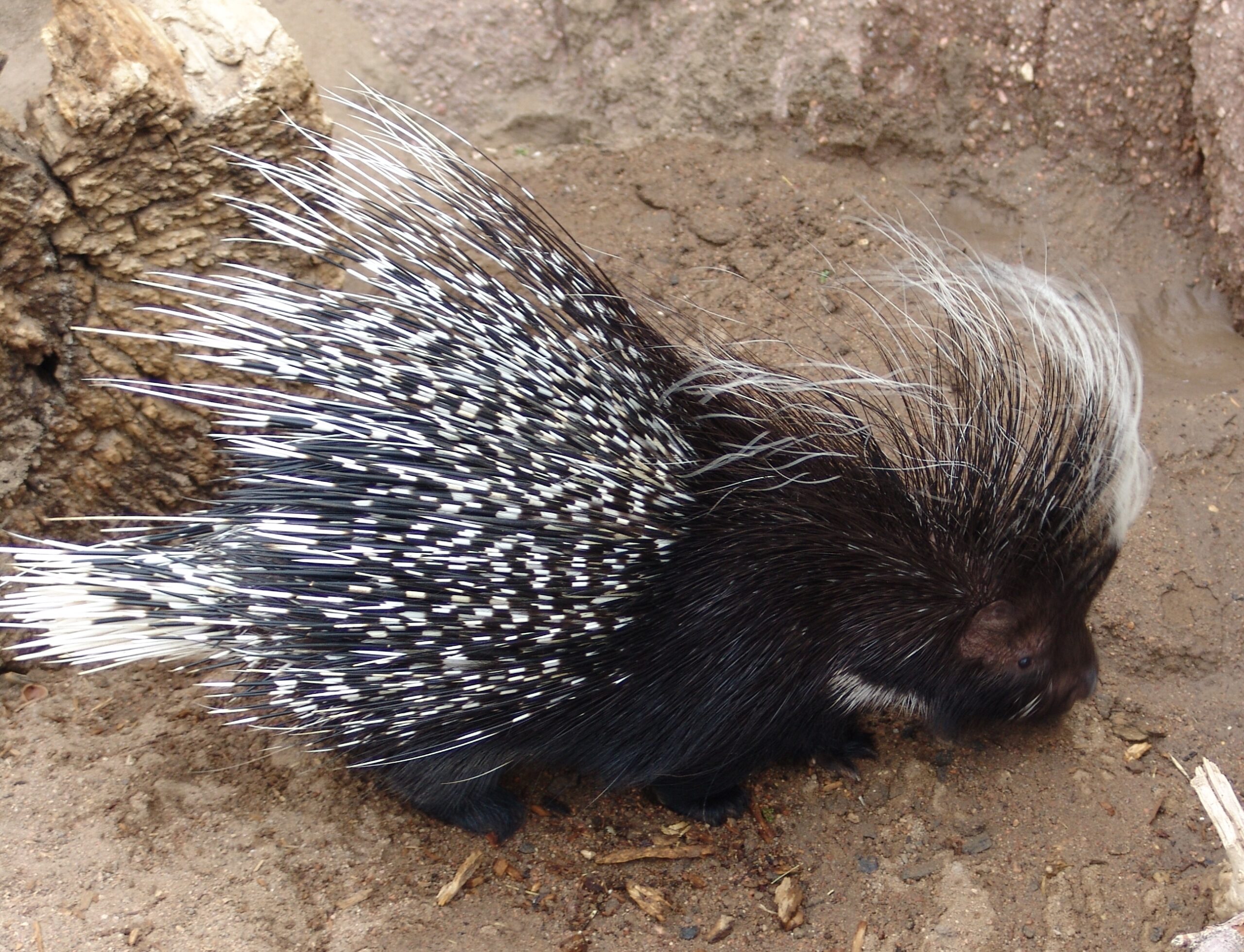 Photo Credit: Mizunoryu / Wikimedia Commons
In the heart of North America’s forests, the porcupine, scientifically known as Erethizon dorsatum, roams under the cover of night. With its stout body and a coat of sharp quills, this intriguing mammal is a master of defense, captivating the attention of scientists and nature lovers alike. Imagine a creature that can weigh up to 16 kilograms, lumbering through the underbrush, its quills glistening in the moonlight like a natural armor. These quills, which can number in the thousands, are not just for show; they serve as a formidable barrier against predators, making the porcupine a fascinating study in survival.
As you wander through its habitat, you might catch a glimpse of the porcupine foraging for roots, leaves, and berries, its diet reflecting a curious blend of herbivorous and omnivorous tendencies. This nocturnal lifestyle adds an air of mystery, as the porcupine emerges from its daytime hideaway to explore the world under the stars. With a history that stretches back millions of years, the porcupine is not only a survivor but also a keystone species, playing a crucial role in its ecosystem. Join us as we delve deeper into the life of this prickly mammal, uncovering the secrets of its behavior, diet, and the vital role it plays in the natural world.
The porcupine holds a special place in the tree of life, showcasing a blend of intriguing characteristics that set it apart in the animal kingdom. As a member of the class Mammalia, porcupines are warm-blooded animals with fur and mammary glands, which means they nurse their young. Within the order Rodentia, which includes all rodents, porcupines are particularly notable for their quills—sharp, needle-like spines that serve as a defense mechanism against predators. This unique adaptation not only helps them survive in the wild but also highlights their evolutionary journey through millions of years.
| Taxonomic Rank | Scientific Name | Meaning & Significance |
|---|---|---|
| Kingdom | Animalia | This name comes from the Latin word “animalis,” meaning “having breath,” which reflects the living, breathing nature of these organisms. |
| Phylum | Chordata | Derived from the Greek word “chordē,” meaning “string,” this classification includes animals with a notochord, a flexible rod that supports the body during development. |
| Class | Mammalia | This term comes from the Latin “mamma,” meaning “breast,” highlighting the defining feature of mammals: the ability to nurse their young with milk. |
| Order | Rodentia | From the Latin “rodere,” meaning “to gnaw,” this name reflects the characteristic front teeth of rodents, which continuously grow and need to be worn down. |
| Family | Erethizontidae | This name is derived from the Greek “erethizo,” meaning “to irritate,” a nod to the porcupine’s quills that can cause discomfort to predators. |
| Genus | Erethizon | Also from Greek, “erethismos” means “irritation,” again referring to the defensive quills that make porcupines less appealing to would-be attackers. |
The classification of porcupines reveals much about their evolutionary history. As members of the rodent family, they share common ancestors with other gnawing mammals, which have adapted to various environments over time. The development of quills is a fascinating example of how species evolve specific traits to survive and thrive in their habitats. By understanding where porcupines fit in the grand scheme of life, we gain insight into the intricate web of relationships that connect all living beings, showcasing the beauty and complexity of nature’s design.
The evolutionary journey of the porcupine stretches back millions of years, weaving through the tapestry of time to reveal a story of adaptation and survival. These spiny mammals belong to the family Erethizontidae and the genus Erethizon, with their ancestors dating back to the late Paleocene epoch, around 65 million years ago. As the Earth transformed, so did the porcupine, evolving traits that would help it thrive in diverse habitats.
Early porcupines were quite different from the ones we know today. They emerged from a lineage of rodents, which are small mammals characterized by their continuously growing incisors. Over time, these ancestors adapted to various environments, leading to significant changes in their physical features. One of the most notable transitions was the development of quills, which are modified hairs that provide a formidable defense against predators. This adaptation likely arose as a response to increased predation pressures, allowing porcupines to survive in a world filled with larger, meat-eating animals.
These evolutionary adaptations have been crucial for the porcupine’s survival in a variety of ecosystems. The quills not only provide a physical barrier against predators but also allow porcupines to maintain a relatively calm demeanor, as they can rely on their defenses rather than fleeing. Their strong teeth enable them to exploit a wide range of food sources, ensuring they can find nourishment even in challenging environments. By being nocturnal, porcupines can navigate their surroundings with less risk, showcasing how evolution has finely tuned these animals to thrive in the wild.
The porcupine is a captivating sight, with its stout body and distinctive quills that create an impressive silhouette. These mammals have a robust frame, often weighing between 5.4 to 16 kilograms, which gives them a solid, sturdy appearance. Their skin is covered in sharp, needle-like spikes that serve as a formidable defense against predators. With a rounded face and small, expressive eyes, porcupines exude a certain charm, despite their prickly exterior.
| Feature | Description |
|---|---|
| Weight | 5.4-16 kg (12-35 lbs) |
| Skin Type | Spikes |
| Body Shape | Stout and robust |
| Color | Typically brown or black, with lighter underfur |
| Eyes | Small and expressive |
The porcupine’s physical features work together in a remarkable way to ensure its survival in the wild. The quills, which are modified hairs, act as a protective barrier, deterring would-be attackers. When threatened, a porcupine can raise its quills, making it appear larger and more intimidating. This clever adaptation allows them to navigate their forest homes with confidence, knowing they have a powerful defense mechanism at their disposal. The combination of their sturdy build and sharp spikes makes porcupines well-equipped to thrive in their natural habitats.
The porcupine thrives in a variety of habitats, painting a picture of life in dense forests and open grasslands. Imagine walking through a lush, green forest where sunlight filters through the leaves, creating a dappled effect on the forest floor. Here, porcupines find plenty of food, like leaves, bark, and fruits, while the trees provide them with shelter and safety from predators. In contrast, the open grasslands offer a different kind of home, where these spiny mammals can roam freely, foraging for tasty plants and enjoying the warmth of the sun.
Porcupines prefer climates that range from temperate to tropical, which means they can adapt to a variety of weather conditions. They enjoy areas with moderate rainfall, as this helps keep their food sources plentiful. In colder regions, they can withstand chilly temperatures thanks to their thick fur and quills, which provide insulation. However, they also thrive in warmer climates where they can bask in the sun and find abundant vegetation to munch on.
These fascinating animals have developed several adaptations to make the most of their habitats. Their quills, which are actually modified hairs, serve as a defense mechanism against predators, deterring many would-be attackers. Additionally, porcupines are excellent climbers, using their sharp claws to scale trees and escape danger. Their strong sense of smell helps them locate food, while their herbivorous diet allows them to thrive in environments where other animals might struggle. With these clever adaptations, porcupines have carved out a niche in the natural world, showcasing their resilience and resourcefulness.
Porcupines lead a life that is both intriguing and practical, filled with daily routines that help them thrive in their environments. As primarily nocturnal animals, they come alive at night, venturing out to forage for food. Their diet mainly consists of leaves, fruits, and bark, which they skillfully gnaw with their strong, chisel-like teeth. During the day, they often find a cozy spot in trees or underbrush to rest, curling up to protect their quills from potential threats. This daily rhythm of activity and rest is essential for their survival, allowing them to conserve energy while staying safe from predators.
While porcupines are mostly solitary creatures, they do have interesting social behaviors, especially during the mating season. Males and females will come together to mate, but outside of this time, they prefer to keep to themselves. When they do interact, it’s often through a series of vocalizations and body language. For instance, they may grunt or hiss to communicate their feelings, especially if they feel threatened. Despite their solitary nature, porcupines have a clear understanding of their territory, marking it with scent to avoid unnecessary confrontations with others.
| Behavior Type | Description |
|---|---|
| Activity Patterns | Nocturnal foraging for food, resting during the day in trees or underbrush. |
| Social Structure | Primarily solitary, with interactions mainly during mating season. |
| Communication Methods | Vocalizations like grunts and hisses, along with body language to express feelings. |
The behaviors of porcupines are finely tuned to ensure their survival in the wild. By being nocturnal, they avoid many daytime predators, while their solitary lifestyle reduces competition for food. Their impressive quills serve as a formidable defense mechanism, deterring would-be attackers. Through their unique communication methods, they maintain a balance between solitude and necessary interactions, ensuring they can thrive in their habitats while minimizing risks. This blend of behaviors showcases the porcupine’s adaptability and resilience in the face of challenges.
Porcupines are omnivores, which means they enjoy a varied diet that includes both plant and animal matter. Their primary feeding behavior revolves around foraging for roots, leaves, and berries, which they find in their natural habitats. With their strong, sharp teeth, porcupines can easily gnaw through tough plant material, allowing them to access the nutritious parts of the plants they consume. This feeding strategy is essential for their survival, especially since they are primarily nocturnal and must navigate their environment in the dark.
| Dietary Aspect | Details |
|---|---|
| Diet Type | Omnivore |
| Favorite Foods | Roots, leaves, and berries |
| Prey Items | Primarily plant-based, with occasional insects |
| Hunting/Foraging Strategies | Foraging at night, using strong teeth to gnaw through tough plant material |
This diverse diet plays a crucial role in shaping the porcupine’s ecology and daily routine. By consuming a variety of plant materials, porcupines help maintain the health of their ecosystems, as they contribute to seed dispersal and plant growth. Their nocturnal foraging habits also allow them to avoid many predators, making their feeding strategy a key part of their survival. As they navigate through forests and grasslands, porcupines not only find food but also play an important role in the balance of their habitats.
When it comes to romance in the porcupine world, things can get a bit prickly! Mating season typically occurs in the late fall or early winter. During this time, male porcupines engage in a courtship dance that involves a lot of vocalizations and scent marking. The males will often chase the females, showcasing their strength and stamina. Once a female is ready to mate, she will signal her interest, and the pair will come together for a brief but intense mating session.
| Reproductive Aspect | Details |
|---|---|
| Gestation Period | About 7 months |
| Litter Size | 1 |
| Age of Maturity | 6 to 12 months |
| Name of Young | Porcupette |
After a gestation period of around seven months, a single porcupette is born. These tiny creatures are born with soft quills that harden shortly after birth, providing them with some protection right from the start. The mother is very attentive, nursing her young for several months and teaching her porcupette how to find food and navigate their environment. As they grow, porcupettes become more independent, usually reaching maturity between six to twelve months. This nurturing phase is crucial, as it helps the young porcupines develop the skills they need to thrive in the wild.
Porcupines play a vital role in their ecosystems, often serving as prey for various predators while also influencing plant life through their foraging habits. Positioned in the middle of the food web, they help maintain balance by consuming vegetation and providing nourishment for animals higher up the food chain. However, their spiny defenses make them less appealing to many potential threats.
Despite facing these dangers, porcupines have developed impressive survival strategies. Their most famous defense mechanism is their quills, which are sharp and can easily detach when a predator tries to attack. This makes them a formidable opponent for any animal that dares to take a bite. Additionally, porcupines are known to climb trees to escape threats, using their strong limbs and sharp claws to navigate the branches. By combining their physical defenses with clever behaviors, porcupines manage to thrive in a world filled with challenges.
A keystone species is an organism that has a disproportionately large impact on its environment relative to its abundance. This means that if it were removed, the ecosystem would change dramatically. Porcupines can be considered a keystone species in their habitats, particularly in dense forests and grasslands. Their unique behaviors and dietary habits play a crucial role in maintaining the balance of their ecosystems.
Porcupines are omnivores, which means they eat both plants and animals. Their foraging habits significantly influence the plant life around them. For instance, by feeding on tree bark and leaves, porcupines help control the growth of certain tree species. This selective feeding can prevent any one species from dominating the landscape, allowing for a diverse range of plants to thrive. In turn, this diversity supports various other species, from insects to larger mammals, creating a rich tapestry of life.
Additionally, porcupines serve as a food source for predators such as coyotes and bobcats. Their presence in the food web helps sustain these carnivores, which rely on porcupines for nutrition. When porcupines are abundant, they contribute to the health of predator populations, ensuring that these animals can thrive as well. This interconnectedness highlights the porcupine’s role in maintaining the balance of the ecosystem.
If porcupines were to disappear from their ecosystems, the consequences could be severe. Without their unique feeding habits, certain plant species might overgrow, leading to a decline in biodiversity. This could disrupt the entire food web, affecting not only the predators that rely on porcupines but also the myriad of other species that depend on a balanced ecosystem. The loss of porcupines would create a ripple effect, demonstrating just how vital these spiny mammals are to the health of their environments.
The porcupine occupies a vital ecological niche, acting as both a forager and a prey species within its habitat. Found in dense forests and grasslands, these spiny mammals play a significant role in shaping their environment. By feeding on a variety of plants, including roots, leaves, and berries, porcupines help control plant populations and promote biodiversity. Their unique adaptations, such as their quills, not only protect them from predators but also influence the dynamics of their ecosystem.
| Ecosystem Service | Impact |
|---|---|
| Foraging | Controls plant growth and promotes diversity |
| Prey for predators | Supports the food web by providing sustenance for larger animals |
| Soil aeration | Helps improve soil health through digging |
| Seed dispersal | Facilitates plant reproduction by spreading seeds |
Porcupines influence their ecosystems in several fascinating ways. As they forage for food, they often uproot plants, which can create space for new growth. This behavior not only helps maintain a balance in plant populations but also allows other species to thrive. Additionally, porcupines serve as a food source for various predators, such as coyotes and bobcats. Their presence in the food web is crucial, as it supports the survival of these larger animals, creating a ripple effect throughout the ecosystem.
The broader ecological importance of porcupines cannot be overstated. As a keystone species, their activities help maintain the health and stability of their habitats. By influencing plant diversity and serving as prey, porcupines contribute to a balanced ecosystem where many species can coexist. Their role highlights the interconnectedness of life, reminding us that even the spiniest of creatures can have a profound impact on the world around them.
In the intricate web of life, animals often form partnerships that benefit them in various ways. These relationships can be classified into three main types: mutualism, where both species gain; commensalism, where one benefits while the other is neither helped nor harmed; and parasitism, where one species benefits at the expense of another. Porcupines, with their unique adaptations and behaviors, engage in several of these ecological relationships, showcasing the interconnectedness of nature.
| Species/Type | Relationship Type | Description |
|---|---|---|
| Birds (e.g., woodpeckers) | Mutualistic | Woodpeckers often feed on insects found in the bark of trees where porcupines reside. In return, porcupines benefit from the birds’ pest control, keeping harmful insects at bay. |
| Fungi | Mutualistic | Porcupines help disperse fungal spores through their foraging activities. The fungi, in turn, assist porcupines by breaking down organic matter, enriching the soil and promoting plant growth. |
| Ticks | Parasitic | Ticks attach to porcupines to feed on their blood, which can weaken the porcupines and expose them to diseases. This relationship is harmful to the porcupines but beneficial for the ticks. |
These relationships have evolved over time, shaped by the needs and behaviors of the species involved. Mutualistic partnerships, like those with birds and fungi, highlight how cooperation can enhance survival and well-being. Meanwhile, parasitic relationships, such as those with ticks, remind us that not all interactions are beneficial. Understanding these connections helps us appreciate the delicate balance of ecosystems and the roles that each species plays in maintaining that balance.
Porcupines are often misunderstood creatures, known primarily for their sharp quills. However, there’s much more to these fascinating animals than meets the eye. Let’s dive into some surprising facts that reveal the extraordinary lives of porcupines.
Throughout history, porcupines have held a unique place in human culture and folklore. These spiny mammals have been both feared and revered, often symbolizing protection and defense due to their formidable quills. Indigenous peoples in North America, for instance, have woven porcupine quills into intricate art and clothing, showcasing their beauty and utility. In various cultures, stories and myths have emerged, portraying porcupines as wise creatures or guardians of the forest. This rich tapestry of encounters highlights the deep-rooted connection between porcupines and humanity, revealing how these animals have inspired creativity and respect.
In modern times, the relationship between porcupines and humans has evolved, marked by both conservation efforts and conflicts. As habitats shrink due to urban development and agriculture, porcupines often find themselves in closer proximity to human populations. This can lead to misunderstandings, as these animals may raid gardens or damage wooden structures in search of food. However, many conservationists are working to educate the public about the ecological importance of porcupines, emphasizing their role in maintaining healthy ecosystems. While domestication of porcupines is not common, some people have taken an interest in keeping them as exotic pets, which raises questions about their care and well-being in a human environment.
As we look to the future, the relationship between porcupines and humanity will likely continue to shift. With increasing awareness of wildlife conservation, more people may come to appreciate the ecological roles these animals play. Education and outreach can help bridge the gap between humans and porcupines, fostering coexistence rather than conflict. By understanding and respecting these fascinating creatures, we can ensure that they thrive alongside us in a shared environment, enriching our lives and ecosystems for generations to come.
The conservation status of porcupines is currently classified as “Least Concern” by the International Union for Conservation of Nature (IUCN). This means that, overall, porcupines are not facing immediate threats that could lead to their extinction. Their populations are stable in many regions, although local declines can occur due to habitat loss and other factors. As adaptable creatures, porcupines have managed to thrive in various environments, which contributes to their overall resilience.
| Conservation Factor | Status/Details |
|---|---|
| IUCN Status | Least Concern |
| Population Estimates | Stable in many areas, specific numbers vary by region |
| Trend Direction | Stable, with some local declines |
Despite their stable status, porcupines face several threats that can impact their populations. Habitat destruction is a significant concern, as urban development and agriculture encroach on their natural environments. Additionally, road accidents pose a danger, as these nocturnal animals may wander onto roads at night. Hunting and trapping, although not widespread, can also affect local populations, particularly in areas where porcupines are viewed as pests.
Conservation efforts for porcupines focus on habitat preservation and public education. By protecting forests and grasslands, we can ensure that these spiny mammals have the space they need to thrive. Organizations are working to raise awareness about the importance of porcupines in their ecosystems, highlighting their role in seed dispersal and plant health. With continued efforts, the outlook for porcupines remains positive, allowing them to continue their journey through the wild.
| Question | Answer |
|---|---|
| Where do porcupines live? | Porcupines are found in dense forests and grasslands across North America, South America, and parts of Africa. They prefer habitats with plenty of trees and shrubs, which provide both food and shelter. |
| What do porcupines eat? | Porcupines are omnivores, meaning they eat both plants and animals. Their diet mainly consists of leaves, bark, fruits, and nuts, but they may also munch on small insects or carrion when the opportunity arises. |
| How do porcupines behave? | Porcupines are mostly nocturnal, which means they are active at night. They are generally solitary animals, but they can sometimes be seen in small groups, especially during mating season or when a mother is raising her young. |
| How do porcupines reproduce? | Porcupines typically mate in the fall, and after a gestation period of about 7 months, the female gives birth to one or two young. The babies, called porcupettes, are born with soft quills that harden shortly after birth. |
| What are the main threats to porcupines? | While porcupines are currently classified as Least Concern, they face threats from habitat loss and predators like coyotes and bobcats. Human activities, such as deforestation and road construction, can also impact their populations. |
| What makes porcupines unique? | Porcupines are famous for their quills, which are sharp, barbed spines that protect them from predators. Interestingly, they cannot shoot their quills; instead, they release them when threatened, and the quills can easily embed in the skin of attackers. |
| Can porcupines climb trees? | Yes, porcupines are excellent climbers! They have strong limbs and sharp claws that help them scale trees, where they often find food and safety from ground predators. |