Taxonomy & Classification
- Kingdom
- Animalia
- Phylum
- Chordata
- Class
- Actinopterygii
- Order
- Tetraodontiformes
- Family
- Diodontidae
- Genus
- Diodon
- Species
- Diodon hystrix

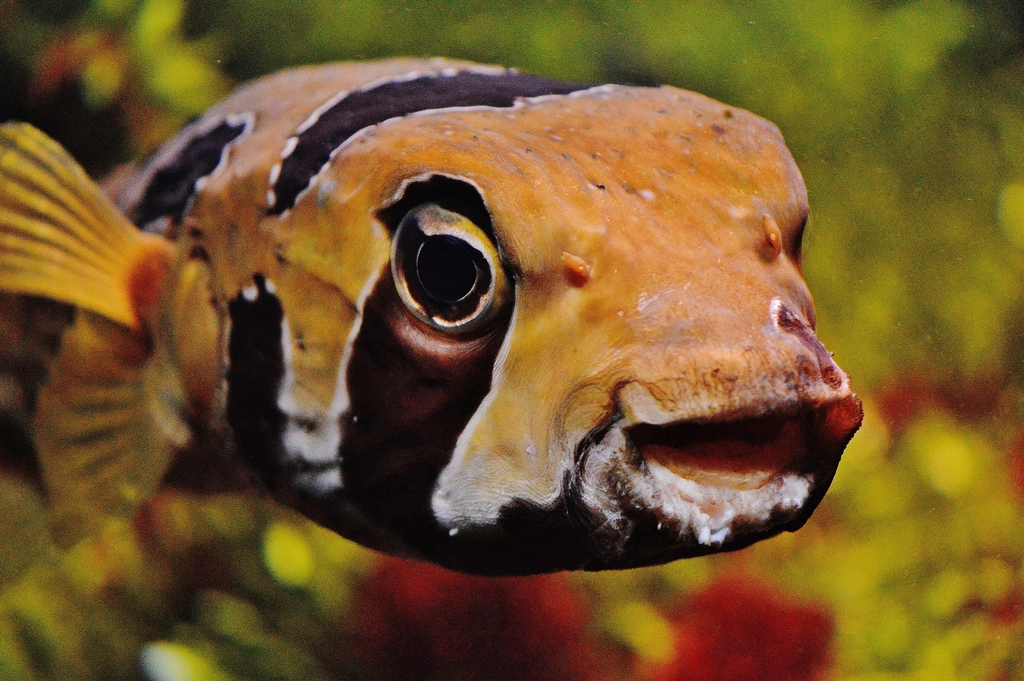 Photo Credit: Rawpixel
In the shimmering waters of tropical and subtropical oceans, the porcupinefish, scientifically known as Diodon, glides gracefully among vibrant coral reefs. With its round, balloon-like body and a coat of sharp spines, this fish is a true marvel of the underwater world. When threatened, it can inflate itself dramatically, transforming into a spiky sphere that deters potential predators. This fascinating ability, along with its quirky appearance, has captured the attention of scientists and nature enthusiasts alike, sparking curiosity about its unique adaptations and behaviors.
Imagine diving into a sunlit reef, where the colors of the corals dance in the light and schools of fish dart playfully around. Here, the porcupinefish can often be found, leisurely swimming or foraging for its favorite snacks—hard-shelled invertebrates like sea urchins and crabs. With its strong, beak-like teeth, it expertly cracks open these tough treats, showcasing its remarkable feeding skills. As a keystone species, the porcupinefish plays a vital role in maintaining the balance of its ecosystem, making it not just a captivating sight but also an important player in the ocean’s intricate web of life. Join us as we dive deeper into the world of the porcupinefish, exploring its behaviors, habitat, and the fascinating relationships it shares with its underwater neighbors.
The porcupinefish, known scientifically as Diodon, occupies a distinctive place in the animal kingdom. This spiky fish is part of the class Actinopterygii, which includes all ray-finned fishes. What sets the porcupinefish apart is its ability to inflate its body, a defense mechanism that makes it look much larger and more intimidating to potential predators. With its unique combination of spines and the ability to puff up, the porcupinefish is not just a curious sight in the ocean; it also plays a vital role in its ecosystem.
| Taxonomic Rank | Scientific Name | Meaning & Significance |
|---|---|---|
| Kingdom | Animalia | This name signifies that porcupinefish are part of the vast group of multicellular organisms that are primarily heterotrophic, meaning they consume other organisms for energy. |
| Phylum | Chordata | Chordata refers to animals that have a notochord, a flexible rod that supports the body. In porcupinefish, this structure is present during their development, linking them to other vertebrates. |
| Class | Actinopterygii | This class includes ray-finned fishes, characterized by their bony spines and fins. The porcupinefish’s unique adaptations fit well within this group. |
| Order | Tetraodontiformes | This order is known for its members having four teeth that are fused into a beak-like structure. The porcupinefish’s beak helps it crack open hard-shelled prey like sea urchins. |
| Family | Diodontidae | The family name comes from the Greek word “diodon,” meaning “two teeth,” which refers to the two prominent teeth that porcupinefish use for feeding. |
| Genus | Diodon | This genus name highlights the unique dental structure of these fish, emphasizing their specialized feeding habits. |
Understanding the porcupinefish’s classification reveals much about its evolutionary journey. As a member of the Tetraodontiformes order, it shares a lineage with other fascinating species like pufferfish and triggerfish. The adaptations that have developed over millions of years, such as its spiny exterior and inflation ability, showcase the porcupinefish’s clever strategies for survival in a diverse marine environment. This classification not only highlights its physical traits but also connects it to a broader narrative of evolution, illustrating how species adapt to thrive in their habitats.
The evolutionary journey of the porcupinefish, belonging to the family Diodontidae and the genus Diodon, stretches back millions of years. These intriguing fish have adapted to their environments through a series of remarkable changes, allowing them to thrive in the warm, shallow waters of tropical and subtropical oceans. Their story is one of survival, shaped by the challenges of predation and competition for resources.
The ancestors of porcupinefish were likely similar to other primitive fish, with streamlined bodies and basic defensive mechanisms. Over time, as they faced various predators, they developed unique adaptations. One major transition was the evolution of their spiny exterior, which serves as a deterrent against hungry attackers. This adaptation is complemented by their ability to inflate their bodies, making them appear larger and more intimidating. As they evolved, porcupinefish also developed specialized teeth that resemble a beak, allowing them to crack open hard-shelled prey like sea urchins and mollusks.
These adaptations have been crucial for the porcupinefish’s survival in a competitive marine environment. By developing spines and the ability to inflate, they have effectively deterred many would-be predators. Their specialized teeth not only enhance their diet but also allow them to exploit food resources that other fish might struggle to access. Together, these evolutionary traits have ensured that porcupinefish continue to thrive in their underwater habitats, showcasing the wonders of nature’s ingenuity.
The porcupinefish is a captivating sight in the underwater world, with its round, balloon-like body that can inflate dramatically when threatened. This fish has a somewhat whimsical appearance, resembling a spiky beach ball as it puffs up, showcasing its defensive adaptations. Its skin is covered in sharp, needle-like spikes that stand out against its smooth, rounded form, creating a striking contrast. The overall impression is one of both charm and caution, as this fish is not just a pretty face but a master of survival in its ocean habitat.
| Feature | Description |
|---|---|
| Size | Typically grows to about 12 to 14 inches long. |
| Color | Often displays a mix of browns, yellows, and greens, helping it blend into coral reefs and rocky environments. |
| Skin Type | Covered in spikes that can be raised when the fish inflates, providing a formidable defense against predators. |
The combination of its rounded body and spiky skin serves a vital purpose in the porcupinefish’s survival. When threatened, it can quickly gulp water or air to inflate, making it much larger and more intimidating to potential predators. The spikes not only enhance this defensive posture but also deter attackers, as they can be quite painful to bite. This clever adaptation allows the porcupinefish to thrive in its environment, showcasing the incredible ways nature equips its inhabitants for survival.
The porcupinefish thrives in the warm, shallow waters of tropical and subtropical oceans. Picture vibrant coral reefs teeming with life, where sunlight dances on the surface, creating a kaleidoscope of colors beneath. These fish often find refuge among the nooks and crannies of the reef, where they can hide from predators and enjoy the rich diversity of marine life. The gentle sway of sea grasses and the bustling activity of small fish create a lively backdrop for the porcupinefish’s adventures.
The porcupinefish prefers warm waters, typically found in temperatures ranging from 20 to 30 degrees Celsius (68 to 86 degrees Fahrenheit). These environments are often characterized by clear waters that allow sunlight to penetrate, promoting the growth of algae and coral. The fish thrives in areas with plenty of hiding spots, such as rocky crevices and coral formations, which provide both shelter and hunting grounds. The gentle currents of these regions help to bring in food, making it an ideal habitat for this spiky swimmer.
To survive in these specific habitats, the porcupinefish has developed some clever adaptations. Its ability to inflate its body serves as a defense mechanism against predators, making it look larger and more intimidating. Additionally, its tough, spiny skin deters many would-be attackers. The porcupinefish also has a specialized diet, feeding on hard-shelled invertebrates like sea urchins and crustaceans, which it can crack open with its strong beak-like teeth. These adaptations not only help it thrive in its vibrant underwater home but also make it a fascinating part of the marine ecosystem.
The daily life of a porcupinefish is a blend of leisurely swimming and strategic foraging. These fish are primarily nocturnal, meaning they are most active at night. During the day, they often find a cozy spot among coral reefs or rocky crevices, resting and blending in with their surroundings. As night falls, they venture out to hunt for their favorite snacks, which include crustaceans, mollusks, and small fish. With their strong beaks, they can crack open hard shells, making them skilled foragers in their underwater world.
Socially, porcupinefish are generally solitary creatures, but they can sometimes be seen in small groups, especially during mating season. When they do gather, it’s often a lively affair, with individuals displaying their impressive spines and engaging in playful interactions. Communication among porcupinefish is subtle; they rely on body language and changes in color to express their mood or intentions. This social behavior is crucial, as it helps them establish territories and find mates, ensuring the continuation of their species.
| Behavior Type | Description |
|---|---|
| Activity Patterns | Nocturnal foraging, resting during the day, and swimming in search of food at night. |
| Social Structure | Generally solitary, but can form small groups during mating season. |
| Communication Methods | Body language and color changes to convey mood and intentions. |
The behaviors of porcupinefish are finely tuned to their environment, enhancing their chances of survival. By being active at night, they avoid many predators that hunt during the day. Their ability to inflate and display their spines serves as a defense mechanism, deterring potential threats. Additionally, their foraging skills allow them to access a variety of food sources, ensuring they remain healthy and strong. Through these daily activities and social interactions, porcupinefish navigate the challenges of their underwater world with grace and resilience.
The porcupinefish has a diet that primarily consists of hard-shelled invertebrates, such as sea urchins, crabs, and mollusks. With its strong, beak-like teeth, this fish is well-equipped to crack open the tough exteriors of its favorite foods. Porcupinefish are opportunistic feeders, meaning they will eat whatever is available in their environment, but they particularly enjoy munching on creatures that provide a challenge. Their feeding behavior is fascinating, as they often forage during the night, using their keen sense of smell to locate prey hidden among rocks and coral.
| Dietary Aspect | Details |
|---|---|
| Diet Type | Carnivorous |
| Favorite Foods | Sea urchins, crabs, mollusks |
| Prey Items | Hard-shelled invertebrates |
| Hunting/Foraging Strategies | Nocturnal foraging, using smell to locate prey |
This diet plays a crucial role in the porcupinefish’s ecology and daily routine. By feeding on hard-shelled invertebrates, they help control the populations of these species, maintaining a balance in their underwater ecosystem. Their nocturnal foraging habits also allow them to avoid many predators, making the most of the cover provided by the darkness. As they navigate through their vibrant coral reef homes, porcupinefish contribute to the health of their environment while ensuring their own survival.
When it comes to mating, porcupinefish engage in a fascinating courtship ritual. During the breeding season, which typically occurs in warmer months, males display vibrant colors and perform elaborate dances to attract females. This colorful display is not just for show; it helps the female choose a healthy mate. Once a pair has formed, they swim together in a synchronized manner, signaling their readiness to spawn.
| Reproductive Aspect | Details |
|---|---|
| Gestation Period | Approximately 4 to 6 weeks |
| Litter Size | Up to 1,000 eggs |
| Age of Maturity | About 2 to 3 years |
| Name of Young | Fry |
After the eggs are laid, the female porcupinefish leaves them to develop on their own. The eggs hatch into tiny fry, which are vulnerable and must fend for themselves right from the start. These young fish grow quickly, relying on their natural instincts to find food and avoid predators. As they mature, they develop the distinctive features of adult porcupinefish, including their ability to inflate and their spiky defenses. While there is no direct parental care after spawning, the fry are equipped with the skills they need to thrive in their vibrant ocean home.
The porcupinefish plays a vital role in the ocean’s food web, often found in the warm, shallow waters of tropical and subtropical regions. As a prey species, it is an important food source for larger predators. However, its unique adaptations also make it a target for various threats, which can impact its survival in the wild.
To defend itself against these dangers, the porcupinefish has developed some clever survival strategies. When threatened, it can inflate its body, making it much larger and harder for predators to swallow. Additionally, its spiky skin serves as a deterrent, providing a prickly barrier that can discourage even the most determined attackers. These adaptations, combined with its ability to blend into the colorful coral reefs, help the porcupinefish navigate the challenges of its underwater world.
A keystone species is an organism that has a disproportionately large impact on its environment relative to its abundance. These species help maintain the structure of an ecosystem, influencing the types and numbers of other species present. The porcupinefish, with its unique adaptations and ecological interactions, can indeed be considered a keystone species in its habitat.
Porcupinefish play a crucial role in controlling the population of hard-shelled invertebrates, such as sea urchins and crabs. By feeding on these creatures, they help maintain a balance in the ecosystem. For instance, if sea urchin populations were to explode unchecked, they could devastate coral reefs by overgrazing on the algae that keep the reefs healthy. The porcupinefish’s diet helps prevent this from happening, allowing coral reefs to thrive and support a diverse array of marine life.
Additionally, porcupinefish serve as prey for larger predators, such as sharks and larger fish. Their presence in the food web supports these predators, which in turn helps regulate the populations of other fish species. This interconnectedness illustrates how the porcupinefish contributes to the overall health of its marine environment.
If porcupinefish were to disappear from their ecosystems, the consequences could be severe. Without these fish to keep invertebrate populations in check, sea urchins and other hard-shelled creatures could proliferate, leading to the decline of coral reefs. This would not only affect the reefs themselves but also the myriad of species that depend on them for shelter and food. The ripple effects would extend throughout the entire marine ecosystem, highlighting the porcupinefish’s essential role in maintaining balance and health in its underwater world.
The porcupinefish, a fascinating inhabitant of tropical and subtropical waters, plays a crucial role in its ecosystem. As a keystone species, it helps maintain the balance of marine life. By feeding on hard-shelled invertebrates like sea urchins and mollusks, the porcupinefish controls their populations, preventing overgrazing of coral reefs. This balance is essential for the health of the entire ecosystem, as coral reefs provide habitat and food for countless marine species.
| Ecosystem Service | Impact |
|---|---|
| Population Control | Regulates the numbers of hard-shelled invertebrates, preventing overgrazing of coral reefs. |
| Food Source | Serves as prey for larger marine animals, contributing to the food web. |
| Habitat Maintenance | Supports the health of coral reefs, which are vital for many marine species. |
| Biological Indicator | Reflects the health of marine ecosystems, as their presence indicates a balanced environment. |
The influence of the porcupinefish extends beyond its immediate feeding habits. For instance, by keeping the population of sea urchins in check, it allows coral reefs to thrive. Healthy reefs provide shelter and breeding grounds for a variety of fish and invertebrates, creating a bustling underwater community. Additionally, the porcupinefish’s unique ability to inflate when threatened not only deters predators but also showcases the intricate adaptations that help maintain the delicate balance of marine life.
In a broader sense, the porcupinefish’s role in its ecosystem highlights the interconnectedness of ocean life. By regulating prey populations and supporting coral health, this spiky fish contributes to the overall stability of marine environments. Protecting species like the porcupinefish is essential for preserving the rich biodiversity of our oceans, ensuring that future generations can marvel at the wonders of underwater ecosystems.
In the vibrant tapestry of ocean life, symbiosis plays a crucial role in shaping the relationships between different species. Symbiosis refers to the close interactions between organisms, which can be beneficial, harmful, or neutral. These ecological relationships can be mutualistic, where both species gain advantages; parasitic, where one benefits at the other’s expense; or commensal, where one species benefits while the other is neither helped nor harmed. The porcupinefish, with its unique adaptations and behaviors, engages in various partnerships that highlight the interconnectedness of marine ecosystems.
| Species/Type | Relationship Type | Description |
|---|---|---|
| Cleaner Shrimp | Mutualistic | Cleaner shrimp remove parasites and dead skin from the porcupinefish, benefiting from a meal while keeping the fish healthy. |
| Sea Anemones | Commensal | Porcupinefish may seek shelter among sea anemones, gaining protection from predators without affecting the anemones. |
| Remoras | Commensal | Remoras attach themselves to porcupinefish, getting a free ride and leftover food scraps, while the porcupinefish is largely unaffected. |
These relationships have evolved over time, shaped by the needs and behaviors of the species involved. The mutualistic bond with cleaner shrimp, for instance, not only helps the porcupinefish stay healthy but also provides a reliable food source for the shrimp. Meanwhile, the commensal relationships with sea anemones and remoras illustrate how different species can coexist, each finding benefits in their interactions. Such partnerships are essential for the balance of marine ecosystems, showcasing the intricate web of life beneath the waves.
The porcupinefish, with its quirky appearance and fascinating behaviors, is a true marvel of the ocean. These spiky fish are not just cute; they have some surprising traits that make them stand out in the underwater world.
Throughout history, porcupinefish have captured the imagination of coastal communities and cultures around the world. These intriguing fish, known for their ability to inflate and their spiky appearance, have often been featured in folklore and art. In some cultures, they symbolize protection and resilience, while in others, they are seen as a delicacy. Ancient mariners would tell tales of their encounters with these peculiar fish, often attributing mystical qualities to them. The porcupinefish’s unique defense mechanism—its ability to puff up and reveal sharp spines—has made it a subject of fascination and respect among those who venture into its underwater realm.
In modern times, the relationship between porcupinefish and humanity has evolved significantly. While they are still appreciated for their beauty and uniqueness, concerns about their conservation have emerged. Overfishing and habitat destruction threaten their populations, prompting efforts to protect their environments. Some communities have embraced sustainable fishing practices, recognizing the importance of maintaining healthy marine ecosystems. However, conflicts can arise, particularly in regions where porcupinefish are harvested for food or ornamental purposes. Domestication is not a common practice for these fish, but they are sometimes kept in aquariums, where their quirky behavior continues to delight observers.
As we look to the future, the relationship between porcupinefish and humanity holds both challenges and opportunities. With increasing awareness of environmental issues, there is hope that more people will advocate for the protection of these fascinating fish and their habitats. By fostering a deeper understanding of their ecological role, we can ensure that future generations will continue to marvel at the porcupinefish. Together, we can work towards a harmonious coexistence, where both humans and porcupinefish thrive in the vibrant tapestry of ocean life.
The conservation status of the porcupinefish, scientifically known as Diodon, is currently classified as “Not Listed” by the International Union for Conservation of Nature (IUCN). This means that there is not enough information to determine whether their populations are declining or stable. While porcupinefish are not considered endangered, ongoing research is essential to monitor their numbers and health in the wild.
| Conservation Factor | Status/Details |
|---|---|
| IUCN Status | Not Listed |
| Population Estimates | Unknown |
| Trend Direction | Unknown |
The main threats to porcupinefish include habitat loss and degradation, primarily due to human activities such as coastal development and pollution. Coral reefs, where these fish often reside, are particularly vulnerable to climate change, which can lead to coral bleaching. Additionally, overfishing can disrupt the balance of marine ecosystems, affecting not only porcupinefish but also the species they rely on for food.
Conservation efforts for porcupinefish are still in their early stages, but awareness is growing about the importance of protecting marine habitats. Initiatives aimed at preserving coral reefs and promoting sustainable fishing practices can help ensure that porcupinefish and their ecosystems remain healthy. With continued research and conservation actions, there is hope for a brighter future for these intriguing fish and the vibrant underwater worlds they inhabit.
| Question | Answer |
|---|---|
| What is the habitat of the Porcupinefish? | Porcupinefish are typically found in warm, shallow waters of the tropical and subtropical oceans. They prefer coral reefs and rocky areas where they can hide from predators and find food. |
| What do Porcupinefish eat? | These fascinating fish are carnivorous, meaning they primarily eat meat. Their diet consists of crustaceans, mollusks, and other small marine animals, which they crush with their strong beak-like teeth. |
| How do Porcupinefish behave in the wild? | Porcupinefish are generally solitary creatures, but they can sometimes be seen in pairs or small groups. They are known for their unique defense mechanism: when threatened, they can inflate their bodies by swallowing water, making them much larger and harder for predators to eat. |
| How do Porcupinefish reproduce? | During mating season, female Porcupinefish release eggs into the water, which males then fertilize. The eggs float to the surface, where they hatch into larvae, eventually growing into adult fish. |
| What threats do Porcupinefish face? | While Porcupinefish are not currently listed as endangered, they face threats from habitat destruction, pollution, and overfishing. Their unique appearance also makes them targets for the aquarium trade. |
| What are some interesting characteristics of Porcupinefish? | One of the most interesting features of Porcupinefish is their ability to inflate their bodies. They also have spines that stick out when they are inflated, providing an extra layer of protection against predators. |
| Are Porcupinefish poisonous? | Yes, Porcupinefish contain a toxin called tetrodotoxin, which is highly poisonous to predators and humans. This toxin is found in their skin and internal organs, making them dangerous if eaten. |