Taxonomy & Classification
- Kingdom
- Animalia
- Phylum
- Chordata
- Class
- Mammalia
- Order
- Diprotodontia
- Family
- Potoroidae
- Genus
- Potorous
- Species
- Potorous tridactylus

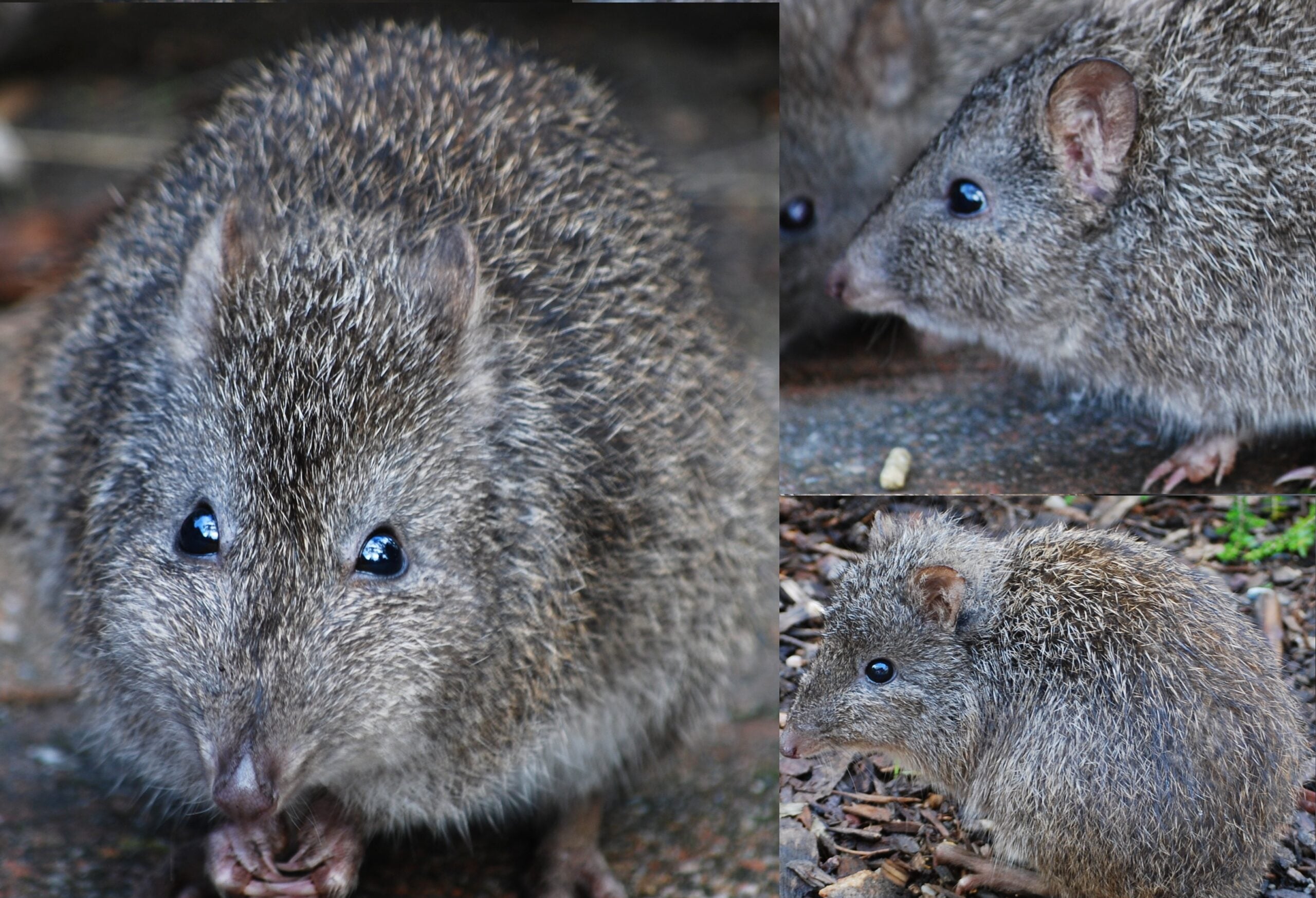
In the heart of Australia’s lush forests, the Potoroo, scientifically known as Potorous, scurries through the underbrush, a small marsupial with a big personality. With its compact body, large ears, and a long, pointed snout, this charming creature is often mistaken for a miniature kangaroo. Its soft, brown fur blends seamlessly with the earthy tones of its habitat, allowing it to navigate the dense vegetation with ease. As dusk falls, the Potoroo comes alive, foraging for a delightful mix of insects, roots, and grasses, showcasing its role as an omnivore in the vibrant ecosystem.
Scientists and nature lovers alike are captivated by the Potoroo’s unique adaptations and behaviors. This nocturnal marsupial is not just a cute face; it plays a crucial role in its environment, helping to maintain the balance of plant and animal life. With its keen sense of smell and agile movements, the Potoroo contributes to the health of its habitat, making it a vital player in the intricate web of life. As we explore the world of the Potoroo, we’ll uncover its fascinating lifestyle, the challenges it faces, and the importance of conserving this delightful species for future generations.
The Potoroo is a small marsupial that holds a special place in the animal kingdom. Taxonomically, it belongs to the class Mammalia, which includes all mammals, and is part of the order Diprotodontia, a group known for its distinctive two forward-facing teeth. This unique dental feature is a hallmark of many Australian marsupials, including kangaroos and koalas. The Potoroo, specifically, is a member of the family Potoroidae, which encompasses several species of small, nocturnal marsupials. Its classification not only highlights its biological traits but also its evolutionary journey, revealing connections to other marsupials and the rich biodiversity of Australia.
| Taxonomic Rank | Scientific Name | Meaning & Significance |
|---|---|---|
| Kingdom | Animalia | This name signifies that Potoroo is part of the vast group of multicellular organisms that are primarily heterotrophic, meaning they consume organic material for energy. |
| Phylum | Chordata | Chordata refers to animals that have a notochord, a flexible rod that supports the body. In Potoroo, this structure is present during its early development. |
| Class | Mammalia | Mammalia indicates that Potoroo is a mammal, characterized by features like fur and the ability to nurse its young with milk. |
| Order | Diprotodontia | This order name comes from the Greek words for “two” and “forward tooth,” highlighting the Potoroo’s distinctive dental structure. |
| Family | Potoroidae | Potoroidae is derived from the genus name Potorous, emphasizing the close relationship among small marsupials in this family. |
| Genus | Potorous | The name Potorous is thought to be derived from the Aboriginal word for these animals, reflecting their cultural significance and connection to the land. |
The classification of the Potoroo reveals much about its evolutionary history. As a member of the Diprotodontia order, it shares a common ancestor with other marsupials, showcasing the diverse adaptations that have evolved in response to environmental pressures in Australia. This lineage highlights the Potoroo’s role in the ecosystem, where it contributes to seed dispersal and the health of its habitat. Understanding its taxonomic position not only enriches our knowledge of this charming marsupial but also emphasizes the importance of conserving the unique biodiversity that Australia has to offer.
The evolutionary journey of the Potoroo stretches back millions of years, tracing its roots to the ancient ancestors of marsupials. These small, nocturnal mammals belong to the family Potoroidae and are part of the genus Potorous. The story of the Potoroo is intertwined with the dynamic changes in Australia’s environment, where it has adapted to survive in diverse habitats over time.
The ancestors of the Potoroo were part of a larger group of marsupials that roamed the Earth during the late Cretaceous period, around 100 million years ago. As the continents shifted and climates changed, these early marsupials began to diversify. The Potoroo’s lineage branched off from other marsupials, adapting to a life of foraging on the forest floor. Over time, they developed features that helped them thrive in their specific environments, such as a keen sense of smell for locating food and a body structure suited for quick, agile movements through dense underbrush.
The adaptations of the Potoroo have been crucial for its survival in the wild. Their strong hind legs not only facilitate quick escapes but also enable them to cover large distances in search of food. The furred tail aids in balance, making it easier to navigate through the underbrush. With specialized teeth, they can efficiently process their plant-based diet, ensuring they get the nutrients they need. Finally, their nocturnal lifestyle allows them to thrive in a world filled with challenges, avoiding predators while exploring their habitat under the cover of darkness. Each of these traits has played a vital role in the Potoroo’s ability to endure and flourish in the ever-changing landscapes of Australia.
The Potoroo is a charming little marsupial that captures the imagination with its compact body and lively demeanor. With a body length of about 30 to 50 centimeters, it is small enough to fit comfortably in your arms. Its fur is soft and dense, providing a cozy layer of warmth. The most striking feature of the Potoroo is its long, prehensile tail, which can be as long as its body. This tail is not just for show; it helps the Potoroo balance as it hops through its forest home, making it an agile and graceful mover.
| Feature | Description |
|---|---|
| Size | 30 to 50 centimeters in body length |
| Color | Soft, earthy tones that blend with its surroundings |
| Skin Type | Fur, providing insulation and camouflage |
| Distinctive Feature | Long, prehensile tail used for balance |
These physical characteristics work together to create a well-adapted survivor in the wild. The Potoroo’s soft, earthy-colored fur allows it to blend seamlessly into the forest floor, making it less visible to predators. Its prehensile tail not only aids in balance but also helps it navigate through dense underbrush as it forages for food. This combination of features ensures that the Potoroo can thrive in its natural habitat, hopping gracefully and staying safe while searching for tasty roots and fungi.
The Potoroo thrives in lush, vibrant environments that are rich in vegetation. Picture a landscape filled with dense undergrowth, where tall trees stretch their limbs toward the sky, creating a cool, shaded canopy. These small marsupials prefer wet forests and scrublands, where the air is fresh and the ground is carpeted with a variety of plants. This habitat provides them with both shelter and food, making it an ideal home for their active lifestyle.
To flourish, Potoroo populations require specific climate and environmental conditions. They thrive in areas that receive ample rainfall, which keeps the soil moist and supports the growth of their favorite plants. The temperature in these regions is generally mild, allowing the Potoroo to remain active throughout the year. These conditions help sustain the delicate balance of their ecosystem, providing the food sources they need to survive.
Adaptation is key to the Potoroo’s success in its chosen habitats. With their keen sense of smell, they can easily locate underground fungi and roots, which are essential parts of their diet. Their soft fur helps them blend into the forest floor, providing camouflage from predators. Additionally, their nocturnal habits allow them to avoid the heat of the day, making them well-suited to life in these vibrant, yet sometimes challenging environments.
The Potoroo leads a life that is both intriguing and full of activity, primarily during the cool hours of the night. As a nocturnal marsupial, it spends its evenings foraging for food, which mainly consists of fungi, roots, and small invertebrates. With its keen sense of smell, the Potoroo sniffs out tasty treats hidden beneath the forest floor. During the day, it finds a cozy spot to rest, often nestled among the leaves or in a burrow, where it can stay safe from predators. This daily rhythm of activity and rest helps the Potoroo thrive in its natural habitat.
While Potoroo individuals are generally solitary, they do have interesting interactions when they cross paths. These small marsupials are not known for forming large groups, but they can communicate with one another through a series of soft grunts and squeaks. This vocalization helps them establish territory and signal their presence to others. When they do meet, they may engage in brief social exchanges, but they quickly return to their independent ways. This solitary lifestyle allows them to be stealthy foragers, minimizing competition for food.
| Behavior Type | Description |
|---|---|
| Activity Patterns | Nocturnal foraging for food, resting during the day in burrows or under foliage. |
| Social Structure | Primarily solitary, with occasional interactions between individuals. |
| Communication Methods | Soft grunts and squeaks used to establish territory and signal presence. |
The behaviors of the Potoroo are finely tuned to ensure its survival in the wild. By being active at night, it avoids many daytime predators and can take advantage of the cooler temperatures to search for food. Its solitary nature reduces competition for resources, allowing it to thrive in its lush environment. Through its unique communication methods, the Potoroo maintains a sense of awareness about its surroundings, ensuring it can navigate the challenges of its habitat effectively.
The Potoroo is an omnivore, which means it enjoys a varied diet that includes both plant and animal matter. This small marsupial has a particular fondness for insects, grass, roots, and even sweet cranberries. As a nocturnal forager, the Potoroo uses its keen sense of smell to locate food in the dark, rummaging through the underbrush and using its sharp claws to dig up tasty roots and tubers.
| Dietary Aspect | Details |
|---|---|
| Diet Type | Omnivore |
| Favorite Foods | Insects, grass, roots, cranberries |
| Prey Items | Insects and plant materials |
| Hunting/Foraging Strategies | Uses keen sense of smell and sharp claws to dig |
The Potoroo’s diet plays a crucial role in its ecology and daily routine. By consuming a mix of insects and plants, it helps control insect populations while also contributing to seed dispersal through its foraging activities. This not only supports the health of its habitat but also ensures that the Potoroo has a steady supply of food, allowing it to thrive in its lush environment. Its nightly adventures in search of food are essential for its survival and the balance of the ecosystem it inhabits.
When it comes to reproduction, Potoroo mating behavior is quite interesting. These marsupials typically breed during the warmer months, which is when food is plentiful and conditions are favorable for raising young. Males will often compete for the attention of females, showcasing their strength and agility. Once a female is ready to mate, she will attract a male with her scent, leading to a brief but intense courtship.
| Reproductive Aspect | Details |
|---|---|
| Gestation Period | 30 days |
| Litter Size | 1 |
| Age of Maturity | 1 year |
| Name of Young | Joey |
After a short gestation period of about 30 days, the female gives birth to a single joey. This tiny, underdeveloped young one is born blind and hairless, making its way to the safety of its mother’s pouch. Here, it will continue to grow and develop, feeding on the rich milk provided by its mother. As the joey matures, it will gradually spend more time outside the pouch, learning essential survival skills. The mother is attentive, providing care and protection until the joey reaches maturity at around one year old, ready to explore the world on its own.
The Potoroo plays a vital role in its ecosystem, nestled within the food web as both a prey and a forager. This small marsupial is an important food source for various predators, which helps maintain the balance of its habitat. However, being at the bottom of the food chain means that the Potoroo faces numerous dangers that threaten its survival.
To defend itself against these threats, the Potoroo has developed several survival strategies. Its nocturnal lifestyle allows it to avoid many predators that hunt during the day. When danger approaches, it can quickly dart into dense vegetation, using its agility to escape. Additionally, the Potoroo relies on its keen sense of smell and hearing to detect predators from a distance, giving it a head start to find safety. These clever adaptations help the Potoroo navigate the challenges of its environment, ensuring its continued existence in the wild.
A keystone species is an organism that has a disproportionately large impact on its environment relative to its abundance. These species help maintain the structure of an ecosystem, influencing the types and numbers of other species present. The Potoroo, a small marsupial native to Australia, qualifies as a keystone species due to its unique role in the ecosystems of wet forests and scrublands.
Potoroo plays a significant ecological role primarily through its foraging habits. As an omnivore, it feeds on a variety of plant materials, insects, and roots. This foraging behavior helps to aerate the soil, promoting healthy plant growth. By digging and turning over the earth, Potoroo contributes to nutrient cycling, which is essential for the health of the forest floor. This process allows other plants to thrive, creating a more diverse habitat for various species.
Moreover, the Potoroo serves as a crucial food source for predators, including birds of prey and larger mammals. By being part of the food web, it helps sustain these predator populations, which in turn control the populations of other species. This balance is vital for maintaining the overall health of the ecosystem. Additionally, the Potoroo’s activities can influence the distribution of plant species, as its feeding habits can lead to the growth of certain plants over others, shaping the landscape.
If the Potoroo were to disappear, the effects on its ecosystem would be profound. Without this small marsupial, soil aeration would decrease, leading to poorer plant growth and reduced biodiversity. The predators that rely on the Potoroo for food would face starvation, potentially leading to their decline as well. This loss could create a ripple effect, disrupting the balance of the entire ecosystem. In essence, the absence of the Potoroo would not only diminish the richness of its habitat but could also lead to the decline of many other species that depend on the intricate web of life it helps sustain.
The Potoroo occupies a vital ecological niche in its habitat, primarily found in wet forests and scrublands. As an omnivore, it plays a significant role in the food web, influencing both plant and animal communities. By foraging for a variety of foods, including insects, roots, and fruits, the Potoroo helps to maintain the balance of its ecosystem. Its activities not only support its own survival but also contribute to the health of the environment around it.
| Ecosystem Service | Impact |
|---|---|
| Seed Dispersal | Helps spread plant species, promoting biodiversity. |
| Soil Aeration | Burrowing behavior improves soil quality and water retention. |
| Food Source | Serves as prey for various predators, supporting the food chain. |
| Insect Control | Reduces insect populations, helping to maintain ecological balance. |
The Potoroo’s influence on its environment is evident in several ways. For instance, as it digs and forages, it aerates the soil, which enhances its quality and allows water to penetrate more effectively. This process is crucial for plant growth, as healthy soil supports a diverse range of flora. Additionally, by consuming insects and other small organisms, the Potoroo helps control their populations, preventing any one species from overwhelming the ecosystem. Its role as a prey species also supports larger predators, creating a dynamic balance within the food web.
The broader ecological importance of the Potoroo cannot be overstated. As a keystone species, its presence helps shape the structure of its ecosystem, influencing the types of plants and animals that thrive in its habitat. By promoting biodiversity and maintaining healthy soil, the Potoroo contributes to the resilience of its environment, ensuring that it can withstand changes and challenges. Protecting this small marsupial is essential not only for its survival but also for the health of the entire ecosystem it supports.
In the intricate web of life, many species form partnerships that enhance their survival and well-being. These relationships can be classified into three main types: mutualism, where both species benefit; parasitism, where one benefits at the expense of the other; and commensalism, where one benefits while the other is neither helped nor harmed. Understanding these connections helps us appreciate the delicate balance of ecosystems and the roles different animals play within them.
| Species/Type | Relationship Type | Description |
|---|---|---|
| Fungi (Mycorrhizae) | Mutualistic | Potoroo roots interact with mycorrhizal fungi, which help the plant absorb nutrients from the soil. In return, the fungi receive sugars produced by the plants. |
| Insects (Ants) | Commensal | Some potoroos may inadvertently disturb ant nests while foraging. The ants benefit from the disturbed soil, but the potoroos are unaffected. |
| Predators (Foxes) | Parasitic | Foxes prey on potoroos, which negatively impacts potoroo populations. This relationship highlights the challenges potoroos face in their natural habitat. |
These relationships have evolved over time, shaped by the needs and behaviors of the species involved. The mutualistic bond between potoroos and fungi is a prime example of how cooperation can lead to greater success in obtaining resources. Meanwhile, the presence of predators like foxes serves as a reminder of the challenges potoroos must navigate in their environment. Understanding these dynamics not only enriches our knowledge of the potoroo but also emphasizes the importance of preserving their habitats to maintain these vital ecological relationships.
The Potoroo, a small and enchanting marsupial, is full of surprises that even the most seasoned nature enthusiasts might not know. These delightful creatures are not just cute; they play important roles in their ecosystems and have some fascinating traits.
The Potoroo, a small marsupial native to Australia, has a rich history intertwined with human culture. Indigenous Australians have long recognized the Potoroo’s significance, often featuring it in their stories and traditions. These nocturnal creatures were once a common sight in the bush, where they played a role in the local ecosystem. Their presence was not just a part of the landscape; it was woven into the fabric of cultural identity, symbolizing the connection between the land and its people. As settlers arrived, the Potoroo’s habitat began to change, leading to a complex relationship marked by both admiration and misunderstanding.
Today, the interaction between Potoroo and humanity is a blend of conservation efforts and ongoing challenges. As urban development encroaches on their natural habitats, conservationists are working tirelessly to protect these adorable marsupials. Programs aimed at habitat restoration and public education are crucial in raising awareness about their plight. However, conflicts can arise, particularly when land use for agriculture or urbanization disrupts their living spaces. Unlike domesticated animals, Potoroo are not suited for life alongside humans, which makes their survival in the wild even more critical.
As we look to the future, the relationship between Potoroo and humanity holds both promise and responsibility. With continued efforts in conservation and education, there is hope for a harmonious coexistence. By understanding the importance of these small marsupials and their role in the ecosystem, we can foster a deeper appreciation for the natural world. The Potoroo’s survival depends on our actions today, reminding us that every creature, no matter how small, plays a vital part in the tapestry of life.
The Potoroo, a small marsupial native to Australia, currently faces a challenging conservation status, classified as Vulnerable. This means that the species is at risk of becoming endangered if the factors threatening its survival are not addressed. Population estimates suggest that the Potoroo’s numbers are declining, primarily due to habitat loss and other environmental pressures.
| Conservation Factor | Status/Details |
|---|---|
| IUCN Status | Vulnerable |
| Population Estimates | Decreasing |
| Trend Direction | Declining |
The main threats to the Potoroo include habitat destruction caused by urban development, agriculture, and invasive species. As forests and scrublands are cleared for human use, the Potoroo loses its natural home, making it harder for these marsupials to find food and shelter. Additionally, introduced predators like foxes and feral cats pose a significant risk, preying on Potoroo populations and further contributing to their decline.
Conservation efforts are underway to help protect the Potoroo and its habitat. Organizations are working to restore natural environments and create protected areas where these marsupials can thrive. Public awareness campaigns also play a crucial role in educating communities about the importance of preserving this unique species. With continued efforts and support, there is hope that the Potoroo can rebound and maintain its place in Australia’s rich biodiversity.
| Question | Answer |
|---|---|
| What is a Potoroo's habitat like? | Potoroo live in wet forests and scrublands, which are areas with dense shrubs and trees. These environments provide them with plenty of cover and food sources, making them ideal for foraging and hiding from predators. |
| What do Potoroo eat? | Potoroo are omnivores, meaning they eat both plants and animals. Their diet mainly consists of fungi, roots, and insects, which they find by digging in the ground with their strong front paws. |
| How do Potoroo behave in the wild? | Potoroo are mostly nocturnal, which means they are active at night. They are shy and prefer to stay hidden during the day, using their keen sense of smell to locate food and avoid danger. |
| How do Potoroo reproduce? | Potoroo typically breed once a year, with females giving birth to one or two young after a gestation period of about 45 days. The tiny, hairless joeys crawl into their mother's pouch, where they continue to develop and grow for several months. |
| What threats do Potoroo face? | Potoroo are classified as vulnerable, facing threats from habitat loss due to land development and invasive species. Predators like foxes and feral cats also pose a significant risk to their survival. |
| What is a unique characteristic of Potoroo? | One of the most distinctive features of the Potoroo is its long, prehensile tail. This tail helps them balance while they move through their forest habitat and can even assist in grasping branches as they navigate their environment. |
| Are Potoroo social animals? | Potoroo are generally solitary creatures, preferring to live alone or in small family groups. They communicate with each other through a variety of sounds and scents, especially during the breeding season. |