Taxonomy & Classification
- Kingdom
- Animalia
- Phylum
- Chordata
- Class
- Actinopterygii
- Order
- Tetraodontiformes
- Family
- Tetraodontidae
- Genus
- Tetraodon
- Species
- Tetraodontidae

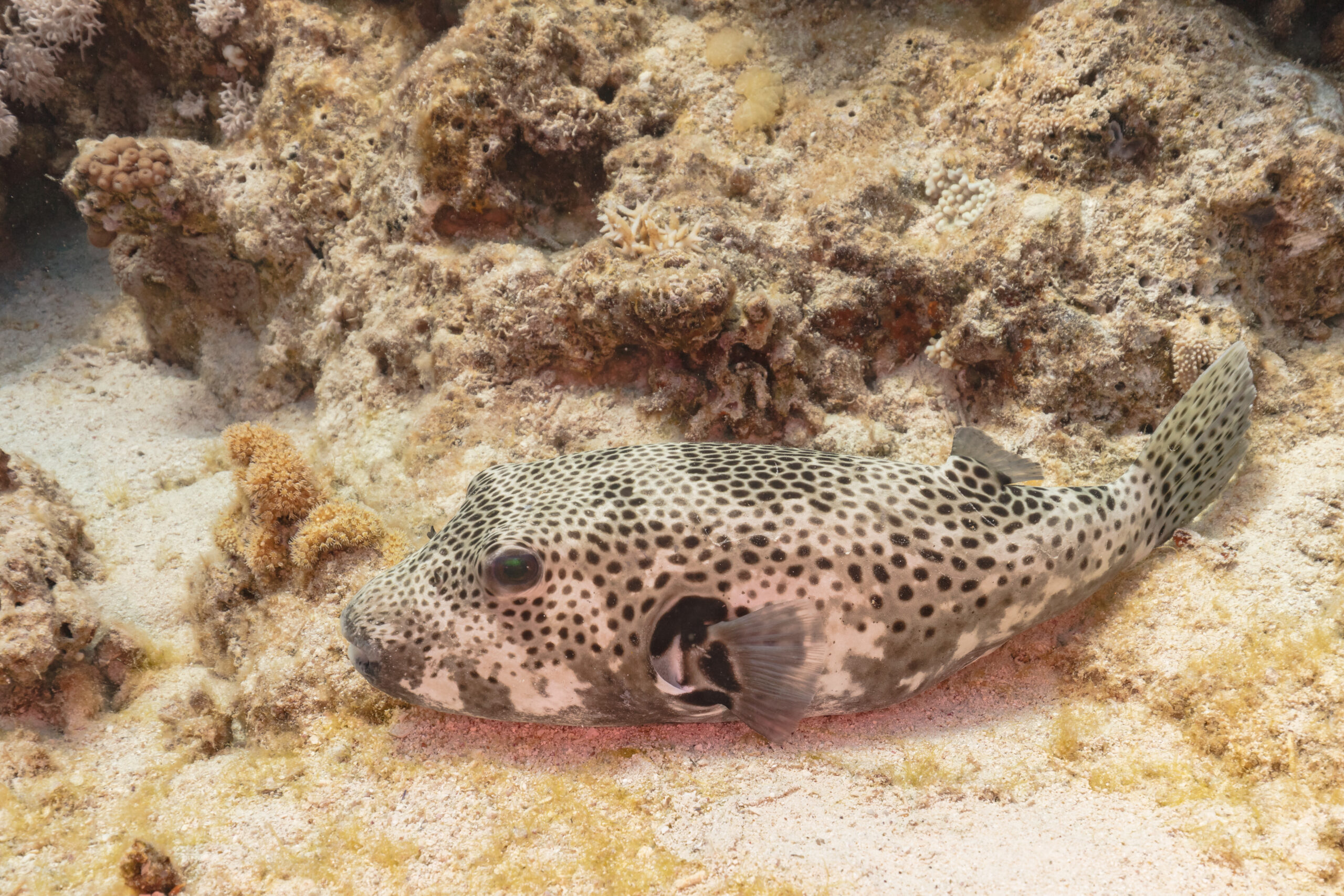 Photo Credit: Diego Delso / Wikimedia
In the shimmering waters of tropical oceans, the pufferfish, scientifically known as Tetraodontidae, glides gracefully among vibrant coral reefs. With its rounded, balloon-like body and striking patterns, this fascinating fish captures the attention of both curious snorkelers and seasoned marine biologists alike. When threatened, the pufferfish can inflate itself, transforming into a spiky orb that deters predators. This remarkable ability not only showcases its unique defense mechanism but also highlights the pufferfish’s role in the delicate balance of marine ecosystems.
As it navigates through its underwater world, the pufferfish engages in a daily routine of exploration and foraging. Its diet consists mainly of algae and small invertebrates, which it skillfully hunts among the coral. Scientists are particularly intrigued by the pufferfish’s evolutionary adaptations, which have allowed it to thrive in diverse habitats. From its clever feeding strategies to its vibrant mating displays, the pufferfish is a true marvel of nature, embodying the wonders of marine life and the intricate connections that sustain it. Join us as we dive deeper into the life of this extraordinary fish, uncovering the secrets of its behavior, ecology, and the vital role it plays in the ocean’s tapestry.
The pufferfish, a captivating inhabitant of the world’s oceans, holds a special place in the animal kingdom due to its intriguing adaptations and unique taxonomic position. Belonging to the Kingdom Animalia, the Phylum Chordata, and the Class Actinopterygii, pufferfish are part of the Order Tetraodontiformes, which includes other fascinating fish like triggerfish and sunfish. What truly sets pufferfish apart is their ability to inflate their bodies, a defense mechanism that makes them look much larger to potential predators. Additionally, many species of pufferfish contain a potent toxin called tetrodotoxin, which can be deadly if consumed. This combination of traits makes them a subject of both curiosity and caution in the marine world.
| Taxonomic Rank | Scientific Name | Meaning & Significance |
|---|---|---|
| Kingdom | Animalia | The name “Animalia” comes from the Latin word “animalis,” meaning “having breath” or “living.” This reflects the vital, breathing nature of all animals. |
| Phylum | Chordata | “Chordata” is derived from the Latin “chorda,” meaning “string.” This refers to the notochord, a flexible rod that provides support in the early development of these animals. |
| Class | Actinopterygii | The term “Actinopterygii” means “ray-finned fish.” It highlights the structure of their fins, which are supported by bony rays, allowing for agile swimming. |
| Order | Tetraodontiformes | “Tetraodontiformes” translates to “four-toothed form,” referring to the four prominent teeth that pufferfish possess, which they use to crush hard-shelled prey. |
| Family | Tetraodontidae | The name “Tetraodontidae” comes from “tetra,” meaning “four,” and “odous,” meaning “tooth.” This family is characterized by their distinctive dental structure. |
| Genus | Tetraodon | “Tetraodon” combines “tetra” for “four” and “odous” for “tooth,” emphasizing the four teeth that are a hallmark of this genus, crucial for their feeding habits. |
The classification of pufferfish reveals a rich evolutionary history that connects them to a diverse array of aquatic life. Their position within the Actinopterygii class indicates that they are part of a larger group of fish that have adapted to various environments over millions of years. The unique features of pufferfish, such as their inflation ability and toxic defense, showcase the incredible ways in which species can evolve to survive and thrive in the wild. Understanding their taxonomy not only highlights their biological significance but also emphasizes the intricate web of life in our oceans, where every species plays a vital role in the ecosystem.
The evolutionary journey of the pufferfish stretches back millions of years, tracing its lineage to ancient marine environments. These fascinating fish belong to the family Tetraodontidae and the genus Tetraodon, with their ancestors swimming in the oceans long before the dinosaurs roamed the Earth. Over time, pufferfish have adapted to their surroundings, developing remarkable features that have helped them thrive in diverse habitats.
The earliest ancestors of pufferfish were likely small, streamlined fish that shared traits with other marine species. As they evolved, they began to develop a unique body shape and specialized feeding habits. One of the most significant transitions occurred when they adapted to a diet that included hard-shelled prey, like mollusks and crustaceans. This change led to the development of their strong, beak-like teeth, which are perfect for cracking open tough shells. Another major evolutionary leap was the ability to inflate their bodies, a defense mechanism that makes them appear larger and more intimidating to predators. This inflation is made possible by a specialized stomach that can hold large amounts of water or air.
The adaptations of pufferfish have been crucial for their survival in the wild. Their ability to inflate not only deters predators but also allows them to navigate through various environments more effectively. The development of toxic compounds serves as a powerful warning to would-be attackers, while their beak-like teeth ensure they can access food sources that other fish might struggle to reach. Together, these traits have enabled pufferfish to thrive in the oceans, showcasing the wonders of evolution and the intricate relationships between species and their environments.
The pufferfish is a striking marine inhabitant that captures the imagination with its unusual shape and defensive adaptations. Its body is generally rounded and plump, resembling a small balloon when fully inflated. This unique form allows it to puff up, creating a larger silhouette that can deter potential predators. The skin is covered in sharp spikes, adding an extra layer of protection. When you see a pufferfish, you can’t help but be intrigued by its quirky appearance and the clever ways it has evolved to survive in the ocean.
| Feature | Description |
|---|---|
| Weight | 20-30 lbs |
| Skin Type | Spikes |
| Most Distinctive Feature | Inflatable air sack |
The combination of its weight, spiky skin, and inflatable air sack works together to create a formidable defense mechanism. When threatened, the pufferfish can quickly gulp water or air, expanding its body to an impressive size. This inflation not only makes it harder for predators to swallow but also showcases its spikes, which can deter even the most determined attackers. In this way, the pufferfish has turned its physical characteristics into a clever survival strategy, allowing it to thrive in the diverse and often dangerous waters of the ocean.
The pufferfish thrives in the warm, inviting waters of tropical regions, where vibrant coral reefs and lush underwater landscapes create a stunning backdrop. These fish are often found gliding gracefully through the clear blue seas, weaving in and out of colorful corals and swaying sea grasses. The rich biodiversity of these habitats provides not only shelter but also a smorgasbord of food options, making it an ideal home for the pufferfish.
The pufferfish prefers warm waters, typically found in temperatures ranging from 20 to 30 degrees Celsius (68 to 86 degrees Fahrenheit). These tropical environments are often characterized by shallow lagoons and coral reefs, where sunlight penetrates the water, supporting a rich array of marine life. The gentle currents and stable salinity levels in these areas create a perfect setting for the pufferfish to thrive, as they are sensitive to drastic changes in their surroundings.
To survive in these specific habitats, pufferfish have developed remarkable adaptations. Their ability to inflate their bodies serves as a defense mechanism against predators, making them appear larger and more intimidating. Additionally, their diet consists of hard-shelled prey like mollusks and crustaceans, which they can crack open with their strong beaks. This combination of physical traits and behavioral strategies allows pufferfish to flourish in the vibrant ecosystems of the tropics, showcasing nature’s ingenuity in the face of challenges.
The daily life of a pufferfish is a blend of leisurely exploration and strategic survival. These fascinating fish spend their time gliding through the warm waters of coral reefs, searching for food like crustaceans and algae. With their unique ability to inflate, pufferfish can quickly puff up when threatened, making them look much larger and less appealing to predators. This inflation is not just a defense mechanism; it also allows them to navigate their environment with a sense of confidence, knowing they have a trick up their sleeve.
While pufferfish are primarily solitary creatures, they do exhibit interesting behaviors when it comes to their interactions with others. They are not known for forming schools like many fish; instead, they prefer to roam alone or in small groups. When they do encounter fellow pufferfish, their interactions can be quite curious. They communicate through body language, using their unique shapes and movements to signal their intentions. This subtle communication helps them avoid conflicts and maintain their personal space in the vast ocean.
| Behavior Type | Description |
|---|---|
| Activity Patterns | Pufferfish spend their days foraging for food and exploring their surroundings, often resting on the ocean floor when not actively hunting. |
| Social Structure | Primarily solitary, pufferfish prefer to live alone or in small groups, avoiding the crowded schools typical of other fish species. |
| Communication Methods | They communicate through body language, using their ability to inflate and their movements to convey messages to other pufferfish. |
These behaviors are essential for the pufferfish’s survival in the wild. By being solitary, they reduce competition for food and minimize the risk of attracting predators. Their unique communication methods allow them to navigate social interactions without unnecessary conflict. Together, these traits help pufferfish thrive in their vibrant underwater homes, showcasing the delicate balance of life in the ocean.
Pufferfish are carnivorous, meaning they primarily eat meat. Their diet mainly consists of algae, invertebrates, and shellfish. These fish have developed clever feeding behaviors that help them find and consume their favorite foods. They often forage among coral reefs and sandy bottoms, using their beak-like teeth to crack open hard shells and access the tasty morsels inside. This feeding strategy not only satisfies their hunger but also plays a role in maintaining the health of their ecosystem by controlling algae growth.
| Dietary Aspect | Details |
|---|---|
| Diet Type | Carnivore |
| Favorite Foods | Algae, invertebrates, shellfish |
| Prey Items | Crustaceans, mollusks |
| Hunting/Foraging Strategies | Foraging in coral reefs and sandy bottoms, using beak-like teeth to crack shells |
This diet shapes the pufferfish’s role in its environment and influences its daily routine. By feeding on algae and invertebrates, pufferfish help keep coral reefs healthy and balanced. Their unique feeding habits also mean they spend a good portion of their day searching for food, which keeps them active and engaged in their vibrant underwater world. This connection between diet and ecology highlights the importance of pufferfish in maintaining the delicate balance of marine ecosystems.
When it comes to mating, pufferfish engage in a captivating dance that showcases their vibrant colors and unique behaviors. During the breeding season, which typically occurs in warmer months, males often display their best features to attract females. This can include puffing up their bodies and performing elaborate swimming patterns. Once a female is enticed, she will lay her eggs in a safe spot, often among coral or sandy substrates, while the male fertilizes them. This courtship ritual is not just about finding a mate; it’s a crucial part of ensuring the survival of their young.
| Reproductive Aspect | Details |
|---|---|
| Gestation Period | 4-7 days |
| Litter Size | Up to 7,000 eggs |
| Age of Maturity | 1-2 years |
| Name of Young | Fry |
After the eggs are fertilized, they develop into tiny fry, which are the young pufferfish. These fry are incredibly small and vulnerable, relying on their surroundings for protection. Interestingly, pufferfish do not provide extensive parental care after the eggs hatch. Instead, the young must fend for themselves almost immediately. As they grow, they begin to explore their environment, learning to find food and avoid predators. Over time, these little fish will mature into adults, showcasing the same fascinating adaptations that make pufferfish so intriguing in the underwater world.
The pufferfish plays a vital role in the marine food web, often serving as both predator and prey. These intriguing fish feast on algae and invertebrates, helping to maintain the balance of their underwater ecosystems. However, they are not without their own challenges. Pufferfish face various threats that can impact their survival, making them an important species to study and protect.
To defend themselves against these dangers, pufferfish have developed remarkable survival strategies. When threatened, they can inflate their bodies, becoming much larger and more difficult for predators to swallow. This inflation is not just a party trick; it’s a serious defense mechanism. Additionally, many pufferfish contain a potent toxin called tetrodotoxin, which can be deadly to those who attempt to eat them. By combining these clever tactics, pufferfish can navigate the challenges of their environment and continue to thrive in the oceans.
A keystone species is an organism that has a disproportionately large impact on its environment relative to its abundance. This means that even if it is not the most numerous species, its presence is crucial for maintaining the structure and health of its ecosystem. The pufferfish, with its unique adaptations and behaviors, qualifies as a keystone species in its tropical marine habitat.
Pufferfish play a significant role in their ecosystems by influencing the populations of other marine organisms. As carnivores, they primarily feed on algae, invertebrates, and shellfish. By consuming these organisms, pufferfish help control their populations, preventing any one species from overwhelming the ecosystem. For example, by keeping algae in check, pufferfish contribute to the health of coral reefs, which rely on a balanced ecosystem to thrive. Without pufferfish, algae could proliferate unchecked, leading to coral degradation and a loss of biodiversity.
Additionally, pufferfish serve as a food source for larger predators, such as sharks and larger fish. Their presence supports the food web, providing energy and nutrients to other species. Interestingly, pufferfish are also known for their unique defense mechanism: they can inflate their bodies to deter predators. This not only protects them but also influences the hunting strategies of their predators, creating a dynamic balance in the marine environment.
If pufferfish were to disappear from their ecosystems, the consequences could be severe. Algae could grow unchecked, leading to the decline of coral reefs and the myriad of species that depend on these habitats. The loss of pufferfish would disrupt the balance of the marine food web, potentially causing a ripple effect that could lead to the decline of other species. In essence, the absence of pufferfish would not only affect their immediate environment but could also threaten the overall health of tropical marine ecosystems.
The pufferfish occupies a crucial ecological niche in tropical marine environments, where it plays a significant role in maintaining the health of coral reef ecosystems. As a carnivorous species, it helps regulate populations of algae and invertebrates, ensuring that these organisms do not overwhelm the delicate balance of the reef. By feeding on these species, pufferfish contribute to the overall biodiversity and stability of their habitats, making them essential players in the underwater world.
| Ecosystem Service | Impact |
|---|---|
| Algae Control | Prevents algal overgrowth, promoting coral health |
| Prey for Larger Species | Serves as a food source for predators, supporting the food web |
| Habitat Structure | Influences the distribution of other marine species through its feeding habits |
| Biological Indicator | Reflects the health of the marine ecosystem, signaling changes in environmental conditions |
Pufferfish influence their environment in several fascinating ways. For instance, by consuming algae, they help maintain the clarity of the water, which is vital for the growth of corals that rely on sunlight for photosynthesis. Additionally, their feeding habits can shape the structure of the reef itself, as they create spaces that allow other marine organisms to thrive. This interaction not only supports a diverse array of life but also enhances the resilience of the ecosystem against disturbances.
The broader ecological importance of pufferfish cannot be overstated. As a keystone species, their presence is vital for the health and stability of coral reefs. By regulating populations of algae and invertebrates, they help sustain the intricate web of life that depends on these vibrant underwater landscapes. Protecting pufferfish and their habitats is essential for preserving the rich biodiversity of our oceans, ensuring that future generations can continue to marvel at the wonders of marine life.
In the vibrant tapestry of ocean life, pufferfish engage in various ecological relationships that highlight the interconnectedness of species. These relationships can be classified into three main types: mutualism, where both species benefit; commensalism, where one species benefits while the other is neither helped nor harmed; and parasitism, where one species benefits at the expense of another. Understanding these partnerships not only reveals the complexity of marine ecosystems but also showcases how different species adapt and thrive together in their underwater world.
| Species/Type | Relationship Type | Description |
|---|---|---|
| Cleaner Shrimp | Mutualistic | Cleaner shrimp remove parasites and dead skin from pufferfish, benefiting from a meal while keeping the pufferfish healthy. |
| Sea Anemones | Commensal | Pufferfish may seek shelter among sea anemones, gaining protection from predators while the anemones are unaffected. |
| Parasitic Worms | Parasitic | Some pufferfish can host parasitic worms that feed on their tissues, which can weaken the fish over time. |
These relationships have evolved over time, shaped by the needs and survival strategies of the species involved. Mutualistic partnerships, like that with cleaner shrimp, enhance the health of pufferfish, allowing them to thrive in their environments. Meanwhile, commensal relationships provide safety without harming the host, showcasing a delicate balance in nature. On the other hand, parasitic interactions remind us of the challenges that can arise in the quest for survival. Each of these connections plays a vital role in the ecosystem, illustrating how life in the ocean is a complex web of interactions that supports the diversity of marine life.
Pufferfish are truly remarkable animals, known for their unique adaptations and intriguing behaviors. Here are some surprising facts that showcase just how fascinating these fish can be.
Throughout history, pufferfish have captivated human imagination and culture. In Japan, these intriguing fish are known as fugu, a delicacy that requires skilled preparation due to the presence of tetrodotoxin, a potent neurotoxin found in their bodies. This cultural significance highlights the delicate balance between risk and reward, as consuming fugu can be both a culinary adventure and a life-threatening experience. Ancient cultures also revered pufferfish, often depicting them in art and folklore, symbolizing both danger and beauty in the ocean’s depths.
Today, our interactions with pufferfish are multifaceted, reflecting both conservation efforts and challenges. As marine ecosystems face threats from pollution and climate change, protecting pufferfish habitats has become increasingly important. Conservationists work to ensure that these fish can thrive in their natural environments, while aquarists explore the possibility of domestication. However, conflicts arise as overfishing and habitat destruction threaten their populations, prompting discussions about sustainable practices and the need for responsible fishing regulations.
Looking ahead, the relationship between pufferfish and humanity is poised for evolution. As we deepen our understanding of these remarkable fish, we can foster a greater appreciation for their role in marine ecosystems. By prioritizing conservation and sustainable practices, we can ensure that future generations will continue to marvel at the pufferfish, both as a culinary delicacy and as a vital part of our oceans. The journey of discovery and respect for these fascinating creatures is just beginning, and it invites us all to participate in safeguarding their future.
The conservation status of pufferfish is currently classified as “Least Concern” by the International Union for Conservation of Nature (IUCN). This means that, overall, pufferfish populations are not facing immediate threats that would lead to their extinction. However, specific population trends can vary by species and region, and while some pufferfish thrive in their habitats, others may experience localized declines due to environmental changes.
| Conservation Factor | Status/Details |
|---|---|
| IUCN Status | Least Concern |
| Estimated Population Size | Unknown |
| Population Trend | Stable in many areas, but localized declines possible |
Despite their current status, pufferfish face several significant threats that could impact their populations in the future. Habitat destruction, particularly from coastal development and pollution, poses a serious risk to their coral reef environments. Additionally, overfishing and the demand for pufferfish as a delicacy, especially in certain cultures, can lead to unsustainable harvesting practices. These factors can disrupt local ecosystems and diminish pufferfish numbers in specific areas.
Conservation efforts are underway to protect pufferfish and their habitats. Marine protected areas (MPAs) are being established to safeguard critical ecosystems, allowing pufferfish populations to thrive without the pressures of fishing and habitat loss. Public awareness campaigns also aim to educate communities about the importance of these fish in marine ecosystems. With continued efforts and responsible practices, the outlook for pufferfish remains hopeful, ensuring that these fascinating fish can continue to inhabit our oceans for generations to come.
| Question | Answer |
|---|---|
| Where do Pufferfish live? | Pufferfish are typically found in tropical and subtropical waters around the world. They prefer shallow coastal areas, coral reefs, and lagoons where they can easily find food and hide from predators. |
| What do Pufferfish eat? | Pufferfish are carnivores, meaning they primarily eat meat. Their diet consists of crustaceans, mollusks, and other small marine animals, which they crush with their strong beak-like teeth. |
| How do Pufferfish behave? | Pufferfish are known for their unique ability to inflate their bodies when threatened. This inflation makes them look much larger and can deter predators. They are generally solitary creatures but can sometimes be seen in pairs during mating season. |
| How do Pufferfish reproduce? | Pufferfish reproduce by laying eggs, which are often fertilized externally. The female can lay thousands of eggs at once, and these eggs float in the water until they hatch into tiny larvae, which eventually develop into adult fish. |
| What threats do Pufferfish face? | While Pufferfish are currently listed as Least Concern in terms of conservation status, they still face threats from habitat loss and pollution. Additionally, they are often caught for the aquarium trade and can be vulnerable to overfishing in some areas. |
| What is a unique characteristic of Pufferfish? | One of the most distinctive features of Pufferfish is their inflatable air sack, which allows them to puff up when threatened. This not only makes them look bigger but also helps them store water or air, making it harder for predators to swallow them. |
| Are Pufferfish poisonous? | Yes, many species of Pufferfish contain a potent toxin called tetrodotoxin. This toxin is found in their skin and internal organs and can be deadly to predators and humans if ingested. However, some cultures consider Pufferfish a delicacy, but it must be prepared very carefully by trained chefs. |