Taxonomy & Classification
- Kingdom
- Animalia
- Phylum
- Chordata
- Class
- Aves
- Order
- Accipitriformes
- Family
- Accipitridae
- Genus
- Haliaeetus
- Species
- haliaeetus leucocephalus

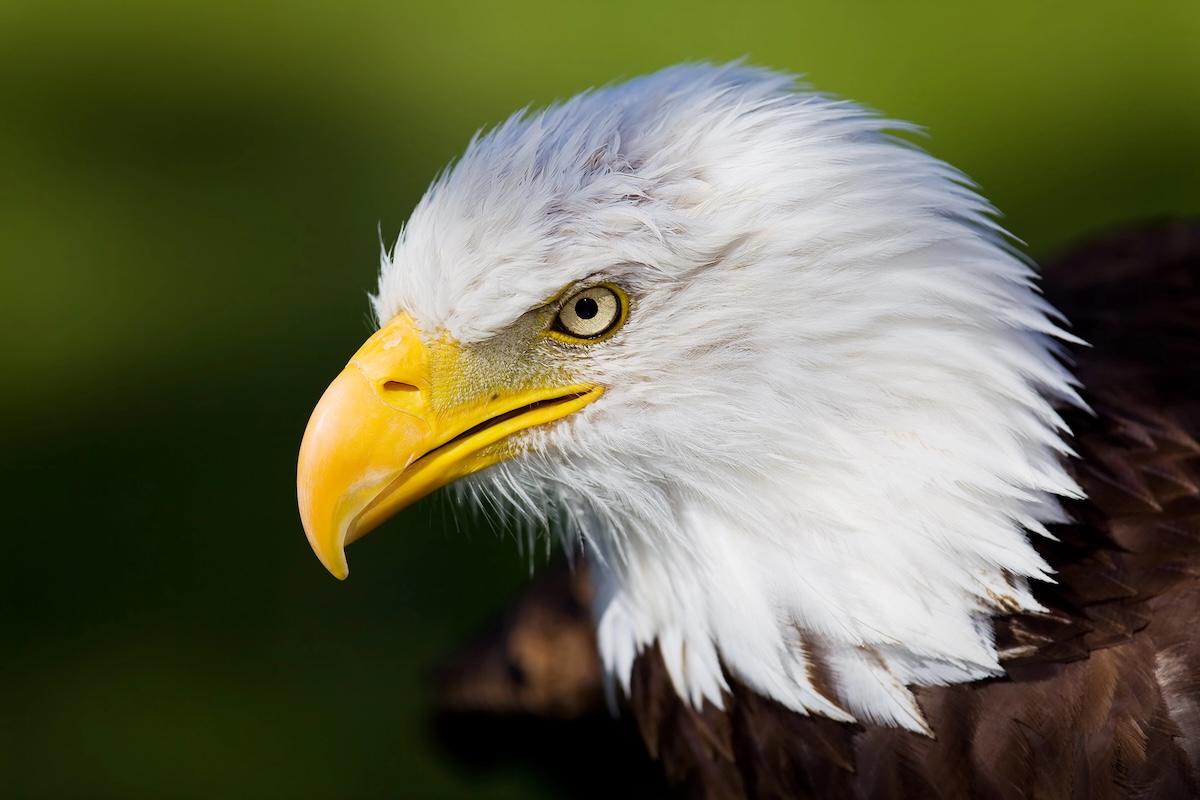 Photo Credit: stevemc at Deposit Photos
In the heart of North America, the Bald Eagle, scientifically known as Haliaeetus leucocephalus, reigns supreme as a symbol of strength and freedom. Picture this magnificent bird soaring high above shimmering lakes and winding rivers, its impressive wingspan stretching nearly seven feet. With its striking white head and tail contrasting against a dark brown body, the Bald Eagle is not just a sight to behold; it’s a living testament to the beauty of nature. As it glides effortlessly on thermal currents, this powerful raptor captures the attention of both scientists and nature enthusiasts alike, who are drawn to its grace and hunting prowess.
Nestled near forests and large bodies of water, Bald Eagles create their homes in towering trees, where they build massive nests that can weigh over a ton. These nests, often reused and expanded year after year, serve as a safe haven for their young. The Bald Eagle’s diet primarily consists of fish, showcasing its remarkable hunting skills as it dives with precision to snatch its prey from the water. This bird plays a vital role in its ecosystem, influencing the balance of life around it. As we explore the world of the Bald Eagle, we’ll uncover the secrets of its behavior, its fascinating life cycle, and the conservation efforts that help protect this iconic species. Join us on this adventure to learn more about one of nature’s most captivating birds!
The Bald Eagle, a symbol of strength and freedom, holds a prominent place in the animal kingdom. Taxonomically, it belongs to the Kingdom Animalia, which includes all animals, and is classified under the Phylum Chordata, meaning it has a backbone. This majestic bird is part of the Class Aves, which encompasses all birds, and it falls within the Order Accipitriformes, a group that includes raptors like hawks and kites. Its family, Accipitridae, is known for birds of prey, and the genus Haliaeetus specifically refers to sea eagles. What makes the Bald Eagle particularly special is not just its striking white head and tail contrasting with its dark brown body, but also its role as a top predator in its ecosystem, showcasing the intricate balance of nature.
| Taxonomic Rank | Scientific Name | Meaning & Significance |
|---|---|---|
| Kingdom | Animalia | This name means “animals” in Latin, highlighting the Bald Eagle’s classification as a living organism that moves and consumes organic material. |
| Phylum | Chordata | Derived from the Greek word “chordē,” meaning “string,” this refers to the presence of a notochord, or backbone, which is a key feature of this bird. |
| Class | Aves | This term comes from the Latin word for “bird,” indicating that the Bald Eagle is part of the avian family, characterized by feathers and beaks. |
| Order | Accipitriformes | This name combines “accipiter,” meaning “hawk” in Latin, and “formes,” meaning “shaped like,” which reflects the order’s raptor-like characteristics. |
| Family | Accipitridae | Similar to the order, this name also derives from “accipiter,” emphasizing the family of birds of prey, known for their keen eyesight and hunting skills. |
| Genus | Haliaeetus | This name comes from the Greek words “haliaetos,” meaning “sea eagle,” which is fitting for the Bald Eagle’s habitat near large bodies of water. |
The classification of the Bald Eagle reveals much about its evolutionary journey. As a member of the Accipitridae family, it shares common ancestry with other birds of prey, showcasing adaptations that have allowed it to thrive as a hunter. Its position in the tree of life illustrates the intricate connections between species, highlighting how the Bald Eagle has evolved to become a master of the skies, perfectly adapted to its environment. This majestic bird not only represents a vital part of its ecosystem but also serves as a reminder of the beauty and complexity of nature’s design.
The evolutionary journey of the Bald Eagle stretches back millions of years, intertwining with the history of birds of prey. These majestic birds belong to the family Accipitridae, which includes hawks, kites, and other eagles. The lineage of the Bald Eagle can be traced to ancient raptors that roamed the skies during the late Cretaceous period, around 70 million years ago. Over time, these ancestors adapted to various environments, leading to the diverse group of birds we see today.
The Bald Eagle’s ancestors were likely small, agile birds that hunted insects and small animals. As they evolved, they developed larger bodies and stronger beaks, allowing them to tackle bigger prey. One significant transition occurred when these birds began to specialize in hunting fish, leading to the emergence of the genus Haliaeetus, which means “sea eagle” in Greek. This adaptation was crucial, as it allowed them to exploit a rich food source found in lakes and rivers. Over time, their keen eyesight and powerful talons became essential tools for catching slippery fish, making them highly effective hunters.
The adaptations of the Bald Eagle have played a vital role in its survival and success as a species. Their powerful talons and sharp eyesight make them formidable hunters, while their large wingspan enables them to travel long distances in search of food. This adaptability in diet ensures they can thrive in various environments, whether near coastlines or inland lakes. As a result, the Bald Eagle has become a symbol of resilience and strength, soaring high above the landscapes of North America.
The Bald Eagle stands as a majestic figure against the backdrop of the sky, embodying both grace and power. With a wingspan that can stretch up to 7 feet, this bird commands attention as it soars effortlessly above the treetops. Its body is robust and muscular, designed for both hunting and gliding. The contrast of its dark brown body feathers against the striking white plumage on its head creates a stunning visual that is instantly recognizable. This regal appearance is not just for show; it plays a vital role in the eagle’s identity and survival.
| Feature | Description |
|---|---|
| Height | 28-38 inches |
| Weight | 6.6-14 lbs |
| Most Distinctive Feature | White plumage on the head |
| Body Color | Dark brown feathers on the body |
| Beak | Large, hooked, and yellow |
| Eyes | Sharp, yellow eyes for keen vision |
These striking features work together to enhance the Bald Eagle’s survival in the wild. The white head not only makes it easily identifiable but also plays a role in courtship displays, attracting mates. Its powerful beak is perfectly designed for tearing into prey, while its keen eyesight allows it to spot fish from great heights. The combination of strength, agility, and striking appearance makes the Bald Eagle a true marvel of nature, perfectly adapted to its role as a top predator in its environment.
The Bald Eagle thrives in a variety of habitats that paint a picture of natural beauty and rugged landscapes. These magnificent birds are often found near large bodies of open water, such as lakes, rivers, and coastal regions. They prefer areas with abundant trees, which provide perfect perches for spotting prey and nesting sites. Imagine a serene lake surrounded by towering pines, where the sun glistens off the water’s surface, and the call of the Bald Eagle echoes through the air. This is the kind of environment that supports their majestic presence.
Bald Eagles are adaptable birds that thrive in various climates, but they generally prefer temperate zones. They are often found in areas where winters are cold, yet they require open water that doesn’t freeze over completely. This allows them to hunt for fish, their primary food source. The environmental conditions they favor include a mix of forested areas for nesting and open spaces for hunting, creating a perfect balance for their survival.
Over time, Bald Eagles have developed remarkable adaptations to their habitats. Their keen eyesight allows them to spot fish from great heights, while their powerful talons are designed for catching slippery prey. The sturdy nests they build in tall trees provide safety for their young, and their ability to soar high in the sky helps them cover large distances in search of food. These adaptations not only enhance their hunting skills but also ensure their survival in diverse environments across North America.
The daily life of a Bald Eagle is a blend of soaring through the skies, hunting for food, and caring for its young. These magnificent birds typically start their day at dawn, taking to the air to scout for breakfast. With keen eyesight, they can spot fish swimming below the water’s surface from high above. After a successful catch, they often return to their nests, where they may spend time preening their feathers or resting in the sun. As the day progresses, they might engage in more hunting or social interactions with other eagles, showcasing their adaptability and intelligence.
Bald Eagles are not solitary creatures; they thrive in social settings, especially during the breeding season. They often form strong pair bonds that can last for years, working together to build and maintain their nests. These nests, made of sticks and lined with softer materials, can be quite large and are usually located high in trees or on cliffs. Communication among eagles is vital, and they use a variety of vocalizations, from high-pitched whistles to deep, resonant calls, to convey messages to one another. This social structure helps them coordinate hunting efforts and protect their territory from intruders.
| Behavior Type | Description |
|---|---|
| Hunting | Bald Eagles primarily hunt fish, using their sharp talons to snatch them from the water. They may also scavenge or hunt small mammals and birds. |
| Social Structure | These eagles often form monogamous pairs, working together to raise their young and defend their territory. |
| Communication | Bald Eagles communicate through a range of vocalizations and body language, signaling their presence and intentions to other eagles. |
The behaviors of Bald Eagles are finely tuned to ensure their survival in the wild. Their hunting skills allow them to find food efficiently, while their social bonds help them raise healthy chicks and defend against threats. By working together and communicating effectively, these powerful birds not only thrive but also contribute to the balance of their ecosystems. Each day is a testament to their resilience and adaptability, making them a true symbol of the wild.
The Bald Eagle is a carnivore, which means it primarily eats meat. Its diet mainly consists of fish, but it also enjoys a variety of other prey, including birds and small mammals. These powerful birds are skilled hunters, using their keen eyesight to spot potential meals from high in the sky. Once they identify their target, Bald Eagles swoop down with incredible speed and precision, using their sharp talons to catch their food. This hunting behavior not only showcases their strength but also highlights their adaptability in different environments.
| Dietary Aspect | Details |
|---|---|
| Diet Type | Carnivore |
| Favorite Foods | Fish, birds, and small mammals |
| Prey Items | Trout, salmon, ducks, and rabbits |
| Hunting/Foraging Strategies | Soaring high to spot prey, diving at high speeds, and using sharp talons to catch food |
The diet of the Bald Eagle plays a crucial role in its ecology and daily routine. By primarily feeding on fish, these birds help maintain the balance of aquatic ecosystems. Their hunting habits also influence the populations of other animals, ensuring that no single species dominates the environment. As they soar through the skies, Bald Eagles not only fulfill their own dietary needs but also contribute to the health of their habitats, making them vital players in the natural world.
As winter gives way to spring, Bald Eagles engage in a spectacular courtship ritual that showcases their strong bond. Mating pairs perform aerial displays, soaring high and diving together in a breathtaking dance. This bonding period is crucial, as it strengthens their partnership before they embark on the important task of raising their young. The breeding season typically begins in late winter, with nests being built or refurbished in tall trees or cliffs near water sources, ensuring a safe environment for their future offspring.
| Reproductive Aspect | Details |
|---|---|
| Gestation Period | About 35 days |
| Litter Size | 1 to 3 eggs |
| Age of Maturity | 4 to 5 years |
| Name of Young | Eaglets |
After the eggs hatch, the parents take on the role of dedicated caregivers. Both the male and female share the responsibility of feeding and protecting the eaglets, which are covered in soft down feathers and rely entirely on their parents for survival. As the weeks pass, the young birds grow rapidly, developing their feathers and strength. By the time they are ready to fledge, or leave the nest, they have learned essential skills from their parents, preparing them for a life of independence in the wild. This nurturing process not only ensures the survival of the next generation but also reinforces the strong family bonds that are characteristic of these magnificent birds.
The Bald Eagle occupies a vital role in the food web, serving as both a predator and a scavenger. This majestic bird is at the top of its game, often hunting fish and small mammals while also cleaning up carrion, or dead animals, that it finds. However, being at the top of the food chain doesn’t mean it is free from dangers. In fact, various threats loom over these powerful birds, challenging their survival in the wild.
Despite these challenges, Bald Eagles have developed impressive defensive behaviors and survival strategies. They are known for their keen eyesight, allowing them to spot potential threats from great distances. When faced with danger, these eagles can be quite aggressive, using their powerful talons and sharp beaks to defend their nests. Additionally, they often choose nesting sites that are high up and hard to reach, providing a safe haven for their young. Through these adaptations, Bald Eagles continue to soar above the challenges they face, embodying resilience in the wild.
A keystone species is an organism that plays a critical role in maintaining the structure of its ecosystem. Its presence and activities significantly influence the environment and the other species that inhabit it. The Bald Eagle qualifies as a keystone species due to its position at the top of the food chain and its impact on various ecological processes.
Bald Eagles are not just impressive hunters; they also help regulate populations of their prey, which primarily includes fish. By controlling fish populations, they ensure that aquatic ecosystems remain balanced. If fish numbers were to rise unchecked, it could lead to overgrazing of aquatic plants, disrupting the entire habitat. Additionally, Bald Eagles are scavengers, often feeding on carrion, which helps clean up the environment and recycle nutrients back into the ecosystem. This scavenging behavior supports a variety of other species, including insects and smaller mammals, that benefit from the remains of their meals.
Moreover, the presence of Bald Eagles can indicate the health of their environment. When these birds thrive, it often means that the water quality and fish populations are also healthy. This makes them important indicators for conservation efforts. Their nesting sites, typically located near large bodies of water and forests, also provide habitats for other species, creating a rich biodiversity in those areas.
If Bald Eagles were to disappear from their ecosystems, the consequences could be severe. Fish populations might explode, leading to overgrazing of aquatic plants and a decline in water quality. This imbalance could ripple through the food web, affecting not only other birds and animals but also the health of the entire ecosystem. The loss of this majestic bird would not only diminish the natural beauty of our landscapes but also disrupt the delicate balance that supports countless species, including our own.
The Bald Eagle is a keystone species, meaning it plays a crucial role in shaping its ecosystem. Found near forests and large bodies of water, these magnificent birds influence their surroundings in various ways. As top predators, they help maintain the balance of animal populations, ensuring that no single species dominates the environment. Their presence signals a healthy ecosystem, as they thrive in areas rich in biodiversity.
| Ecosystem Service | Impact |
|---|---|
| Population Control | Regulates fish and small mammal populations, preventing overpopulation. |
| Scavenging | Cleans up carrion, which helps reduce disease spread. |
| Habitat Creation | Nests provide shelter for other species, promoting biodiversity. |
| Indicator Species | Reflects the health of aquatic ecosystems, signaling environmental changes. |
Bald Eagles have a direct impact on their environment through their hunting and scavenging behaviors. By preying on fish and small mammals, they help control these populations, which can otherwise grow unchecked. For instance, when Bald Eagles hunt fish, they often target the weaker or sick individuals, promoting a healthier fish population overall. Additionally, their nests, which can be quite large and built high in trees, provide homes for various other birds and animals, creating a mini-ecosystem within the forest.
The broader ecological importance of the Bald Eagle cannot be overstated. As a top predator, it helps maintain the balance of its ecosystem, ensuring that various species can coexist. Their role as scavengers also contributes to a cleaner environment, reducing the risk of disease from decaying animals. By serving as an indicator species, Bald Eagles alert us to changes in their habitat, reminding us of the delicate balance of nature and the importance of conservation efforts. Protecting these majestic birds ultimately helps safeguard the health of entire ecosystems.
In the intricate web of nature, symbiosis refers to the close and often long-term interactions between different species. These relationships can take many forms, including mutualism, where both species benefit, commensalism, where one benefits while the other is neither helped nor harmed, and parasitism, where one species benefits at the expense of another. The Bald Eagle, a majestic bird of prey, engages in various ecological relationships that highlight the interconnectedness of life in its habitat.
| Species/Type | Relationship Type | Description |
|---|---|---|
| Ospreys | Commensalism | Bald Eagles often share hunting grounds with Ospreys. While the Ospreys catch fish, Bald Eagles may swoop in to steal their catch, benefiting from the Ospreys’ hard work without affecting them significantly. |
| Fish | Mutualism | While not a direct partnership, the presence of Bald Eagles can help maintain healthy fish populations. By preying on sick or weak fish, they contribute to the overall health of aquatic ecosystems. |
| Ticks | Parasitism | Bald Eagles can host ticks, which feed on their blood. This relationship is harmful to the eagles, as it can lead to health issues, but it provides sustenance for the ticks. |
The evolution of these relationships showcases the adaptability and resilience of the Bald Eagle and its companions in the wild. Over time, these interactions have developed as species learned to exploit available resources and navigate their environments. The benefits gained from these partnerships, whether through shared hunting grounds or the natural regulation of prey populations, highlight the importance of biodiversity. Each species plays a role in maintaining the balance of their ecosystem, demonstrating that even the mightiest of birds rely on the intricate connections that bind all living things together.
The Bald Eagle is not just a symbol of freedom; it is a bird filled with surprises that can captivate anyone who takes the time to learn about it. From its impressive hunting skills to its unique behaviors, this majestic raptor has much more to offer than meets the eye.
The Bald Eagle has long been a powerful symbol in human culture, representing freedom and strength. Historically, these magnificent birds have been revered by various Native American tribes, who viewed them as spiritual messengers and symbols of courage. The Bald Eagle’s striking appearance, with its white head and tail contrasting against a dark brown body, has made it an iconic figure in art and literature. In 1782, the Bald Eagle was chosen as the national bird of the United States, further solidifying its status as a symbol of liberty and resilience. This deep-rooted connection between the Bald Eagle and humanity reflects our admiration for nature’s wonders and the values we hold dear.
In modern times, the relationship between Bald Eagles and humans has evolved significantly. Conservation efforts have played a crucial role in protecting these birds, especially after their populations plummeted due to habitat loss and the effects of pesticides like DDT. Thanks to dedicated wildlife organizations and government initiatives, Bald Eagle numbers have rebounded, allowing them to thrive in many areas. However, conflicts still arise, particularly when eagles nest near human developments or when they compete with fishermen for fish. While domestication of Bald Eagles is not feasible due to their wild nature, some people engage in falconry, a practice that involves training birds of prey for hunting. This interaction highlights the delicate balance between respecting wildlife and managing human interests.
As we look to the future, the relationship between Bald Eagles and humanity will continue to evolve. With ongoing conservation efforts and increased awareness of their ecological role, we can hope to maintain a harmonious coexistence. By respecting their habitats and understanding their needs, we can ensure that these majestic birds remain a vibrant part of our natural world. The Bald Eagle not only symbolizes freedom but also serves as a reminder of our responsibility to protect the environment and the incredible species that inhabit it.
The Bald Eagle, a majestic symbol of the United States, currently holds a conservation status of “Least Concern” according to the International Union for Conservation of Nature (IUCN). This means that, while they are not facing immediate threats of extinction, their populations have experienced significant recovery over the past few decades. Once on the brink of disappearance due to habitat loss and pesticide use, the Bald Eagle’s numbers have rebounded impressively, showcasing the power of conservation efforts and public awareness.
| Conservation Factor | Status/Details |
|---|---|
| IUCN Status | Least Concern |
| Population Estimates | Approximately 300,000 individuals in North America |
| Trend Direction | Increasing |
Despite their recovery, Bald Eagles still face several challenges that threaten their habitats and well-being. One of the main threats is habitat destruction, often caused by urban development and pollution. Additionally, lead poisoning from ingesting spent lead ammunition remains a significant risk. These birds can also be affected by climate change, which alters their food supply and nesting sites. As top predators, they are sensitive to changes in their environment, making it crucial to monitor their health and habitats closely.
Conservation efforts have played a vital role in the resurgence of the Bald Eagle population. Initiatives such as the banning of the pesticide DDT, which was responsible for thinning eggshells, and the establishment of protected nesting areas have been instrumental. Organizations and wildlife agencies continue to work tirelessly to ensure these magnificent birds thrive in their natural habitats. With ongoing support and awareness, the outlook for the Bald Eagle remains positive, allowing future generations to admire this iconic bird soaring through the skies.
| Question | Answer |
|---|---|
| Where do Bald Eagles live? | Bald Eagles are commonly found near large bodies of open water, such as lakes, rivers, and coastal regions. They prefer habitats that have plenty of trees for nesting and perching, often near forests where they can find food easily. |
| What do Bald Eagles eat? | Bald Eagles are carnivores, meaning they primarily eat meat. Their diet mainly consists of fish, but they also hunt small mammals and scavenge on carrion, which is the remains of dead animals. |
| How do Bald Eagles behave? | Bald Eagles are known for their impressive flying skills and can soar at great heights. They are also very territorial, especially during nesting season, and will defend their territory from other birds and animals. |
| How do Bald Eagles reproduce? | Bald Eagles typically mate for life and return to the same nest year after year. They build large nests made of sticks and can lay one to three eggs, which both parents help incubate until they hatch. |
| What threats do Bald Eagles face? | While Bald Eagles are currently listed as Least Concern, they still face threats from habitat destruction, pollution, and climate change. Human activities can impact their nesting sites and food sources, making conservation efforts important. |
| What is a unique characteristic of Bald Eagles? | One of the most distinctive features of Bald Eagles is their striking white plumage on their heads, which contrasts with their dark brown bodies. This unique appearance makes them easily recognizable and symbolizes strength and freedom. |
| How fast can Bald Eagles fly? | Bald Eagles can reach speeds of up to 30 miles per hour when flying normally, but they can dive at speeds of over 100 miles per hour when hunting. This incredible speed helps them catch their prey efficiently. |