Taxonomy & Classification
- Kingdom
- Animalia
- Phylum
- Chordata
- Class
- Mammalia
- Order
- Carnivora
- Family
- Procyonidae
- Genus
- Procyon
- Species
- Procyon lotor

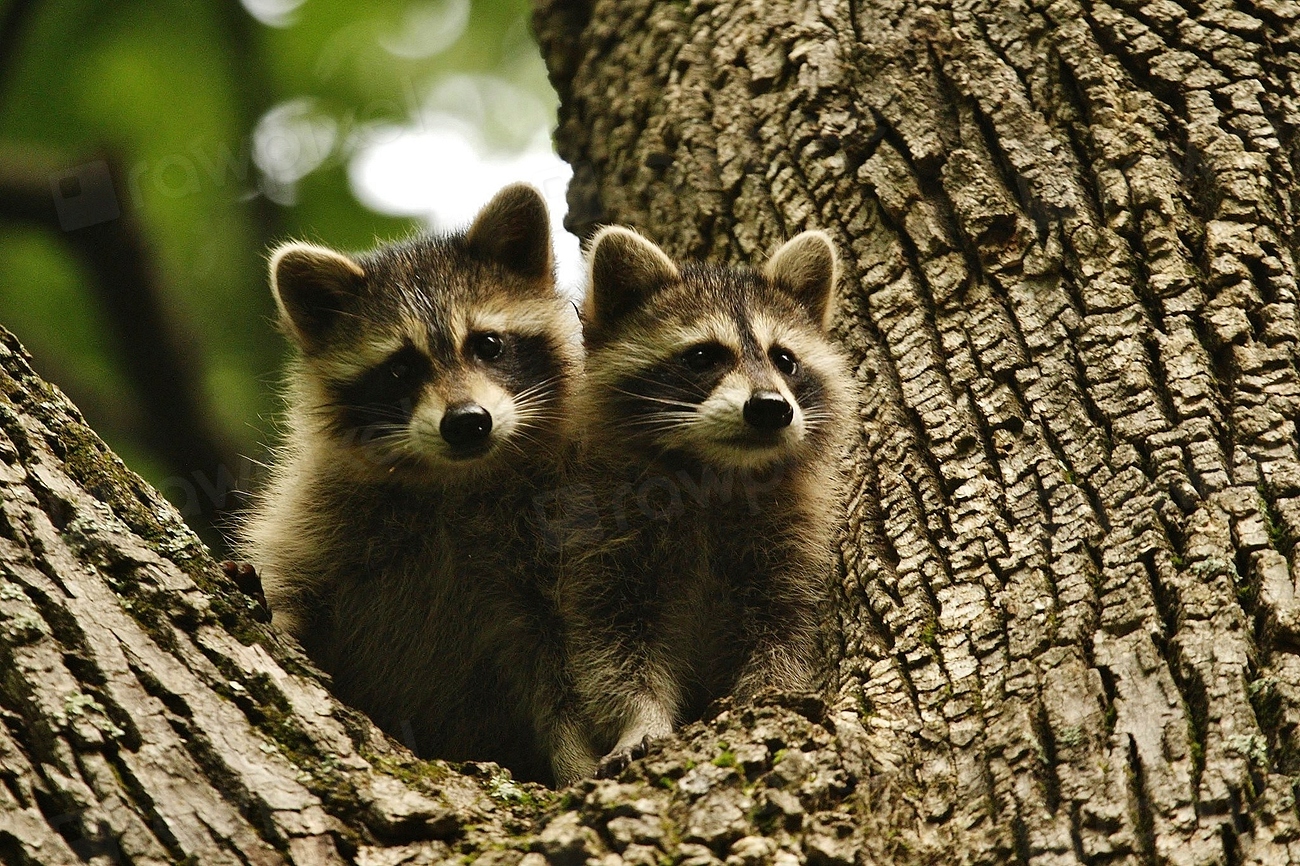 Photo Credit: National Park Service / Rawpixel
In the heart of a moonlit forest, the raccoon, known scientifically as Procyon lotor, emerges from the shadows, its masked face peering curiously into the night. With its distinctive black “mask” of fur and ringed tail, this clever mammal is a master of adaptation, thriving in diverse environments from urban neighborhoods to lush woodlands. As it scuttles along the forest floor, its nimble paws explore every nook and cranny, revealing a world of hidden treasures. This playful scavenger is not just a nighttime wanderer; it is a fascinating subject for scientists and nature enthusiasts alike, who are captivated by its intelligence and resourcefulness.
Raccoons are often seen as mischievous creatures, rummaging through trash cans in search of a midnight snack. But there’s so much more to them than their reputation suggests. These nocturnal animals are equipped with highly sensitive front paws that allow them to manipulate objects with surprising dexterity. This unique ability, combined with their omnivorous diet, means they can thrive in a variety of habitats, making them a keystone species in their ecosystems. As we delve deeper into the world of Procyon lotor, we will uncover the secrets of their behavior, their role in nature, and the intriguing relationships they share with humans and other wildlife. Join us on this adventure to explore the life of the raccoon, a creature that embodies both curiosity and cleverness in the wild.
The raccoon, a clever and adaptable mammal, holds a special place in the animal kingdom. Taxonomically, it belongs to the Kingdom Animalia, which includes all animals, and is classified under the Phylum Chordata, meaning it has a backbone. As a member of the Class Mammalia, raccoons share traits like fur and the ability to nurse their young. They are part of the Order Carnivora, which includes meat-eating animals, but raccoons are omnivores, enjoying a varied diet of fruits, insects, and even human leftovers. Their family, Procyonidae, is known for its playful and intelligent members, and the genus Procyon highlights their unique characteristics, such as their dexterous front paws and masked faces.
| Taxonomic Rank | Scientific Name | Meaning & Significance |
|---|---|---|
| Kingdom | Animalia | This name means “animals” in Latin, representing all multicellular organisms that are not plants, fungi, or bacteria. |
| Phylum | Chordata | Derived from the Greek word “chordē,” meaning “string,” this refers to animals with a notochord, a flexible rod that supports the body. |
| Class | Mammalia | This term comes from “mamma,” Latin for “breast,” highlighting the defining feature of mammals: the ability to nurse their young with milk. |
| Order | Carnivora | From Latin, meaning “meat-eaters,” this order includes animals that primarily consume meat, though many, like raccoons, are omnivorous. |
| Family | Procyonidae | This name comes from the Greek “pro” meaning “before” and “kyon” meaning “dog,” indicating that these animals are dog-like but have distinct traits. |
| Genus | Procyon | Also from Greek, meaning “before the dog,” this name reflects the raccoon’s resemblance to canines while emphasizing its unique adaptations. |
The classification of the raccoon reveals much about its evolutionary journey. As a member of the Procyonidae family, raccoons share a common ancestor with other small to medium-sized mammals that exhibit similar behaviors and adaptations. Their omnivorous diet and dexterous paws suggest a long history of adaptability, allowing them to thrive in diverse environments, from forests to urban areas. This adaptability is a testament to their evolutionary success, showcasing how species can evolve and diversify in response to changing habitats and food sources.
The evolutionary journey of the raccoon stretches back millions of years, weaving through a tapestry of environmental changes and adaptations. This journey began in the late Eocene epoch, around 35 million years ago, when the ancestors of modern raccoons first emerged. These early mammals were part of a larger group known as Carnivora, which includes many meat-eating animals. Over time, the raccoon’s lineage branched out, adapting to various habitats and lifestyles, ultimately leading to the clever and resourceful animal we see today.
The raccoon’s ancestors were small, tree-dwelling creatures that roamed the forests of North America. As they evolved, they developed traits that allowed them to thrive in diverse environments. One significant transition occurred when they began to exploit a more omnivorous diet, meaning they started eating both plants and animals. This dietary flexibility was crucial as it enabled them to adapt to changing food sources. Over time, they also developed dexterous front paws, which are remarkably skilled at manipulating objects. This adaptation is particularly useful for foraging, allowing raccoons to open containers and access food that other animals might not reach.
These adaptations have played a vital role in the raccoon’s survival. Their ability to eat a wide range of foods means they can thrive in various habitats, from forests to urban areas. The dexterity of their paws allows them to explore and manipulate their environment, making them skilled foragers. Their unique facial markings enhance their vision at night, which is when they are most active. By being social and intelligent, raccoons can work together to find food and navigate challenges. All these traits combine to make the raccoon a true survivor in the ever-changing world around it.
The raccoon is a captivating animal, instantly recognizable with its stocky body and agile movements. Its overall shape is compact, with a sturdy build that allows it to navigate various environments with ease. Raccoons have a distinctive face, marked by a black “mask” of fur around their eyes, which adds to their curious and intelligent expression. Their bushy tails, often adorned with dark rings, help them maintain balance as they climb and explore.
| Feature | Description |
|---|---|
| Weight | 3.5-9 kg (7.7-19.8 lbs) |
| Skin Type | Fur |
| Color | Grayish-brown with a lighter underbelly |
| Eyes | Dark, expressive eyes framed by a black mask |
| Tail | Bushy with 4-6 dark rings |
These physical features are not just for show; they play vital roles in the raccoon’s survival. The thick fur keeps them warm in colder climates, while their agile bodies allow them to climb trees and forage for food. The black mask around their eyes helps reduce glare, enhancing their night vision, which is crucial since raccoons are primarily nocturnal. Their bushy tails serve as a counterbalance when they are climbing or jumping, making them adept at navigating their surroundings. Together, these characteristics make the raccoon a master of adaptability in diverse habitats.
Raccoons thrive in a variety of habitats, but they particularly love woodland areas that are close to water. Imagine a lush forest filled with tall trees, where sunlight filters through the leaves, creating a dappled pattern on the forest floor. Nearby, a sparkling stream or a calm pond provides a perfect spot for these curious animals to forage for food. Raccoons are often seen exploring the edges of these water bodies, where they can find tasty treats like fish, frogs, and even fruits that have fallen from trees.
Raccoons are quite adaptable when it comes to climate and environmental conditions. They can be found in both temperate and tropical regions, which means they enjoy a range of temperatures. However, they prefer areas with a good amount of rainfall, as this helps keep their habitats lush and full of food sources. They are also known to thrive in urban environments, where they can find plenty of scraps and shelter in parks and backyards.
These clever animals have developed a range of adaptations that help them succeed in their chosen habitats. Their dexterous front paws allow them to manipulate objects and open containers, making it easier to access food. Raccoons also have a keen sense of touch, which helps them explore their surroundings, especially in the dark. Their ability to thrive in both wild and urban settings showcases their remarkable flexibility and intelligence, allowing them to make the most of whatever environment they find themselves in.
Raccoons lead a life filled with curiosity and cleverness, often engaging in a variety of activities throughout their day. These nocturnal animals are most active at night, when they venture out to explore their surroundings. Their keen sense of touch, aided by their dexterous front paws, allows them to manipulate objects and search for food. Raccoons are omnivores, meaning they eat both plants and animals, and they often rummage through trash cans or forage in streams for tasty treats. Their daily routine is a mix of foraging, playing, and resting, all while keeping a watchful eye out for potential dangers.
While raccoons are primarily solitary creatures, they do exhibit interesting social behaviors, especially during the breeding season or when mothers are raising their young. Young raccoons often stay with their mothers for several months, learning essential survival skills. During this time, they may play together, which helps them develop their hunting and social skills. Although they prefer to live alone, raccoons can sometimes be seen in small groups, especially when food is abundant. They communicate with each other through a variety of sounds, including chattering, growling, and even purring, which helps them express their feelings and establish social bonds.
| Behavior Type | Description |
|---|---|
| Activity Patterns | Nocturnal foraging, primarily at night, searching for food in various environments. |
| Social Structure | Generally solitary, but young raccoons stay with their mothers for several months. |
| Communication Methods | Use a range of sounds like chattering and growling to express emotions and establish connections. |
Raccoons’ behaviors are finely tuned to ensure their survival in the wild. Their ability to adapt to different environments and their clever foraging techniques allow them to thrive in both urban and natural settings. By learning from their mothers and developing social skills, young raccoons increase their chances of finding food and avoiding predators. This blend of independence and social learning is key to their success, making them one of nature’s most resourceful animals.
Raccoons are omnivores, which means they eat both plants and animals. Their diet is incredibly varied, allowing them to thrive in many environments. These clever foragers use their dexterous front paws to dig, pry, and explore, making them skilled at finding food. Raccoons are known for their nighttime adventures, when they search for tasty treats in gardens, streams, and even urban areas. Their adaptability in feeding behavior helps them survive in diverse habitats.
| Dietary Aspect | Details |
|---|---|
| Diet Type | Omnivore |
| Favorite Foods | Nuts, berries, corn |
| Prey Items | Fish, small invertebrates |
| Hunting/Foraging Strategies | Using dexterous paws to dig and explore |
The raccoon’s diverse diet plays a crucial role in its ecology and daily routine. By consuming a wide range of foods, they help control insect populations and disperse seeds, contributing to the health of their ecosystems. Their foraging habits also lead them to explore new areas, which can help them adapt to changing environments. This adaptability not only ensures their survival but also enriches the habitats they inhabit, making raccoons important players in the natural world.
As spring arrives, raccoons enter their breeding season, which typically occurs between January and March. During this time, male raccoons, known as boars, engage in a spirited courtship to attract females, or sows. They may perform playful antics, vocalize, and even engage in gentle wrestling. Once a female selects a mate, they will mate multiple times over a few days, ensuring the best chance of successful fertilization.
| Reproductive Aspect | Details |
|---|---|
| Gestation Period | About 63 days |
| Litter Size | Average of 5 |
| Age of Maturity | About 1 year |
| Name of Young | Kits |
After the gestation period, the female raccoon gives birth to a litter of kits, usually in a cozy den lined with soft materials. These young raccoons are born blind and helpless, relying entirely on their mother for warmth and nourishment. As they grow, the mother provides attentive care, teaching them essential survival skills. By the time they reach about 8 to 10 weeks old, the kits begin to venture outside the den, exploring their surroundings under the watchful eye of their mother. This nurturing phase is crucial, as it helps the young raccoons develop the skills they need to thrive in the wild, eventually becoming independent adults by the time they reach one year of age.
Raccoons play a vital role in their ecosystems, often acting as both predators and prey. As omnivores, they help control insect populations and disperse seeds, contributing to the health of their habitats. However, they are also part of the food web, meaning they face various dangers from other animals and environmental threats. Understanding these challenges is essential to appreciating the resilience of these clever creatures.
To survive against these threats, raccoons have developed several defensive behaviors. They are known for their agility and intelligence, which help them escape predators. When threatened, a raccoon may climb trees or hide in dense brush. Their sharp claws and strong teeth also serve as effective tools for self-defense. Additionally, raccoons are highly adaptable, often changing their habits to avoid danger, whether that means foraging in new areas or becoming more nocturnal to evade daytime predators. This cleverness and adaptability are key to their survival in a world filled with challenges.
A keystone species is an organism that has a disproportionately large impact on its environment relative to its abundance. This means that if a keystone species were to disappear, the entire ecosystem could change dramatically. Raccoons, with their adaptable nature and diverse diet, qualify as a keystone species in many of the ecosystems they inhabit. Their presence helps maintain the balance of various populations and contributes to the overall health of their habitats.
Raccoons are known for their role in controlling insect populations. As omnivores, they consume a wide range of foods, including insects, fruits, and small animals. By keeping insect numbers in check, raccoons help prevent overpopulation, which can lead to crop damage and the spread of disease. Additionally, their foraging habits contribute to seed dispersal. When raccoons eat fruits, they often move away from the parent plant, depositing seeds in their droppings. This process helps promote plant diversity and supports the growth of new vegetation in their woodland habitats.
Moreover, raccoons are scavengers, which means they help clean up the environment by consuming carrion—dead animals. This scavenging behavior not only recycles nutrients back into the ecosystem but also reduces the risk of disease that can arise from decaying matter. Their ability to adapt to various food sources allows them to thrive in different environments, making them essential players in maintaining ecological balance.
If raccoons were to vanish from their ecosystems, the consequences could be severe. Insect populations might explode, leading to increased crop damage and potential health risks for other animals and humans. Without raccoons to disperse seeds, many plant species could struggle to reproduce, resulting in less biodiversity. The absence of these clever foragers would disrupt the balance of their habitats, demonstrating just how vital raccoons are to the health and stability of the ecosystems they inhabit.
The raccoon occupies a fascinating ecological niche as a versatile omnivore, thriving in woodland areas near water. This clever mammal is not just a scavenger; it plays a crucial role in shaping its environment. By foraging for food and interacting with various species, raccoons help maintain the balance of their ecosystems. Their adaptability allows them to thrive in diverse habitats, making them important players in the natural world.
| Ecosystem Service | Impact |
|---|---|
| Seed Dispersal | Raccoons help spread seeds from the fruits they eat, promoting plant diversity. |
| Pest Control | By consuming insects and small animals, raccoons help regulate these populations. |
| Soil Aeration | Their digging activities aerate the soil, improving its health and nutrient availability. |
| Food Source | Raccoons serve as prey for larger predators, contributing to the food web. |
Raccoons influence their ecosystems in several specific ways. For instance, when they rummage through leaf litter or dig in the soil for food, they aerate the ground, which helps plants grow better. Their foraging habits also lead to the dispersal of seeds, as they consume fruits and then excrete the seeds in different locations. This process encourages the growth of new plants, which can lead to a more diverse and healthy habitat. Additionally, by keeping insect populations in check, raccoons help maintain the balance of their environment, ensuring that no single species overwhelms the ecosystem.
The broader ecological importance of raccoons cannot be overstated. As a keystone species, their presence significantly impacts the health and stability of their habitats. If raccoons were to disappear, the effects would ripple through the ecosystem, potentially leading to overpopulation of certain species and a decline in plant diversity. By understanding the role of raccoons, we can appreciate the intricate connections that bind all living things together in the web of life. Their adaptability and resourcefulness remind us of the delicate balance that sustains our natural world.
In the intricate web of nature, animals often form partnerships that benefit them in various ways. These relationships can be classified into three main types: mutualism, where both species gain; commensalism, where one benefits while the other is neither helped nor harmed; and parasitism, where one species benefits at the expense of another. Raccoons, with their adaptable nature and clever behaviors, engage in several of these ecological relationships, showcasing the dynamic interactions that occur in their habitats.
| Species/Type | Relationship Type | Description |
|---|---|---|
| Birds (e.g., Blue Jays) | Mutualistic | Raccoons and certain birds often share habitats. Raccoons may disturb the ground while foraging, uncovering insects and seeds that birds can then eat. |
| Ticks | Parasitic | Ticks can latch onto raccoons, feeding on their blood. This relationship benefits the ticks but can harm the raccoons by causing irritation or transmitting diseases. |
| Plants (e.g., Berry Bushes) | Commensal | Raccoons help disperse seeds from the fruits they eat. While the plants benefit from having their seeds spread, the raccoons gain nourishment without affecting the plants directly. |
These relationships have evolved over time, shaped by the needs and behaviors of the species involved. Raccoons, being opportunistic feeders, have developed a knack for interacting with various organisms in their environment. By foraging and moving through their habitats, they not only find food but also play a role in the life cycles of other species. This interconnectedness highlights the importance of each organism in maintaining the balance of their ecosystem, demonstrating that even the smallest actions can have significant impacts on the natural world.
Raccoons are often seen rummaging through trash cans, but there’s so much more to these clever creatures than meets the eye. Their unique behaviors and adaptations make them truly fascinating members of the animal kingdom.
Raccoons have been part of human history for centuries, often appearing in folklore and cultural stories. These clever animals, with their distinctive black masks and ringed tails, have captured the imagination of many. In various Native American cultures, raccoons symbolize curiosity and resourcefulness. Their ability to adapt to different environments has allowed them to thrive alongside humans, leading to a complex relationship that has evolved over time. From being revered in stories to becoming a common sight in urban areas, raccoons have woven themselves into the fabric of human culture.
Today, the interactions between raccoons and humans are multifaceted. While some people appreciate their playful antics and intelligence, others view them as pests, especially when they rummage through garbage or invade gardens. Conservation efforts aim to protect raccoon habitats, recognizing their role in ecosystems as scavengers and seed dispersers. However, conflicts arise when raccoons venture too close to human dwellings, leading to concerns about property damage and the spread of diseases. Interestingly, some people have even attempted to domesticate raccoons, drawn by their playful nature, though this practice raises ethical questions about animal welfare and the challenges of keeping wild animals as pets.
As we look to the future, the relationship between raccoons and humanity will likely continue to evolve. With urbanization on the rise, these adaptable creatures will find new ways to coexist with people. Education and awareness will play crucial roles in fostering a respectful understanding of raccoons and their ecological contributions. By embracing our shared environment, we can work towards a harmonious relationship that benefits both raccoons and humans alike.
The conservation status of the raccoon is currently classified as “Least Concern” by the International Union for Conservation of Nature (IUCN). This means that raccoons are not considered at risk of extinction. In fact, their population is stable and even thriving in many areas, thanks to their adaptability and resourcefulness. These clever mammals have successfully adjusted to urban environments, where they often find ample food and shelter.
| Conservation Factor | Status/Details |
|---|---|
| IUCN Status | Least Concern |
| Population Estimates | Stable and thriving |
| Trend Direction | Stable |
Despite their current stable status, raccoons face several threats that could impact their populations in the future. Habitat loss is a significant concern, as urban development and deforestation reduce the natural spaces where raccoons thrive. Additionally, they are often victims of road accidents, as they venture into human-dominated areas in search of food. Diseases, such as rabies, can also pose risks to raccoon populations, especially in areas where they come into close contact with domestic animals.
Conservation efforts for raccoons focus on habitat preservation and public education. By protecting natural habitats and promoting coexistence with humans, wildlife organizations aim to ensure that raccoons continue to flourish. The outlook for raccoons remains positive, as their adaptability and intelligence allow them to thrive in a variety of environments. With continued awareness and conservation efforts, these fascinating animals are likely to remain a common sight in both urban and rural landscapes.
| Question | Answer |
|---|---|
| Where do raccoons live? | Raccoons are commonly found in woodland areas that are close to water sources like rivers and lakes. They are adaptable creatures, which means they can also thrive in urban environments, often seen rummaging through trash cans in cities. |
| What do raccoons eat? | Raccoons are omnivores, meaning they eat both plants and animals. Their diet includes fruits, nuts, insects, small animals, and even human food, making them quite opportunistic when it comes to finding meals. |
| What is raccoon behavior like? | Raccoons are known for their curious and intelligent nature. They are primarily nocturnal, which means they are most active at night, using their keen sense of touch and dexterous front paws to explore their surroundings. |
| How do raccoons reproduce? | Raccoons typically mate in late winter or early spring. After a gestation period of about two months, the female gives birth to a litter of 2 to 7 kits, which she raises in a den until they are old enough to venture out. |
| What threats do raccoons face? | While raccoons are currently classified as Least Concern in terms of conservation status, they face threats from habitat loss, vehicle collisions, and diseases like rabies. Urbanization can also lead to conflicts with humans, which can be dangerous for them. |
| What are some interesting characteristics of raccoons? | One of the most fascinating features of raccoons is their "mask" of black fur around their eyes, which helps reduce glare and enhances their night vision. They are also known for their dexterous front paws, which allow them to open containers and manipulate objects with surprising skill. |
| Can raccoons be kept as pets? | While raccoons can be friendly and playful, they are wild animals and not suitable as pets. They require a lot of space, mental stimulation, and specific diets, and they can also be unpredictable, making them challenging to care for in a home environment. |