Taxonomy & Classification
- Kingdom
- Animalia
- Phylum
- Chordata
- Class
- Mammalia
- Order
- Rodentia
- Family
- Muridae
- Genus
- Rattus
- Species
- Rattus rattus

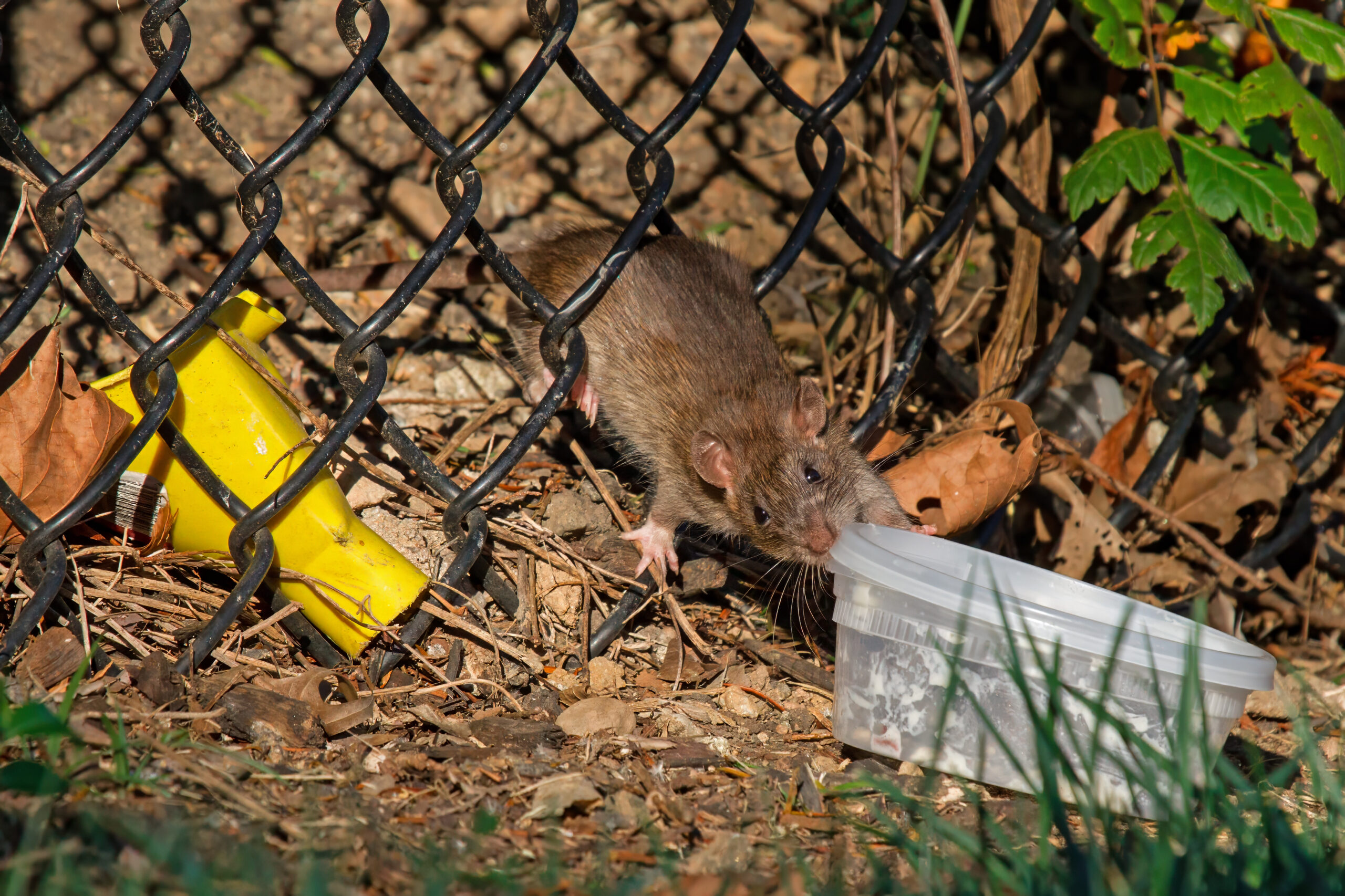 Photo Credit: Needsmoreritalin / Wikimedia Commons
In the bustling world of urban landscapes and quiet countryside, the rat, known scientifically as Rattus, scurries through the shadows, a master of survival. With its sleek, elongated body and sharp, twitching nose, this small mammal is often underestimated. Its fur, ranging from shades of brown to gray, helps it blend seamlessly into its surroundings, making it a stealthy forager. But there’s more to this creature than meets the eye. Rats are incredibly intelligent, capable of solving complex problems and even forming social bonds with one another, which has captivated scientists and nature enthusiasts alike.
Imagine a warm summer night, where the city hums with life. As the sun sets, the rat emerges from its hidden burrow, ready to explore. With its keen sense of smell and agile movements, it navigates through alleys and gardens, searching for food. This nocturnal lifestyle allows it to avoid many predators while taking advantage of the bounty left behind by humans. The rat’s adaptability is truly remarkable; it thrives in diverse environments, from bustling urban centers to quiet rural fields. As we delve deeper into the world of rats, we will uncover their fascinating behaviors, their role in ecosystems, and their complex relationship with humans, revealing why these small mammals are much more than just pests.
Rats hold a special place in the tree of life, showcasing a remarkable adaptability that has allowed them to thrive in diverse environments around the globe. Classified within the kingdom Animalia, these small mammals belong to the phylum Chordata, which includes all animals with a backbone. As members of the class Mammalia, rats are warm-blooded and nurse their young with milk. Their order, Rodentia, is characterized by their continuously growing incisors, which they must gnaw down to prevent overgrowth. The family Muridae, which encompasses true mice and rats, highlights their close relationships with other rodents. This classification not only underscores their biological traits but also their evolutionary success as one of the most widespread mammals on Earth.
| Taxonomic Rank | Scientific Name | Meaning & Significance |
|---|---|---|
| Kingdom | Animalia | The name “Animalia” comes from the Latin word “animalis,” meaning “having breath” or “living.” This reflects the essential characteristic of all animals: they breathe and are alive. |
| Phylum | Chordata | “Chordata” is derived from the Latin word “chorda,” meaning “string” or “cord.” This refers to the notochord, a flexible rod that supports the body, which is a key feature during the early development of all chordates. |
| Class | Mammalia | The term “Mammalia” comes from the Latin “mamma,” meaning “breast.” This name highlights the defining trait of mammals: females possess mammary glands that produce milk to nourish their young. |
| Order | Rodentia | “Rodentia” is derived from the Latin word “rodere,” meaning “to gnaw.” This name is fitting, as all rodents have strong, chisel-like front teeth that they use for gnawing on various materials. |
| Family | Muridae | The name “Muridae” comes from the Latin word “mus,” meaning “mouse.” This family includes a wide variety of small, agile rodents, emphasizing their shared characteristics and behaviors. |
| Genus | Rattus | “Rattus” is derived from the Latin word for “rat.” This name was chosen to represent the distinctive features and behaviors of these animals, particularly their adaptability and social structures. |
The classification of rats reveals a rich evolutionary history that connects them to a vast array of other species. Their position within the order Rodentia indicates that they share common ancestors with other rodents, showcasing a lineage that has adapted to various ecological niches. This adaptability is evident in their ability to thrive in urban environments, where they have become both a part of human life and a subject of study in understanding ecological balance. By examining their taxonomic position, we gain insight into the evolutionary processes that have shaped not only rats but also the broader tapestry of life on our planet.
The evolutionary journey of rats stretches back millions of years, tracing their lineage to small, rodent-like mammals that roamed the Earth during the late Paleocene epoch, around 65 million years ago. As the world changed, these early ancestors adapted to new environments, leading to the emergence of the Rattus genus, which includes the common brown rat and the black rat. This timeline reveals a story of survival, innovation, and remarkable adaptability.
The ancestors of modern rats were small, nocturnal creatures that thrived in the shadows of larger dinosaurs. Over time, they evolved into more specialized forms, developing traits that would help them navigate a world filled with challenges. One significant transition occurred during the Eocene epoch, about 55 million years ago, when early rodents began to diversify. This period saw the development of key features such as incisors that continuously grow, allowing them to gnaw on tough materials. As they spread across continents, rats adapted to various habitats, from forests to urban areas, showcasing their incredible versatility.
These evolutionary adaptations have been crucial for rats, allowing them to thrive in environments that would challenge many other species. Their ability to eat almost anything, coupled with their sharp senses and social structures, has enabled them to flourish in both wild and urban settings. As they continue to adapt, rats remain a testament to the power of evolution and the resilience of life on Earth.
Rats are often underestimated, but their physical form tells a story of adaptability and survival. With a sleek, elongated body, they can squeeze through tight spaces and navigate their environments with ease. Their tails, long and hairless, serve as a balancing tool, helping them maintain stability as they scurry across various terrains. The combination of their sharp senses and agile movements makes them well-equipped for life in both urban and wild settings.
| Feature | Description |
|---|---|
| Weight | 200-900 grams (0.4-2 pounds) |
| Skin Type | Fur |
| Body Shape | Sleek and elongated |
| Tail | Long and hairless, used for balance |
The features of a rat work together like a finely tuned machine. Their fur provides insulation, keeping them warm in cooler environments, while their lightweight bodies allow for quick movements and agility. The long tail not only aids in balance but also helps them navigate through their surroundings, whether they are climbing or darting away from predators. Each characteristic plays a vital role in their survival, showcasing how evolution has shaped these creatures into resilient inhabitants of our world.
Rats are often found in a variety of habitats, but they have a special affinity for areas close to human settlements. Picture a bustling city or a quiet suburban neighborhood, where these clever rodents make their homes in the nooks and crannies of buildings, under sidewalks, and in gardens. They thrive in environments that provide both shelter and easy access to food, often burrowing underground or nesting in hidden spots. This close relationship with humans has allowed rats to flourish in places where other animals might struggle.
Rats are quite adaptable when it comes to climate and environmental conditions. They can be found in a range of temperatures, from the chilly winters of northern regions to the warm, humid climates of tropical areas. However, they prefer environments that offer some degree of shelter from extreme weather, such as underground burrows or the hidden spaces within buildings. This ability to thrive in various climates is one reason why rats are so widespread.
To survive in these diverse habitats, rats have developed several clever adaptations. Their keen sense of smell helps them locate food sources, while their agile bodies allow them to navigate through tight spaces. Additionally, their social behavior enables them to live in groups, which can provide safety in numbers. These traits not only help them find food and shelter but also allow them to evade predators, making them one of the most successful mammals on the planet.
Rats lead a life filled with activity and exploration, primarily during the night. As nocturnal animals, they emerge under the cover of darkness to forage for food, socialize, and engage in various behaviors that keep them sharp and alert. Their daily routine often includes searching for scraps, building nests, and grooming themselves to maintain cleanliness. These small mammals are known for their curiosity, often investigating new objects or scents in their environment, which helps them learn and adapt.
While rats are generally solitary creatures, they do exhibit social behaviors, especially when it comes to mating and raising young. They communicate through a variety of sounds, including squeaks and chirps, which can convey different emotions or warnings. When they do come together, such as during breeding seasons, they establish a loose social structure. This can lead to temporary groups where they share resources and protect one another from predators. Their interactions are crucial for their survival, as they learn from each other and develop strategies to navigate their surroundings.
| Behavior Type | Description |
|---|---|
| Foraging | Rats search for food at night, using their keen sense of smell to locate scraps and seeds. |
| Grooming | They spend time cleaning themselves to remove dirt and parasites, which is vital for their health. |
| Communication | Rats use a range of sounds and body language to express emotions and alert others to danger. |
| Social Structure | While mostly solitary, they form temporary groups during mating seasons for protection and resource sharing. |
The behaviors of rats are finely tuned to ensure their survival in a world filled with challenges. Their ability to adapt, communicate, and occasionally socialize allows them to thrive in various environments, from bustling cities to quiet fields. By understanding their daily activities and social dynamics, we can appreciate how these small animals have managed to carve out a niche for themselves, demonstrating resilience and ingenuity in the face of adversity.
Rats are omnivores, which means they eat both plants and animals. This flexible diet allows them to thrive in many environments, especially near human habitats. They are opportunistic feeders, meaning they take advantage of whatever food sources are available. Whether it’s scavenging for scraps in a bustling city or foraging in a field, rats are skilled at finding a variety of foods to sustain themselves.
| Dietary Aspect | Details |
|---|---|
| Diet Type | Omnivore |
| Favorite Foods | Eggs, nuts, potatoes, corn |
| Prey Items | Small insects and other invertebrates |
| Hunting/Foraging Strategies | Scavenging, digging, and climbing |
The diverse diet of rats plays a crucial role in their ecology and daily routines. By consuming a wide range of foods, they help to control insect populations and disperse seeds, contributing to the health of their ecosystems. Their foraging habits also mean they are constantly on the move, which keeps them active and social. This adaptability not only aids their survival but also allows them to thrive in various environments, making them one of the most successful mammals on the planet.
Rats have a fascinating mating behavior that is often influenced by their environment and social structure. During the breeding season, which can occur multiple times a year, male rats engage in a variety of courtship displays to attract females. These displays may include vocalizations, scent marking, and even playful wrestling. Once a female rat is receptive, she will mate with the male, and the pair can produce several litters throughout the year, ensuring the continuation of their species.
| Reproductive Aspect | Details |
|---|---|
| Gestation Period | About 21 to 23 days |
| Litter Size | Average of 8 young |
| Age of Maturity | Approximately 5 weeks |
| Name of Young | Pups |
After the pups are born, the mother rat takes on the crucial role of caregiver. She keeps her young safe and warm, nursing them until they are ready to eat solid food. The pups are born hairless and blind, relying entirely on their mother for survival. As they grow, they begin to explore their surroundings and learn essential skills from their mother, such as foraging and social interactions. By the time they reach about five weeks of age, they are ready to venture out on their own, marking the beginning of their journey into adulthood. This nurturing process highlights the strong bond between mother and offspring, showcasing the importance of parental care in the animal kingdom.
Rats play a crucial role in the food web, acting as both prey and scavengers. They are a vital food source for many predators, helping to maintain the balance of ecosystems. Their adaptability allows them to thrive in various environments, but this also places them in the crosshairs of numerous threats.
To survive against these dangers, rats have developed a range of defensive behaviors. They are masters of camouflage, often blending into their surroundings to avoid detection. Their keen sense of smell and hearing helps them detect predators from afar, allowing them to scurry away to safety. Additionally, rats are social animals, often living in groups that can alert each other to danger. This teamwork enhances their chances of survival, showcasing their cleverness in the face of threats.
A keystone species is an organism that has a disproportionately large impact on its environment relative to its abundance. This means that if it were removed, the ecosystem would change dramatically. Rats, often seen as pests, actually play a keystone role in many ecosystems, particularly in urban areas where they thrive alongside humans. Their presence influences various ecological processes, making them more important than many might think.
Rats contribute to their ecosystems in several significant ways. As omnivores, they consume a wide range of foods, from fruits and seeds to small insects and even human leftovers. This diverse diet helps control insect populations and disperse seeds, promoting plant growth. For example, when rats eat fruits, they often carry the seeds away from the parent plant, allowing new plants to grow in different locations. This seed dispersal is crucial for maintaining plant diversity in their habitats.
Additionally, rats serve as a vital food source for many predators, including birds of prey, snakes, and even larger mammals. Their role in the food web helps sustain these predators, which in turn keeps the populations of other animals in check. Without rats, these predators might struggle to find enough food, leading to imbalances in the ecosystem.
Rats also contribute to soil health. As they dig burrows underground, they aerate the soil, allowing water and nutrients to penetrate more easily. This activity can enhance plant growth and improve the overall health of the ecosystem. Their scavenging behavior helps break down organic matter, recycling nutrients back into the soil, which is essential for plant life.
If rats were to disappear from their ecosystems, the consequences could be severe. Many plants might struggle to reproduce without their seed-dispersing activities, leading to a decline in plant diversity. Predators that rely on rats for food would face starvation, potentially causing their populations to plummet. This could create a ripple effect, disrupting the balance of the entire ecosystem. In essence, while rats may not be the most glamorous animals, their role as a keystone species is vital for the health and stability of their environments.
Rats occupy a fascinating ecological niche, acting as both scavengers and prey within their environments. These adaptable rodents thrive in various habitats, particularly near human settlements, where they find ample food and shelter. Their ability to consume a wide range of organic materials makes them essential players in nutrient cycling, breaking down waste and contributing to soil health. By living in close proximity to humans, rats influence urban ecosystems in ways that are often overlooked.
| Ecosystem Service | Impact |
|---|---|
| Nutrient Recycling | Rats help decompose organic matter, returning nutrients to the soil. |
| Prey for Predators | They serve as a food source for various predators, maintaining the food web. |
| Seed Dispersal | Rats can inadvertently spread seeds, aiding plant growth in new areas. |
| Soil Aeration | Their burrowing activities help aerate the soil, promoting healthy plant growth. |
Rats influence their ecosystems in several specific ways. For instance, as they scavenge for food, they consume waste and leftover materials, which helps keep environments clean. Their burrowing behavior not only aerates the soil but also creates habitats for other organisms. Additionally, when rats eat fruits and seeds, they often transport these materials to new locations, allowing plants to grow in areas they might not have reached otherwise. This unintentional seed dispersal can lead to increased biodiversity, as new plant species take root.
The broader ecological importance of rats cannot be overstated. As a keystone species, their presence significantly impacts the balance of their ecosystems. If rats were to disappear, the effects would ripple through the food web, affecting predators that rely on them for sustenance and altering the dynamics of nutrient cycling. By understanding the role of rats in our environment, we can appreciate how even the smallest creatures contribute to the health and stability of ecosystems around us.
In the intricate web of life, symbiosis plays a vital role, connecting different species in various ways. Symbiosis refers to the close and often long-term interactions between two different biological species. These relationships can be mutualistic, where both species benefit; parasitic, where one benefits at the expense of the other; or commensal, where one benefits while the other is neither helped nor harmed. Rats, with their adaptable nature, engage in several of these relationships, showcasing their ability to thrive alongside other organisms.
| Species/Type | Relationship Type | Description |
|---|---|---|
| Humans | Commensal | Rats often live in close proximity to humans, benefiting from food scraps and shelter without significantly impacting human life. |
| Fleas | Parasitic | Fleas feed on the blood of rats, gaining nourishment while causing discomfort and potential health issues for the rat. |
| Birds of prey (like hawks) | Mutualistic | Rats provide a food source for birds of prey, while the presence of these predators can help control rat populations, benefiting the ecosystem. |
These relationships have evolved over time, shaped by the needs and behaviors of the species involved. For instance, the commensal relationship with humans has allowed rats to thrive in urban environments, where they find ample food and shelter. Meanwhile, their interactions with parasites like fleas highlight the challenges they face in maintaining health. The mutualistic relationship with birds of prey illustrates how interconnected ecosystems can be, with each species playing a role in the balance of nature. Understanding these dynamics not only reveals the complexity of life but also emphasizes the importance of every species in maintaining ecological harmony.
Rats are often misunderstood creatures, but they possess a wealth of surprising traits that make them truly remarkable. From their intelligence to their social behaviors, these small mammals have much to teach us about adaptability and survival.
Throughout history, rats have woven themselves into the fabric of human culture and society. These small mammals have been both revered and reviled, often symbolizing various aspects of human life. In ancient Egypt, for instance, they were associated with fertility and abundance, while in medieval Europe, they were linked to disease and filth, especially during the Black Death. This duality reflects the complex relationship humans have had with rats, as they have been both companions and pests, often living in close proximity to us in cities and farms.
In modern times, our interactions with rats have evolved significantly. While many people still view them as nuisances, others recognize their intelligence and adaptability. Some species of rats are even kept as pets, showcasing their potential for companionship. However, conflicts arise when rats invade homes or agricultural areas, leading to efforts in pest control. Conservationists also study rats to understand urban ecosystems better, as their presence can indicate the health of the environment. This ongoing relationship is a blend of cooperation and conflict, highlighting the need for balance in how we coexist with these resilient rodents.
Looking ahead, the future of our relationship with rats will likely continue to evolve. As urban environments expand and change, so too will the dynamics between humans and these adaptable creatures. Understanding their role in our ecosystems and recognizing their intelligence may lead to more harmonious coexistence. By fostering a sense of curiosity and respect for these often-misunderstood animals, we can pave the way for a future where both humans and rats thrive together.
Rats, often seen scurrying through urban landscapes or foraging in fields, currently hold a conservation status of “Least Concern” according to the International Union for Conservation of Nature (IUCN). This means that, overall, their populations are stable and not at immediate risk of extinction. In fact, rats are thriving in many areas, particularly where human activity provides ample food and shelter. Their adaptability has allowed them to flourish in diverse environments, making them one of the most successful mammals on the planet.
| Conservation Factor | Status/Details |
|---|---|
| IUCN Status | Least Concern |
| Population Estimates | Stable and abundant in many regions |
| Trend Direction | Stable |
Despite their current stable status, rats face several threats that could impact their populations in the future. Habitat destruction, often caused by urban development and agricultural expansion, can reduce the spaces where they thrive. Additionally, widespread use of rodenticides—poisons designed to control rat populations—can lead to significant declines in local numbers. These chemicals not only affect rats but can also harm other wildlife and disrupt ecosystems.
Conservation efforts for rats are not as prominent as for more endangered species, but their adaptability means they often bounce back from localized threats. In urban areas, initiatives to manage rat populations focus on humane methods, such as improving waste management and public education about reducing food sources. The outlook for rats remains positive, as their ability to thrive in various environments suggests they will continue to play a vital role in ecosystems around the world.
| Question | Answer |
|---|---|
| Where do rats typically live? | Rats are often found underground, especially near human settlements. They create burrows in gardens, parks, and even in urban areas, where they can find food and shelter. |
| What do rats eat? | Rats are omnivores, which means they eat both plants and animals. Their diet can include fruits, vegetables, grains, and even small insects, making them adaptable to various environments. |
| How do rats behave in the wild? | Rats are social animals that often live in groups called colonies. They communicate with each other through sounds, scents, and body language, and they are known for their intelligence and problem-solving skills. |
| How do rats reproduce? | Rats can reproduce quickly, with females capable of having several litters each year. A single litter can contain up to 14 baby rats, called pups, which are born blind and helpless but grow rapidly. |
| What are the main threats to rats? | While rats are classified as "Least Concern" in terms of conservation status, they face threats from predators like owls, hawks, and snakes. Additionally, habitat destruction and human control measures can impact their populations. |
| What are some interesting characteristics of rats? | Rats have excellent memories and can navigate complex mazes, which shows their intelligence. They also have strong social bonds and can even be trained to perform tricks, making them popular pets in some households. |
| Can rats be kept as pets? | Yes, many people keep domesticated rats as pets. They are friendly, curious, and can form strong bonds with their owners, making them enjoyable companions. |