Taxonomy & Classification
- Kingdom
- Animalia
- Phylum
- Chordata
- Class
- Mammalia
- Order
- Artiodactyla
- Family
- Cervidae
- Genus
- Cervus
- Species
- C. elaphus

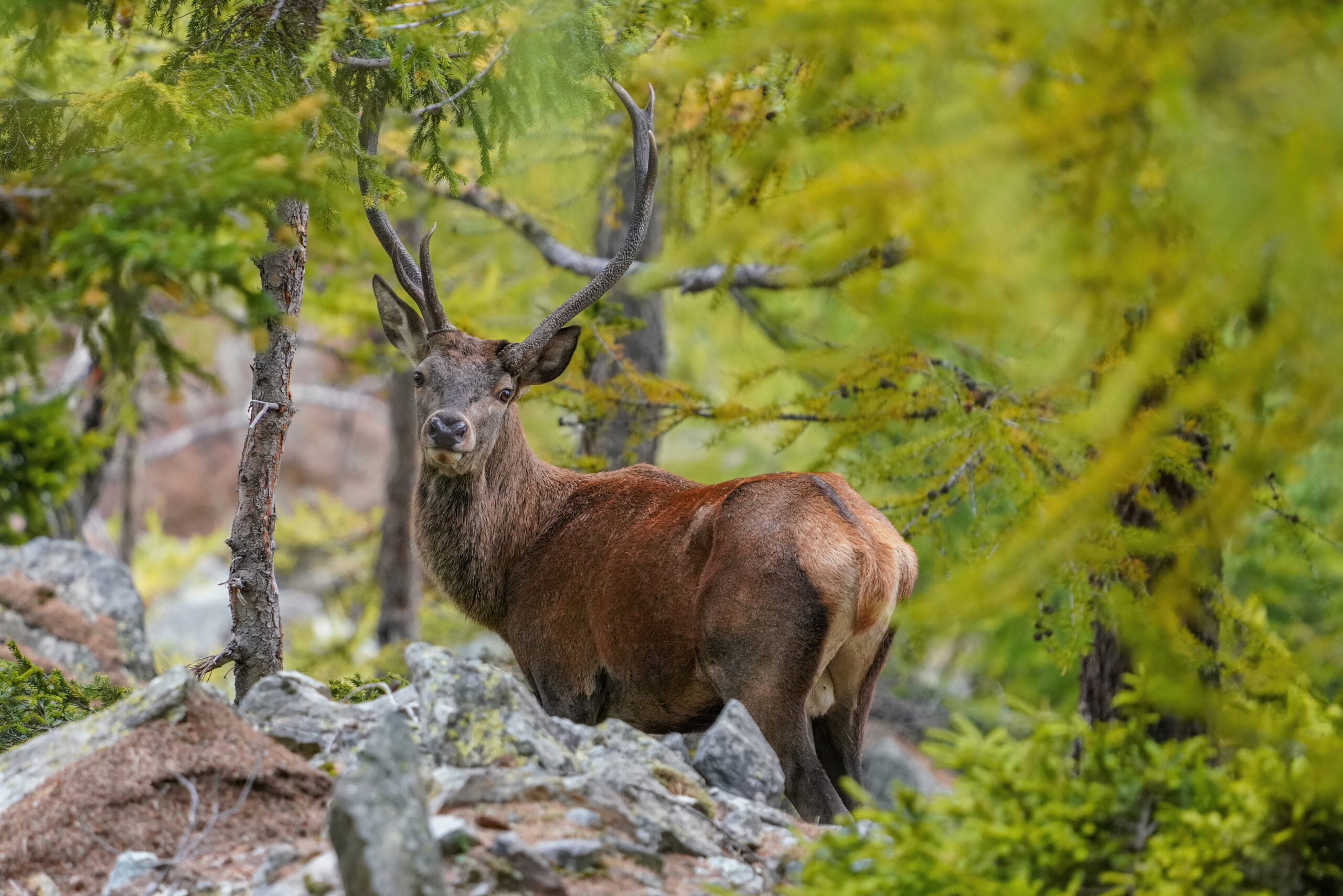 Photo Credit: Giles Laurent / Wikimedia Commons
In the heart of lush woodlands and rolling hills, the red deer, known scientifically as Cervus elaphus, roams gracefully through its natural habitat. Picture a majestic stag, its antlers branching like the limbs of ancient trees, standing tall against the backdrop of a vibrant sunset. With a robust body that can weigh between 275 to 600 pounds, the red deer is a striking figure, embodying both strength and elegance. Its rich, reddish-brown coat glistens in the dappled sunlight, making it a captivating sight for anyone lucky enough to witness this magnificent animal in the wild.
Scientists and nature enthusiasts alike are drawn to the red deer not just for its beauty, but also for its fascinating behaviors and ecological role. As a keystone species, the red deer plays a crucial part in maintaining the balance of its ecosystem. By grazing on a variety of plants, it helps shape the landscape, promoting biodiversity and supporting other wildlife. During the autumn rut, the air fills with the deep, resonant calls of stags as they compete for the attention of hinds, showcasing their impressive antlers in a display of strength and vitality. This seasonal spectacle is a reminder of the intricate connections within nature, where every creature, including the red deer, plays a vital role in the grand tapestry of life.
The red deer, known scientifically as Cervus elaphus, holds a prominent place in the animal kingdom. As a member of the family Cervidae, which includes all deer species, it showcases a blend of grace and strength. Red deer are particularly notable for their impressive antlers, which can grow to be quite large and are shed and regrown annually. This fascinating cycle of antler growth is not just for show; it plays a crucial role in mating displays and establishing dominance among males. Their adaptability to various habitats, from woodlands to grasslands, further highlights their evolutionary success.
| Taxonomic Rank | Scientific Name | Meaning & Significance |
|---|---|---|
| Kingdom | Animalia | This name signifies that red deer belong to the broad group of multicellular organisms that are heterotrophic, meaning they consume organic material for energy. |
| Phylum | Chordata | Chordata refers to animals that have a notochord, a flexible rod that supports the body. In red deer, this structure is present during early development, showcasing their vertebrate lineage. |
| Class | Mammalia | Mammalia indicates that red deer are mammals, characterized by having fur or hair and the ability to nurse their young with milk produced by mammary glands. |
| Order | Artiodactyla | This order includes even-toed ungulates, meaning red deer have an even number of toes on each foot, which aids in their agility and stability on various terrains. |
| Family | Cervidae | Cervidae is the family name for deer, derived from the Latin word “cervus,” meaning “stag” or “deer,” highlighting their shared characteristics and behaviors. |
| Genus | Cervus | The genus name Cervus also comes from Latin, specifically referring to the larger species of deer, emphasizing the red deer’s size and stature among its relatives. |
| Species | elaphus | This species name is derived from the Greek word “elaphos,” meaning “deer,” which connects to the red deer’s historical significance in various cultures as a symbol of strength and nobility. |
Understanding the red deer’s classification reveals much about its evolutionary journey. As a member of the Cervidae family, it shares a common ancestor with other deer species, showcasing adaptations that have allowed it to thrive in diverse environments. The red deer’s physical traits, such as its antlers and body structure, reflect millions of years of evolution, shaped by natural selection and environmental pressures. This classification not only highlights its biological connections but also underscores the intricate web of life that links all animals on our planet.
The evolutionary journey of the red deer, or Cervus elaphus, stretches back millions of years, tracing its roots to the late Miocene epoch, around 10 million years ago. During this time, the ancestors of modern deer began to diversify, adapting to various environments across Europe, Asia, and North America. As climate and landscapes changed, these early deer evolved into distinct species, with the red deer emerging as one of the most successful members of the Cervidae family.
The red deer’s ancestors were small, agile creatures that roamed the forests and grasslands. Over time, they underwent significant changes, including the development of larger body sizes and more complex antler structures. These adaptations were crucial for survival, as they allowed males to compete for mates and defend territories. The transition from forest-dwelling to open grassland habitats also played a vital role in shaping their physical characteristics, leading to longer legs and a more streamlined body for efficient running.
The adaptations of the red deer have been essential for their survival in a world filled with challenges. Their impressive antlers not only serve as tools for competition but also as symbols of health and vitality, attracting mates. Living in herds enhances their chances of evading predators, while their ability to adapt to different habitats ensures they can find food and shelter no matter the conditions. Together, these traits have allowed red deer to flourish across diverse landscapes, making them a true testament to the power of evolution.
The red deer stands as a majestic symbol of the wild, embodying both strength and elegance. With a robust body that can weigh between 275 to 600 pounds, this animal commands attention in its natural habitat. Its long legs and powerful build allow it to navigate through forests and open fields with ease. The males, known as stags, are particularly striking, adorned with large, branching antlers that can spread impressively wide. These antlers, which are shed and regrown annually, not only serve as a display of dominance but also play a crucial role during the mating season.
| Feature | Description |
|---|---|
| Weight | 275-600 lbs |
| Skin Type | Fur |
| Most Distinctive Feature | Large branching antlers on males |
The combination of a sturdy physique and a thick fur coat helps the red deer thrive in various climates, from the chilly mountains to temperate forests. Their fur not only provides insulation against the cold but also offers camouflage among the trees and underbrush, making it easier to evade predators. The impressive antlers, while a symbol of maturity and strength, also serve a practical purpose during fights with other males, helping to establish territory and attract mates. Together, these features create a well-adapted animal, perfectly suited to its environment and lifestyle.
The red deer thrives in a variety of habitats that paint a picturesque scene of nature’s beauty. Imagine open woodlands where sunlight filters through the leaves, creating a dappled effect on the forest floor. Picture lush grasslands and meadows, where the deer can graze on tender grasses and wildflowers. Swamps and forests provide shelter and a rich source of food, making these areas ideal for the red deer to roam and thrive. This majestic animal is often seen in tranquil pastures, where it can rest and socialize with others of its kind.
The climate where red deer live varies widely, but they generally prefer temperate regions. These areas experience four distinct seasons, which means the deer must adapt to both warm summers and cold winters. They thrive in environments that offer a mix of open spaces and wooded areas, allowing them to find food and shelter. The presence of water sources, like rivers and lakes, is also crucial, as it supports the lush vegetation they rely on for nourishment.
To survive in these diverse habitats, red deer have developed several adaptations. Their strong legs allow them to navigate through thick underbrush and leap over obstacles with ease. Their keen sense of hearing and smell helps them detect predators from a distance, keeping them safe. Additionally, their thick fur provides insulation against the cold, while their ability to graze on a variety of plants ensures they can find food no matter the season. These adaptations make the red deer a resilient inhabitant of its varied environments.
Red deer lead a diurnal lifestyle, meaning they are most active during the day. As dawn breaks, these magnificent animals emerge from their resting spots, often found in the safety of dense woodlands or open fields. Their daily activities revolve around foraging for food, which includes grasses, leaves, and shrubs. During the early hours, they graze peacefully, taking advantage of the cool morning air. As the sun rises higher, they may retreat to shaded areas to rest and ruminate, a process where they chew their food again to aid digestion. This routine continues until dusk, when they venture out once more to feed before nightfall.
Socially, red deer are generally solitary creatures, especially outside of the breeding season. While they may be seen alone, they can also form loose groups, particularly females and their young. Males, known as stags, often prefer to roam alone, especially as they mature. During the rut, or mating season, stags will gather in areas where females congregate, engaging in displays of strength and vocalizations to attract mates. Communication among red deer is vital; they use a range of sounds, from deep bellows to softer grunts, to convey their presence and intentions. This social structure allows them to maintain a balance between independence and the need for interaction during critical times.
| Behavior Type | Description |
|---|---|
| Activity Patterns | Active during the day, red deer graze in the morning and evening, resting in shaded areas during the hottest parts of the day. |
| Social Structure | Primarily solitary, with females and young forming loose groups. Males tend to be more independent, especially outside the breeding season. |
| Communication Methods | Use a variety of vocalizations, including bellows and grunts, to communicate with each other, especially during the rut. |
These behaviors are essential for the survival of red deer in the wild. By being active during the day, they can take advantage of the best foraging times while avoiding nighttime predators. Their solitary nature allows them to be stealthy and less conspicuous, which is crucial for evading threats. During the breeding season, their social interactions become vital for reproduction, ensuring the continuation of their species. Each aspect of their daily life is finely tuned to help them thrive in their natural habitat.
Red deer are herbivores, which means they primarily eat plants. Their diet consists mainly of grasses, leaves, and shrubs. These animals are known for their selective feeding behavior, often choosing the most nutritious parts of plants. During the warmer months, they graze on fresh green grass and tender shoots, while in the winter, they rely more on bark, twigs, and the dried remnants of plants. This adaptability in their diet helps them survive in various environments and seasons.
| Dietary Aspect | Details |
|---|---|
| Diet Type | Herbivore |
| Favorite Foods | Grasses, leaves, shrubs, and tree bark |
| Prey Items | None, as they do not eat meat |
| Hunting/Foraging Strategies | Grazing and browsing, selecting the most nutritious plant parts |
The diet of red deer plays a crucial role in their ecology and daily routine. By feeding on a variety of plants, they help shape the landscape, promoting new growth and maintaining the health of their habitats. Their foraging habits also influence the distribution of plant species, creating a dynamic balance in the ecosystem. As they move through their territories, red deer not only sustain themselves but also contribute to the vibrant tapestry of life in the wild.
As autumn approaches, the red deer enters a thrilling time known as the rut, or mating season. During this period, male red deer, called stags, engage in impressive displays to attract females, known as hinds. They bellow loudly, showcasing their strength and dominance, while also clashing antlers with other males in a show of power. This competition helps the strongest stags secure the best mates, ensuring that their genes are passed on to the next generation. The excitement of the rut is a spectacle of nature, filled with sounds and sights that echo through the forests.
| Reproductive Aspect | Details |
|---|---|
| Gestation Period | 231-238 days |
| Average Litter Size | 1 |
| Age of Sexual Maturity | 20-30 months |
| Name of Young | Calf |
After a successful mating, the female red deer carries her calf for about eight months. When the time comes, she gives birth to a single calf, which is a common occurrence for these animals. The newborn is covered in spots, providing excellent camouflage in the dappled light of the forest, helping it avoid predators. The mother is very attentive, nursing her calf and keeping it safe from harm. As the calf grows, it learns essential survival skills by observing its mother. By the time it reaches sexual maturity at around 20 to 30 months, it is well-prepared to navigate the challenges of the wild, continuing the cycle of life for this magnificent species.
The red deer occupies a vital role in the food web, serving as both a grazer and a prey species. These magnificent animals are herbivores, feeding on a variety of plants, which helps maintain the health of their ecosystems. However, they are also a target for several predators, making them an important link in the balance of nature. Understanding the dangers they face is crucial for appreciating their role in the wild.
To survive against these threats, red deer have developed several defensive behaviors. They often rely on their keen senses to detect danger, using their excellent hearing and sense of smell to stay alert. When threatened, red deer can run at impressive speeds, reaching up to 30 miles per hour, allowing them to escape predators. Additionally, they may use their strong antlers, especially during the rut, to defend themselves against attackers. By staying in groups, they also benefit from collective vigilance, making it harder for predators to single out an individual. These strategies help ensure that red deer continue to thrive in their natural habitats.
A keystone species is an organism that plays a critical role in maintaining the structure of its ecosystem. This means that its presence or absence can significantly impact the environment and other species living there. The red deer, or Cervus elaphus, qualifies as a keystone species due to its influence on vegetation and the overall health of its habitat.
Red deer are herbivores, meaning they primarily eat plants, and their grazing habits can shape the landscape. By feeding on grasses, leaves, and shrubs, they help control plant growth, which in turn affects the types of plants that thrive in their environment. For example, when red deer graze on certain plants, they prevent those species from dominating the area, allowing a diverse range of plants to flourish. This diversity is essential for many other animals that rely on various plants for food and shelter.
Moreover, red deer contribute to nutrient cycling in their ecosystems. As they move through their habitats, they leave behind droppings that enrich the soil with nutrients. This natural fertilizer promotes healthy plant growth, which benefits not only the deer but also other herbivores and insects that depend on those plants. Additionally, their movements can create pathways in dense vegetation, making it easier for other animals to navigate through the forest.
If red deer were to disappear from their ecosystems, the consequences could be severe. Without their grazing, certain plant species might overgrow, leading to a decline in biodiversity. This could disrupt the balance of the ecosystem, affecting not only plants but also the animals that rely on them for food and shelter. The loss of red deer would ripple through the food web, potentially leading to a less resilient environment, where fewer species can thrive. In essence, the red deer is not just a beautiful animal; it is a vital player in the intricate dance of life in its habitat.
The red deer, known scientifically as Cervus elaphus, plays a vital role in shaping its ecosystem. As a large herbivore, it occupies a unique ecological niche, influencing plant communities and the overall health of its habitat. By grazing on grasses, leaves, and shrubs, red deer help control plant growth, which in turn affects the structure and composition of the vegetation in their environment. This interaction not only supports a diverse range of plant species but also creates habitats for other animals, making the red deer an essential player in its ecosystem.
| Ecosystem Service | Impact |
|---|---|
| Grazing | Controls plant growth and promotes biodiversity |
| Seed Dispersal | Helps spread plant seeds through their droppings |
| Habitat Creation | Maintains open spaces that benefit other wildlife |
| Nutrient Cycling | Contributes to soil health through waste products |
The influence of red deer extends beyond mere grazing. For instance, their selective feeding habits can encourage the growth of certain plant species while limiting others, which helps maintain a balanced ecosystem. When red deer roam through forests and meadows, they create pathways that other animals can use, enhancing movement and access to resources. Additionally, their droppings serve as a natural fertilizer, enriching the soil and promoting the growth of new plants. This cycle of feeding and fertilizing is crucial for sustaining the health of their habitats.
The broader ecological importance of red deer cannot be overstated. As a keystone species, their presence significantly impacts the structure and function of their ecosystems. Without red deer, the balance of plant and animal life would be disrupted, leading to overgrowth of certain species and a decline in others. This ripple effect can alter the entire landscape, affecting everything from soil quality to the availability of food for other wildlife. By understanding the role of red deer, we gain insight into the intricate web of life that sustains our natural world.
In the intricate web of nature, red deer engage in various partnerships with other species, showcasing the beauty of symbiosis. Symbiosis refers to the close interactions between different species, which can be beneficial, harmful, or neutral. These relationships can take many forms, such as mutualism, where both species gain advantages, parasitism, where one benefits at the other’s expense, and commensalism, where one species benefits while the other is neither helped nor harmed. Understanding these connections helps us appreciate the delicate balance of ecosystems and the roles that each species plays within them.
| Species/Type | Relationship Type | Description |
|---|---|---|
| Ticks | Parasitic | Ticks attach to red deer to feed on their blood, benefiting from a food source while potentially harming the deer by transmitting diseases. |
| Birds (e.g., oxpeckers) | Mutualistic | These birds feed on ticks and parasites found on the red deer, helping to keep the deer healthy while enjoying a meal. |
| Plants (e.g., grasses and shrubs) | Commensal | Red deer graze on these plants, which benefit from being pruned, allowing for new growth, while the plants do not gain or lose from the deer’s presence. |
These relationships have evolved over time, shaped by the needs and behaviors of the species involved. For instance, the mutualistic bond between red deer and birds like oxpeckers highlights how cooperation can lead to healthier individuals and a more balanced ecosystem. Meanwhile, the parasitic relationship with ticks illustrates the challenges that come with living in a shared environment. Each interaction, whether beneficial or detrimental, plays a crucial role in the survival and adaptation of red deer and their partners, showcasing the interconnectedness of life in the wild.
Red deer are not just beautiful animals; they are full of surprises that reveal the wonders of nature. Here are some intriguing facts that will captivate both seasoned nature enthusiasts and curious young minds alike.
Throughout history, red deer have held a special place in human culture and mythology. These majestic animals have been depicted in ancient cave paintings, symbolizing strength and grace. In many cultures, they are associated with the wilderness and the spirit of nature. From the Celtic tribes of Europe, who revered the red deer as sacred, to the Native American tribes that viewed them as vital for sustenance, these animals have woven themselves into the fabric of human stories and traditions. Their antlers, which can grow impressively large, have been used in tools and art, showcasing the deep connection between red deer and humanity.
In modern times, the relationship between red deer and people has evolved significantly. Conservation efforts are underway to protect their habitats and ensure their populations remain stable. However, conflicts can arise, especially in agricultural areas where red deer may graze on crops. Some farmers view them as pests, while others recognize the importance of maintaining a balanced ecosystem. Interestingly, red deer have also been domesticated in some regions, leading to the establishment of farms that raise them for their meat and antlers. This blend of conservation, conflict, and domestication highlights the complex interactions we have with these magnificent animals today.
As we look to the future, the relationship between red deer and humanity will likely continue to evolve. With increasing awareness of environmental issues, more people are advocating for sustainable practices that benefit both wildlife and agriculture. Education about the ecological importance of red deer can foster a deeper appreciation for these animals, encouraging coexistence rather than conflict. By embracing conservation efforts and understanding the delicate balance of our ecosystems, we can ensure that red deer remain a vital part of our natural world for generations to come.
The conservation status of the red deer, scientifically known as Cervus elaphus, is currently classified as “Least Concern” by the International Union for Conservation of Nature (IUCN). This means that, overall, red deer populations are stable and not facing immediate threats of extinction. In Europe alone, estimates suggest there are around 1.7 million red deer, showcasing a healthy population trend in many areas. However, this number can vary significantly depending on the region and local environmental conditions.
| Conservation Factor | Status/Details |
|---|---|
| IUCN Status | Least Concern |
| Estimated Population Size | Approximately 1.7 million in Europe |
| Population Trend | Stable in many regions |
Despite their stable status, red deer face several challenges that threaten their habitats and populations. One of the main threats is habitat loss due to human activities such as agriculture, urban development, and deforestation. As forests are cleared for farming or building, red deer lose their natural homes and food sources. Additionally, hunting can impact local populations, especially if not managed sustainably. Climate change also poses a risk, altering the ecosystems that red deer rely on for survival.
Conservation efforts are underway to ensure the future of red deer populations. Many countries have implemented protective measures, such as regulated hunting seasons and habitat restoration projects. Wildlife reserves and national parks provide safe havens where red deer can thrive without the pressures of human encroachment. With continued awareness and action, the outlook for red deer remains positive, allowing these magnificent animals to roam freely in their natural habitats for generations to come.
| Question | Answer |
|---|---|
| What is the habitat of Red Deer? | Red Deer thrive in a variety of habitats, including open woodlands, swamps, forests, grasslands, meadows, and pastures. They prefer areas where they can find plenty of food and cover to hide from predators. |
| What do Red Deer eat? | As herbivores, Red Deer primarily eat grasses, leaves, and shrubs. They are known to graze on a wide range of vegetation, which helps them maintain their energy levels, especially during the colder months. |
| What are some behaviors of Red Deer? | Red Deer are social animals that often live in groups called herds. They communicate through vocalizations and body language, and during the mating season, males engage in a behavior called rutting, where they compete for females by displaying their antlers and making loud calls. |
| How do Red Deer reproduce? | Red Deer typically mate in the fall, and after a gestation period of about 230 days, females give birth to one or two fawns in the spring. The fawns are born with spots that help them blend into their surroundings, providing camouflage from predators. |
| What threats do Red Deer face? | While Red Deer are currently classified as Least Concern, they face threats from habitat loss and hunting. In some areas, they are also at risk from predators like wolves and humans, who may encroach on their natural habitats. |
| What is a distinctive feature of Red Deer? | One of the most distinctive features of Red Deer is the large branching antlers found on males. These impressive antlers can grow up to a meter long and are shed and regrown each year, making them a symbol of strength and vitality. |
| Are Red Deer good swimmers? | Yes, Red Deer are surprisingly good swimmers! They can cross rivers and lakes with ease, which helps them escape predators and find new feeding grounds. |