Taxonomy & Classification
- Kingdom
- Animalia
- Phylum
- Chordata
- Class
- Mammalia
- Order
- Carnivora
- Family
- Canidae
- Genus
- Vulpes
- Species
- Vulpes vulpes

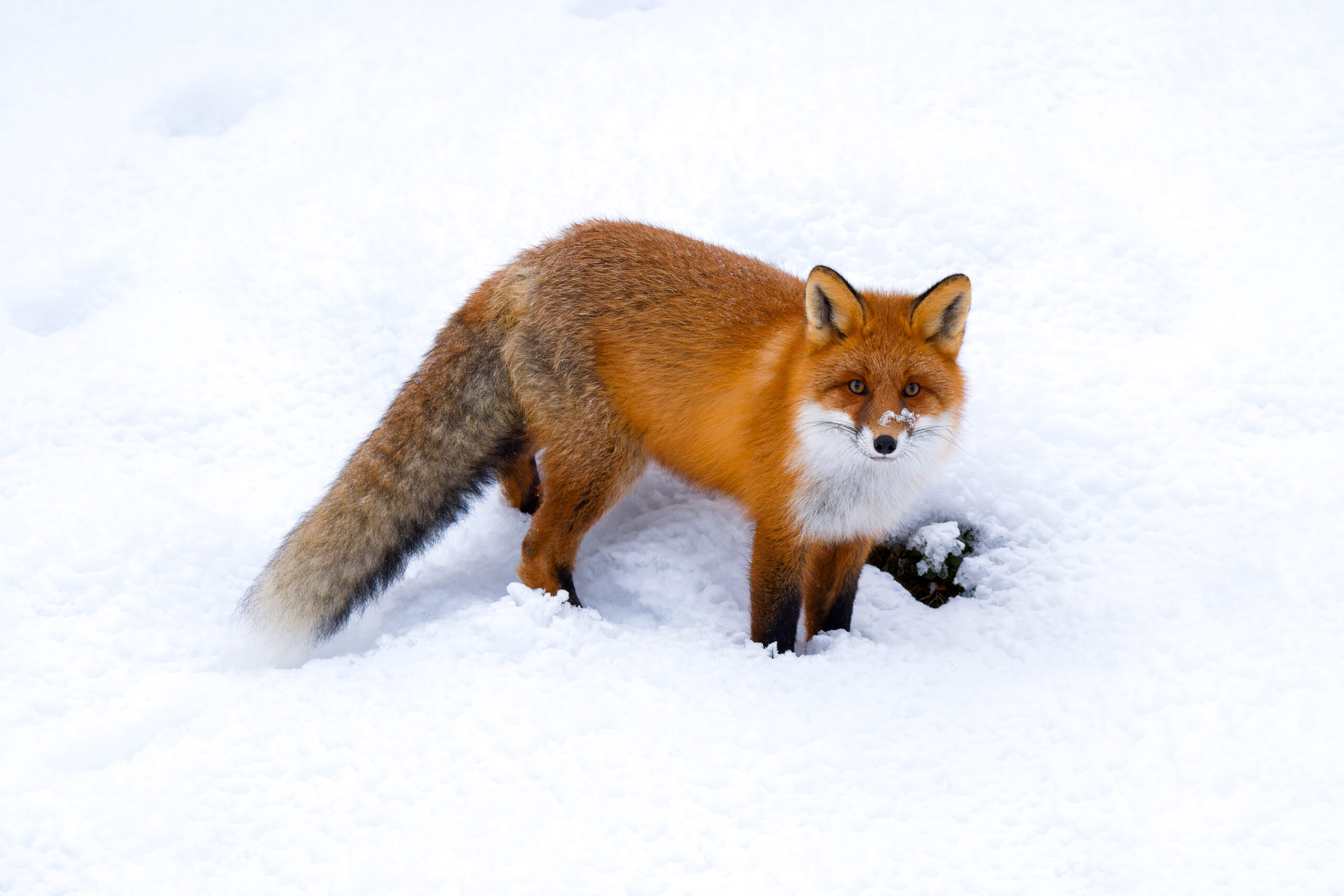 Photo Credit: ClaudiaTen / Wikimedia Commons
In the heart of a sun-dappled forest, the red fox, known scientifically as Vulpes vulpes, weaves through the underbrush with a grace that captivates all who catch a glimpse. Its striking coat, a vibrant mix of fiery reds and soft creams, glimmers in the fading light of dusk, while its bushy tail, tipped with white, dances behind it like a playful shadow. With sharp, intelligent eyes and ears that swivel to catch the faintest sounds, this clever creature embodies the spirit of adaptability and cunning that has fascinated scientists and nature lovers alike.
As the sun sets and the world begins to quiet, the red fox comes alive, embarking on its nightly adventures. This agile omnivore thrives in diverse habitats, from dense woodlands to open grasslands, showcasing its remarkable ability to thrive in various environments. Whether it’s hunting small mammals or foraging for berries, the red fox plays a vital role in its ecosystem, helping to maintain the balance of nature. With a history that stretches back millions of years, Vulpes vulpes is not just a beautiful animal; it is a symbol of resilience and cleverness, reminding us of the intricate connections that bind all living things together.
The red fox, known scientifically as Vulpes vulpes, occupies a special place in the animal kingdom. As a member of the Canidae family, which includes dogs, wolves, and other foxes, the red fox is celebrated for its adaptability and intelligence. With its striking reddish-orange fur, bushy tail, and keen hunting skills, this cunning mammal has thrived in diverse habitats, from forests to urban areas. Its ability to coexist with humans while maintaining its wild instincts makes it a captivating subject of study in both ecology and behavior.
| Taxonomic Rank | Scientific Name | Meaning & Significance |
|---|---|---|
| Kingdom | Animalia | This name signifies that red foxes are part of the vast group of multicellular organisms known as animals, which are characterized by their ability to move and respond to their environment. |
| Phylum | Chordata | Chordata means “having a notochord,” a flexible rod that supports the body. This group includes all animals with a backbone, highlighting the red fox’s place among more complex life forms. |
| Class | Mammalia | Mammalia refers to mammals, which are warm-blooded animals that nurse their young with milk. This classification emphasizes the red fox’s nurturing behavior and its endothermic nature, meaning it generates its own body heat. |
| Order | Carnivora | Carnivora, meaning “meat-eaters,” includes animals that primarily consume meat. The red fox’s sharp teeth and agile hunting skills are key adaptations for this lifestyle. |
| Family | Canidae | Canidae, or the dog family, encompasses animals that share traits like social behavior and vocal communication. The red fox’s playful nature and vocalizations connect it to its canine relatives. |
| Genus | Vulpes | Vulpes is derived from Latin, meaning “fox.” This name highlights the red fox’s distinct characteristics, such as its bushy tail and cunning behavior, which set it apart from other canids. |
| Species | Vulpes vulpes | The repetition of “vulpes” in the species name emphasizes its identity as a true fox, showcasing its evolutionary lineage and the traits that define it. |
Understanding the red fox’s classification reveals much about its evolutionary journey. As a member of the Carnivora order, it shares a common ancestor with other meat-eating mammals, adapting over time to become a skilled hunter. Its place in the Canidae family highlights its close relationship with dogs and wolves, showcasing traits that have evolved for survival in various environments. The red fox’s adaptability and intelligence are not just fascinating; they are a testament to the intricate web of life that connects all species on our planet.
The evolutionary journey of the red fox, Vulpes vulpes, stretches back millions of years, weaving through the tapestry of time and adaptation. This clever mammal belongs to the Canidae family, which emerged around 40 million years ago. As the world changed, so did the ancestors of the red fox, evolving to thrive in diverse environments across the globe.
The story begins with early canids, which were small, dog-like animals that roamed the Earth during the late Eocene epoch. These ancestors gradually adapted to various habitats, leading to the emergence of distinct lineages. By the Miocene epoch, around 20 million years ago, the first true foxes began to appear. These early foxes were smaller and more agile, traits that would serve them well in their quest for survival. Over time, the red fox evolved from these ancestors, developing features that allowed it to exploit a wide range of food sources and habitats.
The adaptations of the red fox have been key to its success as a species. Its ability to eat a varied diet means it can find food in many different places, whether in the wild or near human settlements. Sharp senses help it locate meals and avoid danger, while its fur provides essential camouflage. Living in social groups enhances their chances of raising healthy young and defending their territory. Together, these traits have allowed the red fox to flourish in diverse habitats around the world, making it one of the most widespread mammals on the planet.
The red fox is a striking animal that captures the imagination with its sleek body and vibrant colors. With a slender frame and long legs, it moves gracefully through its environment, whether it’s a forest, field, or urban area. Its most distinctive feature is undoubtedly its bushy tail, which not only adds to its charm but also serves important functions in balance and communication. The red fox’s overall appearance is a blend of elegance and cunning, making it a master of its domain.
| Feature | Description |
|---|---|
| Weight | 6.5-24 lbs |
| Skin Type | Hair |
| Color | Rich reddish-orange with white underbelly and black markings |
| Body Structure | Slender body with long legs and pointed ears |
| Tail | Long and bushy, often used for balance and warmth |
These physical features work together to enhance the red fox’s survival skills. Its lightweight body allows for quick movements, making it an agile hunter. The rich reddish-orange fur provides excellent camouflage in autumn leaves, helping it sneak up on prey. The bushy tail not only aids in balance during swift chases but also serves as a warm blanket during cold nights. Together, these characteristics make the red fox a well-adapted and resourceful inhabitant of diverse habitats.
The red fox thrives in a variety of habitats, painting a picture of adaptability and resilience. Picture a landscape where lush forests meet open grasslands, where the sun sets over rolling prairies, and where the crisp air of the tundra mingles with the warmth of desert sands. This clever animal can be found in mountainous regions, too, darting through rocky outcrops and dense underbrush. Each of these environments offers the red fox a unique blend of shelter and hunting grounds, making it a true survivor in the wild.
The red fox is quite adaptable when it comes to climate and environmental conditions. It can thrive in both temperate zones, where seasons change dramatically, and in more arid regions, where it must cope with heat and limited water. This species is known to be quite resourceful, often seeking out areas with a mix of open land and cover, such as shrubs or trees, which provide both hunting opportunities and protection from predators.
To flourish in such diverse habitats, the red fox has developed a range of adaptations. Its keen senses allow it to detect prey from a distance, while its agile body helps it navigate through various terrains. The red fox’s thick fur keeps it warm in colder climates, while its ability to hunt at dawn and dusk, known as crepuscular behavior, maximizes its chances of finding food. This combination of traits ensures that the red fox remains a successful inhabitant of many different environments around the world.
The red fox leads a life filled with activity and adventure, primarily during the twilight hours of dawn and dusk. These clever animals are known as crepuscular, which means they are most active during these times. As the sun rises or sets, red foxes venture out to hunt for food, explore their territory, and socialize with family members. Their diet is diverse, ranging from small mammals like rabbits and rodents to fruits and insects, showcasing their adaptability in finding meals.
Socially, red foxes are quite interesting. They often live in family units, which can include a breeding pair and their young. These family groups work together to raise their kits, teaching them essential survival skills. Communication is key in their social interactions, and red foxes use a variety of sounds, including barks, howls, and even screams, to convey messages to one another. This social structure helps them maintain strong bonds and coordinate their activities, ensuring that everyone in the family unit plays a role in their daily lives.
| Behavior Type | Description |
|---|---|
| Activity Patterns | Red foxes are crepuscular, meaning they are most active during dawn and dusk, hunting and exploring their territory. |
| Social Structure | They live in family units, typically consisting of a breeding pair and their offspring, working together to raise the young. |
| Communication Methods | Red foxes use a range of vocalizations, including barks and howls, to communicate with each other, helping to maintain social bonds. |
The behaviors of red foxes are finely tuned to ensure their survival in the wild. By being active during the quieter hours of the day, they can avoid larger predators while hunting for food. Their family-oriented social structure not only aids in raising young but also enhances their ability to find food and defend their territory. Through effective communication, they strengthen their family ties, making them a resilient and adaptable species in the ever-changing landscape of nature.
The red fox is an omnivore, which means it enjoys a varied diet that includes both plants and animals. This clever animal is always on the lookout for its next meal, using its keen senses to hunt and forage. Red foxes are opportunistic feeders, meaning they will eat whatever is available based on the season and their surroundings. Their diet can change dramatically depending on what they can find, making them adaptable and resourceful in their quest for food.
| Dietary Aspect | Details |
|---|---|
| Diet Type | Omnivore |
| Favorite Foods | Rabbits, mice, voles, birds, frogs, fish, eggs, fruits, and vegetables |
| Prey Items | Small mammals, birds, and insects |
| Hunting/Foraging Strategies | Stalking, pouncing, and scavenging |
The red fox’s diverse diet plays a crucial role in its ecology and daily routine. By consuming a wide range of foods, it helps control populations of small mammals and insects, contributing to the balance of its ecosystem. This adaptability allows the red fox to thrive in various environments, from urban areas to rural landscapes. Its foraging habits also mean that it is constantly on the move, exploring new territories and searching for food, which keeps its life dynamic and engaging.
When it comes to romance in the wild, red foxes have their own special way of doing things. The breeding season typically occurs in late winter, around January to March. During this time, male foxes, known as dogs, engage in a series of courtship behaviors to attract females, or vixens. These behaviors can include playful chases, vocalizations, and even scent marking to establish territory. Once a pair has formed a bond, they will mate, and the female will prepare for the arrival of their young.
| Reproductive Aspect | Details |
|---|---|
| Gestation Period | 49-55 days |
| Average Litter Size | 1-13 |
| Age of Sexual Maturity | 10 months |
| Name of Young | Kits or pups |
After the kits are born, the real adventure begins. Red fox parents are dedicated caregivers, working together to ensure their young thrive. The mother stays close to the den, nursing the kits and keeping them safe from predators. Meanwhile, the father hunts for food, bringing back tasty meals to help the family grow strong. As the kits grow, they begin to explore their surroundings, learning essential skills like hunting and socializing. By the time they reach about 10 months old, these young foxes are ready to venture out on their own, continuing the cycle of life in the wild.
The red fox, Vulpes vulpes, plays a vital role in the food web, acting as both predator and prey. This adaptable animal helps control populations of small mammals and insects, while also being a target for larger predators. Its position in the ecosystem is crucial, as it contributes to the balance of nature, ensuring that no single species dominates the landscape.
To survive these dangers, red foxes have developed a range of defensive behaviors and strategies. They are incredibly agile and can quickly dart away from threats, using their speed to escape. Their keen senses of hearing and smell help them detect danger from afar. Additionally, red foxes are known for their cleverness, often using their intelligence to outsmart predators. By staying alert and using their natural instincts, these resourceful animals navigate the challenges of their environment, ensuring their survival in the wild.
A keystone species is an organism that has a disproportionately large impact on its environment relative to its abundance. In simpler terms, these species play a crucial role in maintaining the structure of an ecosystem. The red fox, known scientifically as Vulpes vulpes, qualifies as a keystone species due to its significant influence on the populations of other animals and the overall health of its habitat.
Red foxes are skilled hunters and foragers, which allows them to control the populations of small mammals, birds, and insects. By preying on rodents like voles and rabbits, they help keep these populations in check. This is important because if these prey species were to multiply unchecked, they could overgraze vegetation, leading to habitat degradation. Additionally, red foxes are omnivores, meaning they also consume fruits, berries, and insects, which helps in seed dispersal and contributes to plant diversity in their ecosystems.
Moreover, red foxes are part of the food web, serving as both predators and prey. They provide a food source for larger predators, such as coyotes and eagles. This dynamic keeps the ecosystem balanced, as it ensures that no single species dominates the landscape. Their presence can also influence the behavior of other animals, creating a ripple effect throughout the ecosystem.
If red foxes were to disappear from their ecosystems, the consequences could be severe. Without these clever hunters, populations of small mammals could explode, leading to overgrazing and a decline in plant life. This, in turn, would affect other animals that rely on those plants for food and shelter. The balance of the ecosystem would be disrupted, potentially leading to a decline in biodiversity. In essence, the absence of red foxes would create a domino effect, illustrating just how vital they are to the health of their habitats.
The red fox, known scientifically as Vulpes vulpes, plays a vital role in shaping its ecosystem. As an adaptable omnivore, it thrives in diverse habitats, from forests and grasslands to tundras and deserts. This clever animal occupies an ecological niche that allows it to influence various aspects of its environment, including population control of prey species and the dispersal of seeds. By fulfilling these roles, the red fox helps maintain the balance of its ecosystem, ensuring that no single species dominates the landscape.
| Ecosystem Service | Impact |
|---|---|
| Population Control | Red foxes help regulate the numbers of small mammals, such as rodents and rabbits, preventing overpopulation and promoting biodiversity. |
| Seed Dispersal | By consuming fruits and berries, red foxes contribute to seed dispersal, aiding in plant reproduction and the health of their habitats. |
| Scavenging | As scavengers, red foxes clean up carrion, which helps reduce the spread of disease and recycles nutrients back into the soil. |
In specific examples, red foxes can be seen actively hunting small mammals, which keeps their populations in check. For instance, when the number of rabbits rises, red foxes will increase their hunting efforts, helping to balance the ecosystem. Additionally, when they eat fruits like berries, they often leave behind seeds in their droppings, which can sprout into new plants. This not only supports plant diversity but also provides food and shelter for other wildlife. Their scavenging habits further contribute to a healthier environment by breaking down organic matter and returning nutrients to the soil.
The broader ecological importance of the red fox cannot be overstated. As a keystone species, its presence or absence can significantly impact the structure of its ecosystem. By controlling prey populations and aiding in plant reproduction, red foxes help maintain a dynamic and balanced environment. Their adaptability and resourcefulness make them essential players in the intricate web of life, reminding us of the interconnectedness of all species within their habitats.
In the intricate web of nature, red foxes engage in various partnerships with other species, showcasing the beauty of symbiosis. Symbiosis refers to the close interactions between different species, which can be beneficial, harmful, or neutral. These relationships can take many forms, such as mutualism, where both species gain advantages, or commensalism, where one benefits while the other is neither helped nor harmed. Understanding these connections helps us appreciate how red foxes fit into their ecosystems and how they interact with their environment.
| Species/Type | Relationship Type | Description |
|---|---|---|
| Birds (e.g., crows) | Mutualistic | Red foxes and certain birds often work together. As foxes hunt, they disturb small animals, which can attract birds looking for an easy meal. In return, the birds may alert the foxes to potential dangers. |
| Small mammals (e.g., rabbits) | Predatory | While not a partnership in the traditional sense, red foxes prey on small mammals like rabbits. This relationship is crucial for controlling their populations, ensuring a balanced ecosystem. |
| Ticks | Parasitic | Ticks can latch onto red foxes, feeding on their blood. This relationship is harmful to the foxes, as it can lead to health issues, but it highlights the challenges these animals face in the wild. |
These relationships have evolved over time, shaped by the needs and behaviors of the species involved. The mutualistic interactions, like those with birds, demonstrate how cooperation can enhance survival for both parties. Meanwhile, predatory relationships help maintain balance in the ecosystem, while parasitic connections remind us of the challenges that come with living in the wild. By understanding these dynamics, we gain insight into the complex life of red foxes and their role in the natural world.
The red fox is a captivating animal that has intrigued humans for centuries with its cleverness and adaptability. Here are some surprising facts that showcase just how remarkable this creature truly is.
Throughout history, the red fox has woven itself into the fabric of human culture and folklore. From ancient civilizations to modern times, this cunning animal has been a symbol of cleverness and adaptability. In many cultures, red foxes appear in stories and myths, often depicted as tricksters who outsmart their foes. Their striking appearance, with fiery red fur and bushy tails, has made them a favorite subject in art and literature. This long-standing relationship has fostered a sense of wonder and curiosity about the natural world, encouraging people to observe and learn from these fascinating creatures.
Today, the interactions between red foxes and humans are complex and multifaceted. In urban areas, these adaptable animals have learned to thrive alongside people, often scavenging for food in parks and neighborhoods. While some view them as charming visitors, others see them as pests, especially when they raid gardens or prey on small pets. Conservation efforts are underway in many regions to protect red fox populations and their habitats, recognizing their role in maintaining ecological balance. Interestingly, some people have even attempted to domesticate red foxes, leading to unique breeding programs that explore the possibilities of a closer bond between species.
As we look to the future, the relationship between red foxes and humanity will likely continue to evolve. With increasing urbanization and climate change, these clever animals will face new challenges and opportunities. By fostering a deeper understanding of their behaviors and needs, we can create a harmonious coexistence that benefits both red foxes and people. Embracing this connection can lead to a greater appreciation for wildlife and the vital roles they play in our ecosystems, reminding us that we share this planet with remarkable creatures that deserve our respect and protection.
The red fox, Vulpes vulpes, currently enjoys a stable conservation status, with a population estimated in the millions across its wide range. According to the International Union for Conservation of Nature (IUCN), the red fox is classified as “Least Concern.” This means that, overall, the species is not facing immediate threats of extinction. However, local populations can vary, and some areas may experience declines due to habitat loss and other pressures.
| Conservation Factor | Status/Details |
|---|---|
| IUCN Status | Least Concern |
| Estimated Population Size | Millions |
| Population Trend | Stable |
Despite its overall stable status, the red fox faces several challenges that threaten its local populations. Habitat destruction, primarily due to urban development and agriculture, reduces the natural spaces where these clever animals thrive. Additionally, hunting and trapping, often driven by fur trade or pest control, can significantly impact specific populations. Climate change also poses a risk, altering habitats and food availability, which can affect the red fox’s survival.
Conservation efforts are underway to ensure the red fox continues to flourish in its natural habitats. Many organizations focus on habitat preservation, promoting coexistence with humans, and educating the public about the importance of this adaptable species. As long as these initiatives continue, the outlook for the red fox remains positive, allowing future generations to appreciate its beauty and role in the ecosystem.
| Question | Answer |
|---|---|
| What is the habitat of the Red Fox? | Red Foxes are incredibly adaptable animals. They can be found in a variety of habitats, including forests, grasslands, tundra, prairies, deserts, and even mountains. This flexibility allows them to thrive in many different environments. |
| What do Red Foxes eat? | Red Foxes are omnivores, which means they eat both plants and animals. Their diet includes small mammals, birds, fruits, and insects. This diverse menu helps them survive in different habitats and seasons. |
| How do Red Foxes behave? | Red Foxes are known for their cleverness and adaptability. They are mostly nocturnal, meaning they are active at night, and they often hunt alone or in small family groups. Their playful nature is evident in their social interactions and hunting techniques. |
| How do Red Foxes reproduce? | Red Foxes typically mate in the winter, and after a gestation period of about 52 days, the female gives birth to a litter of 4 to 6 kits. The kits are born blind and rely on their parents for food and protection until they are old enough to venture out on their own. |
| What are the main threats to Red Foxes? | Red Foxes face several threats, including habitat loss due to urban development and agriculture. They are also hunted for their fur and can be victims of road accidents. Additionally, they may compete with larger predators for food. |
| What is an interesting characteristic of Red Foxes? | One of the most distinctive features of the Red Fox is its bushy tail, which is often used for balance and communication. This tail can also help keep them warm in cold weather, making it an essential part of their anatomy. |
| How do Red Foxes communicate? | Red Foxes communicate using a variety of vocalizations, including barks, screams, and howls. They also use body language and scent marking to convey messages to other foxes. This complex communication helps them establish territory and find mates. |