Taxonomy & Classification
- Kingdom
- Animalia
- Phylum
- Arthropoda
- Class
- Insecta
- Order
- Lepidoptera
- Family
- Crambidae
- Genus
- Omphisa
- Species
- Omphisa fuscidentalis

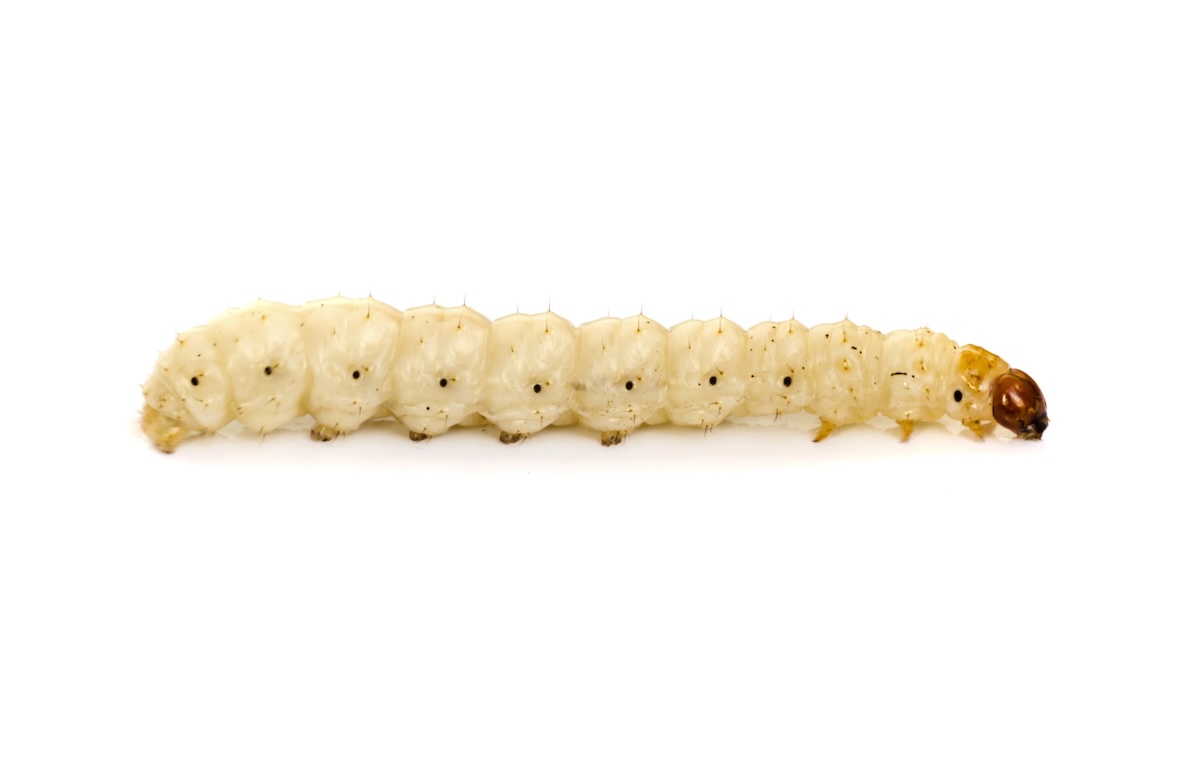 Photo Credit: tropper2000 at Deposit Photos
In the heart of lush bamboo groves, where the air is thick with the sweet scent of greenery, lives a curious little inhabitant known as the bamboo worm, or Omphisa. These slender insects, measuring just 5 to 10 centimeters long, are often overlooked, yet they play a vital role in their ecosystem. With their elongated bodies and soft, pale exoskeletons, bamboo worms are perfectly adapted to their environment, skillfully navigating the hollow stalks of bamboo to feast on the tender inner tissue. As night falls, these nocturnal creatures emerge from their hidden homes, transforming the quiet grove into a bustling world of activity.
What makes bamboo worms particularly captivating to scientists and nature enthusiasts alike is their unique lifestyle and ecological importance. As herbivores, they help recycle nutrients back into the soil, supporting the growth of the very plants they depend on. Their presence in the bamboo ecosystem is so significant that they are considered a keystone species, meaning their role is crucial for maintaining the balance of their habitat. With their fascinating mating rituals and the intricate relationships they form with other species, bamboo worms invite us to explore the wonders of nature, reminding us that even the smallest creatures can have a big impact on the world around us.
Bamboo worms, scientifically known as Omphisa, occupy a distinctive niche in the tree of life. These intriguing insects belong to the phylum Arthropoda, which includes all animals with jointed legs, like spiders and crabs. Within this phylum, they are classified under the class Insecta, the largest group of animals on Earth. What sets bamboo worms apart is their specialized diet; they thrive on bamboo, a plant that many other insects cannot digest. This unique adaptation not only allows them to exploit a food source that is abundant in their habitats but also highlights their role in the ecosystem as recyclers of plant material.
| Taxonomic Rank | Scientific Name | Meaning & Significance |
|---|---|---|
| Kingdom | Animalia | The name “Animalia” comes from the Latin word “animalis,” meaning “having breath” or “living.” This classification includes all multicellular organisms that are capable of movement and responsive to their environment. |
| Phylum | Arthropoda | “Arthropoda” means “jointed legs” in Greek, which refers to the segmented bodies and jointed appendages that characterize this diverse group, including insects, arachnids, and crustaceans. |
| Class | Insecta | The term “Insecta” is derived from the Latin word “insectum,” meaning “cut into sections.” This reflects the segmented body structure of insects, which is a key feature of their anatomy. |
| Order | Lepidoptera | “Lepidoptera” comes from the Greek words “lepido,” meaning “scale,” and “ptera,” meaning “wings.” This name highlights the scaly wings that are a hallmark of butterflies and moths, including bamboo worms. |
| Family | Crambidae | The name “Crambidae” is derived from the Greek word “krambos,” which means “to creep.” This family includes many moths that are known for their creeping larvae, which often feed on grasses and other plants. |
| Genus | Omphisa | “Omphisa” is derived from the Greek word “omphalos,” meaning “navel.” This name may refer to the distinctive shape of the larvae or the unique characteristics of the genus. |
Understanding the taxonomic classification of bamboo worms reveals much about their evolutionary journey. As members of the Lepidoptera order, they share a common ancestry with butterflies and moths, showcasing the incredible diversity of adaptations that have evolved over millions of years. Their specialized feeding habits on bamboo not only illustrate their unique ecological role but also highlight the intricate relationships between species and their environments. This classification helps scientists trace the evolutionary paths that have led to the rich tapestry of life we see today.
The evolutionary journey of bamboo worms, belonging to the genus Omphisa, stretches back millions of years, intertwining with the rich tapestry of life on Earth. These insects are part of the family Crambidae, which includes a variety of moths. Their story is one of adaptation and survival, showcasing how life can thrive in diverse environments, particularly in the lush habitats of bamboo forests.
Bamboo worms have ancestral roots that trace back to early lepidopterans, the group that includes butterflies and moths. Over time, these insects underwent significant changes, adapting to their surroundings and the availability of food sources. One of the major transitions in their evolution was the development of specialized mouthparts, allowing them to efficiently consume bamboo, their primary food source. This adaptation not only provided them with a reliable diet but also reduced competition with other herbivores. As they evolved, they also developed a unique life cycle, including a larval stage that is particularly well-suited for life within the fibrous stalks of bamboo.
Bamboo worms’ evolutionary adaptations have been crucial for their survival in a world filled with challenges. Their specialized mouthparts and efficient digestion enable them to exploit a unique food source, while their camouflage offers protection from predators. Rapid reproduction ensures that they can maintain their numbers, even when faced with environmental changes. Together, these traits illustrate the incredible ways in which life can adapt and flourish, showcasing the resilience of nature in the face of adversity.
Bamboo worms are captivating little beings that can easily catch your eye with their slender, elongated bodies. These insects typically measure around 5 to 10 centimeters in length, making them small enough to fit comfortably in the palm of your hand. Their bodies are soft and segmented, giving them a worm-like appearance, but they are not true worms. Instead, they belong to the world of insects, showcasing a fascinating blend of form and function. The color of bamboo worms can vary, often displaying shades of pale yellow to light brown, which helps them blend into their bamboo habitats.
| Feature | Description |
|---|---|
| Size | 5 to 10 centimeters long |
| Color | Pale yellow to light brown |
| Skin Type | Soft and segmented |
| Body Shape | Elongated and worm-like |
The combination of their soft, segmented bodies and their subtle coloration serves a vital purpose in their survival. The soft skin allows bamboo worms to navigate through the narrow spaces of bamboo stalks, where they often reside. Their coloration provides excellent camouflage, helping them evade predators that might be lurking nearby. This clever design not only aids in their day-to-day activities but also plays a crucial role in their life cycle, allowing them to thrive in their unique ecological niche.
Bamboo worms thrive in lush bamboo groves, where the tall, green stalks create a vibrant and sheltered environment. These areas are often alive with the sounds of rustling leaves and chirping insects, providing a perfect backdrop for the bamboo worms to flourish. The dense foliage not only offers protection from predators but also serves as a primary food source, as these worms feed on the soft inner tissues of bamboo plants.
Bamboo worms prefer warm, humid climates that are typical of tropical and subtropical regions. They thrive in areas where temperatures remain consistently mild, often between 20 to 30 degrees Celsius (68 to 86 degrees Fahrenheit). The high humidity levels in these environments help maintain the moisture that bamboo worms need to survive, as they are sensitive to dry conditions. Rainfall is also crucial, as it nourishes the bamboo and keeps the ecosystem vibrant and healthy.
These worms have developed several adaptations that allow them to live comfortably in their specific habitats. Their slender bodies enable them to navigate through the narrow spaces of bamboo stalks with ease. Additionally, their ability to consume the soft inner tissues of bamboo means they can find food readily available in their surroundings. This specialized diet not only supports their growth but also helps them blend into their environment, making them less visible to potential predators.
Bamboo worms lead a life filled with nocturnal adventures, coming alive under the cover of darkness. As night falls, these small insects emerge from their bamboo homes to forage for food. Their primary diet consists of bamboo leaves, which they munch on with great enthusiasm. During the night, they engage in various activities, including exploring their surroundings and searching for mates. This nightly routine is essential for their survival, as it allows them to avoid daytime predators while maximizing their feeding opportunities.
Socially, bamboo worms exhibit fascinating group dynamics. They often gather in large numbers, forming what is known as an infestation. This behavior not only provides safety in numbers but also enhances their chances of finding food. Within these groups, they communicate through subtle movements and pheromones, which are chemical signals that convey information about food sources or potential threats. This social structure helps them coordinate their activities and maintain a sense of community, which is vital for their survival in the wild.
| Behavior Type | Description |
|---|---|
| Activity Patterns | Nocturnal foraging for bamboo leaves, primarily active at night to avoid predators. |
| Social Structure | Form large groups called infestations, providing safety and increased foraging efficiency. |
| Communication Methods | Use pheromones and body movements to share information about food and threats. |
The behaviors of bamboo worms are finely tuned to ensure their survival in a world filled with challenges. By being nocturnal, they evade many predators that hunt during the day. Their social structure allows them to work together, making it easier to find food and stay safe. Through their unique communication methods, they can alert each other to dangers and share valuable information. All these behaviors come together to create a resilient community, ensuring that bamboo worms thrive in their lush, green habitats.
Bamboo worms are primarily herbivores, meaning they mainly eat plant material. Their favorite food is the tender inner tissue of bamboo, which they skillfully extract from the hollow stalks. Using their specialized mouthparts, these worms can munch through the tough outer layers of bamboo to reach the soft, nutritious parts inside. This feeding behavior not only sustains them but also plays a crucial role in the ecosystem by helping to break down bamboo, allowing for new growth.
| Dietary Aspect | Details |
|---|---|
| Diet Type | Herbivore |
| Favorite Foods | Tender inner tissue of bamboo |
| Prey Items | N/A (they do not eat other animals) |
| Hunting/Foraging Strategies | Extracting soft tissue from bamboo stalks using specialized mouthparts |
This diet shapes the bamboo worm’s ecology and daily routine significantly. By feeding on bamboo, they help recycle nutrients back into the soil, promoting healthy plant growth. Their nocturnal foraging habits allow them to avoid predators while maximizing their feeding time. This relationship with bamboo not only sustains their population but also supports the broader ecosystem, making bamboo worms essential players in their lush habitats.
Bamboo worms have a fascinating mating ritual that takes place during the warm months when conditions are just right. Males and females engage in a dance of sorts, where they communicate through pheromones, which are special chemicals that signal their readiness to mate. This breeding season is crucial for the survival of their species, as it ensures that the next generation of bamboo worms can thrive in their lush habitats.
| Reproductive Aspect | Details |
|---|---|
| Gestation Period | Approximately 1 month |
| Average Litter Size | 80-130 eggs |
| Age of Maturity | 1-2 months |
| Name of Young | Larvae |
Once the eggs are laid, they hatch into tiny larvae, which are the young bamboo worms. These larvae are quite independent from the start, munching on bamboo to fuel their growth. As they develop, they undergo a process called metamorphosis, where they change from larvae into adult bamboo worms. During this time, parental care is minimal, as the young are equipped to find their own food and shelter. This self-sufficiency is vital, allowing them to adapt to their environment and eventually grow into the slender adults that roam the bamboo groves.
Bamboo worms, belonging to the genus Omphisa, play a vital role in their ecosystem, serving as both herbivores and a food source for various predators. Positioned within the food web, they help recycle nutrients by consuming bamboo and, in turn, become a meal for animals higher up the chain. This delicate balance highlights their importance in maintaining the health of their environment.
To survive these threats, bamboo worms have developed several clever defensive strategies. They often blend in with their surroundings, using camouflage to avoid detection by predators. Additionally, their tough outer skin can deter some would-be attackers. When threatened, they may also curl up or retreat into the safety of bamboo stalks, making it harder for predators to reach them. These adaptations help ensure that bamboo worms can continue to thrive in their lush habitats, despite the dangers lurking nearby.
A keystone species is an organism that has a disproportionately large impact on its environment relative to its abundance. This means that if it were removed, the ecosystem would change dramatically. Bamboo worms, belonging to the genus Omphisa, can indeed be considered a keystone species in their habitat. Their role in the bamboo groves of Asia is crucial, influencing both the plant life and the animal communities that depend on them.
Bamboo worms primarily feed on the inner tissue of bamboo, which helps to control the growth of these towering plants. By munching on the bamboo, they prevent overgrowth, allowing sunlight to reach other plants and maintaining a diverse ecosystem. This feeding behavior not only supports the health of the bamboo groves but also creates a habitat for other species. For example, the decaying plant material from their feeding provides nutrients for soil organisms, which in turn supports a variety of plant life.
Moreover, bamboo worms serve as a vital food source for many predators, including birds and small mammals. Their presence in the food web helps sustain these populations, ensuring that the balance of the ecosystem remains intact. When bamboo worms thrive, they contribute to a rich tapestry of life, supporting various species that rely on them for survival.
If bamboo worms were to disappear, the consequences would be significant. Without these insects, bamboo could grow unchecked, leading to dense thickets that block sunlight from reaching other plants. This could reduce plant diversity and disrupt the entire food web. Predators that rely on bamboo worms for food would struggle to find alternative sources, potentially leading to declines in their populations. The loss of bamboo worms would ripple through the ecosystem, highlighting just how interconnected all living things truly are.
Bamboo worms, known scientifically as Omphisa, play a vital role in their ecosystems, particularly in the lush bamboo groves of Asia. These small, nocturnal insects thrive in environments rich with bamboo, where they contribute to the health and balance of their surroundings. By feeding on the inner tissues of bamboo, they help to break down plant material, which in turn supports nutrient cycling and promotes the growth of new plants. This makes them essential players in maintaining the ecological integrity of their habitats.
| Ecosystem Service | Impact |
|---|---|
| Nutrient Cycling | Break down bamboo, enriching the soil with nutrients. |
| Food Source | Provide sustenance for various predators, including birds and small mammals. |
| Plant Health | Stimulate new growth by removing older plant material. |
| Soil Aeration | Help aerate the soil as they burrow, improving water infiltration. |
Bamboo worms influence their environment in several specific ways. By consuming the inner bamboo tissue, they not only help control the growth of bamboo but also create spaces in the plant that can be utilized by other organisms. Their feeding habits promote the decomposition process, which is crucial for returning nutrients to the soil. Additionally, as they burrow through the bamboo, they aerate the soil, allowing water and air to reach plant roots more effectively. This creates a healthier environment for other plants and animals that share their habitat.
The broader ecological importance of bamboo worms cannot be overstated. As a keystone species, their presence significantly impacts the structure and function of their ecosystem. If bamboo worms were to disappear, the balance of the bamboo groves would be disrupted, leading to overgrowth and a decline in plant diversity. This, in turn, would affect the many species that rely on bamboo for food and shelter. By supporting nutrient cycling and promoting plant health, bamboo worms help sustain the vibrant ecosystems in which they live, showcasing the intricate connections that bind all living things together.
In the intricate web of life, symbiosis plays a crucial role in shaping ecosystems. This term refers to the close interactions between different species, which can be beneficial, harmful, or neutral. These relationships can take many forms, such as mutualism, where both species gain advantages, parasitism, where one benefits at the other’s expense, and commensalism, where one species benefits while the other is neither helped nor harmed. Understanding these connections helps us appreciate the delicate balance of nature and the interdependence of living organisms.
| Species/Type | Relationship Type | Description |
|---|---|---|
| Bamboo | Mutualistic | Bamboo worms feed on the inner tissue of bamboo, helping to break down dead or dying plants, which in turn enriches the soil and promotes new growth. |
| Predatory insects (e.g., birds) | Parasitic | While bamboo worms are essential to their ecosystem, they also fall prey to various predators, including birds, which benefit from the worms as a food source. |
| Fungi | Commensal | Fungi may grow on decaying bamboo, providing a habitat for bamboo worms without affecting the fungi’s growth or health. |
These relationships have evolved over time, shaped by the needs and adaptations of each species involved. Bamboo worms have developed a specialized diet that allows them to thrive on bamboo, while the bamboo plants benefit from the worms’ feeding habits, which help recycle nutrients back into the soil. Predators, on the other hand, have adapted to hunt these worms, ensuring their own survival. This interconnectedness highlights the importance of each species in maintaining the health of their ecosystem, demonstrating that every organism, no matter how small, plays a vital role in the grand tapestry of life.
Bamboo worms, known scientifically as Omphisa, are not just ordinary insects; they are fascinating little creatures that play a significant role in their ecosystems. Here are some surprising facts that will surely pique the interest of nature enthusiasts.
Bamboo worms, belonging to the genus Omphisa, have a long-standing relationship with humanity that dates back centuries. In many Asian cultures, these insects are not just seen as pests but are celebrated for their culinary value. In countries like Thailand and Laos, bamboo worms are considered a delicacy, often fried and served as a crunchy snack. This cultural significance highlights how humans have historically interacted with bamboo worms, incorporating them into traditional diets and local customs. Their presence in folklore and cuisine showcases the deep-rooted connection between these insects and the communities that rely on them.
Today, the relationship between bamboo worms and humans is evolving. As the world becomes more aware of sustainable practices, bamboo worms are gaining attention for their potential in conservation efforts. They play a crucial role in their ecosystems by helping to decompose bamboo, which can promote healthy growth in these plants. However, conflicts can arise when bamboo forests are threatened by deforestation or agricultural expansion. Some communities are now exploring the domestication of bamboo worms as a sustainable food source, which could help reduce pressure on wild populations while providing a nutritious alternative to traditional livestock.
As we look to the future, the relationship between bamboo worms and humanity holds promise. With increasing interest in sustainable food sources, these insects may become more widely accepted as a nutritious option. By fostering a deeper understanding of their ecological role, we can ensure that bamboo worms continue to thrive alongside human communities. This partnership could lead to innovative practices that benefit both people and the environment, creating a harmonious balance that respects the natural world.
Bamboo worms, belonging to the genus Omphisa, currently hold a conservation status of “Not Listed” according to the International Union for Conservation of Nature (IUCN). This means that there is not enough information to determine their risk of extinction. While their populations are not formally tracked, anecdotal evidence suggests that they are relatively stable in their natural habitats, particularly in regions where bamboo is abundant. However, ongoing environmental changes could impact their future.
| Conservation Factor | Status/Details |
|---|---|
| IUCN Status | Not Listed |
| Population Estimates | Not formally tracked |
| Trend Direction | Stable, but potentially vulnerable |
Despite their current stability, bamboo worms face several threats that could jeopardize their populations. Habitat loss is a significant concern, primarily due to deforestation and land conversion for agriculture. As bamboo groves are cleared, these insects lose their homes and food sources. Additionally, climate change poses a risk, as shifting weather patterns can alter the delicate ecosystems where bamboo worms thrive. Increased pesticide use in agriculture can also harm their populations, as these chemicals can disrupt their life cycles and reduce food availability.
Conservation efforts for bamboo worms are still in their infancy, largely because they are not yet recognized as a species at risk. However, raising awareness about the importance of bamboo ecosystems can help protect these insects and their habitats. Initiatives aimed at sustainable bamboo farming and reforestation can create a healthier environment for bamboo worms to flourish. As more people understand the role these insects play in their ecosystems, there is hope that future conservation measures will be implemented to ensure their continued survival.
| Question | Answer |
|---|---|
| Where do Bamboo Worms live? | Bamboo Worms are typically found in bamboo grooves across Asia. These unique habitats provide them with plenty of food and shelter, allowing them to thrive in their natural environment. |
| What do Bamboo Worms eat? | Bamboo Worms are herbivores, which means they primarily eat plant material. Their diet mainly consists of bamboo leaves and stems, making them well-adapted to their bamboo-rich habitats. |
| How do Bamboo Worms behave? | Bamboo Worms are generally social creatures, often found in groups. They are known for their interesting movements as they navigate through the bamboo, using their bodies to wiggle and burrow into the plant material. |
| How do Bamboo Worms reproduce? | Bamboo Worms reproduce by laying eggs, which hatch into larvae. These larvae then grow into adult worms, continuing the cycle of life in their bamboo habitats. |
| What threats do Bamboo Worms face? | While Bamboo Worms are not currently listed as endangered, they face threats from habitat destruction. Deforestation and the removal of bamboo groves can significantly impact their populations. |
| What are some interesting characteristics of Bamboo Worms? | Bamboo Worms have a unique ability to blend into their surroundings, which helps them avoid predators. They also play an important role in their ecosystem by helping to decompose bamboo, returning nutrients to the soil. |
| Can Bamboo Worms be eaten? | Yes, in some cultures, Bamboo Worms are considered a delicacy. They are often fried or roasted and are enjoyed for their crunchy texture and nutty flavor. |