Taxonomy & Classification
- Kingdom
- Animalia
- Phylum
- Chordata
- Class
- Reptilia
- Order
- Testudines
- Family
- Chelonioidea
- Genus
- Chelonia

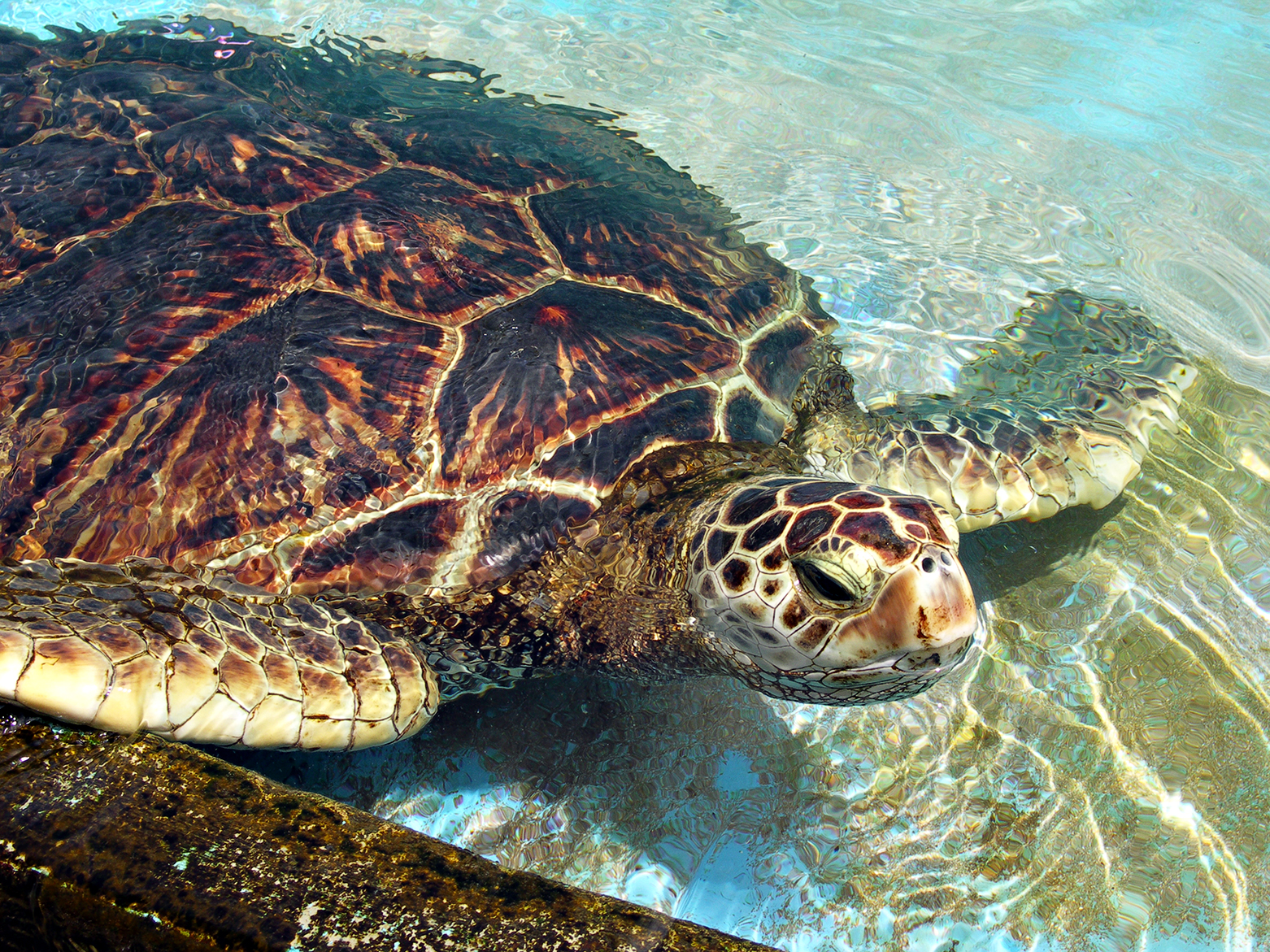 Photo Credit: Gridge / Wikimedia Commons
In the shimmering blue expanse of the ocean, the green sea turtle, known scientifically as Chelonia mydas, glides effortlessly through the water. With its smooth, streamlined shell and powerful flippers, this ancient reptile embodies grace and strength. As it swims, sunlight dances on its olive-green carapace, creating a mesmerizing display that captivates anyone lucky enough to witness it. These turtles are not just beautiful; they are also remarkable survivors, having roamed the Earth for over 200 million years, making them one of the oldest living groups of reptiles.
What makes the green sea turtle particularly fascinating to scientists and nature lovers alike is its role in the marine ecosystem. As a keystone species, it helps maintain the health of seagrass beds and coral reefs by grazing on underwater vegetation. This feeding behavior not only supports the turtle’s own diet but also promotes the growth of seagrass, which provides habitat for countless marine creatures. With their gentle demeanor and vital ecological contributions, green sea turtles invite us to explore the wonders of the ocean and the importance of protecting these magnificent beings. Join us as we dive deeper into the life of the green sea turtle, uncovering its behaviors, challenges, and the efforts to ensure its survival in our ever-changing world.
Sea turtles are extraordinary members of the animal kingdom, occupying a special place in the tree of life. They belong to the class Reptilia, which includes all reptiles, and are part of the order Testudines, known for their hard shells. What sets sea turtles apart is their remarkable adaptation to life in the ocean. Unlike many reptiles that thrive on land, sea turtles have evolved to be excellent swimmers, with streamlined bodies and flippers that allow them to glide gracefully through the water. Their unique lifestyle and long migrations make them a captivating subject of study in marine biology.
| Taxonomic Rank | Scientific Name | Meaning & Significance |
|---|---|---|
| Kingdom | Animalia | This name means “animals” in Latin, highlighting that sea turtles are part of the vast group of multicellular organisms that are typically mobile and consume organic material. |
| Phylum | Chordata | Derived from the Latin word “chorda,” meaning “string,” this classification indicates that sea turtles have a notochord, a flexible rod that supports their bodies during development. |
| Class | Reptilia | This term comes from the Latin “reptilis,” meaning “to creep,” which reflects the crawling nature of many reptiles, although sea turtles have adapted to a life in the water. |
| Order | Testudines | From the Latin “testudo,” meaning “tortoise,” this name emphasizes the defining characteristic of turtles: their protective shells that shield them from predators. |
| Family | Chelonioidea | This name is derived from the Greek word “chelone,” meaning “turtle,” and signifies the group of marine turtles that share similar traits and habitats. |
| Genus | Chelonia | Also from the Greek “chelone,” this genus includes the green sea turtle, known for its herbivorous diet and distinctive shell coloration. |
Understanding the taxonomic classification of sea turtles reveals much about their evolutionary journey. As members of the Reptilia class, they share common ancestry with other reptiles, yet their adaptations for marine life set them apart. The order Testudines highlights their unique shell structure, which has evolved over millions of years to provide protection in a watery environment. This classification not only helps scientists study their biology and behavior but also sheds light on the environmental challenges they face today, reminding us of the intricate connections within the web of life on our planet.
The evolutionary journey of sea turtles stretches back over 200 million years, making them one of the oldest living groups of reptiles. These ancient mariners first appeared during the late Triassic period, a time when dinosaurs roamed the Earth. As the world changed, so did these remarkable animals, adapting to life in the oceans while their terrestrial relatives evolved in different directions.
The ancestors of modern sea turtles were likely similar to their land-dwelling cousins, but they began to adapt to a life in the water. One of the major transitions occurred around 150 million years ago, during the Jurassic period, when early sea turtles developed streamlined bodies and flippers, allowing them to glide gracefully through the ocean. Over time, they lost their ability to retract their heads and limbs into their shells, a feature that helped protect their land-dwelling relatives from predators. Instead, their shells became more hydrodynamic, aiding in swimming efficiency.
The adaptations of sea turtles have been crucial for their survival in the vast oceans. Their streamlined shells and powerful flippers allow them to escape predators and travel great distances in search of food and nesting sites. The ability to excrete salt means they can live in salty ocean waters without becoming dehydrated. With their long lifespans, sea turtles can reproduce multiple times throughout their lives, ensuring the continuation of their species. These evolutionary traits have helped them endure through the ages, making them a vital part of marine ecosystems today.
When you first catch sight of a sea turtle gliding gracefully through the ocean, it’s hard not to be captivated by its majestic form. These ancient reptiles boast a streamlined body that is perfectly designed for life in the water. With a shell that acts like a shield, sea turtles can weigh anywhere from 550 to 2,000 pounds, making them one of the largest reptiles on the planet. Their powerful flippers, which can stretch out to nearly four feet, allow them to navigate the waves with ease, while their smooth, scaled skin glistens under the sun, reflecting the vibrant colors of the sea.
| Feature | Description |
|---|---|
| Weight | 550-2000 lbs (249-907 kg) |
| Skin Type | Scales |
| Shell | Hard, protective carapace that varies in color |
| Flippers | Powerful limbs adapted for swimming |
| Color | Varies from olive green to brown, often with patterns |
The combination of these features is not just for show; they serve vital purposes in the sea turtle’s life. The hard shell protects them from predators, while their streamlined shape reduces drag as they swim, allowing them to travel long distances in search of food. Their flippers are not only powerful but also flexible, enabling them to maneuver through coral reefs and open waters alike. The colors of their skin and shell help them blend into their surroundings, providing camouflage against potential threats. Together, these adaptations make sea turtles not just survivors, but true marvels of the ocean.
Sea turtles are true ocean wanderers, calling the warm, tropical coastal waters and sandy beaches their home. Picture a sun-drenched shoreline where the gentle waves lap against the shore, creating a perfect nursery for these ancient reptiles. The vibrant coral reefs and seagrass beds beneath the surface provide not only shelter but also a buffet of delicious food. Here, the turtles can be seen gliding effortlessly through the clear blue waters, their flippers propelling them gracefully as they navigate their underwater world.
Sea turtles thrive in warm waters, typically found in regions where the temperature stays between 20 to 30 degrees Celsius (68 to 86 degrees Fahrenheit). They prefer areas with plenty of sunlight, which helps maintain the health of the seagrass and coral reefs they depend on. These habitats are often rich in biodiversity, meaning they are home to many different species of fish and plants. The gentle currents and shallow waters also create ideal conditions for nesting, allowing female turtles to lay their eggs safely on sandy beaches.
Over millions of years, sea turtles have developed remarkable adaptations to thrive in their coastal environments. Their streamlined bodies and powerful flippers make them expert swimmers, capable of covering vast distances in search of food or nesting sites. Their hard shells provide protection from predators, while their ability to hold their breath for long periods allows them to dive deep in search of jellyfish and other prey. These adaptations not only help them survive but also enable them to play a vital role in maintaining the health of their marine ecosystems.
Sea turtles lead a life that is both tranquil and adventurous, filled with daily activities that revolve around their oceanic habitat. As they swim through the warm waters, these reptiles spend much of their time foraging for food, which primarily consists of jellyfish, seaweed, and crustaceans. They are known to bask in the sun on sandy beaches, especially when they come ashore to lay eggs. This nesting behavior is a crucial part of their life cycle, as female sea turtles return to the same beaches where they were born to lay their own eggs, often at night to avoid predators.
While sea turtles are generally solitary creatures, they do exhibit interesting social behaviors, especially during feeding or nesting times. They may gather in small groups when food is abundant, sharing the space without much interaction. Communication among sea turtles is subtle; they use body language and sounds, like low-frequency vocalizations, to express themselves. This can be particularly important during mating season, where males may display certain behaviors to attract females.
| Behavior Type | Description |
|---|---|
| Feeding | Sea turtles forage alone or in small groups, primarily eating jellyfish, seaweed, and crustaceans. |
| Nesting | Females return to their birth beaches to lay eggs, often at night to reduce the risk of predation. |
| Social Interaction | While mostly solitary, they may gather in small groups during feeding or nesting, with minimal interaction. |
| Communication | They use body language and low-frequency sounds to communicate, especially during mating. |
The behaviors of sea turtles are not just fascinating; they are essential for their survival. By foraging efficiently and returning to their nesting sites, these reptiles ensure the continuation of their species. Their solitary nature allows them to avoid competition for food, while their subtle communication methods help them navigate social interactions when necessary. Each of these behaviors plays a vital role in their life, helping them thrive in the vast and sometimes challenging ocean environment.
Sea turtles are omnivores, which means they enjoy a varied diet that includes both plants and animals. Depending on the species, their feeding habits can be quite different. Some sea turtles, like the green sea turtle, prefer to munch on seaweed and other marine plants, while others, such as the leatherback turtle, are known for their love of jellyfish. These turtles use their strong jaws and specialized beaks to help them grasp and tear their food, making them skilled foragers in their underwater world.
| Dietary Aspect | Details |
|---|---|
| Diet Type | Omnivore |
| Favorite Foods | Seaweed, jellyfish, fish, and crabs |
| Prey Items | Jellyfish, crustaceans, and various types of fish |
| Hunting/Foraging Strategies | Using strong jaws to grasp food, swimming near the surface to find jellyfish, and grazing on seagrass beds |
The diet of sea turtles plays a crucial role in their ecology and daily routines. By feeding on jellyfish, they help control jellyfish populations, which can sometimes explode in numbers. Their grazing on seagrass beds not only provides them with nourishment but also promotes the health of these underwater ecosystems. This balance is vital for the overall health of the ocean, showcasing how the feeding habits of sea turtles contribute to the intricate web of life beneath the waves.
When it comes to mating, sea turtles have a fascinating ritual that takes place during the breeding season, which varies by species and location. Generally, this season occurs in warmer months when the turtles return to the beaches where they were born. Males often engage in competitive displays to attract females, showcasing their strength and agility. Once a female chooses a mate, they will mate multiple times over a few weeks, ensuring that she has enough fertilized eggs for her nesting.
| Reproductive Aspect | Details |
|---|---|
| Gestation Period | Approximately 60 days |
| Litter Size | Average of 100 eggs |
| Age of Maturity | 15 to 50 years, depending on the species |
| Name of Young | Hatchlings |
After laying her eggs in a sandy nest dug into the beach, the mother sea turtle returns to the ocean, leaving her young to fend for themselves. The hatchlings emerge after about two months, instinctively making their way to the water, guided by the moonlight reflecting on the waves. This journey is perilous, as they face numerous predators, including birds and fish. Once in the ocean, the young turtles begin their life in the vast sea, where they will grow and mature over many years, eventually returning to the same beaches to continue the cycle of life.
Sea turtles play a vital role in the ocean’s food web, acting as both prey and predator. As they glide through the water, they help maintain the health of seagrass beds and coral reefs by grazing on vegetation and controlling jellyfish populations. However, their position in this intricate web also makes them vulnerable to various threats, both natural and human-induced.
To survive these dangers, sea turtles have developed several defensive behaviors. When threatened, they can retreat into their hard shells, providing a tough barrier against predators. Their ability to dive deep into the ocean helps them escape from danger, while their strong swimming skills allow them to quickly evade attackers. Additionally, some species can camouflage themselves among rocks and seaweed, making it harder for predators to spot them. These strategies, combined with their long lifespan and migratory patterns, help ensure that sea turtles continue to thrive in our oceans.
A keystone species is a vital part of its ecosystem, meaning its presence has a significant impact on the environment and other living things. Sea turtles qualify as a keystone species due to their unique role in maintaining the health of marine ecosystems. Their activities help shape the environment in ways that support a wide variety of other species, making them essential for the balance of ocean life.
One of the most important ways sea turtles influence their ecosystem is through their grazing habits. For instance, green sea turtles primarily feed on seagrass. By munching on these underwater plants, they help keep seagrass beds healthy and thriving. These beds are crucial habitats for many marine animals, including fish and invertebrates. When sea turtles graze, they promote new growth, allowing seagrass to flourish and providing shelter and food for countless other species.
Additionally, sea turtles contribute to the nutrient cycle in the ocean. Their waste products, rich in nutrients, fertilize the waters, promoting the growth of phytoplankton and other marine plants. This process supports the entire food web, from tiny fish to large predators. Moreover, when sea turtles nest on sandy beaches, they help aerate the sand and contribute organic matter, which benefits the coastal ecosystem.
If sea turtles were to disappear, the consequences would be dire. Without these ancient mariners, seagrass beds could become overgrown and unhealthy, leading to a decline in the species that rely on them for habitat. The nutrient cycle would also be disrupted, affecting the entire marine food web. Ultimately, the loss of sea turtles would create a ripple effect, threatening the balance of ocean ecosystems and the many creatures that call them home.
Sea turtles are essential players in their marine ecosystems, fulfilling a unique ecological niche. As they navigate the warm coastal waters, these ancient reptiles contribute to the health of their environment in various ways. Their presence influences not just their immediate surroundings but also the broader oceanic community, making them vital to the balance of marine life.
| Ecosystem Service | Impact |
|---|---|
| Grazing on seagrass | Helps maintain healthy seagrass beds, which provide habitat for many marine species. |
| Predation on jellyfish | Controls jellyfish populations, preventing overpopulation that can disrupt marine ecosystems. |
| Nesting on beaches | Contributes to beach ecosystem health by aerating sand and providing nutrients through eggs. |
| Transport of nutrients | Moves nutrients between different marine environments, supporting diverse marine life. |
One of the most significant ways sea turtles shape their ecosystems is through their grazing habits. By munching on seagrass, they help keep these underwater meadows healthy and thriving. Seagrass beds are crucial because they provide shelter and food for a variety of marine creatures, from tiny fish to larger animals. Additionally, sea turtles play a role in controlling jellyfish populations. By feasting on jellyfish, they help prevent these creatures from overwhelming the ocean, which can lead to imbalances in the food web.
The broader ecological importance of sea turtles cannot be overstated. As keystone species, their presence supports the health of entire marine ecosystems. When sea turtles thrive, it often indicates a healthy ocean environment. Their nesting activities also enrich sandy beaches, creating a dynamic habitat for other species. By understanding and protecting sea turtles, we take a significant step toward preserving the intricate web of life in our oceans, ensuring that future generations can enjoy the wonders of marine biodiversity.
In the intricate web of life, symbiosis plays a crucial role, connecting different species in various ways. Symbiosis refers to the close interactions between two or more different species, which can be beneficial, harmful, or neutral. These relationships can be classified into three main types: mutualism, where both species benefit; commensalism, where one species benefits while the other is neither helped nor harmed; and parasitism, where one species benefits at the expense of the other. Sea turtles, with their gentle nature and vital role in marine ecosystems, engage in several fascinating partnerships with other species.
| Species/Type | Relationship Type | Description |
|---|---|---|
| Cleaner fish (e.g., wrasses) | Mutualistic | Cleaner fish remove parasites and dead skin from the turtle’s shell, benefiting from a meal while helping the turtle stay healthy. |
| Remoras | Commensal | Remoras attach themselves to sea turtles, gaining a free ride and access to food scraps, while the turtle is largely unaffected. |
| Sea lice | Parasitic | Sea lice attach to the turtle’s skin, feeding on its blood and tissues, which can harm the turtle over time. |
These relationships have evolved over millions of years, showcasing the adaptability and interconnectedness of life in the ocean. Mutualistic partnerships, like those with cleaner fish, highlight how species can work together for mutual benefit, enhancing their survival. Meanwhile, commensal relationships, such as those with remoras, illustrate how some species can thrive without impacting their hosts. On the other hand, parasitic relationships remind us of the challenges that sea turtles face in their environments. Understanding these connections not only deepens our appreciation for sea turtles but also emphasizes the importance of preserving their habitats to maintain the delicate balance of marine ecosystems.
Sea turtles are truly remarkable animals, and their lives are filled with surprising facts that can captivate anyone interested in nature. From their ancient history to their unique behaviors, these gentle giants of the ocean have much to teach us.
Throughout history, sea turtles have held a special place in human culture and mythology. Ancient civilizations, from the Greeks to the Polynesians, revered these majestic creatures, often associating them with creation myths and oceanic deities. In many coastal communities, sea turtles have been a source of sustenance, their meat and eggs providing vital nutrition. Artifacts and carvings from various cultures depict sea turtles, showcasing their significance in folklore and art. This long-standing relationship highlights not only the admiration humans have for these reptiles but also the deep connection we share with the ocean.
In modern times, the interaction between sea turtles and humanity has become more complex. While many people are dedicated to conserving these ancient mariners, others inadvertently contribute to their decline. Conservation efforts are underway worldwide, focusing on protecting nesting sites and reducing bycatch—when turtles accidentally get caught in fishing gear. However, conflicts arise as coastal development and pollution threaten their habitats. Some communities still hunt sea turtles for food or use their shells for crafts, leading to a delicate balance between cultural practices and conservation needs. The domestication of sea turtles is not common, but some aquariums and research facilities work to rehabilitate injured turtles, fostering a new kind of relationship based on care and education.
As we look to the future, the relationship between sea turtles and humanity hangs in the balance. With increasing awareness of environmental issues, there is hope that more people will advocate for the protection of these ancient reptiles. By fostering a sense of stewardship and respect for the ocean, we can ensure that future generations will not only witness the grace of sea turtles but also understand their vital role in maintaining the health of marine ecosystems. Together, we can create a world where humans and sea turtles thrive side by side, celebrating the wonders of nature.
The conservation status of sea turtles is a pressing concern for marine biologists and environmentalists alike. Currently, all seven species of sea turtles are classified as endangered or vulnerable, with their populations facing significant declines. Factors such as habitat loss, climate change, and human activities have contributed to this alarming trend. While some populations show signs of recovery in certain areas, the overall outlook remains precarious, highlighting the urgent need for conservation efforts.
| Conservation Factor | Status/Details |
|---|---|
| IUCN Status | Endangered |
| Population Estimates | Varies by species; some populations are in the thousands, while others are critically low |
| Trend Direction | Generally declining, with some local recoveries |
The main threats to sea turtles are numerous and complex. One of the most significant dangers is habitat destruction, particularly the loss of nesting beaches due to coastal development and pollution. Additionally, climate change poses a serious risk, as rising sea temperatures can affect nesting success and alter food availability. Sea turtles also face dangers from fishing practices, such as bycatch, where they accidentally get caught in fishing gear. Plastic pollution in the oceans further complicates their survival, as turtles may ingest harmful materials or become entangled.
Despite these challenges, there is hope for sea turtles thanks to ongoing conservation efforts. Organizations around the world are working tirelessly to protect nesting sites, reduce bycatch through better fishing practices, and raise awareness about the importance of these ancient mariners. Community involvement is crucial, as local populations are encouraged to participate in beach clean-ups and monitoring nesting activities. With continued dedication and support, there is a chance for sea turtle populations to stabilize and even thrive in the future, ensuring that these magnificent creatures remain a part of our oceans for generations to come.
| Question | Answer |
|---|---|
| Where do sea turtles live? | Sea turtles are found in tropical coastal waters and beaches around the world. They prefer warm waters, which provide the right conditions for their survival and reproduction. |
| What do sea turtles eat? | Sea turtles are omnivores, meaning they eat both plants and animals. Their diet can include jellyfish, seaweed, crabs, and other marine creatures, depending on the species. |
| How do sea turtles behave? | Sea turtles are generally solitary animals, spending most of their time swimming alone. However, they can sometimes be seen basking in the sun on beaches or floating together in the water. |
| How do sea turtles reproduce? | Female sea turtles return to the beaches where they were born to lay their eggs. They dig nests in the sand and can lay up to 200 eggs at a time, which hatch after about two months. |
| What threats do sea turtles face? | Sea turtles are endangered due to various threats, including habitat loss, pollution, and poaching. They often get caught in fishing gear or mistake plastic for food, which can be harmful or fatal. |
| What are some interesting characteristics of sea turtles? | Sea turtles have a unique ability to hold their breath for long periods, sometimes up to several hours. They also have a special gland that helps them excrete salt from the ocean, allowing them to drink seawater. |
| How long do sea turtles live? | Sea turtles can live for a long time, often reaching ages of 50 years or more. Some species, like the green sea turtle, can even live to be over 80 years old in the wild. |