Taxonomy & Classification
- Kingdom
- Animalia
- Phylum
- Chordata
- Class
- Mammalia
- Order
- Artiodactyla
- Family
- Bovidae
- Genus
- Ovis
- Species
- Ovis aries

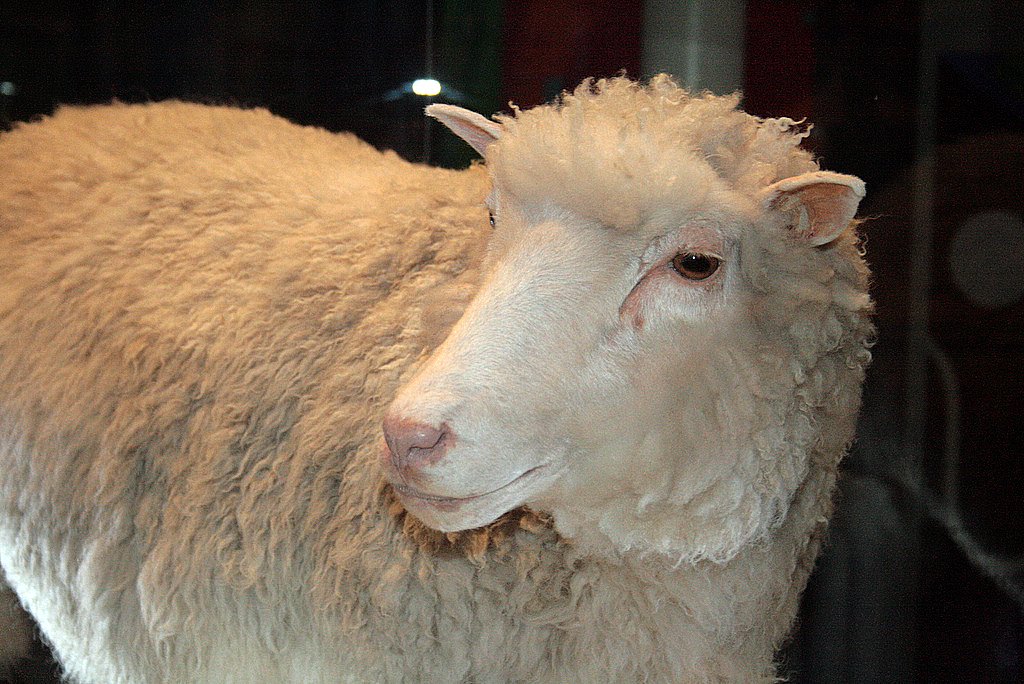 Photo Credit: Steven Walling / Wikimedia Commons
In the rolling hills and grassy plains of the world, the domestic sheep, known scientifically as Ovis aries, grazes peacefully under the open sky. With their fluffy, woolly coats that resemble soft clouds, these gentle animals are a familiar sight in many landscapes. Their sturdy bodies and curious eyes give them a charming appearance, but there’s much more to sheep than meets the eye. Scientists and nature enthusiasts alike are captivated by their social behaviors, unique communication methods, and the vital role they play in their ecosystems.
Imagine a sunny day where a flock of sheep meanders across a vibrant green pasture, their soft bleats echoing in the air. As they graze, they not only enjoy a meal but also contribute to the health of their environment by keeping grasslands in check. This grazing helps maintain the balance of plant life, allowing other species to thrive. Sheep are not just passive grazers; they are active participants in their habitats, shaping the landscape around them. Their fascinating social structures, where they form tight-knit groups and communicate through a variety of sounds, reveal a complex world that invites us to explore the deeper connections between animals and their environments. Join us as we delve into the life of Ovis aries, uncovering the secrets of their behavior, diet, and the important role they play in our world.
Sheep hold a special place in the tree of life, showcasing a rich tapestry of evolutionary history. Classified within the Kingdom Animalia, they belong to the Phylum Chordata, which includes all animals with a backbone. As mammals, they are part of the Class Mammalia, characterized by their warm-blooded nature and the presence of fur or hair. Sheep are further classified in the Order Artiodactyla, which consists of even-toed ungulates, meaning they have an even number of toes on each foot. Their family, Bovidae, includes other hoofed animals like goats and antelopes. The genus Ovis specifically refers to sheep, highlighting their distinct characteristics and behaviors that set them apart in the animal kingdom.
| Taxonomic Rank | Scientific Name | Meaning & Significance |
|---|---|---|
| Kingdom | Animalia | The name “Animalia” comes from the Latin word “animalis,” meaning “having breath” or “living being,” emphasizing the life and vitality of these organisms. |
| Phylum | Chordata | “Chordata” is derived from the Latin word “chorda,” meaning “string,” referring to the notochord, a flexible rod that supports the body in the early stages of development. |
| Class | Mammalia | The term “Mammalia” comes from “mamma,” the Latin word for “breast,” highlighting the defining feature of mammals: the ability to nurse their young with milk. |
| Order | Artiodactyla | “Artiodactyla” means “even-toed,” from the Greek words “artios” (even) and “daktulos” (finger or toe), which describes the sheep’s two main weight-bearing toes. |
| Family | Bovidae | The name “Bovidae” is derived from “bos,” the Latin word for “cow,” indicating the family’s connection to cattle and other similar animals. |
| Genus | Ovis | “Ovis” comes from the Latin word for “sheep,” directly linking the genus to these woolly animals and their domesticated forms. |
The classification of sheep reveals much about their evolutionary journey. As members of the Bovidae family, they share a common ancestor with other hoofed animals, showcasing adaptations that have allowed them to thrive in various environments. Their unique traits, such as their social behavior and woolly coats, have been shaped by both natural selection and human influence over thousands of years. Understanding where sheep fit in the tree of life not only highlights their biological significance but also underscores the intricate connections among all living beings on our planet.
The evolutionary journey of sheep stretches back millions of years, weaving through the tapestry of time and adaptation. These animals belong to the family Bovidae, which includes other hoofed mammals like goats and antelopes. The genus Ovis, which encompasses modern sheep, emerged around 2 million years ago, evolving from wild ancestors that roamed the rugged terrains of Europe and Asia. As they adapted to their environments, they developed traits that would help them thrive in various habitats.
The ancestors of sheep were wild creatures, closely related to the mouflon, a type of wild sheep still found today. These early sheep were agile and well-suited for life in the mountains, with a diet primarily consisting of grasses and shrubs. Over time, as humans began to domesticate these animals around 10,000 years ago, sheep underwent significant changes. Selective breeding led to the development of various breeds, each adapted to specific climates and purposes, such as wool production or meat.
These adaptations have been crucial for the survival of sheep throughout history. Their wool not only keeps them warm but also provides humans with valuable resources. The social structures they form help them evade predators, while their unique digestive systems allow them to make the most of the vegetation available in their habitats. As they continue to evolve alongside humans, sheep remain a testament to the power of adaptation in the natural world.
When you first lay eyes on a sheep, you might be struck by its fluffy, cloud-like appearance. These animals have a sturdy body structure, with a rounded shape that gives them a robust and gentle look. Their legs are short but strong, designed for stability as they navigate rocky hillsides and grassy pastures. With their large, expressive eyes and often curved horns, sheep exude a sense of calm and curiosity, making them a beloved sight in rural landscapes.
| Feature | Description |
|---|---|
| Weight | 40-130 kg (88-298 lbs) |
| Skin Type | Wool |
The combination of their weight and woolly skin plays a crucial role in their survival. The wool not only provides insulation, keeping them warm in cold weather, but also protects their skin from harsh environmental elements. This fluffy coat can also help them blend into their surroundings, offering a layer of camouflage against predators. Together, these features create a well-adapted animal, perfectly suited to thrive in diverse habitats, from rolling hills to rugged mountains.
Sheep are often found in wide-open grass plains and rugged mountainous regions, where they can roam freely and graze on the abundant vegetation. Imagine rolling hills dotted with patches of green grass, where these animals can munch away under the warm sun. In the mountains, they navigate rocky terrains, using their sure-footedness to find the best grazing spots. This combination of open fields and elevated landscapes creates a perfect home for sheep, allowing them to thrive in diverse environments.
Sheep prefer climates that offer a mix of cool and temperate conditions. They thrive in areas where the weather is not too extreme, as they need enough moisture to support the grass they eat. These animals are well-suited to environments that experience seasonal changes, allowing them to adapt to varying temperatures. The grasslands and mountains provide not only food but also shelter from harsh winds and heavy rains, making these regions ideal for their survival.
To make the most of their habitats, sheep have developed several clever adaptations. Their thick wool coats keep them warm in cooler climates, acting like a natural insulator. This wool also helps protect them from rain and snow. Additionally, their strong legs and hooves are designed for climbing rocky surfaces, allowing them to access food in steep areas. These adaptations enable sheep to thrive in both grassy plains and mountainous regions, showcasing their ability to live in harmony with their surroundings.
Sheep lead a daily life that revolves around grazing, resting, and socializing within their flocks. As herbivores, they spend a significant portion of their day munching on grass and other vegetation, using their specialized teeth to clip and grind their food. After a hearty meal, they often take breaks to ruminate, which means they chew their food again to aid digestion. This leisurely routine is punctuated by moments of alertness, as they keep an eye out for potential predators. Their day is a blend of activity and relaxation, ensuring they stay healthy and well-fed.
Social behavior is a cornerstone of sheep life. These animals thrive in groups, known as flocks, which provide safety in numbers. Within a flock, sheep develop strong bonds and establish a social hierarchy, where some individuals may take on leadership roles. Communication is key in these social structures; sheep use a variety of vocalizations, body language, and even facial expressions to convey their feelings and alert others to danger. This social dynamic not only helps them navigate their environment but also strengthens their relationships with one another.
| Behavior Type | Description |
|---|---|
| Grazing | Sheep spend most of their day eating grass and other plants, using their teeth to clip and grind food. |
| Ruminating | After grazing, they rest and chew their food again to aid digestion, a process known as rumination. |
| Flock Behavior | Sheep live in flocks, which provide safety and social interaction, allowing them to bond and establish hierarchies. |
| Communication | They communicate through vocalizations, body language, and facial expressions to share information and alert others. |
These behaviors are not just interesting; they are vital for the survival of sheep. By living in flocks, they can better protect themselves from predators, as there is safety in numbers. Their social interactions help them learn from one another, enhancing their ability to find food and avoid danger. In essence, the daily life of sheep is a beautiful dance of cooperation and instinct, ensuring that they thrive in their natural habitats.
Sheep are herbivores, which means they primarily eat plants. Their diet mainly consists of grass, weeds, and flowers. These gentle grazers have a unique way of feeding; they use their strong, flat teeth to clip the grass close to the ground. This feeding behavior allows them to efficiently consume large amounts of vegetation throughout the day. Sheep are social animals, often seen grazing together in groups, which helps them stay safe from predators while they munch on their favorite foods.
| Dietary Aspect | Details |
|---|---|
| Diet Type | Herbivore |
| Favorite Foods | Grass, weeds, flowers |
| Prey Items | None (as they are herbivores) |
| Hunting/Foraging Strategies | Grazing in groups, using strong teeth to clip vegetation |
The diet of sheep plays a crucial role in their ecology and daily routine. By grazing on grasses and other plants, they help maintain the health of their habitats, promoting new growth and preventing overgrowth of certain species. This not only benefits the sheep but also supports a diverse ecosystem. Their foraging habits shape the landscape, making them important players in their environment. As they graze, they also contribute to nutrient cycling, which is essential for the overall health of the grasslands they inhabit.
When it comes to reproduction, sheep have some interesting behaviors and a specific breeding season. Typically, ewes (female sheep) come into heat, or estrus, during the fall. This is when they are ready to mate. Rams (male sheep) are quite the suitors, often engaging in head-butting and other displays to attract the attention of ewes. Once a ewe is receptive, mating occurs, and the cycle of life begins.
| Reproductive Aspect | Details |
|---|---|
| Gestation Period | Approximately 5 months |
| Litter Size | 1 |
| Age of Maturity | 6 to 12 months |
| Name of Young | Lamb |
After the gestation period, which lasts about five months, the ewe gives birth to a single lamb, although twins can occur in some cases. The lamb is born with a soft coat of wool and is able to stand and walk shortly after birth. Ewes are very attentive mothers, providing warmth and protection to their young. As the lamb grows, it begins to graze alongside its mother, learning essential survival skills. By the time they reach six to twelve months, these young sheep are ready to mature into adults, continuing the cycle of life in their flock.
Sheep play a vital role in the food web, primarily as herbivores that graze on grasses and other plants. This position makes them an essential food source for various predators, helping to maintain the balance of ecosystems. However, their gentle nature and reliance on open spaces also expose them to numerous dangers in the wild.
To survive these threats, sheep have developed several defensive behaviors. They often stay in flocks, which provides safety in numbers; when one sheep senses danger, the entire group can react quickly. Their keen eyesight helps them spot predators from a distance, and they can run surprisingly fast when needed. Additionally, some sheep will use their strong horns to defend themselves if cornered. These strategies, combined with their instinct to stay alert, help them navigate the challenges of their environment and evade potential threats.
A keystone species is an organism that has a disproportionately large impact on its environment relative to its abundance. In simpler terms, if you remove a keystone species, the entire ecosystem can change dramatically. While sheep may not be the first animal that comes to mind when thinking of keystone species, they do play an important role in their ecosystems, particularly in grasslands and mountainous regions.
Sheep are herbivores, meaning they primarily eat plants, and their grazing habits can significantly shape the landscape. By munching on grasses and other vegetation, they help control plant growth, preventing any single species from dominating the area. This grazing behavior promotes biodiversity, allowing a variety of plants to thrive. For example, when sheep graze, they create open spaces that encourage the growth of wildflowers and other plants, which in turn attract various insects and birds.
Moreover, sheep contribute to soil health. Their grazing stimulates the growth of new grass shoots, which can improve soil structure and nutrient cycling. As they move through their habitat, they also help disperse seeds through their droppings, aiding in plant reproduction and diversity. This interaction between sheep and their environment showcases how their presence can enhance the overall health of the ecosystem.
If sheep were to disappear from their ecosystems, the consequences could be significant. Without their grazing, certain plant species might overgrow, leading to a decline in biodiversity. This could disrupt the balance of the ecosystem, affecting not only plants but also the animals that rely on them for food and habitat. Predators that depend on sheep as a food source would also face challenges, potentially leading to a ripple effect throughout the food web. In essence, the absence of sheep could create a less diverse and less resilient ecosystem, highlighting their importance in maintaining ecological balance.
Sheep play a vital role in shaping their ecosystems, particularly in grasslands and mountainous regions. As herbivores, they graze on a variety of plants, which helps maintain the balance of vegetation in their habitats. By feeding on grasses and other plants, sheep prevent overgrowth, allowing a diverse range of species to thrive. This grazing behavior not only supports the health of the plants but also creates a dynamic environment where various organisms can flourish.
| Ecosystem Service | Impact |
|---|---|
| Grazing | Controls plant growth and promotes biodiversity |
| Soil Aeration | Helps improve soil structure through hoof action |
| Nutrient Cycling | Contributes to nutrient distribution through manure |
| Habitat Creation | Creates open spaces for other species to thrive |
The influence of sheep on their environment is evident in many ways. For instance, their grazing habits can lead to the growth of new plant species, as they often eat the more dominant plants, allowing less common species to flourish. This creates a mosaic of plant life that supports various insects, birds, and other wildlife. Additionally, as sheep move across the land, their hooves break up the soil, which can enhance water infiltration and promote healthier root systems for plants. Their droppings also serve as a natural fertilizer, enriching the soil with nutrients that support plant growth.
The broader ecological importance of sheep cannot be overstated. As a keystone species, their presence helps maintain the structure and function of their ecosystems. Without sheep, the balance of plant life could shift dramatically, leading to overgrown areas that might not support the same diversity of wildlife. By grazing and interacting with their environment, sheep contribute to a vibrant and healthy ecosystem, showcasing the interconnectedness of all living things. Their role highlights how even the gentlest of animals can have a profound impact on the world around them.
In the intricate web of life, symbiosis refers to the close interactions between different species, which can take many forms. These relationships can be mutualistic, where both species benefit, parasitic, where one benefits at the expense of the other, or commensal, where one benefits while the other is neither helped nor harmed. Sheep, as social herbivores, engage in various ecological partnerships that highlight the interconnectedness of nature. These relationships not only enhance their survival but also contribute to the health of their ecosystems.
| Species/Type | Relationship Type | Description |
|---|---|---|
| Birds (e.g., oxpeckers) | Mutualistic | These birds feed on parasites found on sheep’s skin, helping to keep the sheep healthy while enjoying a meal. |
| Ticks | Parasitic | Ticks latch onto sheep to feed on their blood, which can harm the sheep by causing irritation and potential disease. |
| Grass and other plants | Commensal | Sheep graze on grass, which helps the plants grow by promoting new growth, but the plants do not gain any direct benefit from the sheep. |
These relationships have evolved over time, shaped by the needs and behaviors of the species involved. Mutualistic partnerships, like those with birds, demonstrate how cooperation can lead to healthier individuals and a more balanced ecosystem. On the other hand, parasitic relationships, such as those with ticks, remind us of the challenges that come with living in a shared environment. Ultimately, these interactions illustrate the delicate balance of nature, where every species plays a role in the grand tapestry of life.
Sheep are often seen as simple farm animals, but they have a wealth of surprising traits and behaviors that make them truly captivating. Here are some intriguing facts that showcase the remarkable world of sheep.
Throughout history, sheep have woven themselves into the fabric of human culture and society. These gentle animals have been companions to humans for thousands of years, providing not just wool for clothing but also meat and milk for sustenance. In many cultures, sheep symbolize prosperity and peace, often appearing in art, literature, and religious texts. From the ancient civilizations of Mesopotamia to modern pastoral communities, the bond between sheep and humanity has been one of mutual benefit and deep significance.
Today, our interactions with sheep continue to evolve. While many sheep are still raised for their wool and meat, there is a growing focus on conservation and ethical farming practices. In some regions, sheep are used in land management to control invasive plant species, showcasing their role in maintaining healthy ecosystems. However, conflicts can arise, especially in areas where sheep graze near wildlife habitats, leading to competition for resources. Domestication has transformed sheep into a staple of agriculture, but it also raises questions about animal welfare and the balance between farming and conservation.
Looking ahead, the relationship between sheep and humanity is likely to continue adapting. As we face challenges like climate change and habitat loss, finding sustainable ways to coexist with these animals will be crucial. By embracing innovative farming practices and respecting the natural world, we can ensure that sheep remain a vital part of our lives, enriching our culture and supporting our ecosystems for generations to come.
Sheep are currently classified as “Least Concern” on the IUCN Red List, which means they are not facing immediate threats of extinction. Their populations are generally stable, thanks to their widespread domestication and adaptability to various environments. While some wild sheep species may experience population fluctuations, the overall trend for domestic sheep remains positive, with millions of individuals across the globe.
| Conservation Factor | Status/Details |
|---|---|
| IUCN Status | Least Concern |
| Population Estimates | Over 1 billion domesticated sheep worldwide |
| Trend Direction | Stable |
Despite their stable status, sheep face several threats that can impact specific populations, particularly wild species. Habitat loss due to agricultural expansion and urban development can reduce the natural spaces where wild sheep roam. Additionally, climate change poses a significant risk, altering the landscapes and food sources that sheep depend on. Predation by wolves and other carnivores can also affect local populations, especially in areas where their habitats overlap.
Conservation efforts for sheep primarily focus on habitat preservation and sustainable farming practices. Organizations work to protect wild sheep species and their habitats, ensuring that they can thrive in their natural environments. For domesticated sheep, promoting responsible farming techniques helps maintain healthy populations. With continued awareness and action, the outlook for sheep remains bright, allowing these gentle grazers to flourish alongside humans and in the wild.
| Question | Answer |
|---|---|
| Where do sheep typically live? | Sheep are commonly found in grass plains and mountainous regions. They thrive in open areas where they can graze on grass and other plants. |
| What do sheep eat? | Sheep are herbivores, which means they primarily eat plants. Their diet consists mainly of grass, clover, and other types of vegetation. |
| How do sheep behave in groups? | Sheep are social animals and prefer to live in flocks. They have a strong flocking instinct, which helps protect them from predators by staying close together. |
| How do sheep reproduce? | Sheep typically breed in the fall, and after a gestation period of about five months, ewes (female sheep) give birth to one or two lambs. The lambs are usually able to stand and walk shortly after birth. |
| What are some threats to sheep? | Sheep face threats from predators like wolves and coyotes, as well as diseases. Additionally, habitat loss due to farming and urban development can impact their populations. |
| What are some interesting characteristics of sheep? | Sheep have excellent memories and can recognize faces, both of other sheep and humans. They also have a unique way of communicating through bleating, which helps them stay connected with their flock. |
| Are sheep endangered? | No, sheep are currently classified as "Least Concern" in terms of conservation status. This means they are not at immediate risk of extinction and are relatively stable in the wild. |