Taxonomy & Classification
- Kingdom
- Animalia
- Phylum
- Mollusca
- Class
- Gastropoda
- Order
- Achatinoidea
- Genus
- Helix
- Species
- Achatinoidea

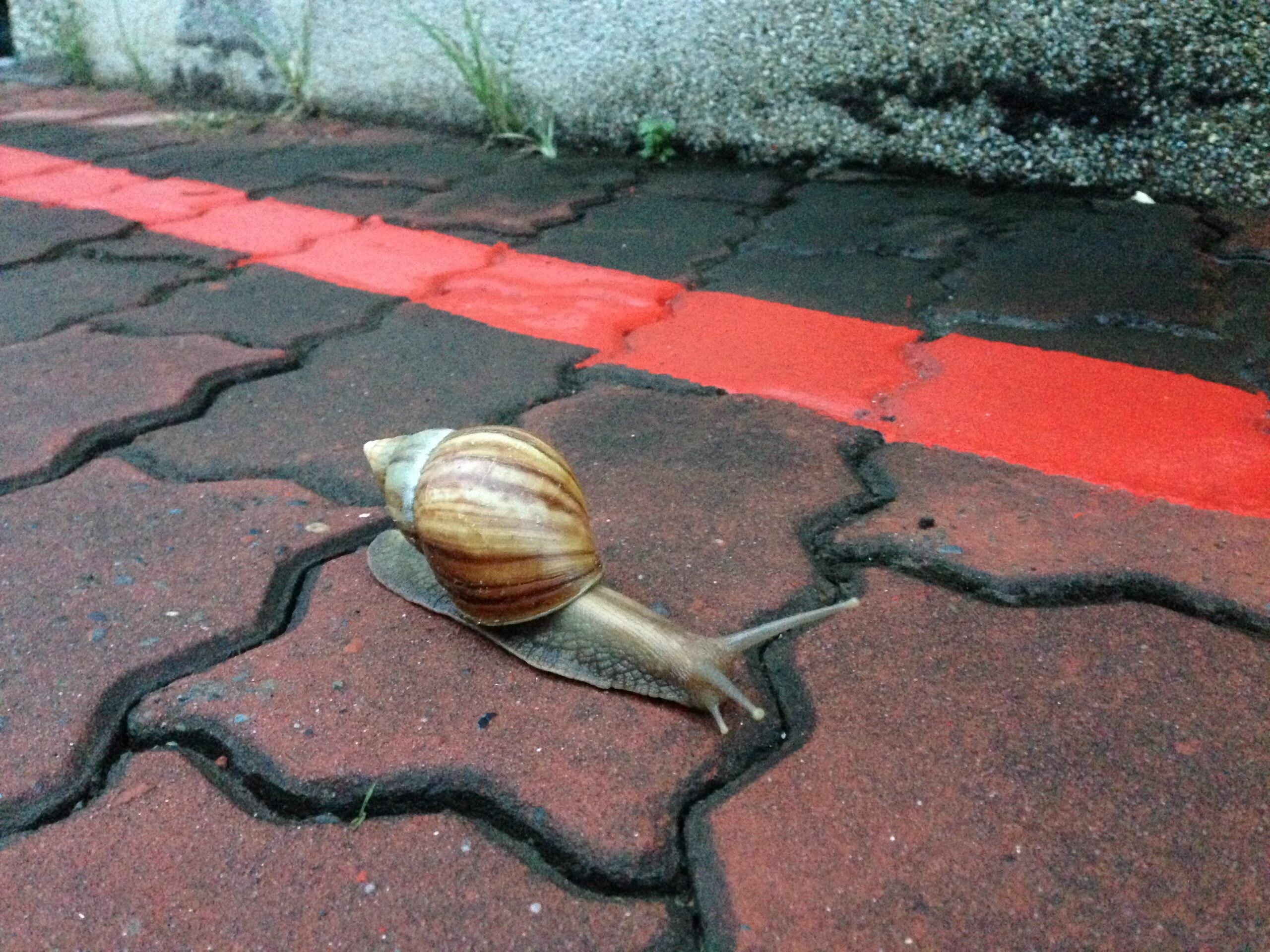 Photo Credit: Guanting886 / Wikimedia Commons
In the lush undergrowth of a vibrant garden, the garden snail, known scientifically as Helix aspersa, glides gracefully along a damp leaf. Its soft, squishy body is protected by a beautifully spiraled shell, which can range in color from earthy browns to soft yellows, creating a stunning contrast against the greenery. As the sun filters through the leaves, illuminating tiny droplets of dew, this humble mollusk embarks on its daily adventure, leaving behind a glistening trail of mucus that helps it move smoothly across the terrain.
What makes Helix aspersa so captivating to scientists and nature lovers alike is not just its charming appearance but also its remarkable adaptations. These snails are equipped with a specialized mouthpart called a radula, which acts like a tiny rasp, allowing them to scrape up bits of leaves and other plant materials. This unique feeding mechanism plays a crucial role in their ecosystem, as they help break down decaying plant matter, recycling nutrients back into the soil. With a history that stretches back over 500 million years, snails like Helix aspersa remind us of the intricate connections within nature and the vital roles even the smallest creatures play in maintaining the balance of life.
Snails are intriguing members of the animal kingdom, nestled within the vast and diverse tree of life. They belong to the Kingdom Animalia, which includes all animals, and are classified under the Phylum Mollusca. This phylum is home to soft-bodied animals, many of which have hard shells. Snails are particularly interesting because they belong to the Class Gastropoda, which means “stomach foot.” This name reflects their unique way of moving, as they glide along surfaces using a muscular foot located on their belly. Their slow, deliberate movements and spiral shells make them stand out in the animal world, showcasing the incredible variety of life forms that have evolved over millions of years.
| Taxonomic Rank | Scientific Name | Meaning & Significance |
|---|---|---|
| Kingdom | Animalia | This name means “animals” in Latin, highlighting the living organisms that are multicellular and capable of movement. |
| Phylum | Mollusca | Derived from the Latin word “mollis,” meaning “soft,” this name refers to the soft-bodied nature of these animals, many of which have shells. |
| Class | Gastropoda | This term comes from the Greek words “gastro,” meaning “stomach,” and “pous,” meaning “foot.” It describes how these animals move using their belly. |
| Order | Achatinoidea | This name is derived from the genus “Achatina,” which refers to a group of large land snails, emphasizing their size and terrestrial habitat. |
| Genus | Helix | From the Greek word for “spiral,” this name highlights the characteristic coiled shape of the snail’s shell. |
The classification of snails reveals a rich evolutionary history that connects them to a wide array of other mollusks, such as clams and octopuses. Their unique adaptations, like the coiled shell and the ability to retract into it for protection, showcase how they have evolved to thrive in various environments. Understanding where snails fit in the tree of life not only helps us appreciate their role in ecosystems but also highlights the intricate relationships among all living organisms. Each taxonomic rank tells a story of survival, adaptation, and the wonders of evolution that continue to shape the natural world around us.
The evolutionary journey of snails stretches back over 500 million years, making them one of the oldest groups of animals on Earth. These soft-bodied mollusks first appeared in the Cambrian period, a time when life was just beginning to flourish in the oceans. As the ages rolled on, snails adapted to various environments, evolving from their aquatic ancestors to conquer land, freshwater, and even some extreme habitats.
The earliest snails were simple creatures with a coiled shell, which provided protection from predators and harsh conditions. Over time, they underwent significant changes, developing more complex shells and specialized body structures. One major transition was the shift from a fully aquatic lifestyle to a terrestrial one, which required adaptations for breathing air and retaining moisture. This transition marked the beginning of a new chapter in their evolutionary saga, allowing them to thrive in diverse environments.
These evolutionary adaptations have been vital for snails’ survival across millions of years. The development of shells and lungs allowed them to escape aquatic environments and thrive on land, while moisture retention strategies helped them endure dry conditions. Their unique feeding mechanisms and reproductive strategies further enhanced their ability to adapt to changing environments, ensuring that snails continue to be a successful and diverse group in the animal kingdom today.
Snails are enchanting little beings that often go unnoticed in the hustle and bustle of nature. With their soft, squishy bodies and hard, spiraled shells, they present a delightful contrast. The shell, which serves as a protective fortress, can vary in size and color, making each snail a tiny work of art. Their bodies are generally elongated and slimy, gliding smoothly over surfaces thanks to a layer of mucus that helps them move and stay hydrated. This combination of features creates a captivating image of resilience and adaptability in the natural world.
| Feature | Description |
|---|---|
| Weight | Ranges from 0.01 kg to 18 kg (0.02 lbs to 40 lbs) |
| Skin Type | Covered by a hard shell that protects their soft body |
The interplay of a snail’s soft body and sturdy shell is a brilliant survival strategy. The shell not only shields them from predators but also helps retain moisture, which is crucial for their survival in various environments. When threatened, many snails can retreat into their shells, sealing themselves off from danger. This clever design allows them to thrive in diverse habitats, from lush gardens to rocky shores, showcasing nature’s ingenuity in crafting life forms that can endure and flourish.
Snails thrive in a variety of habitats, but they particularly love well-vegetated areas. Imagine a lush garden, where the sun filters through the leaves, and the ground is covered in soft, damp soil. This is the perfect playground for snails, who glide along the ground, munching on leaves and enjoying the moisture that helps keep their bodies hydrated. These gentle creatures can often be found hiding under rocks or nestled among the roots of plants, where they feel safe and secure.
Snails prefer climates that are moist and temperate, which means they thrive in areas that are neither too hot nor too cold. They need humidity to keep their bodies from drying out, so you’ll often find them in places where the air is filled with moisture, like after a rainstorm. These conditions help snails stay active and healthy, allowing them to move around and search for food without the risk of dehydration.
To survive in their chosen habitats, snails have developed some clever adaptations. Their soft bodies are protected by hard shells, which not only provide a safe retreat from predators but also help retain moisture. When the weather gets too dry, snails can seal themselves inside their shells, creating a barrier against the outside world. This ability to adapt to their environment ensures that snails can thrive in a variety of settings, from vibrant gardens to dense forests.
As the sun rises, a snail begins its day in a world that is both familiar and full of surprises. These slow-moving mollusks start their morning by gliding along damp surfaces, using a slimy trail of mucus to help them navigate. This mucus not only aids in movement but also protects their soft bodies from rough terrain. Snails are most active during the cooler parts of the day, especially in the early morning and late afternoon, when the humidity is high and the risk of drying out is low. They spend their time searching for food, which typically includes leaves, fruits, and decaying plant matter, all while avoiding potential predators.
Socially, snails are quite interesting. While they are not known for forming complex social structures like some animals, they do exhibit certain behaviors that suggest a level of interaction. Snails can often be found in groups, especially in areas rich in food. They communicate through chemical signals, releasing pheromones that can attract others to a food source or signal readiness to mate. This chemical communication is crucial for their survival, as it helps them find partners and resources in their environment.
| Behavior Type | Description |
|---|---|
| Activity Patterns | Snails are primarily nocturnal or crepuscular, meaning they are most active during the night or twilight hours. They prefer cooler, moist conditions to avoid dehydration. |
| Social Structure | While snails do not form complex social groups, they can be found in clusters, especially in areas with abundant food. This clustering can help them find mates and resources. |
| Communication Methods | Snails communicate using pheromones, which are chemical signals that can attract others to food sources or indicate readiness to mate. This form of communication is vital for their survival. |
In the grand tapestry of life, the behaviors of snails play a vital role in their survival. By being active during the right times and communicating effectively, they can find food and mates, ensuring their species continues to thrive. Their slow and steady approach to life may seem simple, but it is a well-adapted strategy that has allowed them to persist for millions of years. In a world that often rushes by, snails remind us of the beauty in taking things slow and the importance of connection, even in the smallest of creatures.
Snails are primarily herbivores, meaning they mainly eat plants. Their diet consists of a variety of plant materials, including leaves, fruits, and stems. Using a specialized mouthpart called a radula, which is like a tiny, rough tongue, snails scrape and tear their food into smaller pieces. This feeding behavior allows them to efficiently consume the soft tissues of plants, making the most of their surroundings.
| Dietary Aspect | Details |
|---|---|
| Diet Type | Herbivore |
| Favorite Foods | Leaves, fruits, and stems |
| Prey Items | Soft plant materials |
| Hunting/Foraging Strategies | Using a radula to scrape and tear food |
This plant-based diet plays a crucial role in the ecology of snails. By feeding on various plants, they help control plant growth and contribute to nutrient cycling in their habitats. As they move slowly through their environment, snails also leave behind a trail of nutrients, enriching the soil for other plants. Their daily routine revolves around foraging for food, which not only sustains them but also supports the delicate balance of their ecosystems.
When it comes to reproduction, snails have some interesting behaviors that make their mating rituals quite captivating. Most snails are hermaphrodites, which means they possess both male and female reproductive organs. During the breeding season, which often coincides with warmer, wetter months, snails engage in a courtship dance. This can involve a series of gentle touches and movements, as they seek to find a suitable partner. Once they mate, they can store sperm for later use, allowing them to fertilize their eggs at a more opportune time.
| Reproductive Aspect | Details |
|---|---|
| Gestation Period | 2 to 4 weeks |
| Litter Size | 200 eggs |
| Age of Maturity | 1 to 2 years |
| Name of Young | Hatchlings |
After laying their eggs, which are often deposited in moist soil or under leaves, the young snails, known as hatchlings, begin their journey into the world. These tiny snails emerge from their eggs fully formed, albeit much smaller than their adult counterparts. They do not receive parental care after hatching, but they are equipped with everything they need to survive. As they grow, they will gradually develop their shells and learn to navigate their environment, feeding on plants and exploring their surroundings. With time, they will mature into adults, continuing the cycle of life in the enchanting world of snails.
Snails play a vital role in the food web, serving as both grazers and prey. They munch on decaying plant matter, helping to recycle nutrients back into the soil. However, their soft bodies and slow movements make them easy targets for a variety of predators. In the grand scheme of nature, snails are a crucial link, supporting the diets of many animals while also contributing to the health of their ecosystems.
To survive these threats, snails have developed some clever defensive strategies. When danger approaches, they can retreat into their hard shells, which act like a fortress. Some species even produce a thick mucus that can deter predators or make them slippery and hard to grasp. Additionally, snails often choose to hide under leaves or in the soil during the day, emerging at night when it’s safer to feed. These adaptations help them navigate the challenges of their environment, ensuring they can continue their important role in nature.
A keystone species is a vital part of its ecosystem, meaning that its presence and activities have a significant impact on the environment and other living things. Snails can indeed qualify as a keystone species in certain habitats, particularly in well-vegetated areas. Their role is crucial because they help maintain the balance of their ecosystem through various interactions with plants and other animals.
One of the most important ways snails contribute to their environment is through their diet. As herbivores, they feed on a variety of plant materials, including leaves and decaying matter. This feeding behavior helps control plant growth, preventing any one species from dominating the landscape. By munching on dead and decaying plants, snails also play a key role in nutrient recycling. They break down organic matter, returning essential nutrients to the soil, which supports the growth of new plants.
Additionally, snails serve as a food source for many animals, including birds, small mammals, and even some reptiles. This makes them an integral part of the food web. Their presence supports a diverse range of predators, which rely on snails for sustenance. Without snails, these predators might struggle to find enough food, leading to a ripple effect throughout the ecosystem.
If snails were to disappear from their ecosystems, the consequences could be severe. Without these little mollusks, plant growth could become unbalanced, allowing certain species to overtake others. This could lead to a decline in plant diversity, which would affect the animals that depend on those plants for food and shelter. The entire food web could be disrupted, resulting in fewer predators and a less resilient ecosystem overall. In essence, snails may be small, but their impact is anything but insignificant.
Snails occupy a fascinating ecological niche, acting as both grazers and recyclers in their environments. These soft-bodied mollusks thrive in well-vegetated areas, where they play a crucial role in maintaining the health of their ecosystems. By feeding on decaying plant matter and living vegetation, snails help to break down organic material, returning vital nutrients to the soil. This process not only supports plant growth but also creates a rich habitat for other organisms, making snails essential players in the intricate web of life.
| Ecosystem Service | Impact |
|---|---|
| Nutrient Recycling | Break down organic matter, enriching the soil |
| Plant Grazing | Control plant growth, promoting biodiversity |
| Food Source | Provide sustenance for various predators |
| Soil Aeration | Help improve soil structure through movement |
For example, when snails munch on decaying leaves and other plant materials, they not only consume these resources but also help decompose them. This decomposition process releases nutrients back into the soil, making it richer and more fertile. Additionally, by grazing on certain plants, snails can prevent any one species from dominating an area, allowing a variety of plants to thrive. This balance is vital for maintaining diverse ecosystems, as it supports a wide range of other species that depend on these plants for food and shelter.
The broader ecological importance of snails cannot be overstated. As keystone species, their presence significantly influences the structure and function of their habitats. By recycling nutrients, controlling plant growth, and serving as a food source for many animals, snails help sustain the delicate balance of life in their ecosystems. Their slow, steady movements may seem unremarkable, but the impact they have on the environment is profound, reminding us that even the smallest creatures can play a big role in the natural world.
In the intricate web of life, snails engage in various partnerships with other species, showcasing the beauty of symbiosis. Symbiosis refers to the close and often long-term interactions between different biological species. These relationships can be mutualistic, where both parties benefit, parasitic, where one benefits at the other’s expense, or commensal, where one benefits while the other is neither helped nor harmed. Snails, with their gentle nature and essential roles in ecosystems, form fascinating connections that highlight the interconnectedness of life.
| Species/Type | Relationship Type | Description |
|---|---|---|
| Algae | Mutualistic | Snails feed on algae, which helps keep the algae population in check. In return, the snail’s movement can help disperse algae spores, promoting growth in new areas. |
| Fungi | Mutualistic | Some snails consume fungi, which can help break down organic matter. This process enriches the soil, benefiting both the snails and the plants that grow in that soil. |
| Parasites (like nematodes) | Parasitic | Certain nematodes can infect snails, drawing nutrients from them. This relationship can weaken the snail, but it allows the parasite to thrive. |
| Birds | Commensal | Birds may feed on snails, benefiting from the nutritious meal. The snails, however, are harmed in this relationship, as they become prey. |
These relationships have evolved over millions of years, shaped by the needs and adaptations of each species involved. Mutualistic partnerships, like those with algae and fungi, enhance the survival of snails while also supporting the health of their ecosystems. Parasitic relationships, while detrimental to the snails, illustrate the complex balance of nature, where every interaction plays a role in the grand tapestry of life. Understanding these connections helps us appreciate the delicate balance that sustains our natural world.
Snails may seem like simple creatures, but they are full of surprises that can captivate anyone interested in the natural world. These soft-bodied mollusks have some remarkable traits and behaviors that often go unnoticed.
Throughout history, snails have held a special place in human culture and cuisine. Ancient civilizations, such as the Romans, considered snails a delicacy, often serving them at lavish feasts. In various cultures, snails symbolize patience and perseverance due to their slow movement. They have also appeared in folklore and art, representing transformation and the passage of time. This long-standing relationship highlights how humans have not only interacted with snails but have also woven them into the fabric of our stories and traditions.
In modern times, our interactions with snails have evolved significantly. While some people still enjoy snails as a gourmet dish—think escargot in French cuisine—others are focused on conservation efforts. Many species of snails are threatened by habitat loss and pollution, prompting initiatives to protect their environments. However, conflicts can arise, especially in gardening and agriculture, where snails are often seen as pests that munch on crops. Interestingly, some people have even taken to domesticating certain snail species, keeping them as pets or using them in educational settings to teach about ecosystems and biology.
As we look to the future, the relationship between snails and humanity is likely to continue evolving. With increasing awareness of environmental issues, more people may appreciate the ecological roles that snails play. This could lead to greater efforts in conservation and sustainable practices. As we learn more about these fascinating creatures, we may find new ways to coexist, ensuring that snails remain a cherished part of our natural world for generations to come.
The conservation status of snails varies widely across different species, but many are currently classified as “Least Concern” by the International Union for Conservation of Nature (IUCN). This means that, overall, they are not facing immediate threats of extinction. However, population trends can differ significantly depending on the specific type of snail and its habitat. While some species are thriving, others may be experiencing declines due to environmental changes and human activities.
| Conservation Factor | Status/Details |
|---|---|
| IUCN Status | Least Concern |
| Population Estimates | Varies by species; many are stable |
| Trend Direction | Generally stable, but some species declining |
Despite their overall stable status, snails face several significant threats that can impact their populations. Habitat loss is a major concern, as urban development, agriculture, and deforestation can destroy the lush environments where snails thrive. Pollution from chemicals and waste can also harm their delicate ecosystems. Additionally, invasive species, which are non-native organisms that can disrupt local habitats, pose a risk by competing for resources or preying on native snails.
Conservation efforts are underway to protect various snail species and their habitats. Organizations and researchers are working to raise awareness about the importance of these mollusks in ecosystems. By promoting sustainable land use and reducing pollution, we can help ensure that snails continue to play their vital roles in nature. With ongoing efforts, the outlook for many snail species remains hopeful, as they adapt to changing environments and find ways to thrive alongside humans.
| Question | Answer |
|---|---|
| Where do snails live? | Snails are commonly found in well-vegetated areas, such as gardens, forests, and wetlands. They thrive in moist environments where they can easily find food and avoid drying out. |
| What do snails eat? | Snails are herbivores, which means they primarily eat plants. Their diet consists of leaves, flowers, and decaying plant matter, helping to recycle nutrients back into the soil. |
| How do snails move? | Snails move by gliding on a layer of mucus they produce, which helps reduce friction and protect their soft bodies. This movement is slow and deliberate, allowing them to navigate their surroundings carefully. |
| How do snails reproduce? | Most snails are hermaphrodites, meaning they have both male and female reproductive organs. They can mate with any other snail, and after mating, they lay eggs in moist soil or under leaves. |
| What are some threats to snails? | Snails face threats from habitat loss, pollution, and predators like birds and small mammals. Changes in climate can also affect their habitats, making it harder for them to survive. |
| Do snails have any interesting characteristics? | One fascinating feature of snails is their ability to produce a protective shell, which helps them stay safe from predators and harsh weather. Some species can even retract into their shells for added protection. |
| How long do snails live? | Snails can live for several years, with some species reaching up to 10 years or more in the right conditions. Their lifespan can vary greatly depending on their environment and the threats they face. |