Taxonomy & Classification
- Kingdom
- Animalia
- Phylum
- Chordata
- Class
- Aves
- Order
- Passeriformes
- Family
- Passeridae
- Genus
- Passer

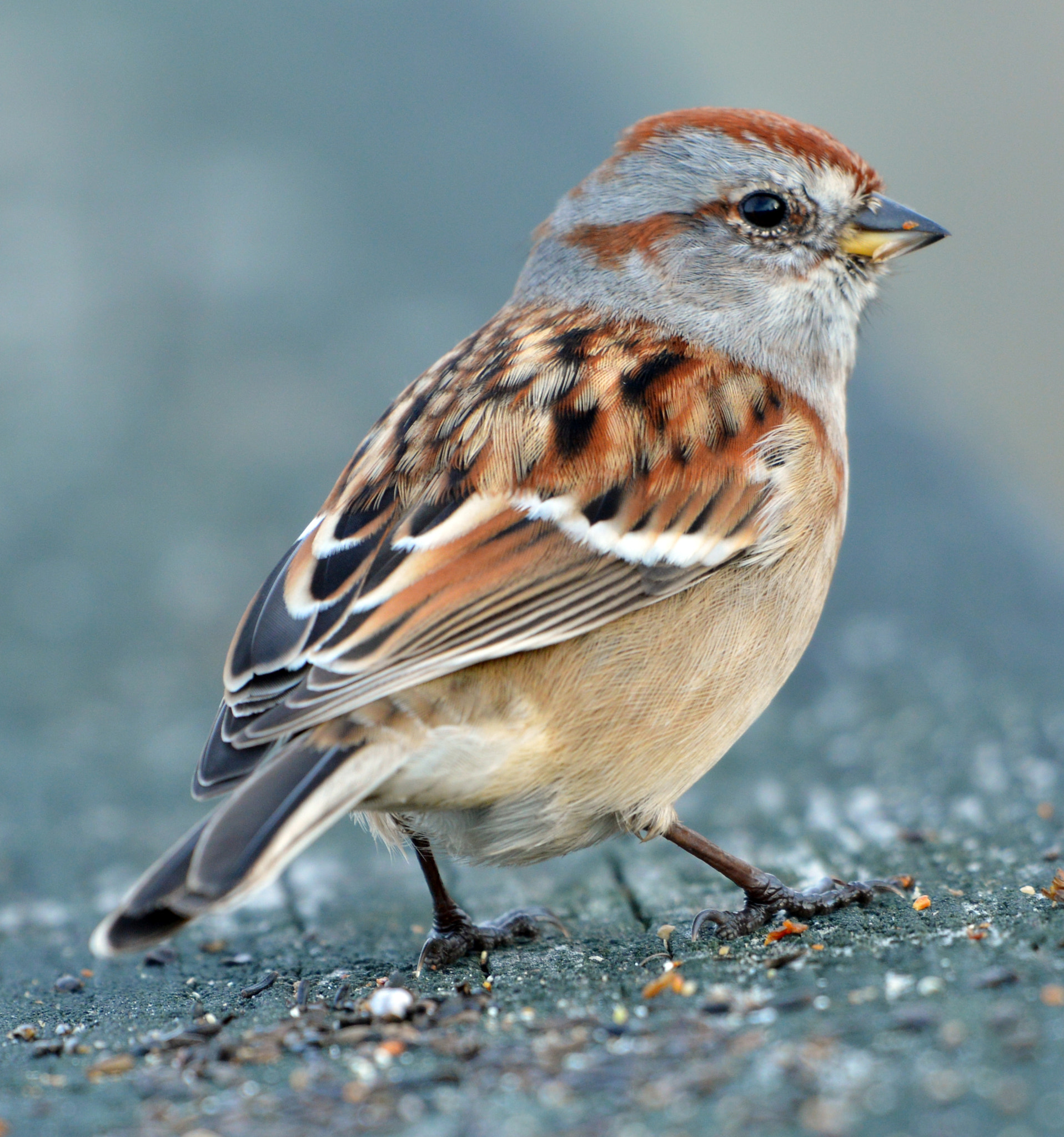 Photo Credit: Jocelyn Anderson / Wikimedia
In the heart of bustling gardens and sunlit parks, the sparrow, known scientifically as Passer domesticus, flits about with a lively spirit that captures the attention of all who observe. With its small, stout body and a cheerful, chirping song, this little bird is a familiar sight across many landscapes. Its feathers, often a blend of browns and grays, provide a perfect camouflage against the branches and leaves, allowing it to dart in and out of view as it searches for seeds and insects. This adaptability not only makes the sparrow a delightful companion in our outdoor spaces but also a subject of fascination for scientists and nature lovers alike.
Sparrows are more than just charming visitors; they play a crucial role in their ecosystems. These energetic birds are known for their social behavior, often seen in flocks, communicating with one another through a series of chirps and tweets. Their omnivorous diet, which includes everything from seeds to small insects, showcases their resourcefulness and ability to thrive in diverse environments. As we explore the world of sparrows, we will uncover their intriguing behaviors, their vital role in the food web, and the unique relationships they share with humans and other species. Join us on this adventure to discover why these small birds are not only a joy to watch but also essential to the balance of nature.
Sparrows are small, lively birds that hold a special place in the tree of life. They belong to the class Aves, which includes all birds, and are part of the order Passeriformes, often called perching birds or songbirds. This order is the largest among birds, showcasing a wide variety of species known for their vocal abilities and adaptability. Sparrows are particularly interesting because they have evolved to thrive in diverse environments, from urban areas to rural landscapes, making them a common sight around the world. Their social behavior, often seen in flocks, adds to their charm and makes them a favorite among birdwatchers and nature enthusiasts alike.
| Taxonomic Rank | Scientific Name | Meaning & Significance |
|---|---|---|
| Kingdom | Animalia | This name comes from the Latin word “animalis,” meaning “having breath” or “living.” It signifies all living organisms that are not plants or fungi, highlighting the diversity of life forms. |
| Phylum | Chordata | Derived from the Greek word “chordē,” meaning “string,” this name refers to animals that have a notochord, a flexible rod that supports the body. This group includes all vertebrates, like sparrows, which have a backbone. |
| Class | Aves | From the Latin word for “bird,” this classification encompasses all feathered creatures. It emphasizes the unique characteristics of birds, such as feathers, beaks, and the ability to lay eggs. |
| Order | Passeriformes | This name comes from the Latin “passer,” meaning “sparrow.” It highlights the order’s most well-known members, which are small, songbird-like species that are often seen perched on branches. |
| Family | Passeridae | Derived from the Latin “passer,” this family name refers specifically to sparrows. It underscores their close relationships and shared traits, such as their small size and social behavior. |
| Genus | Passer | This genus name also comes from the Latin word for “sparrow.” It reflects the common characteristics of these birds, including their stout bodies and short, conical beaks, perfect for seed-eating. |
The classification of sparrows reveals much about their evolutionary journey. As members of the Passeriformes order, they share a lineage with a vast array of songbirds, indicating a long history of adaptation and diversification. Their ability to thrive in various habitats showcases their resilience and flexibility, traits that have allowed them to flourish alongside humans. Understanding where sparrows fit in the tree of life not only highlights their biological significance but also connects us to the broader narrative of avian evolution, reminding us of the intricate web of life that surrounds us.
The evolutionary journey of sparrows stretches back millions of years, weaving through the rich tapestry of avian history. These small birds belong to the family Passeridae and the genus Passer, with their ancestors tracing their lineage to early birds that emerged during the late Cretaceous period, around 100 million years ago. As the world changed, so did these birds, adapting to new environments and challenges, leading to the diverse sparrow species we see today.
The ancestors of modern sparrows were likely small, insect-eating birds that thrived in the lush forests of the prehistoric world. Over time, as climates shifted and habitats transformed, these birds began to adapt to a variety of environments, from open grasslands to urban areas. One major transition was the development of a more robust beak, allowing them to crack seeds and grains, which became a staple in their diet. This adaptation was crucial as it enabled them to exploit new food sources, especially in changing landscapes where insects became less available.
Sparrows’ evolutionary adaptations have played a vital role in their survival. Their strong beaks allow them to access a wide range of food, while their social nature enhances their chances of finding resources and avoiding threats. As they adapted to urban life, sparrows demonstrated their resilience, thriving in environments shaped by human activity. These traits not only ensure their survival but also make them a beloved part of our everyday lives, reminding us of the intricate connections between nature and humanity.
Sparrows are charming little birds that often flit about in gardens and parks, bringing life to their surroundings. With their compact bodies and lively movements, they create an impression of energy and cheerfulness. Typically, they have a rounded shape, which helps them navigate through dense foliage with ease. Their small size, combined with a sturdy build, allows them to perch comfortably on branches or even on the ground, where they often forage for seeds and insects.
| Feature | Description |
|---|---|
| Weight | 13.4g – 42g (0.5oz – 1.5oz) |
| Skin Type | Feathers |
The combination of their lightweight bodies and soft feathers plays a crucial role in their survival. The feathers not only provide insulation, keeping them warm in cooler weather, but also help them fly swiftly and gracefully. Their small weight allows sparrows to dart quickly from one spot to another, evading predators and exploring their environment. Together, these features make sparrows agile and adaptable, perfectly suited for life in a variety of habitats.
Sparrows thrive in a variety of habitats, but they are particularly fond of the countryside and woodland areas. Imagine a sun-dappled forest where the trees sway gently in the breeze, and the ground is carpeted with soft grass and wildflowers. Here, sparrows flit from branch to branch, their cheerful chirps blending with the rustling leaves. They also enjoy open fields where they can forage for seeds and insects, making these vibrant landscapes their playgrounds.
Sparrows prefer climates that offer a mix of warmth and shelter. They thrive in areas with moderate temperatures, where they can find plenty of food and nesting sites. These birds are often found in regions that experience distinct seasons, allowing them to take advantage of the abundance of seeds and insects that come with spring and summer. They are adaptable and can handle a range of environmental conditions, from sunny meadows to shaded woodlands.
To make the most of their habitats, sparrows have developed clever adaptations. Their small size allows them to navigate through dense foliage, while their strong beaks are perfect for cracking open seeds. They are also social birds, often seen in flocks, which helps them find food more easily and stay safe from predators. By being versatile and resourceful, sparrows have carved out a niche in diverse environments, making them a common sight in many parts of the world.
Sparrows lead vibrant daily lives filled with activity and social interaction. As the sun rises, these energetic birds begin their day by foraging for food, hopping from branch to branch in search of seeds, insects, and other tasty morsels. Their agile movements allow them to navigate through trees and shrubs with ease. Throughout the day, sparrows engage in a variety of behaviors, from preening their feathers to keep them clean and waterproof, to singing cheerful songs that fill the air. As dusk approaches, they gather in their roosting spots, often in large groups, to rest and prepare for another busy day.
Social behavior is a cornerstone of sparrow life. These birds are known for their flocking tendencies, often seen in groups that can number in the hundreds. This social structure provides safety in numbers, as there is strength in a large group when it comes to avoiding predators. Sparrows communicate with each other through a series of chirps and calls, each sound conveying different messages. Whether it’s alerting others to danger or signaling the presence of food, their vocalizations play a crucial role in maintaining group cohesion and harmony.
| Behavior Type | Description |
|---|---|
| Foraging | Sparrows search for food in groups, often hopping around on the ground or flitting through bushes to find seeds and insects. |
| Social Structure | They live in flocks, which helps protect them from predators and allows for cooperative feeding. |
| Communication | Sparrows use a variety of chirps and calls to communicate, sharing information about food sources and potential threats. |
The behaviors of sparrows are not just charming; they are essential for survival. By foraging in flocks, they increase their chances of finding food and staying safe from predators. Their social interactions foster strong bonds within the group, ensuring that they can work together effectively. Through their lively communication, sparrows maintain a well-organized community that thrives in the wild. Each day is a testament to their adaptability and resilience, showcasing how these small birds navigate the challenges of their environment.
Sparrows are omnivores, which means they enjoy a varied diet that includes both plants and animals. These lively birds are known for their resourceful feeding behavior, often seen hopping around on the ground or flitting through bushes in search of tasty morsels. Their diet primarily consists of seeds, insects, and berries, allowing them to adapt to different environments and seasons. This flexibility in food choices helps them thrive in diverse habitats, from urban parks to rural fields.
| Dietary Aspect | Details |
|---|---|
| Diet Type | Omnivore |
| Favorite Foods | Seeds, berries, and insects |
| Prey Items | Small insects and larvae |
| Hunting/Foraging Strategies | Hopping on the ground, foraging in bushes, and sometimes foraging in flocks |
The diet of sparrows plays a crucial role in their ecology and daily routines. By consuming a mix of seeds and insects, they help control insect populations while also aiding in seed dispersal, which promotes plant growth. Their foraging habits not only keep them well-fed but also encourage social interactions, as they often search for food in groups. This lively behavior contributes to the vibrant ecosystems they inhabit, making sparrows an essential part of the natural world.
As spring arrives, sparrows engage in lively courtship rituals that set the stage for their breeding season. Males often sing sweet melodies to attract females, showcasing their vibrant personalities. Once a pair has formed, they work together to find a suitable nesting site, which can be in trees, shrubs, or even human-made structures. This cooperative spirit is essential for their success as they prepare to raise the next generation.
| Reproductive Aspect | Details |
|---|---|
| Gestation Period | Approximately 10 to 14 days |
| Litter Size | 3 to 6 eggs |
| Age of Maturity | About 1 year |
| Name of Young | Chicks |
Once the eggs hatch, both parents take on the important role of caring for their chicks. They tirelessly bring food, such as seeds and insects, to their hungry young. The chicks grow quickly, developing feathers and strength as they prepare to leave the nest. After about two weeks, they fledge, meaning they take their first flight. Even after leaving the nest, young sparrows often stay close to their parents, learning essential survival skills before they venture out on their own. This nurturing process helps ensure that the next generation of sparrows is ready to thrive in the world.
Sparrows play a vital role in the food web, acting as both prey and predator in their ecosystems. These small birds are a source of nourishment for various animals, while also helping to control insect populations and disperse seeds. Their presence indicates a healthy environment, but they face numerous dangers that threaten their survival.
To defend themselves against these threats, sparrows have developed several clever strategies. They often flock together, which makes it harder for predators to single out an individual bird. Their quick, agile flight allows them to dart away at a moment’s notice, while their ability to blend into their surroundings helps them avoid detection. Additionally, sparrows are known to use alarm calls to warn others of danger, showcasing their social nature and teamwork in the face of adversity. These survival tactics are essential for navigating the challenges of their environment.
A keystone species is an organism that has a disproportionately large impact on its environment relative to its abundance. This means that if a keystone species were to disappear, the entire ecosystem could change dramatically. Sparrows, with their lively presence and diverse roles, can indeed be considered a keystone species in many habitats, particularly in countryside and woodland areas.
Sparrows contribute to their ecosystems in several important ways. First, as omnivores, they help control insect populations by feeding on various bugs and larvae. This natural pest control is crucial for maintaining the balance of plant life, as too many insects can damage crops and other vegetation. Additionally, sparrows are known to disperse seeds, which aids in plant reproduction and helps maintain healthy plant communities. When they eat seeds and later excrete them, they effectively plant new vegetation, promoting biodiversity.
Moreover, sparrows serve as a food source for a variety of predators, including hawks and snakes. Their presence supports these higher-level predators, creating a balanced food web. Furthermore, sparrows are social birds that often gather in flocks, which can influence the behavior of other species in their vicinity. Their lively interactions can attract attention from other birds, leading to increased activity and diversity in the area.
If sparrows were to vanish from their ecosystems, the consequences could be severe. Without these birds, insect populations could surge, leading to potential damage to crops and native plants. The loss of seed dispersal would hinder plant reproduction, resulting in fewer plants and less biodiversity. Additionally, predators that rely on sparrows for food would struggle to find alternative sources, which could lead to declines in their populations as well. Overall, the disappearance of sparrows would create a ripple effect, disrupting the delicate balance of their ecosystems and diminishing the richness of the natural world.
Sparrows occupy a vital ecological niche, acting as both foragers and prey within their habitats. These small birds are often found in flocks, which allows them to communicate and work together while searching for food. Their presence in the countryside and woodlands contributes to the balance of these ecosystems, as they interact with various plants and animals. By feeding on seeds, insects, and other small organisms, sparrows help maintain the health of their environment, making them essential players in the natural world.
| Ecosystem Service | Impact |
|---|---|
| Seed Dispersal | Sparrows help spread seeds as they forage, promoting plant growth and diversity. |
| Pest Control | By eating insects, sparrows help keep pest populations in check, benefiting crops and gardens. |
| Food Source | Sparrows serve as prey for larger birds and mammals, supporting the food web. |
| Soil Aeration | As they scratch the ground for food, sparrows help aerate the soil, improving its quality. |
Sparrows influence their ecosystems in many specific ways. For instance, when they feed on seeds, they not only consume them but also inadvertently scatter them across the landscape. This behavior encourages the growth of new plants, which can lead to a more diverse habitat. Additionally, by controlling insect populations, sparrows help protect crops and gardens from potential damage. Their role as prey for larger predators, such as hawks and cats, further illustrates their importance in maintaining the balance of the food web.
The broader ecological importance of sparrows cannot be overstated. As keystone species, their presence supports a variety of other organisms, creating a ripple effect throughout their ecosystems. Without sparrows, the delicate balance of plant and animal life could be disrupted, leading to unforeseen consequences. By understanding and appreciating the role of sparrows, we can better recognize the interconnectedness of all living things and the importance of preserving their habitats for future generations.
In the intricate web of nature, sparrows engage in various partnerships with other species, showcasing the beauty of symbiosis. Symbiosis refers to the close interactions between different species, which can be beneficial, harmful, or neutral. These relationships can take many forms, such as mutualism, where both species gain advantages, parasitism, where one benefits at the other’s expense, and commensalism, where one species benefits while the other is neither helped nor harmed. Understanding these connections helps us appreciate the delicate balance of ecosystems and the roles that sparrows play within them.
| Species/Type | Relationship Type | Description |
|---|---|---|
| Ants | Mutualistic | Sparrows may benefit from ants by feeding on insects that the ants disturb while foraging, while ants can benefit from the sparrows’ droppings, which provide nutrients to the soil. |
| Ticks | Parasitic | Ticks can latch onto sparrows, feeding on their blood. This relationship can harm the sparrows by draining their energy and potentially spreading diseases. |
| Trees and shrubs | Commensal | Sparrows often nest in trees and shrubs, which provide shelter and safety. The trees are not affected by the sparrows’ presence, but the birds gain a secure place to raise their young. |
These relationships have evolved over time, shaped by the needs and behaviors of the species involved. Mutualistic partnerships, like those with ants, highlight how cooperation can lead to shared benefits, while parasitic relationships remind us of the challenges that come with survival. Commensal relationships, such as those with trees, illustrate how some species can thrive without impacting others. By understanding these connections, we can see how sparrows and their partners contribute to the health and diversity of their ecosystems, reminding us of the interconnectedness of all living things.
Sparrows are more than just cheerful little birds flitting about in our gardens; they have some surprising traits and behaviors that make them truly captivating. Here are a few intriguing facts that might just change the way you see these delightful creatures.
Sparrows have danced through the pages of human history for centuries, often symbolizing joy and freedom. In many cultures, these small birds have been celebrated in folklore and art, representing the beauty of nature and the simplicity of life. Ancient civilizations, from the Egyptians to the Chinese, revered sparrows, often associating them with good fortune and happiness. Their cheerful chirps and lively presence have made them a beloved part of our shared environment, reminding us of the connection between humanity and the natural world.
Today, our interactions with sparrows are a mix of admiration and challenge. As urban areas expand, sparrows have adapted remarkably well, often seen flitting around parks and gardens. However, this close proximity can lead to conflicts, especially when it comes to nesting in human structures or competing for food. Conservation efforts are underway in many regions to protect sparrow populations, as habitat loss and pollution threaten their numbers. Interestingly, some people have even taken to domestication, keeping sparrows as pets, which raises questions about the balance between wildness and companionship.
Looking ahead, the future of our relationship with sparrows will depend on our commitment to coexistence. As cities continue to grow, finding ways to create green spaces and protect natural habitats will be crucial. By fostering an environment where sparrows can thrive alongside us, we not only preserve their vibrant presence but also enrich our own lives. The cheerful chirps of sparrows remind us of the beauty of nature, urging us to cherish and protect the world we share.
Sparrows, with their cheerful chirps and lively antics, currently hold a conservation status of “Least Concern.” This means that, as a group, they are not facing immediate threats of extinction. In fact, their estimated global population is a staggering 1.6 billion individuals. While some local populations may experience fluctuations, the overall trend for sparrows remains stable, allowing them to thrive in various environments around the world.
| Conservation Factor | Status/Details |
|---|---|
| IUCN Status | Least Concern |
| Estimated Population Size | 1.6 billion |
| Population Trend | Stable |
Despite their overall stability, sparrows face several challenges that can impact their local populations. Habitat loss is a significant threat, as urbanization and agricultural expansion reduce the natural spaces where these birds thrive. Additionally, changes in climate can alter their food sources and nesting sites. Pesticides and other chemicals used in farming can also pose dangers, affecting their health and survival. These factors remind us that even common species like sparrows can be vulnerable in certain areas.
Conservation efforts are underway to ensure that sparrows continue to flourish. Many organizations are working to protect their habitats and promote sustainable farming practices that minimize pesticide use. Community initiatives, such as creating bird-friendly gardens, also play a crucial role in providing safe spaces for sparrows. With ongoing awareness and action, the outlook for these delightful birds remains positive, allowing future generations to enjoy their presence in our parks and backyards.
| Question | Answer |
|---|---|
| Where do sparrows live? | Sparrows are commonly found in the countryside and woodland areas. They thrive in environments where there are plenty of trees and shrubs for nesting and foraging. |
| What do sparrows eat? | Sparrows are omnivores, which means they eat a variety of foods. Their diet includes seeds, fruits, insects, and even small invertebrates, making them adaptable to different environments. |
| How do sparrows behave? | Sparrows are social birds that often gather in flocks. They are known for their cheerful chirping and lively movements, especially when foraging for food or interacting with each other. |
| How do sparrows reproduce? | Sparrows typically build their nests in shrubs or trees, where the female lays about 3 to 5 eggs. After about two weeks of incubation, the chicks hatch and are cared for by both parents until they can fly. |
| What threats do sparrows face? | While sparrows are currently classified as Least Concern, they still face threats from habitat loss and pollution. Urbanization can reduce their natural habitats, making it harder for them to find food and nesting sites. |
| What are some interesting characteristics of sparrows? | Sparrows are known for their adaptability and resilience. They can thrive in both rural and urban settings, and their cheerful songs are a familiar sound in many neighborhoods. |
| Can sparrows recognize each other? | Yes, sparrows can recognize individual members of their flock. They use vocalizations and visual cues to communicate and maintain social bonds within their groups. |