Taxonomy & Classification
- Kingdom
- Animalia
- Phylum
- Arthropoda
- Class
- Arachnida
- Order
- Araneae
- Family
- Araneidae
- Genus
- Araneus
- Species
- A. cavaticus

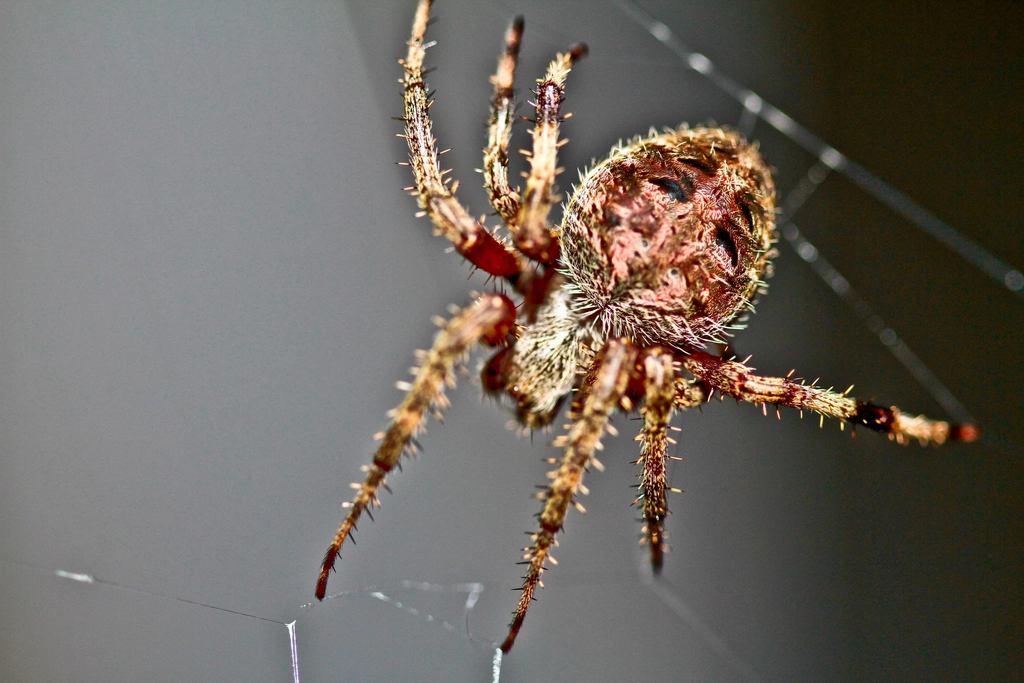 Photo Credit: Sergeant Matt Hecht / Rawpixel
In the quiet corners of our world, where the sun filters through dusty beams and the air is thick with the scent of hay, lives the Barn Spider, known scientifically as Araneus cavaticus. This remarkable arachnid spins its intricate webs in the nooks of barns and sheds, creating a delicate tapestry that glistens like jewels in the morning light. With its long, slender legs and a round, bulbous abdomen that can showcase a palette of colors, the Barn Spider is not just a master weaver but also a fascinating subject for scientists and nature lovers alike.
As dusk falls, the Barn Spider comes to life, showcasing its nocturnal hunting skills. It patiently waits in its web, ready to catch unsuspecting insects that wander too close. This spider plays a vital role in its ecosystem, helping to control insect populations while also serving as a food source for larger predators. The Barn Spider’s ability to adapt to various environments, from rural barns to urban gardens, makes it a resilient survivor. Join us as we explore the captivating world of Araneus cavaticus, uncovering its behaviors, life cycle, and the essential role it plays in the web of life around us.
The Barn Spider, scientifically known as Araneus cavaticus, holds a special place in the tree of life. It belongs to the kingdom Animalia, which includes all animals, and is part of the phylum Arthropoda, home to creatures with jointed legs and exoskeletons. This spider is classified under the class Arachnida, which encompasses spiders, scorpions, and ticks. What makes the Barn Spider particularly interesting is its ability to weave intricate webs that can catch prey with remarkable efficiency. These webs are not just beautiful; they are a testament to the spider’s evolutionary adaptations, allowing it to thrive in various environments, especially around human structures like barns and sheds.
| Taxonomic Rank | Scientific Name | Meaning & Significance |
|---|---|---|
| Kingdom | Animalia | This name means “animals” in Latin, highlighting the Barn Spider’s classification as a living organism that consumes organic material. |
| Phylum | Arthropoda | Derived from Greek, meaning “jointed feet,” this term refers to the spider’s segmented body and jointed legs, which are key features of this group. |
| Class | Arachnida | This name comes from the Greek word for “spider,” emphasizing the Barn Spider’s identity within the larger group of eight-legged creatures. |
| Order | Araneae | Also from Latin, this term simply means “spider,” indicating the specific group of arachnids that produce silk and webs. |
| Family | Araneidae | This family name is derived from the Latin word for “spider,” and it includes many orb-weaving spiders known for their wheel-shaped webs. |
| Genus | Araneus | This name comes from the Latin word for “spider,” and it is used to classify a diverse group of orb-weaving spiders, including the Barn Spider. |
Understanding the Barn Spider’s classification reveals much about its evolutionary journey. As a member of the Araneidae family, it shares traits with other orb-weaving spiders, showcasing a long history of adaptation to various habitats. The ability to spin complex webs has allowed these spiders to become successful predators, capturing insects with ease. This evolutionary path highlights not only the Barn Spider’s unique adaptations but also its role in the ecosystem, where it helps control insect populations. By studying its place in the tree of life, we gain insight into the intricate connections that bind all living organisms together.
The evolutionary journey of the Barn Spider, or Araneus cavaticus, stretches back millions of years, intertwining with the history of spiders themselves. Spiders first appeared around 400 million years ago, during the Silurian period. Over time, they evolved into a diverse group, adapting to various environments and developing unique hunting strategies. The Barn Spider, a member of the Araneidae family, showcases the remarkable adaptations that have allowed it to thrive in human-altered landscapes.
The ancestors of modern spiders were simple, web-less hunters that relied on ambush tactics. As they evolved, they developed silk-spinning abilities, which opened up new avenues for survival. This transition allowed spiders to create webs for trapping prey, providing a steady food source. The Barn Spider’s lineage continued to adapt, leading to the development of orb-shaped webs, which are not only efficient for catching flying insects but also serve as a protective shelter. These webs are a testament to the evolutionary ingenuity of spiders, allowing them to occupy niches in both rural and urban settings.
These adaptations have been crucial for the Barn Spider’s survival. The ability to spin silk not only aids in capturing food but also provides a safe haven for their young. Their orb-shaped webs are efficient traps, ensuring they can catch enough prey to sustain themselves. The coloration and size variations allow them to evade predators while maximizing their hunting potential. By thriving in human habitats, Barn Spiders have demonstrated their resilience and adaptability, making them a common yet fascinating part of our world.
The Barn Spider is a captivating sight, with its long, slender legs and robust body that can evoke both awe and curiosity. This spider typically has a round, bulbous abdomen that can vary in color, often showcasing shades of brown, yellow, or even orange. Its eight long legs stretch out gracefully, giving it a delicate yet sturdy appearance. When you spot one, it might be resting in its intricate web, which is a masterpiece of engineering, designed to catch unsuspecting prey.
| Feature | Description |
|---|---|
| Size | About 1 to 2 inches in body length, with a leg span that can reach up to 4 inches. |
| Color | Typically brown or yellow, with patterns that can include stripes or spots for camouflage. |
| Skin Type | Covered in fine hairs that help with sensory perception and grip. |
| Legs | Eight long legs that are strong and agile, allowing for quick movements. |
These features work together to create a highly effective predator. The Barn Spider’s coloration helps it blend into its surroundings, making it less visible to both prey and potential threats. Its long legs are not just for show; they enable the spider to navigate its web with ease and pounce on unsuspecting insects. The fine hairs on its body enhance its ability to sense vibrations, alerting it to the presence of prey or danger. Together, these adaptations make the Barn Spider a skilled hunter in its barn or garden habitat.
The Barn Spider, known scientifically as Araneus cavaticus, thrives in a variety of environments that often reflect its name. Picture a cozy barn or an old shed, where the air is filled with the scent of hay and wood. These spiders weave their intricate webs in dark corners, taking advantage of the quiet spaces that provide both shelter and hunting grounds. They are also found in gardens, fields, and even forests, where they can find plenty of insects to feast on.
Barn Spiders prefer environments that offer a mix of humidity and warmth. They thrive in areas where temperatures are moderate, typically between 60°F and 80°F (15°C to 27°C). These spiders are often found in places that provide some level of moisture, as it helps them maintain their webs and attract prey. They are not fans of extreme cold or dry conditions, which can make it difficult for them to survive and hunt effectively.
To adapt to their chosen habitats, Barn Spiders have developed several clever strategies. Their ability to spin strong, sticky webs allows them to catch a variety of flying insects, which are abundant in their preferred environments. The dark, secluded spaces they inhabit help protect them from predators and harsh weather. Additionally, their coloration often blends in with the surroundings, making it easier for them to remain unnoticed while waiting for their next meal. This combination of skills and adaptations makes the Barn Spider a successful resident of both rural and suburban landscapes.
The Barn Spider, or Araneus cavaticus, leads a life that is both intriguing and essential to its ecosystem. As a nocturnal hunter, it comes alive when the sun sets, weaving intricate webs that glisten in the moonlight. Each night, it meticulously spins its web, a delicate yet strong structure designed to catch unsuspecting prey. This spider’s daily activities revolve around hunting, repairing its web, and resting during the day, all while avoiding potential predators.
While Barn Spiders are primarily solitary creatures, they do share their environment with others of their kind. They tend to keep their distance from one another, as competition for food can be fierce. However, they may occasionally cross paths, especially in areas rich in resources. Communication among Barn Spiders is subtle; they rely on vibrations in their webs to signal their presence or alert others to danger. This quiet interaction helps them maintain their solitary lifestyle while still being aware of their surroundings.
| Behavior Type | Description |
|---|---|
| Activity Patterns | Nocturnal hunting, web spinning, and daytime resting. |
| Social Structure | Primarily solitary, with occasional interactions in resource-rich areas. |
| Communication Methods | Vibrations in webs to signal presence or alert to danger. |
The behaviors of the Barn Spider are finely tuned to ensure its survival in a world filled with challenges. By being nocturnal, it avoids many daytime predators while taking advantage of the cover of darkness to hunt. Its solitary nature allows it to minimize competition for food, and the ability to communicate through web vibrations keeps it alert to threats. Together, these behaviors create a well-adapted spider that thrives in its environment, playing a vital role in controlling insect populations.
The Barn Spider, or Araneus cavaticus, is a carnivore, which means it primarily eats other animals. This spider has a taste for a variety of insects, making it a skilled predator in its environment. It uses its remarkable web-building abilities to catch its meals, creating intricate, sticky webs that trap unsuspecting insects. When a bug flies into the web, the Barn Spider quickly senses the vibrations and rushes to subdue its prey, ensuring a fresh meal for itself.
| Dietary Aspect | Details |
|---|---|
| Diet Type | Carnivore |
| Favorite Foods | Various insects |
| Prey Items | Flies, moths, beetles, and other small insects |
| Hunting/Foraging Strategies | Web-building to trap prey; quick response to vibrations in the web |
The diet of the Barn Spider plays a crucial role in its ecological niche. By preying on insects, it helps control their populations, contributing to a balanced ecosystem. This spider’s daily routine revolves around web maintenance and hunting, showcasing its adaptability and importance in the food web. As it captures insects, the Barn Spider not only feeds itself but also supports the health of its environment, making it a vital player in the natural world.
When it comes to the Barn Spider’s mating rituals, the scene is set during the warm months of late summer and early fall. Males, smaller than females, engage in a dance of sorts to attract a mate. They perform elaborate courtship displays, which may include vibrations and movements to signal their readiness. Once a female is receptive, she will mate with the male, and this union is crucial for the continuation of their species. After mating, the female prepares to lay her eggs, a process that is both fascinating and vital for the survival of her young.
| Reproductive Aspect | Details |
|---|---|
| Gestation Period | Approximately 2 weeks |
| Litter Size | Up to 1,000 eggs |
| Age of Maturity | About 1 year |
| Name of Young | Spiderlings |
After the eggs are laid, the female Barn Spider carefully encases them in a silk sac, providing a protective home for her future spiderlings. This sac is often hidden in a safe spot, ensuring that the eggs are shielded from predators and harsh weather. Once the spiderlings hatch, they emerge from the sac and begin their journey into the world. These tiny, delicate creatures will grow and develop, eventually maturing into adult Barn Spiders. The process of growing up is filled with challenges, but with the right conditions, they will thrive and continue the cycle of life, weaving their webs and contributing to the ecosystem.
The Barn Spider, or Araneus cavaticus, plays a vital role in the food web, acting as both predator and prey. This spider helps control insect populations by capturing various bugs in its intricate webs. However, it is also a target for many animals that rely on it as a food source. Understanding the dangers it faces is crucial to appreciating its place in the ecosystem.
To survive these threats, Barn Spiders have developed several clever strategies. They often build their webs in sheltered locations, like the corners of barns or under eaves, to avoid detection by predators. When threatened, they can quickly drop from their webs and hide among the foliage or debris below. Additionally, their ability to blend into their surroundings helps them evade larger animals. By using these defensive behaviors, Barn Spiders can navigate the challenges of their environment and continue to thrive.
A keystone species is an organism that has a disproportionately large impact on its environment relative to its abundance. In simpler terms, if you remove a keystone species from an ecosystem, it can cause significant changes or even collapse. The Barn Spider, known scientifically as Araneus cavaticus, does not fit the classic definition of a keystone species, but it plays an important role in its habitat, particularly in controlling insect populations.
The Barn Spider is a skilled predator, primarily feeding on a variety of insects. By capturing these bugs in its intricate webs, it helps maintain a balance in the ecosystem. For example, without the Barn Spider, populations of certain insects could explode, leading to overgrazing of plants and disrupting the food chain. This spider’s web acts as a trap, not just for its meals, but also for other small creatures, which can help control their numbers as well.
Moreover, the Barn Spider contributes to nutrient cycling. When it captures and consumes insects, it breaks down their bodies, returning nutrients to the soil through its waste. This process enriches the environment, promoting plant growth and supporting other wildlife. Additionally, the Barn Spider serves as a food source for various birds and small mammals, linking it to other species in the food web.
If the Barn Spider were to disappear, the effects could ripple through its ecosystem. Insect populations could surge, leading to increased competition for food among other species. This could result in the decline of plants that rely on a balanced insect population for pollination and pest control. Ultimately, the absence of the Barn Spider could disrupt the delicate balance of life in its habitat, showcasing how even the smallest creatures can have a big impact on the world around us.
The Barn Spider, known scientifically as Araneus cavaticus, plays a crucial role in its ecosystem, acting as both a predator and a prey. This spider thrives in environments like barns, sheds, and gardens, where it weaves intricate webs to catch its food. By doing so, it helps maintain the balance of insect populations, ensuring that no single species becomes too dominant. This balance is essential for the health of the entire ecosystem, as it allows various plants and animals to thrive.
| Ecosystem Service | Impact |
|---|---|
| Insect Population Control | Reduces the number of pests that can damage crops and spread disease. |
| Food Source | Serves as a meal for birds and other predators, supporting the food web. |
| Soil Health | Contributes to nutrient cycling by breaking down organic matter through predation. |
| Pollination Support | Indirectly aids pollinators by controlling pest populations that compete for resources. |
The Barn Spider’s influence can be seen in various ways. For instance, by preying on insects like flies and mosquitoes, it helps keep these populations in check, which is especially important in agricultural areas. Farmers often benefit from having Barn Spiders around, as they reduce the need for chemical pest control. Additionally, the webs they spin can catch not only food but also dust and debris, helping to keep the environment clean. This spider’s nocturnal lifestyle means it is active at night, weaving its webs and hunting when many other predators are resting.
The broader ecological importance of the Barn Spider cannot be overstated. As a keystone species, its presence supports a diverse range of life forms, from the insects it preys upon to the birds that feed on it. By maintaining the balance of its ecosystem, the Barn Spider helps ensure that various species can coexist and thrive. This interconnectedness highlights the delicate web of life in which every organism, no matter how small, plays a vital role. Understanding and appreciating these relationships can inspire us to protect the natural world around us.
In the intricate web of life, symbiosis refers to the close interactions between different species, which can take many forms. These relationships can be mutualistic, where both species benefit, parasitic, where one benefits at the other’s expense, or commensal, where one benefits while the other is neither helped nor harmed. The Barn Spider, or Araneus cavaticus, engages in various ecological relationships that highlight the complexity of nature and the interconnectedness of all living things.
| Species/Type | Relationship Type | Description |
|---|---|---|
| Insects (prey) | Mutualistic | The Barn Spider captures insects in its web, benefiting from a food source while helping control insect populations. |
| Birds (predators) | Parasitic | Some birds may prey on Barn Spiders, benefiting from an easy meal while the spider suffers. |
| Fungi (decomposers) | Commensal | Fungi growing near spider webs can benefit from the nutrients in the decaying insects caught in the web, while the spider is unaffected. |
These relationships have evolved over time, shaped by the needs and survival strategies of each species involved. The Barn Spider’s role as a predator helps maintain balance in its ecosystem, while its interactions with other organisms illustrate the delicate dance of life. By understanding these connections, we can appreciate how each species, including the Barn Spider, contributes to the health and stability of its environment.
The Barn Spider, or Araneus cavaticus, is a captivating creature that often goes unnoticed in our everyday lives. With its impressive web-spinning skills and intriguing behaviors, this spider has much to teach us about the natural world.
The Barn Spider, or Araneus cavaticus, has woven its way into human history and culture for centuries. Often found in barns, sheds, and gardens, this spider has been both feared and revered. In many cultures, spiders symbolize creativity and patience, thanks to their intricate webs. Folklore often portrays them as guardians of the home, believed to bring good luck or protect against pests. However, their appearance can also spark fear, as many people are wary of spiders in general. This duality in perception highlights the complex relationship between humans and these eight-legged wonders.
Today, our interactions with Barn Spiders are shaped by a mix of conservation efforts and conflicts. While some people appreciate their role in controlling insect populations, others may see them as unwelcome guests in their homes. In agricultural settings, Barn Spiders can be beneficial, helping to keep crop-damaging pests at bay. However, when they invade living spaces, they can provoke fear and lead to extermination efforts. Interestingly, some communities are beginning to recognize the ecological importance of these spiders, advocating for their protection rather than removal. This shift reflects a growing understanding of biodiversity and the need to coexist with all creatures, even those that may seem intimidating.
As we look to the future, the relationship between Barn Spiders and humanity is poised for evolution. With increasing awareness of environmental issues, more people are likely to appreciate the vital role these spiders play in our ecosystems. Education and outreach can help demystify these creatures, transforming fear into fascination. By fostering a sense of stewardship, we can ensure that Barn Spiders continue to thrive alongside us, weaving their webs in harmony with the world we share.
The Barn Spider, known scientifically as Araneus cavaticus, currently holds a conservation status of “Least Concern.” This means that, overall, the species is not facing any immediate threat of extinction. Population trends suggest that Barn Spiders are stable, thriving in various habitats, particularly in rural areas where barns and sheds provide ideal environments for their webs. Their adaptability to different settings has allowed them to maintain a healthy presence across many regions.
| Conservation Factor | Status/Details |
|---|---|
| IUCN Status | Least Concern |
| Population Estimates | Stable |
| Trend Direction | Stable |
Despite their stable status, Barn Spiders face several threats that could impact their populations in the future. Habitat loss is a significant concern, as agricultural practices and urban development can destroy the barns and sheds where they thrive. Pesticides used in farming can also pose a danger, as these chemicals can kill not only pests but also the spiders that help control those pest populations. Additionally, climate change may alter their habitats, affecting their food sources and breeding patterns.
Conservation efforts for the Barn Spider are not as prominent as they are for more endangered species, but awareness of their ecological role is growing. By promoting practices that protect their habitats, such as reducing pesticide use and preserving old structures, we can help ensure that these fascinating spiders continue to thrive. The outlook for the Barn Spider remains positive, as long as we remain mindful of the environments they depend on and the delicate balance of their ecosystems.
| Question | Answer |
|---|---|
| What is the habitat of a Barn Spider? | Barn Spiders are commonly found in rural areas, especially in and around barns, sheds, and other outbuildings. They prefer places that provide shelter and plenty of insects to catch, making these structures ideal homes. |
| What do Barn Spiders eat? | Barn Spiders are carnivores, meaning they primarily eat other animals. Their diet mainly consists of insects, such as flies and moths, which they catch in their webs. |
| How do Barn Spiders behave? | Barn Spiders are known for their unique web-building skills. They create large, spiral-shaped webs that can be quite intricate, and they often stay hidden in the center of their webs, waiting for prey to get caught. |
| How do Barn Spiders reproduce? | During the mating season, male Barn Spiders will seek out females to mate with. After mating, the female lays hundreds of eggs in a silk sac, which she protects until the young spiders hatch. |
| What threats do Barn Spiders face? | While Barn Spiders are currently classified as Least Concern, they can face threats from habitat destruction and pesticide use. These factors can reduce their food supply and living spaces. |
| What is an interesting characteristic of Barn Spiders? | One of the most distinctive features of Barn Spiders is their long, slender legs, which can make them look quite impressive. These legs help them navigate their webs and catch prey effectively. |
| Are Barn Spiders dangerous to humans? | Barn Spiders are not considered dangerous to humans. While they can bite if threatened, their venom is not harmful, and they generally prefer to avoid contact with people. |