Taxonomy & Classification
- Kingdom
- Animalia
- Phylum
- Mollusca
- Class
- Cephalopoda
- Order
- Teuthida
- Family
- Oegopsina
- Genus
- Loligo
- Species
- Teuthida

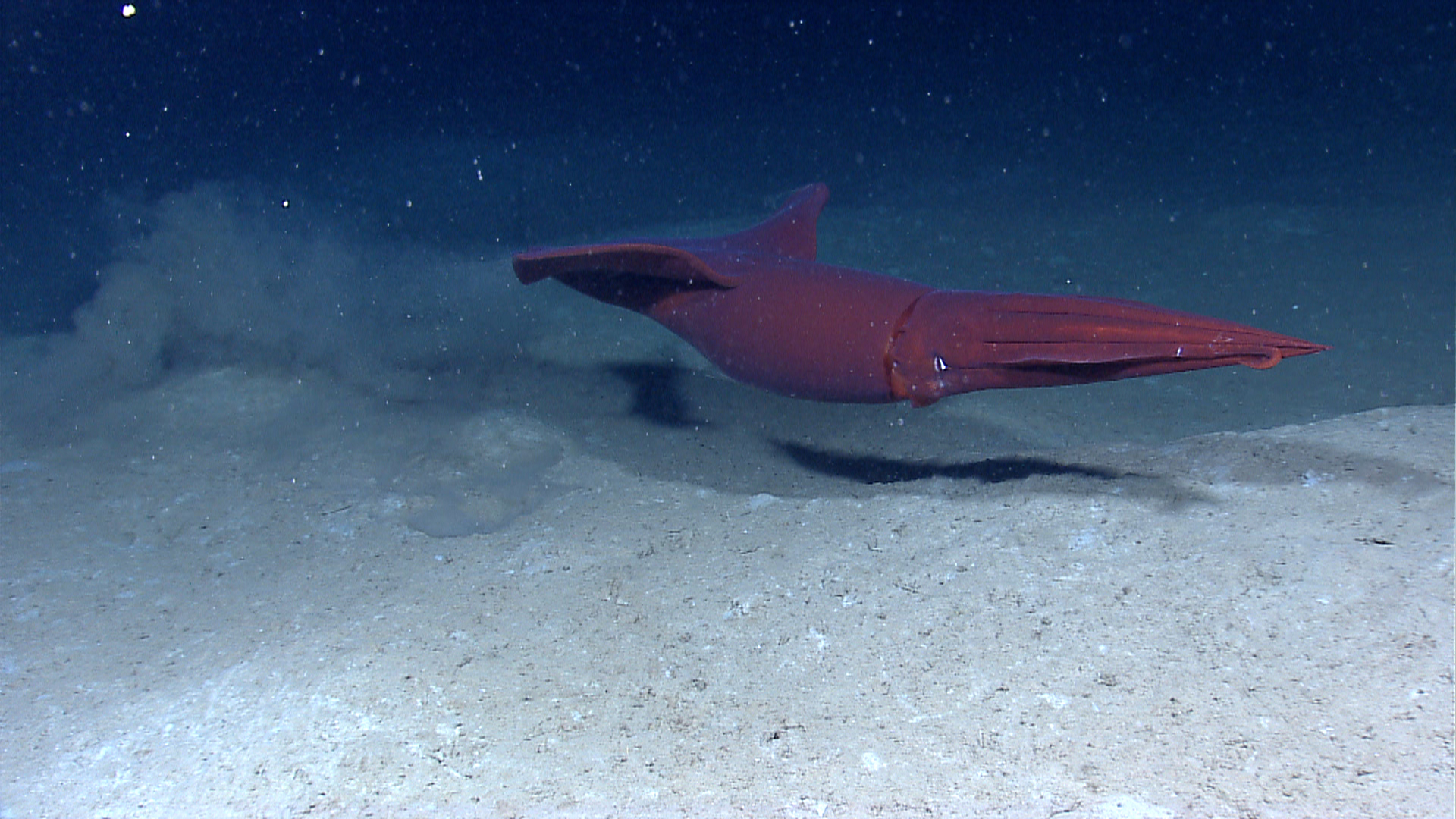 Photo Credit: NOAA Photo Library / Wikimedia
In the shimmering depths of the ocean, the squid, known scientifically as Cephalopoda, glides through the water with an elegance that captivates all who encounter it. With its elongated body and a crown of tentacles, this remarkable creature is a master of disguise, capable of changing colors and patterns in the blink of an eye. Imagine a vibrant underwater world where sunlight dances on the waves, illuminating the squid’s iridescent skin as it weaves through coral reefs and rocky crevices, hunting for its next meal.
What makes the squid so intriguing to scientists and nature lovers alike is not just its stunning appearance but also its incredible intelligence and adaptability. Equipped with a complex nervous system, squid exhibit behaviors that hint at a level of problem-solving and communication rarely seen in the animal kingdom. As they dart through their oceanic realm, they employ sophisticated hunting techniques, using their keen eyesight and agile movements to capture fish and crustaceans. This blend of beauty and brains makes the squid a fascinating subject of study, revealing secrets about life in the deep and the intricate relationships that define marine ecosystems. Join us as we dive deeper into the world of squid, exploring their unique adaptations, behaviors, and the vital role they play in the ocean’s delicate balance.
Squid are intriguing members of the animal kingdom, sitting within the phylum Mollusca, which includes snails, clams, and octopuses. What sets squid apart is their advanced nervous system and remarkable adaptability. They belong to the class Cephalopoda, which means “head-foot,” highlighting their unique body structure where the head is directly connected to their muscular foot, allowing for incredible movement and agility in the water. With their ability to change color and texture, squid are not just masters of disguise but also highly intelligent creatures, showcasing behaviors that hint at a complex social life.
| Taxonomic Rank | Scientific Name | Meaning & Significance |
|---|---|---|
| Kingdom | Animalia | This name comes from the Latin word for “animal,” emphasizing that squid are multicellular organisms that can move and respond to their environment. |
| Phylum | Mollusca | Derived from the Latin “mollis,” meaning “soft,” this name reflects the soft-bodied nature of squid and their relatives, which lack a backbone. |
| Class | Cephalopoda | This term means “head-foot,” highlighting the squid’s unique anatomy where the head is fused with the foot, allowing for swift swimming and agile movements. |
| Order | Teuthida | From the Greek word “teuthis,” meaning “squid,” this name directly connects to the animal itself, emphasizing its identity within the cephalopod family. |
| Family | Oegopsina | This name is derived from Greek, meaning “to see,” which relates to the squid’s excellent vision, a crucial adaptation for hunting and evading predators. |
| Genus | Loligo | The name “Loligo” is thought to come from the Greek word for “small,” possibly referring to the size of some species within this genus. |
Understanding where squid fit in the tree of life reveals much about their evolutionary journey. As cephalopods, they share a common ancestor with other mollusks, but their adaptations for life in the ocean—like their sophisticated nervous systems and ability to camouflage—show how they have evolved to thrive in diverse marine environments. This classification not only highlights their biological uniqueness but also underscores the incredible diversity of life forms that have emerged over millions of years, each with its own story to tell.
The evolutionary journey of squid stretches back over 500 million years, tracing their origins to ancient marine environments. These fascinating animals belong to the class Cephalopoda, which also includes octopuses and cuttlefish. The story of squid is one of adaptation and survival, showcasing how they have evolved through various geological epochs to become the agile and intelligent creatures we see today.
Squid are descendants of early mollusks that first appeared in the Cambrian period. These ancestral forms were simple and shelled, resembling modern-day nautiluses. Over time, as the oceans changed, so did the squid. They transitioned from having external shells to developing a more streamlined body, which allowed for greater mobility in the water. This shift was crucial as it enabled them to escape predators and hunt more effectively. The evolution of their complex nervous system also marked a significant leap, granting them advanced behaviors and problem-solving skills.
These evolutionary adaptations have been vital for the survival of squid in a dynamic and often perilous marine environment. Their ability to move swiftly, blend into their surroundings, and exhibit intelligent behaviors has allowed them to thrive in diverse habitats, from shallow coastal waters to the deep sea. As they continue to adapt, squid remain a testament to the wonders of evolution and the intricate dance of life in our oceans.
Squid are captivating denizens of the deep, showcasing a body structure that is both streamlined and versatile. Their elongated forms allow them to glide gracefully through the water, while their soft, smooth skin glistens under the ocean’s light. With a variety of sizes, from the petite to the colossal, these animals can weigh anywhere from a mere 0.3 kilograms to an astonishing 500 kilograms. Their bodies are equipped with eight arms and two longer tentacles, all lined with sensitive suckers that help them grasp prey and navigate their underwater world.
| Feature | Description |
|---|---|
| Size | 0.3 to 500 kg (0.6 to 1,102 lbs) |
| Skin Type | Smooth |
The combination of their sleek bodies and smooth skin not only aids in swift movement but also helps them evade predators. The squid’s unique anatomy, including their powerful jet propulsion system, allows them to shoot through the water with incredible speed. This agility, paired with their ability to change color and texture, makes them masters of disguise in the ocean’s depths. Together, these features create a perfect blend of form and function, enabling squid to thrive in a world filled with both challenges and opportunities.
Squid thrive in the vast, mysterious oceans, often found in cooler and temperate waters. Picture a world beneath the waves, where sunlight filters down, creating a shimmering dance of light and shadow. Here, squid dart through the depths, navigating rocky reefs and open seas. They inhabit a variety of underwater landscapes, from the bustling coastal areas to the deep, dark abyss, showcasing their adaptability to different marine environments.
In these habitats, squid prefer waters that are not too warm, as they thrive in cooler temperatures. The ideal environment for them includes a mix of nutrient-rich waters, which support the diverse marine life they feed on. These conditions often feature a balance of salinity, or saltiness, and oxygen levels that allow squid to flourish. They are also found at various depths, from shallow coastal regions to the deeper parts of the ocean, where they can find both food and safety from predators.
To survive in these diverse habitats, squid have developed several fascinating adaptations. Their ability to change color and texture helps them blend into their surroundings, making them masters of camouflage. This skill not only protects them from predators but also aids in hunting. Additionally, their streamlined bodies allow for swift movement, enabling them to escape threats and catch prey with remarkable agility. These adaptations make squid not just survivors, but also skilled hunters in the ever-changing ocean environment.
Squid lead a life that is both dynamic and intriguing, filled with a variety of daily activities. As they glide through the ocean, they engage in hunting, resting, and exploring their surroundings. Squid are primarily nocturnal, meaning they are most active at night when they hunt for food. Their diet mainly consists of fish, crustaceans, and other small marine creatures, which they capture using their long, agile tentacles. During the day, they often find a cozy spot to rest, camouflaging themselves against the ocean floor to avoid predators.
While squid are generally solitary animals, they do exhibit interesting social behaviors during certain times, especially when it comes to mating. During the breeding season, males and females come together, displaying vibrant color changes to attract partners. These color shifts are not just for show; they also communicate mood and intentions. Squid can even engage in complex displays, using their skin to flash different colors and patterns, which can signal everything from aggression to courtship.
| Behavior Type | Description |
|---|---|
| Hunting | Squid use their keen eyesight and quick movements to catch prey, often employing stealth and speed. |
| Resting | During the day, squid find hiding spots on the ocean floor, blending in with their surroundings to avoid predators. |
| Mating Displays | During breeding season, squid change colors and patterns to attract mates and communicate with each other. |
| Communication | Squid use color changes and body language to express emotions and intentions, especially during social interactions. |
The behaviors of squid are finely tuned to ensure their survival in the vast ocean. Their ability to camouflage helps them evade predators, while their hunting skills allow them to secure food efficiently. The social interactions during mating not only facilitate reproduction but also strengthen their species’ resilience. By adapting their behaviors to their environment, squid continue to thrive in the ever-changing underwater world.
Squid are carnivorous hunters, meaning they primarily eat other animals. Their diet mainly consists of fish, crabs, and shrimp, which they skillfully capture using their remarkable hunting techniques. Squid are equipped with specialized arms and tentacles that help them snatch their prey with incredible speed and precision. This makes them efficient predators in the underwater world, where they often rely on stealth and quick movements to ambush unsuspecting meals.
| Dietary Aspect | Details |
|---|---|
| Diet Type | Carnivore |
| Favorite Foods | Fish, Crabs, Shrimp |
| Prey Items | Small fish, crustaceans |
| Hunting/Foraging Strategies | Ambush predators using speed and camouflage |
The diet of squid plays a crucial role in their ecology and daily routines. By preying on various marine animals, they help maintain the balance of ocean ecosystems. Their hunting habits also influence the populations of their prey, ensuring that no single species dominates the underwater landscape. As they hunt, squid must constantly adapt to their environment, using their intelligence and agility to thrive in the ever-changing ocean. This dynamic relationship with their food sources shapes not only their survival but also the intricate web of life beneath the waves.
When it comes to reproduction, squid have some fascinating behaviors that vary among species. During the breeding season, which often coincides with warmer months, male squid engage in elaborate courtship displays to attract females. These displays can include color changes and intricate movements, showcasing their health and vitality. Once a male successfully courts a female, he transfers sperm packets, called spermatophores, into her body. After fertilization, the female lays her eggs in clusters, often attaching them to underwater structures or vegetation, creating a safe haven for the developing young.
| Reproductive Aspect | Details |
|---|---|
| Gestation Period | Varies by species, typically a few weeks to several months |
| Litter Size | Average of 5 |
| Age of Maturity | Usually 1 to 2 years |
| Name of Young | Fry |
Once the eggs hatch, the young squid, known as fry, are on their own from the very beginning. They are miniature versions of adults, equipped with the skills they need to survive in the ocean. As they grow, they undergo several stages of development, gradually maturing into fully grown squid. Interestingly, squid do not provide parental care after laying their eggs, which means the fry must rely on their instincts and natural camouflage to evade predators. This independence is crucial for their survival in the vast and often perilous ocean environment.
Squid play a crucial role in the ocean’s food web, acting as both predators and prey. These agile hunters feast on fish, crustaceans, and other marine life, while also serving as a vital food source for larger animals. Their position in this intricate web highlights the balance of marine ecosystems, where every creature has a part to play.
To survive against these formidable threats, squid have developed a range of clever defensive behaviors. One of their most impressive tactics is their ability to change color and texture, blending seamlessly into their surroundings to avoid detection. Additionally, many squid can release a cloud of ink, creating a smokescreen that allows them to escape from predators. With their speed and agility, they can dart away quickly, making it difficult for attackers to catch them. These survival strategies showcase the squid’s adaptability in the ever-changing ocean environment.
A keystone species is an organism that has a disproportionately large impact on its environment relative to its abundance. In simpler terms, if you remove a keystone species from an ecosystem, it can cause significant changes, often leading to the collapse of that ecosystem. Squid, with their vital role in marine food webs, certainly qualify as a keystone species. Their presence influences the populations of various marine animals, making them essential for maintaining the balance of their underwater habitats.
Squid are not just fascinating hunters; they are also crucial players in the ocean’s intricate food web. As carnivores, they primarily feast on fish, crabs, and shrimp, which helps regulate these populations. For instance, when squid are abundant, they can keep the numbers of smaller fish in check, preventing overpopulation that could lead to resource depletion. Conversely, squid themselves are a primary food source for larger predators, such as seals, dolphins, and even some species of fish. This dual role as both predator and prey highlights their importance in maintaining the balance of marine life.
Moreover, squid contribute to nutrient cycling in their ecosystems. When they hunt and consume prey, they help transfer energy from lower trophic levels (like small fish and crustaceans) to higher ones (like larger fish and marine mammals). Their waste products also enrich the surrounding waters, providing essential nutrients that support the growth of phytoplankton, the foundation of the oceanic food web. This interconnectedness illustrates how squid help sustain the health of their marine environments.
If squid were to disappear from their ecosystems, the consequences would be profound. Without these agile hunters, populations of smaller fish and crustaceans could explode, leading to overgrazing of essential marine plants and phytoplankton. This imbalance could trigger a domino effect, ultimately threatening the survival of larger predators that rely on squid as a food source. The entire marine ecosystem would face instability, highlighting just how crucial squid are to the health and balance of ocean life.
Squid occupy a vital ecological niche in the ocean, acting as both predators and prey within their marine environments. These fascinating animals are carnivorous, meaning they primarily hunt and consume other marine creatures. By doing so, they help regulate populations of fish and crustaceans, maintaining a balance in the ecosystem. Their presence influences the dynamics of the food web, showcasing their importance in the intricate relationships that define ocean life.
| Ecosystem Service | Impact |
|---|---|
| Predation | Controls populations of smaller fish and crustaceans, preventing overpopulation. |
| Prey for larger species | Serves as a crucial food source for marine mammals, birds, and larger fish. |
| Nutrient cycling | Contributes to nutrient cycling through their waste, enriching the ocean environment. |
| Habitat structure | Influences the structure of marine habitats by their hunting patterns and movements. |
Squid have a profound influence on their surroundings, particularly through their role as predators. For instance, when squid hunt smaller fish and crustaceans, they help keep these populations in check. This predation prevents any one species from dominating the ecosystem, which could lead to imbalances. Additionally, squid themselves are a key food source for larger marine animals, such as seals and sharks. This dual role highlights their importance in maintaining the health of oceanic food webs.
The broader ecological importance of squid cannot be overstated. As a keystone species, their presence or absence can significantly alter the dynamics of their ecosystems. By regulating prey populations and serving as a food source for larger predators, squid help sustain the delicate balance of marine life. Their contributions to nutrient cycling also support the growth of various organisms, from tiny plankton to massive whales. In essence, squid are not just fascinating creatures; they are essential players in the grand tapestry of ocean ecosystems.
In the intricate web of life beneath the ocean’s surface, symbiosis plays a crucial role in shaping the relationships between different species. Symbiosis refers to the close interactions between organisms, which can be beneficial, harmful, or neutral. These ecological relationships can be classified into three main types: mutualism, where both species benefit; parasitism, where one species benefits at the expense of the other; and commensalism, where one species benefits while the other is neither helped nor harmed. Squid, with their remarkable adaptability and intelligence, engage in various partnerships that highlight the complexity of marine ecosystems.
| Species/Type | Relationship Type | Description |
|---|---|---|
| Cleaner Wrasse | Mutualistic | Cleaner wrasses eat parasites and dead skin off squid, helping to keep them healthy while gaining a meal. |
| Remora Fish | Commensal | Remoras attach themselves to squid, benefiting from transportation and scraps of food without affecting the squid. |
| Parasitic Worms | Parasitic | Some worms can invade squid, feeding on their tissues and draining nutrients, which can harm the squid. |
These relationships have evolved over time, shaped by the needs and survival strategies of the species involved. Mutualistic partnerships, like that of the cleaner wrasse and squid, enhance the health of both parties, while commensal relationships allow species like remoras to thrive without causing harm. On the other hand, parasitic interactions remind us of the darker side of nature, where one species can exploit another. Understanding these connections not only reveals the beauty of cooperation in the animal kingdom but also highlights the delicate balance that sustains marine ecosystems.
Squid are truly remarkable animals that inhabit the depths of our oceans, showcasing a variety of surprising traits and behaviors. These fascinating creatures are not just masters of camouflage; they have a wealth of secrets waiting to be discovered.
Throughout history, squid have captivated human imagination and culture. Ancient mariners often spoke of giant squids, weaving tales of monstrous sea creatures that could drag ships beneath the waves. In many cultures, squid symbolize mystery and the unknown, appearing in folklore and art. The Japanese have a long-standing tradition of consuming squid, celebrating it in festivals and cuisine. This cultural significance highlights not only the squid’s role in human stories but also its importance as a food source, linking humanity to the ocean’s depths.
Today, our interactions with squid are multifaceted, ranging from culinary practices to conservation efforts. As overfishing threatens many squid populations, scientists and environmentalists are working to promote sustainable fishing practices. This means catching squid in a way that allows their numbers to recover and thrive. Additionally, researchers are studying squid for their unique biological properties, such as their ability to change color and texture, which could inspire advancements in technology and medicine. However, conflicts arise as commercial fishing often prioritizes profit over ecological balance, leading to debates about how best to manage these vital marine resources.
Looking ahead, the relationship between squid and humanity is poised for evolution. As we deepen our understanding of these remarkable creatures, we must balance our needs with the health of marine ecosystems. By embracing sustainable practices and fostering a sense of stewardship for the oceans, we can ensure that future generations will continue to marvel at squid and their vital role in our world. The journey of discovery is just beginning, and with it comes the promise of a more harmonious coexistence.
The conservation status of squid is currently classified as “Least Concern” by the International Union for Conservation of Nature (IUCN). This means that, overall, squid populations are stable and not facing immediate threats of extinction. However, it’s important to note that specific species may experience different population trends based on their habitats and environmental conditions. As we explore the oceans, we find that while some squid thrive, others may be struggling due to various factors.
| Conservation Factor | Status/Details |
|---|---|
| IUCN Status | Least Concern |
| Population Estimates | Varies by species; many are stable |
| Trend Direction | Generally stable, but some species may decline |
Despite their overall stable status, squid face several significant threats that could impact their populations in the future. Overfishing is a major concern, as these agile animals are often caught for food, bait, and even for use in aquariums. Additionally, climate change poses a serious risk, altering ocean temperatures and affecting the availability of prey. Pollution, particularly plastic waste, can also harm squid by contaminating their habitats and food sources. These challenges highlight the need for ongoing monitoring and conservation efforts.
Conservation initiatives are underway to ensure the health of squid populations and their ecosystems. Sustainable fishing practices are being promoted to help maintain balanced marine environments. Researchers are also studying squid behavior and habitats to better understand their needs and vulnerabilities. By raising awareness about the importance of squid in ocean ecosystems, we can foster a greater appreciation for these fascinating animals and work together to protect their future. The outlook remains hopeful, but continued efforts are essential to safeguard these remarkable creatures and the intricate web of life they support.
| Question | Answer |
|---|---|
| Where do squids live? | Squids are found in cooler and temperate waters around the world. They inhabit both deep ocean environments and shallower coastal areas, making them quite adaptable to different marine habitats. |
| What do squids eat? | Squids are carnivores, meaning they primarily eat other animals. Their diet consists of fish, crustaceans, and even other squids, using their sharp beaks to catch and consume their prey. |
| How do squids behave? | Squids are known for their intelligence and complex behaviors. They can communicate with each other using color changes and body language, and they are also skilled swimmers, using jet propulsion to move quickly through the water. |
| How do squids reproduce? | Squids have a fascinating reproductive process. Males often perform elaborate courtship displays to attract females, and after mating, females lay thousands of eggs, which they protect until they hatch. |
| What threats do squids face? | While squids are currently classified as "Least Concern" in terms of conservation status, they still face threats from overfishing and habitat destruction. Climate change also poses risks by altering their habitats and food sources. |
| What are some interesting characteristics of squids? | Squids have unique features like their ability to change color and texture, which helps them blend into their surroundings. They also have three hearts and blue blood, which is quite unusual in the animal kingdom! |
| Can squids defend themselves? | Yes, squids have several defense mechanisms. They can release a cloud of ink to confuse predators and escape, and some species can also change color to camouflage themselves against the ocean floor. |