Taxonomy & Classification
- Kingdom
- Animalia
- Phylum
- Chordata
- Class
- Aves
- Order
- Passeriformes
- Family
- Turdidae
- Genus
- Turdus

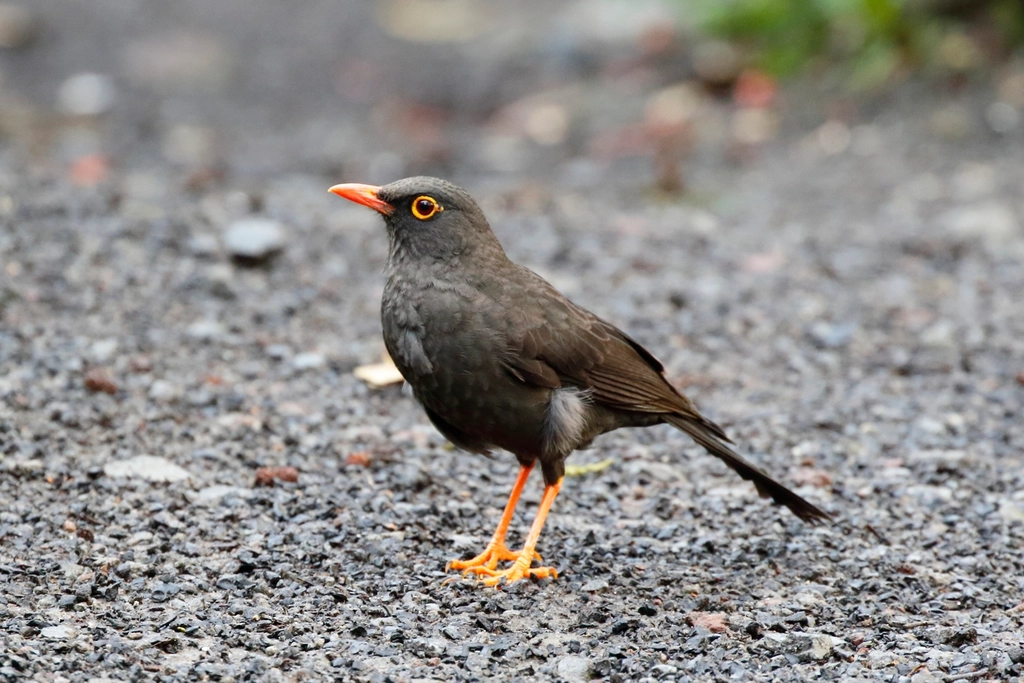 Photo Credit: Rawpixel
In the heart of a sun-drenched woodland, the thrush, known scientifically as Turdidae, flits gracefully among the branches, its soft, melodic song echoing through the trees. With its sleek body and speckled chest, this charming bird captures the attention of anyone lucky enough to spot it. Thrushes are not just beautiful; they are also skilled foragers, using their sharp beaks and keen eyesight to hunt for insects and berries hidden beneath the leaves. Their vibrant presence and enchanting tunes make them a favorite among birdwatchers and nature enthusiasts alike.
As the sun rises, the thrush begins its day with a symphony of calls, each note a testament to its vitality and spirit. These birds are known for their adaptability, thriving in diverse habitats from lush forests to suburban gardens. Scientists are particularly fascinated by their role in the ecosystem, as they help control insect populations and disperse seeds, contributing to the health of their environment. With a rich evolutionary history and a vital role in nature, the thrush invites us to explore the wonders of the natural world, reminding us of the beauty and complexity of life all around us.
The thrush is a captivating member of the animal kingdom, nestled within the vast and intricate tree of life. Taxonomically, it belongs to the Kingdom Animalia, which includes all animals, and is classified under the Phylum Chordata, known for creatures with a backbone. Thrushes are part of the Class Aves, which encompasses all birds, and they fall under the Order Passeriformes, often referred to as perching birds. This order is notable for its diverse species and complex vocalizations. Thrushes belong to the Family Turdidae, which is characterized by their melodious songs and often spotted plumage. The Genus Turdus includes many species of thrushes, each with its own unique traits, but all share a common ancestry that highlights their evolutionary journey.
| Taxonomic Rank | Scientific Name | Meaning & Significance |
|---|---|---|
| Kingdom | Animalia | The name comes from the Latin word “animalis,” meaning “having breath” or “living.” This reflects the vital, breathing nature of all animals. |
| Phylum | Chordata | Derived from the Greek word “chordē,” meaning “string,” this name refers to the notochord, a flexible rod that supports the body in all chordates during some stage of development. |
| Class | Aves | From the Latin word for “bird,” this classification highlights the defining features of birds, such as feathers and beaks, which are essential for flight and feeding. |
| Order | Passeriformes | This name comes from the Latin “passer,” meaning “sparrow.” It signifies the small, perching birds that are often social and vocal, like thrushes. |
| Family | Turdidae | Named after the Latin word “turdus,” which means “thrush,” this family is recognized for its songbirds that often have beautiful melodies and varied plumage. |
| Genus | Turdus | This genus name is directly derived from the Latin term for thrush, emphasizing the common characteristics shared among these birds, such as their size and song. |
The classification of thrushes reveals a rich evolutionary history that connects them to a wide array of birds. Their position within the Order Passeriformes indicates that they are part of a lineage that has adapted to diverse environments and developed complex social behaviors. The melodious songs of thrushes not only serve as a means of communication but also play a crucial role in attracting mates and establishing territory. Understanding their taxonomic position helps us appreciate the intricate web of life and the evolutionary processes that have shaped these enchanting birds over millions of years.
The evolutionary journey of the thrush, a member of the Turdidae family, stretches back millions of years, weaving through the tapestry of avian history. These birds, known for their melodious songs and vibrant plumage, have adapted to a variety of environments across the globe. Their lineage can be traced to the early ancestors of modern birds, which emerged during the late Cretaceous period, around 66 million years ago, following the extinction of the dinosaurs.
Ancestral forms of thrushes likely resembled small, insect-eating birds that thrived in lush, forested habitats. Over time, these early birds underwent significant changes, adapting to different ecological niches. One major transition occurred as they developed stronger legs and more robust bodies, allowing them to forage effectively on the ground. This adaptation was crucial for their survival, as it enabled them to exploit a wider range of food sources, from insects to berries. As the climate changed and forests evolved, thrushes diversified, leading to the emergence of various species that inhabit diverse environments, from dense woodlands to open fields.
These adaptations have been essential for the thrush’s survival in a changing world. Their melodious songs not only attract mates but also help establish territories, ensuring they can find enough food and space to thrive. The ability to eat a diverse diet means they can take advantage of seasonal food sources, while their ground foraging skills allow them to navigate their environments with agility. Together, these traits have helped thrushes flourish in various ecosystems, showcasing the incredible power of evolution in shaping life on Earth.
The thrush is a delightful sight, embodying a blend of grace and charm. With a body that is both streamlined and robust, these birds are built for agility. Their size varies, but they generally weigh between 0.74 to 6.2 ounces, making them light enough to flit through trees and bushes with ease. Their feathers, soft and often adorned with intricate patterns, provide not only beauty but also essential insulation against the elements.
| Feature | Description |
|---|---|
| Size | Weighs between 0.74 to 6.2 ounces, allowing for nimble movement. |
| Color | Feathers can range from earthy browns to vibrant hues, often with speckles or spots. |
| Skin Type | Covered in soft feathers that provide warmth and camouflage. |
| Most Distinctive Feature | Known for their melodious songs, which are a key part of their communication. |
These physical traits work together beautifully to enhance the thrush’s survival. Their lightweight bodies allow for quick escapes from predators, while their colorful feathers help them blend into their surroundings, making it harder for hungry eyes to spot them. The enchanting songs they produce not only attract mates but also serve as a way to establish territory, ensuring they can thrive in their chosen habitats. In the world of thrushes, every feature plays a vital role in the dance of life.
The thrush finds its home in a variety of enchanting environments, each offering a unique blend of shelter and resources. Picture a sun-dappled woodland, where tall trees stretch their limbs toward the sky, creating a leafy canopy. Beneath this green roof, the forest floor is alive with the rustle of leaves and the soft calls of other wildlife. Thrushes also thrive in parks and backyards, where they can hop about in the grass, searching for tasty insects and berries. These adaptable birds are equally at ease in the heart of a bustling city as they are in the tranquility of a remote forest.
Thrushes prefer climates that offer a mix of mild temperatures and seasonal changes. They thrive in areas where the weather is not too extreme, allowing them to forage for food and build nests. These birds enjoy habitats that provide plenty of cover, such as dense shrubs and trees, which help protect them from predators. The presence of water sources, like streams or ponds, is also beneficial, as it attracts insects and other food sources that thrushes love to eat.
To flourish in their diverse habitats, thrushes have developed several clever adaptations. Their strong legs and agile bodies allow them to hop and flit through underbrush with ease, while their keen eyesight helps them spot food hidden among leaves and grass. Their melodious songs not only attract mates but also serve to establish territory, ensuring they have a safe space to raise their young. With their ability to thrive in both natural and urban settings, thrushes remind us of the beauty and resilience of wildlife in our ever-changing world.
Thrushes lead vibrant lives filled with daily activities that reflect their adaptability and resourcefulness. As dawn breaks, these birds awaken to the soft glow of morning light, often starting their day with a melodious song that fills the air. This singing serves multiple purposes: it marks their territory, attracts potential mates, and communicates with other thrushes. Throughout the day, they engage in a variety of tasks, from foraging for insects and berries to preening their feathers, ensuring they remain in top condition. Thrushes are also known for their playful behavior, often seen hopping around on the ground or flitting between branches in search of food.
Socially, thrushes exhibit fascinating group dynamics. While they can be solitary, especially during the breeding season, they often gather in small flocks outside of this time. These flocks provide safety in numbers, allowing thrushes to keep an eye out for predators. Communication is key in these groups, with a range of calls and songs that help maintain social bonds and alert others to danger. Young thrushes learn from their parents and peers, picking up essential survival skills through observation and imitation. This social structure not only enhances their chances of survival but also enriches their daily experiences.
| Behavior Type | Description |
|---|---|
| Foraging | Thrushes search for insects, fruits, and seeds, using their keen eyesight and agile movements to find food. |
| Territorial Singing | They sing to establish territory and attract mates, with each species having its own distinct song. |
| Social Flocking | Outside of breeding season, thrushes often form small flocks for safety and social interaction. |
| Communication | They use a variety of calls and songs to communicate with each other, alerting to danger or signaling their presence. |
| Parental Care | Adult thrushes teach their young essential survival skills, such as foraging and recognizing threats. |
Thrushes’ daily behaviors are not just charming; they are vital for their survival. By foraging effectively, they ensure they have enough energy to thrive. Their social structures provide safety and learning opportunities, while their communication skills help them navigate their environment. Each song and call plays a role in maintaining their community, allowing them to respond quickly to threats. In this way, the thrush’s daily life is a beautiful dance of survival, cooperation, and adaptation in the ever-changing tapestry of nature.
Thrushes are omnivores, which means they enjoy a varied diet that includes both plants and animals. These birds are particularly skilled at foraging, using their keen eyesight and sharp beaks to hunt for food. They often search through leaf litter, pecking at the ground to uncover hidden treasures like insects and worms. Thrushes are also known to eat fruits and berries, making them versatile feeders that adapt their diet based on the season and availability of food sources.
| Dietary Aspect | Details |
|---|---|
| Diet Type | Omnivore |
| Favorite Foods | Fruits, berries, insects, worms, snails, and spiders |
| Prey Items | Insects, worms, snails, and spiders |
| Hunting/Foraging Strategies | Forages on the ground, pecks through leaf litter, and searches for food in bushes and trees |
This diverse diet plays a crucial role in the thrush’s ecology and daily routine. By consuming a wide range of foods, thrushes help control insect populations and disperse seeds from the fruits they eat. This not only benefits their own survival but also supports the health of their habitats. Their foraging behavior keeps them active and engaged throughout the day, as they explore their surroundings in search of the next meal.
As spring arrives, thrushes engage in a lively courtship ritual that sets the stage for their breeding season. Males often sing melodious tunes to attract females, showcasing their health and vitality. This enchanting display not only helps them find a mate but also establishes their territory. Once paired, the female thrush will begin the nesting process, typically laying her eggs in a cozy, concealed spot among shrubs or trees. The breeding season varies by species and location, but it generally peaks in late spring to early summer, when food is abundant and conditions are favorable for raising young.
| Reproductive Aspect | Details |
|---|---|
| Gestation Period | Approximately 12 to 14 days |
| Litter Size | 3 to 5 eggs |
| Age of Maturity | 6 to 12 months |
| Name of Young | Chicks |
After the eggs hatch, both parents play a crucial role in caring for their chicks. The young thrushes are born blind and helpless, relying entirely on their parents for food and protection. The adults tirelessly bring insects, berries, and other nutritious morsels to their growing brood. As the chicks develop, they begin to grow feathers and gain strength, preparing for their first flight. This nurturing phase is vital, as it helps the young thrushes learn essential survival skills. Eventually, they will leave the nest, ready to explore the world and establish their own territories, continuing the cycle of life in the vibrant tapestry of nature.
Thrushes play a vital role in their ecosystems, serving as both prey and predator within the food web. These charming birds help control insect populations while also dispersing seeds, which supports plant growth. However, their position in this intricate web makes them vulnerable to various threats, both natural and human-induced.
To survive these dangers, thrushes have developed several clever strategies. They often rely on their excellent camouflage, blending into their surroundings to avoid detection. When threatened, they can quickly take flight, using their agility to escape predators. Additionally, thrushes are known to be quite vocal, using alarm calls to warn others of danger. By staying alert and using their natural instincts, these birds navigate the challenges of their environment, ensuring their survival in a world full of threats.
A keystone species is a vital part of its ecosystem, one that has a disproportionately large impact on its environment relative to its abundance. The thrush, with its diverse diet and behaviors, qualifies as a keystone species in many habitats. By influencing the populations of insects and plants, thrushes help maintain the balance of their ecosystems, making them essential players in the natural world.
Thrushes contribute significantly to their ecosystems in several ways. As omnivores, they consume a variety of foods, including insects, fruits, and seeds. This dietary flexibility allows them to control insect populations, which can prevent outbreaks that might otherwise harm plants. For example, by eating caterpillars and beetles, thrushes help protect young trees and shrubs from being overgrazed. Additionally, when thrushes eat fruits, they play a crucial role in seed dispersal. As they move through their habitats, they excrete seeds in new locations, promoting plant diversity and helping forests and gardens thrive.
Moreover, thrushes are an important food source for various predators, including hawks and snakes. Their presence supports a broader food web, ensuring that these predators have enough to eat. This interconnectedness highlights how the thrush not only affects its immediate surroundings but also contributes to the health of the entire ecosystem.
If thrushes were to disappear from their ecosystems, the consequences could be severe. Without these birds, insect populations could surge, leading to overgrazing of plants and a decline in vegetation health. This imbalance would ripple through the food web, affecting not only the plants but also the animals that rely on them for shelter and food. The loss of thrushes would ultimately diminish biodiversity, making ecosystems less resilient to changes and challenges. In essence, the absence of thrushes would create a cascade of effects, highlighting their crucial role in maintaining the harmony of nature.
The thrush occupies a crucial ecological niche, acting as both a forager and a songbird in various habitats, including woodlands, forests, and even our backyards. These birds are omnivores, meaning they eat both plants and animals, which allows them to thrive in diverse environments. Their presence contributes to the balance of their ecosystems, as they help control insect populations and facilitate seed dispersal. This dual role makes them essential players in maintaining the health of their surroundings.
| Ecosystem Service | Impact |
|---|---|
| Insect Control | Thrushes help keep insect populations in check, reducing the need for chemical pesticides. |
| Seed Dispersal | By eating fruits and berries, thrushes spread seeds, promoting plant diversity and growth. |
| Soil Aeration | As thrushes forage for food, they disturb the soil, which can enhance nutrient cycling. |
| Food Source | Thrushes serve as prey for larger birds and mammals, supporting the food web. |
In their quest for food, thrushes play a significant role in shaping their environment. For instance, when they consume berries, they not only enjoy a tasty meal but also help plants reproduce by spreading seeds through their droppings. This process encourages new plant growth, which in turn provides shelter and food for other wildlife. Additionally, by eating insects, thrushes help control pest populations, which can be especially beneficial in gardens and agricultural areas.
The broader ecological importance of thrushes cannot be overstated. As keystone species, their activities influence the health and stability of their ecosystems. By maintaining insect populations and promoting plant diversity, thrushes contribute to a balanced environment that supports a wide range of other species. Their melodious songs also enrich the soundscape of their habitats, reminding us of the intricate connections that bind all living things together. In essence, thrushes are not just birds; they are vital architects of the ecosystems they inhabit.
In the intricate web of life, symbiosis plays a vital role in shaping the relationships between different species. Symbiosis refers to the close interactions between organisms, which can be beneficial, harmful, or neutral. These ecological relationships can be classified into three main types: mutualism, where both species benefit; parasitism, where one species benefits at the expense of another; and commensalism, where one species benefits while the other is neither helped nor harmed. Thrushes, with their adaptable nature and diverse habitats, engage in various partnerships that illustrate the beauty and complexity of these interactions.
| Species/Type | Relationship Type | Description |
|---|---|---|
| Ants | Mutualistic | Thrushes may benefit from ants by feeding on insects that the ants disturb while foraging, while ants can benefit from the thrushes’ droppings, which provide nutrients to the soil. |
| Fruit-bearing plants | Mutualistic | Thrushes eat the fruits of these plants, helping to disperse their seeds through their droppings, which aids in plant reproduction. |
| Ticks | Parasitic | Ticks can latch onto thrushes, feeding on their blood, which can weaken the birds and potentially transmit diseases. |
| Tree cavities | Commensal | Thrushes may use tree cavities created by woodpeckers for nesting, benefiting from the shelter without affecting the woodpeckers. |
These relationships have evolved over time, shaped by the needs and behaviors of the species involved. Mutualistic partnerships, like those between thrushes and fruit-bearing plants, highlight how cooperation can enhance survival and reproduction for both parties. On the other hand, parasitic relationships, such as those with ticks, remind us of the challenges that come with living in a shared environment. Understanding these connections not only deepens our appreciation for thrushes but also emphasizes the importance of preserving their habitats, ensuring that these intricate relationships continue to thrive in the natural world.
Thrushes are enchanting birds known for their beautiful songs and vibrant presence in nature. These feathered musicians have some surprising traits that make them truly special.
Thrushes have long held a special place in human culture and history. These melodious birds have inspired countless songs, poems, and stories across various cultures. In many traditions, their sweet songs symbolize joy and the arrival of spring. Ancient civilizations often viewed thrushes as messengers of the gods, while in folklore, they were seen as symbols of good fortune. Their presence in gardens and parks has made them familiar companions to people, creating a bond that transcends mere observation.
Today, the relationship between thrushes and humanity is multifaceted, encompassing both conservation efforts and challenges. As urbanization expands, thrushes often find themselves in conflict with human activities. Habitat loss due to development can threaten their populations, yet many communities are working to create green spaces that support these birds. Conservation programs aim to protect their habitats and educate the public about the importance of these songbirds. Additionally, some people have embraced thrushes as part of their backyard ecosystems, providing food and shelter to encourage their presence.
As we look to the future, the relationship between thrushes and humanity holds promise. With increased awareness of environmental issues, more people are recognizing the importance of protecting these birds and their habitats. By fostering a deeper connection with nature, we can ensure that thrushes continue to thrive alongside us. Together, we can create a world where these enchanting songbirds not only survive but flourish, enriching our lives with their beautiful melodies for generations to come.
Thrushes are currently classified as “Least Concern” by the International Union for Conservation of Nature (IUCN). This means that, overall, they are not facing immediate threats to their survival. Their population is estimated to be in the millions, indicating a stable presence across various habitats. While some local populations may experience fluctuations, the global trend for thrushes remains positive, allowing them to thrive in many regions.
| Conservation Factor | Status/Details |
|---|---|
| IUCN Status | Least Concern |
| Estimated Population Size | Millions |
| Trend Direction | Stable |
Despite their overall stable status, thrushes face several threats that can impact local populations. Habitat loss is a significant concern, as urban development and agricultural expansion reduce the natural spaces where these birds thrive. Additionally, climate change poses risks by altering their habitats and food availability. Predation by domestic cats and other animals can also affect their numbers, particularly in areas where thrushes nest close to human settlements.
Conservation efforts are underway to ensure that thrush populations remain healthy and vibrant. Many organizations are working to protect their habitats through reforestation and the establishment of protected areas. Public awareness campaigns help educate communities about the importance of these birds and the ecosystems they inhabit. With continued efforts and a commitment to preserving their environments, the outlook for thrushes remains hopeful, allowing future generations to enjoy their beautiful songs and lively presence in nature.
| Question | Answer |
|---|---|
| What is the habitat of a Thrush? | Thrushes are commonly found in woodlands, forests, backyards, and parks. They enjoy areas with plenty of trees and shrubs, which provide them with shelter and nesting sites. |
| What do Thrushes eat? | Thrushes are omnivores, meaning they eat both plants and animals. Their diet includes fruits, berries, insects, and worms, making them versatile feeders that adapt to their environment. |
| How do Thrushes behave? | Thrushes are known for their melodious songs, which they use to communicate and attract mates. They are often seen hopping on the ground, searching for food, and can be quite social, especially during the breeding season. |
| How do Thrushes reproduce? | During the breeding season, female Thrushes build nests in shrubs or trees, where they lay 3 to 5 eggs. Both parents help care for the young, feeding them until they are ready to leave the nest. |
| What threats do Thrushes face? | While Thrushes are currently classified as Least Concern, they face threats from habitat loss and climate change. Urban development and pesticide use can also impact their food sources and nesting sites. |
| What is a distinctive feature of Thrushes? | The most distinctive feature of Thrushes is their beautiful songs. These birds are often celebrated for their melodic tunes, which can vary greatly between species and are a joy to hear in nature. |
| Are Thrushes migratory? | Some species of Thrushes are migratory, traveling to warmer areas during the winter months. Others may stay in their breeding grounds year-round, depending on the climate and food availability. |