Taxonomy & Classification
- Kingdom
- Animalia
- Phylum
- Arthropoda
- Class
- Arachnida
- Order
- Ixodida
- Family
- Ixodidae
- Genus
- Ixodes

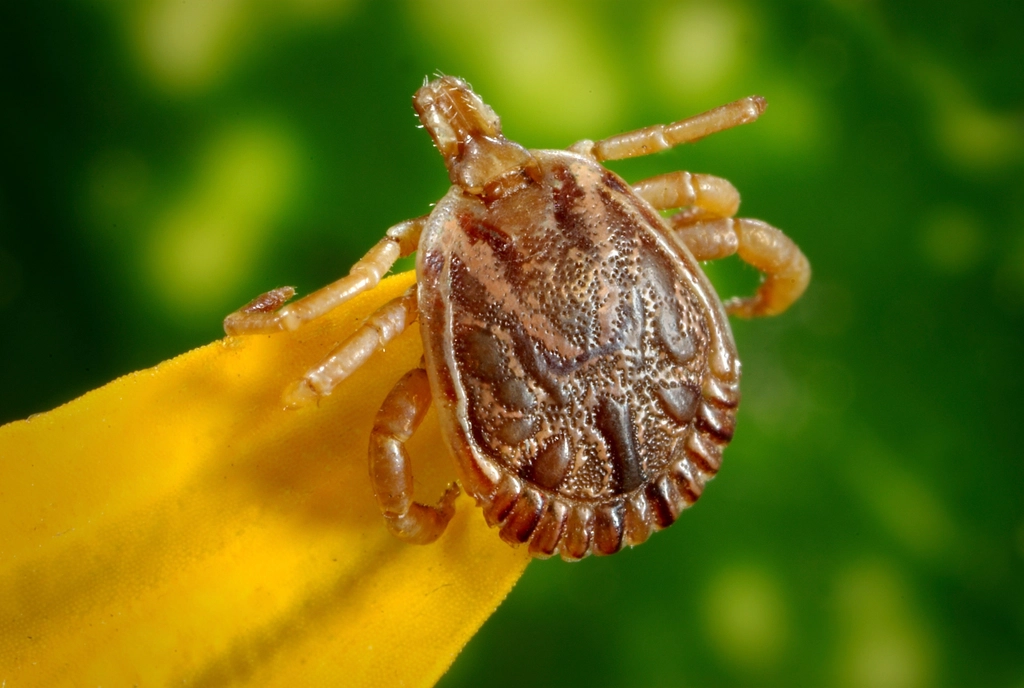 Photo Credit: Rawpixel
In the heart of a sun-dappled forest, where the leaves whisper secrets and the ground is a patchwork of rich earth and fallen twigs, lives a tiny yet captivating creature known as the tick, scientifically called Ixodidae. These small arachnids, more closely related to spiders than insects, are often overlooked due to their size, but they play a significant role in the ecosystem. With their flattened, oval bodies and specialized mouthparts designed for latching onto unsuspecting hosts, ticks are masters of survival, quietly waiting for the perfect moment to feed on the blood of mammals, birds, and even reptiles.
What makes ticks particularly intriguing to scientists and nature enthusiasts alike is their remarkable evolutionary history, which stretches back over 400 million years. This long journey has equipped them with unique adaptations that allow them to thrive in various habitats, especially in wooded areas where they can easily find hosts. While many people view ticks as mere pests, they are, in fact, vital players in the food web, influencing the health of their ecosystems. As we explore the world of ticks, we will uncover their fascinating life cycle, their role in nature, and the complex relationships they share with other species, including humans. So, let’s embark on this adventure to discover the hidden wonders of these tiny yet impactful arachnids!
Ticks are intriguing members of the animal kingdom, occupying a unique niche within the vast tree of life. They belong to the phylum Arthropoda, which includes all invertebrates with jointed legs, such as insects and spiders. Ticks are classified under the class Arachnida, the same group that encompasses spiders and scorpions. What sets ticks apart is their parasitic lifestyle; they feed on the blood of mammals, birds, and even reptiles. This bloodsucking behavior not only makes them fascinating but also highlights their role in ecosystems as vectors of diseases, affecting both wildlife and humans.
| Taxonomic Rank | Scientific Name | Meaning & Significance |
|---|---|---|
| Kingdom | Animalia | The name “Animalia” comes from the Latin word “animalis,” meaning “having breath” or “living being,” reflecting the vital, breathing nature of all animals. |
| Phylum | Arthropoda | “Arthropoda” means “jointed feet” in Greek, which describes the segmented bodies and jointed appendages of these creatures, including ticks. |
| Class | Arachnida | The term “Arachnida” is derived from the Greek word “arakhnē,” meaning “spider,” highlighting the close relationship between ticks and spiders, both of which have eight legs. |
| Order | Ixodida | “Ixodida” comes from the Latin word “ixodes,” which refers to a type of tick, emphasizing their specific classification within the arachnids. |
| Family | Ixodidae | The name “Ixodidae” is derived from “Ixodes,” the genus name, and signifies the family of hard ticks, known for their tough outer shells. |
| Genus | Ixodes | “Ixodes” is a Latin term that refers to a type of tick, specifically highlighting their blood-feeding habits and their role as disease carriers. |
Understanding the taxonomic classification of ticks reveals much about their evolutionary journey. As members of the Arthropoda phylum, ticks share a common ancestry with other joint-legged animals, tracing back hundreds of millions of years. Their adaptation to a parasitic lifestyle has allowed them to thrive in various environments, showcasing the incredible diversity of life on Earth. This classification not only helps scientists study their biology and behavior but also underscores the importance of ticks in the ecosystem, particularly in their interactions with hosts and the diseases they can transmit.
Ticks have a long and complex evolutionary history that stretches back over 400 million years. These tiny arachnids, which are more closely related to spiders than insects, have adapted to a variety of environments and hosts throughout their existence. Their journey through time is marked by significant changes that have allowed them to thrive in diverse ecosystems, from forests to grasslands.
The ancestors of modern ticks were likely similar to other arachnids, with simple body structures and a reliance on the environment for survival. Over millions of years, they underwent major evolutionary transitions, developing specialized mouthparts for feeding on the blood of mammals, birds, and reptiles. This adaptation not only provided a rich source of nutrients but also allowed ticks to exploit a wide range of hosts. As they evolved, ticks became more adept at finding and attaching to their hosts, enhancing their survival and reproductive success.
Ticks’ evolutionary adaptations have been crucial for their survival in a world filled with challenges. Their specialized mouthparts allow them to feed efficiently, while their ability to resist dehydration means they can thrive in various climates. The complex life cycles and keen senses help them find hosts, ensuring they can reproduce and continue their lineage. These remarkable traits have made ticks successful survivors, even as they navigate the ever-changing landscapes of our planet.
Ticks are small yet captivating arachnids that often go unnoticed until they make their presence felt. With a body structure that is both simple and effective, they possess a flattened, oval shape that allows them to navigate through the fur of animals or the foliage of plants with ease. Their size can vary, but they typically measure just a few millimeters in length, making them easy to overlook. When they feed, however, their bodies can swell dramatically, transforming into a round, engorged form that is a striking reminder of their feeding habits.
| Feature | Description |
|---|---|
| Size | Typically 1 to 10 millimeters long, depending on the species and feeding state. |
| Color | Ranges from brown to black, often with a shiny appearance; can appear reddish after feeding. |
| Skin Type | Soft, flexible skin that allows for expansion when engorged with blood. |
| Most Distinctive Feature | Engorged body after feeding, which can be several times larger than their normal size. |
These physical characteristics are not just for show; they play crucial roles in the tick’s survival. The small size allows them to hide in the fur of their hosts or in the underbrush, making it easier to find a meal. Their flexible skin is essential for feeding, as it enables them to expand significantly when they consume blood, which is their primary source of nourishment. This engorged state not only provides energy for reproduction but also helps them survive in environments where food may be scarce. In essence, every feature of a tick is finely tuned to enhance its ability to thrive in a world where being small can be both a blessing and a challenge.
Ticks thrive in a variety of habitats, but they are particularly fond of wooded areas. Imagine a sun-dappled forest, where the leaves rustle gently in the breeze and the ground is covered with a rich layer of fallen leaves and twigs. This environment provides the perfect mix of shade and moisture, creating a cozy home for these tiny arachnids. They often hide in the underbrush, waiting patiently for a host to wander by.
Ticks prefer climates that offer a balance of humidity and warmth. They thrive in areas where the temperature is mild, typically between 50°F and 85°F (10°C to 30°C). These arachnids need moisture to survive, which is why they are often found in damp environments. The humidity helps them stay hydrated, as they can easily lose water through their skin.
In order to flourish in these specific habitats, ticks have developed several clever adaptations. Their flattened bodies allow them to navigate through dense vegetation with ease, while their specialized mouthparts enable them to latch onto hosts for feeding. Ticks are also excellent at detecting carbon dioxide and body heat, which helps them find potential hosts nearby. These adaptations ensure that they can thrive in the diverse environments they call home.
Ticks lead a life that revolves around survival and opportunism. Their daily activities are primarily focused on finding hosts to feed on, which is essential for their growth and reproduction. Ticks are most active during warm, humid conditions, often waiting patiently on blades of grass or leaves, ready to latch onto unsuspecting animals or humans that brush by. Once they find a host, they attach themselves and begin to feed, a process that can last several days. After feeding, they may drop off to digest their meal and prepare for the next stage of their life cycle, which includes molting and seeking new hosts.
Socially, ticks are not known for forming complex relationships like many other animals. Instead, they often gather in large numbers in areas where hosts are likely to pass. This behavior can be described as an infestation, where many ticks cluster together, increasing their chances of finding a meal. While they do not communicate in the way that social insects like ants or bees do, ticks can sense environmental cues, such as carbon dioxide and body heat, which help them locate potential hosts. This simple yet effective method of group behavior ensures that they maximize their feeding opportunities.
| Behavior Type | Description |
|---|---|
| Feeding | Ticks attach to hosts to feed on blood, which is crucial for their growth and reproduction. |
| Infestation | Ticks often gather in large numbers in areas where hosts are likely to pass, increasing their chances of finding a meal. |
| Environmental Sensing | Ticks detect carbon dioxide and body heat from potential hosts, guiding them to food sources. |
The behaviors of ticks are finely tuned to ensure their survival in a world filled with challenges. By clustering together and effectively sensing their environment, they enhance their chances of finding hosts and successfully feeding. This simple yet efficient lifestyle has allowed ticks to thrive for millions of years, showcasing the power of adaptation in the natural world.
Ticks are carnivorous arachnids that primarily feed on the blood of various hosts. Their diet consists mainly of mammals, birds, reptiles, and amphibians. Ticks are not active hunters; instead, they employ a strategy known as “questing.” This means they wait patiently on vegetation, extending their front legs to latch onto passing animals. Once they find a suitable host, they use specialized mouthparts to pierce the skin and draw blood, which provides them with the nutrients they need to survive and reproduce.
| Dietary Aspect | Details |
|---|---|
| Diet Type | Carnivore |
| Favorite Foods | Blood from mammals, birds, reptiles, and amphibians |
| Prey Items | Deer, rodents, birds, lizards, frogs |
| Hunting/Foraging Strategies | Questing on vegetation, waiting for hosts to pass by |
This diet plays a crucial role in the ecology of ticks and their environments. By feeding on a variety of hosts, ticks help regulate animal populations and can even influence the health of ecosystems. Their feeding habits also dictate their daily routines, as they spend much of their time in search of hosts, making them both opportunistic and patient. This fascinating lifestyle allows ticks to thrive in diverse habitats, ensuring their survival in the ever-changing natural world.
When it comes to reproduction, ticks have a rather intriguing approach. Their mating behavior is often influenced by environmental factors, such as temperature and humidity. During the breeding season, which can vary depending on the species and location, male ticks will seek out females to mate. This process can involve the male climbing onto the female’s back and engaging in a courtship display, which may include vibrations or pheromones—chemical signals that attract mates. Once mating occurs, the female is ready to lay her eggs, which can happen shortly after or take a few months, depending on the conditions.
| Reproductive Aspect | Details |
|---|---|
| Gestation Period | Immediately to 3 months |
| Litter Size | Hundreds to thousands of eggs |
| Age of Maturity | Varies by species, typically several months to a few years |
| Name of Young | Larva, nymph, or instar |
After the eggs hatch, the young ticks enter a stage known as larva. These tiny creatures are often no bigger than a pinhead and are equipped with six legs. As they grow, they will molt, shedding their skin to become nymphs, which have eight legs. This process continues until they reach adulthood. Interestingly, ticks do not provide parental care after laying their eggs. Instead, the young ticks must fend for themselves, seeking out hosts to feed on and grow. This independent lifestyle is crucial for their development into mature ticks, ready to continue the cycle of life.
Ticks play a crucial role in the food web, serving as both parasites and prey. These small arachnids latch onto a variety of hosts, including mammals, birds, and reptiles, to feed on their blood. While they are often seen as pests, ticks are also an important food source for many animals, helping to maintain the balance of ecosystems. However, their position in the food web makes them vulnerable to a range of predators and environmental threats.
To defend themselves against these threats, ticks have developed several survival strategies. Their small size and ability to hide in leaf litter or grass help them avoid detection by predators. Additionally, ticks can remain dormant for long periods, waiting for the right conditions to emerge and find a host. Some species even produce a protective outer layer that helps them withstand harsh environments. These adaptations allow ticks to thrive despite the dangers they face in the wild.
A keystone species is a vital part of an ecosystem, meaning its presence has a significant impact on the environment and the other species living there. Ticks, while often seen as pesky parasites, can indeed play a keystone role in their habitats. Their interactions with various hosts and the diseases they can transmit create ripples throughout the ecosystem, influencing population dynamics and species diversity.
Ticks are not just bloodsuckers; they are integral players in the food web. By feeding on the blood of mammals, birds, and reptiles, they help regulate host populations. For instance, when ticks infest a particular species, they can weaken individuals, making them more susceptible to disease or predation. This can lead to a healthier overall population by ensuring that only the strongest individuals survive and reproduce. Additionally, ticks serve as a food source for many animals, including birds and small mammals, linking them to the broader ecosystem.
Moreover, ticks can influence the spread of diseases, which can have far-reaching effects. For example, when ticks carry pathogens like Lyme disease, they can impact not only the health of their hosts but also the behaviors of those hosts. Animals that are sick or weakened may change their foraging habits or avoid certain areas, which can alter the plant life and other species in those habitats. This interconnectedness highlights how ticks, despite their small size, can shape the environment around them.
If ticks were to disappear from their ecosystems, the consequences could be profound. Without these arachnids, certain host populations might grow unchecked, leading to overgrazing or overbrowsing of vegetation. This could result in habitat degradation and a decline in plant diversity. Additionally, the predators that rely on ticks for food would face challenges, potentially leading to their decline as well. The intricate balance of the ecosystem would be disrupted, showcasing just how important even the smallest creatures can be in maintaining the health of our natural world.
Ticks may seem like tiny nuisances, but they play a surprisingly important role in shaping their ecosystems. As blood-feeding parasites, they occupy a unique ecological niche, influencing the health and behavior of their host animals. By feeding on mammals, birds, and reptiles, ticks can affect population dynamics and even the movement patterns of these animals. This interaction helps maintain a balance in the ecosystem, demonstrating that even the smallest creatures can have a big impact.
| Ecosystem Service | Impact |
|---|---|
| Host Regulation | Ticks help control the populations of their host animals, preventing overpopulation and promoting biodiversity. |
| Food Source | Ticks serve as a food source for various predators, including birds and small mammals, contributing to the food web. |
| Disease Transmission | By transmitting diseases, ticks can influence host behavior and population health, which can ripple through the ecosystem. |
| Soil Health | By affecting the movement of animals, ticks can indirectly influence soil health through changes in animal waste distribution. |
Ticks influence their ecosystems in several specific ways. For instance, when they feed on deer, they can affect the deer’s movement patterns, leading to changes in grazing behavior. This, in turn, can impact plant communities, allowing certain species to thrive while others may decline. Additionally, ticks can transmit diseases like Lyme disease, which can alter the health of their hosts and even lead to population declines in certain areas. This complex web of interactions shows how ticks, despite their small size, can have significant effects on their surroundings.
The broader ecological importance of ticks cannot be overstated. As a keystone species, they play a crucial role in maintaining the balance of their ecosystems. By regulating host populations and serving as a food source for other animals, ticks contribute to the intricate web of life. Their presence can influence everything from plant growth to predator-prey relationships, highlighting the interconnectedness of all living things. So, the next time you encounter a tick, remember that this little arachnid is more than just a pest; it’s a vital player in the grand story of nature.
Symbiosis is a fascinating concept in nature that describes how different species interact and depend on one another. These relationships can take many forms, from mutualism, where both species benefit, to parasitism, where one species gains at the expense of another. Ticks, those small arachnids often found in wooded areas, engage in various ecological relationships that highlight the complexity of life on Earth. Understanding these interactions helps us appreciate the delicate balance of ecosystems and the roles that each species plays.
| Species/Type | Relationship Type | Description |
|---|---|---|
| Deer | Parasitic | Ticks attach to deer to feed on their blood, which provides essential nutrients for the ticks but can harm the deer by causing blood loss and transmitting diseases. |
| Birds | Commensal | Some birds, like certain species of sparrows, may benefit from ticks by eating them off larger mammals, gaining a meal while the mammal remains unaffected. |
| Small mammals (e.g., rodents) | Parasitic | Ticks feed on the blood of small mammals, which can lead to health issues for the hosts, including anemia and increased vulnerability to infections. |
These relationships have evolved over millions of years, shaped by the needs and survival strategies of each species involved. Ticks have developed specialized mouthparts that allow them to latch onto their hosts and extract blood efficiently. In turn, hosts like deer and small mammals have adapted to cope with tick infestations, developing behaviors to groom themselves and reduce tick loads. While these interactions can be harmful to the hosts, they also play a crucial role in the ecosystem, influencing population dynamics and the health of various species. Understanding these connections helps us see the bigger picture of life on our planet, where every organism, no matter how small, has a part to play.
Ticks are often seen as pesky parasites, but these tiny arachnids have some surprising traits that make them truly remarkable. Let’s dive into some intriguing facts about ticks that might just change the way you think about them.
Ticks have been part of human history for centuries, often lurking in the shadows of our cultural narratives. These small arachnids have been both feared and misunderstood, appearing in folklore and traditional medicine. In many cultures, ticks symbolize the darker side of nature, representing disease and discomfort. Yet, they also remind us of the intricate connections we share with the natural world. As humans ventured into forests and fields, they unknowingly entered the territory of these blood-feeding parasites, leading to encounters that would shape our understanding of health and disease.
Today, the relationship between ticks and humanity is complex and multifaceted. On one hand, ticks are recognized for their role in ecosystems, serving as food for various animals and contributing to the balance of nature. On the other hand, they pose significant health risks, transmitting diseases like Lyme disease and Rocky Mountain spotted fever. This duality has sparked efforts in conservation and public health, as scientists work to understand tick behavior and ecology. While some people seek to control tick populations through pesticides, others advocate for more natural methods, emphasizing the importance of maintaining biodiversity and healthy ecosystems.
Looking ahead, the future of our relationship with ticks will likely hinge on a balance between understanding and management. As climate change alters habitats and tick populations expand, it will be crucial for scientists and communities to collaborate. By fostering a deeper appreciation for these tiny arachnids and their ecological roles, we can work towards solutions that protect both human health and the delicate ecosystems they inhabit. Embracing this knowledge will help us navigate the challenges and opportunities that lie ahead in our shared world.
Ticks, often overlooked in discussions about wildlife conservation, currently hold a conservation status of “Least Concern” according to the International Union for Conservation of Nature (IUCN). This means that, overall, ticks are not facing immediate threats that could lead to their extinction. Their populations are stable, and they are widely distributed across various habitats. However, this does not mean that all tick species are thriving equally, as some may experience localized declines due to environmental changes.
| Conservation Factor | Status/Details |
|---|---|
| IUCN Status | Least Concern |
| Population Estimates | Stable across many regions |
| Trend Direction | Stable |
Despite their overall stable status, ticks face several significant threats that can impact their populations. Habitat loss due to urbanization and agricultural expansion can reduce the areas where ticks thrive. Additionally, climate change is altering the ecosystems they inhabit, affecting their life cycles and host availability. As temperatures rise, ticks may expand into new regions, potentially leading to increased encounters with humans and pets, which can heighten the risk of tick-borne diseases.
Conservation efforts for ticks are not as prominent as those for more charismatic species, but awareness is growing. Researchers are studying tick populations to better understand their ecology and the role they play in ecosystems. Public education about tick prevention and management is also crucial, especially in areas where ticks are prevalent. By fostering a balanced view of ticks as both important ecological players and potential health risks, we can ensure that their populations remain stable while minimizing negative interactions with humans. The outlook for ticks remains cautiously optimistic, as they continue to adapt and thrive in various environments.
| Question | Answer |
|---|---|
| Where do ticks live? | Ticks can be found in woods and grassy areas all around the world. They prefer humid environments where they can easily find hosts to feed on. |
| What do ticks eat? | Ticks are carnivores, meaning they feed on the blood of animals. They attach to their hosts, which can include mammals, birds, and even reptiles, to get their meals. |
| How do ticks behave? | Ticks are known for their patience. They wait on the tips of grass or leaves, using their front legs to sense when a potential host passes by. Once they detect a host, they quickly latch on to feed. |
| How do ticks reproduce? | Female ticks lay thousands of eggs after mating, often in the soil or leaf litter. The eggs hatch into larvae, which then seek out hosts to begin their life cycle. |
| What threats do ticks face? | While ticks are currently classified as Least Concern in terms of conservation status, they face threats from habitat loss and climate change. Changes in temperature and moisture can affect their populations and distribution. |
| What is an interesting characteristic of ticks? | One of the most distinctive features of ticks is their engorged body after feeding. They can swell up significantly, making them look quite different from their normal size. |
| Can ticks transmit diseases? | Yes, ticks are known to transmit various diseases to humans and animals, such as Lyme disease and Rocky Mountain spotted fever. This is why it's important to check for ticks after spending time outdoors. |