Taxonomy & Classification
- Kingdom
- Animalia
- Phylum
- Chordata
- Class
- Reptilia
- Order
- Testudines
- Family
- Testudinidae
- Genus
- Testudo

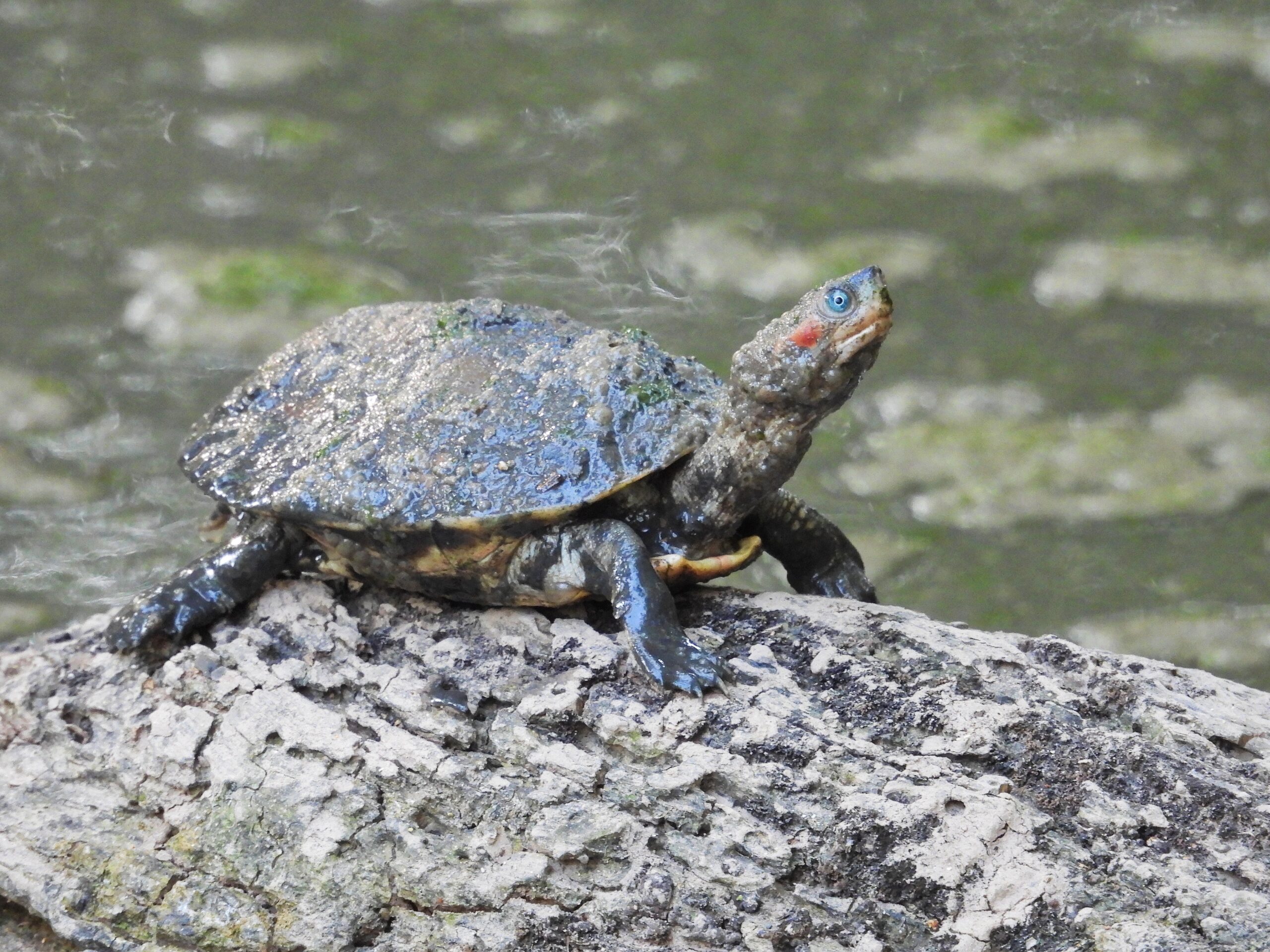 Photo Credit: Theroadfiles / Wikimedia Commons
In the sun-drenched landscapes of the world, the tortoise, known scientifically as Testudinidae, ambles through its habitat with a slow and deliberate grace. Picture a warm afternoon where the golden rays of the sun illuminate the rugged terrain, casting shadows on the tortoise’s sturdy, dome-shaped shell. This shell, a remarkable adaptation, serves as a protective fortress, allowing the tortoise to retreat into its own safe haven when danger approaches. With its thick, scaly skin and strong, beak-like mouth, the tortoise is not just a survivor; it is a living testament to the resilience of life on Earth.
Scientists and nature enthusiasts alike are captivated by the tortoise’s ancient lineage, tracing back over 200 million years. This makes them one of the oldest groups of reptiles still roaming our planet today. Their slow, methodical lifestyle and herbivorous diet, primarily consisting of grasses and leafy greens, highlight their role in maintaining the health of their ecosystems. As they graze, tortoises help shape their environment, ensuring that plant life thrives. With their fascinating behaviors and unique adaptations, tortoises invite us to explore the wonders of nature, reminding us of the delicate balance that sustains life in our world.
Tortoises hold a special place in the tree of life, showcasing a unique blend of ancient lineage and specialized adaptations. Classified within the Kingdom Animalia, they belong to the Phylum Chordata, which includes all animals with a backbone. Tortoises are part of the Class Reptilia, making them relatives of snakes, lizards, and crocodiles. What sets tortoises apart is their hard, protective shell, which is not just a home but also a defense mechanism. This shell is a key feature that has allowed them to thrive in various environments, from arid deserts to lush grasslands.
| Taxonomic Rank | Scientific Name | Meaning & Significance |
|---|---|---|
| Kingdom | Animalia | The name “Animalia” comes from the Latin word “animalis,” meaning “having breath” or “living.” This reflects the vital, breathing nature of all animals. |
| Phylum | Chordata | “Chordata” is derived from the Latin “chorda,” meaning “string” or “cord.” This refers to the notochord, a flexible rod that supports the body, present in all members during some stage of development. |
| Class | Reptilia | The term “Reptilia” comes from the Latin “reptilis,” meaning “to creep.” This name highlights the crawling nature of many reptiles, including tortoises. |
| Order | Testudines | “Testudines” is derived from the Latin “testudo,” meaning “tortoise” or “turtle.” This name emphasizes the distinctive shell that characterizes these animals. |
| Family | Testudinidae | The name “Testudinidae” comes from “Testudo,” indicating a family of tortoises known for their terrestrial habits and robust shells. |
| Genus | Testudo | “Testudo” is a Latin term that directly translates to “tortoise.” It reflects the traditional classification of these animals based on their unique morphology and behavior. |
Understanding the tortoise’s classification reveals much about its evolutionary journey. As one of the oldest groups of reptiles, tortoises have adapted to their environments over millions of years, developing their iconic shells and slow-moving lifestyles. Their place in the animal kingdom not only highlights their resilience but also underscores the intricate connections between all living beings. By studying tortoises, we gain insights into the history of life on Earth and the remarkable adaptations that have allowed these ancient reptiles to survive through the ages.
The evolutionary journey of tortoises stretches back over 200 million years, making them one of the oldest groups of reptiles still roaming the Earth today. These remarkable animals first appeared during the late Triassic period, a time when dinosaurs were just beginning to dominate the planet. As the world changed, so did the tortoises, adapting to various environments and challenges that arose over millions of years.
Tortoises are descendants of ancient reptiles known as proganochelyids, which lived around 250 million years ago. These early ancestors had a more primitive shell structure and were not as well adapted to life on land. Over time, the evolution of the tortoise shell became a significant milestone. The shell, made of bony plates covered by a layer of keratin, provided protection against predators and harsh environmental conditions. As tortoises evolved, they transitioned from their aquatic ancestors to a more terrestrial lifestyle, developing sturdy limbs and a more robust body shape to support their weight on land.
Tortoises have thrived for millions of years thanks to these incredible adaptations. Their hard shells provide a fortress against threats, while their strong legs allow them to traverse different landscapes. With their long lifespans and unique diets, tortoises have become masters of survival, enduring through the ages as living links to a distant past. As they continue to roam the Earth, they remind us of the resilience and adaptability of life itself.
Tortoises are captivating animals that embody a sense of ancient wisdom and resilience. Their bodies are sturdy and compact, often resembling living fortresses. With a hard, dome-shaped shell that serves as both armor and home, they move with a slow, deliberate grace. This shell, known as a carapace, is not just for protection; it also plays a crucial role in their overall structure, allowing them to retract their heads and limbs for safety. Their limbs are thick and strong, designed for stability and digging, while their heads are small and often adorned with a beak-like mouth, perfect for munching on vegetation.
| Feature | Description |
|---|---|
| Weight | 0.1-300 kg (0.2-661 lbs) |
| Skin Type | Scales |
These physical features work together to create a creature perfectly adapted to its environment. The heavy shell not only protects against predators but also helps retain moisture, which is vital for survival in dry habitats. The tortoise’s sturdy limbs allow it to navigate various terrains, from sandy deserts to rocky hillsides, while its beak is specialized for grazing on tough plants. Together, these characteristics enable tortoises to thrive in diverse ecosystems, showcasing their incredible ability to endure and adapt through the ages.
Tortoises are often found in warm, sunny environments that provide a mix of sandy soil and access to water. Picture a sun-drenched landscape where these slow-moving reptiles can dig into the earth, bask in the sunlight, and take refreshing dips in nearby ponds or streams. Their habitats are typically open areas, such as grasslands or scrublands, where they can roam freely and forage for food.
These ancient reptiles thrive in climates that are generally warm and dry, with temperatures often reaching above 70 degrees Fahrenheit. They prefer areas with minimal rainfall, as too much moisture can be detrimental to their health. Tortoises need a habitat that allows them to regulate their body temperature, which they do by basking in the sun or seeking shade when it gets too hot. The sandy soil they inhabit is not just comfortable for burrowing; it also helps them stay cool and hydrated.
Over time, tortoises have developed several clever adaptations to survive in their specific habitats. Their hard shells provide protection from predators and harsh weather, while their ability to store water allows them to endure long periods without drinking. Additionally, their strong legs are perfect for digging into the sandy soil, creating burrows that offer shelter from the sun and a safe place to rest. These adaptations make tortoises well-suited to thrive in their unique environments, showcasing the incredible ways life can flourish in diverse conditions.
Tortoises lead a life that is both tranquil and methodical. Each day begins with the sun rising, casting warm rays that coax these reptiles from their sheltered spots. As they emerge, they engage in a series of activities that revolve around foraging for food, basking in the sun, and occasionally digging into the earth. Their diet typically consists of grasses, leaves, and fruits, which they munch on slowly, savoring each bite. Throughout the day, they may wander a short distance, exploring their surroundings at a leisurely pace, always mindful of their environment.
While tortoises are primarily solitary creatures, they do have interesting interactions with one another when they cross paths. These encounters can be brief, often involving a slow, cautious approach. Tortoises communicate through body language, using their shells and movements to express themselves. When they meet, they may engage in gentle nudging or even a bit of head bobbing, signaling their presence and intentions. Although they prefer to keep to themselves, these interactions can help establish a loose social structure, where they recognize familiar individuals in their territory.
| Behavior Type | Description |
|---|---|
| Foraging | Tortoises spend a significant part of their day searching for food, primarily grazing on plants, leaves, and fruits. |
| Basking | They often bask in the sun to regulate their body temperature, absorbing warmth to stay active. |
| Solitary Lifestyle | Tortoises are generally solitary, preferring to live alone except during mating season or brief encounters. |
| Communication | They communicate through body language, using movements and shell positioning to convey messages to others. |
The behaviors of tortoises are finely tuned to ensure their survival in the wild. By foraging for food and basking in the sun, they maintain their energy levels and health. Their solitary nature allows them to avoid competition for resources, while their occasional social interactions help them navigate their environment. This blend of independence and cautious engagement with others is a testament to their adaptability, allowing them to thrive in diverse habitats across the globe.
Tortoises are primarily herbivores, which means they mainly eat plants. Their diet consists of a variety of greens, including grass, weeds, and leafy vegetables. Tortoises have strong, beak-like mouths that help them munch on tough plant material. They often spend their days foraging slowly through their habitats, using their keen sense of smell to locate tasty treats. This leisurely feeding behavior allows them to enjoy a diverse diet while also conserving energy, as they are not built for speed.
| Dietary Aspect | Details |
|---|---|
| Diet Type | Herbivore |
| Favorite Foods | Grass, weeds, leafy greens |
| Prey Items | None (strictly plant-based) |
| Hunting/Foraging Strategies | Slow foraging using smell to locate food |
The diet of tortoises plays a crucial role in their ecology and daily routine. By consuming a variety of plants, they help maintain the health of their ecosystems, promoting plant growth and seed dispersal. Their slow and steady foraging habits allow them to thrive in their environments, while also ensuring they have the energy needed for their leisurely lifestyle. This connection to their diet not only shapes their behavior but also influences the balance of the habitats they inhabit.
When it comes to mating, tortoises have some interesting behaviors that vary by species. During the breeding season, which often coincides with warmer months, males will engage in courtship displays to attract females. This can include head bobbing, vocalizations, and even gentle nudging. Once a female is receptive, the male will mount her, and mating can last for several hours. After successful mating, the female will prepare to lay her eggs, often seeking out a safe, warm spot in the ground.
| Reproductive Aspect | Details |
|---|---|
| Gestation Period | Approximately 60 to 90 days |
| Litter Size | Average of 5 eggs |
| Age of Maturity | Typically 5 to 20 years, depending on the species |
| Name of Young | Hatchlings |
Once the eggs are laid, the female covers them with soil to protect them from predators and the elements. After a few months, the hatchlings emerge, ready to face the world. These tiny tortoises are independent from the moment they break free from their eggs. They must fend for themselves, finding food and shelter while avoiding dangers. As they grow, they develop the hard shells that will protect them throughout their lives. With time, patience, and a bit of luck, these hatchlings will mature into the wise, slow-moving adults that have roamed the Earth for millions of years.
Tortoises play a vital role in their ecosystems, often serving as both prey and contributors to the health of their habitats. As herbivores, they help maintain plant growth by grazing on various vegetation, which can promote biodiversity. However, their slow movements and hard shells do not make them immune to the dangers lurking in their environments.
To survive these threats, tortoises have developed several clever defensive strategies. Their most famous feature, the hard shell, acts as a protective barrier against many predators. When danger approaches, a tortoise can retract its head and limbs into its shell, creating a nearly impenetrable fortress. Additionally, some species can bury themselves in the ground or hide among vegetation, making it harder for predators to spot them. These adaptations, combined with their slow and steady lifestyle, help tortoises navigate the challenges of their world, ensuring they can continue to thrive in their natural habitats.
A keystone species is an organism that has a disproportionately large impact on its environment relative to its abundance. In other words, these species play a crucial role in maintaining the structure of an ecosystem. Tortoises qualify as keystone species because their activities significantly influence the habitats they occupy, particularly in arid and semi-arid regions.
Tortoises are primarily herbivores, meaning they feast on a variety of plants, including grasses and leafy greens. By grazing, they help control plant growth, which can prevent certain species from dominating the landscape. This grazing behavior promotes biodiversity, allowing a wider range of plants to thrive. For example, in some ecosystems, tortoises create open patches in the vegetation, which can encourage the growth of new plant species that might otherwise struggle to survive in dense foliage.
Moreover, tortoises contribute to soil health. As they dig into the sandy soil to create burrows, they aerate the ground, allowing water and nutrients to penetrate deeper. This process not only benefits the tortoises but also supports other plants and animals in the area. Their burrows can provide shelter for various small creatures, creating a microhabitat that enhances the overall ecosystem.
If tortoises were to disappear from their ecosystems, the consequences could be severe. Without their grazing, certain plant species might overgrow, leading to a decline in biodiversity. The loss of their burrowing activities would also result in less aerated soil, negatively impacting plant health and water retention. Additionally, many small animals that rely on tortoise burrows for shelter would struggle to survive, leading to a ripple effect throughout the ecosystem. In essence, the absence of tortoises would disrupt the delicate balance of their habitats, highlighting their vital role in nature.
Tortoises occupy a vital ecological niche as herbivores in their environments, primarily found in warm, sandy habitats near water sources. Their slow and steady lifestyle allows them to interact with their surroundings in meaningful ways. By grazing on various plants, tortoises help shape the vegetation structure of their ecosystems. This not only influences the types of plants that thrive but also affects the overall health of the habitat, making tortoises essential players in their ecological communities.
| Ecosystem Service | Impact |
|---|---|
| Grazing | Controls plant growth and promotes biodiversity |
| Seed Dispersal | Helps spread plant seeds, aiding in plant reproduction |
| Soil Aeration | Burrowing behavior improves soil quality and water retention |
| Food Source | Serves as prey for various predators, supporting the food web |
Tortoises influence their ecosystems in several specific ways. For instance, as they munch on grasses and other vegetation, they prevent certain plants from dominating the landscape. This grazing behavior encourages a diverse array of plant species to flourish, which in turn supports a variety of insects and animals. Additionally, when tortoises dig into the sandy soil to create burrows, they help aerate the ground, allowing water and nutrients to penetrate deeper. This not only benefits the plants but also creates a more hospitable environment for other organisms.
The broader ecological importance of tortoises cannot be overstated. As keystone species, their presence or absence can significantly alter the dynamics of their ecosystems. By maintaining plant diversity and contributing to soil health, tortoises help sustain the intricate web of life that depends on these habitats. Their role as both grazers and prey highlights their interconnectedness with other species, making them essential for the balance and resilience of their environments. In essence, tortoises are not just passive inhabitants; they are active shapers of the ecosystems they call home.
In the intricate web of life, tortoises engage in various partnerships with other species, showcasing the beauty of symbiosis. Symbiosis refers to the close and often long-term interactions between different biological species. These relationships can be mutualistic, where both parties benefit; parasitic, where one benefits at the expense of the other; or commensal, where one benefits while the other is neither helped nor harmed. Tortoises, with their unique lifestyles and habitats, form fascinating connections that highlight the interconnectedness of ecosystems.
| Species/Type | Relationship Type | Description |
|---|---|---|
| Oxpeckers | Mutualistic | These birds perch on tortoises, eating ticks and parasites off their shells and skin, providing the tortoise with relief from pests. |
| Remoras | Commensal | These fish attach themselves to tortoises, gaining a free ride and access to food scraps without affecting the tortoise. |
| Fungi | Mutualistic | Some tortoises have symbiotic relationships with fungi in the soil, which help break down organic matter, enriching the soil and benefiting plant life. |
| Ticks | Parasitic | These small arachnids feed on the blood of tortoises, which can weaken the tortoise and lead to health issues. |
Through the ages, these relationships have evolved, shaped by the needs and adaptations of the species involved. Tortoises have developed ways to coexist with their partners, enhancing their survival and well-being. For instance, the mutualistic bond with oxpeckers not only helps keep tortoises free from irritating pests but also provides the birds with a reliable food source. Such interactions illustrate the delicate balance of nature, where each species plays a role in the health of the ecosystem, demonstrating that cooperation can be just as vital as competition in the natural world.
Tortoises are truly remarkable animals, and there’s so much more to them than meets the eye. Here are some surprising facts that will surely intrigue nature enthusiasts of all ages.
Tortoises have walked alongside humanity for thousands of years, leaving a deep imprint on our cultures and histories. Ancient civilizations revered these slow-moving reptiles, often associating them with wisdom and longevity. In many cultures, tortoises symbolize patience and endurance, appearing in folklore and mythology. For instance, in some Native American stories, the tortoise is seen as a creator, carrying the Earth on its back. This rich tapestry of historical encounters highlights the profound connection between tortoises and people, showcasing how these creatures have inspired art, literature, and spiritual beliefs across the globe.
Today, the relationship between tortoises and humans is complex and multifaceted. On one hand, conservation efforts are underway to protect various tortoise species threatened by habitat loss and illegal trade. Organizations work tirelessly to rehabilitate injured tortoises and educate communities about their ecological importance. However, conflicts also arise, particularly in areas where human development encroaches on tortoise habitats. Some people keep tortoises as pets, leading to issues of domestication and the need for responsible care. This blend of conservation, conflict, and companionship illustrates the ongoing dialogue between tortoises and humanity in our ever-changing world.
As we look to the future, the relationship between tortoises and humanity holds both promise and challenges. With increasing awareness of environmental issues, more people are advocating for the protection of these ancient reptiles and their habitats. By fostering a deeper understanding of tortoises and their role in ecosystems, we can work together to ensure their survival. The journey ahead will require collaboration, respect, and a commitment to coexistence, allowing both tortoises and humans to thrive in harmony.
Tortoises are currently facing significant challenges, with many species classified as endangered. Their populations have been declining due to various factors, and this trend is concerning for conservationists and nature lovers alike. As these ancient reptiles continue to navigate a rapidly changing world, understanding their conservation status is crucial for their survival.
| Conservation Factor | Status/Details |
|---|---|
| IUCN Status | Endangered |
| Population Estimates | Varies by species; some populations are critically low |
| Trend Direction | Declining |
The main threats to tortoises are numerous and often interconnected. Habitat loss is a significant issue, as urban development and agriculture encroach on their natural environments. Additionally, illegal poaching for the pet trade and traditional medicine further exacerbates their decline. Climate change also poses a threat, altering the habitats that tortoises rely on for food and shelter. These factors create a challenging landscape for tortoises, making their survival increasingly precarious.
Despite these challenges, there are ongoing conservation efforts aimed at protecting tortoises and their habitats. Organizations around the world are working to establish protected areas, enforce anti-poaching laws, and promote awareness about the importance of these reptiles. Breeding programs in captivity are also being implemented to help boost population numbers. With continued dedication and support, there is hope that tortoises can thrive once more, ensuring that these ancient beings remain a part of our planet’s rich biodiversity.
| Question | Answer |
|---|---|
| Where do tortoises live? | Tortoises typically inhabit sandy soil close to water sources. They prefer warm, dry environments, which help them regulate their body temperature and find food. |
| What do tortoises eat? | Tortoises are herbivores, meaning they primarily eat plants. Their diet consists of grasses, leaves, and fruits, which provide them with the nutrients they need to thrive. |
| How do tortoises behave? | Tortoises are generally slow-moving and spend a lot of time basking in the sun. They are known for their calm demeanor and can be quite curious about their surroundings. |
| How do tortoises reproduce? | Tortoises lay eggs, usually in nests dug into the ground. After a few months, the eggs hatch, and baby tortoises emerge, ready to start their lives on their own. |
| What threats do tortoises face? | Tortoises are endangered due to habitat loss, poaching, and climate change. These factors threaten their survival and make conservation efforts crucial for their future. |
| What are some interesting characteristics of tortoises? | Tortoises have a hard shell that protects them from predators, and they can retract their heads and limbs into their shells for safety. They can also live for a very long time, with some species reaching over 100 years of age! |
| Can tortoises swim? | While tortoises are primarily land-dwellers, some species can swim. However, they are not as adept in water as turtles, which are built for swimming with their streamlined bodies and webbed feet. |