Taxonomy & Classification
- Kingdom
- Animalia
- Phylum
- Chordata
- Class
- Aves
- Order
- Piciformes
- Family
- Ramphastidae
- Genus
- Ramphastos

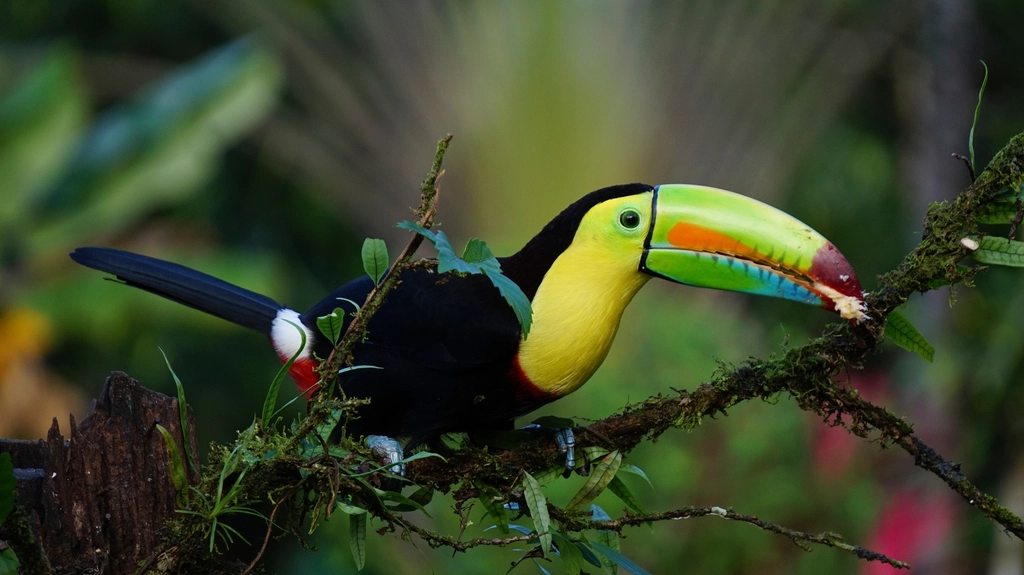 Photo Credit: Rawpixel
In the heart of the vibrant rainforests of Central and South America, the toucan, known scientifically as Ramphastos, flits through the lush canopy with a splash of color and a burst of energy. With its oversized, vividly colored beak and striking plumage, this bird is a living rainbow against the backdrop of emerald leaves and dappled sunlight. As it hops from branch to branch, the toucan’s beak, which can be as long as its body, serves not just as a tool for reaching fruit but also as a stunning display that captures the attention of both potential mates and curious onlookers.
Toucans are more than just a pretty face; they play a vital role in their ecosystem. Their diet primarily consists of fruit, but they also enjoy a variety of insects and small animals, making them omnivores. This diverse diet helps them spread seeds throughout the forest, contributing to the health and growth of their habitat. Scientists and nature enthusiasts alike are captivated by these birds, not only for their striking appearance but also for their social behavior and the important ecological roles they fulfill. As we explore the world of toucans, we will uncover the secrets of their lives, their interactions with other species, and the challenges they face in a rapidly changing environment.
Toucans are vibrant birds that hold a special place in the tree of life. They belong to the family Ramphastidae, which is known for its colorful beaks and lively personalities. These birds are part of the order Piciformes, which includes woodpeckers and their relatives. What makes toucans particularly interesting is their large, striking bills, which can be up to one-third of their body length. This unique feature not only helps them reach fruit in the treetops but also plays a role in attracting mates and regulating body temperature.
| Taxonomic Rank | Scientific Name | Meaning & Significance |
|---|---|---|
| Kingdom | Animalia | This name means “animals” in Latin, highlighting that toucans are part of the vast group of living organisms that are multicellular and consume organic material. |
| Phylum | Chordata | Chordata refers to animals with a backbone. Toucans, like all birds, have a spinal column that supports their body structure. |
| Class | Aves | Aves is the class that includes all birds. The name comes from the Latin word for “bird,” emphasizing their feathered bodies and ability to fly. |
| Order | Piciformes | This order includes woodpeckers and toucans. The name comes from “picus,” the Latin word for woodpecker, reflecting their shared characteristics. |
| Family | Ramphastidae | Ramphastidae comes from the Greek word “ramphos,” meaning “beak.” This name highlights the toucan’s most distinctive feature: its large, colorful bill. |
| Genus | Ramphastos | Ramphastos is derived from the same Greek root, emphasizing the beak’s importance in the identity of these birds. |
Understanding the taxonomic classification of toucans reveals much about their evolutionary journey. Their place in the order Piciformes suggests a close relationship with woodpeckers, indicating that they share a common ancestor. The unique adaptations of toucans, particularly their impressive bills, have evolved to suit their fruit-based diet and social behaviors. This classification not only helps scientists study their biology and ecology but also highlights the incredible diversity of life on our planet. Toucans are not just beautiful birds; they are a testament to the wonders of evolution and the intricate connections within the animal kingdom.
The evolutionary journey of the toucan is a vibrant tale that stretches back millions of years. Toucans, belonging to the family Ramphastidae, have evolved in the lush tropical forests of Central and South America. Their ancestors can be traced to the late Cretaceous period, around 70 million years ago, when the first birds began to emerge. Over time, these early avian forms adapted to their environments, leading to the colorful and charismatic toucans we see today.
The ancestral forms of toucans were likely small, arboreal birds that thrived in the dense canopies of ancient forests. As they evolved, they developed larger, more specialized beaks, which became a defining feature of the group. This adaptation allowed them to access a wider variety of food sources, including fruits, insects, and small animals. The beak’s size and shape also played a crucial role in social interactions and mating displays, helping to attract partners and establish dominance within their flocks.
These adaptations have been vital for the toucan’s survival in the wild. Their large beaks not only aid in feeding but also serve as tools for social interaction, helping them form strong bonds within their flocks. By being adaptable to different habitats, toucans can find food and shelter in diverse environments, ensuring their continued presence in the vibrant ecosystems they inhabit. This combination of physical and social traits has allowed toucans to flourish, making them one of the most recognizable and beloved birds in the world.
The toucan is a dazzling spectacle of nature, instantly recognizable by its oversized, colorful beak and striking plumage. These birds have a sturdy body that can weigh between 500 to 876 grams, which is about the same as a small cat. Their feathers are a brilliant mix of colors, often featuring bright yellows, deep blacks, and vibrant reds, creating a visual feast that stands out against the green backdrop of their rainforest homes. With a compact body and a long tail, toucans are built for life among the branches, where they flit gracefully from tree to tree.
| Feature | Description |
|---|---|
| Size | Weight ranges from 500 to 876 grams (12 to 24 ounces) |
| Color | Brightly colored feathers, often featuring yellow, black, and red |
| Skin Type | Covered in soft, vibrant feathers |
| Beak | Large, colorful, and curved, often longer than the head |
The toucan’s vivid colors and large beak are not just for show; they play crucial roles in its survival. The bright feathers help with camouflage among the colorful fruits and flowers of the rainforest, making it harder for predators to spot them. Meanwhile, the beak, while seemingly unwieldy, is perfectly designed for reaching and grasping fruit, which is a primary food source. This combination of features allows toucans to thrive in their lush habitats, showcasing the beauty and ingenuity of evolution in the animal kingdom.
Toucans thrive in the lush embrace of lowland rainforests, where the air is thick with humidity and the canopy is alive with vibrant colors and sounds. These birds make their homes in the heart of tropical forests, often perched high among the branches, surrounded by a tapestry of green leaves and bright flowers. The dappled sunlight filters through the foliage, creating a magical atmosphere that is perfect for these lively avian residents.
Toucans prefer warm, humid climates that provide plenty of food and shelter. They thrive in areas where temperatures typically range from 20 to 30 degrees Celsius (68 to 86 degrees Fahrenheit). These birds are often found near water sources, as they rely on the rich biodiversity of their environment, including fruits, insects, and small animals. The dense foliage of their habitat offers protection from predators and a place to nest.
To flourish in these vibrant ecosystems, toucans have developed several adaptations. Their large, colorful beaks are not just for show; they help them reach fruit that is often out of reach for other birds. This beak also plays a role in regulating their body temperature, acting like a radiator to cool them down in the heat. Additionally, their strong feet allow them to grip branches securely, making it easy to navigate the treetops. These adaptations ensure that toucans can thrive in their tropical homes, contributing to the rich tapestry of life in the rainforest.
Toucans lead a lively daily life filled with activity and interaction. As the sun rises, these colorful birds awaken in the treetops of their rainforest homes. Their mornings are often spent foraging for food, primarily fruits, which make up a large part of their diet. With their impressive beaks, toucans can reach into branches and pluck ripe fruits, sometimes even eating insects or small reptiles. Throughout the day, they engage in playful antics, flitting from branch to branch, and basking in the sunlight.
Socially, toucans are quite gregarious and prefer to live in flocks. These groups can range from a few individuals to as many as 15 birds. Within their flocks, toucans communicate through a variety of sounds, including croaks, clicks, and whistles. This social structure helps them stay connected and alert to potential dangers. They often groom each other, which strengthens their bonds and keeps their feathers in top condition. The camaraderie among flock members is essential for their well-being and survival in the wild.
| Behavior Type | Description |
|---|---|
| Activity Patterns | Toucans forage for fruits and insects, often seen playing and basking in the sun. |
| Social Structure | They live in flocks, which can include several birds, promoting social interaction. |
| Communication Methods | Toucans use a range of sounds like croaks and whistles to communicate with each other. |
These behaviors are not just for fun; they play a crucial role in the survival of toucans. By foraging in groups, they can find food more efficiently and keep an eye out for predators. Their social interactions help them build strong relationships, which can be vital during times of stress or danger. In the vibrant world of the rainforest, these daily activities and social dynamics ensure that toucans thrive amidst the challenges of their environment.
Toucans are omnivores, which means they enjoy a varied diet that includes both plants and animals. Their primary food source is fruit, particularly the juicy, colorful offerings found in their rainforest homes. With their long, curved beaks, toucans can easily reach and pluck fruit from branches that are often too high for other animals. While fruit makes up the bulk of their diet, toucans also snack on small birds, rodents, lizards, and insects, showcasing their adaptability in finding food.
| Dietary Aspect | Details |
|---|---|
| Diet Type | Omnivore |
| Favorite Foods | Fruits, especially berries and figs |
| Prey Items | Small birds, rodents, lizards, insects |
| Hunting/Foraging Strategies | Using their long beaks to reach fruit and catch small prey |
This diverse diet plays a crucial role in the toucan’s ecology and daily routine. By consuming a variety of fruits, they help in seed dispersal, which is vital for the growth of new plants in their habitat. This not only supports the toucan’s environment but also contributes to the overall health of the rainforest ecosystem. Their foraging habits keep them active and social, as they often gather in small groups, sharing their findings and enjoying the rich bounty of their lush surroundings.
When it comes to mating, toucans are quite social and often form strong bonds with their partners. Their breeding season typically occurs during the rainy months, which can vary depending on their specific habitat. During this time, male toucans engage in a series of courtship displays, showcasing their vibrant beaks and performing playful antics to attract females. Once a pair has formed, they will work together to find a suitable nesting site, often choosing tree cavities or abandoned woodpecker holes.
| Reproductive Aspect | Details |
|---|---|
| Gestation Period | Approximately 16 to 18 days |
| Litter Size | 2 to 4 eggs |
| Age of Maturity | About 6 months |
| Name of Young | Chick |
After the eggs hatch, both parents take an active role in caring for their chicks. The young toucans, known as chicks, are born blind and helpless, relying entirely on their parents for food and protection. The parents feed them a diet rich in fruit and insects, which helps the chicks grow strong and healthy. As the weeks pass, the chicks begin to develop their feathers and gain independence. By around six months of age, they are ready to leave the nest and start their own adventures in the vibrant world of the rainforest. This nurturing process is crucial, as it ensures that the next generation of toucans is well-prepared to thrive in their lush environment.
Toucans play a vibrant role in their ecosystem, often found perched high in the trees of tropical rainforests. As omnivores, they help disperse seeds from the fruits they eat, contributing to the health of their habitat. However, like many animals, they face various dangers that threaten their survival.
To defend themselves against these threats, toucans have developed several clever strategies. Their bright colors can help them blend into the vibrant foliage, making it harder for predators to spot them. Additionally, they often nest in tree cavities, which provides a safe haven from larger animals. When threatened, toucans may also use their loud calls to alert other birds in the area, creating a community defense system. By staying alert and using their environment wisely, toucans continue to thrive in their lush, tropical homes.
A keystone species is a vital part of its ecosystem, meaning its presence and activities have a significant impact on the environment and other living things. Toucans qualify as a keystone species due to their unique role in the tropical rainforest. Their activities help maintain the health and balance of their habitat, making them essential players in the ecological drama of their lush surroundings.
Toucans are particularly important for seed dispersal. As they feast on a variety of fruits, they consume seeds and then excrete them in different locations. This process helps plants grow in new areas, promoting biodiversity. For example, when a toucan eats a fruit from a tree, it may fly to another part of the forest and drop the seed, allowing a new tree to sprout. This not only supports the growth of various plant species but also provides food and shelter for countless other animals.
Additionally, toucans contribute to the food web. They are omnivores, meaning they eat both plants and small animals. By preying on insects and small creatures, they help control these populations, preventing any one species from overwhelming the ecosystem. Their vibrant presence also attracts other animals, creating a lively community in the treetops.
Moreover, toucans are social birds that often flock together. This group behavior enhances their ability to find food and protect themselves from predators. Their interactions with other species, including their playful antics, help create a dynamic and interconnected environment in the rainforest.
If toucans were to disappear from their ecosystem, the effects would be profound. Without these birds, many plants would struggle to reproduce, leading to a decline in plant diversity. This, in turn, would affect the animals that rely on those plants for food and shelter. The balance of the rainforest would be disrupted, potentially leading to a less vibrant and less resilient ecosystem. The loss of toucans would echo through the forest, reminding us of the intricate connections that sustain life in these rich habitats.
Toucans are vibrant birds that play a crucial role in shaping their ecosystems, particularly in the lush lowland rainforests where they reside. As omnivores, they have a diverse diet that includes fruits, insects, and small animals. This dietary flexibility allows them to thrive in various environments while also influencing the plant and animal life around them. By feeding on fruits, toucans help in seed dispersal, which is essential for the growth of many tree species. This means that their presence not only supports their own survival but also contributes to the health and diversity of their habitat.
| Ecosystem Service | Impact |
|---|---|
| Seed Dispersal | Toucans eat fruits and excrete the seeds, helping new plants grow in different areas. |
| Pollination | While feeding on nectar, toucans can transfer pollen from one flower to another, aiding plant reproduction. |
| Food Source | Toucans serve as prey for larger birds and mammals, contributing to the food web. |
| Habitat Creation | By nesting in tree cavities, toucans provide homes for other species once they abandon their nests. |
Toucans influence their environment in several specific ways. For instance, when they consume fruits, they often travel considerable distances before excreting the seeds. This behavior allows plants to spread across the forest, promoting biodiversity. Additionally, their colorful beaks are not just for show; they help them reach fruits that other animals might not be able to access. This unique feeding strategy ensures that toucans can thrive while also supporting the growth of various plant species, which in turn provides food and shelter for countless other organisms.
The broader ecological importance of toucans cannot be overstated. As keystone species, their activities significantly impact the structure and function of their rainforest ecosystems. By facilitating seed dispersal and pollination, toucans help maintain the balance of plant life, which is vital for the overall health of the forest. Their presence supports a rich tapestry of life, ensuring that the rainforest remains a vibrant and diverse habitat for many species. In this way, toucans are not just beautiful birds; they are essential players in the intricate web of life that sustains their environment.
In the intricate web of life, symbiosis plays a vital role in shaping the relationships between different species. Symbiosis refers to the close interactions between organisms, which can be beneficial, harmful, or neutral. These relationships can be classified into three main types: mutualism, where both species benefit; parasitism, where one species benefits at the expense of another; and commensalism, where one species benefits while the other is neither helped nor harmed. Toucans, with their vibrant presence in the rainforest, engage in various ecological partnerships that highlight the beauty and complexity of nature.
| Species/Type | Relationship Type | Description |
|---|---|---|
| Fruit Trees | Mutualistic | Toucans help disperse the seeds of fruit trees they eat, promoting forest growth while benefiting from the nutritious fruit. |
| Termites | Commensal | Toucans may nest in tree cavities created by woodpeckers or termites, gaining shelter without affecting the insects. |
| Predatory Birds | Parasitic | Some larger birds may prey on young toucans, illustrating a parasitic relationship where the predator benefits at the expense of the young. |
These relationships have evolved over time, shaped by the needs and behaviors of the species involved. Toucans have developed a mutualistic bond with fruit trees, which not only provides them with food but also aids in the trees’ reproduction through seed dispersal. Meanwhile, their use of tree cavities for nesting showcases a commensal relationship, allowing them to thrive without harming the woodpeckers or termites that create these spaces. Understanding these connections helps us appreciate the delicate balance of ecosystems and the roles each species plays in maintaining the health of their environment.
Toucans are not just colorful birds; they are fascinating creatures with a variety of surprising traits that make them stand out in the animal kingdom. Here are some intriguing facts that will surely captivate nature enthusiasts of all ages.
Toucans have long captivated human imagination, weaving their way into the cultural fabric of many societies, especially in Central and South America. Historically, these vibrant birds have been symbols of beauty and freedom, often appearing in indigenous art and folklore. Their striking beaks and lively calls have made them a subject of fascination, inspiring stories and legends that celebrate their colorful presence in the rainforest. In some cultures, toucans are seen as messengers between the earthly and spiritual realms, highlighting their significance beyond mere aesthetics.
In today’s world, the relationship between toucans and humanity is complex and multifaceted. While many people admire these birds for their beauty, they also face challenges due to habitat loss and illegal pet trade. Conservation efforts are underway to protect their natural habitats, as deforestation threatens the lush rainforests they call home. Additionally, some communities have found ways to coexist with toucans, promoting ecotourism that benefits both the birds and local economies. However, conflicts can arise when toucans raid fruit crops, leading to tensions between farmers and these colorful avians.
As we look to the future, the relationship between toucans and humanity holds both promise and challenges. With increased awareness and concerted conservation efforts, there is hope for a harmonious coexistence. By valuing toucans not just for their beauty but also for their ecological importance, we can work towards preserving their habitats and ensuring that future generations can enjoy the vibrant presence of these remarkable birds. Together, we can create a world where toucans thrive alongside us, enriching our lives and the ecosystems they inhabit.
The conservation status of toucans is currently classified as “Least Concern” by the International Union for Conservation of Nature (IUCN). This means that, overall, toucans are not facing immediate threats that could lead to their extinction. However, population trends can vary by species, and some local populations may be experiencing declines due to habitat loss and other factors.
| Conservation Factor | Status/Details |
|---|---|
| IUCN Status | Least Concern |
| Population Estimates | Varies by species; some populations are stable, while others may be declining |
| Trend Direction | Generally stable, but some local declines noted |
Despite their overall stable status, toucans face several significant threats. The primary danger comes from habitat destruction, particularly due to deforestation for agriculture and urban development. As rainforests are cleared, toucans lose their homes and food sources, making it harder for them to thrive. Additionally, hunting and the illegal pet trade pose risks to certain species, further complicating their survival.
Conservation efforts are underway to protect toucans and their habitats. Organizations are working to preserve rainforests and promote sustainable land use practices. Education programs are also helping local communities understand the importance of toucans in their ecosystems. With continued efforts and awareness, the outlook for toucans remains hopeful, as they continue to enchant us with their vibrant colors and lively presence in the wild.
| Question | Answer |
|---|---|
| Where do toucans live? | Toucans are found in lowland rainforests and the edges of tropical forests. They thrive in Central and South America, where they can easily find food and nesting sites among the trees. |
| What do toucans eat? | Toucans are omnivores, which means they eat both plants and animals. Their diet mainly consists of fruits, but they also enjoy insects, small reptiles, and even bird eggs when they can find them. |
| How do toucans behave in the wild? | Toucans are social birds that often live in small groups. They are known for their playful nature, using their large bills to toss fruit and engage in friendly interactions with each other. |
| How do toucans reproduce? | Toucans typically nest in tree cavities, where the female lays two to four eggs. Both parents take turns incubating the eggs and caring for the chicks once they hatch, which helps ensure their survival. |
| What threats do toucans face? | While toucans are currently listed as Least Concern, they still face threats from habitat loss due to deforestation. Additionally, they are sometimes hunted for their colorful feathers and captured for the pet trade. |
| What is an interesting characteristic of toucans? | One of the most fascinating features of toucans is their large, colorful bills. These bills are not just for show; they help regulate body temperature and allow toucans to reach fruit that is otherwise out of reach. |
| Can toucans fly well? | Despite their large bills, toucans are surprisingly good fliers. They have short, rounded wings that allow them to maneuver quickly through the trees, although they prefer to hop from branch to branch. |