Taxonomy & Classification
- Kingdom
- Animalia
- Phylum
- Arthropoda
- Class
- Thecostraca
- Order
- Maxillopoda
- Family
- Thecostraca

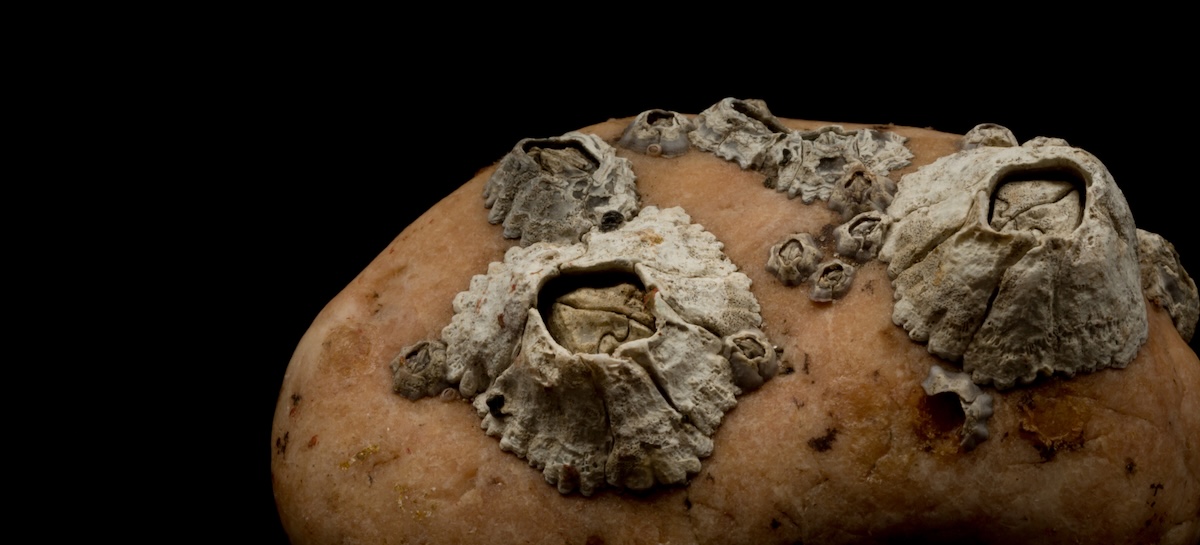 Photo Credit: MonumentalDoom at Deposit Photos
Meet the barnacle, scientifically known as Balanus, a small yet captivating inhabitant of our oceans. Picture a rocky shore where the sun glimmers on the water’s surface, and waves rhythmically crash against the land. Here, barnacles cling tightly to rocks, boats, and even the backs of whales, their hard shells resembling tiny fortresses. These remarkable animals are not just interesting to look at; they have a fascinating life story that stretches back over 500 million years, making them ancient travelers in the grand tale of life on Earth.
What makes barnacles truly special is their unique way of life. As filter feeders, they open their shells to capture tiny organisms drifting in the water, showcasing a simple yet effective feeding strategy. Their ability to thrive in harsh marine environments, where they endure the relentless push and pull of tides, has intrigued scientists and nature lovers alike. Barnacles are more than just a pretty sight; they play a crucial role in their ecosystems, serving as both a food source for various predators and a vital part of the marine food web. Join us as we dive deeper into the world of barnacles, exploring their behavior, diet, and the important roles they play in our oceans.
Barnacles are intriguing animals that hold a special place in the tree of life. They belong to the Kingdom Animalia, which includes all animals, and are classified under the Phylum Arthropoda, the group that encompasses invertebrates with jointed limbs, like insects and spiders. What sets barnacles apart is their unique lifestyle; they are sessile, meaning they attach themselves permanently to surfaces like rocks, ships, and even whales. This adaptation allows them to filter feed, using their specialized appendages to catch tiny food particles from the water. Their fascinating life cycle also includes a free-swimming larval stage, which is quite different from their adult form.
| Taxonomic Rank | Scientific Name | Meaning & Significance |
|---|---|---|
| Kingdom | Animalia | The name “Animalia” comes from the Latin word “animalis,” meaning “having breath” or “living.” This reflects the vital, active nature of all animals, including barnacles. |
| Phylum | Arthropoda | “Arthropoda” means “jointed feet” in Greek, highlighting the jointed limbs that are a characteristic feature of this diverse group, which includes barnacles. |
| Class | Thecostraca | The name “Thecostraca” translates to “shelled” in Greek, referring to the hard calcareous plates that form the barnacle’s protective shell. |
| Order | Maxillopoda | “Maxillopoda” means “maxilla-foot,” which refers to the modified appendages barnacles use for feeding and locomotion during their larval stage. |
| Family | Thecostraca | This family name is the same as the class, emphasizing the shared characteristics of barnacles, particularly their hard shells and unique feeding structures. |
Understanding barnacles’ classification reveals much about their evolutionary journey. As members of the arthropods, they share a common ancestor with insects and crustaceans, showcasing the incredible adaptability of life forms. Their transition from a free-swimming larval stage to a permanently attached adult reflects a fascinating evolutionary strategy that allows them to thrive in various environments. This unique lifestyle not only highlights their resilience but also their role in marine ecosystems, where they contribute to the food web and serve as indicators of environmental health.
The evolutionary journey of barnacles stretches back over 500 million years, making them ancient travelers in the story of life on Earth. These small, hard-shelled animals first appeared during the Cambrian period, a time when the oceans were teeming with diverse life forms. As the world changed, so did barnacles, adapting to various environments and challenges, which has allowed them to thrive in marine ecosystems around the globe.
Barnacles are part of a larger group known as Thecostraca, which includes crustaceans like crabs and shrimp. Their ancestors were free-swimming creatures, resembling tiny shrimp, that eventually settled down and became attached to hard surfaces like rocks and ships. This transition from a mobile lifestyle to a stationary one was a significant evolutionary leap. Over time, barnacles developed a hard, calcareous shell to protect themselves from predators and harsh environmental conditions. They also evolved specialized appendages called cirri, which they use to filter food from the water, showcasing their adaptability to a life spent anchored in one place.
These adaptations have been crucial for barnacles, enabling them to thrive in diverse marine environments. Their hard shells provide defense against predators, while their filter-feeding capabilities ensure they can access food even in nutrient-poor waters. By mastering the art of attachment, barnacles can withstand powerful waves and currents, securing their place in the ocean’s ecosystem. Through millions of years of evolution, barnacles have become a testament to the power of adaptation in the natural world.
Barnacles are small yet captivating animals that often cling to rocks, ships, and even whales. Their bodies are encased in a hard, protective shell that resembles a tiny fortress. This shell is not just for show; it provides essential defense against predators and harsh environmental conditions. When you look closely, you can see that barnacles have a somewhat conical shape, with multiple plates that fit together like pieces of a puzzle. This structure allows them to withstand the relentless pounding of ocean waves while remaining securely anchored to their chosen surface.
| Feature | Description |
|---|---|
| Size | Typically range from 0.5 to 2 inches in diameter |
| Color | Often white, gray, or brown, blending with their surroundings |
| Skin Type | Hard shell made of calcium carbonate, providing protection |
| Shape | Conical or dome-like, allowing for efficient water drainage |
The combination of their hard shell and unique shape plays a crucial role in their survival. The shell not only shields barnacles from predators but also helps them retain moisture during low tide. Their conical form allows water to flow off easily, preventing the buildup of debris and ensuring they can filter feed efficiently when submerged. Together, these features make barnacles well-adapted to life in the ever-changing marine environment, showcasing the wonders of evolution in action.
Barnacles thrive in shallow marine environments, where the sun’s rays dance upon the water’s surface and waves gently lap against rocky shores. These tiny animals often attach themselves to hard surfaces, creating a bustling community of life. Picture a vibrant coastline, where barnacles cling to rocks, piers, and even the hulls of boats, forming clusters that resemble miniature castles. This habitat is rich in nutrients, providing barnacles with the perfect setting to filter-feed and grow.
Barnacles prefer environments that are not only shallow but also experience a mix of tidal changes. They thrive in areas where the water is salty and well-oxygenated, as these conditions support their feeding habits. The temperature of their habitat can vary, but barnacles are generally found in regions where the water is warm enough to support their growth, yet cool enough to keep them safe from extreme heat. They are often exposed to air during low tides, so they must withstand both wet and dry conditions.
To survive in these dynamic environments, barnacles have developed some impressive adaptations. Their hard shells protect them from predators and harsh weather, while their ability to close tightly during low tide helps them retain moisture. This clever strategy allows them to endure periods without water, making them resilient little residents of the ocean. By filtering tiny food particles from the water, barnacles efficiently gather nutrients, ensuring they thrive in their bustling coastal homes.
Barnacles lead a life that is both simple and complex, filled with daily routines that revolve around their aquatic environment. As filter feeders, they spend much of their day with their shells open, allowing water to flow through their bodies. This is when they capture tiny food particles like plankton, which are essential for their survival. When the tide comes in, barnacles are submerged and can feed freely, but when the tide goes out, they close their shells tightly to protect themselves from drying out. This daily rhythm of feeding and sheltering is crucial for their well-being.
Socially, barnacles are quite interesting. They often live in large groups, forming dense colonies on rocks, piers, and even the hulls of boats. This clustering behavior not only provides protection from predators but also enhances their feeding efficiency. When barnacles are close together, they can create a more stable environment, reducing the impact of waves and currents. Communication among barnacles is subtle; they release chemical signals into the water to attract mates and to signal their readiness to reproduce. This social structure helps them thrive in their often harsh marine habitats.
| Behavior Type | Description |
|---|---|
| Feeding | Barnacles filter feed by opening their shells to capture plankton and other tiny particles from the water. |
| Social Structure | They live in colonies, which provide safety in numbers and improve feeding opportunities. |
| Communication | Barnacles use chemical signals to communicate with each other, especially during mating season. |
The behaviors of barnacles are finely tuned to ensure their survival in a dynamic environment. By feeding efficiently and living in colonies, they maximize their chances of finding food and protecting themselves from predators. Their ability to communicate and coordinate with one another further enhances their resilience, allowing them to thrive in the ever-changing tides of the ocean. In this way, barnacles exemplify the delicate balance of life in the sea, where every action contributes to their ongoing story.
Barnacles are fascinating little animals with a diet that primarily consists of tiny organisms found in the water. As omnivores, they enjoy a varied menu that includes both plant and animal matter. Their feeding behavior is quite unique; barnacles are filter feeders, meaning they use specialized appendages called cirri to capture food particles from the water. When the tide comes in, they open their shells and extend these cirri to catch plankton and algae, which are their favorite foods.
| Dietary Aspect | Details |
|---|---|
| Diet Type | Omnivore |
| Favorite Foods | Plankton, Algae |
| Prey Items | Small marine organisms |
| Hunting/Foraging Strategies | Filter feeding using cirri |
This diet plays a crucial role in the barnacle’s ecology and daily routine. By filtering out plankton and algae, barnacles help maintain the health of their marine environment, contributing to the balance of the ecosystem. Their feeding habits also dictate their behavior; they must be in the right place at the right time to catch food as the tides change. This connection to their surroundings makes barnacles not just passive residents of the ocean, but active participants in the vibrant life of coastal waters.
Barnacles have a captivating mating ritual that takes place during the warmer months, typically in spring and summer. When the time is right, males will extend their long, flexible penises to reach out to nearby females, sometimes even several feet away. This unique adaptation allows them to mate while remaining firmly attached to their chosen surfaces. After successful mating, the female barnacle will begin the process of reproduction, releasing fertilized eggs into the water, where they will develop into larvae.
| Reproductive Aspect | Details |
|---|---|
| Gestation Period | 2 to 3 weeks |
| Litter Size | Up to 1 million eggs |
| Age of Maturity | 6 to 12 months |
| Name of Young | Larvae |
Once the larvae hatch, they embark on an adventurous journey through the water column, drifting and feeding on microscopic organisms. After a few weeks, they undergo a transformation, settling down to attach themselves to a hard surface. This is a crucial step in their development, as they will grow into adult barnacles. Interestingly, adult barnacles do not provide direct parental care, but their early life stages are filled with opportunities for growth and learning in the rich marine environment. As they mature, they will develop the hard shells that protect them, becoming the familiar barnacles we see clinging to rocks and ships.
Barnacles play a crucial role in the marine food web, serving as both filter feeders and a food source for various predators. By filtering plankton and other tiny particles from the water, they contribute to the health of their ecosystems. However, their position also makes them vulnerable to a range of threats, as they are a tasty snack for many animals in the ocean.
To survive these dangers, barnacles have developed several clever defensive strategies. Their hard shells act as a formidable barrier against predators, making it difficult for many animals to access their soft bodies inside. Additionally, barnacles can close their shells tightly when exposed to air or threats, conserving moisture and protecting themselves from hungry attackers. By clinging tightly to rocks and other surfaces, they also reduce the chances of being dislodged by waves or predators, showcasing their resilience in the face of danger.
A keystone species is a vital part of its ecosystem, one that has a disproportionately large impact on its environment compared to its abundance. Barnacles, though small, qualify as a keystone species in many marine ecosystems. Their presence influences the structure and function of their habitats, making them essential players in the underwater world.
Barnacles are filter feeders, meaning they consume tiny particles from the water, such as plankton. By doing this, they help maintain water quality and clarity, which benefits other marine life. When barnacles attach themselves to rocks or other surfaces, they create a habitat for various organisms, including algae and small invertebrates. This not only increases biodiversity but also provides food and shelter for other species. For example, the presence of barnacles can attract fish and other predators, which rely on the diverse community that barnacles help support.
Moreover, barnacles can influence the physical environment. Their hard shells can alter the structure of the surfaces they cling to, creating new microhabitats. This can lead to increased complexity in the ecosystem, allowing for a greater variety of species to thrive. In areas where barnacles are abundant, they can even affect wave action and sedimentation patterns, further shaping their surroundings.
If barnacles were to disappear from their ecosystems, the consequences would be significant. Without these tiny filter feeders, water quality could decline, leading to harmful algal blooms that can suffocate marine life. The loss of barnacles would also disrupt the habitats they create, causing a ripple effect that could diminish biodiversity. Many species that rely on barnacles for food or shelter would struggle to survive, potentially leading to declines in fish populations and other marine animals. In essence, the absence of barnacles would unravel the delicate balance of their ecosystems, highlighting just how crucial they are to the health of our oceans.
Barnacles are small but mighty creatures that play a significant role in their marine ecosystems. These tiny animals thrive in shallow waters, where they attach themselves to hard surfaces like rocks, boats, and even the shells of larger animals. By doing so, they create a unique ecological niche, acting as both filter feeders and a food source for various marine life. Their presence helps shape the environment around them, influencing everything from water quality to the diversity of species in their habitat.
| Ecosystem Service | Impact |
|---|---|
| Water Filtration | Barnacles filter plankton and other particles from the water, improving water clarity and quality. |
| Habitat Creation | By attaching to surfaces, barnacles provide a habitat for other marine organisms, promoting biodiversity. |
| Food Source | They serve as a vital food source for various predators, including fish and seabirds. |
| Bioindicators | Barnacles can indicate the health of marine ecosystems, as their presence reflects environmental conditions. |
Barnacles influence their surroundings in several fascinating ways. For instance, when they filter feed, they remove excess nutrients and pollutants from the water, which can help prevent harmful algal blooms. These blooms can deplete oxygen levels and harm other marine life. Additionally, barnacles create a hard surface that can be colonized by other organisms, such as algae and small invertebrates. This process not only enhances biodiversity but also contributes to the overall stability of the ecosystem.
The broader ecological importance of barnacles cannot be overstated. As keystone species, they play a crucial role in maintaining the balance of their marine environments. Their ability to filter water and provide habitat supports a diverse array of life, from tiny plankton to larger predators. By understanding the impact of barnacles, we gain insight into the health of our oceans and the intricate web of life that depends on these small yet powerful animals.
Symbiosis is a fascinating concept in nature that describes the close relationships between different species. These interactions can take many forms, including mutualism, where both species benefit, parasitism, where one benefits at the other’s expense, and commensalism, where one benefits while the other is neither helped nor harmed. Barnacles, those small, hard-shelled animals that cling to rocks and whales, engage in various symbiotic relationships that highlight the interconnectedness of marine life.
| Species/Type | Relationship Type | Description |
|---|---|---|
| Whales | Commensalism | Barnacles attach to the skin of whales, gaining a free ride through nutrient-rich waters while the whale is largely unaffected. |
| Crabs | Mutualism | Some crabs provide barnacles with a stable surface to attach to, while barnacles help protect the crabs from predators by camouflaging them. |
| Oysters | Commensalism | Barnacles often settle on oyster shells, benefiting from the hard surface without harming the oysters, which continue to filter feed. |
These relationships have evolved over time, showcasing the adaptability and resilience of barnacles and their partners. By forming these connections, barnacles not only secure a stable home but also contribute to the health of their ecosystems. The mutual benefits and interactions among species highlight the delicate balance of life in the ocean, reminding us that every creature, no matter how small, plays a vital role in the grand tapestry of nature.
Barnacles may seem like simple creatures, but they are full of surprises that can captivate anyone interested in the natural world. These tiny animals have some remarkable traits and behaviors that make them truly stand out in the marine ecosystem.
Barnacles have been part of human history for centuries, often seen as both a nuisance and a source of inspiration. Ancient mariners would find these small, hard-shelled animals clinging to their ships, creating a layer of unwanted weight that could slow them down. Yet, in many cultures, barnacles have also been celebrated in art and literature, symbolizing resilience and adaptability. Their presence on boats and coastal structures has sparked curiosity and admiration, leading to a deeper understanding of their role in marine ecosystems.
Today, our interactions with barnacles are more complex. While they are still viewed as pests in some contexts, especially in shipping and fishing industries, there is a growing awareness of their ecological importance. Conservation efforts are underway to protect their habitats, as barnacles contribute significantly to the health of marine environments. However, conflicts arise when barnacles attach themselves to boats and docks, leading to costly maintenance and repairs. Some researchers are even exploring the potential for barnacles in biotechnology, looking at how their strong adhesive properties could inspire new materials.
As we look to the future, the relationship between barnacles and humanity is likely to evolve. With increasing awareness of environmental issues, we may find new ways to coexist with these fascinating creatures. By understanding their ecological roles and finding sustainable solutions to manage their growth, we can appreciate barnacles not just as a challenge, but as vital players in the health of our oceans. Embracing this perspective could lead to innovative partnerships that benefit both humans and the natural world.
The conservation status of barnacles is currently classified as “Least Concern” by the International Union for Conservation of Nature (IUCN). This means that, overall, barnacles are not facing immediate threats that could lead to their extinction. Their populations are stable, and they are found in a variety of marine environments around the world. However, local populations can vary, and some species may experience fluctuations due to environmental changes.
| Conservation Factor | Status/Details |
|---|---|
| IUCN Status | Least Concern |
| Population Estimates | Stable across many regions |
| Trend Direction | Stable |
Barnacles face several threats that can impact their local populations. Climate change is a significant concern, as rising ocean temperatures and acidification can alter their habitats and food sources. Additionally, pollution from coastal development and runoff can harm the water quality that barnacles depend on. Overfishing and habitat destruction can also disrupt the delicate balance of their ecosystems, making it harder for barnacles to thrive.
Conservation efforts for barnacles are generally focused on protecting their habitats and maintaining healthy marine ecosystems. Initiatives to reduce pollution and manage coastal development are crucial for ensuring that barnacles continue to flourish. As awareness of marine conservation grows, there is hope that these tiny yet vital creatures will remain a stable part of our oceans for generations to come. By understanding and protecting their environments, we can help ensure that barnacles continue to play their important role in marine life.
| Question | Answer |
|---|---|
| Where do barnacles live? | Barnacles are found in shallow marine environments, often attached to rocks, ships, and even other animals like whales. They thrive in intertidal zones, which are areas that are underwater at high tide and exposed at low tide. |
| What do barnacles eat? | Barnacles are omnivores, meaning they eat both plant and animal matter. They primarily feed on tiny particles in the water, such as plankton and detritus, which they filter out using their specialized feeding appendages called cirri. |
| How do barnacles behave? | Barnacles are sessile creatures, which means they spend most of their lives attached to a surface and do not move around. They are known for their unique feeding behavior, where they extend their cirri to catch food from the water. |
| How do barnacles reproduce? | Barnacles have a fascinating reproductive process. They are hermaphrodites, meaning each individual has both male and female reproductive organs. During mating, they can exchange sperm with nearby barnacles to fertilize their eggs, which are then released into the water as larvae. |
| What threats do barnacles face? | While barnacles are currently classified as "Least Concern" in terms of conservation status, they can face threats from pollution and habitat destruction. Changes in water temperature and salinity can also impact their populations, especially in areas affected by climate change. |
| What are some interesting characteristics of barnacles? | Barnacles have a hard outer shell made of calcium carbonate, which protects them from predators and harsh environmental conditions. They can also live for several years and are known for their ability to withstand extreme conditions, such as being exposed to air during low tides. |
| Can barnacles move once they are attached? | No, once barnacles attach themselves to a surface, they cannot move. This attachment is permanent, and they spend their entire adult lives in the same spot, relying on their feeding appendages to gather food from the surrounding water. |