Taxonomy & Classification
- Kingdom
- Animalia
- Phylum
- Chordata
- Class
- Aves
- Order
- Cathartiformes
- Family
- Cathartidae
- Genus
- Cathartes
- Species
- Cathartes aura

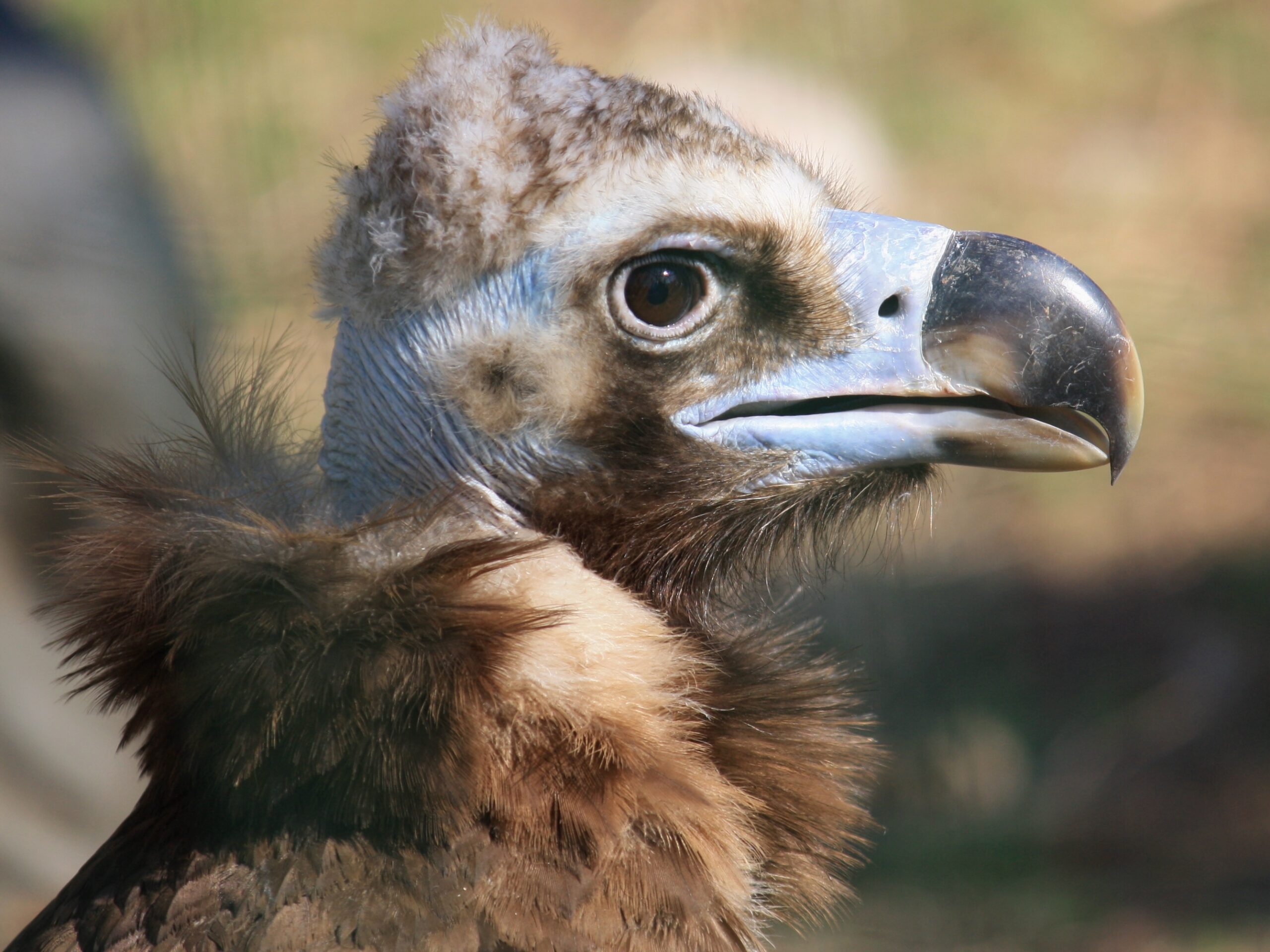 Photo Credit: Jedudedek / Wikimedia Commons
In the sun-drenched savannahs of Africa, the majestic Vulture, known scientifically as Gyps, soars gracefully through the sky. With wings that stretch up to ten feet across, these birds are built for flight, gliding effortlessly on warm air currents. Their keen eyesight allows them to spot a meal from miles away, making them the ultimate scavengers of the animal kingdom. With their bald heads and necks, vultures are uniquely adapted to their diet, as these features help keep them clean while feasting on carrion, or dead animals. This striking appearance, combined with their essential role in the ecosystem, makes vultures a subject of fascination for scientists and nature lovers alike.
As they circle high above the landscape, vultures are not just searching for food; they are performing a vital service for the environment. By consuming carcasses, they help prevent the spread of disease and recycle nutrients back into the soil. This makes them a keystone species, meaning their presence is crucial for maintaining the balance of their ecosystems. Despite their important role, vultures often face threats from habitat loss and poisoning, leading to a decline in their populations. Understanding these incredible birds and their contributions to nature is essential for their conservation and the health of our planet.
Vultures hold a special place in the tree of life, showcasing a unique blend of adaptations that make them essential players in their ecosystems. Classified within the Kingdom Animalia, these birds belong to the Phylum Chordata, which includes all animals with a backbone. Vultures are part of the Class Aves, meaning they are birds, and they fall under the Order Cathartiformes. This order is particularly interesting because it includes only a few species that share similar traits, such as their scavenging habits. Vultures are often recognized for their bald heads and strong beaks, which are perfectly designed for tearing into carrion, or dead animals. This adaptation not only helps them feed but also plays a crucial role in maintaining the health of their environment by cleaning up waste.
| Taxonomic Rank | Scientific Name | Meaning & Significance |
|---|---|---|
| Kingdom | Animalia | The name “Animalia” comes from the Latin word “animalis,” meaning “having breath” or “living.” This reflects the vital, breathing nature of all animals. |
| Phylum | Chordata | “Chordata” is derived from the Latin word “chorda,” meaning “string” or “cord.” This refers to the notochord, a flexible rod that supports the body in the early stages of development, a feature all chordates share. |
| Class | Aves | The term “Aves” comes from the Latin word for “bird.” This classification highlights the unique characteristics of birds, such as feathers and the ability to fly. |
| Order | Cathartiformes | “Cathartiformes” is derived from the Greek word “kathartes,” meaning “cleanser.” This name reflects the vulture’s role in nature as a scavenger that cleans up dead animals. |
| Family | Cathartidae | The name “Cathartidae” also comes from “kathartes,” emphasizing the family’s scavenging lifestyle and ecological importance. |
| Genus | Cathartes | “Cathartes” is a Latin term that means “to cleanse.” This name underscores the vulture’s essential role in the ecosystem as a cleaner of the environment. |
The classification of vultures reveals much about their evolutionary history and ecological niche. As scavengers, they have evolved specific traits that allow them to thrive on a diet of carrion, which few other animals can digest safely. Their bald heads, for instance, are not just a quirky feature; they help keep them clean while feeding on decaying matter. By understanding where vultures fit in the tree of life, we can appreciate their vital role in the balance of nature, reminding us that every creature, no matter how seemingly unglamorous, has a purpose in the grand tapestry of life.
The evolutionary journey of vultures stretches back millions of years, weaving through the tapestry of time to reveal a lineage that has adapted to the challenges of survival. These scavenging birds belong to the family Cathartidae, which emerged around 20 million years ago during the Miocene epoch. This period was marked by significant changes in climate and vegetation, setting the stage for the evolution of many bird species, including vultures.
Ancestral forms of vultures were likely similar to other birds of prey, but over time, they developed distinct traits that set them apart. Early vultures began to specialize in scavenging, a lifestyle that required unique adaptations for finding and consuming carrion, or dead animals. As they evolved, they lost the strong, hooked beaks typical of hunters, replacing them with flatter, more robust beaks suited for tearing into decaying flesh. Their keen eyesight became sharper, allowing them to spot food from great heights, while their strong, broad wings enabled them to soar effortlessly on thermal updrafts, conserving energy as they searched for meals.
Vultures have thrived thanks to these remarkable adaptations, which have allowed them to carve out a niche as nature’s clean-up crew. Their ability to locate food from great distances, coupled with their specialized digestive systems, ensures they can consume what others cannot. By feeding on carrion, vultures play a crucial role in maintaining the health of ecosystems, preventing the spread of disease and recycling nutrients back into the environment. Their evolutionary story is a testament to the power of adaptation and the importance of every species in the web of life.
Vultures are striking birds that command attention with their impressive wingspans and distinctive features. Their bodies are built for soaring high in the sky, with long, broad wings that allow them to glide effortlessly on thermal currents. This adaptation not only conserves energy but also helps them spot potential meals from great distances. With a sturdy, robust frame, vultures often appear larger than they actually are, thanks to their feathers that cloak their bodies in a mix of earthy tones. Their heads, often bare or sparsely feathered, give them a unique and somewhat regal appearance, while also serving a practical purpose.
| Feature | Description |
|---|---|
| Weight | 0.85kg – 2.2kg (1.9lbs – 5lbs) |
| Skin Type | Feathers |
| Wingspan | Typically ranges from 1.5 to 3 meters (5 to 10 feet) |
| Coloration | Earthy tones, often browns and blacks, with some species displaying white or gray |
| Head | Bald or sparsely feathered, often with a wrinkled appearance |
The combination of these features plays a crucial role in the vulture’s survival. Their lightweight bodies and expansive wings allow them to soar for hours without flapping, conserving energy as they search for carrion, or dead animals, which is their primary food source. The bare skin on their heads helps keep them clean while feeding, as it prevents feathers from becoming soiled with decaying matter. This remarkable design not only enhances their efficiency as scavengers but also highlights their important role in the ecosystem, helping to keep the environment clean and free of disease.
Vultures are often found in some of the most open and expansive landscapes on Earth. Picture vast savannahs where golden grasses sway in the wind, or arid deserts that stretch endlessly under a blazing sun. These birds thrive in environments that offer plenty of space to soar and search for food. They are typically seen gliding gracefully on thermal updrafts, scanning the ground below for signs of life—or, more accurately, signs of death. Their habitats are not just about the scenery; they are also rich in the resources vultures need to survive.
Vultures prefer climates that are warm and dry, often found in regions where rainfall is scarce. These birds are well-suited to environments that experience significant temperature fluctuations, from the heat of the day to cooler nights. They thrive in areas where they can easily locate carrion, or dead animals, which is their primary food source. The open spaces of grasslands and deserts allow them to spot potential meals from great heights, making these habitats ideal for their scavenging lifestyle.
To make the most of their surroundings, vultures have developed several clever adaptations. Their keen eyesight allows them to spot food from miles away, while their strong, broad wings enable them to soar effortlessly for hours without flapping. This energy-efficient flying is crucial in their search for food, as it helps them cover large distances with minimal effort. Additionally, vultures have a unique digestive system that can handle the bacteria found in decaying flesh, allowing them to feast on carrion that many other animals would avoid. These adaptations make vultures perfectly suited to their habitats, playing a vital role in maintaining the balance of their ecosystems.
Vultures lead a daily life that revolves around the search for food, often rising with the sun to take advantage of the warm thermals that help them soar effortlessly through the sky. These birds are primarily scavengers, meaning they feed on the remains of dead animals. Their keen eyesight allows them to spot potential meals from great heights, often circling above the landscape in search of carrion. Once they locate a meal, they swoop down to feast, using their strong beaks to tear through tough hides and access the nutritious flesh inside.
While vultures are often seen alone, they can also gather in groups, especially when a food source is found. This social behavior is crucial, as it allows them to share information about food locations and helps them defend their meals from other scavengers. Within these groups, vultures establish a hierarchy, where larger and more dominant birds often eat first. Communication among vultures is fascinating; they use a variety of vocalizations and body language to signal their intentions and establish their place within the group.
| Behavior Type | Description |
|---|---|
| Activity Patterns | Vultures are diurnal, meaning they are active during the day. They spend their mornings soaring and searching for food, often resting in trees or on cliffs during the hottest parts of the day. |
| Social Structure | While primarily solitary, vultures can form loose groups when feeding. They establish a pecking order, with dominant individuals feeding first. |
| Communication Methods | Vultures communicate through a mix of vocal sounds and body postures. They may hiss or grunt to express aggression or dominance, while also using visual cues to signal their intentions to others. |
The behaviors of vultures are finely tuned to ensure their survival in the wild. By soaring high and using their sharp eyesight, they can locate food sources that might be hidden from other animals. Their social interactions not only help them find food more efficiently but also protect them from potential threats. In a world where resources can be scarce, these adaptations make vultures vital players in their ecosystems, helping to keep the environment clean and balanced.
Vultures are nature’s clean-up crew, primarily feeding on the remains of dead animals. As carnivores, they play a crucial role in the ecosystem by consuming carcasses that would otherwise decay and spread disease. With their keen eyesight, vultures can spot potential meals from great heights, soaring gracefully on thermal updrafts. They are not hunters in the traditional sense; instead, they rely on their ability to locate carrion, which is the term for dead animals, often left behind by other predators.
| Dietary Aspect | Details |
|---|---|
| Diet Type | Carnivore |
| Favorite Foods | Small and large animal carcasses |
| Prey Items | Rats and other dead animals |
| Hunting/Foraging Strategies | Soaring high to spot carrion from the sky |
This scavenging diet shapes the vulture’s daily routine and ecological role significantly. By consuming dead animals, vultures help prevent the spread of disease and recycle nutrients back into the environment. Their presence is vital for maintaining a healthy ecosystem, as they ensure that nothing goes to waste. So, the next time you see a vulture soaring overhead, remember that it’s not just a bird in the sky; it’s a key player in keeping our world clean and balanced.
Vultures have a fascinating mating ritual that often begins with elaborate displays. During the breeding season, which varies by species and location, these birds engage in courtship behaviors that can include soaring together, performing aerial acrobatics, and even mutual preening. These displays help strengthen the bond between potential mates, ensuring they are well-matched for the challenges of raising young. Once a pair has formed, they typically return to the same nesting site year after year, demonstrating loyalty and commitment.
| Reproductive Aspect | Details |
|---|---|
| Gestation Period | Vultures do not have a gestation period like mammals, but the incubation period for their eggs usually lasts about 50 to 60 days. |
| Litter Size | Most vultures lay one to three eggs per breeding season. |
| Age of Maturity | Vultures typically reach sexual maturity between 4 to 6 years of age. |
| Name of Young | The young vultures are called chicks or nestlings. |
Once the eggs hatch, the parents take on the important role of caregivers. Vulture chicks are born covered in downy feathers and are completely dependent on their parents for food and protection. The adults regurgitate partially digested food to feed their young, ensuring they receive the nutrients needed to grow strong. As the chicks develop, they begin to explore their surroundings and practice flapping their wings. After several months, they will fledge, or leave the nest, but they often stay close to their parents for guidance as they learn to soar and hunt. This nurturing process is vital, as it helps the young vultures gain the skills they need to thrive in the wild.
Vultures occupy a vital role in the food web, acting as nature’s recyclers. By feeding on dead animals, they help prevent the spread of disease and keep ecosystems healthy. However, despite their important function, vultures face numerous dangers that threaten their survival.
To defend themselves against these threats, vultures have developed several survival strategies. They often soar high in the sky, using their keen eyesight to spot food from great distances, which helps them avoid dangerous areas. When threatened, vultures can also regurgitate their stomach contents, a tactic that can deter predators by creating a foul smell. Additionally, their social nature allows them to gather in groups, providing safety in numbers as they search for food together. These adaptations showcase their resilience in the face of challenges, ensuring they continue to play their essential role in the ecosystem.
A keystone species is a vital part of an ecosystem, meaning its presence and activities have a significant impact on the environment and other living things. Vultures certainly qualify as keystone species due to their unique role in maintaining ecological balance. By feeding on dead animals, they help prevent the spread of disease and contribute to nutrient cycling, making them essential for the health of their habitats.
Vultures are nature’s clean-up crew, and their scavenging habits have far-reaching effects. When they consume carcasses, they not only eliminate potential sources of disease but also recycle nutrients back into the soil. This process enriches the ground, promoting plant growth and supporting other wildlife. For example, in savannahs and grasslands, the nutrients from decomposed animals can help grasses flourish, which in turn supports herbivores like zebras and antelopes. Without vultures, these carcasses would linger, creating unsanitary conditions that could lead to outbreaks of disease among other animals.
Moreover, vultures play a role in controlling populations of other scavengers. When they feed on carcasses, they often outcompete smaller scavengers, such as rats and raccoons, which can multiply quickly if left unchecked. This balance helps maintain a healthy ecosystem where no single species dominates. In deserts, where food can be scarce, vultures are particularly important, as they ensure that the remains of dead animals are quickly consumed, preventing the area from becoming a breeding ground for harmful bacteria.
If vultures were to disappear, the consequences would be dire. Carcasses would accumulate, leading to unsanitary conditions that could foster disease outbreaks among other animals and even humans. The absence of vultures would disrupt the nutrient cycle, resulting in poorer soil quality and less plant growth. This decline would ripple through the food web, affecting herbivores and the predators that rely on them. In essence, the loss of vultures would unravel the delicate balance of their ecosystems, highlighting just how crucial these birds are to the health of our planet.
Vultures occupy a crucial ecological niche as scavengers, meaning they primarily feed on the remains of dead animals. This role is vital for maintaining the health of ecosystems. By consuming carcasses, vultures help to prevent the spread of diseases that could arise from decaying bodies. Their unique adaptations, such as strong beaks and excellent eyesight, allow them to locate food from great heights, making them efficient at cleaning up the environment. In this way, vultures serve as nature’s clean-up crew, ensuring that ecosystems remain balanced and healthy.
| Ecosystem Service | Impact |
|---|---|
| Carcass Removal | Reduces disease spread by consuming dead animals. |
| Nutrient Recycling | Returns nutrients to the soil, promoting plant growth. |
| Food Source for Other Animals | Provides food for smaller scavengers and decomposers. |
| Habitat Maintenance | Helps maintain healthy ecosystems by controlling animal populations. |
Vultures influence their environment in several specific ways. For instance, when a large animal dies, vultures are often the first to arrive, quickly consuming the carcass. This not only cleans up the area but also prevents other animals from becoming ill from the decaying remains. In some regions, the presence of vultures can even indicate the health of the ecosystem. If vulture populations decline, it may signal problems such as habitat loss or poisoning from chemicals, which can affect many other species in the area.
The broader ecological importance of vultures cannot be overstated. As keystone species, their activities have a ripple effect throughout their habitats. By keeping the environment clean and healthy, vultures support a diverse range of life, from plants to other animals. Their role in nutrient cycling helps sustain the very ecosystems they inhabit, making them indispensable to the balance of nature. Without vultures, the world would face a much greater challenge in managing waste and maintaining the health of our planet’s ecosystems.
In the intricate web of life, symbiosis plays a vital role, connecting different species in various ways. Symbiosis refers to the close and often long-term interactions between two different biological species. These relationships can be mutualistic, where both species benefit; parasitic, where one benefits at the expense of the other; or commensal, where one benefits while the other is neither helped nor harmed. Vultures, with their unique ecological role as scavengers, engage in several fascinating partnerships with other species, showcasing the diverse ways life on Earth is interconnected.
| Species/Type | Relationship Type | Description |
|---|---|---|
| Oxpeckers | Mutualistic | Oxpeckers are small birds that perch on large mammals like buffalo or rhinos. They feed on ticks and parasites found on the mammals’ skin, while the mammals benefit from pest removal. |
| Hyenas | Commensal | Vultures often follow hyenas to carcasses. While hyenas eat their fill, vultures wait for their turn to scavenge the remains, benefiting from the hyenas’ hunting efforts without affecting them. |
| Other scavengers (like jackals) | Mutualistic | Vultures and jackals often work together to locate food. Vultures can spot carcasses from the sky, while jackals can access the remains on the ground, benefiting both species in their search for food. |
These relationships have evolved over time, shaped by the needs and behaviors of the species involved. Vultures have developed keen eyesight to spot food from great heights, while their partners, like oxpeckers and jackals, have adapted to work alongside them. This cooperation not only enhances their survival but also contributes to the health of their ecosystems. By working together, these species ensure that resources are efficiently utilized, demonstrating the beauty of nature’s interconnectedness.
Vultures are often misunderstood, but these incredible birds are full of surprises that showcase their importance in nature. Here are some intriguing facts that might just change the way you think about them.
Vultures have long been intertwined with human culture, often evoking a mix of reverence and fear. In many ancient civilizations, these birds were seen as symbols of death and rebirth, embodying the cycle of life. For instance, in ancient Egypt, vultures were revered as protectors of the dead, often depicted in art and mythology. Their ability to consume carrion, or dead animals, made them essential to the health of the environment, and many cultures recognized their role in keeping the land clean. This historical relationship has shaped how humans view vultures, blending admiration with a sense of unease.
Today, the interactions between vultures and humans are complex and multifaceted. On one hand, conservation efforts are underway to protect these vital scavengers, as many species face threats from habitat loss, poisoning, and hunting. Organizations around the world are working to raise awareness about the ecological importance of vultures, emphasizing their role in preventing disease by cleaning up carcasses. However, conflicts can arise, especially in agricultural areas where vultures are sometimes seen as pests. In some regions, farmers may view them as a threat to livestock, leading to negative perceptions and even persecution.
Looking ahead, the future of the relationship between vultures and humanity hinges on our ability to understand and appreciate these remarkable birds. As we face environmental challenges, fostering a positive connection with vultures can lead to better conservation outcomes. By recognizing their essential role in maintaining healthy ecosystems, we can work together to protect these incredible scavengers. With continued education and awareness, we can ensure that vultures remain a vital part of our world, celebrated for their contributions rather than feared for their presence.
Vultures are currently facing significant challenges, with many species classified as endangered. Their populations have been declining sharply in recent years, primarily due to human activities and environmental changes. This decline is alarming, as vultures play a crucial role in maintaining healthy ecosystems by consuming carrion, or dead animals, which helps prevent the spread of disease.
| Conservation Factor | Status/Details |
|---|---|
| IUCN Status | Endangered |
| Population Estimates | Varies by species, but many are in the thousands or fewer |
| Trend Direction | Decreasing |
The main threats to vultures are numerous and complex. One of the most significant dangers they face is poisoning, often from carcasses laced with toxic substances intended for other animals. Additionally, habitat loss due to urbanization and agricultural expansion reduces their natural foraging areas. Vultures are also affected by the decline of their food sources, as livestock management practices change and fewer animals die in the wild. These factors combined create a precarious situation for these essential scavengers.
Conservation efforts are underway to protect vultures and their habitats. Organizations are working to raise awareness about the importance of these birds and the threats they face. Initiatives include creating safe feeding stations, banning harmful pesticides, and restoring habitats. The outlook for vultures can improve with concerted efforts from governments, conservationists, and local communities. By understanding and valuing these incredible birds, we can help ensure their survival for generations to come.
| Question | Answer |
|---|---|
| Where do vultures live? | Vultures are found in a variety of habitats, including deserts, savannahs, and grasslands. They often prefer areas near water sources, which are essential for drinking and cooling off. |
| What do vultures eat? | Vultures are carnivores, meaning they primarily eat meat. They are scavengers, which means they feed on the remains of dead animals, helping to keep the environment clean. |
| How do vultures behave in the wild? | Vultures are social birds and often gather in groups, especially when feeding. They have excellent eyesight, allowing them to spot food from great distances, and they can soar high in the sky to search for carcasses. |
| How do vultures reproduce? | Vultures typically mate for life and build their nests in high places, like cliffs or tall trees. The female usually lays one to three eggs, and both parents take turns incubating them until they hatch. |
| What threats do vultures face? | Vultures are endangered due to habitat loss, poisoning, and hunting. Many vultures die from eating carcasses that have been treated with toxic substances, which can severely impact their populations. |
| What are some interesting characteristics of vultures? | Vultures have a unique bald head, which helps keep them clean while feeding on carcasses. They also have a highly developed sense of smell, which is rare among birds, allowing them to detect rotting meat from miles away. |
| How do vultures help the environment? | Vultures play a crucial role in the ecosystem by consuming dead animals, which helps prevent the spread of disease. Their scavenging behavior ensures that the environment remains healthy and balanced. |