Taxonomy & Classification
- Kingdom
- Animalia
- Phylum
- Chordata
- Class
- Mammalia
- Order
- Carnivora
- Family
- Canidae
- Genus
- Canis
- Species
- Canis lupus

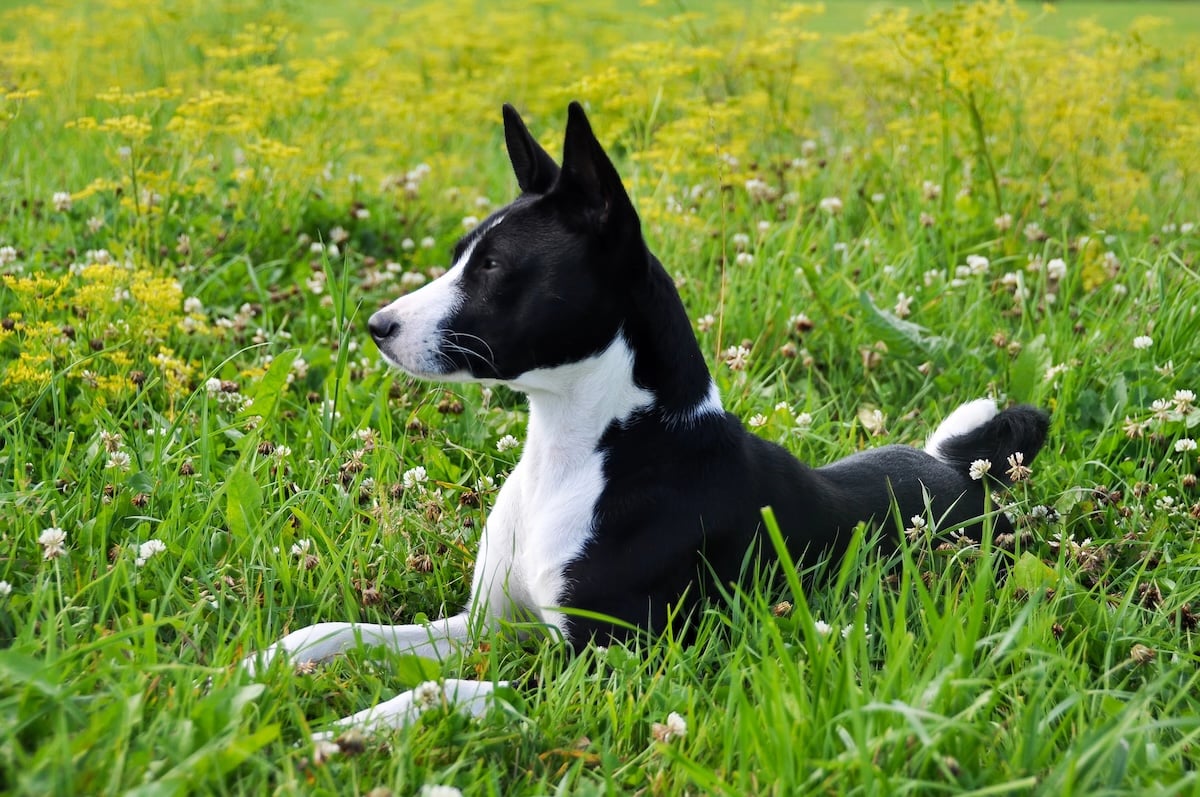 Photo Credit: zannaholstova at Deposit Photos
In the heart of Central Africa, where the sun casts golden rays over rolling hills and dense forests, the Basenji dog, scientifically known as Canis lupus familiaris, roams with an air of elegance and agility. This breed, often referred to as the “barkless dog,” captivates both scientists and dog lovers alike with its unique vocalization, which resembles a yodel rather than a traditional bark. With its sleek, athletic build and expressive eyes, the Basenji is not just a striking sight; it embodies a rich history that intertwines with the lives of the people in its native land.
As these dogs navigate their lush habitat, they showcase a blend of playful energy and keen observation. Their natural instincts shine through as they hunt small game and forage for fruits, demonstrating a remarkable adaptability that has allowed them to thrive alongside humans for thousands of years. The Basenji’s fascinating behaviors, from its curious nature to its strong bond with its human companions, make it a beloved member of the canine family. Join us as we explore the world of the Basenji dog, uncovering its evolutionary journey, lifestyle, and the special role it plays in the ecosystems of Central Africa.
The Basenji dog holds a special place in the animal kingdom, nestled within the family of Canidae, which includes all dogs, wolves, and foxes. This breed is often called the “barkless dog” because it doesn’t bark like most canines. Instead, it produces a unique sound known as a “barroo,” which is a mix between a yodel and a howl. This distinctive vocalization, along with its cat-like grooming habits and keen hunting instincts, sets the Basenji apart from other dog breeds. Its lineage traces back to ancient Africa, where it was bred for hunting and companionship, making it a living link to the past.
| Taxonomic Rank | Scientific Name | Meaning & Significance |
|---|---|---|
| Kingdom | Animalia | This name signifies that Basenjis belong to the broad group of multicellular organisms that are capable of movement and responsive to their environment. |
| Phylum | Chordata | Chordata means “having a notochord,” which is a flexible rod that supports the body. In Basenjis, this structure is present during early development, showcasing their vertebrate lineage. |
| Class | Mammalia | Mammalia refers to mammals, characterized by having fur or hair and the ability to nurse their young with milk. Basenjis, like all dogs, are warm-blooded and have fur, which helps them adapt to various climates. |
| Order | Carnivora | Carnivora means “meat-eaters,” highlighting the Basenji’s ancestral diet. While they can eat a variety of foods today, their sharp teeth and strong jaws are designed for catching prey. |
| Family | Canidae | Canidae is the family that includes dogs, wolves, and foxes. The Basenji shares common traits with these relatives, such as social behavior and pack dynamics. |
| Genus | Canis | Canis is the genus that encompasses all modern dogs and their wild relatives. The name reflects their shared ancestry and genetic similarities, which are evident in their behavior and physical traits. |
Understanding the Basenji’s classification reveals much about its evolutionary journey. As a member of the Canidae family, it shares a common ancestor with wolves and other canines, which explains its hunting instincts and social behaviors. The Basenji’s unique traits, such as its vocalization and grooming habits, highlight adaptations that have developed over thousands of years. This breed not only connects us to the ancient world of dogs but also showcases the incredible diversity within the animal kingdom, reminding us of the intricate web of life that surrounds us.
The Basenji dog has a captivating evolutionary history that stretches back thousands of years. This breed is believed to have originated in Central Africa, where it has been a companion to humans for over 5,000 years. The Basenji’s lineage is intertwined with the early domestication of dogs, making it one of the oldest breeds known to humankind.
The ancestors of the Basenji were likely wild canids that roamed the African savannas. Over time, these early dogs adapted to their environment, developing traits that would help them thrive alongside humans. As they became domesticated, they were bred for specific purposes, such as hunting and companionship. This led to significant evolutionary changes, including a unique vocalization that is more of a yodel than a bark, allowing them to communicate effectively in dense forests.
These adaptations have played a crucial role in the Basenji’s survival in the wild and as a companion to humans. Their unique vocalization allows them to communicate effectively in dense forests, while their short coat keeps them comfortable in hot climates. The strong hunting instincts and endurance enable them to thrive in their natural habitat, making them valuable partners for early humans. The Basenji’s evolutionary journey showcases the incredible ways in which animals adapt to their environments and the relationships they form with us.
The Basenji dog is a striking sight, with a compact and athletic build that exudes both elegance and strength. Standing at about 16 to 17 inches tall at the shoulder, this breed is well-proportioned, with a graceful neck that leads to a refined head. Their expressive, almond-shaped eyes shine with intelligence and curiosity, while their tightly curled tail adds a playful touch to their overall appearance. The Basenji’s smooth, short coat hugs their body closely, showcasing their muscular frame and agile movements.
| Feature | Description |
|---|---|
| Weight | 24 lbs |
| Skin Type | Hair |
| Color | Commonly red, brindle, or black with white markings |
| Body Structure | Compact and muscular with a graceful neck |
| Tail | Curled tightly over the back |
| Eyes | Almond-shaped and expressive |
These physical features are not just for show; they serve important purposes in the Basenji’s life. Their lightweight frame and strong muscles allow for quick, agile movements, which are essential for hunting in their native African environment. The short coat helps them stay cool in warm climates, while their unique tail position aids in balance and communication with other dogs. With their keen eyesight and alert demeanor, Basenjis are well-equipped to navigate their surroundings, making them both beautiful and functional companions.
The Basenji dog calls the lush landscapes of Central Africa its home. Picture rolling hills, dense forests, and open savannas where these agile dogs have thrived for centuries. Their natural habitat is rich in wildlife, providing plenty of opportunities for exploration and play. The Basenji’s keen senses and energetic nature make it perfectly suited to this vibrant environment, where it can run freely and engage with the world around it.
The climate in these regions is typically warm and humid, with a mix of wet and dry seasons. Basenjis enjoy temperatures that range from mild to hot, as they are well-adapted to the heat. They thrive in environments where they can stay active, and the natural vegetation provides ample shade and shelter from the sun. Rainfall can be heavy during certain months, creating a lush landscape that supports a variety of flora and fauna.
Over time, the Basenji has developed several adaptations that help it survive in its native habitat. Its short coat is not only sleek and beautiful but also helps regulate body temperature, keeping it cool in the heat. The breed’s strong legs and agile body allow for quick movements, making it an excellent hunter. Additionally, the Basenji’s unique vocalization, which resembles a yodel rather than a traditional bark, helps it communicate effectively in the dense forests where sound can travel differently. These traits make the Basenji a true marvel of nature, perfectly suited to its environment.
The daily life of a Basenji dog is a blend of playful energy and keen observation. These dogs thrive on routine, often starting their day with a burst of excitement as they greet the morning. They enjoy a good stretch and a quick romp in the yard, showcasing their agility and speed. Throughout the day, Basenjis engage in various activities, from exploring their surroundings to enjoying interactive playtime with their human companions. Their curious nature keeps them alert, always on the lookout for new scents and sounds, which makes every day an adventure.
Socially, Basenjis are known for their strong bonds with their families. They are affectionate and loyal, often forming close relationships with their human pack. While they can be independent, they also enjoy the company of other dogs, especially if they have been socialized from a young age. Their communication style is quite unique; instead of barking, they express themselves through a range of sounds, including yodel-like vocalizations. This distinctive way of communicating helps them maintain harmony within their social groups, whether with humans or fellow canines.
| Behavior Type | Description |
|---|---|
| Activity Patterns | Basenjis are active and playful, requiring regular exercise to stay healthy and happy. They enjoy running, playing fetch, and exploring their environment. |
| Social Structure | These dogs thrive in a family setting, forming strong bonds with their human companions and other pets. They are known for their loyalty and affection. |
| Communication Methods | Instead of barking, Basenjis use a variety of sounds, including yodels and whines, to express their feelings and needs, making their communication quite distinctive. |
The behaviors of Basenji dogs are not just charming quirks; they play a crucial role in their survival. Their agility and keen senses help them navigate their environment, while their social bonds ensure they have support and companionship. By communicating in their unique way, they maintain strong relationships within their pack, which is essential for their well-being. In the wild, these traits would help them thrive, but in our homes, they continue to enrich our lives with their spirited presence.
The Basenji dog is an omnivore, which means it enjoys a varied diet that includes both plant and animal foods. In the wild, these dogs have adapted to hunt small game and forage for fruits and vegetables. Their keen senses and agile bodies make them excellent hunters, allowing them to catch prey like rodents and birds. When living with humans, Basenjis often eat commercial dog food, which is specially formulated to meet their nutritional needs, but they can also enjoy table scraps and healthy treats from their owners.
| Dietary Aspect | Details |
|---|---|
| Diet Type | Omnivore |
| Favorite Foods | Meat, vegetables, and fruits |
| Prey Items | Rodents, birds, and small mammals |
| Hunting/Foraging Strategies | Using keen senses and agility to chase and catch prey |
The Basenji’s diet plays a crucial role in its ecology and daily routine. By being an omnivore, it can adapt to various environments and food sources, which is especially important in the diverse landscapes of Central Africa. This flexibility allows Basenjis to thrive alongside humans, as they can easily switch between hunting for their meals and enjoying the food provided by their families. Their energetic lifestyle and dietary habits keep them healthy and active, making them delightful companions for those who appreciate their spirited nature.
When it comes to mating, Basenji dogs have some intriguing behaviors. They typically breed once a year, with the breeding season often occurring in the spring. During this time, males will display their interest through playful antics and vocalizations, although they are known for their unique yodel-like sound instead of barking. The female Basenji will go into heat, a period when she is fertile and ready to mate. This is a crucial time for both partners, as they engage in a courtship dance that helps strengthen their bond and ensures successful reproduction.
| Reproductive Aspect | Details |
|---|---|
| Gestation Period | Approximately 63 days |
| Litter Size | Average of 5 puppies |
| Age of Maturity | About 6 to 12 months |
| Name of Young | Puppies |
Once the puppies are born, the Basenji mother takes on the role of a dedicated caregiver. She provides warmth, nourishment, and protection to her young, ensuring they grow strong and healthy. The puppies are born blind and deaf, relying entirely on their mother for survival in those early days. As they develop, they begin to explore their surroundings and learn essential skills through play and interaction with their siblings. By the time they reach maturity, usually around six to twelve months, they are ready to embrace the world as independent Basenjis, carrying on the legacy of their remarkable breed.
The Basenji dog occupies a unique niche in the food web, primarily as a companion animal rather than a wild predator. However, in its natural habitat, it can face various dangers from both natural predators and human-related threats. While these dogs are not at the top of the food chain, they must remain vigilant to survive in the wild, where their instincts and agility play crucial roles in their safety.
To defend themselves against these threats, Basenjis rely on their keen senses and quick reflexes. Their agility allows them to escape from larger predators, while their alertness helps them detect danger before it gets too close. Additionally, their strong bond with humans can provide a layer of protection, as they often live in close-knit communities where they can rely on their human companions for safety. In the wild, their instinct to stay alert and their ability to blend into their surroundings can also aid in their survival, making them resilient in the face of adversity.
A keystone species is an organism that plays a critical role in maintaining the structure of an ecosystem. Its presence or absence can significantly impact the environment and the other species living there. While the Basenji dog is a fascinating breed with a rich history, it does not qualify as a keystone species. Instead, it primarily serves as a companion animal, influencing human lives more than the ecosystems in which it resides.
The Basenji dog, known for its unique traits and behaviors, does interact with its environment in meaningful ways. As an omnivore, it contributes to the balance of its habitat by foraging for various foods, including fruits and small animals. This foraging behavior can help control populations of certain species, ensuring that no single group becomes too dominant. Additionally, the Basenji’s hunting instincts may influence the behavior of prey species, promoting a dynamic balance in the ecosystem.
Moreover, Basenjis can impact their surroundings through their interactions with humans. As they accompany people in their daily lives, they can help raise awareness about wildlife and conservation efforts. Their presence in communities can foster a connection between people and nature, encouraging responsible stewardship of the environment.
If the Basenji dog were to disappear from its environment, the effects would likely be subtle but noticeable. The balance of small animal populations might shift, potentially leading to overpopulation of certain species. This could disrupt local ecosystems, as these animals may overconsume vegetation or compete with other wildlife. Additionally, the loss of this breed could diminish the human-animal bond that fosters environmental awareness, making it harder for communities to connect with and protect their natural surroundings.
The Basenji dog occupies a fascinating ecological niche as both a companion and a participant in its environment. Known for its keen hunting instincts and adaptability, this breed plays a role in shaping the ecosystems it inhabits. While primarily a domesticated animal, the Basenji’s behaviors and interactions with its surroundings can influence local wildlife and plant life, making it an interesting subject for ecological study.
| Ecosystem Service | Impact |
|---|---|
| Hunting small game | Helps control populations of rodents and other small animals, preventing overpopulation. |
| Seed dispersal | As an omnivore, it may consume fruits and help spread seeds through its droppings, promoting plant growth. |
| Companion animal | Enhances human connection to nature, fostering a greater appreciation for wildlife and conservation. |
In the wild, Basenjis are known to hunt small game, which helps maintain a balance in their ecosystem. By keeping populations of rodents and other small animals in check, they prevent these species from overwhelming their habitats. Additionally, as they forage for fruits and vegetables, they inadvertently assist in seed dispersal. This means that when they eat fruit and later excrete the seeds, they contribute to the growth of new plants, enriching their environment and supporting biodiversity.
The broader ecological importance of the Basenji dog extends beyond its immediate actions. As a companion animal, it fosters a connection between humans and the natural world. This bond encourages people to engage in conservation efforts and appreciate the delicate balance of ecosystems. By understanding the role of the Basenji and other animals in their environments, we can better protect the habitats that sustain both wildlife and human life.
In the intricate web of life, symbiosis refers to the close and often long-term interactions between different species. These relationships can take many forms, including mutualism, where both species benefit, parasitism, where one benefits at the expense of the other, and commensalism, where one benefits while the other is neither helped nor harmed. The Basenji dog, with its unique traits and behaviors, engages in various ecological relationships that highlight the interconnectedness of life in its environment.
| Species/Type | Relationship Type | Description |
|---|---|---|
| Humans | Mutualistic | Basenjis have been companions to humans for centuries, providing companionship and assistance in hunting, while humans offer food, shelter, and care. |
| Small mammals (like rodents) | Predatory | As natural hunters, Basenjis may prey on small mammals, helping to control their populations in the wild. |
| Other dogs | Commensal | In social settings, Basenjis may interact with other dogs, benefiting from socialization without significantly impacting the other dogs. |
These relationships have evolved over time, shaped by the needs and behaviors of the Basenji and the species it interacts with. The bond with humans, for instance, has deepened through generations, as both parties have learned to rely on each other for survival and companionship. Meanwhile, the Basenji’s hunting instincts have adapted to its environment, allowing it to thrive alongside other species. Understanding these connections not only enriches our knowledge of the Basenji but also highlights the importance of preserving the delicate balance of ecosystems where these interactions occur.
The Basenji dog is a captivating breed with a rich history and unique traits that make it stand out among canines. Known for its playful spirit and intriguing behaviors, this dog has much to offer to nature enthusiasts and dog lovers alike.
The Basenji dog has a long and storied relationship with humanity that dates back thousands of years. Originating in Central Africa, these dogs were not just companions; they played vital roles in the lives of the people who raised them. Known for their keen hunting abilities, Basenjis helped local tribes track and catch small game, making them invaluable partners in survival. Their unique traits, such as their lack of a typical bark, have made them culturally significant in various African communities, where they are often celebrated for their intelligence and loyalty.
Today, the Basenji continues to interact with humans in diverse ways. As a domesticated breed, they are cherished family pets in many households around the world. However, their relationship with humans is not without challenges. In some regions, Basenjis face issues related to overbreeding and health problems, which can arise from a limited gene pool. Additionally, as urbanization expands, conflicts can occur when these dogs, with their strong hunting instincts, encounter wildlife or stray animals. Conservation efforts are underway to ensure that the breed remains healthy and well-integrated into modern life, balancing their natural instincts with the needs of their human companions.
As we look to the future, the relationship between Basenji dogs and humans is poised for growth and evolution. With increased awareness of responsible breeding practices and the importance of health in dog populations, there is hope for a thriving community of Basenjis that can adapt to modern lifestyles. As we continue to learn from these remarkable dogs, we can foster a deeper understanding of their needs and behaviors, ensuring that they remain cherished companions for generations to come.
The Basenji dog, often celebrated for its unique characteristics and rich history, currently holds a conservation status of “Not Listed.” This means that it is not considered endangered or threatened at this time. Population trends for the Basenji are stable, as this breed enjoys popularity among dog enthusiasts and is bred in various parts of the world. While specific population estimates are challenging to pinpoint, the breed is generally well-represented in both domestic and international canine communities.
| Conservation Factor | Status/Details |
|---|---|
| IUCN Status | Not Listed |
| Population Estimates | Stable, specific numbers not available |
| Trend Direction | Stable |
Despite its stable status, the Basenji dog faces some challenges that could impact its future. One of the main threats is the potential for genetic health issues due to a limited gene pool, especially in breeding programs that focus on specific traits. Additionally, as with many dog breeds, the Basenji can be affected by changing human interests and preferences in pet ownership. If fewer people choose to adopt or breed Basenjis, it could lead to a decline in their numbers over time.
Conservation efforts for the Basenji dog primarily focus on responsible breeding practices and education about the breed’s unique needs. Organizations dedicated to dog welfare work to ensure that Basenjis are bred for health and temperament, promoting a diverse gene pool. The outlook for the Basenji remains positive, as long as enthusiasts continue to advocate for the breed and maintain its presence in homes around the world. With ongoing support, this charming dog can thrive for generations to come.
| Question | Answer |
|---|---|
| What is the natural habitat of the Basenji? | The Basenji is originally from Central Africa, particularly the Congo region. These dogs were bred by local tribes to hunt small game and serve as companions, thriving in warm, dry climates. |
| What do Basenjis eat? | Basenjis are omnivores, which means they eat both plants and animals. A balanced diet for a Basenji typically includes high-quality dog food, meat, vegetables, and some grains to keep them healthy and energetic. |
| What is the behavior of a Basenji like? | Basenjis are known for their unique personality traits. They are often described as independent, intelligent, and sometimes a bit aloof, but they can also be affectionate and playful with their families. |
| How do Basenjis reproduce? | Like most dogs, Basenjis reproduce through mating between a male and a female. The female typically goes into heat twice a year, and after a gestation period of about 63 days, she gives birth to a litter of puppies, usually ranging from three to five. |
| Are there any threats to Basenjis? | Basenjis are not currently listed as endangered, but like many breeds, they can face health issues and genetic disorders. Responsible breeding practices are essential to ensure their health and longevity. |
| What are some interesting characteristics of Basenjis? | One of the most fascinating traits of the Basenji is that they are known as the "barkless dog." Instead of barking, they make a unique sound called a "barroo," which is a mix between a yodel and a howl. They are also very clean and often groom themselves like cats. |
| How do Basenjis get along with families and children? | Basenjis can be great family pets, especially when socialized from a young age. They tend to be playful and energetic, making them good companions for children, but supervision is always recommended to ensure safe interactions. |