Taxonomy & Classification
- Kingdom
- Animalia
- Phylum
- Chordata
- Class
- Mammalia
- Order
- Carnivora
- Family
- Canidae
- Genus
- Canis
- Species
- Canis lupus

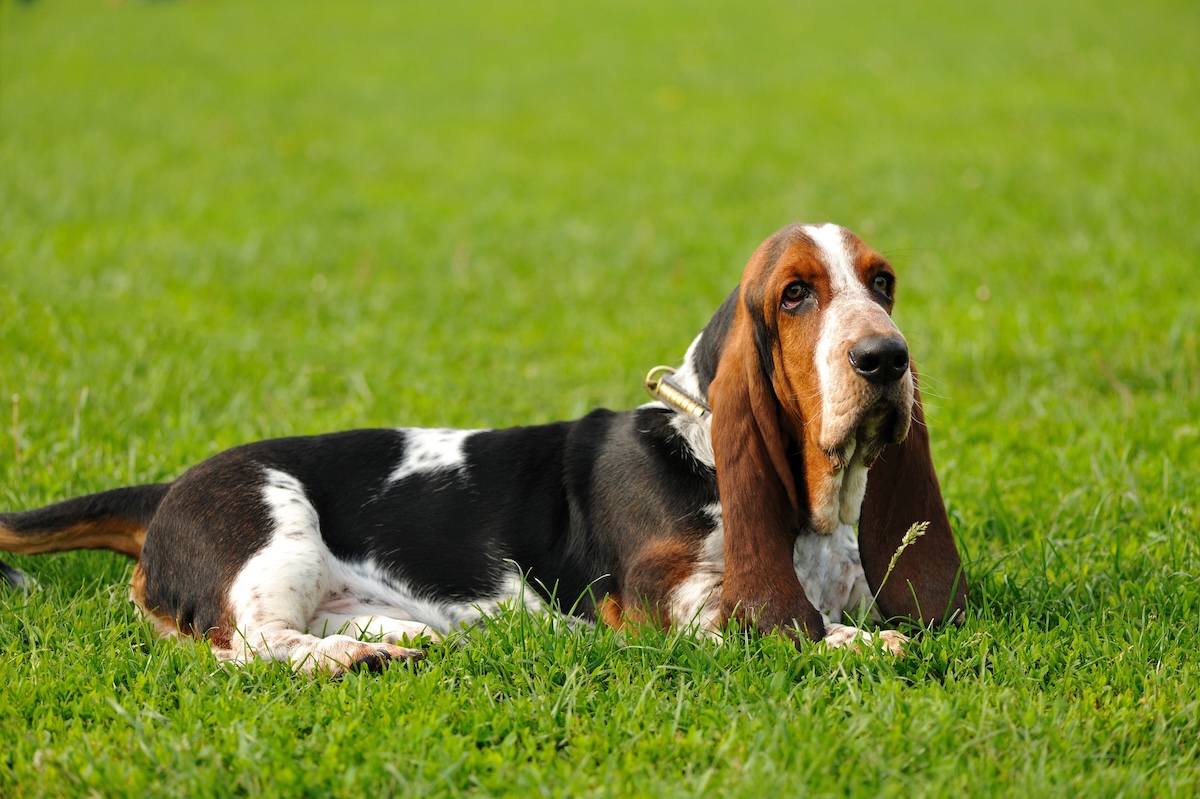 Photo Credit: art_man at Deposit Photos
In the heart of a sun-dappled meadow, the Basset Hound, scientifically known as Canis lupus familiaris, ambles along with a leisurely grace that perfectly matches its laid-back personality. With its long, droopy ears brushing against the ground and a stout body that seems to waddle with every step, this breed captures the attention of anyone lucky enough to cross its path. The Basset Hound’s keen sense of smell, one of the most powerful in the canine world, allows it to explore the scents of wildflowers and hidden critters, making every stroll an adventure filled with delightful discoveries.
What makes the Basset Hound particularly captivating to scientists and nature lovers alike is its unique combination of physical traits and history. These dogs were originally bred in France for hunting small game, and their short legs and elongated bodies were designed to help them navigate through dense underbrush. This fascinating evolutionary journey has not only shaped their appearance but also their gentle, friendly demeanor, making them cherished companions in homes around the world. As we delve deeper into the world of the Basset Hound, we will uncover the secrets of their behavior, diet, and the special bond they share with humans, revealing why this breed continues to hold a special place in our hearts.
The Basset Hound holds a special place in the tree of life, nestled within the vast kingdom of Animalia. This breed is a member of the Canidae family, which includes all dogs, wolves, foxes, and other canines. What sets the Basset Hound apart is its distinctive appearance, characterized by long ears, a short stature, and a keen sense of smell. These traits not only make them adorable but also serve practical purposes, such as tracking scents while hunting. Their unique combination of physical features and friendly demeanor has made them beloved companions around the world.
| Taxonomic Rank | Scientific Name | Meaning & Significance |
|---|---|---|
| Kingdom | Animalia | This term comes from the Latin word “animalis,” meaning “having breath” or “living.” It signifies all living organisms that breathe and move. |
| Phylum | Chordata | Derived from the Greek word “chordē,” meaning “string,” this classification includes animals with a backbone, highlighting the Basset Hound’s vertebrate structure. |
| Class | Mammalia | This name comes from “mamma,” the Latin word for “breast,” indicating that Basset Hounds, like all mammals, nurse their young with milk. |
| Order | Carnivora | From the Latin “carnivorus,” meaning “meat-eating,” this order includes animals that primarily consume meat, showcasing the Basset Hound’s ancestral hunting instincts. |
| Family | Canidae | This name is derived from “canis,” the Latin word for “dog.” It encompasses all dog-like mammals, emphasizing the Basset Hound’s close relationship with other canines. |
| Genus | Canis | Also from the Latin “canis,” this genus includes domestic dogs and their wild relatives, highlighting the Basset Hound’s domesticated lineage. |
Understanding the Basset Hound’s classification reveals much about its evolutionary journey. As a member of the Canidae family, it shares a common ancestor with wolves and foxes, showcasing the adaptability and diversity of canines. The Basset Hound’s unique traits, such as its short legs and long ears, were likely developed to assist in hunting, allowing it to track scents close to the ground. This fascinating lineage not only connects the Basset Hound to its wild relatives but also illustrates how selective breeding has shaped this breed into the loyal and loving companion we know today.
The Basset Hound’s evolutionary journey is a captivating tale that stretches back thousands of years. This breed, known for its distinctive long ears and short legs, is a product of selective breeding that began in France during the Middle Ages. The Basset Hound’s ancestors were likely larger hunting dogs, bred to track game by scent. Over time, these dogs adapted to a more specialized role, leading to the unique characteristics we see today.
The Basset Hound’s lineage can be traced to the hounds of ancient Europe, particularly the hounds used for hunting small game like rabbits and hares. These early dogs were valued for their keen sense of smell and ability to follow scents over long distances. As hunting practices evolved, so did the Basset Hound. Breeders selected for traits that made these dogs more effective in the field, such as their low stature, which allowed them to navigate dense underbrush with ease. This transition from taller hunting dogs to the shorter, stockier Basset Hound was a significant evolutionary step, emphasizing the importance of scent over speed.
The adaptations of the Basset Hound have played a crucial role in its survival and success as a hunting dog. Their short legs and long ears are not just for show; they are practical features that enhance their ability to track scents effectively. With a powerful sense of smell, Basset Hounds can follow trails that other dogs might miss, making them invaluable in the field. Their calm and friendly nature also allows them to bond with humans, ensuring they remain cherished companions both in the hunt and at home. This blend of traits has helped the Basset Hound thrive through the ages, securing its place in the hearts of dog lovers around the world.
The Basset Hound is a charming sight, instantly recognizable with its long, droopy ears and short, sturdy legs. This breed has a low-slung body that gives it a unique silhouette, almost like a living, breathing cartoon character. Its broad head and soulful, expressive eyes seem to tell a story of loyalty and curiosity. The Basset Hound’s overall appearance is both endearing and dignified, making it a beloved companion for families and individuals alike.
| Feature | Description |
|---|---|
| Size | Medium-sized dog, typically weighing between 40 to 65 pounds. |
| Color | Commonly found in a mix of colors, including tri-color (black, white, and tan), lemon (light tan and white), and red and white. |
| Skin Type | Covered in short, smooth hair that is easy to groom. |
| Body Structure | Low to the ground with a long body and short legs, designed for tracking scents. |
| Ears | Long, droopy ears that help capture scents from the ground. |
| Eyes | Large, expressive eyes that convey a gentle and friendly demeanor. |
These distinctive features of the Basset Hound are not just for show; they serve important purposes in the dog’s life. The long ears, for instance, are more than adorable; they help to trap scents close to the ground, enhancing the dog’s ability to track scents while hunting. The short legs and sturdy body allow the Basset Hound to navigate through dense underbrush with ease, making it an excellent scent hound. Together, these traits create a breed that is not only visually striking but also perfectly adapted for its role as a loyal companion and skilled tracker.
The Basset Hound thrives in a variety of environments, often found in cozy homes that reflect its friendly and laid-back personality. These dogs enjoy spaces where they can lounge comfortably, whether it’s a sunny patch in the backyard or a warm spot by the fireplace. While they are adaptable, they particularly favor areas with easy access to grassy fields and wooded trails, where their keen sense of smell can lead them on delightful adventures.
Basset Hounds are quite adaptable when it comes to climate, but they do best in moderate temperatures. They are not fond of extreme heat or cold, as their short legs and long bodies can make it challenging for them to regulate their body temperature. A temperate environment allows them to enjoy outdoor activities without overheating or getting too chilly. They appreciate a mix of sun and shade, which helps them stay comfortable while they explore their surroundings.
Over time, Basset Hounds have developed several adaptations that help them thrive in their chosen habitats. Their short legs are perfect for navigating through thick underbrush, while their long ears help to pick up scents from the ground, making them excellent scent trackers. This breed’s calm demeanor allows them to relax in various settings, whether it’s a bustling family home or a quiet countryside retreat. Their ability to adjust to different environments makes them beloved companions for families and individuals alike.
The daily life of a Basset Hound is a delightful mix of relaxation and exploration. These dogs are known for their easygoing nature, often starting their day with a leisurely stretch and a slow-paced walk around the yard. With their keen sense of smell, they take their time sniffing every nook and cranny, gathering information about the world around them. After a morning of gentle exploration, they might settle down for a nap, recharging their energy for the next adventure. Throughout the day, they enjoy short bursts of playtime, often engaging in games of fetch or tug-of-war, but they are just as happy lounging on the couch, soaking up the sun.
Basset Hounds are social animals that thrive on companionship, whether it’s with humans or other pets. They are known for their friendly demeanor and often form strong bonds with their families. In a group setting, Basset Hounds display a laid-back attitude, preferring to observe rather than dominate. They communicate through a variety of sounds, including soft barks and howls, which can express excitement or a desire for attention. Their social structure is generally relaxed, allowing them to coexist peacefully with other dogs and even cats, as long as everyone respects each other’s space.
| Behavior Type | Description |
|---|---|
| Activity Patterns | Basset Hounds enjoy a mix of leisurely walks, playtime, and long naps throughout the day. They are not overly energetic but appreciate short bursts of activity. |
| Social Structure | These dogs are friendly and sociable, often forming strong bonds with their human families and getting along well with other pets. |
| Communication Methods | Basset Hounds communicate through a range of sounds, including soft barks and howls, which express their feelings and needs. |
The behaviors of Basset Hounds are not just charming quirks; they play a crucial role in their survival. Their social nature helps them form strong connections with their families, ensuring they receive care and companionship. Their keen sense of smell and relaxed approach to exploration allow them to navigate their environment effectively, while their communication skills help them express their needs and emotions. Together, these traits create a harmonious balance that supports their well-being and enriches the lives of those around them.
The Basset Hound has a varied diet that reflects its omnivorous nature, meaning it enjoys both plant and animal foods. These dogs are known for their keen sense of smell, which helps them locate food. While they may not be the fastest hunters, their patience and determination make them excellent foragers. Basset Hounds often rely on their human companions for meals, but they also have a natural instinct to sniff out tasty treats in their environment.
| Dietary Aspect | Details |
|---|---|
| Diet Type | Omnivore |
| Favorite Foods | Meat, vegetables, and dog food |
| Prey Items | Small mammals and birds |
| Hunting/Foraging Strategies | Using their strong sense of smell to track scents |
This diverse diet plays a significant role in the Basset Hound’s ecology and daily routine. Their ability to consume a wide range of foods allows them to adapt to different environments and situations. While they enjoy leisurely walks and sniffing around, their foraging instincts keep them engaged and active. This blend of relaxation and exploration not only satisfies their hunger but also enriches their lives, making every day an adventure filled with new scents and tastes.
When it comes to mating, Basset Hounds have a few interesting behaviors. The breeding season typically occurs twice a year, during spring and fall. Female Basset Hounds go into heat, a time when they are ready to mate, and this cycle lasts about three weeks. During this period, males are drawn to the scent of the females, and they may engage in playful and affectionate behaviors to win their attention. Once a female is receptive, mating can occur, leading to the creation of a new generation of these lovable dogs.
| Reproductive Aspect | Details |
|---|---|
| Gestation Period | Approximately 63 days |
| Litter Size | Average of 8 puppies |
| Age of Maturity | About 6 to 12 months |
| Name of Young | Puppies |
After the puppies are born, the mother Basset Hound takes on the important role of caregiver. She provides warmth, nourishment, and protection to her young. The puppies are born blind and deaf, relying entirely on their mother for survival in those early days. As they grow, they begin to open their eyes and ears, exploring their surroundings with curiosity. By the time they reach six weeks, they start to play and interact with their siblings, learning essential social skills. With the right care and nurturing, these adorable puppies will soon develop into the charming adults that Basset Hound lovers adore.
The Basset Hound occupies a unique niche in the food web, primarily as a domesticated companion rather than a wild animal. While they are not typically preyed upon in the same way as wild animals, they can still face dangers from various predators and environmental threats. Their low stature and friendly demeanor make them less equipped to defend themselves against larger animals, which can pose risks in certain situations.
To navigate these dangers, Basset Hounds rely on a few clever survival strategies. Their keen sense of smell helps them detect potential threats from a distance, allowing them to avoid danger. Additionally, their friendly nature often leads them to seek safety in the company of humans, who can provide protection. When faced with a threat, Basset Hounds may use their low profile to hide or retreat to a safe space, demonstrating that even the most laid-back dogs have their own ways of staying safe in a world full of challenges.
A keystone species is a vital part of its ecosystem, meaning its presence has a significant impact on the environment and other living things. While the Basset Hound is a beloved companion animal, it does not qualify as a keystone species in the traditional sense. Keystone species are usually wild animals that play a crucial role in maintaining the structure of their ecological community. Basset Hounds, being domesticated pets, do not have the same ecological influence as wild species like wolves or sea otters.
However, Basset Hounds can still affect their surroundings in interesting ways. As omnivores, they contribute to the balance of their environment by consuming a variety of foods, including plants and small animals. Their foraging behavior can help control pest populations, as they may hunt small rodents or insects. Additionally, their playful and social nature encourages interaction with humans and other pets, fostering a sense of community and companionship that can enhance the well-being of those around them.
Basset Hounds also have a unique way of influencing their human families. Their gentle demeanor and loyalty can lead to increased outdoor activities, such as walks and playtime in parks. This not only benefits the dogs but also promotes a healthier lifestyle for their owners. Furthermore, their presence can bring joy and comfort, which can have positive effects on mental health and emotional well-being.
If Basset Hounds were to disappear from our lives, the immediate impact would be felt in homes across the world. Families would lose a loyal friend and companion, and the joy they bring would be sorely missed. While they may not be keystone species in the wild, their absence would create a gap in the social fabric of many households, reminding us of the important role pets play in our lives. The emotional connections and the happiness they foster are irreplaceable, highlighting how even domesticated animals can shape our experiences and communities.
The Basset Hound plays a fascinating role in its ecosystem, primarily as a companion animal that influences human behavior and the environment around it. While they may not roam the wild like their ancestors, these dogs still shape their surroundings in meaningful ways. Their friendly demeanor and unique characteristics encourage a bond with humans, which can lead to increased outdoor activities and a greater appreciation for nature. This connection helps foster a sense of responsibility towards the environment, as owners often become more aware of their impact on local ecosystems.
| Ecosystem Service | Impact |
|---|---|
| Soil Aeration | Basset Hounds, when exploring their environment, dig and move through the soil, helping to aerate it. This process allows air and nutrients to reach plant roots more effectively. |
| Seed Dispersal | As omnivores, Basset Hounds may consume fruits and vegetables, inadvertently spreading seeds through their droppings, which can lead to new plant growth in different areas. |
| Companionship and Mental Health | By providing companionship, Basset Hounds encourage outdoor activities, which can lead to healthier lifestyles for their owners and a greater appreciation for local wildlife. |
Basset Hounds influence their environment in specific and delightful ways. For instance, when they roam through parks or gardens, their natural digging behavior can help aerate the soil, making it easier for plants to thrive. Additionally, as they munch on various fruits during their walks, they may unknowingly help disperse seeds, contributing to the growth of new plants in their neighborhoods. This interaction with their surroundings not only benefits the plants but also creates a more vibrant ecosystem for other animals and insects.
The broader ecological importance of Basset Hounds extends beyond their immediate actions. By fostering a connection between humans and nature, these dogs encourage people to engage with their environment more thoughtfully. As owners take their Basset Hounds for walks or hikes, they often become more aware of local wildlife and plant life, leading to a greater commitment to conservation efforts. In this way, Basset Hounds serve as a bridge between humans and the natural world, reminding us of the importance of caring for our ecosystems.
In the intricate web of life, symbiosis refers to the close interactions between different species, which can take many forms. These relationships can be mutualistic, where both species benefit, parasitic, where one benefits at the other’s expense, or commensal, where one benefits while the other is neither helped nor harmed. Understanding these connections helps us appreciate the delicate balance of ecosystems and the roles that various animals, including our beloved Basset Hound, play within them.
| Species/Type | Relationship Type | Description |
|---|---|---|
| Humans | Mutualistic | Basset Hounds provide companionship and emotional support to humans, while humans offer food, shelter, and care. |
| Fleas | Parasitic | Fleas feed on the blood of Basset Hounds, which can lead to discomfort and health issues for the dog. |
| Birds (like sparrows) | Commensal | Birds may nest in areas where Basset Hounds frequent, benefiting from the protection and food scraps without affecting the dogs. |
These relationships have evolved over time, shaped by the needs and behaviors of the species involved. The bond between Basset Hounds and humans is a prime example of mutualism, where both parties gain from their interaction. Meanwhile, the presence of parasites like fleas highlights the challenges that can arise in nature. Commensal relationships, such as those with birds, show how different species can coexist and benefit from each other without direct interaction. Understanding these dynamics not only enriches our knowledge of Basset Hounds but also deepens our appreciation for the interconnectedness of all living things.
Basset Hounds are not just adorable companions; they have a rich history and some surprising traits that make them truly special. Here are a few intriguing facts that will delight nature enthusiasts of all ages.
The Basset Hound has a long and storied relationship with humanity that dates back to the 6th century in France. Originally bred for hunting small game, these dogs were prized for their incredible sense of smell and their ability to track scents over long distances. Their unique appearance, with droopy ears and a low-slung body, has made them a beloved symbol in popular culture, often featured in cartoons and movies. This breed has not only captured hearts but has also played a significant role in the development of hunting practices, showcasing the bond between humans and dogs throughout history.
Today, Basset Hounds are primarily cherished as family pets rather than hunting companions. Their gentle and friendly demeanor makes them excellent companions for people of all ages. However, the relationship is not without its challenges. As a breed, Basset Hounds can face health issues related to their unique physical traits, such as hip dysplasia and ear infections. Responsible pet ownership and veterinary care are essential to ensure their well-being. Additionally, as urban living becomes more common, the need for space and exercise can sometimes lead to conflicts between the needs of the dog and the lifestyle of their human families.
As we look to the future, the bond between Basset Hounds and humans is likely to evolve further. With advancements in veterinary care and a growing awareness of animal welfare, we can expect to see healthier and happier Basset Hounds. As more families recognize the joy these dogs bring, their popularity will likely continue to rise. This enduring relationship not only enriches our lives but also highlights the importance of compassion and responsibility in caring for our four-legged friends. Together, we can ensure that Basset Hounds remain cherished companions for generations to come.
The Basset Hound, a beloved breed known for its droopy ears and gentle demeanor, currently holds a conservation status of “Not Listed.” This means that they are not considered endangered or threatened at this time. Population trends for Basset Hounds are stable, largely due to their popularity as family pets. While they are not facing immediate risks, it is essential to monitor their well-being as with any domesticated breed.
| Conservation Factor | Status/Details |
|---|---|
| IUCN Status | Not Listed |
| Population Estimates | Stable, with no specific estimates available |
| Trend Direction | Stable |
One of the main threats to Basset Hounds comes from the challenges of responsible breeding. As with many purebred dogs, there can be health issues that arise from inbreeding, which is when closely related dogs are bred together. This can lead to genetic disorders, affecting their overall health and longevity. Additionally, like all pets, Basset Hounds can face risks from neglect or abandonment, especially if owners are not prepared for the commitment of caring for a dog.
Conservation efforts for Basset Hounds focus primarily on responsible breeding practices and education for potential pet owners. Organizations dedicated to dog welfare work to promote the importance of adopting rather than buying pets, which helps reduce the number of dogs in shelters. The outlook for Basset Hounds remains positive, as their popularity continues to grow, and with proper care and attention, they can thrive as cherished companions in many households.
| Question | Answer |
|---|---|
| What is the habitat of a Basset Hound? | Basset Hounds are adaptable dogs that can thrive in various environments, including urban and rural settings. They enjoy being part of a family and need a comfortable home where they can relax and play. |
| What do Basset Hounds eat? | Basset Hounds are omnivores, which means they eat both plants and animals. A balanced diet typically includes high-quality dog food, along with some fruits and vegetables, to keep them healthy and happy. |
| What is the behavior of a Basset Hound? | Basset Hounds are known for their friendly and laid-back nature. They are affectionate with their families but can be a bit stubborn, which makes training a fun challenge! |
| How do Basset Hounds reproduce? | Basset Hounds reproduce like most dogs, with a gestation period of about 63 days. A female Basset Hound can have a litter of 6 to 8 puppies, and they are usually born healthy and ready to explore the world. |
| What threats do Basset Hounds face? | While Basset Hounds are not considered endangered, they can face health issues like obesity and ear infections. Regular vet check-ups and a healthy lifestyle can help keep them safe and sound. |
| What are some interesting characteristics of Basset Hounds? | Basset Hounds are famous for their long ears and droopy eyes, which give them a unique and lovable appearance. They have an excellent sense of smell, making them great scent hounds, and they often follow their noses wherever they go! |
| How much exercise do Basset Hounds need? | Basset Hounds require moderate exercise to stay healthy, usually around 30 minutes to an hour each day. They enjoy leisurely walks and playtime, but be careful not to overdo it, as they can be prone to joint issues. |