Taxonomy & Classification
- Kingdom
- Animalia
- Phylum
- Chordata
- Class
- Mammalia
- Order
- Carnivora
- Family
- Canidae
- Genus
- Canis
- Species
- Canis lupus

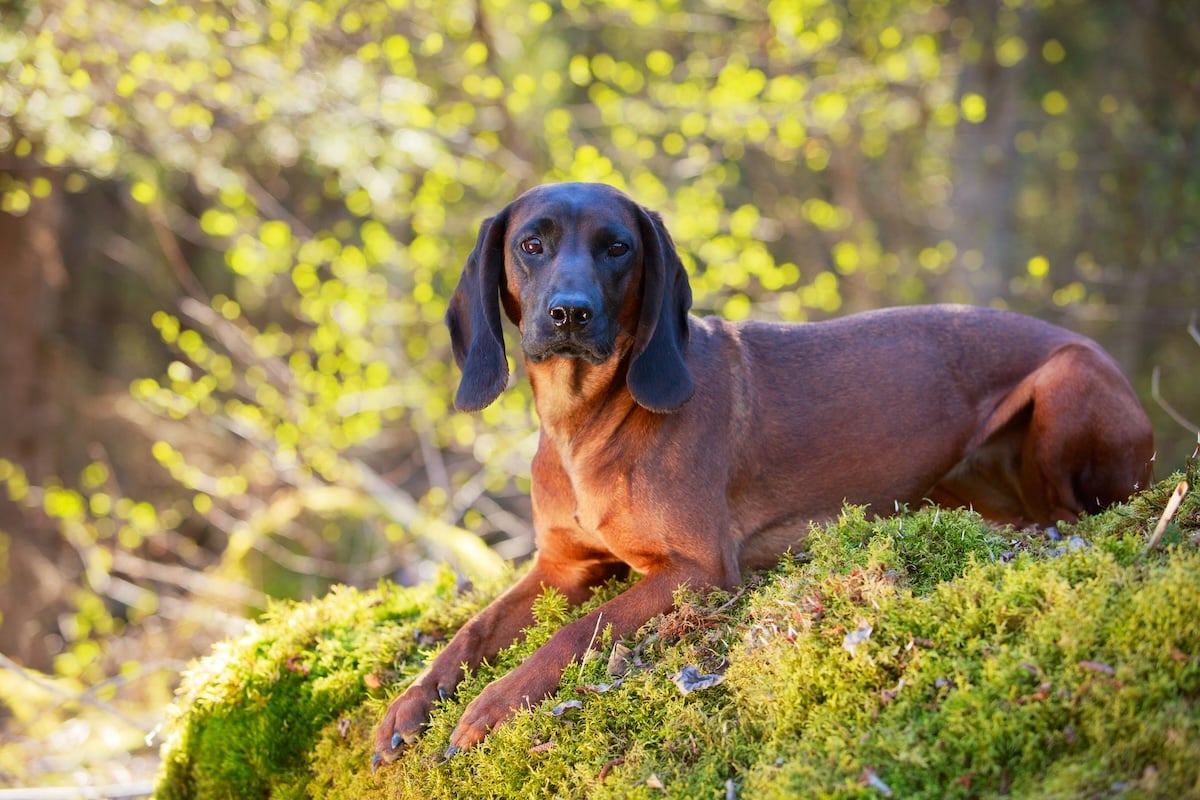 Photo Credit: Drago_Nika at Deposit Photos
In the heart of the Bavarian Alps, where the air is crisp and the forests are alive with the sounds of nature, roams the Bavarian Mountain Hound, or *Bayerischer Gebirgsschweißhund*. This remarkable breed, known for its keen sense of smell and exceptional tracking abilities, embodies the spirit of its rugged homeland. With a strong, athletic build and a coat that blends seamlessly with the earthy tones of its surroundings, the Bavarian Mountain Hound is not just a sight to behold; it is a testament to the bond between nature and the animals that thrive within it.
As the sun rises over the rolling hills, the Bavarian Mountain Hound springs into action, its powerful legs propelling it through the underbrush with grace and agility. This breed is a skilled hunter, originally bred to track game in the dense forests and steep terrains of southern Germany. Its distinctive features, such as a broad head, long ears, and a strong, muscular body, make it perfectly suited for the challenges of its environment. Scientists and nature enthusiasts alike are captivated by this breed’s ability to navigate the wild, showcasing not only its physical prowess but also its deep-rooted connection to the landscape it calls home. As we explore the life and characteristics of the Bavarian Mountain Hound, we uncover the fascinating interplay between this extraordinary dog and the breathtaking ecosystem of the Alps.
The Bavarian Mountain Hound is a captivating member of the animal kingdom, nestled within the intricate web of life. This breed belongs to the family Canidae, which includes all dogs, wolves, and foxes. What sets the Bavarian Mountain Hound apart is its exceptional tracking ability and keen sense of smell, traits that have made it a prized companion for hunters in the rugged terrains of Bavaria, Germany. With a history steeped in utility and companionship, this breed exemplifies the deep bond between humans and animals, showcasing how selective breeding has shaped its unique characteristics.
| Taxonomic Rank | Scientific Name | Meaning & Significance |
|---|---|---|
| Kingdom | Animalia | This term means “animals” in Latin, highlighting the Bavarian Mountain Hound’s status as a living organism that consumes organic material for energy. |
| Phylum | Chordata | Derived from the Latin word for “chord,” this classification indicates that the Bavarian Mountain Hound has a backbone, a key feature of vertebrates. |
| Class | Mammalia | This name comes from the Latin word “mamma,” meaning “breast,” referring to the fact that all mammals nurse their young with milk. |
| Order | Carnivora | From the Latin for “meat-eater,” this classification reflects the Bavarian Mountain Hound’s dietary preferences, as it is primarily a meat-eating animal. |
| Family | Canidae | This term refers to the dog family, which includes wolves, foxes, and domestic dogs, emphasizing the Bavarian Mountain Hound’s close genetic ties to these animals. |
| Genus | Canis | Meaning “dog” in Latin, this genus encompasses all true dogs, highlighting the Bavarian Mountain Hound’s place within the broader dog family. |
Understanding the Bavarian Mountain Hound’s classification reveals much about its evolutionary journey. As a member of the Canidae family, it shares a common ancestor with wolves and other canines, showcasing traits honed over thousands of years. This lineage not only informs us about its physical attributes and behaviors but also illustrates how this breed has adapted to specific environments and roles, particularly in hunting and companionship. The Bavarian Mountain Hound stands as a testament to the remarkable interplay between nature and nurture, where evolution and human influence have shaped a breed that is both functional and beloved.
The Bavarian Mountain Hound’s evolutionary journey is a tale that stretches back thousands of years, intertwining with the history of dogs and their wild ancestors. This breed, part of the Canidae family, has roots that can be traced to ancient hunting dogs used by humans in the rugged terrains of Europe. As humans began to settle and develop agriculture, they needed reliable companions for hunting and protection, leading to the selective breeding of dogs that could thrive in specific environments.
The ancestors of the Bavarian Mountain Hound were likely versatile hunting dogs, adept at tracking and retrieving game in the dense forests and mountainous regions of Bavaria. Over time, these dogs underwent significant changes, adapting to the challenges of their environment. Their keen sense of smell and strong physical build made them exceptional hunters, capable of pursuing larger game like deer and boar. As they evolved, traits such as endurance and agility became essential, allowing them to navigate the steep, uneven terrain of their homeland.
The adaptations of the Bavarian Mountain Hound have played a vital role in its survival and success as a hunting breed. Their keen sense of smell and physical endurance allow them to excel in tracking and pursuing game, while their agility helps them navigate the rugged landscapes of Bavaria. Additionally, their thick coat protects them from harsh weather, ensuring they can work in various conditions. Together, these traits not only highlight their evolutionary history but also showcase their enduring partnership with humans, making them cherished companions in both the wild and at home.
The Bavarian Mountain Hound presents a striking silhouette, embodying strength and agility. This breed is medium to large in size, with a well-proportioned body that showcases its athletic build. Its powerful legs and broad chest hint at its capabilities as a skilled tracker and hunter. The overall impression is one of elegance combined with a ruggedness that speaks to its origins in the mountainous terrains of Bavaria.
| Feature | Description |
|---|---|
| Weight | 66 lbs |
| Skin Type | Hair |
| Color | Typically a rich, warm brown with darker markings |
| Build | Muscular and athletic, with a strong, balanced frame |
| Head | Broad with a slightly rounded skull and long, drooping ears |
| Eyes | Dark and expressive, conveying intelligence and alertness |
These physical features are not just for show; they serve vital purposes in the Bavarian Mountain Hound’s life. The muscular build allows for endurance and speed, essential for tracking game over rugged landscapes. Its long ears help capture sounds from afar, enhancing its hunting skills. The warm brown coat provides camouflage in the forested and earthy environments where it thrives, allowing it to blend seamlessly into its surroundings. Together, these characteristics create a breed that is not only beautiful but also perfectly adapted to its role as a skilled hunter in the wild.
The Bavarian Mountain Hound thrives in the picturesque landscapes of southern Germany, particularly in the Bavarian Alps. This stunning region is characterized by rolling hills, dense forests, and expansive meadows, all of which create a perfect playground for this energetic breed. The hound’s home is often dotted with charming villages and winding trails, where the scent of nature fills the air, inviting exploration and adventure.
This breed flourishes in a temperate climate, which means it enjoys four distinct seasons. The Bavarian Mountain Hound is well-suited to cool, crisp winters and mild summers, allowing it to engage in various outdoor activities year-round. The environment is often moist, with plenty of rainfall, which helps sustain the lush vegetation that provides both shelter and food for wildlife.
Adapted to its mountainous habitat, the Bavarian Mountain Hound possesses a keen sense of smell and remarkable endurance. These traits enable it to navigate rugged terrains and track scents over long distances. Its thick coat offers protection against the elements, keeping it warm during chilly hikes and dry in wet conditions. This breed’s agility and strength make it a skilled companion for hunters and outdoor enthusiasts alike, perfectly suited to the challenges of its natural surroundings.
The Bavarian Mountain Hound leads a life filled with energy and purpose, reflecting its heritage as a skilled hunting companion. Each day begins with a burst of enthusiasm, as these dogs eagerly greet the morning. They thrive on routine, often starting their day with a brisk walk or run, which helps them burn off energy and stay fit. Their keen sense of smell drives them to explore their surroundings, sniffing out scents that tell stories of other animals. Throughout the day, they engage in playful activities, whether chasing after a ball or romping with their human companions.
Socially, Bavarian Mountain Hounds are known for their friendly and loyal nature. They form strong bonds with their families and often enjoy the company of other dogs. In a pack, they exhibit a clear social structure, with each dog understanding its role. They communicate through a variety of vocalizations, including barks and howls, as well as body language, such as wagging tails and playful postures. This social behavior not only strengthens their relationships but also enhances their hunting efficiency when working alongside humans or other dogs.
| Behavior Type | Description |
|---|---|
| Activity Patterns | Bavarian Mountain Hounds are active and require regular exercise, often engaging in running, playing, and exploring their environment. |
| Social Structure | They thrive in social settings, forming strong bonds with humans and other dogs, and often display a clear hierarchy within a group. |
| Communication Methods | These dogs use a mix of vocalizations, like barks and howls, along with body language to express their feelings and intentions. |
The behaviors of the Bavarian Mountain Hound are not just charming quirks; they are essential for survival. Their active lifestyle keeps them healthy and agile, while their social skills foster teamwork during hunts. By communicating effectively with their pack, they can coordinate efforts to track and capture prey. This blend of physical prowess and social intelligence ensures that the Bavarian Mountain Hound remains a successful and beloved companion in both the wild and at home.
The Bavarian Mountain Hound has a diverse diet that reflects its omnivorous nature, meaning it enjoys both plant and animal foods. This breed is known for its keen sense of smell and strong hunting instincts, which help it locate a variety of food sources. While it primarily hunts small to medium-sized game, it also forages for fruits, vegetables, and other edible plants when the opportunity arises. This adaptability in diet allows the Bavarian Mountain Hound to thrive in its mountainous habitat, where food availability can vary with the seasons.
| Dietary Aspect | Details |
|---|---|
| Diet Type | Omnivore |
| Favorite Foods | Small game, fruits, and vegetables |
| Prey Items | Rabbits, deer, and birds |
| Hunting/Foraging Strategies | Utilizes keen sense of smell and tracking skills |
The Bavarian Mountain Hound’s varied diet plays a crucial role in its ecology and daily routine. By hunting and foraging, these dogs not only sustain themselves but also help maintain the balance of their ecosystem. Their ability to adapt to different food sources means they can thrive in changing environments, making them resilient companions in the wild. This adaptability also fosters a strong bond with their human partners, as they often accompany hunters in pursuit of game, showcasing their skills and instincts in action.
The Bavarian Mountain Hound has a fascinating approach to reproduction, marked by a specific breeding season that typically occurs once a year. During this time, males become particularly attentive and display their interest through various behaviors, such as vocalizations and scent marking. Females, on the other hand, go into heat, a period when they are fertile and ready to mate. This natural rhythm ensures that the timing of births aligns with favorable environmental conditions, providing the best chance for the survival of the young.
| Reproductive Aspect | Details |
|---|---|
| Gestation Period | Approximately 63 days |
| Litter Size | Average of 8 puppies |
| Age of Maturity | About 12 to 18 months |
| Name of Young | Puppies |
Once the puppies are born, the Bavarian Mountain Hound parents take their roles seriously. The mother is especially nurturing, providing warmth and nourishment to her young. She will stay close to them, ensuring they are safe and well-fed. As the puppies grow, they begin to explore their surroundings, learning essential skills through play and interaction with their siblings. This early socialization is crucial, as it helps them develop into well-adjusted adults. By the time they reach maturity, these young hounds are not only physically capable but also equipped with the instincts and behaviors necessary for their roles as companions and hunters.
The Bavarian Mountain Hound occupies a vital role in its ecosystem, primarily as a skilled hunter. This breed is known for its exceptional tracking abilities, which allow it to pursue game such as deer and wild boar. However, being a hunter also places it within the food web, where it faces various dangers from both natural predators and human-related threats. Understanding these challenges is essential for appreciating the resilience of this remarkable breed.
To survive these threats, the Bavarian Mountain Hound employs several defensive behaviors. Its keen senses, especially its acute sense of smell and hearing, help it detect danger early. When faced with predators, this breed can use its agility and speed to escape. Additionally, their strong pack instincts mean they often work together with other dogs, enhancing their safety in numbers. By staying alert and using their natural instincts, Bavarian Mountain Hounds navigate the challenges of their environment, showcasing their adaptability and resilience.
A keystone species is an organism that plays a crucial role in maintaining the structure of its ecosystem. Its presence and activities significantly influence the environment and the other species that inhabit it. While the Bavarian Mountain Hound is primarily a domesticated dog breed, its role in human-managed ecosystems, particularly in hunting and tracking, can be seen as keystone-like in certain contexts. This breed helps maintain balance by controlling populations of game animals and supporting biodiversity.
The Bavarian Mountain Hound is known for its exceptional tracking abilities, which are vital in managing wildlife populations. By hunting deer and other game, these dogs help prevent overpopulation, which can lead to habitat degradation. When deer numbers are kept in check, vegetation has a chance to thrive, allowing various plant species to flourish. This, in turn, supports a wider range of animals, from insects to birds, creating a more balanced ecosystem.
Moreover, the Bavarian Mountain Hound’s keen sense of smell and strong instincts make it an excellent companion for hunters. This partnership not only aids in the successful tracking of game but also fosters a deeper connection between humans and nature. As hunters rely on these dogs, they become more aware of the importance of conservation and responsible wildlife management, further enhancing the ecosystem’s health.
The Bavarian Mountain Hound also contributes to the cultural landscape of its region. By participating in traditional hunting practices, these dogs help preserve local customs and promote sustainable practices that benefit the environment. Their role in these activities encourages a respect for nature and the delicate balance of life within their habitats.
If the Bavarian Mountain Hound were to disappear, the effects could ripple through the ecosystem. Without these skilled hunters, game populations might surge, leading to overgrazing and habitat destruction. This imbalance could threaten not only the plants that rely on healthy deer populations but also the myriad of species that depend on those plants for food and shelter. The loss of this breed would not only impact wildlife management but could also diminish the cultural practices tied to hunting, ultimately altering the relationship between humans and the natural world.
The Bavarian Mountain Hound occupies a significant ecological niche as a skilled hunter and tracker in its native habitat of the Bavarian Alps. This breed, with its keen sense of smell and strong instincts, plays a vital role in controlling populations of various species, including deer and other game animals. By maintaining these populations, the Bavarian Mountain Hound helps ensure a balanced ecosystem, where no single species overwhelms the environment. This balance is crucial for the health of the forests and meadows that make up its mountainous home.
| Ecosystem Service | Impact |
|---|---|
| Population Control | Regulates the numbers of prey species, preventing overgrazing and promoting plant diversity. |
| Soil Health | Through their movement and activities, they help aerate the soil, which can enhance plant growth. |
| Seed Dispersal | As they roam, they may inadvertently spread seeds, aiding in plant reproduction and diversity. |
| Habitat Maintenance | By hunting, they help maintain the balance of species, which supports a healthy ecosystem. |
The Bavarian Mountain Hound’s influence extends beyond just hunting. For instance, by keeping deer populations in check, these dogs help prevent overgrazing, which can lead to soil erosion and loss of plant life. This, in turn, supports a variety of other species that rely on healthy vegetation for food and shelter. Additionally, as they traverse their mountainous terrain, they contribute to soil aeration, which is essential for plant roots to access nutrients and water. Their natural behaviors also assist in seed dispersal, promoting the growth of diverse plant species that are crucial for a thriving ecosystem.
The broader ecological importance of the Bavarian Mountain Hound cannot be overstated. As a keystone species, its presence helps maintain the delicate balance of its environment. By regulating prey populations and supporting plant diversity, this breed plays a critical role in sustaining the health of the Bavarian Alps. The interconnectedness of life in this region highlights how each species, including the Bavarian Mountain Hound, contributes to the overall vitality of the ecosystem. Understanding and appreciating these roles can inspire us to protect and preserve the natural world around us.
In the intricate tapestry of nature, symbiosis plays a vital role in shaping the relationships between different species. Symbiosis refers to the close interactions between organisms, which can be beneficial, neutral, or harmful. These ecological relationships can be mutualistic, where both species gain advantages; parasitic, where one benefits at the expense of the other; or commensal, where one species benefits while the other is neither helped nor harmed. Understanding these connections helps us appreciate the balance of ecosystems and the roles that various species, including the Bavarian Mountain Hound, play within them.
| Species/Type | Relationship Type | Description |
|---|---|---|
| Humans | Mutualistic | Bavarian Mountain Hounds assist humans in hunting and tracking, while humans provide food, shelter, and companionship. |
| Wild Game (e.g., deer) | Parasitic | As skilled hunters, Bavarian Mountain Hounds pursue wild game, which can lead to stress or injury for the prey. |
| Other Dog Breeds | Commensal | When socialized, Bavarian Mountain Hounds can coexist with other dog breeds, benefiting from companionship without impacting the others significantly. |
The evolution of these relationships is a fascinating journey through time. The Bavarian Mountain Hound has developed its hunting skills alongside humans, creating a bond that enhances both species’ survival. As they assist in tracking and hunting, these dogs have become invaluable partners for hunters, while humans provide care and support in return. The interactions with wild game highlight the natural instincts of the breed, showcasing their role in the ecosystem. Meanwhile, their ability to coexist with other dog breeds reflects their social nature. These relationships not only benefit the Bavarian Mountain Hound but also contribute to the overall health and balance of their environment.
The Bavarian Mountain Hound is a captivating breed with a rich history and unique traits that make it stand out among dogs. Known for its exceptional hunting skills and strong bond with humans, this breed has some surprising characteristics that will intrigue nature enthusiasts of all ages.
<liDespite their hunting background, these dogs are known for their gentle and affectionate nature, especially with children. Their loyalty and protective instincts make them excellent family pets, proving that they can be both fierce hunters and loving companions.
<liThe breed has a fascinating history that dates back to the 19th century when they were developed in Bavaria for tracking game. Their lineage includes a mix of various hound breeds, which contributes to their unique physical and behavioral traits.
<liBavarian Mountain Hounds are known for their strong prey drive, which means they have a natural instinct to chase smaller animals. This trait can be both a blessing and a challenge for owners, as it requires proper training and socialization to manage their instincts.
<liInterestingly, these dogs are often described as “endothermic,” meaning they generate their own body heat. This adaptation allows them to thrive in colder climates, making them well-suited for the chilly Bavarian Alps where they originated.
The Bavarian Mountain Hound has a long and storied relationship with humanity, deeply rooted in the culture and history of southern Germany. This breed was originally developed in the Bavarian Alps for hunting large game, such as deer and boar. Its exceptional tracking abilities and keen sense of smell made it an invaluable companion to hunters. Over the centuries, the Bavarian Mountain Hound has not only served as a skilled hunting partner but has also become a symbol of the region’s rich traditions and outdoor lifestyle. Its presence in folklore and local stories highlights the bond between these dogs and the people who rely on them.
Today, the interactions between Bavarian Mountain Hounds and humans have evolved, reflecting changes in society and conservation efforts. While many of these dogs still participate in hunting, they are also cherished as family pets and companions. This shift has led to a greater emphasis on responsible breeding and training, ensuring that these dogs are well-adjusted and healthy. However, challenges remain, such as conflicts with wildlife and habitat loss, which can impact both the hounds and the ecosystems they inhabit. As humans continue to navigate these complexities, the Bavarian Mountain Hound remains a vital link between nature and our daily lives.
As we look to the future, the relationship between Bavarian Mountain Hounds and humanity is poised for further growth and understanding. With increasing awareness of animal welfare and conservation, there is hope for a more harmonious coexistence. By valuing these dogs not just for their hunting prowess but also for their companionship and ecological contributions, we can ensure that the Bavarian Mountain Hound continues to thrive alongside us. This partnership, built on respect and shared experiences, promises to enrich both our lives and the natural world for generations to come.
The Bavarian Mountain Hound currently holds a conservation status of “Not Listed,” which means it is not considered endangered or threatened at this time. However, this does not imply that the breed is free from challenges. Population estimates are not precisely documented, but the breed is relatively rare outside its native region in southern Germany. As a result, trends in population numbers can be difficult to assess, but there is a growing concern about maintaining the breed’s genetic diversity and overall health.
| Conservation Factor | Status/Details |
|---|---|
| IUCN Status | Not Listed |
| Population Estimates | Not precisely documented; relatively rare |
| Trend Direction | Uncertain; potential concerns for genetic diversity |
The main threats to the Bavarian Mountain Hound stem from habitat loss and the decline of traditional hunting practices. As urban areas expand and forests are cleared for agriculture, these dogs may find it increasingly difficult to access the open spaces they need for exercise and hunting. Additionally, as fewer people engage in hunting, the demand for this breed may decrease, leading to fewer breeding opportunities and a potential decline in population numbers.
Conservation efforts for the Bavarian Mountain Hound focus on promoting responsible breeding practices and raising awareness about the breed’s unique qualities. Organizations dedicated to preserving this breed are working to ensure that it remains a cherished part of the cultural heritage of southern Germany. With continued support and interest, the outlook for the Bavarian Mountain Hound can remain positive, allowing this remarkable breed to thrive for generations to come.
| Question | Answer |
|---|---|
| What is the habitat of the Bavarian Mountain Hound? | The Bavarian Mountain Hound is primarily a domestic dog breed, so it thrives in human homes. They are adaptable and can live in various environments, but they do best in areas where they have space to roam and explore. |
| What do Bavarian Mountain Hounds eat? | As omnivores, Bavarian Mountain Hounds have a varied diet that includes both animal and plant-based foods. A balanced diet typically consists of high-quality dog food, which can include meat, vegetables, and grains to ensure they get all the nutrients they need. |
| What is the behavior of Bavarian Mountain Hounds? | Bavarian Mountain Hounds are known for their friendly and loyal nature. They are intelligent and eager to please, making them great companions, but they also require regular exercise and mental stimulation to keep them happy and healthy. |
| How do Bavarian Mountain Hounds reproduce? | Like all dogs, Bavarian Mountain Hounds reproduce through mating between a male and a female. The female typically goes into heat twice a year, and after a gestation period of about 63 days, she gives birth to a litter of puppies, usually ranging from 4 to 8 pups. |
| What threats do Bavarian Mountain Hounds face? | While Bavarian Mountain Hounds are not currently listed as endangered, they can face threats from overbreeding and poor breeding practices. Additionally, like all dogs, they are susceptible to certain health issues, so responsible ownership and regular veterinary care are important. |
| What are some interesting characteristics of Bavarian Mountain Hounds? | Bavarian Mountain Hounds are known for their excellent tracking abilities, which makes them great hunting companions. They have a distinctive appearance with a short, dense coat and a strong, athletic build, allowing them to navigate rugged terrains with ease. |
| Are Bavarian Mountain Hounds good family pets? | Yes, Bavarian Mountain Hounds can make wonderful family pets. They are generally good with children and other animals, provided they are socialized properly from a young age. Their affectionate nature and loyalty make them great companions for families. |