Taxonomy & Classification
- Kingdom
- Animalia
- Phylum
- Chordata
- Class
- Reptilia
- Order
- Squamata
- Family
- Agamidae
- Genus
- Pogona
- Species
- Pogona Vitticeps

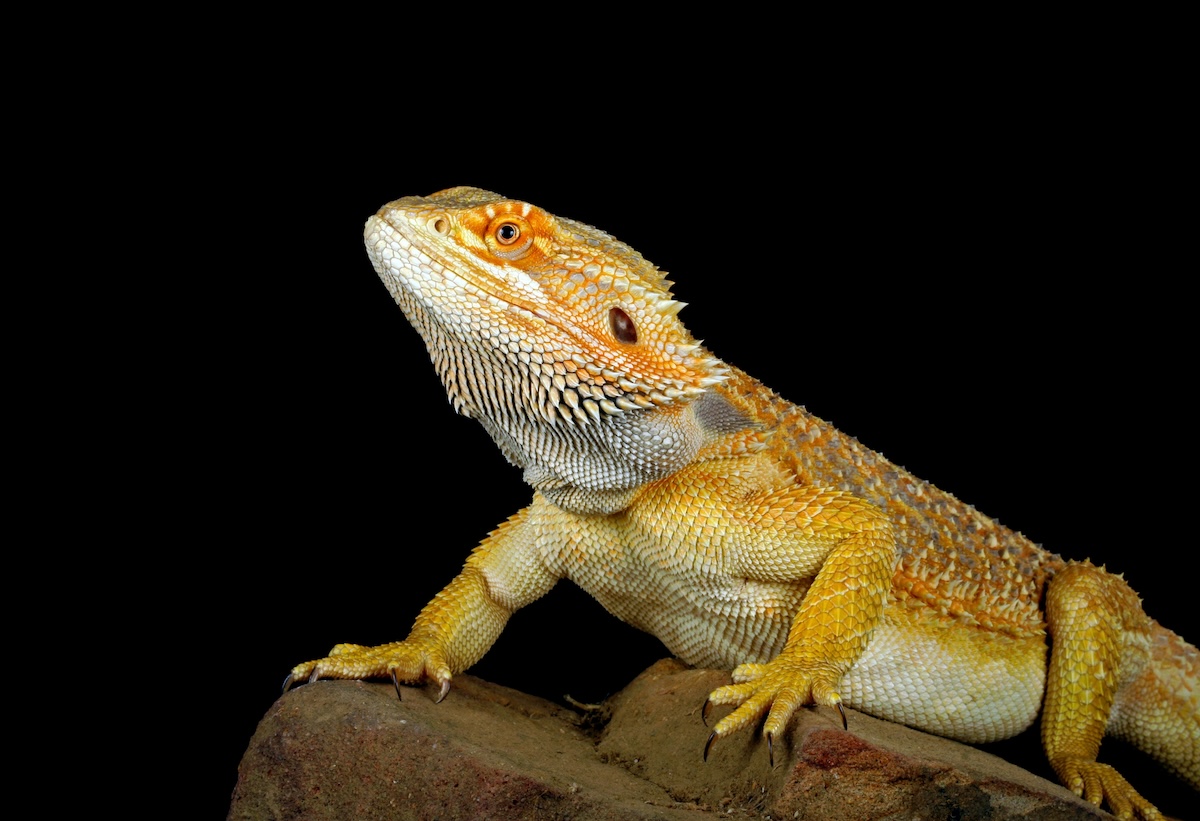 Photo Credit: asbjhb at Deposit Photos
In the sun-drenched landscapes of Australia, the Bearded Dragon, or Pogona, reigns as a captivating lizard that draws the attention of both scientists and nature lovers alike. Picture a rugged terrain where golden sands stretch beneath a brilliant blue sky, dotted with sparse shrubs and rocky outcrops. Here, the Bearded Dragon basks on warm stones, its stout body and broad head glistening in the sunlight. With its distinctive spiky throat, which can puff out dramatically when threatened or excited, this lizard is not just a sight to behold; it’s a marvel of adaptation and survival.
What makes the Bearded Dragon so intriguing is its blend of behaviors and characteristics. As an omnivore, it enjoys a varied diet, feasting on everything from crunchy insects to leafy greens. This adaptability allows it to thrive in the harsh conditions of its arid habitat. Scientists are particularly fascinated by its social behaviors, such as head bobbing and arm waving, which communicate everything from dominance to courtship. With a history that stretches back millions of years, the Bearded Dragon is not only a key player in its ecosystem but also a beloved companion to many around the world. Join us as we explore the life of this remarkable lizard, uncovering the secrets of its habitat, diet, and the unique role it plays in the natural world.
The Bearded Dragon, scientifically known as Pogona, is a captivating member of the animal kingdom that sits within the class Reptilia, which includes all reptiles. This lizard is particularly well-known for its distinctive beard-like throat pouch, which it can puff out when threatened or during courtship displays. Bearded Dragons are native to Australia and are often kept as pets due to their friendly nature and ease of care. Their unique adaptations, such as their ability to change color and their omnivorous diet, make them stand out in the diverse world of reptiles.
| Taxonomic Rank | Scientific Name | Meaning & Significance |
|---|---|---|
| Kingdom | Animalia | This name signifies that Bearded Dragons are part of the vast group of multicellular organisms known as animals, which are characterized by their ability to move and respond to their environment. |
| Phylum | Chordata | Chordata means “having a notochord,” a flexible rod that provides support. In Bearded Dragons, this structure is present during their development, highlighting their evolutionary link to all vertebrates, including mammals and birds. |
| Class | Reptilia | Reptilia refers to reptiles, which are cold-blooded animals that lay eggs and have scaly skin. This classification emphasizes the Bearded Dragon’s adaptations for life in warm environments. |
| Order | Squamata | Squamata means “scaly,” which is fitting for Bearded Dragons as they have a tough, protective skin covered in scales, a common trait among lizards and snakes. |
| Family | Agamidae | The name Agamidae comes from the Greek word “agama,” meaning “lizard.” This family includes many lizards known for their unique physical features and behaviors, like the Bearded Dragon’s impressive display of its throat pouch. |
| Genus | Pogona | Pogona is derived from the Greek word for “beard,” which perfectly describes the spiny throat pouch that gives this lizard its name and serves important social functions. |
Understanding the Bearded Dragon’s taxonomic classification reveals much about its evolutionary history. As a member of the Agamidae family, it shares common ancestors with other lizards, showcasing the diverse adaptations that have evolved over millions of years. The Bearded Dragon’s unique features, such as its ability to thrive in arid environments and its social behaviors, reflect the evolutionary pressures it has faced in its native Australia. This classification not only highlights its biological connections but also emphasizes the intricate web of life that links all living organisms.
The evolutionary journey of the Bearded Dragon, belonging to the genus Pogona, stretches back millions of years. These lizards are part of the Agamidae family, which has a rich history that dates to the late Cretaceous period, around 100 million years ago. As the Earth transformed through dramatic climate changes and shifting landscapes, the ancestors of the Bearded Dragon adapted to thrive in diverse environments, leading to the fascinating species we see today.
The early ancestors of Bearded Dragons were small, agile reptiles that roamed the ancient forests and open plains. Over time, they evolved to become more specialized, adapting to the arid and semi-arid regions of Australia. One major transition was the development of their distinctive flattened bodies and broad heads, which helped them absorb heat from the sun, a crucial adaptation for survival in their warm habitats. As they evolved, they also developed the ability to change color, allowing them to blend into their surroundings and evade predators. This camouflage was vital for their survival, especially in the harsh Australian outback.
The adaptations of the Bearded Dragon have been crucial for its survival in the wild. Their ability to thrive in arid conditions, coupled with their color-changing skills, not only helps them avoid predators but also allows them to regulate their body temperature effectively. Social behaviors enhance their chances of finding mates and establishing territories, while their flexible diet ensures they can find food in a variety of situations. Together, these traits have made the Bearded Dragon a resilient and successful inhabitant of the Australian landscape.
The Bearded Dragon is a striking lizard that captures attention with its distinctive appearance. With a stout body and a broad head, this reptile can grow to about two feet long, making it a sizable presence in the world of lizards. Its most notable feature is the spiky “beard” that can puff out when the dragon feels threatened or excited. This unique adaptation, along with its vibrant colors and textured skin, creates an impressive visual that is both beautiful and functional.
| Feature | Description |
|---|---|
| Weight | 250g – 510g (9oz – 18oz) |
| Skin Type | Scales |
| Body Length | Up to 2 feet |
| Color | Varies from sandy brown to bright orange and yellow |
| Head Shape | Broad and triangular |
| Beard | Spiky and can puff out |
These physical traits work together to enhance the Bearded Dragon’s survival in its natural habitat. The scales protect its body from the harsh sun and potential predators, while the ability to change color helps with camouflage among rocks and sand. The spiky beard serves as a defense mechanism, making the lizard appear larger and more intimidating when threatened. Together, these features not only make the Bearded Dragon a fascinating sight but also equip it with the tools necessary to thrive in the wild.
The Bearded Dragon thrives in the sun-drenched landscapes of arid forests and deserts. Picture a vast expanse where the golden sands meet rugged rocks, dotted with sparse vegetation. These lizards bask on warm stones, soaking up the sun’s rays, while the occasional tree or bush provides a shady retreat. Their habitat is a blend of open spaces and scattered foliage, creating a perfect environment for both hunting and hiding.
To flourish in these environments, Bearded Dragons require a climate that is warm and dry. They thrive in temperatures that can soar during the day, often reaching over 100 degrees Fahrenheit (38 degrees Celsius). At night, the temperature drops, but it rarely gets too cold. This lizard enjoys a mix of sunny days and cooler nights, which helps regulate its body temperature. The sparse rainfall in these regions means that they have adapted to survive with limited water sources.
Bearded Dragons have developed several clever adaptations to make the most of their desert homes. Their ability to change color helps them blend into their surroundings, providing camouflage from predators. They also have a unique way of regulating their body temperature by basking in the sun or seeking shade when it gets too hot. With their strong limbs, they can climb and navigate rocky terrains, while their keen eyesight allows them to spot potential food or threats from a distance. These adaptations make them well-suited to thrive in the challenging conditions of their habitat.
The daily life of a Bearded Dragon is a blend of basking, hunting, and exploring its environment. As ectothermic reptiles, they rely on external heat sources to regulate their body temperature. This means you’ll often find them soaking up the sun on a warm rock or branch, a behavior that helps them stay active and alert. During the day, they engage in foraging, searching for insects and greens to munch on. Their keen eyesight allows them to spot potential meals from a distance, making them effective hunters in their arid habitats.
While Bearded Dragons are primarily solitary creatures, they do exhibit interesting social behaviors, especially during mating season. Males often display dominance through head bobbing and arm waving, signaling their strength and readiness to mate. When they encounter each other, they may engage in a series of visual displays to establish hierarchy. Although they prefer to live alone, these interactions are crucial for reproduction and maintaining their genetic diversity.
| Behavior Type | Description |
|---|---|
| Basking | Bearded Dragons spend a significant part of their day basking in the sun to regulate their body temperature. |
| Foraging | They actively search for food, primarily insects and leafy greens, using their excellent vision to spot prey. |
| Social Displays | Males perform head bobbing and arm waving to communicate dominance and attract mates during the breeding season. |
| Territorial Behavior | While generally solitary, they can exhibit territoriality, especially when competing for resources or mates. |
These behaviors are not just fascinating to observe; they play a vital role in the survival of Bearded Dragons. By basking, they ensure their bodies are warm enough to hunt effectively. Their foraging skills help them find the nutrients they need to thrive. Social displays, while primarily for mating, also help maintain a balance in their populations. Understanding these daily activities gives us a glimpse into how these lizards adapt to their environment and ensure their continued existence in the wild.
The Bearded Dragon is an omnivore, which means it enjoys a varied diet that includes both plants and animals. This lizard is known for its opportunistic feeding behavior, often hunting insects and foraging for greens. With a keen eye and quick reflexes, Bearded Dragons actively seek out their favorite foods, making them skilled hunters in their arid habitats. They are particularly fond of insects, but they also munch on leaves and other plant matter, showcasing their adaptability in the wild.
| Dietary Aspect | Details |
|---|---|
| Diet Type | Omnivore |
| Favorite Foods | Insects, leaves, and small mammals |
| Prey Items | Crickets, mealworms, and occasionally mice |
| Hunting/Foraging Strategies | Active hunting and foraging, using keen eyesight to spot prey |
This diverse diet plays a crucial role in the Bearded Dragon’s ecology and daily routine. By consuming a mix of insects and vegetation, these lizards help control insect populations while also contributing to the health of their environment. Their foraging habits encourage them to explore their surroundings, which not only keeps them active but also allows them to adapt to changing conditions in their habitat. This balance of hunting and foraging is essential for their survival and well-being in the wild.
When it comes to reproduction, Bearded Dragons have some intriguing behaviors. The breeding season typically occurs in the warmer months, usually from spring to early summer. During this time, males engage in a captivating courtship dance, which includes head bobbing and arm waving to attract females. Once a female is receptive, she may respond by displaying her own body language, signaling her interest. After mating, the female will prepare to lay her eggs, a crucial step in the continuation of her species.
| Reproductive Aspect | Details |
|---|---|
| Gestation Period | Approximately 4 to 6 weeks |
| Litter Size | Average of 15 eggs |
| Age of Maturity | About 6 to 12 months |
| Name of Young | Hatchlings |
Once the female lays her eggs, she buries them in a warm, sandy spot, where they will incubate. After about 4 to 6 weeks, the eggs hatch, and tiny Bearded Dragons, known as hatchlings, emerge. These little lizards are independent from the moment they break free from their eggs. They quickly begin to explore their surroundings, hunting for food and basking in the sun to regulate their body temperature. As they grow, they will shed their skin several times, a process known as molting, which helps them develop into healthy adults. With proper care and a suitable environment, these hatchlings will mature into the impressive Bearded Dragons we admire.
The Bearded Dragon occupies a fascinating position in the food web of its arid habitat. As an omnivore, it plays a dual role, feasting on insects and plants while also being a potential meal for larger predators. This lizard’s adaptability allows it to thrive in the wild, but it must remain vigilant against various threats that lurk nearby.
To survive these dangers, Bearded Dragons have developed several clever defensive behaviors. When threatened, they can puff up their bodies and display their distinctive throat pouch, which can make them appear larger and more intimidating. They also have the ability to blend into their surroundings, using camouflage to avoid detection. Additionally, if they feel cornered, they may dash away quickly or even play dead to escape their predators. These strategies help them navigate the challenges of their environment and continue to thrive in the wild.
A keystone species is a vital part of its ecosystem, meaning its presence has a significant impact on the environment and other living things. The Bearded Dragon, or Pogona, is not typically classified as a keystone species, but it plays an important role in its arid forest and desert habitats. While it may not hold the same level of influence as some other species, its activities contribute to the balance of its ecosystem.
Bearded Dragons are omnivores, which means they eat both plants and animals. This diverse diet helps control insect populations, as they actively hunt insects like crickets and beetles. By keeping these populations in check, Bearded Dragons help maintain the health of their environment. Additionally, their foraging behavior can aid in seed dispersal. When they consume fruits and vegetables, they often excrete seeds in different locations, promoting plant growth and diversity.
Moreover, Bearded Dragons serve as prey for larger predators, such as birds of prey and snakes. This makes them an integral part of the food web, providing sustenance for these animals. Their presence supports the survival of these predators, which in turn helps regulate the populations of other species in the ecosystem.
If Bearded Dragons were to disappear from their ecosystems, the effects could ripple through the food web. Insect populations might explode, leading to overgrazing of plants and a decline in vegetation. This could affect other species that rely on those plants for food and shelter. Additionally, predators that depend on Bearded Dragons for sustenance would face food shortages, potentially leading to their decline as well. The balance of the ecosystem would be disrupted, highlighting the interconnectedness of all living things.
The Bearded Dragon, or Pogona, occupies a crucial ecological niche in its arid forest and desert habitats. As an omnivore, it plays a significant role in maintaining the balance of its ecosystem. By feeding on a variety of plants and insects, this lizard helps control insect populations while also contributing to seed dispersal. This means that the Bearded Dragon not only survives in its environment but actively shapes it, influencing the health and diversity of the ecosystem around it.
| Ecosystem Service | Impact |
|---|---|
| Insect population control | Reduces the number of pests that can harm plants |
| Seed dispersal | Helps in the growth of new plants by spreading seeds |
| Soil aeration | Burrowing behavior improves soil quality |
| Food source for predators | Provides sustenance for larger animals in the food web |
The Bearded Dragon’s influence can be seen in various ways. For instance, by consuming a wide range of insects, it helps keep their populations in check, preventing overgrazing of vegetation. This is particularly important in arid environments where every plant plays a role in conserving moisture and providing shelter for other species. Additionally, as these lizards move through their habitat, they inadvertently aid in seed dispersal, allowing new plants to grow and thrive. Their burrowing activities also contribute to soil aeration, which is essential for healthy plant roots.
The broader ecological importance of the Bearded Dragon extends beyond its immediate surroundings. By maintaining insect populations and promoting plant growth, it supports a diverse range of life forms, from smaller insects to larger predators. This interconnectedness highlights the Bearded Dragon’s role as a vital player in its ecosystem, demonstrating how even a solitary lizard can have a profound impact on the health and balance of its environment. Understanding these relationships helps us appreciate the intricate web of life that sustains our planet.
In the intricate web of life, many species form partnerships that enhance their survival and well-being. These relationships can be classified into three main types: mutualism, where both species benefit; commensalism, where one benefits while the other is neither helped nor harmed; and parasitism, where one species benefits at the expense of the other. Understanding these connections helps us appreciate the delicate balance of ecosystems, including the fascinating interactions involving the Bearded Dragon.
| Species/Type | Relationship Type | Description |
|---|---|---|
| Ants | Mutualistic | Bearded Dragons may benefit from ants by feeding on them, while ants can help keep the area around the lizard free of pests. |
| Ticks | Parasitic | Ticks attach to Bearded Dragons to feed on their blood, which can weaken the lizard and lead to health issues. |
| Birds | Commensal | Birds may follow Bearded Dragons to catch insects that are disturbed by the lizard’s movement, benefiting from the lizard’s activity without affecting it. |
These relationships have evolved over time, shaped by the needs and behaviors of the species involved. The mutualistic bond with ants showcases how Bearded Dragons can thrive in their environment while also contributing to the ecosystem’s health. On the other hand, parasitic relationships, like those with ticks, highlight the challenges these lizards face in maintaining their health. Commensal interactions with birds illustrate the interconnectedness of life, where one species can benefit from another’s actions without causing harm. Together, these partnerships reveal the complexity and beauty of nature, reminding us that every creature plays a role in the grand tapestry of life.
Bearded Dragons are not just charming pets; they are also fascinating creatures with some surprising traits that make them stand out in the reptile world. Here are some intriguing facts that will surely captivate nature enthusiasts of all ages.
The Bearded Dragon, a captivating lizard native to Australia, has a long history of interaction with humans that dates back to Indigenous cultures. These lizards have been admired for their unique appearance and behaviors, often featured in Aboriginal art and stories. Historically, they were not just seen as animals but as symbols of the natural world, embodying the connection between people and the land. As humans began to explore and settle in Australia, they encountered Bearded Dragons in their natural habitats, leading to a growing fascination with these reptiles.
Today, Bearded Dragons are popular pets around the world, thanks to their friendly demeanor and relatively easy care. Many people appreciate their unique personalities, which can range from curious to downright playful. However, this domestication has also led to challenges, such as habitat loss and the illegal pet trade, which threaten their wild populations. Conservation efforts are underway to protect their natural habitats and ensure that future generations can enjoy these remarkable lizards in the wild. Additionally, educational programs aim to raise awareness about the importance of respecting wildlife and their ecosystems.
Looking ahead, the relationship between Bearded Dragons and humanity is poised for evolution. As awareness of environmental issues grows, more people are likely to advocate for the protection of these lizards and their habitats. By fostering a deeper understanding of their ecological roles and the challenges they face, we can ensure that Bearded Dragons continue to thrive both in the wild and as beloved companions. The future holds the promise of a more harmonious coexistence, where humans and Bearded Dragons can share the planet in a way that respects and nurtures the natural world.
The Bearded Dragon, known scientifically as Pogona, currently holds a conservation status of “Least Concern” according to the International Union for Conservation of Nature (IUCN). This means that, as of now, these lizards are not considered at risk of extinction. Their populations are stable, and they are widely distributed across their native habitats in Australia. While they are popular pets and have a strong presence in the wild, ongoing monitoring is essential to ensure that their numbers remain healthy.
| Conservation Factor | Status/Details |
|---|---|
| IUCN Status | Least Concern |
| Population Estimates | Stable and widespread |
| Trend Direction | Stable |
Despite their current stable status, Bearded Dragons face several threats that could impact their future. Habitat loss is a significant concern, primarily due to urban development and agricultural expansion. As humans encroach on their natural environments, these lizards lose vital areas for basking, hunting, and breeding. Additionally, climate change poses a risk, as rising temperatures and altered weather patterns can affect their habitats and food sources. Lastly, the pet trade, while not currently a major threat, can lead to over-collection in some areas, which may impact local populations.
Conservation efforts for Bearded Dragons are focused on habitat protection and public awareness. Organizations are working to preserve their natural environments and educate communities about the importance of these lizards in the ecosystem. As long as these initiatives continue and the Bearded Dragon’s habitats are safeguarded, the outlook for this species remains positive. With responsible pet ownership and conservation practices, we can help ensure that these fascinating lizards thrive for generations to come.
| Question | Answer |
|---|---|
| What is the natural habitat of Bearded Dragons? | Bearded Dragons are native to arid forests and deserts in Australia. They thrive in warm, dry environments where they can bask in the sun and find shelter among rocks and shrubs. |
| What do Bearded Dragons eat? | Bearded Dragons are omnivores, which means they eat both plants and animals. Their diet typically includes insects like crickets and mealworms, as well as leafy greens and vegetables. |
| How do Bearded Dragons behave? | Bearded Dragons are known for their calm and friendly demeanor. They often enjoy interacting with humans and can be quite social, displaying curious behaviors as they explore their surroundings. |
| How do Bearded Dragons reproduce? | During mating season, female Bearded Dragons lay eggs, usually between 15 to 30 at a time. After about 60 to 80 days of incubation, the eggs hatch, and tiny baby dragons emerge, ready to start their lives. |
| What threats do Bearded Dragons face? | While Bearded Dragons are currently classified as Least Concern, they face threats from habitat destruction and the pet trade. In the wild, they can also be preyed upon by birds of prey and other larger animals. |
| What are some interesting characteristics of Bearded Dragons? | One fascinating feature of Bearded Dragons is their ability to change color based on their mood and temperature. They can also puff up their throat, creating a "beard" effect, to appear more intimidating when threatened. |
| How long do Bearded Dragons live? | In captivity, Bearded Dragons can live for 10 to 15 years with proper care. Their lifespan can be influenced by factors such as diet, habitat, and overall health. |