Taxonomy & Classification
- Kingdom
- Animalia
- Phylum
- Chordata
- Class
- Mammalia
- Order
- Carnivora
- Family
- Canidae
- Genus
- Canis
- Species
- Canis lupus

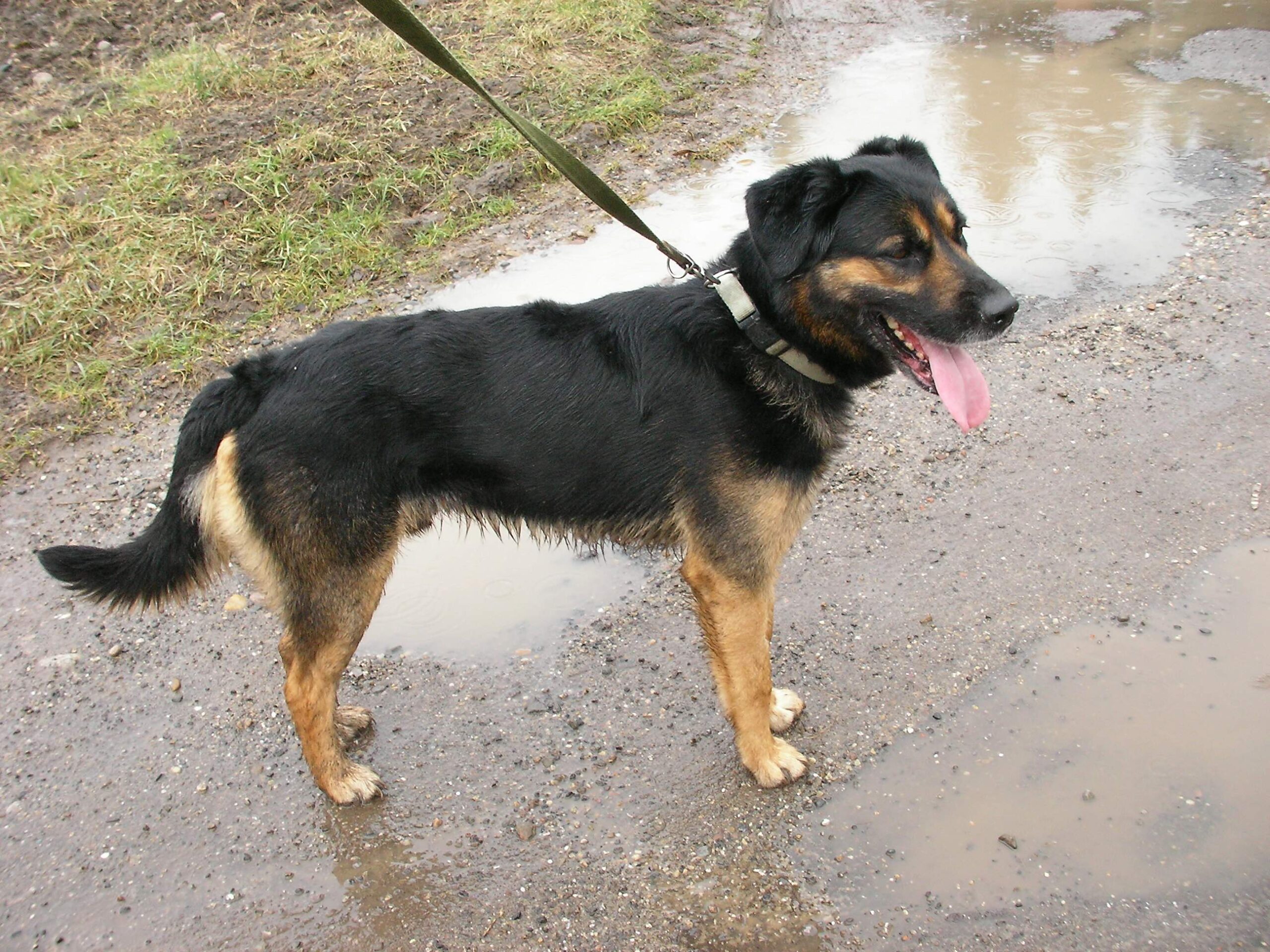 Photo Credit: Gzen92 / Wikimedia Commons
In the rolling hills of France, where the sun casts a golden hue over sprawling fields, the Beauceron, scientifically known as Canis lupus familiaris, stands as a proud sentinel of the landscape. With its striking black and tan coat, this breed is not just a feast for the eyes; it embodies strength and agility, making it a favorite among farmers and dog enthusiasts alike. The Beauceron’s muscular build and keen intelligence allow it to navigate the rugged terrain with ease, whether it’s herding sheep or simply enjoying a run through the countryside.
What truly captivates scientists and nature lovers about the Beauceron is its remarkable versatility. This breed is not only a skilled worker but also a loyal companion, showcasing a unique blend of traits that make it adaptable to various roles. From its origins as a herding dog to its modern-day presence in homes and competitions, the Beauceron has proven to be a dynamic participant in the human-animal partnership. As we delve deeper into the world of this extraordinary breed, we will explore its history, behavior, and the vital role it plays in our lives and ecosystems. Join us on this adventure to uncover the many layers of the Beauceron, a dog that is as fascinating as it is functional.
The Beauceron is a captivating breed of dog that holds a special place in the animal kingdom. Taxonomically, it belongs to the Kingdom Animalia, which includes all animals, and is classified under the Phylum Chordata, meaning it has a backbone. This breed is part of the Class Mammalia, indicating it is a mammal, and falls within the Order Carnivora, which includes meat-eating animals. The Beauceron is a member of the Family Canidae, the group that encompasses dogs, wolves, and foxes. Its Genus, Canis, is where it shares its lineage with other domestic dogs and wild canids. What makes the Beauceron particularly interesting is its dual purpose as both a herding dog and a guardian, showcasing its versatility and intelligence.
| Taxonomic Rank | Scientific Name | Meaning & Significance |
|---|---|---|
| Kingdom | Animalia | This name signifies the broad category of all animals, highlighting the Beauceron’s place among living organisms that share certain biological characteristics. |
| Phylum | Chordata | Derived from the Latin word “chorda,” meaning “string,” this term refers to animals with a notochord, or backbone, which is a key feature of the Beauceron. |
| Class | Mammalia | This classification indicates that the Beauceron is a mammal, characterized by features such as fur and the ability to nurse its young with milk. |
| Order | Carnivora | From the Latin “carnis” meaning “flesh,” this term reflects the Beauceron’s meat-eating ancestry, linking it to other carnivorous animals. |
| Family | Canidae | This name comes from the Latin “canis,” meaning “dog,” and signifies the Beauceron’s close relationship with other dog species and their wild relatives. |
| Genus | Canis | Also derived from the Latin word for “dog,” this classification groups the Beauceron with other domestic dogs, emphasizing its domesticated nature. |
Understanding the Beauceron’s taxonomic classification reveals much about its evolutionary history. As a member of the Canidae family, it shares a common ancestor with wolves and other canines, which explains its strong instincts and protective nature. The Beauceron’s herding abilities and loyalty to humans highlight its long-standing relationship with people, dating back thousands of years. This breed’s unique blend of traits not only showcases its adaptability but also reflects the intricate web of life that connects all animals through shared ancestry and evolutionary paths.
The Beauceron, a breed known for its intelligence and versatility, has a rich evolutionary history that traces back thousands of years. This journey begins with the domestication of wolves, which occurred around 15,000 to 30,000 years ago. As humans began to settle and form communities, they sought companionship and assistance from these wild ancestors. Over time, selective breeding led to the development of various dog breeds, including the Beauceron, which emerged in France as a herding and guarding dog.
The Beauceron’s ancestors were likely large, robust dogs that helped early farmers manage livestock. These early canines were bred for their strength, agility, and keen senses. As agriculture evolved, so did the needs of farmers, leading to the refinement of traits that would become essential for the Beauceron. The breed was shaped by its environment and the tasks it was required to perform, such as herding sheep and protecting property from predators. This practical breeding resulted in a dog that is not only physically capable but also highly trainable and loyal.
These adaptations have played a vital role in the Beauceron’s survival and success as a breed. The combination of strength, intelligence, and protective instincts has allowed it to thrive in diverse environments, from rural farms to urban homes. As a result, the Beauceron continues to be a beloved companion and a reliable working dog, showcasing the remarkable journey of evolution that has shaped its existence.
The Beauceron is an impressive sight, standing tall and proud with a robust, muscular build that exudes strength and agility. This breed typically weighs around 110 pounds, giving it a solid presence that commands attention. With a well-proportioned body, the Beauceron showcases a blend of elegance and power, making it an ideal working dog. Its strong legs and broad chest are designed for endurance, allowing it to excel in various tasks, from herding to protection.
| Feature | Description |
|---|---|
| Size | Large and muscular, typically weighing around 110 lbs |
| Color | Commonly black and tan, with distinct markings that enhance its striking appearance |
| Skin Type | Hair, with a dense coat that provides protection and insulation |
| Most Distinctive Feature | Hind double dewclaws, which are unique to the breed and aid in stability and traction |
The Beauceron’s physical features are not just for show; they serve important survival purposes. The dense coat protects against harsh weather, while the strong, muscular build allows for agility and endurance in various environments. The hind double dewclaws, a distinctive trait, provide extra grip and stability, making this breed particularly adept at navigating rough terrain. Together, these characteristics make the Beauceron a formidable companion, ready to tackle any challenge that comes its way.
The Beauceron, a breed originally from France, thrives in a variety of environments, showcasing its adaptability and versatility. Typically, these dogs are found in rural areas, where they can roam freely and engage in activities that stimulate their minds and bodies. Their natural habitat often includes open fields, farms, and even mountainous regions, allowing them to utilize their herding instincts and protective nature. The Beauceron’s strong connection to the land reflects its history as a working dog, bred for herding livestock and guarding property.
The Beauceron flourishes in temperate climates, where the weather is neither too hot nor too cold. This breed enjoys moderate temperatures that allow for plenty of outdoor activity. While they can tolerate some variations in climate, extreme heat or frigid cold can be challenging for them. They prefer environments that offer a mix of sun and shade, as well as ample space to run and play. The Beauceron’s thick coat provides some insulation, but it is essential for them to have access to comfortable shelter.
Over time, the Beauceron has developed several adaptations that help it thrive in its chosen habitats. Its strong, muscular build allows for agility and endurance, making it well-suited for long days of work on farms or in the fields. The breed’s keen intelligence and trainability enable it to respond quickly to commands, which is crucial for herding and guarding tasks. Additionally, their natural instincts to protect and herd livestock have been honed through generations, ensuring they remain effective companions in rural settings. This combination of physical prowess and mental sharpness makes the Beauceron a remarkable breed in its native environment.
The Beauceron leads a dynamic daily life filled with activity and purpose. These dogs are known for their high energy levels and intelligence, which means they thrive on a routine that includes plenty of exercise and mental stimulation. A typical day might start with an early morning walk, where they can stretch their legs and explore their surroundings. After a hearty breakfast, they often engage in playtime, whether it’s chasing a ball or practicing agility exercises. Throughout the day, they remain alert and ready to participate in various tasks, showcasing their natural herding instincts and problem-solving skills.
Social behavior is a key aspect of the Beauceron’s life. These dogs are known for their loyalty and strong bonds with their human families. They thrive in social settings, often forming close relationships with both people and other animals. In a group, Beaucerons display a clear hierarchy, where they communicate through body language and vocalizations. They are attentive to their surroundings and can quickly pick up on the emotions of those around them, making them excellent companions and protectors. Their social nature ensures they are not just solitary workers but also loving family members.
| Behavior Type | Description |
|---|---|
| Activity Patterns | Beaucerons require regular exercise, including walks, playtime, and training sessions to keep them physically and mentally stimulated. |
| Social Structure | They form strong bonds with their families and can establish a hierarchy within groups, often taking on protective roles. |
| Communication Methods | Beaucerons use a mix of vocalizations, such as barking and growling, along with body language to express their feelings and intentions. |
The behaviors of the Beauceron are not just for show; they play a crucial role in their survival and well-being. Their high energy and intelligence allow them to excel in various tasks, from herding livestock to providing companionship. By maintaining strong social bonds and effective communication, Beaucerons can work collaboratively with their human partners, ensuring they are not only effective workers but also cherished members of the family. This blend of physical prowess and social intelligence makes the Beauceron a remarkable breed, well-suited to thrive in diverse environments.
The Beauceron is an omnivore, which means it enjoys a varied diet that includes both plant and animal sources. This breed is known for its adaptability, allowing it to thrive on a range of foods. In the wild, Beaucerons would typically hunt small animals and forage for fruits and vegetables, making them resourceful when it comes to finding meals. Their keen sense of smell and strong instincts help them locate food, whether it’s chasing after a rabbit or sniffing out berries in the underbrush.
| Dietary Aspect | Details |
|---|---|
| Diet Type | Omnivore |
| Favorite Foods | Meat, fruits, and vegetables |
| Prey Items | Small mammals like rabbits and rodents |
| Hunting/Foraging Strategies | Using keen senses to track and chase prey, as well as foraging for edible plants |
The Beauceron’s diet plays a crucial role in shaping its ecology and daily routine. By being omnivorous, these dogs can adapt to different environments and food availability, which is essential for their survival. Their ability to hunt and forage not only keeps them physically fit but also engages their natural instincts, making each day an adventure. This versatility in diet allows Beaucerons to thrive in various settings, whether they are working on a farm or enjoying a day in the park with their families.
When Beaucerons are ready to mate, they engage in a series of playful and affectionate behaviors. The breeding season typically occurs once a year, usually in the spring. During this time, females go into heat, a period when they are fertile and can conceive. Males are drawn to the scent of a female in heat, and their natural instincts kick in, leading to courtship rituals that can include playful chasing and gentle nipping. This bonding behavior is not just about reproduction; it helps strengthen the social ties between the dogs.
| Reproductive Aspect | Details |
|---|---|
| Gestation Period | Approximately 63 days |
| Litter Size | Typically 6 to 8 puppies |
| Age of Maturity | About 12 to 18 months |
| Name of Young | Puppy |
Once the puppies are born, the mother Beauceron takes on the vital role of caregiver. She provides warmth, nourishment, and protection to her young. The puppies are born blind and deaf, relying entirely on their mother for survival in those early days. As they grow, they begin to explore their surroundings, developing their senses and social skills. The mother teaches them important behaviors through gentle nudges and playful interactions. By the time they reach maturity, around 12 to 18 months, these puppies have transformed into confident and capable adults, ready to take on the world alongside their human companions.
The Beauceron, a breed known for its intelligence and strength, occupies a unique position in the food web. While these dogs are domesticated and primarily serve as companions and working animals, they still face dangers from various predators and environmental threats. Understanding their place in the ecosystem helps us appreciate the challenges they encounter, even in a human-dominated world.
To defend themselves against these threats, Beaucerons rely on their keen instincts and physical prowess. Their strong build and agility allow them to escape from danger quickly. Additionally, they are known for their loyalty and protective nature, often forming strong bonds with their human families. This bond drives them to alert their owners to potential threats, making them excellent watchdogs. With their intelligence, they can also learn commands and strategies that help them navigate challenging situations, ensuring their survival in a world filled with dangers.
A keystone species is a vital part of its ecosystem, playing a crucial role in maintaining the structure and balance of its environment. If removed, the entire ecosystem could change dramatically. While the Beauceron is a remarkable breed known for its intelligence and versatility, it does not qualify as a keystone species. This is primarily because it is a domesticated dog breed, and its role in the ecosystem is more about companionship and assistance to humans rather than influencing the ecological balance in the wild.
The Beauceron has a significant impact on human environments, particularly in rural areas where they are often employed as herding and guarding dogs. Their herding instincts help manage livestock, which can prevent overgrazing and promote healthier pastures. By keeping livestock in check, Beaucerons indirectly support the growth of various plant species, contributing to a balanced ecosystem. Additionally, their presence can deter predators, which helps maintain the population dynamics of other species in the area.
Moreover, Beaucerons are known for their loyalty and protective nature, making them excellent companions for families and farmers alike. This bond with humans fosters a sense of responsibility towards the environment, as owners often engage in sustainable practices to ensure the well-being of their pets and the land they inhabit. Their role in assisting with tasks like guarding crops and livestock can lead to more efficient farming practices, which can have positive ripple effects on local ecosystems.
If Beaucerons were to disappear, the effects would be felt primarily in human-managed environments. Farmers might struggle to control livestock, leading to overgrazing and potential degradation of land. Without their protective presence, livestock could become more vulnerable to predators, disrupting the balance of local wildlife. This could create a cascade of changes, affecting not just the animals but also the plants and other organisms that rely on a stable ecosystem. While the Beauceron may not be a keystone species in the wild, its role in human environments is undeniably important for maintaining harmony and productivity.
The Beauceron, a versatile and intelligent dog breed, plays a significant role in shaping its ecosystem, particularly in rural areas where it is commonly found. As a working dog, it is often employed in herding livestock, which helps maintain the balance between wild and domesticated species. This breed’s natural instincts and strong physical abilities allow it to manage flocks effectively, ensuring that both the animals and the land are kept in harmony. By fulfilling this ecological niche, the Beauceron contributes to the health of its environment, promoting biodiversity and sustainable land use.
| Ecosystem Service | Impact |
|---|---|
| Herding Livestock | Maintains balance between wild and domesticated species, preventing overgrazing. |
| Companionship | Enhances human-animal relationships, fostering a connection to nature. |
| Protection of Resources | Deters predators from livestock, helping to sustain local wildlife populations. |
| Soil Health | Encourages responsible land management practices through its herding activities. |
The Beauceron’s influence extends beyond just herding. By managing livestock, these dogs help prevent overgrazing, which can lead to soil erosion and loss of plant life. Their presence also deters potential predators, allowing local wildlife to thrive without fear of constant threat. For example, when a Beauceron is on duty, it not only protects sheep but also creates a safer environment for smaller animals, like rabbits and birds, to flourish. This balance is crucial for maintaining a healthy ecosystem, where every species plays its part.
In a broader ecological context, the Beauceron serves as a keystone species, meaning its role is vital for the stability of its environment. By supporting sustainable farming practices and promoting biodiversity, this breed helps ensure that ecosystems remain resilient and productive. The Beauceron’s ability to adapt to various roles—from herder to protector—demonstrates how interconnected our world is. When we appreciate the contributions of such animals, we gain a deeper understanding of the delicate balance that sustains life on Earth.
In the intricate web of life, symbiosis refers to the close and often long-term interactions between different species. These relationships can take many forms, including mutualism, where both species benefit, parasitism, where one benefits at the expense of the other, and commensalism, where one benefits while the other is neither helped nor harmed. Understanding these ecological relationships helps us appreciate how species like the Beauceron interact with their environment and other organisms.
| Species/Type | Relationship Type | Description |
|---|---|---|
| Humans | Mutualistic | Beaucerons assist humans in herding and guarding livestock, while humans provide food, shelter, and companionship. |
| Fleas | Parasitic | Fleas can infest Beaucerons, feeding on their blood and causing discomfort and potential health issues. |
| Birds (e.g., sparrows) | Commensal | Birds may perch on Beaucerons, gaining a vantage point to spot predators while the dogs remain unaffected. |
These relationships have evolved over time, shaped by the needs and behaviors of the species involved. The mutualistic bond between Beaucerons and humans highlights how domestication has created a partnership that benefits both parties. Meanwhile, parasitic relationships, like those with fleas, remind us of the challenges animals face in the wild. Commensal interactions, such as those with birds, showcase the fascinating ways species can coexist without direct competition. Together, these relationships illustrate the complexity of ecosystems and the importance of each species in maintaining balance.
The Beauceron is a fascinating breed that not only captivates dog lovers but also showcases some surprising traits that highlight its unique place in the animal kingdom.
The Beauceron, a breed that originated in France, has a long and storied history intertwined with humanity. Historically, these dogs were bred for herding and guarding livestock, showcasing their intelligence and loyalty. Their strong work ethic made them invaluable to farmers and shepherds, who relied on them to protect flocks from predators and manage herds. Over time, the Beauceron became a symbol of rural life in France, celebrated for its versatility and dedication. This cultural significance is reflected in various artworks and literature, where the breed often represents the bond between humans and their working animals.
In modern times, the relationship between Beaucerons and humans has evolved, adapting to contemporary needs and lifestyles. Today, these dogs are not only cherished as family pets but also serve in various roles, including search and rescue, therapy, and even police work. Their keen senses and trainability make them excellent partners in conservation efforts, where they assist in tracking endangered species or helping with wildlife management. However, challenges remain, such as conflicts with urban living and the need for proper training and socialization to prevent behavioral issues. As society changes, so too does the way we interact with this remarkable breed.
Looking ahead, the future of the Beauceron and humanity’s relationship appears promising. As awareness of responsible pet ownership grows, more people are likely to appreciate the breed’s unique qualities and capabilities. With proper training and socialization, Beaucerons can thrive in various environments, from bustling cities to serene countryside. As we continue to learn from and adapt to the needs of these intelligent dogs, the bond between Beaucerons and humans will only deepen, enriching our lives and the world around us.
The Beauceron, a breed celebrated for its intelligence and versatility, currently holds a conservation status of “Not Listed” according to the International Union for Conservation of Nature (IUCN). This means that there are no immediate concerns regarding its population numbers on a global scale. However, like many dog breeds, the Beauceron faces challenges that could impact its numbers in specific regions, particularly as lifestyle changes and urbanization affect traditional roles for working dogs.
| Conservation Factor | Status/Details |
|---|---|
| IUCN Status | Not Listed |
| Population Estimates | Not specifically quantified |
| Trend Direction | Stable, but localized threats exist |
Despite its stable status, the Beauceron faces several threats that could impact its future. One of the main challenges is the decline in traditional farming practices, which reduces the demand for herding and guarding dogs. Additionally, urbanization can lead to a decrease in suitable environments for these active dogs, limiting their ability to thrive. As more people move to cities, the lifestyle changes can also affect the breed’s popularity and availability.
Conservation efforts for the Beauceron primarily focus on promoting responsible breeding practices and educating potential owners about the breed’s needs. Organizations dedicated to dog welfare are working to ensure that Beaucerons are placed in homes where they can lead fulfilling lives. The outlook for the breed remains positive, especially as awareness grows about the importance of maintaining working dog breeds in our changing world. With continued support and education, the Beauceron can remain a cherished companion and working partner for generations to come.
| Question | Answer |
|---|---|
| What is the habitat of a Beauceron? | The Beauceron is a dog breed that thrives in a variety of environments, primarily as a companion and working dog. They are often found in homes with active families, as they require space to run and play. |
| What do Beaucerons eat? | Beaucerons are omnivores, which means they eat both plant and animal-based foods. A balanced diet for a Beauceron typically includes high-quality dog food, meats, vegetables, and grains to ensure they get all the nutrients they need. |
| What is the behavior of a Beauceron? | Beaucerons are known for their intelligence and loyalty, making them excellent companions. They are energetic and require regular exercise, which helps them stay happy and well-behaved. Early socialization and training are important to help them develop good manners. |
| How do Beaucerons reproduce? | Like all dogs, Beaucerons reproduce through mating between a male and a female. The female typically goes into heat twice a year, and after a gestation period of about 63 days, she gives birth to a litter of puppies, usually ranging from 6 to 10 pups. |
| What threats do Beaucerons face? | Beaucerons are not currently listed as endangered, but like many dog breeds, they can face health issues if not properly cared for. Common threats include genetic disorders and the risk of obesity if they do not get enough exercise. |
| What is an interesting characteristic of Beaucerons? | One of the most distinctive features of the Beauceron is its hind double dewclaws. These extra toes help provide better traction and stability, especially when they are working or running on uneven terrain. |
| Are Beaucerons good family pets? | Yes, Beaucerons can make excellent family pets, especially for active families. They are protective and affectionate with their families, but they do require consistent training and socialization to ensure they are well-adjusted and friendly. |