Taxonomy & Classification
- Kingdom
- Animalia
- Phylum
- Chordata
- Class
- Mammalia
- Order
- Rodentia
- Family
- Castoridae
- Genus
- Castor

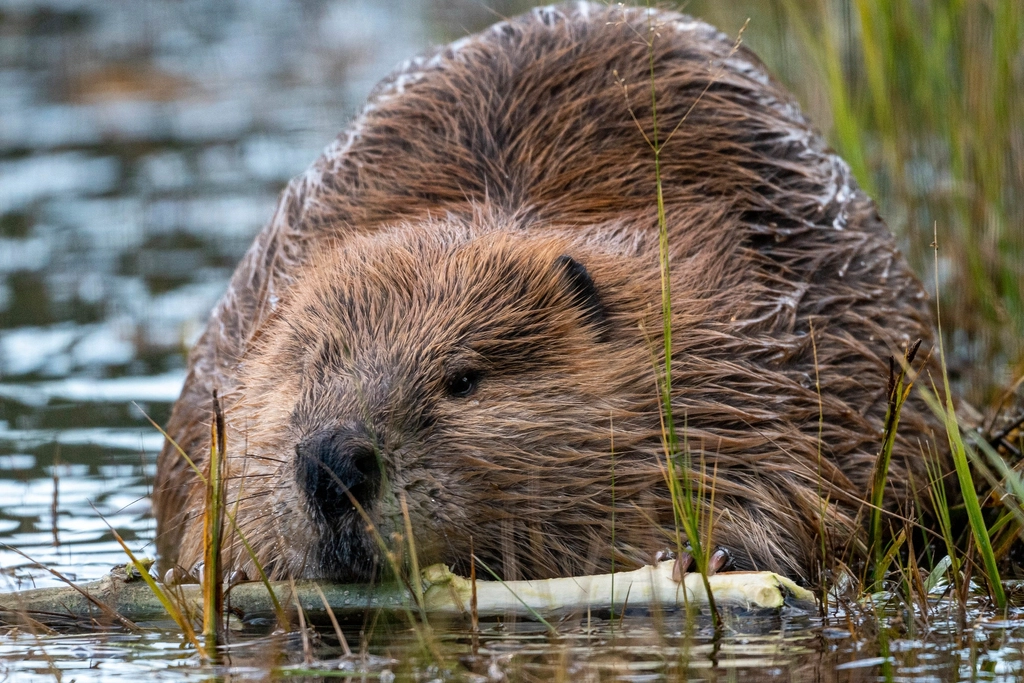 Photo Credit: Rawpixel
In the tranquil embrace of a forested riverbank, the beaver, known scientifically as Castor canadensis, emerges as a master builder and a vital player in its ecosystem. With its stout body, webbed feet, and a broad, flat tail that resembles a paddle, this semi-aquatic mammal is perfectly designed for life both in water and on land. As the sun sets, casting a golden hue over the water, beavers can be seen diligently gnawing on tree bark or expertly constructing their iconic dams, which create serene ponds that serve as homes for countless other species.
What makes beavers particularly intriguing to scientists and nature lovers alike is their remarkable ability to shape their environment. These industrious creatures are often referred to as “ecosystem engineers” because their dam-building activities not only provide shelter for themselves but also create habitats for fish, amphibians, and birds. Their presence can transform a simple stream into a thriving wetland, showcasing the interconnectedness of life. As we dive deeper into the world of beavers, we will explore their fascinating behaviors, their role in the ecosystem, and the challenges they face in a rapidly changing world.
Beavers are truly captivating animals that hold a special place in the tree of life. They belong to the kingdom Animalia, which includes all animals, and are classified under the phylum Chordata, meaning they have a backbone. As members of the class Mammalia, beavers are warm-blooded and nurse their young with milk. What sets them apart in the order Rodentia, which is home to all rodents, is their incredible ability to modify their environment. Beavers are known as nature’s engineers, building dams and lodges that create wetlands, providing habitats for countless other species. Their unique adaptations, such as webbed feet and strong, flat tails, make them perfectly suited for life in the water.
| Taxonomic Rank | Scientific Name | Meaning & Significance |
|---|---|---|
| Kingdom | Animalia | This name comes from the Latin word “animalis,” meaning “having breath,” highlighting the living nature of all animals. |
| Phylum | Chordata | Derived from the Greek word “chordē,” meaning “string,” this refers to the notochord, a flexible rod that supports the body, found in all members of this group during some stage of development. |
| Class | Mammalia | This term comes from the Latin “mamma,” meaning “breast,” which signifies that all mammals, including beavers, nurse their young with milk. |
| Order | Rodentia | From the Latin “rodere,” meaning “to gnaw,” this name reflects the characteristic behavior of rodents, which have continuously growing incisors that they use for chewing through wood and plants. |
| Family | Castoridae | This family name is derived from the Latin “castor,” which means “beaver,” emphasizing the unique traits and behaviors of these animals. |
| Genus | Castor | Also from the Latin “castor,” this name highlights the beaver’s role in its ecosystem as a builder and modifier of habitats. |
The classification of beavers reveals much about their evolutionary history. As members of the order Rodentia, they share common ancestry with other rodents, which have adapted to various environments over millions of years. Their specialized traits, such as their strong teeth for gnawing and their ability to create complex structures, showcase how they have evolved to thrive in aquatic habitats. By understanding their taxonomic position, we gain insight into the beaver’s role in the ecosystem and its importance in maintaining biodiversity. These industrious animals not only shape their environment but also play a crucial part in the health of the ecosystems they inhabit.
The story of the beaver’s evolution stretches back millions of years, weaving through the tapestry of time. These industrious animals belong to the family Castoridae, with their lineage tracing back to the late Eocene epoch, around 35 million years ago. As the Earth transformed, so did the beaver, adapting to various environments and challenges, ultimately becoming the skilled builders we recognize today.
The earliest beavers were quite different from the ones we see now. They were small, tree-dwelling creatures that lived in forests and wetlands. Over time, they evolved into larger, more specialized animals. One significant transition occurred when beavers began to adapt to a semi-aquatic lifestyle, developing webbed feet and a flattened tail. These adaptations allowed them to swim efficiently and navigate their watery habitats. As they evolved, their teeth became stronger and more specialized for gnawing through tough wood, enabling them to fell trees and construct dams. This remarkable ability to manipulate their environment not only provided them with food but also created habitats for other species.
These evolutionary adaptations have been crucial for the beaver’s survival. Their webbed feet and flat tails make them agile in water, while their strong teeth enable them to access food and create habitats that benefit not just themselves but also countless other species. By building dams, beavers create wetlands that support diverse ecosystems, showcasing how their evolutionary journey has shaped not only their lives but also the world around them.
Beavers are sturdy, semi-aquatic mammals that leave a lasting impression with their robust bodies and distinctive features. Their stocky frames are built for life in the water, with powerful limbs and webbed feet that make them excellent swimmers. A beaver’s broad, flat tail is not just for balance; it acts like a rudder, helping them navigate through their watery habitats. With their large, expressive eyes and prominent front teeth, beavers are well-equipped for their role as nature’s builders, tirelessly working to create dams and lodges.
| Feature | Description |
|---|---|
| Weight | 11kg – 32kg (24lbs – 71lbs) |
| Skin Type | Fur |
These physical characteristics work together to enhance the beaver’s survival in various ways. Their thick fur keeps them warm in chilly waters, while their strong teeth are perfect for gnawing through wood, allowing them to gather materials for their impressive dams. The beaver’s weight provides stability in the water, making it easier for them to dive and swim efficiently. Together, these features not only support their daily activities but also play a crucial role in their ability to thrive in diverse environments.
Beavers are true architects of the natural world, often found in lush, freshwater ecosystems. Picture a serene landscape where rivers and streams meander through dense forests, creating a perfect playground for these industrious animals. They thrive in areas where the water is abundant, surrounded by willows, aspens, and alders, which provide not only food but also materials for their impressive dams and lodges. These habitats are alive with the sounds of splashing water and rustling leaves, making them vibrant homes for beavers and countless other species.
Beavers prefer climates that offer a mix of wet and dry seasons, as they need access to water for swimming and building. They are most commonly found in temperate zones, where winters can be cold but not extreme. These environments provide the right balance of warmth and chill, allowing beavers to thrive. They are also sensitive to pollution and prefer clean water sources, which is essential for their health and the health of their habitats.
To survive in these specific environments, beavers have developed remarkable adaptations. Their webbed feet make them excellent swimmers, while their thick fur keeps them warm in chilly waters. They are also equipped with strong teeth that can gnaw through tough tree bark, allowing them to gather food and building materials. By constructing dams, beavers create ponds that not only provide safety from predators but also help to maintain the ecosystem, supporting a diverse range of wildlife. This ability to modify their surroundings showcases their role as nature’s engineers, making them vital players in their habitats.
Beavers lead a life filled with activity and purpose, primarily focused on their role as nature’s builders. Each day begins with a routine of foraging for food, which mainly consists of tree bark, leaves, and aquatic plants. As the sun rises, these industrious animals venture out to gather materials for their dams and lodges. They are known for their impressive engineering skills, using branches, mud, and stones to create structures that not only provide shelter but also help regulate water levels in their habitats. Throughout the day, beavers alternate between working on their constructions and taking breaks to munch on their favorite snacks, all while keeping a watchful eye for potential predators.
Socially, beavers are generally solitary creatures, but they do exhibit fascinating group dynamics when it comes to family units. A typical beaver family consists of a monogamous pair and their offspring, which may stay with their parents for up to two years before venturing out on their own. Communication among family members is vital, and beavers use a variety of sounds, such as grunts and whines, to convey messages. They also communicate through scent marking, leaving their unique smell on trees and rocks to establish territory and signal their presence to others. This social structure helps maintain a balance within their environment, as family groups work together to build and maintain their homes.
| Behavior Type | Description |
|---|---|
| Activity Patterns | Beavers are most active during twilight hours, known as crepuscular behavior, when they forage and build. They spend significant time gathering food and materials for their dams and lodges. |
| Social Structure | While primarily solitary, beavers form family units consisting of a breeding pair and their young. Offspring may remain with their parents for a couple of years, learning essential survival skills. |
| Communication Methods | Beavers communicate through a mix of vocalizations, such as grunts and whines, and scent marking. They use their scent to establish territory and signal their presence to other beavers. |
The behaviors of beavers are not just fascinating; they are essential for their survival. By building dams, they create ponds that provide a safe haven from predators and a rich habitat for various aquatic life. Their social structures ensure that young beavers learn vital skills for foraging and construction, which are crucial for their independence. Through their daily activities and interactions, beavers play a significant role in shaping their ecosystems, demonstrating how their behaviors contribute to both their survival and the health of their environment.
Beavers are herbivores, meaning they primarily eat plants. Their diet is rich in a variety of vegetation, which they skillfully obtain from their watery habitats. Beavers are known for their impressive ability to fell trees and strip bark, making them one of nature’s most industrious foragers. They have strong, flat teeth that are perfect for gnawing through tough wood, and they often gather food in the evening or at night, when they feel safest from predators.
| Dietary Aspect | Details |
|---|---|
| Diet Type | Herbivore |
| Favorite Foods | Tree bark, twigs, soft vegetation like willows, water lilies, cattails, and watercress |
| Prey Items | Primarily plant-based, with a focus on bark and tender shoots |
| Hunting/Foraging Strategies | Felling trees and gathering vegetation, often working at night for safety |
This plant-based diet plays a crucial role in shaping the beaver’s ecology and daily routine. By consuming large amounts of vegetation, beavers help maintain the health of their aquatic environments. Their foraging habits not only provide them with food but also create habitats for other species. The trees they fell can create ponds, which serve as homes for fish, amphibians, and countless other organisms. Thus, beavers are not just foragers; they are vital contributors to the ecosystems they inhabit.
When it comes to beaver romance, the season is as important as the love itself. Beavers typically mate in late winter or early spring, around January to March. During this time, males and females engage in playful behaviors, such as swimming together and grooming each other. This bonding helps strengthen their partnership, which is often lifelong. Once they find a mate, they will work together to build a cozy lodge, where they will eventually raise their young.
| Reproductive Aspect | Details |
|---|---|
| Gestation Period | About 105 to 107 days |
| Litter Size | 1-4 kits |
| Age of Maturity | 2-3 years |
| Name of Young | Kits |
Once the kits are born, they are completely dependent on their parents for survival. Beavers are attentive caregivers, and both the mother and father play a role in raising their young. The kits are born with their eyes closed and are covered in soft fur. They begin to open their eyes after about a week and start to explore their surroundings. As they grow, the kits learn essential skills like swimming and foraging for food, guided by their parents. By the time they reach maturity at around two to three years old, they are ready to venture out and start families of their own, continuing the cycle of life in the enchanting world of beavers.
Beavers play a vital role in their ecosystems, acting as both prey and builders. As herbivores, they are a key food source for various predators, while their dam-building activities create habitats for countless other species. This dual role places them in a complex web of life, where they contribute to the health of wetlands and forests, but also face numerous dangers from the natural world.
To survive these threats, beavers have developed several clever strategies. Their strong, flat tails can be used to slap the water, creating a loud noise that warns other beavers of danger. When threatened, they can quickly dive underwater, using their webbed feet to propel themselves to safety. Additionally, their thick fur and fat layer help insulate them against cold water, allowing them to stay submerged for extended periods. By building intricate dams and lodges, they create safe havens that protect them from many predators, showcasing their remarkable adaptability in the wild.
A keystone species is an organism that has a disproportionately large impact on its environment relative to its abundance. In simpler terms, if you remove a keystone species from an ecosystem, it can cause significant changes, often leading to the collapse of that ecosystem. Beavers certainly qualify as a keystone species due to their remarkable ability to shape their habitats through dam-building.
Beavers are nature’s engineers, and their dams create ponds that serve as vital habitats for many other species. When a beaver builds a dam, it floods the surrounding area, transforming the landscape into a rich wetland. This new environment supports a diverse array of plants and animals, from fish and amphibians to birds and insects. For example, the ponds created by beaver dams provide essential breeding grounds for fish like trout, which thrive in the calm waters. Additionally, these wetlands help filter pollutants from the water, improving overall ecosystem health.
The impact of beavers extends beyond just creating habitats. Their activities also influence the water table, which is the level below ground where the soil is saturated with water. By maintaining higher water levels, beavers help sustain the surrounding vegetation, which in turn supports other wildlife. Furthermore, the trees and plants that grow in these areas provide food and shelter for countless species, including deer and various bird populations.
If beavers were to disappear from their ecosystems, the consequences would be profound. Without their dam-building activities, many wetlands would dry up, leading to a loss of habitat for numerous species. Fish populations would decline due to the lack of calm waters for breeding, and the overall biodiversity of the area would suffer. The absence of beavers would not only disrupt the delicate balance of their ecosystems but could also lead to increased flooding and erosion, as the natural barriers they create would be lost. In essence, beavers play a crucial role in maintaining the health and stability of their environments, making their presence invaluable.
Beavers are fascinating architects of their ecosystems, playing a crucial role in shaping the environments they inhabit. These industrious animals are primarily found in freshwater ecosystems, where they create ponds and wetlands through their dam-building activities. By constructing dams, beavers not only create homes for themselves but also transform the landscape, influencing the water flow and availability of resources for countless other species. Their work makes them a keystone species, meaning their presence is vital for maintaining the health and balance of their habitats.
| Ecosystem Service | Impact |
|---|---|
| Water Regulation | Beaver dams slow down water flow, reducing erosion and helping to maintain water levels in streams and rivers. |
| Habitat Creation | The ponds formed by beaver dams provide essential habitats for fish, amphibians, and birds. |
| Nutrient Cycling | As beavers cut down trees and vegetation, they promote new growth, which enriches the soil and supports diverse plant life. |
| Flood Mitigation | By holding back water, beaver dams can help prevent flooding downstream during heavy rains. |
| Carbon Sequestration | Wetlands created by beavers store carbon, helping to combat climate change. |
Beavers influence their ecosystems in many specific ways. For instance, when they build a dam, they create a pond that can become a thriving habitat for various species. Fish like trout and salmon benefit from the calm waters, while amphibians find safe breeding grounds. The increased water levels also support lush vegetation along the banks, which in turn attracts birds and other wildlife. Additionally, the decaying plant matter in these ponds provides nutrients that enrich the surrounding soil, promoting a diverse array of plant life.
The broader ecological importance of beavers cannot be overstated. Their activities not only support a wide range of species but also enhance the resilience of ecosystems against climate change. By creating wetlands, beavers help to filter pollutants from water, improve water quality, and maintain biodiversity. In essence, beavers are not just builders; they are vital players in the intricate web of life, demonstrating how one species can profoundly impact the health and sustainability of an entire ecosystem.
In the intricate web of life, symbiosis refers to the close interactions between different species, which can take many forms. These relationships can be mutualistic, where both species benefit, parasitic, where one benefits at the other’s expense, or commensal, where one benefits while the other is neither helped nor harmed. Beavers, with their remarkable ability to transform landscapes, engage in various ecological partnerships that highlight the interconnectedness of nature.
| Species/Type | Relationship Type | Description |
|---|---|---|
| Fish | Mutualistic | Beavers create ponds that provide habitat for fish, while fish help keep the water clean by eating algae. |
| Birds (e.g., woodpeckers) | Commensal | Birds often nest in the trees that beavers fell, benefiting from the ready-made homes without affecting the beavers. |
| Beaver parasites (e.g., ticks) | Parasitic | Ticks feed on beavers’ blood, benefiting from the host while potentially harming the beaver’s health. |
These relationships have evolved over time, shaped by the needs and behaviors of the species involved. The mutualistic interactions, like those between beavers and fish, demonstrate how one species can create an environment that supports another. Meanwhile, the commensal relationships highlight the clever ways some animals take advantage of the beaver’s industriousness without causing any harm. Even parasitic relationships, while seemingly negative, play a role in the balance of ecosystems. Understanding these connections helps us appreciate the delicate dance of life that sustains our natural world.
Beavers are truly remarkable animals, known for their impressive building skills and significant role in their ecosystems. Here are some surprising facts that showcase their unique traits and behaviors.
Throughout history, beavers have held a significant place in human culture and economy. Early encounters between beavers and humans often revolved around the beaver’s luxurious fur, which was highly sought after for clothing and trade. Indigenous peoples revered beavers not only for their fur but also for their role in the ecosystem, viewing them as symbols of hard work and cooperation. In many cultures, beavers have been featured in folklore and stories, representing industriousness and the importance of community. This deep-rooted connection has shaped how humans perceive and interact with these remarkable animals.
In modern times, the relationship between beavers and humans has become more complex. While many people appreciate beavers for their ecological contributions, such as creating wetlands that support diverse wildlife, conflicts can arise. Beavers are known for their dam-building skills, which can lead to flooding in human areas, affecting agriculture and infrastructure. Conservation efforts are underway to find a balance, promoting coexistence through strategies like beaver relocation and the construction of flow devices that manage water levels. Some communities even embrace beavers as allies in combating climate change, recognizing their ability to enhance biodiversity and improve water quality.
As we look to the future, the relationship between beavers and humanity is poised for evolution. With growing awareness of environmental issues, more people are recognizing the vital role beavers play in our ecosystems. By fostering a spirit of cooperation and understanding, we can work towards solutions that benefit both beavers and human communities. Embracing these furry engineers as partners in conservation may lead to healthier landscapes and a more sustainable future for all.
Beavers are currently classified as Near Threatened by the International Union for Conservation of Nature (IUCN). This status indicates that while their populations are not critically endangered, they face challenges that could lead to a decline if not addressed. In many regions, beaver populations are stable or even increasing due to successful conservation efforts. However, habitat loss and other pressures still pose risks to their long-term survival.
| Conservation Factor | Status/Details |
|---|---|
| IUCN Status | Near Threatened |
| Population Estimates | Approximately 6 million in North America |
| Trend Direction | Stable or increasing in many areas |
One of the main threats to beavers comes from habitat destruction, often caused by human activities such as urban development and agriculture. As wetlands and forests are cleared for construction or farming, beavers lose the essential environments they need to thrive. Additionally, water pollution and climate change can alter the delicate balance of their ecosystems, making it harder for beavers to find food and suitable places to build their dams.
Conservation efforts for beavers are gaining momentum, with various organizations working to protect their habitats and promote coexistence with humans. Initiatives include restoring wetlands, creating wildlife corridors, and educating communities about the ecological benefits of beavers. With these efforts in place, the outlook for beavers is cautiously optimistic. As awareness grows and habitats are preserved, these industrious animals may continue to flourish, playing their vital role in maintaining healthy ecosystems.
| Question | Answer |
|---|---|
| What type of habitat do beavers live in? | Beavers are found in freshwater ecosystems, which include rivers, streams, ponds, and lakes. They prefer areas with abundant trees and shrubs, as these provide both food and building materials for their dams and lodges. |
| What do beavers eat? | Beavers are herbivores, meaning they primarily eat plant material. Their diet consists mainly of the bark, leaves, and twigs of trees, especially willows, aspens, and birches, as well as aquatic plants. |
| How do beavers behave in their environment? | Beavers are known for their remarkable engineering skills. They build dams to create ponds, which provide safety from predators and a habitat for their food sources. They are mostly nocturnal, meaning they are active at night. |
| How do beavers reproduce? | Beavers typically mate for life and have a breeding season in late winter to early spring. After a gestation period of about 105 days, the female gives birth to a litter of 1 to 6 kits, which are born fully furred and able to swim shortly after birth. |
| What threats do beavers face? | Beavers are currently classified as near threatened due to habitat loss and hunting. Their populations can be affected by human activities such as logging, dam removal, and pollution in their freshwater habitats. |
| What are some interesting characteristics of beavers? | Beavers have large, flat tails that help them steer while swimming and serve as a warning signal to other beavers when danger is near. They also have strong teeth that never stop growing, allowing them to gnaw through tough wood to build their dams. |
| How do beavers impact their ecosystem? | Beavers play a crucial role in their ecosystems by creating wetlands through their dam-building activities. These wetlands provide habitats for many other species, improve water quality, and help control flooding by slowing down water flow. |