Taxonomy & Classification
- Kingdom
- Animalia
- Phylum
- Chordata
- Class
- Mammalia
- Order
- Carnivora
- Family
- Canidae
- Genus
- Canis
- Species
- Canis lupus

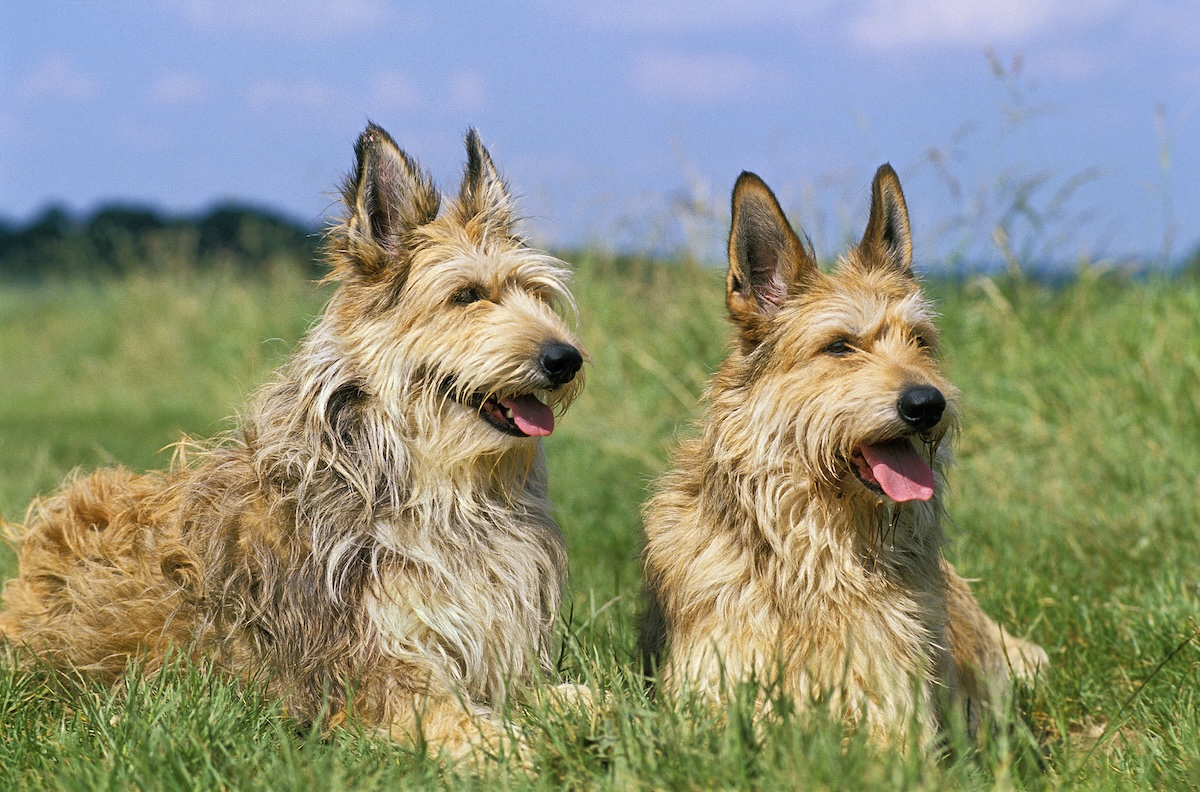 Photo Credit: slowmotiongli at Deposit Photos
In the rolling hills of northern France, the Berger Picard, scientifically known as Canis lupus familiaris, stands out with its striking appearance and lively spirit. With its erect ears and a coat that ranges from fawn to brindle, this breed captures the eye and heart of anyone lucky enough to encounter it. The Berger Picard is not just a pretty face; it boasts a robust, athletic build that speaks to its heritage as a herding dog. This breed has been a loyal companion to farmers for centuries, helping to manage flocks of sheep across the picturesque landscapes of its homeland.
What makes the Berger Picard particularly intriguing to scientists and dog lovers alike is its unique blend of intelligence and energy. These dogs are known for their keen instincts and playful nature, making them not only excellent herders but also delightful family pets. Their adaptability allows them to thrive in various environments, from open fields to cozy homes. As we explore the world of the Berger Picard, we will uncover its fascinating history, behavior, and the vital role it plays in the ecosystems it inhabits. Join us on this adventure to learn more about this remarkable breed and the rich tapestry of life it represents.
The Berger Picard is a captivating breed that sits within the intricate web of life known as the animal kingdom. Taxonomically, it belongs to the Kingdom Animalia, which includes all animals, and is classified under the Phylum Chordata, meaning it has a backbone. This breed is part of the Class Mammalia, which encompasses all mammals, and it falls under the Order Carnivora, a group that includes meat-eating animals like dogs and cats. Within this order, the Berger Picard is a member of the Family Canidae, which is home to dogs, wolves, and foxes. Its Genus is Canis, the same genus that includes domestic dogs. What makes the Berger Picard particularly interesting is its unique physical features, such as its erect ears and rough coat, which set it apart from other breeds in the canine family.
| Taxonomic Rank | Scientific Name | Meaning & Significance |
|---|---|---|
| Kingdom | Animalia | This name signifies the broadest category of living organisms, encompassing all animals. |
| Phylum | Chordata | Derived from the Latin word “chorda,” meaning “string,” this term refers to animals with a notochord, or backbone, during some stage of their life. |
| Class | Mammalia | This name comes from “mamma,” the Latin word for “breast,” highlighting the defining feature of mammals: females produce milk to nourish their young. |
| Order | Carnivora | From the Latin “carnivorus,” meaning “meat-eater,” this classification includes animals that primarily consume meat. |
| Family | Canidae | This name is derived from “canis,” the Latin word for “dog,” representing the family of animals that includes dogs, wolves, and foxes. |
| Genus | Canis | Also from the Latin word for “dog,” this genus encompasses various species of dogs, including domestic breeds and their wild relatives. |
Understanding the Berger Picard’s classification reveals much about its evolutionary journey. As a member of the Canidae family, it shares a common ancestry with wolves and other canines, showcasing traits that have been honed over thousands of years. The Berger Picard’s unique characteristics, such as its herding instincts and adaptability, reflect the evolutionary pressures faced by its ancestors. This breed not only embodies the rich tapestry of life on Earth but also serves as a reminder of the diverse adaptations that have emerged within the animal kingdom.
The Berger Picard, a breed of dog with a rich history, traces its evolutionary roots back thousands of years. This breed is part of the Canidae family, which includes wolves, foxes, and domestic dogs. The timeline of its development is intertwined with the domestication of dogs, which began around 20,000 to 40,000 years ago. As humans transitioned from nomadic lifestyles to settled farming communities, they began to selectively breed dogs for specific traits, leading to the diverse breeds we see today.
Ancestral forms of the Berger Picard likely share common traits with early herding dogs, which were bred to assist humans in managing livestock. Over time, these dogs adapted to various environments and tasks, leading to significant evolutionary changes. The Berger Picard, specifically, emerged in the northern regions of France, where it was valued for its herding abilities and protective instincts. Its physical characteristics, such as erect ears and a sturdy build, evolved to help it navigate the rugged terrain and work alongside farmers.
The adaptations of the Berger Picard have played a crucial role in its survival and success as a working dog. Its herding instincts and intelligence allow it to perform complex tasks, while its adaptability to different climates ensures it can thrive in various environments. The protective nature of the breed not only secures its human companions but also safeguards livestock, solidifying its place in agricultural communities. Through these evolutionary traits, the Berger Picard continues to be a beloved and functional member of the canine family.
The Berger Picard is a striking dog that commands attention with its robust and athletic build. Standing tall and proud, this breed typically weighs around 70 pounds, showcasing a strong, muscular frame that hints at its herding origins. With a slightly elongated body and a well-proportioned head, the Berger Picard exudes both strength and agility. Its ears are one of its most distinctive features, standing erect and often forming a charming “V” shape that adds to its expressive demeanor.
| Feature | Description |
|---|---|
| Size | Typically weighs around 70 lbs, showcasing a strong and athletic build. |
| Color | Commonly found in shades of fawn or brindle, often with a darker mask. |
| Skin Type | Covered in a dense coat of hair, providing protection and insulation. |
The combination of the Berger Picard’s sturdy physique and its unique coat serves several important purposes. The dense hair not only protects the dog from harsh weather conditions but also helps in regulating body temperature, keeping it comfortable whether in the sun or the cold. Its strong build and agile frame make it an excellent herder, capable of moving livestock with ease. Together, these features create a breed that is not only visually captivating but also perfectly adapted to its working environment.
The Berger Picard calls the lush, rolling landscapes of northern France its home. This breed thrives in open fields and pastoral settings, where it can roam freely and engage in its natural herding instincts. Picture a picturesque countryside dotted with farms, vibrant green pastures, and the occasional rustic barn. The Berger Picard is perfectly suited to this environment, where it can work alongside farmers, guiding livestock and enjoying the great outdoors.
The climate in these regions is generally temperate, characterized by mild winters and warm summers. The Berger Picard enjoys a balance of sunshine and rainfall, which helps keep the grass lush and the fields vibrant. This breed is well-adapted to the changing seasons, thriving in environments that offer both cool breezes and sunny days. The moderate climate allows for plenty of outdoor activity, which is essential for this energetic dog.
Over time, the Berger Picard has developed traits that make it well-suited for its habitat. Its thick, weather-resistant coat protects it from the elements, whether it’s a chilly morning or a warm afternoon. Additionally, its keen intelligence and strong work ethic enable it to excel in herding tasks, making it an invaluable partner for farmers. This adaptability not only showcases the breed’s resilience but also highlights its deep connection to the pastoral landscapes of northern France.
The Berger Picard leads a vibrant daily life filled with activity and purpose. These dogs are known for their herding instincts, which means they thrive on movement and engagement. Each day typically begins with a burst of energy, as they eagerly greet the morning. They enjoy long walks or runs in open fields, where they can stretch their legs and explore their surroundings. Their keen senses are always on alert, making them excellent companions for outdoor adventures. Throughout the day, they alternate between playtime, training sessions, and moments of rest, always ready to jump back into action.
Socially, Berger Picards are friendly and loyal, forming strong bonds with their human families and other animals. They are known to be protective, often taking on the role of guardians for their loved ones. In a group setting, they exhibit a clear hierarchy, with a natural leader emerging among them. This breed communicates through a mix of vocalizations, body language, and playful gestures, ensuring that everyone understands their intentions. Their social nature makes them great companions, as they thrive on interaction and companionship, whether with humans or fellow dogs.
| Behavior Type | Description |
|---|---|
| Activity Patterns | Engages in daily exercise through running, playing, and herding, which keeps them physically fit and mentally stimulated. |
| Social Structure | Forms strong bonds with family members and other dogs, often establishing a clear hierarchy within groups. |
| Communication Methods | Uses a combination of barks, growls, and body language to express emotions and intentions, ensuring effective interaction. |
The behaviors of the Berger Picard are not just charming; they are essential for survival. Their herding instincts help them manage livestock, while their social bonds provide security and support within their groups. By staying active and engaged, they maintain their physical health and mental sharpness, which are crucial for navigating the challenges of their environment. In essence, the Berger Picard’s daily life is a beautiful blend of activity, social interaction, and instinctual behavior, all working together to ensure their well-being and success in the world.
The Berger Picard is an omnivore, which means it enjoys a varied diet that includes both plant and animal matter. This breed is known for its adaptability when it comes to food, often scavenging and foraging in its environment. While they primarily rely on their human companions for meals, they are also skilled at finding tasty treats in nature, whether it’s a fallen fruit or a small critter. Their keen senses and energetic nature make them excellent foragers, always on the lookout for their next snack.
| Dietary Aspect | Details |
|---|---|
| Diet Type | Omnivore |
| Favorite Foods | Fruits, vegetables, and small animals |
| Prey Items | Rodents, birds, and insects |
| Hunting/Foraging Strategies | Scavenging, exploring, and using keen senses |
The Berger Picard’s diverse diet plays a crucial role in its ecology and daily routine. By being omnivorous, it can thrive in various environments, making it a versatile companion for farmers and families alike. This adaptability not only helps the breed maintain its energy levels for herding and play but also allows it to contribute to the balance of its ecosystem. Whether chasing after a small animal or sniffing out a ripe berry, the Berger Picard’s feeding habits are a vital part of its lively and engaging lifestyle.
The mating behavior of the Berger Picard is both instinctual and social. During the breeding season, which typically occurs once a year, these dogs engage in courtship rituals that can include playful interactions and displays of affection. Males often show off their strength and agility to attract females, while females may exhibit specific behaviors to signal their readiness to mate. This bonding period is crucial, as it helps establish a connection between the pair before they embark on the journey of parenthood.
| Reproductive Aspect | Details |
|---|---|
| Gestation Period | Approximately 63 days |
| Litter Size | Typically 5 to 8 puppies |
| Age of Maturity | About 12 to 18 months |
| Name of Young | Puppies |
Once the puppies are born, the Berger Picard parents take their roles seriously. The mother is particularly attentive, nursing her young and keeping them warm and safe. This nurturing phase is vital for the puppies’ development, as they rely on their mother’s milk for essential nutrients. As the puppies grow, both parents play a role in teaching them important social skills and behaviors. They learn how to interact with their environment and other dogs, gradually transitioning from playful pups to confident adults. By the time they reach maturity, these young Berger Picards are well-equipped to thrive in their surroundings, carrying on the legacy of their breed.
The Berger Picard, a lively and intelligent breed, occupies a special niche in the human-dominated landscape of northern France. While they are primarily valued as herding dogs, their position in the food web is influenced by their interactions with various predators and environmental challenges. As a domesticated breed, they are not at the top of the food chain, but they still face threats from wild animals and human activities that can impact their safety and well-being.
To survive these dangers, the Berger Picard employs a range of defensive behaviors. Their keen senses allow them to detect potential threats from a distance, and their natural herding instincts help them stay alert and protect their territory. When faced with danger, they may bark loudly to warn off intruders or use their agility to escape. Additionally, their strong bond with humans provides them with a layer of protection, as they often work closely with their owners, who can help keep them safe from harm.
A keystone species is an organism that plays a critical role in maintaining the structure of its ecosystem. These species have a disproportionately large impact on their environment relative to their abundance. The Berger Picard, while primarily known as a herding dog, does not fit the traditional definition of a keystone species. However, its role in human-managed landscapes can influence local ecosystems, particularly in agricultural settings.
In pastoral environments, the Berger Picard contributes to the management of livestock. By herding sheep and cattle, these dogs help maintain the balance between grazing animals and the vegetation they consume. This interaction is vital because overgrazing can lead to soil erosion and loss of plant diversity. The Berger Picard’s herding instincts ensure that livestock are kept in check, allowing for healthy regrowth of grasses and other plants, which in turn supports a variety of insects and other wildlife.
Moreover, the Berger Picard’s presence can deter potential predators from approaching livestock. This protective behavior helps maintain the population of domesticated animals, which are essential for farmers and the local economy. By safeguarding these animals, the Berger Picard indirectly supports the entire agricultural ecosystem, from the plants that grow in the fields to the wildlife that thrives in the area.
If the Berger Picard were to disappear from its environment, the consequences could ripple through the ecosystem. Without these dogs to manage livestock, farmers might struggle with overgrazing, leading to soil degradation and a decline in plant diversity. This, in turn, could affect the insects and animals that rely on those plants for food and habitat. The loss of the Berger Picard would not only impact agriculture but could also disrupt the delicate balance of life in the areas where they once thrived.
The Berger Picard, a lively and intelligent dog breed, plays a significant role in shaping its ecosystem, particularly in the pastoral landscapes of northern France. As a herding dog, it helps manage livestock, which in turn influences the vegetation and animal populations in its environment. By guiding sheep and cattle, the Berger Picard ensures that grazing is balanced, preventing overgrazing and promoting healthy plant growth. This breed’s presence is essential for maintaining the delicate balance of its habitat, showcasing how a single species can impact the broader ecosystem.
| Ecosystem Service | Impact |
|---|---|
| Herding Livestock | Controls grazing patterns, preventing overgrazing and promoting plant health. |
| Soil Aeration | As dogs move through fields, they help aerate the soil, which benefits plant growth. |
| Wildlife Management | Helps keep wild animal populations in check by managing livestock, which can attract or deter other species. |
| Human Interaction | Strengthens the bond between humans and nature, encouraging sustainable farming practices. |
The Berger Picard’s herding instincts not only benefit farmers but also contribute to the overall health of the ecosystem. For instance, by guiding sheep to graze in specific areas, these dogs help maintain a diverse range of plant species. This diversity is crucial for supporting various insects and other wildlife, creating a vibrant community of organisms. Additionally, their presence can deter larger predators, ensuring that livestock and native species coexist more peacefully. The Berger Picard’s role in this intricate web of life highlights the interconnectedness of species and their environments.
In a broader ecological context, the Berger Picard exemplifies the importance of keystone species—organisms that have a disproportionately large effect on their environment. By managing livestock and influencing plant growth, this breed helps sustain the health of its ecosystem. Their activities promote biodiversity, which is vital for resilience against environmental changes. As we learn more about the Berger Picard and its impact, we gain a deeper appreciation for the roles that all species play in maintaining the balance of nature.
In the intricate tapestry of nature, symbiosis refers to the close and often long-term interactions between different species. These relationships can take many forms, including mutualism, where both species benefit, parasitism, where one benefits at the expense of the other, and commensalism, where one species benefits while the other is neither helped nor harmed. Understanding these ecological relationships helps us appreciate the balance of life and the interconnectedness of all living things, including the Berger Picard, a breed of dog that interacts with various species in its environment.
| Species/Type | Relationship Type | Description |
|---|---|---|
| Sheep | Mutualistic | The Berger Picard herds sheep, helping farmers manage their flocks while receiving food and shelter in return. |
| Farmers | Mutualistic | Farmers rely on the Berger Picard for herding, while the dogs benefit from companionship and care. |
| Ticks | Parasitic | Ticks can latch onto the Berger Picard, feeding on its blood, which can harm the dog if not managed. |
| Birds | Commensal | Birds may follow the Berger Picard as it moves through fields, benefiting from insects disturbed by the dog’s movement. |
The evolution of these relationships showcases the adaptability and resourcefulness of the Berger Picard. Over time, these interactions have shaped not only the behavior of the breed but also the dynamics of the ecosystems they inhabit. By herding livestock, the Berger Picard plays a vital role in agricultural settings, ensuring the health of both the animals and the land. Meanwhile, the presence of parasites like ticks reminds us of the challenges that come with living in close quarters with other species. Ultimately, these partnerships highlight the delicate balance of nature, where every interaction contributes to the survival and thriving of all involved.
The Berger Picard is a captivating dog breed with a rich history and unique traits that make it stand out among canines. Here are some surprising facts that will intrigue nature enthusiasts of all ages.
The Berger Picard, a breed with deep historical roots, has long been intertwined with human culture, particularly in northern France. These dogs were originally bred for herding sheep, showcasing their intelligence and agility. Their unique appearance and lively personality have made them a beloved part of local folklore and traditions. In many rural communities, the Berger Picard symbolizes loyalty and hard work, embodying the spirit of the pastoral lifestyle. Their presence in art and literature further highlights their significance, as they represent the bond between humans and animals that has flourished over centuries.
Today, the relationship between Berger Picards and humans continues to evolve. These dogs are not only cherished companions but also play vital roles in conservation efforts. Their herding instincts help manage livestock, which can reduce the need for chemical interventions in farming. However, challenges arise as urbanization encroaches on their natural habitats, leading to conflicts between agricultural practices and wildlife. Domestication has also changed their roles, as many Berger Picards now serve as family pets, requiring a balance between their instinctual behaviors and the comforts of home life.
As we look to the future, the relationship between Berger Picards and humanity holds great promise. With increased awareness of animal welfare and conservation, these dogs can continue to thrive alongside us. By fostering environments that respect their natural instincts while embracing their roles as companions, we can ensure that the Berger Picard remains a cherished part of our lives. Together, we can create a harmonious balance that honors both the needs of these remarkable dogs and the ecosystems they inhabit.
The Berger Picard is currently classified as a breed of concern in terms of conservation status. While specific population estimates are challenging to pinpoint, it is clear that the number of Berger Picards has been declining, particularly outside of France. This decline is attributed to a combination of factors, including changing agricultural practices and a decrease in demand for herding dogs. As a result, the breed is becoming increasingly rare, making its conservation a priority for enthusiasts and breeders alike.
| Conservation Factor | Status/Details |
|---|---|
| IUCN Status | Not Evaluated |
| Population Estimates | Less than 1,000 worldwide |
| Trend Direction | Declining |
The main threats to the Berger Picard stem from modern agricultural changes and the rise of technology in farming. As fewer farmers rely on traditional herding methods, the need for herding dogs has diminished. Additionally, the breed faces competition from more popular dog breeds, which can overshadow the Berger Picard in terms of visibility and desirability. This shift in societal needs has led to a decrease in breeding programs, further endangering the breed’s future.
Conservation efforts are underway to help stabilize and potentially increase the Berger Picard population. Dedicated breeders and breed clubs are working to promote awareness of this unique dog, emphasizing its herding abilities and friendly nature. By encouraging responsible breeding practices and educating the public about the breed’s history and traits, there is hope for a brighter future. With continued efforts, the Berger Picard may find its place once again in the hearts and homes of dog lovers around the world.
| Question | Answer |
|---|---|
| What is the habitat of the Berger Picard? | The Berger Picard is primarily a domestic dog breed, so its habitat is typically within human homes and yards. They thrive in environments where they can be active and engaged, such as spacious backyards or areas with plenty of room to run and play. |
| What do Berger Picards eat? | As omnivores, Berger Picards have a varied diet that includes both animal and plant-based foods. They require a balanced diet of high-quality dog food, which can include meat, vegetables, and grains to keep them healthy and energetic. |
| What is the behavior of a Berger Picard? | Berger Picards are known for their intelligence and playful nature. They are loyal and protective of their families, making them excellent companions, but they also need regular mental and physical stimulation to prevent boredom. |
| How do Berger Picards reproduce? | Like all dogs, Berger Picards reproduce through mating between a male and a female. After a gestation period of about 63 days, the female gives birth to a litter of puppies, which typically ranges from 4 to 8 puppies. |
| What threats do Berger Picards face? | While Berger Picards are not currently considered endangered, they can face threats such as overbreeding and health issues common in dog breeds. Additionally, they may be at risk if not properly socialized or trained, leading to behavioral problems. |
| What are some interesting characteristics of the Berger Picard? | One fascinating characteristic of the Berger Picard is its unique, upright ears and distinctive coat, which can be rough or smooth. They are also known for their agility and herding instincts, making them great working dogs as well as family pets. |
| How active are Berger Picards? | Berger Picards are very active dogs that require regular exercise to stay healthy and happy. Daily walks, playtime, and mental challenges are essential to keep them engaged and prevent them from becoming restless. |