Taxonomy & Classification
- Kingdom
- Animalia
- Phylum
- Chordata
- Class
- Mammalia
- Order
- Carnivora
- Family
- Canidae
- Genus
- Canis
- Species
- Canis lupus

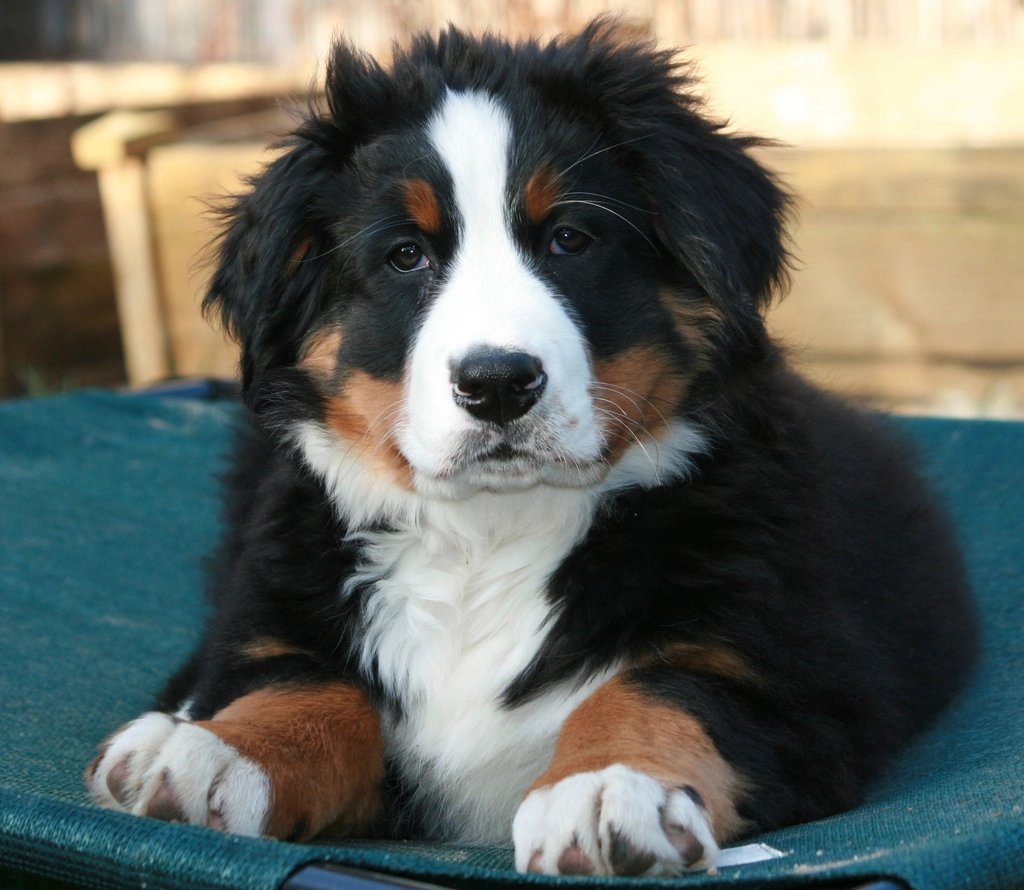 Photo Credit: Rawpixel
In the breathtaking landscapes of the Swiss Alps, the Bernese Shepherd, scientifically known as Canis lupus familiaris, stands as a symbol of strength and beauty. With its striking tri-color coat of black, white, and rust, this breed captures the eye and heart of anyone lucky enough to encounter it. The Bernese Shepherd is not just a pretty face; its robust build and gentle demeanor make it a beloved companion and a skilled worker on farms, where it has helped herd livestock for centuries. This unique blend of physical prowess and affectionate nature has made the Bernese Shepherd a favorite among dog lovers and a subject of interest for scientists studying domesticated animals.
Imagine a sunny day in the Alps, where the rolling green meadows meet the towering snow-capped peaks. Here, the Bernese Shepherd thrives, bounding through the grass with a joyful spirit. Its thick, water-resistant coat protects it from the chilly mountain air, while its strong legs allow it to navigate rocky terrain with ease. This breed’s friendly disposition and intelligence make it not only a loyal family pet but also an essential partner in the agricultural lifestyle of the region. As we explore the world of the Bernese Shepherd, we will uncover its fascinating history, behavior, and the vital role it plays in both human lives and the ecosystem of the Alps.
The Bernese Shepherd, also known as the Bernese Mountain Dog, holds a special place in the tree of life. This breed belongs to the family Canidae, which includes all dogs, wolves, and foxes. What makes the Bernese Shepherd particularly interesting is its history as a working dog in the Swiss Alps, where it was bred for herding and guarding livestock. With its striking tri-color coat and gentle temperament, this breed not only serves as a loyal companion but also showcases the incredible diversity within the animal kingdom.
| Taxonomic Rank | Scientific Name | Meaning & Significance |
|---|---|---|
| Kingdom | Animalia | This name signifies that the Bernese Shepherd is part of the vast group of multicellular organisms that are primarily heterotrophic, meaning they consume other organisms for energy. |
| Phylum | Chordata | Chordata refers to animals that have a notochord, a flexible rod that supports the body. In the case of the Bernese Shepherd, this structure is present during its early development. |
| Class | Mammalia | Mammalia indicates that this breed is warm-blooded and has fur or hair, along with mammary glands that allow females to nurse their young. |
| Order | Carnivora | Carnivora is the order that includes meat-eating mammals. While Bernese Shepherds are often fed a diet that includes meat, they are also known for their versatility in diet, making them omnivorous. |
| Family | Canidae | Canidae encompasses all dog-like mammals, highlighting the Bernese Shepherd’s close relationship with other domestic dogs and wild canids like wolves and foxes. |
| Genus | Canis | Canis is the genus that includes all dogs, wolves, and coyotes. This classification emphasizes the Bernese Shepherd’s shared ancestry with these animals, showcasing its instinctual traits. |
Understanding the Bernese Shepherd’s classification reveals much about its evolutionary journey. As a member of the Canidae family, this breed shares a common ancestor with wolves, which explains its strong instincts and social behaviors. The Bernese Shepherd’s development in the rugged Swiss landscape has shaped its physical characteristics and temperament, making it well-suited for both work and companionship. This fascinating lineage not only highlights the adaptability of the species but also underscores the deep bond between humans and dogs throughout history.
The evolutionary journey of the Bernese Shepherd, or Bernese Mountain Dog, stretches back thousands of years, intertwining with the history of human civilization. This breed’s ancestors roamed the rugged landscapes of the Swiss Alps, where they were bred for their strength and versatility. The timeline of their evolution reflects a blend of natural selection and human influence, shaping them into the loyal companions we know today.
The Bernese Shepherd descends from ancient herding dogs that were used by farmers to manage livestock in the challenging terrain of Switzerland. These early canines were likely a mix of various breeds, including large, sturdy dogs that could withstand cold climates. Over time, selective breeding emphasized traits such as size, temperament, and coat type, leading to the development of the Bernese Mountain Dog as a distinct breed. This process involved choosing dogs that not only excelled in herding but also displayed a gentle nature, making them excellent family pets.
The adaptations of the Bernese Shepherd have played a crucial role in its survival and success as a breed. Their strong build and thick coat enable them to thrive in harsh climates, while their gentle temperament makes them ideal companions for families. Intelligence and versatility further enhance their ability to work alongside humans, whether in herding livestock or simply providing love and loyalty at home. This blend of traits not only ensures their survival in diverse environments but also solidifies their place in the hearts of many.
The Bernese Shepherd is a strikingly beautiful dog that commands attention with its impressive stature and graceful movements. This breed boasts a robust and muscular build, standing tall and proud. With a weight of around 110 pounds, it embodies strength and agility, making it a formidable presence. Its broad chest and strong legs give it a solid foundation, while its gentle demeanor adds a touch of warmth to its imposing figure.
| Feature | Description |
|---|---|
| Size | Large, typically weighing around 110 pounds |
| Color | Rich black coat with striking white and rust markings |
| Skin Type | Hair, featuring a thick double coat for insulation |
| Build | Muscular and sturdy, with a broad chest and strong legs |
The combination of the Bernese Shepherd’s size, color, and build serves several important purposes in its life. The thick double coat not only provides insulation against cold weather but also protects the dog from harsh elements, making it well-suited for mountainous terrains. Its striking coloration, with a glossy black base and vibrant white and rust accents, helps it stand out in the snowy landscapes of its native Switzerland. Together, these features create a dog that is not only visually captivating but also perfectly adapted to thrive in its environment.
The Bernese Shepherd, also known as the Bernese Mountain Dog, thrives in the picturesque landscapes of the Swiss Alps. Imagine rolling hills, lush green meadows, and snow-capped mountains that stretch as far as the eye can see. This breed is perfectly suited to the rugged terrain, where it once helped farmers herd cattle and guard their properties. The stunning backdrop of the Alps not only provides a beautiful home but also a challenging environment that shapes the Bernese Shepherd’s character and abilities.
The climate in these regions is quite varied, with cold winters and mild summers. The Bernese Shepherd enjoys a temperate climate, which means it thrives in areas that experience distinct seasons. The breed is well-adapted to cold weather, thanks to its thick, double coat that keeps it warm during chilly months. However, it also appreciates the warmer summer days, as long as it has access to shade and water to stay cool.
Over time, the Bernese Shepherd has developed several adaptations that help it excel in its mountainous home. Its sturdy build and strong legs allow it to navigate steep slopes and rocky paths with ease. The breed’s thick fur not only provides insulation against the cold but also protects it from harsh weather conditions. Additionally, its friendly and gentle temperament makes it an excellent companion for families living in these beautiful, yet demanding, environments. The Bernese Shepherd truly embodies the spirit of the Swiss Alps, showcasing resilience and warmth in every aspect of its life.
The daily life of a Bernese Shepherd is a blend of energy and calm, filled with activities that keep them both physically fit and mentally stimulated. These dogs typically start their day with a burst of enthusiasm, eager to explore their surroundings. Morning walks are a must, allowing them to stretch their legs and sniff out the world around them. After a hearty breakfast, they often engage in playful activities, whether it’s chasing a ball or frolicking in the yard. As the day unfolds, they balance their playful nature with moments of relaxation, often curling up in a sunny spot or resting beside their human companions.
Social behavior is a key aspect of the Bernese Shepherd’s life. These dogs are known for their friendly and gentle demeanor, making them excellent companions for families and other pets. They thrive in social settings, often forming strong bonds with their human families and even other animals. Their group dynamics are characterized by a natural instinct to protect and nurture, which is evident in their interactions. Whether they are playing with children or keeping a watchful eye on their home, Bernese Shepherds communicate through a variety of sounds and body language, expressing their feelings and needs clearly.
| Behavior Type | Description |
|---|---|
| Activity Patterns | Bernese Shepherds enjoy a mix of vigorous exercise and relaxation, engaging in playtime, walks, and downtime with their families. |
| Social Structure | These dogs are pack-oriented, forming strong bonds with their human families and other pets, often taking on protective roles. |
| Communication Methods | They use a combination of barks, growls, and body language to express emotions, needs, and to interact with their environment. |
The behaviors of the Bernese Shepherd are not just charming; they play a crucial role in their survival and well-being. Their social nature helps them thrive in family settings, where they can receive love and attention. By forming strong bonds, they also create a support system that enhances their ability to protect and serve their human companions. Their playful yet attentive demeanor ensures they remain engaged and alert, making them not only wonderful pets but also reliable guardians. In the end, these behaviors are essential for their happiness and the harmony of their household.
The Bernese Shepherd, or Bernese Mountain Dog, has a varied diet that reflects its omnivorous nature. This means it enjoys a mix of both plant and animal foods. In the wild, these dogs would have scavenged and foraged, taking advantage of whatever was available. They are known to be opportunistic eaters, which means they will eat what they can find, whether it’s fruits, vegetables, or small animals. This adaptability in their diet helps them thrive in different environments and situations.
| Dietary Aspect | Details |
|---|---|
| Diet Type | Omnivore |
| Favorite Foods | Fruits, vegetables, and meats |
| Prey Items | Small mammals and birds |
| Hunting/Foraging Strategies | Scavenging and opportunistic eating |
This diverse diet not only supports the Bernese Shepherd’s health but also influences its daily activities. By foraging for food, these dogs engage in natural behaviors that keep them active and mentally stimulated. Their ability to adapt to different food sources allows them to thrive in various environments, making them resilient companions. Whether they are enjoying a hearty meal at home or exploring the great outdoors, their omnivorous diet plays a crucial role in their overall well-being and lifestyle.
When it comes to mating, Bernese Shepherds exhibit behaviors that are both instinctual and social. The breeding season typically occurs once a year, usually in the spring. During this time, females go into heat, a period when they are fertile and can conceive. Males are drawn to the scent of a female in heat, and their courtship rituals can include playful behaviors and vocalizations. This bonding process is essential, as it helps strengthen the pair’s connection before they embark on the journey of parenthood.
| Reproductive Aspect | Details |
|---|---|
| Gestation Period | Approximately 63 days |
| Litter Size | Typically 6 to 8 puppies |
| Age of Maturity | About 18 to 24 months |
| Name of Young | Puppies |
Once the puppies are born, the care they receive from their parents is crucial for their development. Bernese Shepherds are known for their nurturing instincts, and the mother plays a vital role in raising her young. She provides warmth, nourishment, and protection during the early weeks of life. As the puppies grow, they begin to explore their surroundings, learning important social skills from both their mother and siblings. This playful interaction helps them develop into well-adjusted adults, ready to take on the world with the same gentle spirit that defines their breed.
The Bernese Shepherd, or Bernese Mountain Dog, occupies a fascinating position in the food web. While these dogs are domesticated and primarily live alongside humans, they still retain some instincts from their ancestors. In the wild, they would be part of a larger ecosystem, where they could be preyed upon by larger carnivores. However, in their current role as companions and working dogs, they face different dangers that can threaten their well-being.
To defend themselves against these threats, Bernese Shepherds rely on their size and strength, which can deter potential predators. They are also known for their loyalty and protective instincts, often forming strong bonds with their human families. When faced with danger, they may bark loudly to alert their owners or use their agility to escape. Additionally, their thick, double coat provides insulation and protection from harsh weather, allowing them to thrive in challenging environments. Overall, their combination of physical prowess and social behavior helps them navigate the risks they encounter.
A keystone species is a vital part of its ecosystem, meaning its presence has a significant impact on the environment and other living things. If removed, the entire ecosystem could change dramatically. The Bernese Shepherd, or Bernese Mountain Dog, while primarily a domesticated breed, can play a role in its environment, especially in the areas where it was originally bred. However, it does not fit the classic definition of a keystone species like wolves or sea otters, which directly influence the populations of other species and the health of their habitats.
In the Swiss Alps, where the Bernese Shepherd originated, these dogs were bred to help with herding and guarding livestock. Their presence can help maintain the balance between wild animals and domesticated herds. For example, by protecting sheep from predators, they indirectly support the local ecosystem by allowing the sheep population to thrive. This, in turn, helps maintain the grasslands, as grazing animals play a crucial role in shaping plant communities.
Moreover, Bernese Shepherds are known for their friendly and social nature, which can foster positive interactions between humans and wildlife. When people see these dogs in their natural habitat, it can encourage a greater appreciation for the environment and the need to protect it. Their role as companions also means they often accompany their owners on hikes and outdoor activities, promoting conservation awareness and responsible land use.
If the Bernese Shepherd were to disappear from its native habitat, the effects could ripple through the ecosystem. Without these dogs to guard livestock, farmers might resort to more drastic measures to protect their herds, potentially leading to increased hunting of local predators. This could upset the natural balance, resulting in overpopulation of certain species and decline in others. Additionally, the bond between humans and nature might weaken, leading to less awareness and care for the beautiful landscapes of the Alps. In essence, while the Bernese Shepherd may not be a classic keystone species, its presence contributes to the harmony of its environment in meaningful ways.
The Bernese Shepherd, also known as the Bernese Mountain Dog, plays a vital role in its ecosystem, particularly in the Swiss Alps where it originates. As a domesticated breed, it interacts closely with humans and the environment, shaping its surroundings in various ways. These dogs are not just companions; they influence the balance of their habitats through their behaviors and interactions with other species.
| Ecosystem Service | Impact |
|---|---|
| Grazing Management | Helps control vegetation growth by herding livestock, preventing overgrowth and promoting biodiversity. |
| Soil Aeration | As they move through their environment, their activity helps aerate the soil, which can improve plant growth. |
| Wildlife Interaction | Encourages a balance in local wildlife populations by their presence, which can deter smaller predators. |
| Human Companionship | Strengthens the bond between humans and nature, promoting conservation efforts and awareness. |
The Bernese Shepherd’s influence extends beyond companionship. For instance, when these dogs accompany farmers in the Alps, they help manage grazing patterns of livestock. This not only keeps the grasslands healthy but also supports a diverse range of plant species. Their natural instincts to herd and protect livestock can deter smaller predators, allowing other wildlife to thrive. Additionally, as they roam their mountainous terrain, they contribute to soil health by aerating it, which benefits the growth of various plants.
The broader ecological importance of the Bernese Shepherd cannot be overstated. By maintaining the balance of their environment, they help ensure that ecosystems remain vibrant and diverse. Their interactions with both humans and wildlife foster a deeper appreciation for nature, encouraging conservation efforts that protect their habitats. In this way, the Bernese Shepherd is not just a beloved pet but a key player in the health of its ecosystem, demonstrating how even domesticated animals can have a profound impact on the natural world.
In the intricate web of life, symbiosis refers to the close interactions between different species, which can take many forms. These relationships can be mutualistic, where both species benefit, parasitic, where one benefits at the expense of the other, or commensal, where one benefits while the other is neither helped nor harmed. Understanding these connections helps us appreciate the balance of ecosystems and the roles that various species, including the Bernese Shepherd, play within them.
| Species/Type | Relationship Type | Description |
|---|---|---|
| Humans | Mutualistic | Bernese Shepherds assist humans in herding and guarding livestock, while humans provide food, shelter, and companionship. |
| Ticks | Parasitic | Ticks attach to Bernese Shepherds to feed on their blood, which can harm the dog if not managed properly. |
| Birds (like sparrows) | Commensal | Birds may nest in areas where Bernese Shepherds frequent, benefiting from the protection and food scraps without affecting the dogs. |
These relationships have evolved over time, shaped by the needs and behaviors of the species involved. The bond between Bernese Shepherds and humans is particularly strong, as these dogs have been bred for specific tasks that benefit both parties. Meanwhile, the presence of parasites like ticks highlights the challenges of living in a shared environment. Understanding these dynamics not only enriches our knowledge of the Bernese Shepherd but also emphasizes the importance of maintaining healthy ecosystems where all species can thrive together.
The Bernese Shepherd, also known as the Bernese Mountain Dog, is a breed that captures the hearts of many with its striking appearance and gentle nature. But there’s so much more to these dogs than meets the eye! Here are some surprising facts that will intrigue nature enthusiasts of all ages.
The bond between the Bernese Shepherd, or Bernese Mountain Dog, and humanity is steeped in history and cultural significance. Originating in the Swiss Alps, these dogs were bred by farmers to assist with herding cattle, pulling carts, and guarding properties. Their strength and gentle temperament made them invaluable companions on the rugged terrain. Over time, they became symbols of Swiss culture, often depicted in art and folklore, showcasing their loyalty and hardworking nature. This deep-rooted connection highlights how humans have relied on these dogs for both practical purposes and emotional support throughout the ages.
In today’s world, the relationship between Bernese Shepherds and humans has evolved, reflecting changes in society and lifestyle. While many still serve as working dogs on farms, they are increasingly cherished as family pets. Their friendly disposition and affectionate nature make them excellent companions for children and adults alike. However, challenges remain, such as health issues that can arise from breeding practices and the need for proper training and socialization. As urbanization expands, conflicts can occur when these dogs are not given enough space to roam and play, emphasizing the importance of responsible pet ownership and community awareness.
Looking ahead, the future of the Bernese Shepherd and humanity’s relationship holds promise and potential challenges. As awareness grows about the breed’s needs and characteristics, more people are likely to embrace responsible ownership practices. This includes understanding their health requirements and ensuring they receive adequate exercise and socialization. By fostering a deeper appreciation for these dogs, we can ensure that the Bernese Shepherd continues to thrive alongside us, enriching our lives with their unwavering loyalty and gentle spirit for generations to come.
The Bernese Shepherd, or Bernese Mountain Dog, currently holds a conservation status of “Not Listed” according to the International Union for Conservation of Nature (IUCN). This means that there are no immediate concerns regarding their survival as a breed. However, population trends can fluctuate, and while they are not endangered, it is essential to monitor their numbers to ensure they remain healthy and stable.
| Conservation Factor | Status/Details |
|---|---|
| IUCN Status | Not Listed |
| Population Estimates | Not specifically quantified |
| Trend Direction | Stable |
Despite their current stable status, the Bernese Shepherd faces several threats that could impact their future. One of the main concerns is the risk of genetic health issues due to inbreeding, which can occur when breeding practices are not carefully managed. Additionally, as a popular breed, they may be at risk of overbreeding, leading to a decline in overall health and vitality. Environmental changes and habitat loss can also pose challenges, especially if they are not given enough space to thrive.
Conservation efforts for the Bernese Shepherd focus on responsible breeding practices and promoting awareness about their health needs. Organizations dedicated to the breed work tirelessly to educate owners and breeders about the importance of genetic diversity. By ensuring that these dogs are bred with care, the outlook for the Bernese Shepherd remains positive. With continued attention and love from their human companions, this breed can continue to flourish in homes around the world.
| Question | Answer |
|---|---|
| What is the habitat of the Bernese Shepherd? | Bernese Shepherds thrive in a variety of environments, but they prefer areas with plenty of space to roam. They are often found in rural settings or homes with large yards, as they enjoy being active and exploring their surroundings. |
| What do Bernese Shepherds eat? | As omnivores, Bernese Shepherds have a diverse diet that includes both plant and animal foods. They typically enjoy high-quality dog food, which can include meat, vegetables, and grains, ensuring they get all the nutrients they need to stay healthy. |
| What is the behavior of Bernese Shepherds like? | Bernese Shepherds are known for their friendly and gentle nature. They are loyal companions and often form strong bonds with their families, making them great pets for both children and adults. |
| How do Bernese Shepherds reproduce? | Like most dogs, Bernese Shepherds reproduce through mating between a male and a female. The female typically goes into heat twice a year, and after a gestation period of about 63 days, she gives birth to a litter of puppies, usually ranging from 4 to 8 pups. |
| What threats do Bernese Shepherds face? | While Bernese Shepherds are not currently listed as endangered, they can face threats from habitat loss and irresponsible breeding practices. It's important for owners to ensure they are adopting from reputable breeders to maintain the health and well-being of the breed. |
| What are some interesting characteristics of Bernese Shepherds? | Bernese Shepherds are known for their striking appearance, often featuring a beautiful tri-color coat. They are also highly intelligent and trainable, making them excellent working dogs in various roles, including herding and search-and-rescue. |
| How much exercise do Bernese Shepherds need? | These dogs are energetic and require regular exercise to stay healthy and happy. Daily walks, playtime, and mental stimulation are essential to keep them engaged and prevent boredom, which can lead to destructive behavior. |