Taxonomy & Classification
- Kingdom
- Animalia
- Phylum
- Chordata
- Class
- Mammalia
- Order
- Carnivora
- Family
- Canidae
- Genus
- Canis
- Species
- Canis lupus

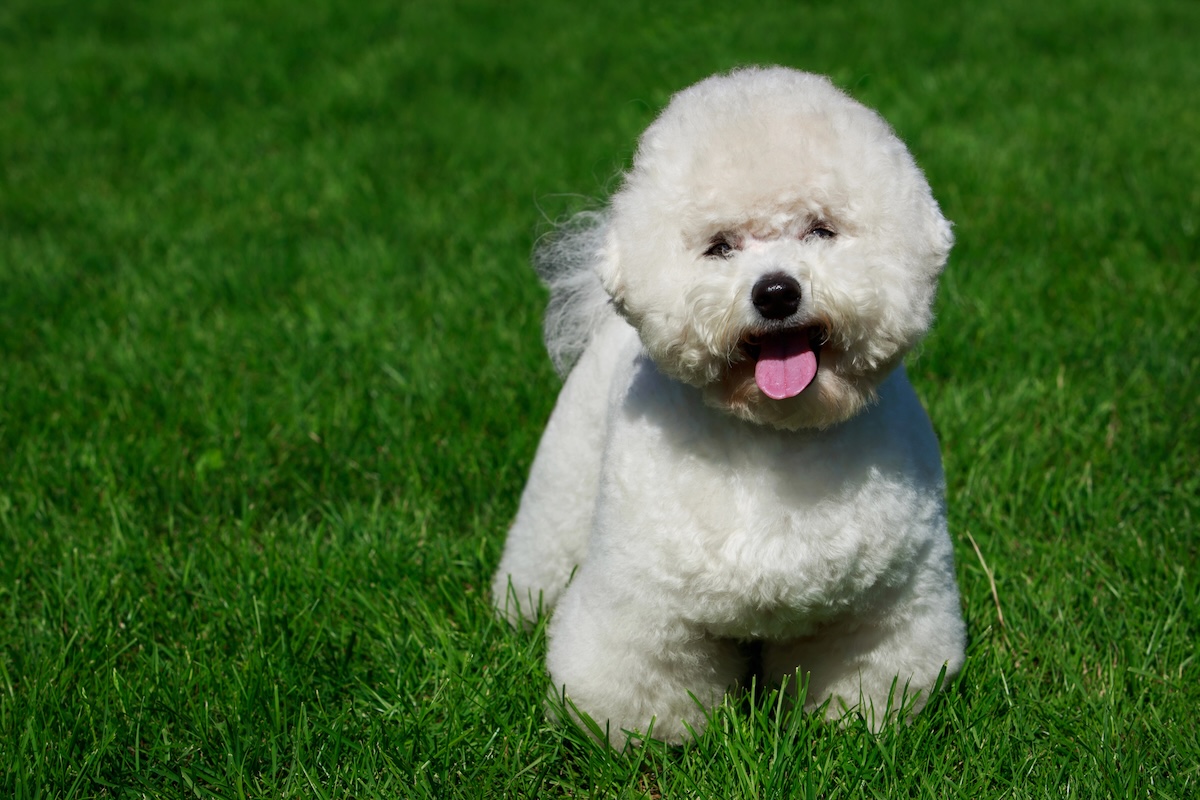 Photo Credit: DevidDO at Deposit Photos
Meet the Bichon Frise, scientifically known as Canis lupus familiaris, a small dog that brings joy wherever it goes. Picture this fluffy little companion, with its soft, white coat resembling a cloud, bounding through a sunlit park, tail wagging and eyes sparkling with excitement. The Bichon Frise is not just a pretty face; its cheerful personality and playful spirit make it a favorite among families and dog lovers alike. This breed has a fascinating history that traces back to the Mediterranean, where it was cherished as a companion to sailors and nobility, showcasing its long-standing bond with humans.
What truly captivates scientists and nature enthusiasts about the Bichon Frise is its unique blend of traits. Standing at just 9 to 11 inches tall, this compact dog is known for its lively demeanor and affectionate nature. Its fluffy coat, which requires regular grooming, is not just for looks; it serves as a protective layer, keeping the dog warm and comfortable. The Bichon Frise thrives in human environments, often found nestled in cozy homes, where it plays a vital role in bringing happiness and companionship. As we explore the world of the Bichon Frise, we will uncover its behaviors, diet, and the special place it holds in our lives, revealing why this little dog is so much more than just a pet.
The Bichon Frise is a delightful little dog that sits within the vast tree of life, specifically in the Kingdom Animalia. This charming breed belongs to the family Canidae, which includes all dogs, wolves, and foxes. What makes the Bichon Frise particularly special is its cheerful disposition and fluffy, curly coat, which has earned it a reputation as a beloved companion. With a history that intertwines with various cultures, this breed showcases the incredible diversity found within the animal kingdom, especially among domesticated species.
| Taxonomic Rank | Scientific Name | Meaning & Significance |
|---|---|---|
| Kingdom | Animalia | This term means “animals” in Latin, highlighting the Bichon Frise’s place among living organisms that are multicellular and capable of movement. |
| Phylum | Chordata | Chordata refers to animals with a backbone. The Bichon Frise, like all dogs, has a spinal column that supports its body and allows for complex movements. |
| Class | Mammalia | Mammals are warm-blooded animals that have fur or hair and typically give live birth. The Bichon Frise is a prime example, with its soft coat and nurturing behavior. |
| Order | Carnivora | Carnivora means “meat-eaters,” but many members, including the Bichon Frise, have adapted to a more varied diet. This order includes both hunters and their domesticated descendants. |
| Family | Canidae | This family encompasses dogs, wolves, and foxes. The Bichon Frise shares traits with its wild relatives, such as social behavior and communication skills. |
| Genus | Canis | Canis is Latin for “dog.” This genus includes all domestic dogs and their wild ancestors, emphasizing the Bichon Frise’s lineage as a domesticated animal. |
Understanding the Bichon Frise’s classification reveals much about its evolutionary journey. As a member of the Canidae family, it shares a common ancestry with wolves and other canines, showcasing how domestication has shaped its traits over time. The Bichon Frise’s friendly nature and adaptability highlight the bond between humans and dogs, illustrating how selective breeding has created a breed that thrives in companionship. This little dog not only brings joy to our lives but also serves as a reminder of the intricate connections within the animal kingdom.
The Bichon Frise, a small and cheerful dog known for its fluffy white coat and playful demeanor, has a rich evolutionary history that traces back thousands of years. This breed is part of the larger family of Canidae, which includes all dogs, wolves, and foxes. The story of the Bichon Frise begins in the Mediterranean region, where its ancestors roamed and adapted to various environments. Over time, selective breeding and human companionship shaped the Bichon Frise into the beloved pet we know today.
The Bichon Frise descends from a group of small, companion dogs known as the Barbichon, which were popular among sailors and traders in the Mediterranean. These early dogs were likely bred from various toy breeds, including the Maltese and the Poodle, leading to their distinctive appearance and friendly nature. As they traveled with humans, they adapted to different climates and lifestyles, developing traits that made them excellent companions. Their playful spirit and affectionate behavior made them favorites among nobility and commoners alike, solidifying their place in households across Europe.
The adaptations of the Bichon Frise have played a crucial role in its survival and popularity. Their fluffy coat not only keeps them warm but also attracts attention, making them desirable companions. Their small size and friendly nature allow them to fit seamlessly into family life, while their intelligence and trainability ensure they remain engaged and happy. These traits have helped the Bichon Frise thrive alongside humans, turning them into cherished members of many households around the world.
The Bichon Frise is a small, lively dog that captures hearts with its fluffy appearance and cheerful personality. Standing at about 9 to 11 inches tall, this breed has a compact body that is both sturdy and agile. Its round face, adorned with dark, expressive eyes, gives it an endearing look that seems to radiate joy. The Bichon Frise’s coat is one of its most striking features, with soft, curly hair that forms a cloud-like halo around its head and body. This delightful fluffiness not only makes them look adorable but also adds to their playful charm.
| Feature | Description |
|---|---|
| Size | 9 to 11 inches tall at the shoulder |
| Weight | Typically between 12 to 18 pounds |
| Color | Primarily white, with some variations including cream or apricot |
| Skin Type | Hair, which is soft and curly |
| Body Structure | Compact and sturdy with a rounded head and short neck |
The Bichon Frise’s fluffy coat serves multiple purposes. Firstly, it provides insulation, keeping the dog warm in cooler weather. This breed is also known for being hypoallergenic, meaning it produces fewer allergens, making it a great companion for those with allergies. Their lively and playful nature, combined with their charming appearance, makes them not just a pet but a beloved family member. The combination of their size, coat, and cheerful demeanor allows them to thrive in various environments, from bustling homes to cozy apartments, always ready to spread joy wherever they go.
The Bichon Frise is a breed that thrives in the cozy corners of human homes, often found nestled in apartments, houses, and family settings. This small dog, with its fluffy white coat and bright eyes, enjoys being close to its human companions. While they don’t have a specific natural habitat like wild animals, they flourish in environments where they receive plenty of love, attention, and social interaction. Their cheerful disposition makes them perfect companions for families, singles, and seniors alike.
Bichon Frises are adaptable little dogs that can thrive in various climates, but they prefer moderate temperatures. They are sensitive to extreme heat and cold, so a comfortable indoor environment is essential for their well-being. These dogs enjoy a climate that allows them to play and socialize without the risk of overheating or getting too chilly. Regular grooming helps keep their coat in top shape, which is important for their comfort in different weather conditions.
Over time, the Bichon Frise has adapted beautifully to living alongside humans. Their friendly nature and playful spirit make them excellent companions, and they have developed a keen ability to read human emotions. This breed is known for its intelligence and eagerness to please, which helps them fit seamlessly into various lifestyles. Whether they are playing in a park or snuggling on the couch, Bichon Frises have learned to thrive in environments where they are cherished and cared for.
The daily life of a Bichon Frise is filled with joy and activity, making it a delightful companion for families and individuals alike. These small dogs typically start their day with a burst of energy, eager to greet their humans with wagging tails and playful barks. Morning routines often include a brisk walk, where they can explore their surroundings, sniffing out interesting scents and meeting other dogs. Throughout the day, they enjoy playtime, whether it’s chasing after toys or engaging in games of fetch. Their playful nature keeps them active, and they thrive on interaction, making every moment an opportunity for fun.
Social behavior is a key aspect of the Bichon Frise’s life. These dogs are known for their friendly and affectionate demeanor, which makes them excellent companions. They love being around people and often form strong bonds with their families. Bichon Frises are also quite sociable with other dogs, enjoying playdates and trips to the dog park. Their communication is lively, filled with barks, yips, and body language that express their feelings. Whether they are excited, curious, or seeking attention, they have a knack for letting their humans know what they need.
| Behavior Type | Description |
|---|---|
| Activity Patterns | Bichon Frises are playful and energetic, enjoying walks, playtime, and interactive games throughout the day. |
| Social Structure | These dogs thrive in family settings, forming strong bonds with their humans and getting along well with other pets. |
| Communication Methods | They use a mix of barks, yips, and body language to express their emotions and needs, making them quite expressive. |
The behaviors of the Bichon Frise are not just for fun; they play a crucial role in their survival and happiness. Their social nature helps them build strong relationships, which can lead to better care and protection from their human companions. By staying active and engaged, they maintain their physical health and mental stimulation, essential for a long and happy life. In essence, the lively daily activities and social interactions of the Bichon Frise ensure they remain not only beloved pets but also thriving members of their families.
The Bichon Frise is an omnivore, which means it enjoys a varied diet that includes both plant and animal foods. This little dog thrives on a balanced mix of high-quality dog food, which often contains meat, grains, and vegetables. Bichon Frises are known for their playful and curious nature, which can lead them to explore different food options, especially when it comes to tasty treats. They are not hunters in the traditional sense, but they do have a keen sense of smell that helps them sniff out delicious snacks around the house or during walks.
| Dietary Aspect | Details |
|---|---|
| Diet Type | Omnivore |
| Favorite Foods | High-quality dog food, fruits, and vegetables |
| Prey Items | Not applicable; they do not hunt |
| Hunting/Foraging Strategies | Explores and sniffs out food, relies on human caregivers for meals |
The diet of a Bichon Frise plays a significant role in its overall health and happiness. A well-fed Bichon is not only energetic but also maintains a shiny coat and a cheerful disposition. Their omnivorous diet allows them to enjoy a variety of flavors, which can make mealtime an exciting adventure. Additionally, their reliance on humans for food means they often bond closely with their caregivers during feeding times, creating a warm and loving relationship that enhances their daily routine.
When it comes to the mating behavior of the Bichon Frise, these playful pups are known for their affectionate nature. They typically mate in the spring, which is a common breeding season for many dog breeds. During this time, female Bichon Frises go into heat, a period when they are fertile and can conceive. Males are often drawn to the scent of a female in heat, and their playful courtship can include lots of tail wagging and gentle nudging. This charming display of affection sets the stage for the next exciting chapter in their lives: reproduction.
| Reproductive Aspect | Details |
|---|---|
| Gestation Period | Approximately 63 days |
| Litter Size | Average of 4 puppies |
| Age of Maturity | About 6 to 12 months |
| Name of Young | Puppies |
Once the puppies are born, the Bichon Frise parents take their roles seriously. The mother is especially attentive, nursing her young and keeping them warm and safe. This nurturing behavior is crucial, as newborn puppies are quite vulnerable. They rely on their mother for food and protection during their early weeks. As the puppies grow, they begin to explore their surroundings, play with each other, and learn important social skills. By the time they reach maturity, usually around 6 to 12 months, they are ready to join the world as lively, affectionate companions, just like their parents.
The Bichon Frise, while a beloved companion, occupies a unique niche in the human-dominated environment rather than a traditional food web. As a domesticated breed, it is not preyed upon by wild animals in the same way that many other species are. However, it still faces dangers from various predators and threats that can impact its safety and well-being.
To defend itself against these threats, the Bichon Frise employs a variety of survival strategies. Its small size allows it to be quick and agile, making it easier to escape from potential dangers. Additionally, this breed is known for its alertness and vocal nature, often barking to warn its owners of approaching threats. With a friendly disposition, the Bichon Frise also relies on its charm to win over humans, who are often eager to protect their furry friends from harm.
A keystone species is a vital part of its ecosystem, playing a crucial role in maintaining the structure and balance of that environment. These species have a disproportionately large impact on their surroundings compared to their abundance. The Bichon Frise, while a beloved companion dog, does not qualify as a keystone species. This breed primarily exists in human environments, such as homes and apartments, and does not significantly influence the broader ecological systems in the way that keystone species do.
Although the Bichon Frise may not be a keystone species, it still has an interesting role in its immediate environment. As a domesticated dog, it interacts closely with humans and can influence social dynamics within households. For example, the presence of a Bichon Frise can enhance emotional well-being, providing companionship and reducing stress for its owners. This emotional support can lead to healthier lifestyles, as people may become more active by taking their dogs for walks or engaging in play.
Moreover, the Bichon Frise can impact local ecosystems through its interactions with other pets and wildlife. When taken for walks, these dogs may inadvertently disturb local fauna, such as birds or small mammals, which can alter their behavior. Additionally, the Bichon Frise’s playful nature can encourage socialization among other dogs, fostering a sense of community among pet owners in parks and neighborhoods.
If the Bichon Frise were to disappear, the immediate effects would be felt primarily in human households rather than in natural ecosystems. Families would lose a source of companionship and joy, which could lead to increased feelings of loneliness or stress. The absence of this breed might also affect social dynamics in pet-friendly areas, as fewer dogs would mean fewer opportunities for social interaction among pet owners. While the ecological impact would be minimal, the emotional and social void left behind would be significant for many people who cherish their Bichon Frise companions.
The Bichon Frise, a small and cheerful dog, plays a surprisingly significant role in its ecosystem, particularly in human environments. While it may not roam the wild like wolves or bears, this breed contributes to the social and emotional fabric of our lives. By being a loving companion, the Bichon Frise helps foster connections among people, creating a sense of community and well-being. This unique ecological niche highlights how even domesticated animals can influence their surroundings in meaningful ways.
| Ecosystem Service | Impact |
|---|---|
| Companionship | Enhances emotional well-being and reduces loneliness in humans. |
| Social Interaction | Encourages social bonds among pet owners and communities. |
| Physical Activity | Promotes exercise through walks and playtime, benefiting human health. |
| Therapeutic Benefits | Provides comfort and support, often used in therapy settings. |
The Bichon Frise’s influence can be seen in various ways. For instance, when families adopt a Bichon, they often find themselves more active, taking their furry friend for walks or engaging in playful activities. This not only benefits the dog but also encourages owners to get outside and enjoy nature. Additionally, the presence of a Bichon can spark conversations among neighbors, creating a friendly atmosphere in communities. In therapy settings, these dogs are known to bring joy and comfort to those in need, showcasing their ability to uplift spirits and foster healing.
In a broader ecological context, the Bichon Frise exemplifies how domesticated animals can shape human environments. By enhancing emotional health and promoting social interactions, this breed contributes to a more connected and supportive society. While they may not directly impact ecosystems like wild animals, their role in human lives is invaluable. The Bichon Frise reminds us that every creature, no matter how small, has the power to influence its surroundings in profound ways.
In the intricate web of life, symbiosis refers to the close and often long-term interactions between different species. These relationships can take many forms, including mutualism, where both species benefit, commensalism, where one benefits while the other is neither helped nor harmed, and parasitism, where one species benefits at the expense of another. Understanding these connections helps us appreciate how species, including our beloved Bichon Frise, interact with their environment and other organisms.
| Species/Type | Relationship Type | Description |
|---|---|---|
| Humans | Mutualistic | The Bichon Frise provides companionship and joy to humans, while receiving care, food, and shelter in return. |
| Fleas | Parasitic | Fleas can infest Bichon Frises, feeding on their blood and causing discomfort, which is harmful to the dog. |
| Other pets (like cats) | Commensal | When living together, Bichon Frises and other pets may share space and resources, benefiting from each other’s presence without affecting one another negatively. |
These relationships have evolved over time, shaped by the needs and behaviors of the species involved. The bond between Bichon Frises and humans is particularly strong, as these dogs have been bred for companionship, enhancing their role in our lives. While parasitic relationships, like those with fleas, can be detrimental, they also highlight the importance of care and hygiene in pet ownership. Commensal relationships with other pets show how social dynamics can enrich the lives of animals. Understanding these interactions not only deepens our appreciation for the Bichon Frise but also emphasizes the interconnectedness of all living beings.
The Bichon Frise is not just a fluffy companion; it has a fascinating history and unique traits that make it stand out in the canine world. This cheerful little dog has captured the hearts of many, but there’s so much more to discover about its background and characteristics.
The Bichon Frise has a long and storied relationship with humanity that dates back centuries. Originating in the Mediterranean region, these charming little dogs were often companions to sailors and travelers. Their cheerful disposition and fluffy coats made them popular among nobility and common folk alike. In art and literature, the Bichon Frise has been celebrated for its playful nature and loyalty, symbolizing joy and companionship. This breed has woven itself into the fabric of human culture, becoming a beloved pet in many households around the world.
Today, the Bichon Frise continues to thrive in human society, primarily as a cherished companion. These dogs are known for their friendly and affectionate behavior, making them excellent therapy animals. They often visit hospitals and nursing homes, bringing smiles and comfort to those in need. While they are not involved in conservation efforts like some other breeds, their role in human lives is significant. The Bichon Frise exemplifies the bond between humans and animals, showcasing how domestication has shaped their behavior and lifestyle to fit seamlessly into our homes.
As we look to the future, the relationship between the Bichon Frise and humanity is likely to deepen. With increasing awareness of mental health, the demand for therapy animals is on the rise, and the Bichon Frise is well-suited for this role. Their friendly demeanor and adaptability make them ideal companions for people of all ages. As we continue to learn from and care for these delightful dogs, the bond we share will only grow stronger, reminding us of the joy and comfort that animals bring into our lives.
The Bichon Frise, a beloved companion dog known for its cheerful disposition and fluffy coat, currently does not have a specific conservation status listed by the International Union for Conservation of Nature (IUCN). This breed is not considered endangered or threatened, and its population remains stable. However, as a domesticated breed, its numbers can fluctuate based on breeding practices and popularity among dog owners.
| Conservation Factor | Status/Details |
|---|---|
| IUCN Status | Not Listed |
| Population Estimates | Stable, but varies with breeding |
| Trend Direction | Stable |
Despite its stable status, the Bichon Frise faces several challenges that could impact its future. One of the main threats is the risk of overbreeding, which can lead to health issues such as hip dysplasia and skin problems. Additionally, as trends in dog ownership change, the popularity of certain breeds can rise and fall, potentially affecting the number of Bichon Frises in homes. Responsible breeding practices are essential to ensure the health and well-being of this charming breed.
Conservation efforts for the Bichon Frise primarily focus on responsible breeding and education for potential dog owners. Organizations dedicated to dog welfare encourage adopting from shelters and rescue groups, which can help maintain a healthy population of Bichon Frises. As long as breeders prioritize the health and temperament of these dogs, the outlook for the Bichon Frise remains positive, ensuring that this delightful breed continues to bring joy to families for years to come.
| Question | Answer |
|---|---|
| What is the habitat of a Bichon Frise? | The Bichon Frise is a domesticated dog breed, which means it lives in human homes rather than in the wild. They thrive in various environments, from apartments to houses with yards, as long as they have companionship and love from their owners. |
| What do Bichon Frises eat? | Bichon Frises are omnivores, meaning they eat both plant and animal-based foods. A balanced diet for them typically includes high-quality dog food, which can consist of meat, vegetables, and grains, ensuring they get all the nutrients they need to stay healthy. |
| What is the behavior of a Bichon Frise? | Bichon Frises are known for their cheerful and playful personalities. They are friendly, affectionate, and often get along well with children and other pets, making them great family companions. |
| How do Bichon Frises reproduce? | Bichon Frises reproduce like most dogs, with a gestation period of about 63 days. After this time, the female can give birth to a litter of puppies, usually ranging from three to five, although larger litters can occur. |
| What threats do Bichon Frises face? | While Bichon Frises are not considered endangered, they can face health issues like allergies and dental problems. Additionally, like all pets, they are at risk of abandonment or neglect if not properly cared for. |
| What are some interesting characteristics of Bichon Frises? | Bichon Frises are famous for their fluffy, curly coats that require regular grooming to keep them looking their best. They are also known for their lively and curious nature, often bringing joy and laughter to their families with their playful antics. |
| How much exercise do Bichon Frises need? | Bichon Frises are small dogs with moderate energy levels, so they need regular exercise to stay healthy and happy. Daily walks and playtime are essential, but they can also enjoy indoor activities, making them adaptable to various living situations. |