Taxonomy & Classification
- Kingdom
- Animalia
- Phylum
- Chordata
- Class
- Mammalia
- Order
- Cetacea
- Family
- Delphinidae
- Genus
- Tursiops
- Species
- Tursiops Truncatus

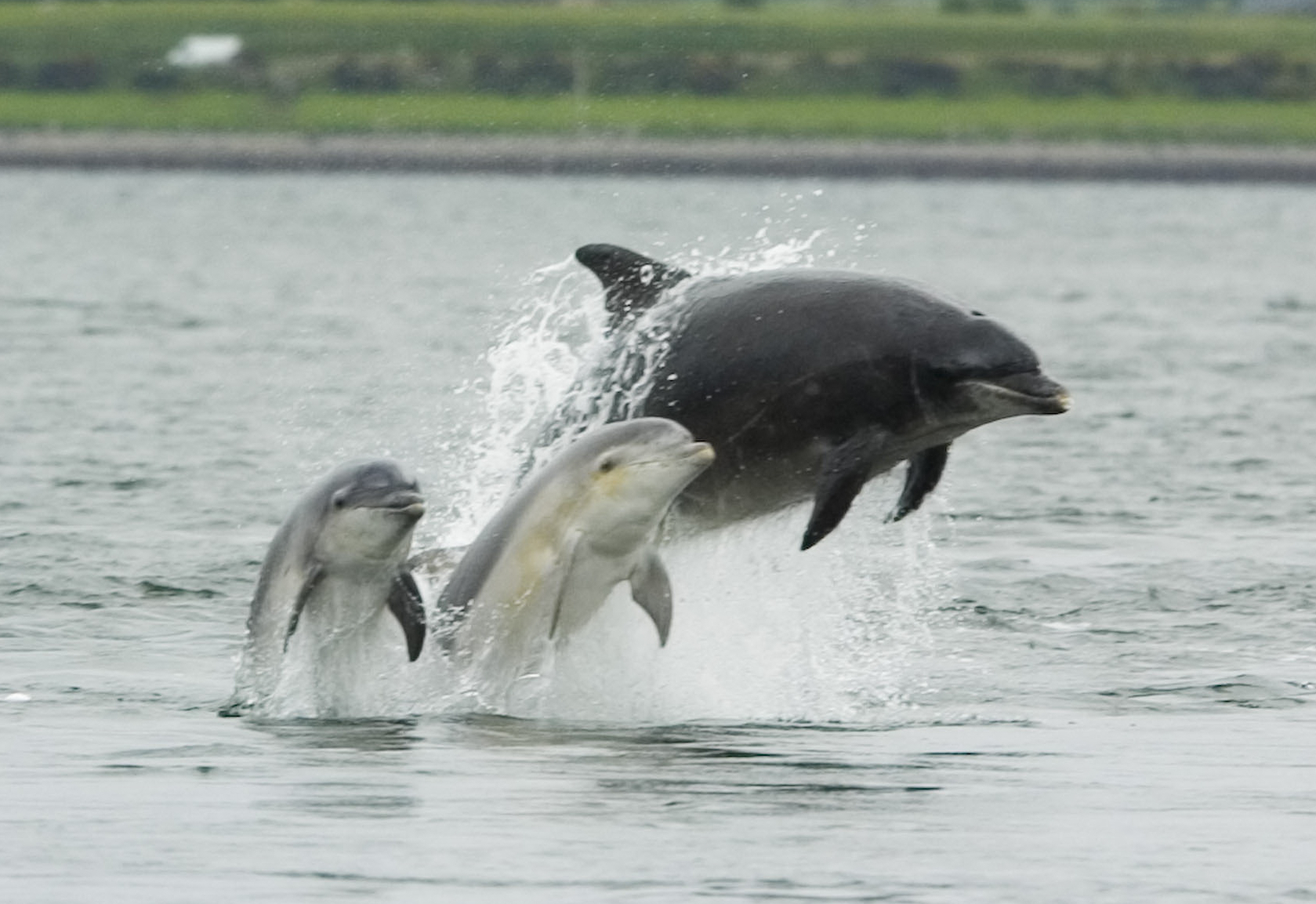 Photo Credit: Peter Asprey, http://www.peter-asprey.com/ / Wikimedia
In the shimmering blue waters of the world’s oceans, the Bottlenose Dolphin, scientifically known as Tursiops, dances through the waves with a grace that captivates all who witness it. With its sleek, streamlined body and playful demeanor, this marine mammal is not just a sight to behold; it is a marvel of evolution. Bottlenose dolphins are easily recognized by their curved dorsal fins and friendly, expressive faces, which seem to smile as they leap and spin in the surf. Their intelligence and social nature make them a favorite among scientists and nature enthusiasts alike, sparking curiosity about their complex behaviors and communication skills.
Imagine a sunny day at the beach, where the gentle sound of waves lapping against the shore is accompanied by the joyful clicks and whistles of dolphins at play. These creatures thrive in warm, shallow waters, often found in coastal areas rich with marine life. As they swim in pods, or groups, they engage in a variety of activities, from hunting fish to socializing with one another. Their ability to work together and use sophisticated hunting techniques showcases their remarkable intelligence. As we dive deeper into the world of Bottlenose Dolphins, we will explore their fascinating behaviors, their vital role in the ocean ecosystem, and the challenges they face in a changing world.
The Bottlenose Dolphin, known scientifically as Tursiops, occupies a special place in the animal kingdom. This intelligent marine mammal belongs to the class Mammalia, which means it shares traits with all mammals, such as being warm-blooded and having live births. What sets Bottlenose Dolphins apart is their remarkable social behavior and advanced communication skills. They are known for their playful nature and acrobatic displays, making them a favorite among marine enthusiasts. Their position in the tree of life highlights not only their biological characteristics but also their evolutionary journey through millions of years.
| Taxonomic Rank | Scientific Name | Meaning & Significance |
|---|---|---|
| Kingdom | Animalia | This name signifies that Bottlenose Dolphins are part of the vast group of multicellular organisms that are primarily heterotrophic, meaning they consume other organisms for energy. |
| Phylum | Chordata | Chordata refers to animals that have a notochord, a flexible rod that supports the body. In dolphins, this structure is replaced by a backbone, which is crucial for their streamlined swimming. |
| Class | Mammalia | Mammalia indicates that Bottlenose Dolphins are mammals, characterized by features like mammary glands for nursing their young and hair, although dolphins have very little hair. |
| Order | Cetacea | Cetacea is the order that includes all whales, dolphins, and porpoises. The name comes from the Latin word “cetus,” meaning whale, highlighting their aquatic lifestyle. |
| Family | Delphinidae | Delphinidae is the family of dolphins, derived from the Greek word “delphis,” which means dolphin. This family is known for its high intelligence and social structures. |
| Genus | Tursiops | Tursiops comes from the Greek word for “bottle,” referring to the dolphin’s distinctive bottle-shaped snout, which is a key feature of its appearance. |
Understanding the Bottlenose Dolphin’s classification reveals much about its evolutionary history. As a member of the Cetacea order, it shares a common ancestor with land mammals that adapted to life in the ocean. This transition showcases the incredible adaptability of life on Earth, illustrating how species can evolve over time to thrive in diverse environments. The Bottlenose Dolphin’s unique traits, from its social behavior to its physical adaptations, reflect millions of years of evolution, making it a captivating subject for both scientists and nature lovers alike.
The evolutionary journey of the Bottlenose Dolphin, scientifically known as Tursiops, stretches back millions of years. These marine mammals are part of a larger family called Delphinidae, which includes various species of dolphins. The story begins in the Eocene epoch, around 50 million years ago, when the ancestors of modern dolphins first emerged from land-dwelling mammals. Over time, these early creatures adapted to life in the water, leading to the sleek and agile Bottlenose Dolphin we know today.
The ancestors of Bottlenose Dolphins were not always the graceful swimmers we see now. They evolved from a group of mammals known as artiodactyls, which are hoofed animals like cows and deer. As these early mammals ventured into aquatic environments, they underwent significant changes. Their limbs transformed into flippers, allowing for better movement in water. The development of a streamlined body shape helped them swim faster and more efficiently. Additionally, their nostrils migrated to the top of their heads, forming a blowhole that made breathing easier while swimming.
The adaptations of the Bottlenose Dolphin have been crucial for their survival in the ocean. Their streamlined bodies and advanced swimming abilities allow them to navigate through diverse marine habitats, while their intelligence and social behaviors enhance their chances of finding food and avoiding danger. With echolocation, they can hunt effectively even in dark or murky waters. These remarkable traits not only help them thrive in their aquatic world but also make them one of the most beloved marine mammals on the planet.
The Bottlenose Dolphin is a stunning sight to behold, gliding gracefully through the ocean’s waves. With a streamlined body designed for speed, it can reach impressive speeds of up to 25 miles per hour. Its sleek form is complemented by a pronounced snout, or rostrum, which gives it a friendly appearance. The dolphin’s powerful tail, or fluke, propels it through the water with ease, while its smooth skin glistens under the sun, reflecting shades of gray and blue. This combination of features not only makes the Bottlenose Dolphin a beautiful animal but also a highly efficient swimmer.
| Feature | Description |
|---|---|
| Weight | 150 kg – 635 kg (330 lbs – 1,400 lbs) |
| Skin Type | Smooth |
The Bottlenose Dolphin’s physical characteristics are perfectly suited for life in the ocean. Its smooth skin reduces drag as it swims, allowing for swift movements that are essential for catching prey and evading predators. The dolphin’s robust body and powerful fluke enable it to leap and dive with agility, showcasing its playful nature. Together, these features not only enhance its survival skills but also contribute to its reputation as one of the most beloved marine mammals in the world.
Bottlenose dolphins are often found in warm, shallow waters that are rich in marine life. Picture a sunlit bay where the water sparkles like diamonds, and the gentle waves lap against sandy shores. These playful mammals thrive in environments that offer plenty of food and space to swim. They can often be seen leaping and spinning in the surf, showcasing their acrobatic skills while enjoying the vibrant ecosystems around them.
Bottlenose dolphins prefer temperate and tropical climates, where the water temperature is generally warm. They are often found in areas with calm waters, which provide a safe haven for hunting and socializing. These dolphins are also adaptable, able to thrive in both saltwater and brackish environments, which is a mix of salt and fresh water. This flexibility allows them to inhabit a variety of coastal regions, from bustling harbors to serene bays.
To make the most of their habitats, Bottlenose dolphins have developed several clever adaptations. Their streamlined bodies help them swim swiftly through the water, while their echolocation abilities allow them to find food even in murky conditions. This means they can hunt for fish and squid with remarkable precision. Additionally, their social nature enables them to work together in groups, or pods, to herd fish, making their hunting efforts even more successful. These adaptations not only help them survive but also thrive in their diverse coastal homes.
Bottlenose dolphins lead vibrant and active daily lives, filled with play, hunting, and social interactions. These intelligent mammals often start their day by swimming in pods, which are groups that can range from just a few individuals to over a hundred. As they glide through the water, they engage in various activities, including foraging for fish and crustaceans, which are their primary food sources. Their keen echolocation abilities allow them to locate prey with remarkable precision, making their hunting trips both efficient and exciting.
Social behavior is a cornerstone of the Bottlenose dolphin’s life. These dolphins are known for their strong bonds with one another, often forming tight-knit groups called pods. Within these pods, they communicate using a complex system of clicks, whistles, and body language. This social structure not only helps them coordinate during hunts but also fosters relationships that can last a lifetime. Young dolphins learn essential skills from their mothers and other pod members, ensuring that knowledge is passed down through generations.
| Behavior Type | Description |
|---|---|
| Hunting | Bottlenose dolphins use echolocation to find fish and crustaceans, often working together in pods to herd their prey. |
| Social Structure | Pods can consist of a few to over a hundred dolphins, with strong family ties and social bonds that enhance cooperation. |
| Communication | They communicate through a variety of clicks and whistles, which convey different messages and help maintain pod cohesion. |
The behaviors of Bottlenose dolphins are not just fascinating; they are vital for survival. By working together in pods, they increase their chances of finding food and protecting each other from predators. Their communication skills ensure that every member of the pod is aware of what’s happening, creating a supportive environment that enhances their overall well-being. In the vast ocean, these social and hunting strategies are key to thriving in a world full of challenges.
Bottlenose dolphins are carnivores, meaning they primarily eat meat. Their diet mainly consists of fish, crustaceans, and squid. These clever marine mammals have developed various hunting techniques to catch their prey, showcasing their intelligence and adaptability. They often work together in groups, using teamwork to herd fish into tight schools, making it easier to catch them. This social aspect of their feeding behavior not only helps them find food but also strengthens their bonds within the pod.
| Dietary Aspect | Details |
|---|---|
| Diet Type | Carnivore |
| Favorite Foods | Fish, Crustaceans, Squid |
| Prey Items | Small fish, shrimp, and octopus |
| Hunting/Foraging Strategies | Cooperative hunting, echolocation, and herding |
The diet of Bottlenose dolphins plays a crucial role in their ecology and daily routine. By consuming a variety of prey, they help maintain the balance of marine ecosystems. Their hunting strategies not only ensure their survival but also influence the behavior of the fish and other marine life around them. This dynamic interaction highlights the importance of Bottlenose dolphins in their habitats, as they contribute to the health and diversity of ocean environments.
Bottlenose dolphins have a fascinating mating behavior that often takes place during warmer months, typically in the spring and summer. During this breeding season, males engage in playful displays to attract females. They may leap out of the water, perform acrobatics, and even engage in vocalizations to showcase their strength and agility. Once a female is receptive, she may mate with several males, which is quite common in the dolphin world. This social and dynamic courtship sets the stage for the arrival of new life in the ocean.
| Reproductive Aspect | Details |
|---|---|
| Gestation Period | Approximately 12 months |
| Litter Size | 1 |
| Age of Maturity | 5 to 12 years |
| Name of Young | Calf |
Once the calf is born, it is a remarkable sight. The mother is incredibly attentive, often helping her newborn to the surface for its first breath. Bottlenose dolphin calves are born with a layer of blubber that keeps them warm in the ocean’s cool waters. For the first few years, the mother provides not just nourishment through her milk but also guidance and protection. As the young dolphin grows, it learns essential skills like hunting and socializing within the pod. This nurturing environment is crucial for their development, helping them transition from playful calves to skilled adults ready to navigate the vast ocean.
Bottlenose dolphins, known for their playful nature and intelligence, play a crucial role in the marine food web. As apex predators, they sit near the top, helping to maintain the balance of ocean ecosystems. They primarily feed on fish and squid, but they also face various dangers that threaten their survival. Understanding these threats is essential for appreciating the challenges these remarkable animals encounter in their underwater world.
To defend themselves against these threats, bottlenose dolphins have developed several survival strategies. They often swim in pods, which provides safety in numbers and allows them to work together to fend off predators. Their intelligence also plays a key role; they can communicate and coordinate their movements to evade danger. Additionally, dolphins are known to use echolocation, a natural sonar system, to navigate and find food, helping them avoid hazards in their environment. Through these clever adaptations, bottlenose dolphins continue to thrive despite the challenges they face.
A keystone species is a vital part of its ecosystem, meaning its presence has a significant impact on the environment and other species. The Bottlenose Dolphin, known scientifically as Tursiops, qualifies as a keystone species due to its role in maintaining the balance of marine ecosystems. By influencing the populations of various fish and invertebrate species, these dolphins help shape the community of life in their habitats.
Bottlenose Dolphins are apex predators, which means they are at the top of the food chain. Their diet primarily consists of fish, crustaceans, and squid, and by hunting these animals, they help control their populations. For example, if dolphin numbers were to decline, fish populations could explode, leading to overgrazing of seagrass beds and coral reefs. This imbalance can have cascading effects, disrupting the entire marine ecosystem.
Moreover, Bottlenose Dolphins are social animals that often hunt in groups, known as pods. This cooperative hunting not only increases their efficiency in catching prey but also influences the behavior of other marine species. When dolphins are present, smaller fish may change their feeding patterns or seek shelter, which can affect the distribution of marine life in the area.
Additionally, these dolphins contribute to nutrient cycling in their habitats. Their waste products enrich the water, promoting the growth of phytoplankton, the foundation of the marine food web. This process supports a diverse array of marine life, from tiny fish to large predators.
If Bottlenose Dolphins were to disappear from their ecosystems, the consequences would be profound. Fish populations could surge unchecked, leading to overgrazing of vital habitats like seagrass beds and coral reefs. This would not only harm the dolphins’ prey but also affect countless other species that rely on these habitats for survival. The intricate web of life in coastal waters would unravel, demonstrating just how crucial these intelligent mammals are to the health of our oceans.
The Bottlenose Dolphin, or Tursiops, plays a crucial role in its marine ecosystem, acting as both a predator and a social creature. Found in warm coastal waters, these dolphins thrive in environments like harbors, bays, and gulfs. Their presence helps shape the community of marine life around them, influencing everything from fish populations to the health of underwater habitats. By hunting and interacting with other species, Bottlenose Dolphins help maintain a balanced ecosystem, ensuring that no single species dominates the environment.
| Ecosystem Service | Impact |
|---|---|
| Predation | Controls fish populations, preventing overpopulation and promoting biodiversity. |
| Nutrient Cycling | Contributes to nutrient distribution through their waste, enriching the marine environment. |
| Social Structure | Encourages complex social interactions that can enhance the survival of various species. |
| Habitat Maintenance | Influences the health of coastal ecosystems by interacting with other marine species. |
Bottlenose Dolphins are not just playful swimmers; they are also skilled hunters that impact their surroundings significantly. For instance, by preying on fish and squid, they help regulate these populations, which in turn affects the entire food web. When dolphins hunt, they often create “bait balls,” where schools of fish cluster together, making it easier for other predators to catch them. This behavior not only benefits the dolphins but also supports other marine animals, showcasing their role as a facilitator in the ecosystem.
The broader ecological importance of Bottlenose Dolphins cannot be overstated. As a keystone species, their presence is vital for maintaining the health and balance of marine environments. By influencing fish populations and promoting biodiversity, they help ensure that coastal ecosystems remain vibrant and resilient. Protecting these intelligent mammals is essential, as their well-being reflects the overall health of our oceans, reminding us of the interconnectedness of life beneath the waves.
In the intricate web of life beneath the waves, Bottlenose Dolphins engage in fascinating partnerships with various species. These relationships can be classified into three main types: mutualism, parasitism, and commensalism. Each type plays a vital role in the health of marine ecosystems, showcasing the interconnectedness of life. Symbiosis, which means living together, highlights how different species can benefit from one another, whether through cooperation, competition, or even one-sided benefits.
| Species/Type | Relationship Type | Description |
|---|---|---|
| Remora Fish | Mutualistic | Remoras attach themselves to dolphins, gaining transportation and access to food scraps, while dolphins benefit from the removal of parasites. |
| Sea Turtles | Commensal | Dolphins may swim alongside sea turtles, benefiting from the turtles’ movements that stir up fish, while the turtles are largely unaffected. |
| Sharks | Parasitic | While not a direct relationship, dolphins can sometimes be preyed upon by larger sharks, highlighting the predator-prey dynamic in the ocean. |
These relationships have evolved over time, shaped by the need for survival and the benefits they provide. Mutualistic partnerships, like that with remora fish, demonstrate how cooperation can enhance the lives of both species involved. Meanwhile, the commensal interactions with sea turtles show how dolphins can take advantage of other animals’ activities without causing harm. Understanding these connections helps us appreciate the delicate balance of marine ecosystems and the roles that each species plays in maintaining that balance.
Bottlenose dolphins are not just playful swimmers; they are also incredibly intelligent and social animals that exhibit some surprising behaviors. Here are a few intriguing facts that showcase their remarkable nature.
Throughout history, Bottlenose Dolphins have captivated human imagination and culture. Ancient civilizations often depicted these intelligent marine mammals in art and mythology, symbolizing grace and harmony with the sea. From the playful antics of dolphins in Greek mythology to their revered status in various coastal communities, these creatures have been seen as companions of sailors and symbols of good fortune. Their friendly nature and acrobatic displays have made them a beloved part of human culture, inspiring stories, songs, and even films that celebrate their unique bond with us.
In modern times, the relationship between Bottlenose Dolphins and humans has evolved significantly. While many people admire these dolphins in the wild, interactions can sometimes lead to conflict. Coastal development, pollution, and fishing practices threaten their habitats and food sources. However, conservation efforts are underway to protect these remarkable animals. Organizations work tirelessly to promote awareness and create marine protected areas, ensuring that Bottlenose Dolphins can thrive. Some people have even attempted to domesticate dolphins for entertainment and research, leading to debates about the ethics of keeping such intelligent beings in captivity.
Looking ahead, the future of the Bottlenose Dolphin and humanity’s relationship holds both promise and challenges. As awareness of environmental issues grows, more people are advocating for the protection of marine ecosystems. By fostering a deeper understanding of these dolphins and their role in the ocean, we can work together to ensure their survival. The bond between Bottlenose Dolphins and humans can flourish, leading to a more harmonious coexistence that benefits both species and the health of our oceans.
The Bottlenose Dolphin, known scientifically as Tursiops, currently holds a conservation status of “Least Concern” according to the International Union for Conservation of Nature (IUCN). This means that, overall, their populations are stable and not facing immediate threats of extinction. However, local populations can vary significantly, with some areas experiencing declines due to various environmental pressures. As a result, while the global outlook for Bottlenose Dolphins is generally positive, certain regions may require closer monitoring and conservation efforts.
| Conservation Factor | Status/Details |
|---|---|
| IUCN Status | Least Concern |
| Population Estimates | Hundreds of thousands globally |
| Trend Direction | Stable in many areas, but declining in some local populations |
Bottlenose Dolphins face several threats that can impact their populations. One of the most significant dangers is habitat degradation, often caused by pollution, coastal development, and climate change. These factors can lead to the loss of essential feeding and breeding grounds. Additionally, entanglement in fishing gear poses a serious risk, as dolphins can become trapped and unable to surface for air. Boat strikes are another concern, as increasing maritime traffic can lead to fatal accidents. These challenges highlight the need for ongoing research and conservation efforts to protect these intelligent marine mammals.
Conservation initiatives are underway to ensure the future of Bottlenose Dolphins. Many organizations are working to raise awareness about the importance of protecting marine habitats and reducing pollution. Efforts include creating marine protected areas, which are regions where human activity is limited to safeguard wildlife. Additionally, researchers are studying dolphin populations to better understand their needs and behaviors. With continued dedication to conservation, there is hope that Bottlenose Dolphins will thrive in our oceans for generations to come.
| Question | Answer |
|---|---|
| Where do Bottlenose Dolphins live? | Bottlenose Dolphins are found in a variety of habitats, including harbors, bays, gulfs, and coastal waters. They prefer warm, shallow areas where they can easily find food and socialize with other dolphins. |
| What do Bottlenose Dolphins eat? | As carnivores, Bottlenose Dolphins primarily eat fish and squid. They are skilled hunters and often work together in groups to herd fish into tight balls, making it easier to catch their meals. |
| How do Bottlenose Dolphins behave? | Bottlenose Dolphins are known for their playful and social behavior. They often leap out of the water, ride waves, and even surf alongside boats, showcasing their intelligence and curiosity. |
| How do Bottlenose Dolphins reproduce? | Female Bottlenose Dolphins typically give birth to a single calf after a gestation period of about 12 months. Mothers are very nurturing, often staying close to their young and teaching them essential survival skills. |
| What threats do Bottlenose Dolphins face? | While Bottlenose Dolphins are currently listed as Least Concern, they still face threats from habitat loss, pollution, and fishing nets. These dangers can lead to injury or death, making conservation efforts important for their survival. |
| What are some interesting characteristics of Bottlenose Dolphins? | Bottlenose Dolphins are known for their distinctive curved dorsal fin and their friendly demeanor. They have complex communication skills, using a variety of clicks, whistles, and body language to interact with each other. |
| Can Bottlenose Dolphins recognize themselves? | Yes, Bottlenose Dolphins have shown the ability to recognize themselves in mirrors, a sign of self-awareness. This trait is quite rare in the animal kingdom and highlights their advanced cognitive abilities. |