Taxonomy & Classification
- Kingdom
- Animalia
- Phylum
- Chordata
- Class
- Mammalia
- Order
- Carnivora
- Family
- Ursidae
- Genus
- Ursus
- Species
- Ursus arctos

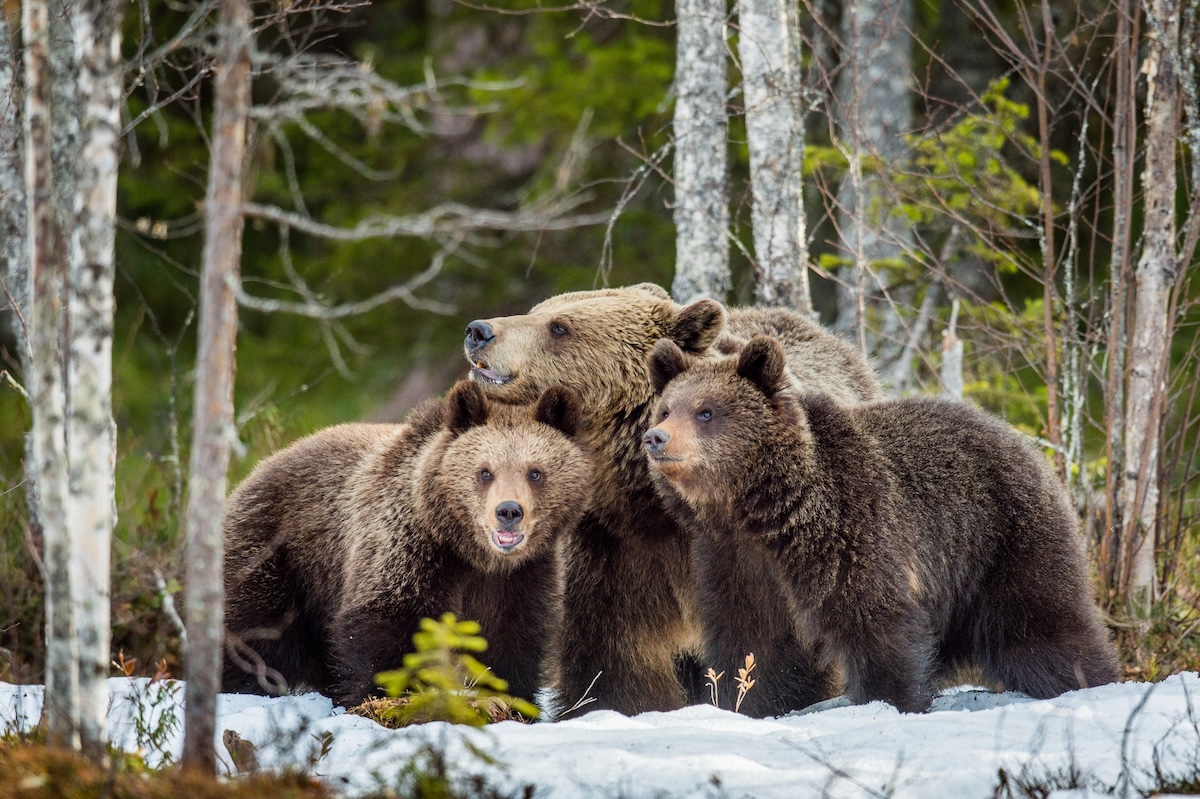 Photo Credit: SURZet at Deposit Photos
In the heart of the dense forests and rugged mountains of North America and Eurasia roams the brown bear, scientifically known as Ursus arctos. This magnificent animal, with its powerful build and thick fur, is a true embodiment of wilderness. Standing on its hind legs, a brown bear can reach heights of nearly 9.2 feet, making it one of the largest land mammals. Its broad shoulders and massive paws are not just for show; they are essential tools for digging, climbing, and foraging. The brown bear’s keen sense of smell, which can detect food from miles away, adds to its allure, captivating scientists and nature enthusiasts alike.
Imagine a serene morning in a lush forest, where sunlight filters through the leaves, casting playful shadows on the ground. As the day begins, the brown bear emerges from its den, stretching its powerful limbs and shaking off the remnants of sleep. With a curious glint in its eye, it sets off on a quest for food, rummaging through berry bushes and splashing in nearby streams to catch fish. This daily adventure is not just about survival; it plays a crucial role in the ecosystem. As a keystone species, the brown bear helps maintain the balance of its habitat, influencing the lives of countless other creatures. Join us as we explore the fascinating world of the brown bear, uncovering its behaviors, diet, and the vital role it plays in the natural world.
The brown bear, a magnificent symbol of wilderness, holds a significant place in the tree of life. Taxonomically, it belongs to the Kingdom Animalia, which includes all animals, and is classified under the Phylum Chordata, known for animals with a backbone. As a member of the Class Mammalia, brown bears share traits like warm-bloodedness and fur, which help them thrive in various environments. They are part of the Order Carnivora, a group that primarily consists of meat-eaters, although brown bears are omnivorous, enjoying a diet that includes plants, fish, and small mammals. Within the Family Ursidae, which encompasses all bears, the brown bear stands out for its size, strength, and adaptability, making it a fascinating subject of study in both ecology and behavior.
| Taxonomic Rank | Scientific Name | Meaning & Significance |
|---|---|---|
| Kingdom | Animalia | The name comes from the Latin word “animalis,” meaning “having breath,” highlighting the living nature of these organisms. |
| Phylum | Chordata | This term is derived from the Latin “chorda,” meaning “string” or “cord,” referring to the notochord, a flexible rod that supports the body in the early stages of development. |
| Class | Mammalia | From the Latin “mamma,” meaning “breast,” this classification emphasizes the characteristic of mammals to nurse their young with milk. |
| Order | Carnivora | Derived from the Latin “carnivorus,” meaning “meat-eating,” this order includes animals that primarily consume flesh, although many, like the brown bear, have a varied diet. |
| Family | Ursidae | This name comes from the Latin “ursus,” meaning “bear,” which directly connects to the physical and behavioral traits shared by all bear species. |
| Genus | Ursus | Also derived from the Latin word for “bear,” this genus includes several species of bears, emphasizing their shared ancestry and characteristics. |
Understanding the brown bear’s classification reveals much about its evolutionary journey. As a member of the Ursidae family, it shares a common ancestor with other bears, which adapted to various habitats over millions of years. The brown bear’s omnivorous diet and impressive physical adaptations, such as powerful limbs and keen senses, showcase its ability to thrive in diverse environments, from forests to mountains. This classification not only highlights its biological connections but also underscores the importance of preserving its habitats, ensuring that these magnificent animals continue to roam the earth for generations to come.
The evolutionary journey of the brown bear stretches back millions of years, weaving through the tapestry of time and adaptation. This incredible mammal, part of the Ursidae family, has evolved from ancient ancestors that roamed the Earth during the late Miocene epoch, around 10 million years ago. As the climate changed and habitats shifted, these early bears began to adapt, leading to the diverse species we see today, including the powerful brown bear.
The brown bear’s ancestors were small, tree-dwelling creatures that lived in forests. Over time, they transitioned to larger, more terrestrial forms, adapting to a variety of environments. One significant evolutionary leap occurred when these bears developed a more robust body structure, allowing them to hunt and forage more effectively. As they spread across different continents, they encountered various climates and food sources, which further shaped their evolution. The brown bear’s lineage branched out, leading to the emergence of distinct species, each with unique adaptations suited to their habitats.
These adaptations have been crucial for the survival of brown bears in a world filled with challenges. Their powerful limbs and excellent sense of smell allow them to navigate their environments effectively, while their thick fur and ability to hibernate help them endure extreme weather conditions. By being omnivorous, they can take advantage of various food sources, ensuring they have enough energy to thrive. Each of these traits has played a vital role in the brown bear’s success as a species, allowing it to roam the forests, mountains, and tundras of the world with confidence and resilience.
The brown bear is an awe-inspiring sight, embodying the raw power and beauty of nature. With a robust body that can reach impressive heights of up to 2.8 meters (9.2 feet) when standing on its hind legs, this animal commands attention. Its thick, muscular frame is supported by strong limbs, allowing it to traverse diverse terrains with ease. The brown bear’s broad head, adorned with a prominent snout, gives it a distinctive profile, while its small, intelligent eyes seem to hold the wisdom of the wild.
| Feature | Description |
|---|---|
| Height | 1.5m – 2.8m (5ft – 9.2ft) |
| Weight | 136kg – 390kg (300lbs – 860lbs) |
| Skin Type | Fur |
These physical features are not just for show; they play crucial roles in the brown bear’s survival. The thick fur provides insulation against cold temperatures, keeping the bear warm in its often chilly habitats. Its impressive size and weight allow it to assert dominance over other animals and access a wide range of food sources, from berries to fish. The strong limbs are perfect for digging and climbing, enabling the bear to find shelter or forage for food. Together, these characteristics make the brown bear a formidable and adaptable inhabitant of the wild, perfectly suited to thrive in its environment.
The brown bear roams through some of the most breathtaking landscapes on Earth. Picture vast forests filled with towering trees, where sunlight filters through the leaves, creating a dappled effect on the forest floor. These magnificent animals also thrive in rugged mountainous regions, where steep slopes and rocky outcrops provide both shelter and a vantage point for spotting food. Whether wandering along riverbanks or foraging in meadows, brown bears are perfectly at home in these wild, untamed environments.
Brown bears prefer climates that offer a mix of cold winters and mild summers. They thrive in areas where they can find plenty of food, such as berries, fish, and small mammals. These habitats often experience seasonal changes, with lush vegetation in the warmer months and snow-covered landscapes in winter. The bears have adapted to these conditions, using their thick fur to keep warm during chilly months and their keen sense of smell to locate food even under layers of snow.
To survive in their diverse habitats, brown bears have developed several remarkable adaptations. Their powerful limbs and sharp claws allow them to dig for roots or climb trees in search of food. They are also excellent swimmers, which helps them catch fish in rivers and lakes. During the summer, they enter a phase called hyperphagia, where they eat as much as possible to build up fat reserves for the winter months. This ability to adapt to different environments and food sources is key to their survival in the wild.
The daily life of a brown bear is a blend of adventure and routine, shaped by the rhythms of nature. As dawn breaks, these magnificent animals emerge from their dens, stretching their powerful limbs and shaking off the sleep of hibernation. Their day often revolves around foraging for food, which can include berries, roots, fish, and even small mammals. Brown bears are opportunistic eaters, meaning they will take advantage of whatever food sources are available. They spend hours wandering through their territory, using their keen sense of smell to locate tasty treats. As the sun sets, they find a cozy spot to rest, ready to recharge for another day of exploration.
While brown bears are primarily solitary creatures, they do exhibit interesting social behaviors, especially during certain times of the year. For instance, during the salmon spawning season, you might find several bears congregating near rivers, each vying for the best fishing spots. This temporary gathering allows them to interact, establish dominance, and communicate through body language and vocalizations. Despite their solitary nature, these interactions are crucial for understanding their social hierarchy and ensuring access to food resources.
| Behavior Type | Description |
|---|---|
| Foraging | Brown bears spend a significant part of their day searching for food, using their strong sense of smell to locate berries, roots, and fish. |
| Social Interactions | While mostly solitary, bears may gather in groups during food abundance, such as salmon runs, to establish dominance and share space. |
| Communication | Bears communicate through body language, vocalizations like growls and huffs, and scent marking to convey their presence and intentions. |
These behaviors are not just fascinating; they are essential for the survival of brown bears. By foraging effectively, they ensure they have enough energy to thrive, especially before the winter months. Their social interactions, though limited, help them navigate the challenges of competition for food. Communication plays a vital role in maintaining their territory and avoiding conflicts. Together, these behaviors create a balanced life that allows brown bears to flourish in their wild habitats.
The brown bear is an omnivore, which means it enjoys a varied diet that includes both plants and animals. This adaptability allows it to thrive in diverse environments. Brown bears are known for their impressive foraging skills, often using their keen sense of smell to locate food. They can be seen rummaging through bushes for berries, digging in the ground for insects, or standing by rivers to catch fish. Their feeding behavior is not just about survival; it also plays a crucial role in their daily activities and the ecosystems they inhabit.
| Dietary Aspect | Details |
|---|---|
| Diet Type | Omnivore |
| Favorite Foods | Fruits, berries, and fish |
| Prey Items | Fish, insects, and small mammals |
| Hunting/Foraging Strategies | Using keen sense of smell, fishing in rivers, and foraging in forests |
The brown bear’s diet significantly influences its ecology and daily routine. By consuming a wide range of foods, these bears help maintain the balance of their habitats. For instance, when they catch fish, they not only feed themselves but also provide nutrients to the surrounding ecosystem through their waste. This nutrient cycling supports plant growth and benefits other wildlife. As they forage for fruits and insects, they also contribute to seed dispersal, helping to propagate various plant species. Thus, the brown bear is not just a consumer; it is an essential player in the intricate web of life in its environment.
The mating season for brown bears typically occurs in late spring to early summer, around May to July. During this time, males will roam large distances to find females, often engaging in displays of strength and dominance to attract mates. Female brown bears, or sows, are selective and may mate with multiple males. After mating, the female will enter a fascinating state called delayed implantation, where the fertilized egg does not immediately attach to the uterus. This allows her to time the birth of her cubs with the availability of food in the spring.
| Reproductive Aspect | Details |
|---|---|
| Gestation Period | Approximately 6 to 8 months |
| Litter Size | Average of 3 cubs |
| Age of Maturity | 3 to 5 years |
| Name of Young | Cubs |
Once the cubs are born, usually in a cozy den during the winter months, the mother bear provides exceptional care. She nurses them with her rich milk, which helps them grow quickly. The cubs are born blind and helpless, weighing only about a pound each. As they grow, they begin to explore their surroundings, learning essential survival skills from their mother. By the time they are about two years old, the cubs are ready to venture out on their own, having absorbed the knowledge needed to thrive in the wild. The bond between a mother bear and her cubs is strong, showcasing the nurturing side of these powerful animals as they prepare the next generation for life in the wilderness.
The brown bear occupies a crucial role in its ecosystem, often considered an apex predator. This means it sits at the top of the food web, with few natural enemies. However, despite its impressive size and strength, the brown bear faces various dangers that threaten its survival. These threats can come from both the natural world and human activities, making life challenging for this magnificent animal.
To defend against these threats, brown bears have developed several survival strategies. They are incredibly strong and can use their size to intimidate potential predators. When faced with danger, a brown bear may stand tall on its hind legs to assess the situation, showcasing its impressive stature. Additionally, they are known for their keen sense of smell, which helps them detect threats from afar. When necessary, they can also retreat to dense forests or rugged terrains, where their size and strength give them an advantage in navigating challenging landscapes. These behaviors, combined with their adaptability, help brown bears navigate the dangers of their world.
A keystone species is a vital part of its ecosystem, playing a role that affects many other organisms and the environment itself. The brown bear qualifies as a keystone species due to its significant influence on the habitats it occupies. By maintaining the balance of its ecosystem, the brown bear helps ensure that various plants and animals can thrive alongside it.
Brown bears have a profound ecological impact, particularly through their foraging habits. As omnivores, they consume a wide range of foods, including berries, roots, fish, and small mammals. This diverse diet allows them to help control populations of these species, preventing any one group from overwhelming the ecosystem. For example, when brown bears catch salmon during spawning season, they not only provide a food source for other animals but also help distribute nutrients throughout the forest. The remains of their meals enrich the soil, promoting plant growth and benefiting countless other species.
Additionally, brown bears play a crucial role in seed dispersal. When they eat fruits and berries, they often move away from the source before digesting the seeds. This means that as they roam their territory, they inadvertently plant new seeds in different locations, helping to maintain plant diversity. Their presence also influences the behavior of other animals, such as deer and smaller mammals, which may alter their grazing patterns in response to the bears’ activities.
If brown bears were to disappear from their ecosystems, the consequences would be significant. Without these powerful animals, prey populations could surge, leading to overgrazing and a decline in plant life. This imbalance would ripple through the food web, affecting not only other animals but also the health of the entire ecosystem. The loss of brown bears would mean fewer nutrients in the soil and less seed dispersal, ultimately diminishing the rich biodiversity that thrives in their presence. The wilderness would be a quieter, less vibrant place without these magnificent creatures.
The brown bear occupies a crucial ecological niche, acting as a keystone species in its habitat. This means that its presence and activities significantly influence the structure and health of the ecosystem. Found primarily in forested and mountainous regions, brown bears play a vital role in maintaining the balance of their environment. Their behaviors, from foraging to denning, create ripple effects that benefit a wide array of other species and the overall ecosystem.
| Ecosystem Service | Impact |
|---|---|
| Seed Dispersal | Brown bears consume fruits and berries, and their droppings help spread seeds across vast areas, promoting plant diversity. |
| Soil Aeration | As bears dig for roots and insects, they aerate the soil, which enhances nutrient cycling and supports plant growth. |
| Prey Regulation | By preying on certain species, brown bears help control populations, ensuring a balanced ecosystem. |
| Scavenging | Brown bears often scavenge on carcasses, which recycles nutrients back into the ecosystem and supports other scavengers. |
The influence of brown bears extends beyond their immediate actions. For instance, when they forage for berries, they not only satisfy their hunger but also help in the dispersal of seeds. This process allows new plants to grow in different areas, enriching the forest with diverse flora. Additionally, their digging activities for roots and insects aerate the soil, making it easier for other plants to thrive. By regulating prey populations, they maintain a balance that benefits various species, from smaller mammals to birds of prey.
The broader ecological importance of brown bears cannot be overstated. As a keystone species, their presence supports a web of life that includes plants, animals, and even microorganisms. By shaping their environment through their natural behaviors, brown bears help create habitats that sustain countless other species. Protecting these magnificent animals is essential not only for their survival but also for the health of the ecosystems they inhabit. In this way, the brown bear stands as a powerful reminder of the interconnectedness of life on Earth.
In the intricate web of life, symbiosis plays a vital role in shaping ecosystems. This term refers to the close interactions between different species, which can be beneficial, harmful, or neutral. These relationships can take many forms, from mutualism, where both species gain advantages, to parasitism, where one benefits at the other’s expense, and commensalism, where one species benefits while the other is neither helped nor harmed. The brown bear, a powerful omnivore, engages in various ecological partnerships that highlight the complexity of nature.
| Species/Type | Relationship Type | Description |
|---|---|---|
| Birds (e.g., ravens) | Mutualistic | Ravens often follow brown bears to scavenge leftover food from their meals, while bears benefit from the birds alerting them to potential dangers. |
| Ticks | Parasitic | Ticks attach to brown bears to feed on their blood, which can weaken the bears and transmit diseases. |
| Plants (e.g., berry bushes) | Mutualistic | As brown bears eat berries, they help disperse the seeds through their droppings, aiding in the growth of new plants. |
These relationships have evolved over time, shaped by the needs and behaviors of the species involved. The mutualistic interactions, like those with birds and plants, enhance the survival of both the bears and their partners. Meanwhile, parasitic relationships, such as those with ticks, illustrate the challenges that come with living in a shared environment. Understanding these connections not only deepens our appreciation for the brown bear but also highlights the delicate balance of nature, where every species plays a role in the grand tapestry of life.
The brown bear is a fascinating animal that captures the imagination of nature lovers everywhere. With their impressive size and diverse habitats, these magnificent creatures have some surprising traits that many people may not know about.
Throughout history, brown bears have held a prominent place in human culture and folklore. From ancient cave paintings to modern literature, these majestic animals have inspired awe and respect. Many indigenous cultures view the brown bear as a symbol of strength and courage, often featuring it in their myths and stories. In some traditions, the bear is seen as a protector, while in others, it represents the wildness of nature itself. This deep-rooted connection has shaped how humans perceive and interact with these powerful creatures over the centuries.
Today, the relationship between brown bears and humanity is complex and multifaceted. As conservation efforts grow, many people are working to protect these magnificent animals and their habitats. However, conflicts can arise, especially in areas where human development encroaches on bear territory. Encounters can lead to dangerous situations, as bears may wander into populated areas in search of food. While domestication of brown bears is not feasible due to their wild nature, some people have sought to coexist with them through education and awareness programs that promote safe practices in bear country.
As we look to the future, the relationship between brown bears and humans will likely continue to evolve. With increasing awareness of environmental issues and the importance of biodiversity, more people are recognizing the need to protect these incredible animals. By fostering a spirit of coexistence and understanding, we can ensure that brown bears thrive in their natural habitats while enriching our lives with their presence. Together, we can create a future where both humans and brown bears can share the Earth harmoniously.
The brown bear, a majestic symbol of the wild, currently faces significant challenges in its conservation status. Classified as endangered, its population is under pressure from various human activities and environmental changes. While some regions have seen stable populations, others are experiencing declines, highlighting the need for urgent conservation efforts to ensure their survival.
| Conservation Factor | Status/Details |
|---|---|
| IUCN Status | Endangered |
| Population Estimates | Approximately 200,000 individuals worldwide |
| Trend Direction | Declining in some areas, stable in others |
The main threats to brown bears include habitat loss, poaching, and climate change. As forests are cleared for agriculture and urban development, bears lose their natural homes and food sources. Poaching, driven by illegal hunting and the demand for bear parts, further endangers their populations. Additionally, climate change disrupts their habitats and food availability, making survival increasingly difficult.
Conservation efforts are underway to protect brown bears and their habitats. Organizations are working to create protected areas, enforce anti-poaching laws, and promote coexistence between bears and human communities. With continued dedication and awareness, there is hope for the future of brown bears. By fostering a deeper understanding of these magnificent animals, we can help ensure that they thrive in the wild for generations to come.
| Question | Answer |
|---|---|
| Where do Brown Bears live? | Brown bears are found in forested and mountainous regions across North America, Europe, and Asia. They prefer habitats that provide plenty of food and shelter, such as dense forests and alpine meadows. |
| What do Brown Bears eat? | Brown bears are omnivores, which means they eat both plants and animals. Their diet includes berries, nuts, fish, and small mammals, making them adaptable to different environments and food sources. |
| How do Brown Bears behave? | Brown bears are generally solitary animals, but they can be seen in groups during salmon spawning seasons. They are known for their powerful strength and keen sense of smell, which helps them find food. |
| How do Brown Bears reproduce? | Brown bears typically mate in the spring, and after a gestation period of about 6-8 months, females give birth to one to four cubs in a den. The cubs stay with their mother for about two years, learning essential survival skills. |
| What threats do Brown Bears face? | Brown bears are considered endangered in some areas due to habitat loss, climate change, and hunting. Human activities, such as logging and urban development, can disrupt their natural habitats and food sources. |
| What are some interesting characteristics of Brown Bears? | Brown bears can weigh between 300 to 1,500 pounds, depending on the species and their habitat. They are also known for their impressive hibernation skills, where they can sleep for several months without eating or drinking. |
| How fast can Brown Bears run? | Despite their large size, Brown bears can run at speeds of up to 30 miles per hour. This speed helps them escape threats and catch prey, making them surprisingly agile for their bulk. |