Taxonomy & Classification
- Kingdom
- Animalia
- Phylum
- Chordata
- Class
- Reptilia
- Order
- Squamata
- Family
- Pythonidae
- Genus
- Python
- Species
- Python bivittatus

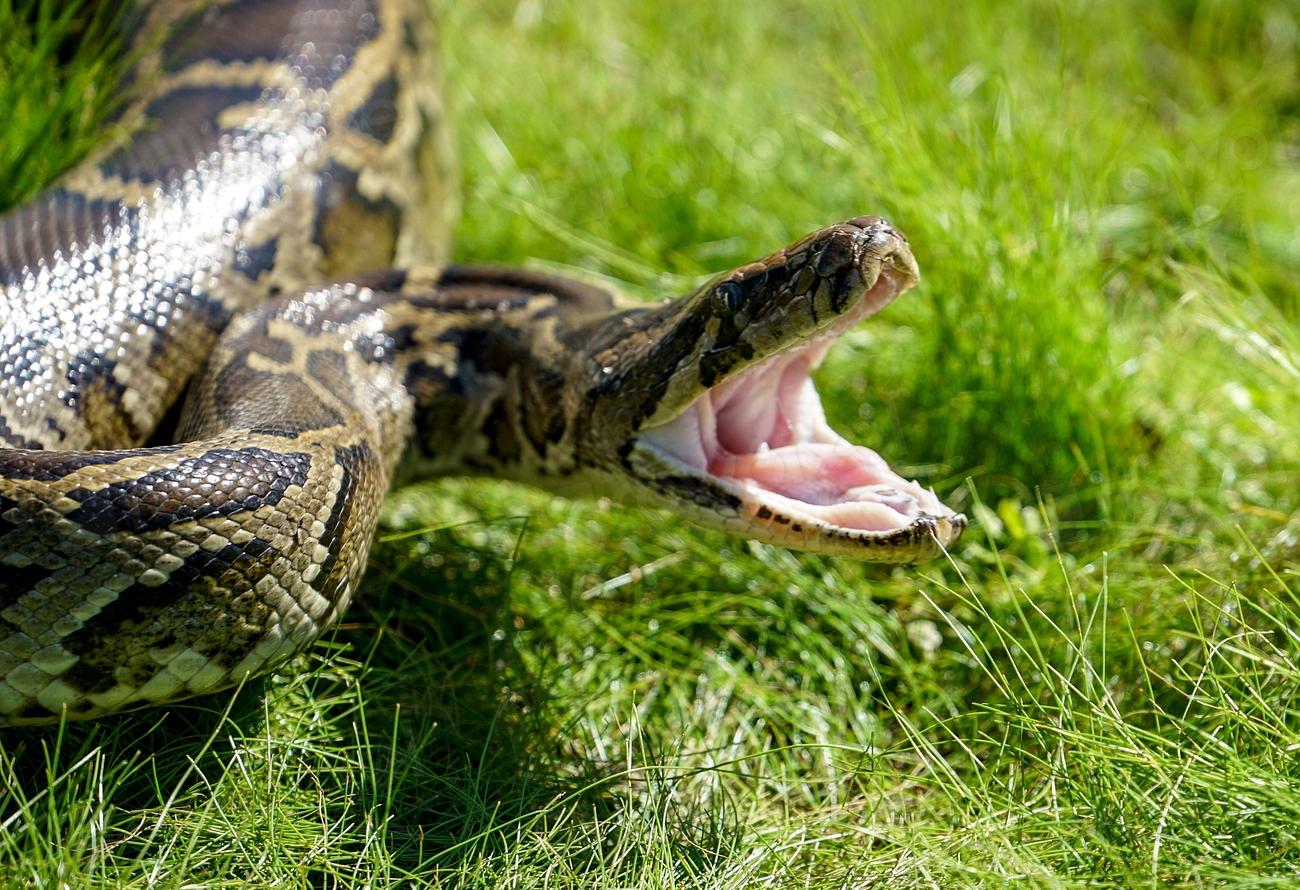 Photo Credit: National Park Service / Rawpixel
In the heart of Southeast Asia, the Burmese Python, scientifically known as Python bivittatus, glides silently through the lush undergrowth of tropical jungles and marshy wetlands. With its striking pattern of golden-yellow and dark brown scales, this magnificent snake blends seamlessly into its vibrant surroundings, making it a master of camouflage. As it moves gracefully among the dense foliage, the Burmese Python captures the imagination of scientists and nature enthusiasts alike, not just for its beauty but also for its impressive size, often reaching lengths of up to 20 feet.
What truly sets the Burmese Python apart is its remarkable ability to adapt to various habitats, from humid rainforests to open grasslands. This adaptability allows it to thrive in diverse environments, showcasing its role as a top predator in the ecosystem. With a diet that includes small mammals and birds, the Burmese Python employs a fascinating hunting technique known as constriction, where it wraps its powerful body around its prey to subdue it. As we explore the life of this extraordinary reptile, we will uncover the secrets of its behavior, its vital role in the ecosystem, and the challenges it faces in a rapidly changing world. Join us on this adventure into the life of the Burmese Python, where every twist and turn reveals the wonders of nature.
The Burmese Python, a captivating member of the animal kingdom, holds a special place in the tree of life. This impressive snake belongs to the family Pythonidae, which includes some of the largest snakes on Earth. What sets the Burmese Python apart is not just its size, but also its remarkable adaptability and striking patterns. With a body that can reach lengths of over 20 feet, this non-venomous constrictor is a master of camouflage, blending seamlessly into its tropical surroundings. Its classification reveals much about its evolutionary journey, showcasing the intricate relationships between reptiles and their environments.
| Taxonomic Rank | Scientific Name | Meaning & Significance |
|---|---|---|
| Kingdom | Animalia | This term means “animals” and includes all multicellular organisms that are heterotrophic, meaning they consume other organisms for energy. |
| Phylum | Chordata | Chordata refers to animals with a notochord, a flexible rod that supports the body, which in many species develops into a backbone. |
| Class | Reptilia | Reptilia, or reptiles, are cold-blooded vertebrates that usually have scaly skin and lay eggs, showcasing a wide range of adaptations. |
| Order | Squamata | Squamata includes lizards and snakes, characterized by their ability to shed their skin and their unique jaw structure that allows for swallowing prey whole. |
| Family | Pythonidae | This family name comes from the Greek word “pythōn,” which refers to large snakes, highlighting their size and constricting behavior. |
| Genus | Python | The genus name “Python” is derived from the mythological serpent slain by Apollo, emphasizing the snake’s powerful presence in nature. |
Understanding the Burmese Python’s classification provides insight into its evolutionary history. As a member of the Pythonidae family, it shares common ancestors with other large constrictors, revealing how these snakes have adapted to thrive in diverse habitats. The unique features of the Burmese Python, from its impressive size to its hunting techniques, reflect millions of years of evolution, showcasing the incredible journey of life on our planet. This classification not only highlights its biological connections but also emphasizes the importance of preserving the ecosystems that support such extraordinary species.
The Burmese Python, a magnificent reptile, has a rich evolutionary history that stretches back millions of years. This snake is part of the Pythonidae family, which has been around since the late Cretaceous period, roughly 100 million years ago. Over time, these snakes have adapted to various environments, evolving into the impressive forms we see today.
The ancestors of the Burmese Python were likely small, tree-dwelling snakes that thrived in lush, tropical forests. As they evolved, they transitioned from arboreal (tree-dwelling) lifestyles to a more terrestrial (ground-dwelling) existence. This shift allowed them to grow larger and develop powerful constricting abilities, which are essential for subduing prey. The Burmese Python’s size and strength are key adaptations that have helped it become one of the largest snakes in the world.
The adaptations of the Burmese Python have played a crucial role in its survival. Their impressive size and strength enable them to tackle a wide range of prey, while their camouflage helps them remain hidden from both predators and potential meals. The ability to sense heat allows them to hunt effectively, even in the dark. Together, these traits have made the Burmese Python a successful predator in its diverse habitats, ensuring its place in the intricate web of life.
The Burmese Python is a stunning sight to behold, with a body that commands attention. This large snake can grow to impressive lengths, often reaching up to 20 feet. Its muscular form is covered in smooth, shiny scales that glisten in the light, creating a mesmerizing pattern. The most distinctive feature of the Burmese Python is its skin, adorned with intricate, puzzle-like patches that vary in color from rich browns to vibrant yellows. This striking appearance not only makes it a beautiful creature but also an effective predator in its natural habitat.
| Feature | Description |
|---|---|
| Weight | Up to 200 pounds |
| Skin Type | Scales |
| Most Distinctive Feature | Puzzle-like patches all over the skin |
The combination of size, weight, and striking coloration serves multiple purposes for the Burmese Python. Its hefty body allows it to overpower prey, while the unique patterns on its skin provide excellent camouflage among the foliage and shadows of its tropical environment. This clever design helps the python remain hidden from both predators and unsuspecting prey, making it a master of stealth in the wild. Each feature works in harmony, showcasing the beauty and efficiency of nature’s designs.
The Burmese Python thrives in lush, vibrant environments that are as diverse as they are beautiful. Picture a warm, tropical jungle filled with towering trees, dense underbrush, and shimmering water sources. These snakes are often found in grassy marshes, where the air is thick with humidity and the sounds of wildlife echo all around. Their habitats are a blend of rich vegetation and open spaces, providing both cover and opportunities for hunting.
To flourish in these habitats, Burmese Pythons require a warm climate with plenty of moisture. They prefer areas where temperatures remain consistently high, often between 75°F to 90°F (24°C to 32°C). The humidity in their environment is crucial, as it helps them maintain hydration and supports their skin health. These snakes are also drawn to water sources, such as rivers and swamps, which provide both drinking water and a place to hunt for prey.
Burmese Pythons have developed several adaptations that make them perfectly suited for their homes. Their coloration, a mix of browns and yellows, allows them to blend seamlessly into the dappled light of the jungle floor, making it easier to ambush unsuspecting prey. Their strong, muscular bodies enable them to navigate through dense vegetation and swim efficiently in water. These adaptations not only help them survive but also thrive in the rich ecosystems of Southeast Asia and beyond.
The daily life of a Burmese Python is a blend of stealth and patience. These magnificent snakes are primarily nocturnal, meaning they are most active at night. As the sun sets, they emerge from their hiding spots, often nestled among the foliage or in the crevices of rocks. Their day is spent basking in the sun to regulate their body temperature, a process known as thermoregulation. When hunger strikes, they embark on a slow, deliberate hunt, using their keen sense of smell to track down prey. With their powerful bodies, they can ambush unsuspecting animals, often waiting motionless for hours.
While Burmese Pythons are generally solitary creatures, they do exhibit interesting behaviors when it comes to social interactions, especially during the breeding season. Males may engage in combat to win the attention of a female, showcasing their strength and agility. Outside of mating, these snakes prefer to keep to themselves, avoiding unnecessary confrontations. Communication among them is subtle; they rely on body language and scent marking to convey their presence and territory. This solitary lifestyle allows them to thrive in their environment, minimizing competition for food and shelter.
| Behavior Type | Description |
|---|---|
| Activity Patterns | Nocturnal hunters that bask in the sun during the day and hunt at night. |
| Social Structure | Primarily solitary, with interactions mainly during the breeding season. |
| Communication Methods | Use body language and scent marking to communicate and establish territory. |
The behaviors of the Burmese Python are finely tuned for survival in their lush habitats. By being nocturnal, they avoid the heat of the day and reduce the risk of predation. Their solitary nature allows them to conserve energy and minimize competition for food. During breeding, their combat displays not only attract mates but also ensure that the strongest genes are passed on to the next generation. Each aspect of their daily life is a testament to their adaptability and resilience in the wild.
The Burmese Python is a carnivore, which means it primarily eats meat. This impressive snake has a varied diet that includes small mammals like mice and rabbits, as well as birds such as chickens. To catch its prey, the Burmese Python relies on a combination of stealth and strength. It often lies in wait, camouflaged among the foliage, until an unsuspecting animal comes close. With a swift strike, it wraps its powerful body around the prey, squeezing tightly until it can no longer breathe. This method of hunting is known as constriction, and it allows the python to consume animals much larger than its head.
| Dietary Aspect | Details |
|---|---|
| Diet Type | Carnivore |
| Favorite Foods | Mice, rabbits, and chickens |
| Prey Items | Small mammals and birds |
| Hunting/Foraging Strategies | Stealthy ambush and constriction |
The diet of the Burmese Python plays a crucial role in its ecology and daily routine. By preying on small mammals and birds, it helps control their populations, maintaining a balance in the ecosystem. This snake’s ability to consume large meals allows it to go for extended periods without eating, which is particularly useful in its often unpredictable habitat. As a result, the Burmese Python is not just a fascinating predator; it is also an important player in the intricate web of life in its tropical environment.
As the warm days of spring approach, Burmese Pythons engage in a captivating courtship ritual. Males will often compete for the attention of females, using their powerful bodies to wrestle and display their strength. This mating season typically occurs between January and March, when the temperatures rise and the snakes become more active. After a successful mating, the female will prepare for a remarkable journey of reproduction.
| Reproductive Aspect | Details |
|---|---|
| Gestation Period | 2 to 3 months |
| Litter Size | Up to 100 eggs |
| Age of Maturity | 18 months to 4 years old |
| Name of Young | Hatchlings |
Once the eggs are laid, the female takes on a remarkable role as a protective mother. She coils around her eggs, providing warmth and security, a behavior known as brooding. This nurturing instinct helps maintain the right temperature for the developing hatchlings inside. After about two to three months, the eggs hatch, revealing tiny, wriggling hatchlings. These young snakes are independent from the moment they emerge, ready to explore their surroundings and begin their journey toward adulthood. As they grow, they will shed their skin multiple times, a process called molting, allowing them to thrive in their lush habitats.
The Burmese Python occupies a significant role in its ecosystem, acting as both predator and prey within the food web. As a top predator, it helps control populations of small mammals and birds, maintaining a balance in its environment. However, this majestic snake faces various dangers that threaten its survival, particularly from humans and other animals.
To defend itself against these threats, the Burmese Python employs a range of survival strategies. When confronted by danger, it can remain motionless, blending into its surroundings thanks to its camouflaged skin. This ability to stay hidden helps it avoid detection by both predators and humans. Additionally, adult Burmese Pythons are formidable due to their size and strength, allowing them to escape or overpower smaller threats. Through these clever tactics, they navigate the challenges of their environment, ensuring their continued existence in the wild.
A keystone species is an organism that plays a critical role in maintaining the structure of an ecosystem. Its presence or absence can significantly impact the environment and the other species living there. The Burmese Python, a powerful predator native to the jungles and grassy marshes of Southeast Asia, qualifies as a keystone species due to its influence on the populations of various animals in its habitat.
Burmese Pythons are carnivores, meaning they primarily eat meat, and they have a varied diet that includes small mammals and birds. By preying on these animals, they help regulate their populations, preventing any one species from becoming too dominant. For example, if the python consumes a large number of rodents, it can help keep the rodent population in check. This balance is crucial because an overabundance of rodents could lead to overgrazing of vegetation, which in turn affects other species that rely on those plants for food and shelter.
Moreover, the Burmese Python’s role as a predator extends beyond just controlling prey populations. When it hunts, it can influence the behavior of its prey, causing them to alter their foraging patterns and habitats. This ripple effect can lead to changes in the entire ecosystem, as other species adapt to the shifts in population dynamics. The python’s presence can also create opportunities for scavengers, as its leftovers provide food for other animals, contributing to the nutrient cycle within the ecosystem.
If the Burmese Python were to disappear from its ecosystem, the consequences could be severe. Without this top predator, populations of small mammals and birds could surge, leading to overgrazing and depletion of vegetation. This imbalance would not only affect the plants but also the myriad of other species that depend on them for survival. The loss of the Burmese Python would create a domino effect, disrupting the intricate web of life in its habitat and potentially leading to the decline of other species, including those that humans value.
The Burmese Python is a fascinating player in its ecosystem, primarily found in the lush jungles and grassy marshes of Southeast Asia. As a top predator, it occupies a crucial ecological niche, meaning it helps maintain the balance of its environment. By controlling the populations of various prey species, the Burmese Python ensures that no single species dominates the ecosystem, allowing for a diverse range of plants and animals to thrive.
| Ecosystem Service | Impact |
|---|---|
| Population Control | Regulates the numbers of small mammals and birds, preventing overpopulation. |
| Food Source | Serves as prey for larger predators, contributing to the food web. |
| Nutrient Cycling | Through its hunting and digestion, it helps recycle nutrients back into the ecosystem. |
| Habitat Modification | Influences the behavior of prey species, which can affect vegetation and habitat structure. |
The impact of the Burmese Python on its environment is profound. For instance, by preying on rodents and birds, it helps keep their populations in check. This is important because an overabundance of these animals can lead to overgrazing and depletion of vegetation. Additionally, when the python consumes its prey, it contributes to nutrient cycling, as the remains of its meals decompose and enrich the soil. This process supports plant growth, which in turn provides habitat for countless other species.
The broader ecological importance of the Burmese Python cannot be overstated. As a keystone species, its presence is vital for maintaining the health and stability of its ecosystem. Without the Burmese Python, the balance of predator and prey would be disrupted, potentially leading to a decline in biodiversity. This intricate web of life highlights how every species, no matter how large or small, plays a role in the grand tapestry of nature.
In the intricate web of life, symbiosis refers to the close interactions between different species, which can take on various forms. These relationships can be mutualistic, where both species benefit; parasitic, where one benefits at the expense of the other; or commensal, where one benefits while the other is neither helped nor harmed. The Burmese Python, a magnificent predator of Southeast Asia, engages in several ecological relationships that highlight the complexity of its environment and the interconnectedness of life.
| Species/Type | Relationship Type | Description |
|---|---|---|
| Birds (e.g., oxpeckers) | Commensal | These birds often perch on the python, feeding on parasites and dead skin. The python benefits from a cleaner body, while the birds gain a resting spot and food. |
| Small mammals (e.g., rodents) | Predatory | The Burmese Python preys on small mammals, which are essential for its diet. This relationship is crucial for the python’s survival but is detrimental to the prey. |
| Fungi and bacteria in the environment | Mutualistic | Microorganisms in the soil help decompose organic matter, enriching the habitat where the python lives. In return, the python contributes to nutrient cycling through its waste. |
These relationships have evolved over time, shaped by the needs and behaviors of the species involved. The Burmese Python’s interactions with birds and microorganisms illustrate how life forms can adapt to thrive together. By hosting birds that clean its skin, the python gains health benefits, while the birds enjoy a reliable food source. Similarly, the python’s role as a predator helps maintain the balance of small mammal populations, ensuring a healthy ecosystem. Each relationship, whether beneficial or predatory, plays a vital role in the survival and health of the Burmese Python and its environment.
The Burmese Python is a truly captivating reptile, known for its impressive size and striking appearance. But there’s so much more to discover about this remarkable snake that will surprise even the most seasoned nature enthusiasts.
The relationship between Burmese pythons and humanity is as intricate as the patterns on their scales. Historically, these magnificent snakes have been revered in various cultures, often symbolizing power and mystery. In some Southeast Asian traditions, they are seen as sacred creatures, embodying strength and wisdom. Ancient texts and folklore frequently feature them, highlighting their significance in human storytelling and spirituality. However, this admiration has not always translated into harmonious coexistence, as encounters with these large snakes can evoke fear and misunderstanding.
In contemporary times, the interactions between Burmese pythons and humans have become more complex. As their natural habitats are increasingly encroached upon by urban development and agriculture, conflicts arise. Farmers may view these snakes as threats to their livestock, while conservationists strive to protect them due to their vital role in the ecosystem. Interestingly, some people have taken to keeping Burmese pythons as exotic pets, leading to debates about responsible ownership and the ethical implications of domestication. This duality of admiration and conflict illustrates the ongoing struggle to find balance in our relationship with these remarkable reptiles.
Looking ahead, the future of the relationship between Burmese pythons and humanity will depend on our ability to foster understanding and respect. As we learn more about these snakes and their ecological roles, we can work towards solutions that benefit both humans and wildlife. By promoting conservation efforts and responsible pet ownership, we can ensure that these magnificent creatures continue to thrive alongside us, enriching our world with their presence.
The Burmese Python is currently classified as Vulnerable, indicating that this magnificent snake faces significant threats that could lead to its decline. With an estimated population of around 30,000 individuals globally, the numbers suggest that while the species is not yet critically endangered, it is certainly at risk. Conservationists are closely monitoring population trends to ensure that this iconic reptile continues to thrive in its natural habitats.
| Conservation Factor | Status/Details |
|---|---|
| IUCN Status | Vulnerable |
| Estimated Population Size | 30,000 or more |
| Population Trend | Declining |
One of the main threats to the Burmese Python is habitat loss, primarily due to deforestation and land conversion for agriculture. As forests are cleared, these snakes lose their homes and hunting grounds, making it harder for them to survive. Additionally, illegal wildlife trade poses a significant risk, as these pythons are often captured for the exotic pet market or for their skins. This combination of factors has led to a worrying decline in their populations.
Conservation efforts are underway to protect the Burmese Python and its habitats. Organizations are working to raise awareness about the importance of this species and the ecosystems it supports. Protected areas are being established to safeguard their natural environments, and laws are being enforced to combat illegal trade. With continued efforts and public support, there is hope that the Burmese Python can rebound and maintain its vital role in the ecosystems of Southeast Asia.
| Question | Answer |
|---|---|
| Where do Burmese Pythons live? | Burmese Pythons are native to the jungles and grassy marshes of Southeast Asia. They thrive in warm, humid environments, often found near water sources like rivers and swamps. |
| What do Burmese Pythons eat? | As carnivores, Burmese Pythons primarily eat small to medium-sized mammals and birds. They are known for their ability to swallow prey whole, thanks to their flexible jaws. |
| How do Burmese Pythons behave? | Burmese Pythons are generally solitary creatures, preferring to hunt and live alone. They are mostly nocturnal, meaning they are active at night, and they can be quite docile when not threatened. |
| How do Burmese Pythons reproduce? | During the breeding season, female Burmese Pythons lay between 20 to 100 eggs. After laying her eggs, the mother coils around them to keep them warm until they hatch, showing a unique form of parental care. |
| What threats do Burmese Pythons face? | Burmese Pythons are classified as vulnerable due to habitat loss and hunting for their skin. In some areas, they are also threatened by the pet trade, which can lead to over-exploitation. |
| What is a distinctive feature of Burmese Pythons? | One of the most distinctive features of Burmese Pythons is their beautiful skin, which has puzzle-like patches. These patterns help them blend into their surroundings, making it easier to hunt and avoid predators. |
| Can Burmese Pythons be kept as pets? | Yes, many people keep Burmese Pythons as pets, but they require a lot of care and space. It's important for potential owners to understand their needs and the commitment involved in caring for such a large snake. |