Taxonomy & Classification
- Kingdom
- Animalia
- Phylum
- Chordata
- Class
- Mammalia
- Order
- Carnivora
- Family
- Felidae
- Genus
- Caracal
- Species
- Caracal Caracal

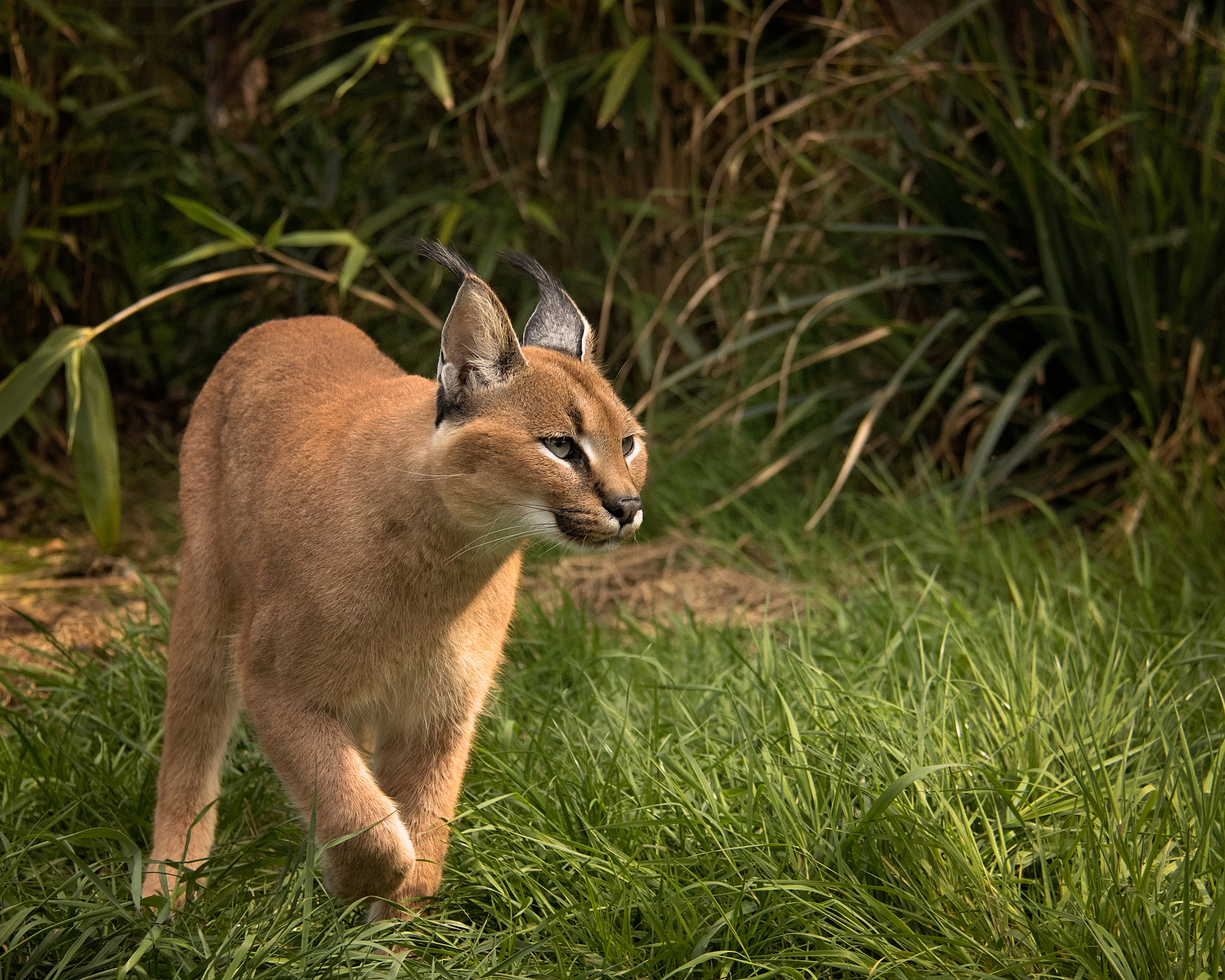
In the golden light of dawn, the caracal, scientifically known as Caracal caracal, prowls through the dry woodlands and savannahs of Africa and parts of the Middle East. With its strikingly tufted ears and sleek, muscular body, this agile feline is a master of stealth and speed. As it moves gracefully through the tall grasses, its keen eyes scan the landscape for movement, ready to pounce on unsuspecting prey. The caracal’s unique appearance, with its short coat and long legs, makes it not only a beautiful creature but also a fascinating subject for scientists and nature enthusiasts alike.
What truly captivates observers is the caracal’s remarkable hunting prowess. This feline is known for its ability to leap up to ten feet in the air to catch birds mid-flight, showcasing its incredible agility and strength. Its solitary lifestyle adds an air of mystery, as it navigates its territory with a quiet confidence. The caracal plays a vital role in its ecosystem, helping to maintain the balance of small mammal and bird populations. As we delve deeper into the world of the caracal, we will explore its behavior, habitat, and the unique adaptations that make it a standout in the animal kingdom. Join us on this adventure to uncover the secrets of this extraordinary feline!
The caracal, a sleek and agile feline, occupies a fascinating niche in the animal kingdom. Taxonomically, it belongs to the family Felidae, which includes all cats, from the tiny domestic cat to the majestic lion. What sets the caracal apart is its distinctive tufted ears and remarkable hunting skills, allowing it to leap high into the air to catch birds mid-flight. This combination of physical traits and behaviors makes the caracal a unique member of the Felinae subfamily, showcasing the incredible diversity of life on our planet.
| Taxonomic Rank | Scientific Name | Meaning & Significance |
|---|---|---|
| Kingdom | Animalia | This name signifies that caracals are part of the animal kingdom, which includes all multicellular organisms that are not plants, fungi, or bacteria. |
| Phylum | Chordata | Chordata means “having a notochord,” a flexible rod that supports the body, which all vertebrates, including caracals, possess at some stage of development. |
| Class | Mammalia | Mammalia refers to mammals, animals that have hair or fur and typically give live birth and nurse their young with milk. |
| Order | Carnivora | Carnivora, meaning “meat-eaters,” includes animals that primarily consume meat, highlighting the caracal’s predatory lifestyle. |
| Family | Felidae | Felidae is the family name for all cats, derived from the Latin word “felis,” which means cat, emphasizing the caracal’s close relation to other feline species. |
| Genus | Caracal | The name Caracal comes from the Turkish word “karakulak,” meaning “black ear,” which refers to the caracal’s striking ear tufts. |
The caracal’s classification reveals much about its evolutionary history. As a member of the Felinae subfamily, it shares a common ancestor with other small to medium-sized cats, which diverged from larger felids like lions and tigers millions of years ago. This lineage showcases the adaptability and specialization of the caracal, allowing it to thrive in various habitats across Africa and parts of Asia. Understanding where the caracal fits in the tree of life not only highlights its unique characteristics but also emphasizes the intricate connections among all living beings.
The evolutionary journey of the caracal, a striking feline known for its tufted ears and agile prowess, stretches back millions of years. This journey is part of a larger narrative that traces the lineage of all cats, revealing how they adapted to diverse environments and challenges. The caracal’s ancestors roamed the Earth during the late Miocene epoch, around 10 to 15 million years ago, when the world was a very different place, filled with vast grasslands and shifting climates.
The caracal’s evolutionary story begins with its ancestors in the Felinae subfamily, which branched off from other cat lineages. These early felids were small, agile hunters, well-suited to their environments. Over time, they developed key adaptations that allowed them to thrive in various habitats. The caracal itself emerged as a distinct species around 2 million years ago, showcasing a blend of traits that made it an efficient predator. Its long legs and powerful build enable it to leap great distances, while its keen eyesight and acute hearing help it detect prey in the tall grasses of its savanna home.
These adaptations have been crucial for the caracal’s survival in the wild. The combination of keen senses, physical prowess, and a flexible diet allows this feline to navigate the challenges of its environment effectively. Whether stalking through the grasslands or leaping to catch a bird mid-flight, the caracal exemplifies the remarkable ways evolution shapes life on Earth, ensuring that it remains a successful predator in a constantly changing world.
The caracal is a stunning feline that commands attention with its sleek, muscular body and striking features. Standing between 65 to 90 centimeters tall, this agile cat is built for speed and stealth. Its long legs and powerful frame allow it to leap impressively high, making it a master of hunting in its natural habitat. The caracal’s most distinctive trait is its tufted ears, which not only add to its charm but also enhance its hearing, allowing it to detect even the faintest sounds of prey.
| Feature | Description |
|---|---|
| Height | 65cm – 90cm (2ft – 3ft) |
| Weight | 11kg – 18kg (24lbs – 40lbs) |
| Skin Type | Fur |
The caracal’s physical features work together beautifully to support its survival in the wild. Its fur, which can range from a warm tawny to a reddish-brown, provides excellent camouflage in the grasslands and scrublands where it hunts. The tufted ears not only look adorable but also help the caracal pinpoint the location of its prey, whether it’s a small bird or a rodent. With its combination of strength, agility, and keen senses, the caracal is perfectly adapted to thrive in its environment, making it a true marvel of nature.
The caracal calls a variety of landscapes home, thriving in dry woodlands and expansive savannahs. Picture a sun-drenched environment where tall grasses sway gently in the breeze, and scattered trees provide patches of shade. This agile feline is perfectly suited to roam these open spaces, where it can easily spot prey and navigate through the underbrush with grace. The interplay of light and shadow in these habitats creates a dynamic backdrop for the caracal’s daily adventures.
The climate in these regions is typically warm and dry, with seasonal variations that can bring about short bursts of rain. Caracals prefer areas where the temperature can soar during the day, but they also need places to retreat from the heat. These environments often feature a mix of open land and scattered vegetation, allowing the caracal to hunt effectively while also providing cover from potential threats.
Adaptations have made the caracal a master of its habitat. Its powerful legs enable it to leap high into the air, catching birds mid-flight, while its keen eyesight helps it spot movement from a distance. The caracal’s tawny coat blends seamlessly with the golden grasses, providing excellent camouflage. This combination of physical traits and behavioral strategies allows the caracal to thrive in the diverse landscapes it calls home, making it a true survivor in the wild.
The caracal leads a life that is both solitary and stealthy, filled with activities that showcase its incredible hunting skills and adaptability. As dusk falls, this agile feline begins its nightly adventures, using its keen senses to navigate the terrain. With a combination of stealth and speed, the caracal stalks its prey, which can include birds, rodents, and even small antelope. During the day, it often rests in the shade, conserving energy for the night ahead. This nocturnal lifestyle allows the caracal to take advantage of cooler temperatures and the cover of darkness, making it a more effective hunter.
Socially, caracals are quite independent, preferring to live alone rather than in groups. This solitary nature means that they establish and defend their own territories, which can vary in size depending on the availability of food and habitat. While they may occasionally cross paths with other caracals, these encounters are typically brief and non-social. Communication among caracals is subtle; they use a range of vocalizations, body language, and scent markings to convey their presence and establish boundaries. This solitary lifestyle helps them avoid competition for resources while still allowing for occasional interactions.
| Behavior Type | Description |
|---|---|
| Activity Patterns | Caracals are primarily nocturnal, hunting at night and resting during the day to conserve energy. |
| Social Structure | These cats are solitary, establishing their own territories and avoiding group living. |
| Communication Methods | Caracals communicate through vocalizations, body language, and scent markings to establish territory and avoid conflicts. |
The behaviors of the caracal are finely tuned to ensure its survival in the wild. By being solitary, it minimizes competition for food, allowing it to thrive in various habitats. Its nocturnal hunting strategy, combined with effective communication methods, helps it navigate its environment successfully. Each aspect of its daily life is a testament to its adaptability and skill, ensuring that this remarkable feline continues to flourish in the wild.
The caracal is a carnivore, which means it primarily eats meat. This agile feline has developed impressive hunting skills that allow it to catch a variety of prey. With its keen eyesight and acute hearing, the caracal is a master of stealth, often stalking its targets before launching a swift and powerful attack. Its diet mainly consists of small to medium-sized mammals, making it a skilled predator in its environment.
| Dietary Aspect | Details |
|---|---|
| Diet Type | Carnivore |
| Favorite Foods | Hares, mice, and small antelope |
| Prey Items | Hares, rodents, and various small mammals |
| Hunting Strategies | Stalking and ambushing, often using speed and agility |
The caracal’s diet plays a crucial role in its ecology and daily routine. By preying on small mammals, it helps maintain the balance of the ecosystem, controlling populations of these species. This feline is primarily nocturnal, meaning it hunts at night when its prey is most active. Its ability to adapt its hunting techniques to different environments and prey types showcases its resilience and importance in the food web.
When it comes to mating, caracals are quite the intriguing felines. Their breeding season typically occurs during the warmer months, which can vary depending on their geographical location. During this time, males will engage in vocal displays and scent marking to attract females. Once a female is ready to mate, she will signal her interest through specific behaviors, such as rolling on the ground and vocalizing. After a successful courtship, the pair will mate multiple times over a few days, ensuring the best chance for conception.
| Reproductive Aspect | Details |
|---|---|
| Gestation Period | Approximately 65 to 70 days |
| Litter Size | Average of 3 |
| Age of Maturity | About 1 year |
| Name of Young | Kittens |
Once the kittens are born, they are completely dependent on their mother for survival. The mother caracal is a dedicated parent, often moving her young to different dens to keep them safe from predators. She will nurse them for about two to three months, providing them with the essential nutrients they need to grow strong. As the kittens mature, they begin to explore their surroundings and learn vital hunting skills by observing their mother. By the time they reach about a year old, they are ready to venture out on their own, equipped with the skills necessary to thrive in the wild.
The caracal plays a vital role in its ecosystem, sitting comfortably in the middle of the food web. As a skilled predator, it helps control populations of small mammals and birds, ensuring a balance in its habitat. However, this agile feline is not without its challenges. While it is a formidable hunter, it also faces threats from larger predators and human activities that can disrupt its life.
To survive these dangers, caracals have developed several clever strategies. Their excellent camouflage allows them to blend into their surroundings, making it harder for predators to spot them. When threatened, they can quickly climb trees or leap great distances to escape danger. Additionally, their keen senses help them detect potential threats long before they become a problem. By staying alert and using their agility, caracals navigate the challenges of their environment, showcasing their resilience in the wild.
A keystone species is an organism that has a disproportionately large impact on its environment relative to its abundance. In other words, if it were removed, the ecosystem would change dramatically. The caracal, with its role as a skilled predator in dry woodlands and savannahs, qualifies as a keystone species. By controlling the populations of various prey animals, the caracal helps maintain the balance of its ecosystem.
The caracal’s hunting prowess is essential for regulating the populations of small mammals and birds. For instance, by preying on rodents, it prevents these populations from exploding, which could lead to overgrazing of vegetation. This, in turn, affects the entire food web, as many other species rely on the same plants for survival. Additionally, the caracal’s presence can influence the behavior of other predators, creating a dynamic balance among species in its habitat.
Moreover, the caracal’s hunting habits contribute to the health of the ecosystem by promoting biodiversity. When it preys on certain species, it allows other species to thrive, fostering a rich tapestry of life. This diversity is crucial for ecosystem resilience, meaning that the environment can better withstand changes and disturbances, such as climate shifts or disease outbreaks.
If the caracal were to disappear from its ecosystem, the consequences could be severe. Without this agile predator, populations of small mammals could surge, leading to overgrazing and depletion of vegetation. This would not only affect the plants but also the many other animals that depend on them for food and shelter. The ripple effects could destabilize the entire ecosystem, demonstrating just how vital the caracal is to the health and balance of its environment.
The caracal, a sleek and agile feline, plays a crucial role in shaping its ecosystem, particularly in dry woodlands and savannahs. As a solitary carnivore, it occupies a unique ecological niche where it helps maintain the balance of various animal populations. By preying on small mammals and birds, the caracal ensures that no single species becomes too dominant, which is essential for the health of its habitat. This balance allows a diverse range of plants and animals to thrive, creating a vibrant ecosystem.
| Ecosystem Service | Impact |
|---|---|
| Population Control | Regulates numbers of small mammals and birds, preventing overpopulation. |
| Prey Selection | Targets weaker individuals, promoting healthier prey populations. |
| Habitat Maintenance | Encourages plant diversity by controlling herbivore populations. |
| Food Source for Other Predators | Serves as prey for larger carnivores, contributing to the food web. |
The caracal’s influence on its environment is evident in its hunting behavior. For instance, by preying on rodents and birds, it helps keep these populations in check. This is particularly important in savannah ecosystems, where an overabundance of herbivores can lead to overgrazing, which in turn affects plant life. The caracal’s selective hunting also means that it often targets the sick or weak, which helps strengthen the overall health of prey populations. This natural selection process is vital for maintaining a balanced ecosystem.
The broader ecological importance of the caracal cannot be overstated. As a keystone species, its presence is essential for the stability of its habitat. If caracals were to disappear, the effects would ripple through the ecosystem, leading to overpopulation of certain species and a decline in plant diversity. This would ultimately disrupt the intricate web of life that depends on balance and harmony. By understanding the caracal’s role, we gain insight into the delicate interplay of nature and the importance of every species in maintaining the health of our planet.
In the intricate web of life, symbiosis refers to the close interactions between different species, which can take on various forms. These relationships can be mutualistic, where both species benefit; parasitic, where one benefits at the expense of the other; or commensal, where one benefits while the other is neither helped nor harmed. The caracal, a skilled predator of the dry woodlands and savannahs, engages in several ecological relationships that highlight the interconnectedness of nature.
| Species/Type | Relationship Type | Description |
|---|---|---|
| Birds (e.g., oxpeckers) | Mutualistic | Oxpeckers feed on ticks and parasites found on the caracal’s fur, helping to keep the cat healthy while enjoying a meal. |
| Small mammals (e.g., rodents) | Predatory | Caracals hunt small mammals, controlling their populations and ensuring a balance in the ecosystem. |
| Insects (e.g., ants) | Commensal | Ants may benefit from the caracal’s presence by scavenging leftover food, while the caracal remains unaffected. |
The evolution of these relationships showcases the dynamic nature of ecosystems. Over time, species like the caracal have adapted to interact with others in ways that enhance their survival and well-being. Mutualistic relationships, such as those with oxpeckers, not only provide health benefits but also illustrate how cooperation can thrive in the wild. Meanwhile, predatory interactions help maintain the balance of populations, ensuring that no single species overwhelms the ecosystem. These connections remind us that every creature plays a role in the grand tapestry of life, where each thread is vital to the whole.
The caracal is a captivating feline that often flies under the radar compared to its more famous relatives like lions and tigers. With its striking appearance and remarkable abilities, this agile cat has some surprising traits that will intrigue nature lovers of all ages.
Throughout history, the caracal has intrigued humans with its striking appearance and impressive hunting skills. In various cultures, this agile feline has been celebrated in folklore and art, often symbolizing grace and power. Ancient Egyptians revered the caracal, associating it with the goddess Mafdet, who was believed to protect against snakes and vermin. This cultural significance highlights the caracal’s role not just as a predator in the wild, but also as a creature woven into the fabric of human storytelling and symbolism.
Today, the relationship between caracals and humans is complex and multifaceted. While some communities admire these cats for their beauty and hunting prowess, others view them as threats to livestock, leading to conflict. In regions where agriculture thrives, caracals may prey on small animals, prompting farmers to take measures to protect their livestock. Conservation efforts are underway to educate communities about the ecological importance of caracals, emphasizing their role in controlling rodent populations. Interestingly, some people have even attempted to domesticate caracals, drawn by their playful nature and striking looks, though this practice raises ethical questions about animal welfare and conservation.
Looking ahead, the future of the caracal and its relationship with humanity will depend on our ability to balance conservation with agricultural needs. As awareness grows about the ecological benefits of preserving these magnificent cats, there is hope for a more harmonious coexistence. By fostering understanding and respect for the caracal, we can ensure that this remarkable feline continues to thrive in the wild, enriching our natural world for generations to come.
The caracal, a sleek and agile feline, currently holds a conservation status of “Least Concern” according to the International Union for Conservation of Nature (IUCN). This means that, for now, the species is not facing an immediate threat of extinction. Population estimates suggest that caracals are relatively stable across their range, which includes parts of Africa, the Middle East, and Central Asia. However, while their numbers are not declining overall, localized populations may experience fluctuations due to various environmental pressures.
| Conservation Factor | Status/Details |
|---|---|
| IUCN Status | Least Concern |
| Population Estimates | Stable, but varies by region |
| Trend Direction | Stable |
Despite their current stable status, caracals face several significant threats that could impact their future. Habitat loss is a primary concern, as human activities such as agriculture and urban development encroach on their natural environments. Additionally, hunting and poaching pose risks, as some people target caracals for their beautiful fur or mistakenly view them as pests. These pressures can lead to localized declines, even if the overall population remains stable.
Conservation efforts are underway to ensure the caracal continues to thrive in the wild. Protected areas and wildlife reserves play a crucial role in safeguarding their habitats. Education and awareness programs help local communities understand the importance of caracals in maintaining ecological balance. With ongoing efforts and a commitment to preserving their environments, the outlook for the caracal remains hopeful, allowing this agile feline to continue its graceful existence in the wild.
| Question | Answer |
|---|---|
| What is a Caracal's habitat? | Caracals are found in dry woodlands and savannahs, which are open grasslands with scattered trees. These environments provide them with plenty of cover for hunting and places to rest during the day. |
| What do Caracals eat? | Caracals are carnivores, meaning they primarily eat meat. Their diet includes small mammals, birds, and sometimes even reptiles, showcasing their agility and hunting skills. |
| How do Caracals behave in the wild? | Caracals are solitary animals, preferring to hunt and live alone. They are known for their incredible jumping ability, which helps them catch birds mid-flight and escape from predators. |
| How do Caracals reproduce? | Caracals typically mate during the rainy season, which helps ensure that food is plentiful for raising their young. After a gestation period of about 60 to 70 days, the female gives birth to a litter of one to four kittens. |
| What threats do Caracals face? | While Caracals are currently listed as Least Concern, they still face threats from habitat loss and hunting. As human populations expand, their natural habitats are being destroyed, which can lead to conflicts with people. |
| What are some interesting characteristics of Caracals? | One of the most striking features of Caracals is their tufted ears, which help them hear better and communicate with each other. They are also known for their impressive leaping ability, capable of jumping up to 10 feet in the air to catch birds. |
| Are Caracals social animals? | Caracals are generally solitary, but they do come together during mating season. They communicate through vocalizations and scent markings, which help them establish territory and find mates. |