Taxonomy & Classification
- Kingdom
- Animalia
- Family
- Cyprinidae

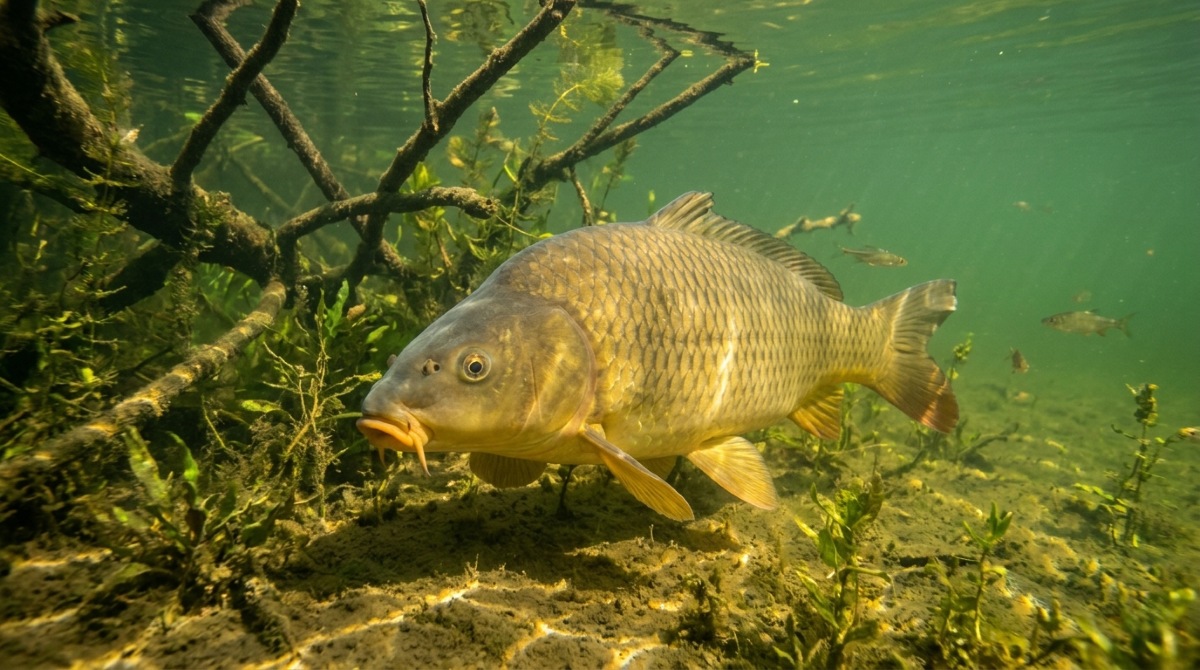 Photo Credit: Animals Discovered
In the shimmering waters of lakes and rivers, the common carp, known scientifically as Cyprinus carpio, glides gracefully through its aquatic realm. With its robust, torpedo-shaped body and shimmering scales that reflect the sunlight, this fish is a striking sight. Carp are not just beautiful; they are also incredibly adaptable, thriving in a variety of freshwater habitats, from tranquil ponds to bustling rivers. Their ability to flourish in diverse environments has made them a subject of fascination for scientists and nature lovers alike.
As the sun rises, casting golden rays over the water, carp begin their day with a flurry of activity. They forage for food, sifting through the mud and plants for algae, insects, and small crustaceans. This omnivorous diet allows them to play a vital role in their ecosystems, helping to maintain the balance of life beneath the surface. With a history that stretches back millions of years, carp have witnessed the changing landscapes of our planet, making them not only survivors but also key players in the intricate web of freshwater life. Join us as we dive deeper into the world of carp, exploring their behaviors, habitats, and the important roles they play in our ecosystems.
Carp are fascinating fish that belong to the family Cyprinidae, which is the largest family of freshwater fish in the world. This family includes not only carp but also minnows and goldfish. What makes carp particularly interesting is their adaptability; they can thrive in a variety of environments, from slow-moving rivers to ponds and lakes. Their ability to tolerate different water conditions, including low oxygen levels, sets them apart in the animal kingdom. This resilience has allowed them to spread across the globe, making them a common sight in many freshwater habitats.
| Taxonomic Rank | Scientific Name | Meaning & Significance |
|---|---|---|
| Kingdom | Animalia | This name means “animals” in Latin, highlighting that carp are part of the vast group of multicellular organisms that are typically mobile and consume organic material. |
| Phylum | Chordata | Chordata refers to animals that have a notochord, a flexible rod that supports the body. In carp, this structure is present during their early development. |
| Class | Actinopterygii | This class includes ray-finned fishes, which have fins supported by bony spines. Carp are excellent examples of this group, showcasing the diversity of fin structures. |
| Order | Cypriniformes | This order is characterized by fish that typically have a single dorsal fin and no teeth in their jaws. Carp are well-known for their toothless mouths, which are adapted for foraging. |
| Family | Cyprinidae | The name Cyprinidae comes from the Greek word “kyprinos,” meaning “carp.” This family is significant for its wide variety of species and ecological roles in freshwater ecosystems. |
| Genus | Cyprinus | This genus name is derived from the Latin word for carp, emphasizing the fish’s importance in both culture and cuisine throughout history. |
| Species | Cyprinus carpio | The species name “carpio” is a direct reference to the carp itself, highlighting its identity and distinguishing it from other fish. |
Understanding the taxonomic position of carp reveals much about their evolutionary journey. As members of the Cyprinidae family, they share a common ancestor with many other freshwater fish, showcasing a long history of adaptation to various aquatic environments. Their classification not only highlights their biological traits but also underscores their ecological significance, as they play vital roles in their habitats, from nutrient cycling to serving as food for larger predators. This rich evolutionary background makes carp a captivating subject for both scientists and nature enthusiasts alike.
The evolutionary journey of carp stretches back millions of years, tracing its roots to ancient freshwater environments. These fish first appeared during the late Cretaceous period, around 100 million years ago, evolving from primitive bony fish. Over time, they adapted to various habitats, leading to the diverse species we see today. Their story is one of resilience and adaptability, showcasing how life can thrive in changing conditions.
The ancestors of modern carp were small, streamlined fish that inhabited rivers and lakes. As they evolved, they underwent significant changes, including the development of specialized feeding mechanisms. One major transition was the shift from a primarily carnivorous diet to an omnivorous one, allowing them to consume a wider variety of food sources. This adaptability was crucial as it enabled them to thrive in different environments, from murky ponds to fast-flowing rivers. Over time, carp also developed a robust body structure and a unique ability to tolerate low oxygen levels, which helped them survive in less-than-ideal conditions.
These adaptations have played a vital role in the survival of carp throughout their evolutionary history. By being able to eat a variety of foods, thrive in different water conditions, and reproduce in large numbers, carp have successfully colonized many freshwater ecosystems around the world. Their story is a testament to the power of evolution, demonstrating how life can adapt and flourish in the face of challenges.
Carp are striking fish that command attention with their robust bodies and graceful movements. Their elongated, torpedo-shaped form allows them to glide effortlessly through the water, while their large, paddle-like tails provide powerful propulsion. With a broad head and a slightly downturned mouth, carp are well-equipped for foraging along the bottom of rivers and lakes, where they search for food. Their overall appearance is both sturdy and elegant, making them a captivating sight in their natural habitats.
| Feature | Description |
|---|---|
| Size | Carp can grow quite large, often reaching lengths of 20 to 40 inches, and some individuals can weigh over 40 pounds. |
| Color | Their coloration varies widely, ranging from golden yellow to deep green or brown, often with a shimmering sheen that reflects light beautifully. |
| Skin Type | Carp have smooth, scale-covered skin that helps reduce drag as they swim, allowing for swift movements through the water. |
| Fins | They possess long, flowing fins that aid in stability and maneuverability, making it easier for them to navigate through their aquatic environments. |
| Barbels | Carp have two pairs of sensitive barbels (whisker-like structures) near their mouths, which help them detect food in murky waters. |
These physical features work together to enhance the carp’s survival in various freshwater ecosystems. Their size and coloration provide camouflage against predators, while their streamlined bodies and powerful tails enable them to escape quickly when threatened. The barbels are particularly important, allowing carp to forage effectively in environments where visibility is low. Together, these adaptations make carp not only resilient but also highly successful in diverse habitats around the world.
Carp thrive in a variety of freshwater habitats, painting a picture of life in lakes, rivers, and ponds. These fish prefer calm waters where they can easily navigate through the lush vegetation and muddy bottoms. Picture a serene lake surrounded by trees, with sunlight dancing on the surface of the water. This is where carp feel most at home, often found near the edges where they can forage for food among the plants and debris.
Carp are quite adaptable when it comes to climate and environmental conditions. They thrive in warm waters, typically preferring temperatures between 70 to 85 degrees Fahrenheit. These fish can tolerate a range of conditions, from murky waters with low oxygen levels to clearer streams. However, they do best in environments that provide plenty of food sources, such as algae, plants, and small invertebrates.
Over time, carp have developed impressive adaptations to their habitats. Their ability to tolerate varying levels of salinity and temperature allows them to inhabit diverse environments. They have a specialized digestive system that helps them break down plant material, making them efficient foragers. Additionally, their strong bodies and powerful fins enable them to navigate through dense vegetation and muddy substrates, ensuring they can find food and evade predators. This versatility has made carp one of the most successful fish in freshwater ecosystems around the world.
Carp lead a daily life that is both active and adaptable. As dawn breaks, these fish begin their day by foraging for food, which includes a mix of plant matter, insects, and small crustaceans. They often feed near the surface or along the bottom of their watery homes, using their sensitive barbels—whisker-like structures on their faces—to detect food. Throughout the day, carp engage in various activities such as swimming, resting, and socializing, all while keeping an eye out for potential predators. Their behavior is influenced by environmental factors like water temperature and light levels, making them quite responsive to their surroundings.
Socially, carp are known for their group dynamics. They often swim in schools, which can range from a few individuals to large groups of hundreds. This schooling behavior provides safety in numbers, as it makes it harder for predators to target a single fish. Within these groups, carp communicate through body language and subtle movements, signaling their intentions to one another. They also establish a hierarchy, where larger or more dominant fish may lead the school, guiding the others to food sources or safer areas. This social structure not only enhances their foraging efficiency but also strengthens their bonds within the group.
| Behavior Type | Description |
|---|---|
| Feeding | Carp forage for food near the surface and bottom, using their barbels to sense their environment. |
| Schooling | They swim in groups for safety, making it difficult for predators to single out an individual. |
| Communication | Carp use body language and movements to convey messages and intentions to each other. |
| Hierarchy | Within schools, larger fish often lead, guiding others to food and safer areas. |
The behaviors of carp are essential for their survival in the wild. By foraging in groups, they increase their chances of finding food while minimizing the risk of being eaten. Their ability to communicate and establish social hierarchies helps them navigate their environment more effectively. These daily activities not only ensure that carp thrive in their habitats but also contribute to the delicate balance of the ecosystems they inhabit. Through their interactions and behaviors, carp play a vital role in the health of freshwater environments.
Carp are omnivorous fish, meaning they eat both plants and animals. Their diet is quite varied, allowing them to thrive in different environments. Carp primarily feed on algae, aquatic plants, insects, and small invertebrates. They are known for their unique feeding behavior, which involves sifting through sediment at the bottom of lakes and rivers. Using their sensitive barbels—small, whisker-like structures near their mouths—they can detect food hidden in the mud. This ability helps them find a wide range of tasty treats, making them adaptable eaters.
| Dietary Aspect | Details |
|---|---|
| Diet Type | Omnivorous |
| Favorite Foods | Algae, aquatic plants, insects, and small invertebrates |
| Prey Items | Insects, crustaceans, and detritus (decaying organic matter) |
| Hunting/Foraging Strategies | Sifting through sediment using barbels to locate food |
The diverse diet of carp plays a crucial role in their ecology and daily routine. By consuming a mix of plant and animal matter, they help maintain the balance of their aquatic ecosystems. Their foraging activities also stir up sediment, which can promote the growth of new plants and provide nutrients for other organisms. This makes carp not just survivors, but important contributors to the health of their habitats. Their ability to adapt their diet to available resources allows them to thrive in various environments, ensuring their place in the intricate web of life in freshwater ecosystems.
As spring arrives and the water warms, carp engage in a lively mating ritual. During this breeding season, males become particularly active, chasing females and displaying their vibrant colors. This courtship often involves elaborate movements and splashing, creating a spectacle that can be quite captivating. Once a female is ready to spawn, she releases her eggs in shallow waters, where males fertilize them. This process can happen multiple times, allowing for a successful reproductive cycle.
| Reproductive Aspect | Details |
|---|---|
| Gestation Period | Carp do not have a gestation period like mammals; instead, eggs hatch within 4 to 10 days after fertilization, depending on water temperature. |
| Litter Size | A single female can lay between 100,000 to 1 million eggs in one spawning season. |
| Age of Maturity | Carp typically reach sexual maturity at around 3 to 4 years of age. |
| Name of Young | The young carp are called fry. |
After the eggs hatch, the fry are left to fend for themselves, which is quite different from many other species that provide parental care. These tiny fish are born with a yolk sac that provides them with nutrients for the first few days of life. As they grow, they begin to swim and forage for food, learning to navigate their environment. Over time, they develop into juvenile carp, gradually taking on the characteristics of adult fish. This journey from fry to mature carp is a remarkable transformation, showcasing the resilience and adaptability of these fascinating fish.
Carp play a significant role in freshwater ecosystems, often sitting near the middle of the food web. They are a vital food source for various predators, helping to maintain the balance of aquatic life. Their presence supports not only larger fish but also birds and mammals that rely on them for nourishment. However, this position also makes them vulnerable to a range of threats.
To survive these dangers, carp have developed several defensive behaviors. They often seek refuge in dense vegetation, where they can hide from predators. When threatened, carp can also use their speed and agility to dart away quickly. Additionally, their ability to thrive in various environments allows them to escape to safer waters when necessary. These strategies help ensure that carp can continue to flourish in their habitats, despite the challenges they face.
A keystone species is an organism that has a disproportionately large impact on its environment relative to its abundance. This means that if a keystone species were to disappear, the entire ecosystem could change dramatically. Carp, with their significant presence in freshwater habitats, can be considered a keystone species in some ecosystems. Their activities influence the structure and function of their aquatic environments, making them essential players in the ecological drama of lakes and rivers.
Carp contribute to their ecosystems in several important ways. First, their feeding habits stir up sediment on the bottom of water bodies, which can increase nutrient availability for other organisms. This process, known as bioturbation, helps promote the growth of algae and aquatic plants, which are crucial for oxygen production and serve as food for many aquatic animals. Additionally, carp are a food source for various predators, including birds and larger fish, helping to maintain the balance of the food web.
Moreover, carp can affect the composition of plant life in their habitats. By consuming certain types of vegetation, they can prevent any one species from dominating the ecosystem. This promotes biodiversity, allowing a variety of plants and animals to thrive together. Their presence can also influence the behavior of other fish species, as they often create a dynamic environment that encourages competition and adaptation among aquatic life.
If carp were to disappear from their ecosystems, the consequences could be severe. The sudden absence of these fish would likely lead to a decline in nutrient cycling, which could reduce plant growth and oxygen levels in the water. This, in turn, would affect the entire food web, potentially leading to a decrease in fish populations that rely on carp as a food source. The balance of the ecosystem could shift dramatically, resulting in fewer species and a less vibrant aquatic environment. In essence, the loss of carp could create a ripple effect, altering the very fabric of life in freshwater habitats.
Carp are more than just fish swimming in our lakes and rivers; they play a crucial role in shaping their ecosystems. As omnivores, they consume a wide variety of food, including plants, insects, and small crustaceans. This diverse diet allows them to thrive in many freshwater habitats, from calm ponds to flowing rivers. By feeding on algae and aquatic plants, carp help control plant growth, which can prevent overgrowth that might choke waterways. Their presence influences not only the water quality but also the overall health of the aquatic community.
| Ecosystem Service | Impact |
|---|---|
| Nutrient Cycling | Carp help break down organic matter, returning nutrients to the water, which supports plant growth. |
| Habitat Modification | By stirring up sediment, carp create new habitats for other aquatic organisms. |
| Food Source | They serve as prey for larger fish, birds, and mammals, contributing to the food web. |
| Water Quality Regulation | By consuming excess algae, carp help maintain clearer water, benefiting other aquatic life. |
Carp’s influence on their environment can be seen in various ways. For instance, when they forage for food, they disturb the sediment at the bottom of lakes and rivers. This action can release nutrients that were previously trapped, promoting the growth of aquatic plants. However, this behavior can also lead to increased turbidity, or cloudiness, in the water, which can affect the ability of sunlight to penetrate and support photosynthesis in other plants. In some cases, their feeding habits can even alter the composition of the plant community, favoring certain species over others.
The broader ecological importance of carp cannot be overstated. As a keystone species, their presence or absence can significantly impact the entire ecosystem. When carp populations are balanced, they contribute to a healthy aquatic environment, supporting a diverse range of species. However, when they become overabundant, they can disrupt the delicate balance, leading to negative consequences for other organisms. Understanding the role of carp helps us appreciate the intricate web of life in freshwater ecosystems and the importance of maintaining that balance for future generations.
In the intricate web of life, symbiosis refers to the close interactions between different species, which can take many forms. These relationships can be mutualistic, where both species benefit, parasitic, where one benefits at the other’s expense, or commensal, where one benefits while the other is neither helped nor harmed. Carp, with their adaptable nature, engage in various ecological partnerships that highlight the interconnectedness of aquatic life. These relationships not only enhance their survival but also contribute to the health of their ecosystems.
| Species/Type | Relationship Type | Description |
|---|---|---|
| Waterfowl | Mutualistic | Carp stir up sediment while feeding, which helps waterfowl find food like insects and small fish. In return, the waterfowl help keep the water clean by eating algae and detritus. |
| Leeches | Parasitic | Some leeches attach to carp to feed on their blood, gaining nutrients while the carp may experience stress or injury. |
| Small fish (like minnows) | Commensal | Small fish often swim alongside carp, benefiting from the protection offered by the larger fish without affecting the carp. |
These relationships have evolved over time, shaped by the needs and behaviors of the species involved. Mutualistic partnerships, like those with waterfowl, demonstrate how cooperation can lead to greater success in finding food and maintaining a healthy environment. On the other hand, parasitic relationships, such as those with leeches, highlight the challenges of survival in the wild. Each interaction plays a role in the balance of the ecosystem, showcasing the dynamic nature of life beneath the water’s surface. Through these connections, carp not only thrive but also contribute to the vibrant tapestry of aquatic life.
Carp are often overlooked in the world of fish, but they have some surprising traits that make them truly captivating. These adaptable creatures have a rich history and unique behaviors that can intrigue both seasoned nature enthusiasts and curious young minds alike.
Carp have been intertwined with human history for centuries, serving as both a source of sustenance and a symbol of cultural significance. Originating in East Asia, these fish were domesticated over 2,000 years ago, becoming a staple in many diets. In various cultures, carp are celebrated during festivals and are often associated with good fortune and prosperity. For instance, in Japan, the koi variety of carp is revered for its beauty and is often featured in art and gardens, symbolizing perseverance and strength. This long-standing relationship highlights how carp have not only provided nourishment but have also woven themselves into the fabric of human tradition and belief.
Today, our interactions with carp are more complex, reflecting both conservation efforts and challenges. In some regions, carp are viewed as invasive species, disrupting local ecosystems by outcompeting native fish for food and habitat. This has led to conflicts between conservationists and anglers, as efforts to control carp populations can impact recreational fishing. On the other hand, carp are also farmed extensively for food, with aquaculture practices evolving to meet the growing demand for this versatile fish. This domestication has allowed for sustainable practices that can benefit both humans and the environment when managed responsibly.
Looking ahead, the relationship between carp and humanity is likely to evolve further. As we face environmental challenges, understanding the role of carp in ecosystems will be crucial. Balancing their cultural significance with ecological responsibility will require innovative thinking and collaboration. By fostering a deeper appreciation for these fish, we can ensure that carp continue to thrive alongside human communities, enriching our lives while maintaining the health of our waterways.
The conservation status of carp varies significantly depending on the species and region. While some carp populations are stable and even thriving, others face challenges due to environmental changes and human activities. Overall, many carp species are not currently considered endangered, but their populations can fluctuate based on local conditions and management practices.
| Conservation Factor | Status/Details |
|---|---|
| IUCN Status | Least Concern |
| Population Estimates | Varies by species; some populations are abundant |
| Trend Direction | Stable in many areas, but localized declines observed |
Carp face several threats that can impact their populations and habitats. One of the main challenges is habitat degradation, which occurs when natural environments are altered or destroyed, often due to urban development, pollution, and agricultural runoff. Additionally, invasive species can disrupt local ecosystems, competing for resources and altering food webs. Overfishing in some regions also poses a risk, as it can lead to population declines and affect the balance of aquatic life.
Conservation efforts for carp are underway in various parts of the world, focusing on habitat restoration and sustainable fishing practices. Organizations and local communities are working together to monitor carp populations and implement strategies that promote healthy ecosystems. The outlook for carp remains cautiously optimistic, as many species adapt well to changing environments. With continued awareness and responsible management, these resilient fish can thrive alongside their human neighbors.
| Question | Answer |
|---|---|
| What is the natural habitat of Carp? | Carp are commonly found in freshwater environments like lakes, rivers, and ponds. They prefer shallow waters with plenty of vegetation, which provides them with food and shelter. |
| What do Carp eat? | Carp are omnivores, meaning they eat both plants and animals. Their diet includes algae, aquatic plants, insects, and small crustaceans, making them adaptable to various food sources in their habitat. |
| How do Carp behave in the wild? | Carp are social fish that often swim in groups, known as schools. They are known for their bottom-feeding behavior, where they use their sensitive barbels (whisker-like structures) to search for food in the mud. |
| How do Carp reproduce? | Carp typically spawn in the spring when water temperatures rise. They lay thousands of eggs in shallow areas with vegetation, and the eggs hatch within a few days, leading to a large number of young fish. |
| What are the main threats to Carp? | While Carp are resilient, they face threats from habitat destruction and pollution. In some regions, they are considered invasive species, which can disrupt local ecosystems and outcompete native fish. |
| What are some interesting characteristics of Carp? | Carp are known for their impressive size, with some individuals growing over 40 inches long! They can also live for many years, with some reaching ages of 20 years or more, making them fascinating creatures to study. |
| Can Carp survive in different environments? | Yes, Carp are highly adaptable and can thrive in a variety of environments, including polluted waters. They can tolerate low oxygen levels and varying temperatures, which helps them survive in challenging conditions. |