Taxonomy & Classification
- Kingdom
- Animalia
- Phylum
- Arthropoda
- Class
- Insecta
- Order
- Hymenoptera
- Family
- Formicidae
- Genus
- Camponotus

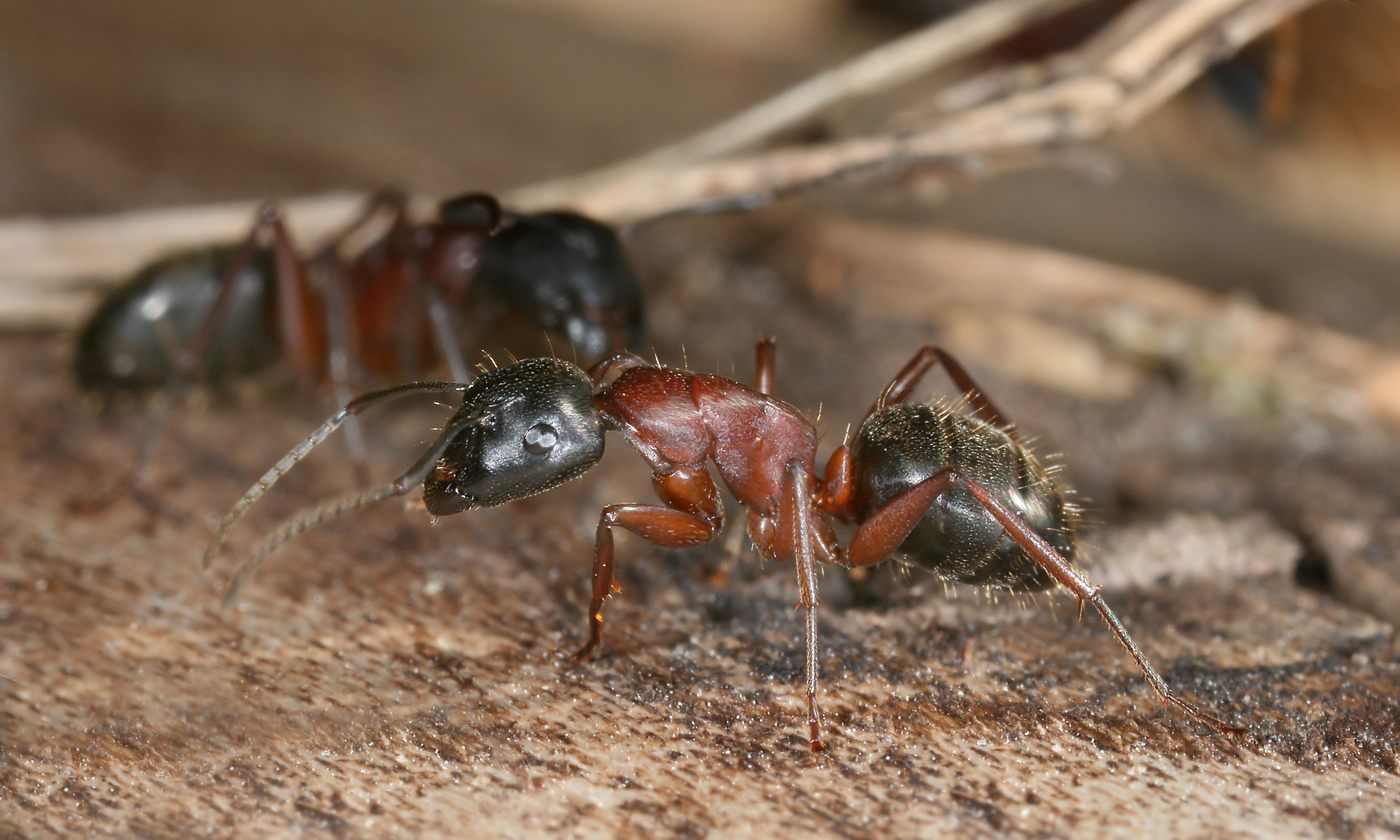 Photo Credit: Richard Bartz, Munich Makro Freak / Wikimedia
In the heart of a sun-dappled forest, the carpenter ant, known scientifically as Camponotus, scurries busily among the towering trees. With its robust body, typically measuring between 6 to 12 millimeters, this industrious insect is a master of its domain. Its shiny black exoskeleton glistens in the sunlight, while its powerful mandibles, or jaws, are perfectly designed for chewing through wood. This remarkable ability to excavate and create intricate tunnels in decaying trees not only showcases its architectural skills but also plays a vital role in the ecosystem, recycling nutrients back into the soil.
Carpenter ants are more than just skilled builders; they are social creatures that thrive in colonies, working together to gather food and care for their young. Their diet is diverse, ranging from sweet honeydew produced by aphids to other insects, making them omnivores. Scientists and nature enthusiasts alike are captivated by their complex behaviors and the way they communicate through pheromones, or chemical signals, to coordinate their activities. As we delve deeper into the world of carpenter ants, we will explore their fascinating life cycle, their role in the environment, and the unique relationships they form with other species, revealing just how essential these tiny architects are to the natural world.
Carpenter ants are intriguing members of the animal kingdom, classified within the vast and diverse Kingdom Animalia. These industrious insects belong to the Phylum Arthropoda, which includes all arthropods like spiders and crustaceans. What sets carpenter ants apart is their unique nesting behavior; they excavate wood to create their homes, a trait that not only influences their name but also their ecological role. As part of the Order Hymenoptera, which encompasses bees and wasps, carpenter ants exhibit complex social structures and behaviors, making them a captivating subject for both scientists and nature enthusiasts alike.
| Taxonomic Rank | Scientific Name | Meaning & Significance |
|---|---|---|
| Kingdom | Animalia | This name signifies that carpenter ants are part of the animal kingdom, which includes all multicellular organisms that are not plants or fungi. |
| Phylum | Arthropoda | Derived from Greek, meaning “jointed feet,” this name highlights the characteristic jointed limbs of insects, spiders, and crustaceans. |
| Class | Insecta | This term comes from the Latin word for “cut,” referring to the segmented body structure of insects, which is a defining feature of this class. |
| Order | Hymenoptera | Meaning “membranous wings,” this name reflects the thin, transparent wings of many insects in this order, including bees and wasps. |
| Family | Formicidae | This name is derived from the Latin word for “ant,” emphasizing the unique characteristics and behaviors that define this family of social insects. |
| Genus | Camponotus | From Greek, meaning “bent” and “to cut,” this name refers to the carpenter ant’s wood-excavating habits, which are central to their identity. |
The classification of carpenter ants reveals a rich evolutionary history that connects them to a wide array of other insects. Their position within the Hymenoptera order indicates a long-standing lineage of social behavior and adaptation. By understanding their taxonomic placement, we can appreciate how these ants have evolved specialized traits, such as their wood-nesting habits, which not only serve their survival but also play a significant role in forest ecosystems. As they tunnel through wood, they help decompose dead trees, returning vital nutrients to the soil and supporting the growth of new life.
The evolutionary journey of carpenter ants, belonging to the genus Camponotus, stretches back millions of years. These industrious insects are part of the Formicidae family, which has a rich history that dates back to the Cretaceous period, around 100 million years ago. During this time, ants began to diversify and adapt to various environments, leading to the emergence of many different species, including the carpenter ant.
Carpenter ants evolved from ancestral forms that were likely small, social insects living in leaf litter and decaying wood. Over time, they developed the ability to excavate wood, creating intricate nests within trees and logs. This adaptation allowed them to thrive in forested environments, where they could find ample food sources and shelter. As they evolved, carpenter ants also developed complex social structures, with distinct roles for workers, queens, and males, enhancing their ability to cooperate and survive in diverse habitats.
The adaptations of carpenter ants have played a crucial role in their survival and success as a species. Their ability to excavate wood not only provides them with shelter but also creates habitats for other organisms, showcasing their role in the ecosystem. The complex social structures and communication methods allow them to work together efficiently, ensuring the colony’s survival. With their dietary flexibility, they can thrive in various environments, making them resilient to changes in food availability. Overall, these evolutionary traits have enabled carpenter ants to flourish in diverse habitats, from forests to urban areas, highlighting their adaptability and ecological importance.
Carpenter ants are captivating little architects of the insect world, showcasing a body structure that is both sturdy and functional. These ants typically range from 6 to 12 millimeters in length, making them larger than many of their ant relatives. Their bodies are segmented, with a distinct head, thorax, and abdomen, all encased in a tough exoskeleton that protects them as they navigate their wooden habitats. With their powerful mandibles, or jaws, they can chew through wood, creating intricate tunnels that serve as their homes.
| Feature | Description |
|---|---|
| Size | 6 to 12 millimeters in length |
| Weight | One to five milligrams |
| Skin Type | Exoskeleton, providing protection and support |
| Color | Typically black or bicolored, often with a shiny appearance |
| Distinctive Feature | Leaves behind piles of wood shavings as they burrow |
The combination of their size, weight, and exoskeleton allows carpenter ants to thrive in their environments. Their ability to chew through wood not only provides them with shelter but also plays a crucial role in their survival. The wood shavings they leave behind serve as a telltale sign of their presence, marking the paths to their nests. This unique adaptation helps them create complex colonies while also contributing to the decomposition of wood in their ecosystems, showcasing their role as nature’s recyclers.
Carpenter ants thrive in environments that are rich in decaying or hollow wood, often found in forests, parks, and even urban areas. Picture a lush, green forest where sunlight filters through the leaves, creating a dappled effect on the forest floor. Here, the air is filled with the earthy scent of damp soil and rotting wood, the perfect setting for these industrious insects. They make their homes in the soft, decaying wood of trees, stumps, and even wooden structures, where they can carve out intricate tunnels and chambers.
Carpenter ants prefer climates that are moist and temperate, as these conditions help maintain the decaying wood they rely on for nesting. They are often found in areas where humidity levels are higher, which aids in the breakdown of wood. These ants are not fans of extreme cold or dry conditions, as such environments can make it difficult for them to find suitable nesting sites. They thrive in places where the temperature is moderate, allowing them to remain active throughout the warmer months.
Adaptation is key to the survival of carpenter ants in their chosen habitats. Their ability to excavate wood allows them to create complex nests that provide shelter and protection from predators. They have developed a social structure that enables them to work together efficiently, gathering food and maintaining their nests. By choosing decaying wood, they not only find a home but also contribute to the ecosystem by breaking down dead trees, recycling nutrients back into the soil. This remarkable relationship with their environment showcases their role as both architects and recyclers in the natural world.
Carpenter ants lead a busy life filled with teamwork and exploration. Each day begins with the sun rising, prompting these industrious insects to emerge from their nests, often found in decaying wood. They spend their time foraging for food, which can include sugary substances like honeydew from aphids, as well as other insects. Their daily activities are not just about finding food; they also engage in nest maintenance, ensuring their home remains safe and secure. This constant activity is essential for their survival and the health of the colony.
Social behavior is at the heart of a carpenter ant’s life. These ants live in colonies that can number in the thousands, creating a complex social structure. Each colony has a queen, workers, and sometimes drones. The workers are responsible for foraging, caring for the queen’s offspring, and maintaining the nest. Communication among ants is vital; they use pheromones, which are chemical signals, to share information about food sources and dangers. This teamwork allows them to thrive in their environment, as they rely on one another for various tasks.
| Behavior Type | Description |
|---|---|
| Foraging | Carpenter ants search for food, often traveling long distances to find sugary substances and other insects. |
| Colony Structure | Each colony consists of a queen, workers, and drones, with workers performing most of the tasks. |
| Communication | They communicate using pheromones, which help them share information about food and threats. |
| Nest Maintenance | Workers repair and expand their nests, ensuring a safe environment for the queen and larvae. |
The behaviors of carpenter ants are finely tuned to ensure their survival. By working together, they can efficiently gather food, protect their home, and raise the next generation. This cooperative lifestyle not only strengthens the colony but also enhances their ability to adapt to changing environments. In the world of carpenter ants, every day is a testament to the power of teamwork and communication, showcasing how even the smallest creatures can achieve great things together.
Carpenter ants are omnivores, meaning they enjoy a varied diet that includes both plant and animal matter. These resourceful insects primarily feed on sugary substances, such as honeydew, which is a sweet liquid produced by aphids and other sap-sucking insects. They also consume proteins found in other insects, making them skilled foragers. Carpenter ants are known for their ability to scout for food, often sending out worker ants to search for nourishment. This behavior not only helps them find food but also strengthens their colony’s social structure.
| Dietary Aspect | Details |
|---|---|
| Diet Type | Omnivore |
| Favorite Foods | Honeydew, nectar, and sugary substances |
| Prey Items | Other insects, including aphids and caterpillars |
| Hunting/Foraging Strategies | Worker ants scout for food, communicate through pheromones to lead others to food sources |
The diet of carpenter ants plays a crucial role in their ecology and daily activities. By consuming a mix of sugary and protein-rich foods, they help control pest populations, such as aphids, while also contributing to the nutrient cycle in their habitats. Their foraging behavior not only sustains the colony but also fosters cooperation among the ants, making them a vital part of their ecosystem. As they gather food, they also help aerate the soil and break down decaying wood, showcasing how their diet influences both their lives and the environment around them.
Carpenter ants have a fascinating mating ritual that takes place during the warm months, typically in late spring to early summer. This is when winged males and females, known as alates, take to the skies in a spectacular nuptial flight. During this time, males mate with females, and after this brief but critical encounter, the males die, while the fertilized females land to establish new colonies. This breeding season is crucial for the survival of the species, as it sets the stage for the next generation of carpenter ants.
| Reproductive Aspect | Details |
|---|---|
| Gestation Period | Approximately 30 days |
| Litter Size | 10 to 20 eggs per batch |
| Age of Maturity | 3 to 6 weeks |
| Name of Young | Larvae |
Once the eggs hatch, the young carpenter ants, called larvae, enter a stage of rapid growth. The queen and worker ants work together to care for these tiny, helpless creatures. The workers feed the larvae a diet of regurgitated food and other nutrients, ensuring they have everything they need to grow strong. As the larvae develop, they undergo a transformation called metamorphosis, where they will eventually pupate and emerge as adult ants. This nurturing environment is essential for the survival of the colony, as each new adult plays a vital role in the community, from foraging for food to expanding their intricate wood-based homes.
Carpenter ants play a vital role in their ecosystems, acting as both prey and scavengers. They are an important part of the food web, helping to break down decaying wood and recycle nutrients back into the soil. However, their position also makes them vulnerable to various predators and threats that seek to control their populations.
To defend themselves against these dangers, carpenter ants have developed several survival strategies. They can bite and spray formic acid, a chemical that can deter predators and protect their nests. Additionally, they work together in large colonies, allowing them to swarm and overwhelm threats. By building their nests in hard-to-reach places, like inside decaying wood, they also reduce the chances of being discovered by hungry birds or mammals. These clever tactics help ensure that carpenter ants continue to thrive in their environments.
A keystone species is an organism that has a disproportionately large impact on its environment relative to its abundance. In other words, if it were removed, the ecosystem would change dramatically. Carpenter ants, belonging to the genus Camponotus, can indeed be considered a keystone species in their habitats. Their activities influence the structure and health of the ecosystems they inhabit, making them essential players in the natural world.
Carpenter ants are not just busy builders; they also play a crucial role in nutrient cycling. By excavating wood to create their nests, they help break down decaying trees and other organic matter. This process enriches the soil with nutrients, promoting plant growth. Additionally, their foraging behavior aids in the dispersal of seeds and fungi, which are vital for maintaining biodiversity. For example, when carpenter ants collect honeydew from aphids, they inadvertently transport seeds and spores back to their nests, helping to spread various plant species.
Moreover, carpenter ants serve as a food source for many animals, including birds and small mammals. Their presence in the ecosystem supports a diverse range of wildlife. When they forage for food, they also help control pest populations, such as aphids, which can otherwise damage plants. This natural pest control is essential for maintaining the balance of the ecosystem, ensuring that no single species dominates.
If carpenter ants were to disappear from their ecosystems, the consequences could be significant. Without their wood-excavating activities, decaying trees would accumulate, leading to a decline in soil quality and plant health. The loss of these ants would also disrupt the food web, affecting the species that rely on them for sustenance. In essence, the absence of carpenter ants would ripple through the ecosystem, highlighting their vital role in maintaining ecological harmony.
Carpenter ants are essential players in their ecosystems, acting as both builders and recyclers. These industrious insects thrive in environments rich in decaying or hollow wood, where they create intricate nests. By tunneling through wood, they not only provide shelter for themselves but also help break down dead trees and other organic matter. This process is crucial for nutrient cycling, as it allows nutrients to return to the soil, supporting the growth of new plants and maintaining the health of the forest.
| Ecosystem Service | Impact |
|---|---|
| Wood decomposition | Breaks down dead trees, returning nutrients to the soil |
| Soil aeration | Creates tunnels that improve soil structure and drainage |
| Food source | Serves as prey for various birds and mammals |
| Seed dispersal | Helps in spreading seeds of certain plants |
Carpenter ants influence their surroundings in several fascinating ways. For instance, as they excavate wood to create their nests, they inadvertently create habitats for other organisms, such as fungi and bacteria, which thrive in the decaying wood. This not only supports a diverse range of life but also contributes to the overall health of the ecosystem. Additionally, their foraging activities help control pest populations, as they consume various insects and sugary substances, maintaining a balance in the food web.
The broader ecological importance of carpenter ants cannot be overstated. As a keystone species, their presence is vital for the stability of their habitats. If carpenter ants were to disappear, the effects would ripple through the ecosystem, leading to an increase in dead wood accumulation and a decline in soil health. This highlights the interconnectedness of life in our forests and the crucial roles that even the smallest creatures play in maintaining the balance of nature. By understanding and appreciating these remarkable insects, we can better protect the ecosystems they help sustain.
Symbiosis is a captivating concept in nature, where different species interact in ways that can benefit one or both parties. These relationships can take many forms, including mutualism, where both species gain advantages, parasitism, where one benefits at the other’s expense, and commensalism, where one species benefits while the other is neither helped nor harmed. Carpenter ants, known for their wood-boring habits, engage in various ecological partnerships that highlight the intricate web of life in their habitats.
| Species/Type | Relationship Type | Description |
|---|---|---|
| Honeydew-producing aphids | Mutualistic | Carpenter ants protect aphids from predators in exchange for the sweet honeydew they produce, which serves as a food source for the ants. |
| Fungi | Mutualistic | Some carpenter ants cultivate fungi in their nests, providing them with organic material to grow on, while the ants benefit from the nutrients the fungi produce. |
| Wood-boring beetles | Commensal | Carpenter ants often share their wood habitats with wood-boring beetles, which do not harm the ants but benefit from the same decaying wood. |
These relationships have evolved over time, shaped by the needs and behaviors of the species involved. The mutualistic partnerships, like those with aphids and fungi, showcase how cooperation can lead to greater survival and resource availability. Meanwhile, the commensal relationships highlight the interconnectedness of ecosystems, where multiple species can thrive in the same environment. Understanding these dynamics not only enriches our knowledge of carpenter ants but also emphasizes the importance of biodiversity in maintaining healthy ecosystems.
Carpenter ants are not just ordinary insects; they are fascinating architects of the natural world. Their unique behaviors and adaptations make them a subject of intrigue for nature enthusiasts of all ages.
Carpenter ants have a long history of interaction with humans, dating back to ancient times. These industrious insects, known for their wood-boring habits, have often been seen as both a nuisance and a source of fascination. In many cultures, they symbolize hard work and community, reflecting their social structure and teamwork. Historical encounters have led to various interpretations of their role in nature, with some societies even incorporating them into folklore and art. Their ability to tunnel through wood has made them a subject of curiosity, prompting humans to study their behaviors and habitats.
In modern times, the relationship between carpenter ants and humanity has evolved. While they continue to be viewed as pests when they invade homes and buildings, they also play a crucial role in forest ecosystems. Conservation efforts recognize their importance in breaking down decaying wood and recycling nutrients back into the soil. However, conflicts arise when these ants establish colonies in human structures, leading to damage and the need for pest control. Interestingly, some people have even embraced these ants as part of their gardens, appreciating their ecological contributions while managing their populations.
As we look to the future, the relationship between carpenter ants and humans will likely continue to shift. With growing awareness of the importance of biodiversity, more people may come to appreciate these ants not just as pests but as vital components of healthy ecosystems. Balancing their ecological roles with the challenges they pose in urban settings will be key. By fostering a deeper understanding of carpenter ants, we can learn to coexist with these remarkable insects, ensuring that both nature and humanity thrive together.
The conservation status of carpenter ants is currently classified as “Least Concern” by the International Union for Conservation of Nature (IUCN). This means that, overall, their populations are stable and not facing immediate threats of extinction. While specific population estimates can be challenging to determine due to their widespread distribution, these ants are generally found in healthy numbers across their habitats. Their adaptability to various environments, including urban areas, contributes to their resilience.
| Conservation Factor | Status/Details |
|---|---|
| IUCN Status | Least Concern |
| Population Estimates | Stable, widespread |
| Trend Direction | Stable |
Despite their stable status, carpenter ants face several threats that could impact their populations in the future. Habitat loss due to deforestation and urban development can reduce the availability of suitable nesting sites, such as decaying wood. Additionally, the use of pesticides in agriculture and urban pest control can harm these ants, disrupting their colonies and food sources. Climate change may also alter their habitats, affecting their survival and reproduction.
Conservation efforts for carpenter ants primarily focus on habitat preservation and sustainable land management practices. By protecting forests and promoting biodiversity, we can help ensure that these industrious insects continue to thrive. Public awareness and education about the ecological roles of carpenter ants can also foster a greater appreciation for their contributions to the environment. With ongoing efforts, the outlook for carpenter ants remains positive, allowing them to continue their essential work in nature.
| Question | Answer |
|---|---|
| Where do Carpenter Ants live? | Carpenter Ants prefer habitats near moist, decaying, or hollow wood. They often make their nests in trees, wooden structures, or even in the ground, where they can find the perfect environment to thrive. |
| What do Carpenter Ants eat? | Carpenter Ants are omnivores, which means they eat a variety of foods. Their diet includes sugary substances like honeydew from aphids, as well as proteins from insects and other organic materials. |
| How do Carpenter Ants behave? | Carpenter Ants are social insects that live in colonies, which can range from a few dozen to thousands of individuals. They are known for their teamwork, working together to build nests, forage for food, and care for their young. |
| How do Carpenter Ants reproduce? | Carpenter Ants reproduce through a process called nuptial flights, where winged males and females leave the colony to mate. After mating, the males typically die, while the fertilized females land, shed their wings, and start new colonies. |
| What threats do Carpenter Ants face? | While Carpenter Ants are currently classified as Least Concern, they can face threats from habitat destruction and competition with other ant species. Pesticides can also pose a risk, as they can harm entire colonies. |
| What is a unique characteristic of Carpenter Ants? | One of the most distinctive features of Carpenter Ants is the piles of wood shavings they leave behind as they burrow through wood. These shavings can often lead back to their nests, making it easier to locate them. |
| Are Carpenter Ants dangerous to humans? | Carpenter Ants are not dangerous to humans in the same way that some other insects are. They do not sting, but they can cause damage to wooden structures if their colonies are not managed properly. |