Taxonomy & Classification
- Kingdom
- Animalia
- Phylum
- Arthropoda
- Class
- Insecta
- Order
- Coleoptera
- Family
- Dermestidae
- Genus
- Anthrenus

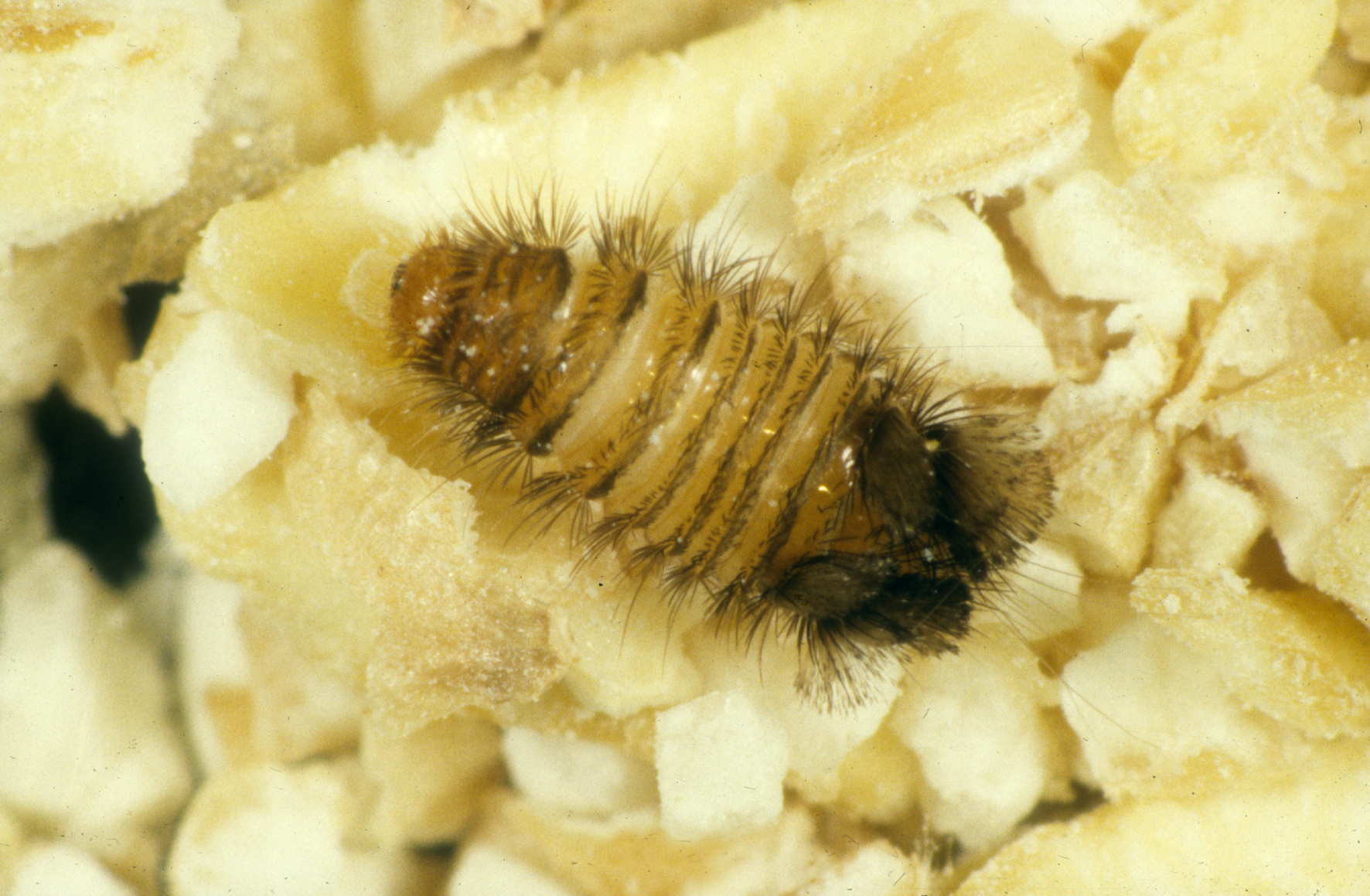 Photo Credit: division, CSIRO / Wikimedia
In the quiet corners of our homes and the sun-dappled patches of woodlands, the carpet beetle, scientifically known as Anthrenus verbasci, goes about its tiny yet impactful life. These small insects, measuring just 1 to 5 millimeters, are often overlooked, but their presence is felt in the delicate balance of nature. With their oval-shaped bodies adorned in a patchwork of colors, including black, brown, and yellow, carpet beetles are not just another bug; they are scavengers that play a vital role in breaking down organic materials. This ability to recycle nutrients makes them fascinating to scientists and nature enthusiasts alike.
Imagine a carpet beetle flitting through a sunlit room, its tiny wings carrying it from one cozy nook to another. As it explores, it searches for food, particularly drawn to natural fibers like wool and silk. This diet may seem peculiar, but it highlights the beetle’s adaptability and resourcefulness. While they may be small, carpet beetles are part of a larger story about life on Earth, showcasing how even the tiniest creatures can have a significant impact on their ecosystems. In this article, we will dive deeper into the world of carpet beetles, exploring their behaviors, life cycles, and the surprising ways they interact with humans and the environment.
Carpet beetles are intriguing members of the animal kingdom, nestled within the vast and diverse tree of life. They belong to the family Dermestidae, which is known for its scavenging habits. These small insects, often found in homes, are not just pests; they play a significant role in the ecosystem by helping to break down organic materials. Their ability to thrive in various environments and their unique life cycle, which includes a larval stage that can cause damage to fabrics, sets them apart in the world of insects.
| Taxonomic Rank | Scientific Name | Meaning & Significance |
|---|---|---|
| Kingdom | Animalia | This name signifies that carpet beetles are part of the animal kingdom, which includes all multicellular organisms that are not plants or fungi. |
| Phylum | Arthropoda | Derived from Greek, meaning “jointed legs,” this classification highlights the beetle’s segmented body and jointed appendages, a common feature among insects. |
| Class | Insecta | This term comes from the Latin word for “cut,” referring to the segmented body structure of insects, which is a defining characteristic of this class. |
| Order | Coleoptera | Meaning “sheath wing,” this name describes the hard outer wings that protect the beetle’s delicate flying wings underneath, a feature that distinguishes beetles from other insects. |
| Family | Dermestidae | This name comes from the Greek word “derma,” meaning skin, and “esthio,” meaning to eat. It reflects the beetles’ diet, which often includes animal materials like fur and feathers. |
| Genus | Anthrenus | Derived from the Greek word “anthrax,” meaning coal or charcoal, this name is linked to the dark coloration of many species within this genus. |
Understanding the taxonomic classification of carpet beetles reveals much about their evolutionary journey. As members of the Arthropoda phylum, they share a common ancestry with a vast array of other invertebrates, showcasing the incredible diversity of life forms that have adapted to various ecological niches. Their classification within the Dermestidae family highlights their role as recyclers in nature, emphasizing their importance in breaking down organic matter. This evolutionary history not only illustrates their adaptability but also their significance in maintaining the balance of ecosystems.
The evolutionary journey of carpet beetles stretches back millions of years, tracing their lineage to ancient ancestors that roamed the Earth during the time of the dinosaurs. These small but resilient insects belong to the family Dermestidae, which has adapted and thrived through various environmental changes. As they evolved, carpet beetles developed unique traits that allowed them to exploit a wide range of habitats and food sources, ensuring their survival in a constantly shifting world.
The ancestors of carpet beetles were likely similar to other early beetles, with simple body structures and basic feeding habits. Over time, they underwent significant changes, including the development of specialized mouthparts that allowed them to feed on a variety of organic materials. This adaptability was crucial as it enabled them to consume not just plant matter but also animal products, such as wool and feathers. As they diversified, carpet beetles began to exhibit a range of colors and patterns, which may have helped them blend into their surroundings, providing protection from predators.
These evolutionary adaptations have played a vital role in the carpet beetle’s success. By developing the ability to consume a wide range of organic materials, they have become efficient scavengers, thriving in diverse environments. Their coloration and small size provide essential camouflage, helping them evade predators. Together, these traits have allowed carpet beetles to persist through changing climates and ecosystems, making them a fascinating example of nature’s resilience and adaptability.
Carpet beetles are small yet captivating insects that often go unnoticed in our homes. Their bodies are oval-shaped and compact, typically measuring about 1 to 5 millimeters in length. With a hard exoskeleton, which is the tough outer covering that protects their bodies, they exhibit a variety of colors and patterns that can range from black to brown, often adorned with striking yellow or white scales. This combination of size and coloration gives them a somewhat unassuming appearance, allowing them to blend into their surroundings, which is a clever survival tactic.
| Feature | Description |
|---|---|
| Size | 1 to 5 millimeters in length |
| Color | Black, brown, with yellow or white scales |
| Skin Type | Exoskeleton, providing protection |
| Body Shape | Oval and compact |
The features of carpet beetles work together in a remarkable way to enhance their survival. Their small size allows them to hide in tiny crevices, while their exoskeleton shields them from predators and environmental hazards. The colorful scales not only add to their camouflage but may also play a role in attracting mates. Together, these characteristics help carpet beetles thrive in various environments, from homes to gardens, showcasing the incredible adaptability of nature’s designs.
Carpet beetles thrive in a variety of environments, showcasing their adaptability and resourcefulness. You might find them in the cozy corners of your home, but they also call woodlands and forests their home. These insects enjoy places where they can find plenty of food, often hiding among the leaves, under logs, or even in the nooks of urban buildings. Their habitats are often rich in organic materials, providing the perfect setting for their life cycle.
Carpet beetles prefer environments that are warm and dry, which is why they often find their way into our homes, especially during the cooler months. They thrive in temperatures ranging from 70 to 80 degrees Fahrenheit, making cozy indoor spaces ideal for their development. These beetles are also drawn to areas with plenty of natural light, as it helps them navigate their surroundings and find food sources.
To survive in these diverse habitats, carpet beetles have developed some clever adaptations. Their ability to feed on a wide range of organic materials, such as wool, fur, and even dried plant matter, allows them to flourish in both natural and human-made environments. This flexibility in diet means they can easily find sustenance, whether in the wild or in our homes, making them resilient little survivors in the ever-changing world around them.
Carpet beetles lead a surprisingly active life, especially during the day when they are most active, a behavior known as being diurnal. These tiny insects spend their time searching for food, which primarily consists of organic materials like wool, fur, and even dried plant matter. They are often found in hidden nooks and crannies, where they can munch on their favorite snacks without being disturbed. As they scuttle about, they are also on the lookout for mates, ensuring the continuation of their species.
In terms of social behavior, carpet beetles are not particularly social creatures. They tend to be solitary, but when conditions are right, they can gather in groups, leading to what is known as an infestation. This phenomenon occurs when food sources are abundant, allowing them to thrive in numbers. While they do not communicate in the same way that social insects like bees or ants do, they can sense pheromones, which are chemical signals that help them find mates and identify suitable habitats.
| Behavior Type | Description |
|---|---|
| Activity Patterns | Carpet beetles are diurnal, meaning they are most active during the day, searching for food and mates. |
| Social Structure | Generally solitary, but can form infestations when food is plentiful, leading to gatherings. |
| Communication Methods | They use pheromones to communicate, helping them locate mates and suitable environments. |
The behaviors of carpet beetles are finely tuned to ensure their survival in a world filled with challenges. By being active during the day, they maximize their chances of finding food and mates. Their ability to gather in groups when conditions are favorable allows them to exploit resources effectively. Understanding these patterns not only highlights their adaptability but also reminds us of the intricate balance of life in our homes and the natural world.
Carpet beetles primarily follow a herbivorous diet, which means they mainly consume plant materials. These tiny insects are particularly fond of natural fibers, such as wool, silk, and cotton, which they often find in household items like clothing and carpets. They are also known to munch on pollen and nectar, making them occasional visitors to flowers. Their feeding behavior is quite opportunistic; they seek out organic materials that are rich in protein and nutrients, which help them grow and develop.
| Dietary Aspect | Details |
|---|---|
| Diet Type | Herbivore |
| Favorite Foods | Natural fibers like wool, silk, and cotton; pollen and nectar from flowers |
| Prey Items | None, as they do not consume other animals |
| Hunting/Foraging Strategies | Opportunistic feeders that search for organic materials in their environment |
This diet plays a significant role in the ecology of carpet beetles. By feeding on organic materials, they help break down and recycle nutrients back into the ecosystem. Their daily routine revolves around foraging for food, which often leads them into homes where they can find plenty of materials to munch on. This scavenging behavior not only supports their life cycle but also highlights their role in the natural process of decomposition, making them important players in maintaining the balance of their habitats.
Carpet beetles have a fascinating mating ritual that takes place during the warmer months, typically in spring and summer. Males often engage in a dance-like behavior to attract females, showcasing their vibrant colors and patterns. Once a female is impressed, she will mate with the male, and this union sets the stage for the next generation. After mating, the female seeks out suitable locations to lay her eggs, often in areas where food sources for the larvae are abundant.
| Reproductive Aspect | Details |
|---|---|
| Gestation Period | About 10 days |
| Litter Size | Up to 100 eggs |
| Age of Maturity | Approximately 2 to 3 months |
| Name of Young | Larvae |
Once the eggs hatch, the young carpet beetles emerge as larvae, which are often referred to as “woolly bears” due to their fuzzy appearance. These larvae are voracious eaters, feasting on natural fibers and organic materials to fuel their growth. Interestingly, carpet beetles do not provide parental care after the eggs are laid. Instead, the larvae must fend for themselves, navigating their environment to find food and shelter. As they grow, they undergo several molts, shedding their skin to accommodate their increasing size. Eventually, they pupate, transforming into adults ready to continue the cycle of life.
Carpet beetles play a subtle yet important role in the food web. As scavengers, they help break down organic materials, contributing to nutrient cycling in their ecosystems. However, their small size makes them vulnerable to a variety of predators, which see them as a tasty snack. This delicate balance between being a beneficial part of the environment and a target for other animals highlights the challenges they face in the wild.
To survive these threats, carpet beetles have developed several clever strategies. They often hide in dark, secluded areas, making it harder for predators to find them. Their hard exoskeletons provide some protection, while their ability to blend into their surroundings helps them avoid detection. When threatened, some species can even play dead, a tactic that can confuse predators and give them a chance to escape. These survival techniques showcase the resilience of carpet beetles in the face of danger.
A keystone species is an organism that has a disproportionately large impact on its environment relative to its abundance. This means that if it were removed, the ecosystem would change dramatically. Carpet beetles, while not typically classified as keystone species, do play a significant role in their habitats, particularly in nutrient cycling and decomposition processes.
Carpet beetles are scavengers, which means they help break down organic materials. By feeding on natural fibers and decaying plant matter, they contribute to the recycling of nutrients back into the soil. This process is vital for maintaining healthy ecosystems, as it allows for the growth of new plants and supports a variety of other organisms. For example, when carpet beetles consume dead plant material, they help create a rich environment for fungi and bacteria, which further decompose the matter and enrich the soil.
In urban areas, carpet beetles can also impact human environments. While they are often seen as pests when they infest homes, their presence indicates a larger ecological balance at play. They help control the buildup of organic waste, which can otherwise lead to mold and other issues. In woodlands and forests, their role in breaking down dead plant material supports the growth of new vegetation, which in turn provides food and habitat for other wildlife.
If carpet beetles were to disappear, the effects could ripple through their ecosystems. Without these tiny scavengers, organic materials would accumulate, leading to a decline in soil health. This could hinder plant growth, affecting not only the plants themselves but also the animals that rely on them for food and shelter. The balance of the ecosystem would be disrupted, showcasing how even the smallest creatures can have a big impact on the world around us.
Carpet beetles may be small, but they play a significant role in shaping their ecosystems. These tiny insects are scavengers, meaning they help break down organic materials, which is essential for nutrient cycling. By feeding on natural fibers and decaying plant matter, carpet beetles contribute to the health of their habitats, whether in woodlands, forests, or even urban areas. Their activities help maintain the balance of life, making them important players in the intricate web of nature.
| Ecosystem Service | Impact |
|---|---|
| Nutrient Cycling | Break down organic materials, returning nutrients to the soil. |
| Scavenging | Help clean up dead plant matter, preventing the buildup of waste. |
| Food Source | Serve as prey for various birds and other insects, supporting the food web. |
| Habitat Maintenance | Contribute to the decomposition process, promoting healthy ecosystems. |
In their quest for food, carpet beetles consume a variety of materials, including wool, silk, and cotton. This diet not only helps them thrive but also plays a crucial role in the decomposition of organic matter. For example, when they feed on dead plant materials, they help break it down into smaller pieces, making it easier for other organisms, like fungi and bacteria, to further decompose it. This process enriches the soil, allowing plants to grow stronger and healthier. Additionally, carpet beetles themselves become a food source for birds and other insects, creating a vital link in the food chain.
The broader ecological importance of carpet beetles cannot be overstated. By participating in nutrient cycling and scavenging, they help maintain the health of their ecosystems. Their presence ensures that organic materials are recycled, which supports plant growth and sustains other wildlife. Without these industrious little beetles, the balance of their habitats could be disrupted, leading to a decline in biodiversity. So, the next time you spot a carpet beetle, remember that this small insect is a mighty contributor to the natural world!
Symbiosis is a fascinating concept in nature that describes how different species interact and depend on one another. These relationships can take many forms, including mutualism, where both species benefit, parasitism, where one benefits at the other’s expense, and commensalism, where one benefits while the other is neither helped nor harmed. Carpet beetles, though small, engage in various ecological relationships that highlight the complexity of life in their habitats, from woodlands to urban areas.
| Species/Type | Relationship Type | Description |
|---|---|---|
| Moths | Parasitic | Carpet beetles can infest moth larvae, feeding on their organic materials, which can harm the moth population. |
| Fungi | Mutualistic | Carpet beetles help break down decaying plant matter, which in turn provides nutrients for fungi, promoting their growth. |
| Other Insects | Commensal | Carpet beetles may share habitats with other insects, benefiting from the organic debris left behind without affecting them. |
These relationships have evolved over time, shaped by the needs and behaviors of the species involved. For instance, the parasitic relationship with moths allows carpet beetles to thrive on available resources, while their mutualistic interactions with fungi contribute to nutrient cycling in their ecosystems. By breaking down organic materials, carpet beetles not only sustain themselves but also support the growth of other organisms, showcasing the interconnectedness of life. Understanding these dynamics helps us appreciate the delicate balance of nature and the roles each species plays in maintaining it.
Carpet beetles may be small, but they are packed with surprises that can intrigue nature lovers of all ages. These little insects have a rich history and fascinating behaviors that often go unnoticed.
Carpet beetles have been part of human history for centuries, often weaving their way into our homes and stories. These small insects, belonging to the family Dermestidae, have cultural significance in various societies. In some cultures, they symbolize resilience and adaptability, reflecting their ability to thrive in diverse environments. Historically, carpet beetles have been both a nuisance and a curiosity, prompting people to learn more about their habits and life cycles. Their presence in ancient textiles and artifacts has even led to studies in entomology, the scientific study of insects, revealing how these tiny creatures have influenced human life.
In modern times, our interactions with carpet beetles have evolved. While they are still known for causing damage to fabrics and stored goods, they also play a role in conservation efforts. By breaking down organic materials, carpet beetles contribute to nutrient cycling, which is essential for healthy ecosystems. However, this relationship can sometimes lead to conflict, especially when they invade homes and damage valuable items. As we learn more about their behavior and life cycles, some researchers are exploring ways to manage their populations without harming the environment, highlighting the delicate balance between humans and these tiny scavengers.
As we look to the future, the relationship between carpet beetles and humanity will likely continue to evolve. With increasing awareness of biodiversity and the importance of every species, there may be more efforts to coexist with these insects rather than eradicate them. By understanding their ecological roles and finding ways to manage their populations responsibly, we can appreciate the carpet beetle not just as a pest, but as a vital part of our natural world. This journey of discovery invites us to embrace the complexity of life, reminding us that even the smallest creatures can have a significant impact on our lives and the environment.
The conservation status of carpet beetles is currently classified as “Not Listed” by the International Union for Conservation of Nature (IUCN). This means that there is not enough information to determine their risk of extinction. While carpet beetles are common in many areas, their population trends are not well-documented, making it difficult to assess whether their numbers are increasing, decreasing, or stable.
| Conservation Factor | Status/Details |
|---|---|
| IUCN Status | Not Listed |
| Population Estimates | Not well-documented |
| Trend Direction | Unknown |
Despite their common presence, carpet beetles face several threats that could impact their populations. One of the main challenges they encounter is habitat loss, primarily due to urbanization and changes in land use. As humans expand cities and develop land for agriculture, the natural environments that carpet beetles rely on can be destroyed or altered. Additionally, the use of pesticides in homes and gardens can pose a significant risk, as these chemicals can kill not only pests but also beneficial insects like carpet beetles.
Conservation efforts for carpet beetles are not currently a major focus, given their status as “Not Listed.” However, raising awareness about the importance of biodiversity and the roles that even small insects play in ecosystems can help foster a more supportive environment for all species. Encouraging practices that protect natural habitats and reduce pesticide use can contribute to a healthier ecosystem, benefiting carpet beetles and many other creatures. As we learn more about these tiny insects, we can better understand their place in the web of life and the importance of preserving their habitats.
| Question | Answer |
|---|---|
| Where do Carpet Beetles live? | Carpet Beetles can be found in a variety of habitats, including woodlands, forests, and even urban areas. They often prefer places where they can find food sources, such as homes with carpets, fabrics, and stored food. |
| What do Carpet Beetles eat? | Carpet Beetles are herbivores, meaning they primarily feed on plant materials. They are particularly fond of pollen, dried flowers, and even the fibers found in carpets and clothing, which can sometimes lead to damage in homes. |
| What is the behavior of Carpet Beetles? | Carpet Beetles are generally nocturnal, which means they are most active at night. During the day, they tend to hide in dark, secluded areas, making them less visible to predators and humans. |
| How do Carpet Beetles reproduce? | Female Carpet Beetles lay eggs in areas where food is plentiful, such as on carpets or in stored fabrics. After a few weeks, the eggs hatch into larvae, which are the stage that causes most of the damage as they feed on organic materials. |
| What threats do Carpet Beetles face? | While Carpet Beetles are not currently listed as endangered, they can face threats from pesticides and habitat loss. Additionally, they are often considered pests in homes, leading to efforts to control their populations. |
| What are some interesting characteristics of Carpet Beetles? | Carpet Beetles are known for their beautiful, patterned shells, which can vary in color from black to brown and even orange. They also have a unique life cycle, transitioning from eggs to larvae to adults, with the larvae being the most destructive stage. |
| How can you prevent Carpet Beetles in your home? | To prevent Carpet Beetles, it's important to keep your home clean and free of food debris. Regular vacuuming, especially in areas with carpets and fabrics, can help remove eggs and larvae before they become a problem. |