Taxonomy & Classification
- Kingdom
- Animalia
- Phylum
- Chordata
- Class
- Reptilia
- Order
- Squamata
- Family
- Viperidae
- Genus
- Crotalus
- Species
- Crotalus durissus

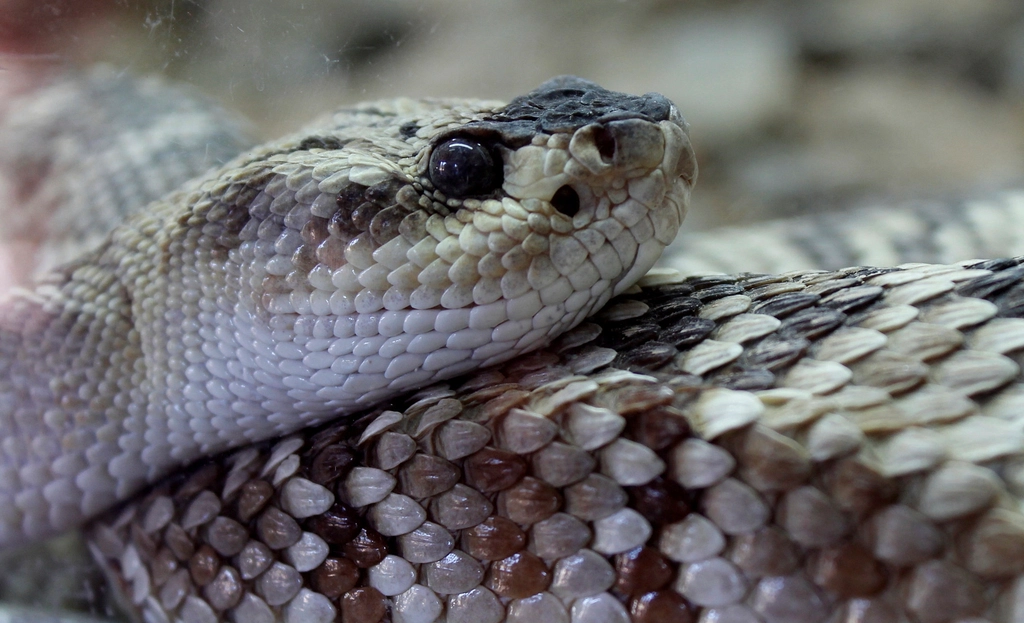 Photo Credit: Rawpixel
In the sun-drenched landscapes of the American Southwest, the Cascabel, scientifically known as Crotalus, weaves its way through the arid terrain, a master of camouflage and survival. With its long, slender body adorned in a patchwork of earthy tones, this rattlesnake blends seamlessly into the rocky outcrops and scrublands that define its habitat. The Cascabel’s most distinctive feature, its iconic rattle, serves not only as a warning to potential threats but also as a fascinating tool for communication among its kind. This unique adaptation has captivated scientists and nature enthusiasts alike, sparking curiosity about the evolutionary advantages it provides.
As dusk falls, the Cascabel comes alive, slithering silently across the ground in search of food. Its keen senses, including heat-sensing pits located between its eyes and nostrils, allow it to detect the faintest movements of prey, such as small rodents and lizards. This nocturnal lifestyle adds an air of mystery to the Cascabel, as it navigates its world under the cover of darkness. With a role that balances predator and prey, the Cascabel is not just a striking inhabitant of its ecosystem; it is a vital player in the intricate web of life that sustains the delicate balance of its environment. Join us as we explore the captivating life of the Cascabel, uncovering the secrets of its behavior, diet, and the important role it plays in the natural world.
Cascabel, known scientifically as Crotalus, occupies a significant position in the tree of life, showcasing the incredible diversity of the animal kingdom. This genus includes the rattlesnakes, which are famous for their distinctive rattles and potent venom. What sets Cascabel apart is not just its striking appearance but also its evolutionary adaptations that have allowed it to thrive in various environments. With a lineage that stretches back millions of years, these reptiles are a testament to the power of natural selection and the intricate web of life on Earth.
| Taxonomic Rank | Scientific Name | Meaning & Significance |
|---|---|---|
| Kingdom | Animalia | This name signifies that Cascabel belongs to the broad group of multicellular organisms that are heterotrophic, meaning they consume organic material for energy. |
| Phylum | Chordata | Chordata refers to animals that have a notochord, a flexible rod that supports the body. In vertebrates like Cascabel, this structure develops into the spine. |
| Class | Reptilia | Reptilia indicates that Cascabel is a reptile, characterized by scaly skin and the ability to lay eggs on land, a significant adaptation for life on dry land. |
| Order | Squamata | Squamata means “scaly,” highlighting the presence of scales that protect the skin and help in locomotion, a key feature for snakes like Cascabel. |
| Family | Viperidae | Viperidae refers to the family of vipers, known for their long, hinged fangs that allow them to deliver venom deep into their prey, a crucial hunting adaptation. |
| Genus | Crotalus | Crotalus is derived from the Greek word for “rattle,” which directly relates to the unique rattle at the end of the tail, used as a warning signal to potential threats. |
Understanding Cascabel’s classification reveals much about its evolutionary journey. As a member of the Viperidae family, it shares common traits with other venomous snakes, showcasing adaptations that have evolved over time for hunting and self-defense. The rattle, a defining feature of the genus Crotalus, not only serves as a warning to predators but also highlights the intricate relationship between survival and adaptation in the wild. This classification helps us appreciate the complex history of life on Earth, where each species plays a vital role in the ecosystem.
The evolutionary journey of the Cascabel, or Crotalus, stretches back millions of years, tracing its lineage through the complex tapestry of life on Earth. This genus, part of the Viperidae family, has adapted and thrived in various environments, showcasing a remarkable ability to survive and evolve. The story of the Cascabel is one of transformation, where ancient ancestors gradually developed traits that would help them navigate the challenges of their habitats.
Crotalus can be traced to early viperids, which emerged during the late Eocene epoch, around 34 to 56 million years ago. These ancestral snakes were already equipped with some of the key features that would define their descendants. Over time, as the climate and ecosystems changed, so did the Cascabel. One major transition was the development of the rattle, a unique adaptation that serves as a warning signal to potential threats. This feature likely evolved as a survival mechanism, allowing the snakes to avoid confrontation and increase their chances of survival. Additionally, the evolution of heat-sensing pits, which allow them to detect warm-blooded prey, marked another significant step in their adaptation to hunting.
These adaptations have been crucial for the survival of the Cascabel in diverse environments, from arid deserts to lush forests. The rattle not only serves as a warning but also helps them avoid unnecessary conflicts, while their heat-sensing abilities enhance their hunting prowess. Venom allows them to subdue prey swiftly, and their camouflage keeps them hidden from both predators and unsuspecting meals. Together, these evolutionary traits have enabled the Cascabel to thrive in a world full of challenges, showcasing the incredible power of adaptation in the natural world.
The Cascabel, a striking member of the rattlesnake family, presents a captivating sight that commands attention. Its elongated body, often reaching impressive lengths, is adorned with a series of distinctive scales that shimmer in the light. The overall impression is one of both beauty and danger, as its vibrant colors and patterns serve as a warning to potential threats. With a robust structure, the Cascabel is built for both stealth and power, making it a formidable predator in its environment.
| Feature | Description |
|---|---|
| Size | Typically ranges from 3 to 6 feet long, with some individuals growing even larger. |
| Color | Often features a mix of earthy tones, including browns, tans, and greens, which help it blend into its surroundings. |
| Skin Type | Covered in tough, protective scales that provide both camouflage and defense against predators. |
| Pattern | Displays intricate patterns, including bands and spots, which enhance its ability to remain hidden in rocky or desert landscapes. |
These physical features work together in a remarkable way to ensure the Cascabel’s survival. The combination of size and coloration allows it to blend seamlessly into its environment, making it a master of ambush hunting. Its scales not only protect it from the elements and potential threats but also aid in its ability to navigate through rough terrain. This blend of beauty and functionality is a testament to the intricate balance of nature, where every characteristic plays a vital role in the life of this extraordinary snake.
The Cascabel, a fascinating member of the rattlesnake family, thrives in a variety of habitats that paint a vivid picture of its natural world. Picture dry lowlands where the sun beats down, scrublands filled with hardy shrubs, and expansive savannas that stretch as far as the eye can see. These environments are often dotted with rocky outcrops and sparse vegetation, providing the perfect backdrop for this intriguing snake. The Cascabel’s home is not just a place; it’s a landscape that offers both shelter and hunting grounds.
The climate in these regions is typically warm and dry, with plenty of sunshine. The Cascabel prefers areas that experience low rainfall, which helps maintain the arid conditions it thrives in. These snakes are often found on drier mountain slopes, where the temperature can fluctuate between hot days and cooler nights. This climate allows the Cascabel to bask in the sun during the day and seek refuge in the cool earth or under rocks when the heat becomes too intense.
Adaptation is key to the Cascabel’s survival in these specific habitats. Its coloration often blends seamlessly with the earthy tones of its surroundings, providing excellent camouflage against predators and prey alike. The Cascabel has also developed a unique hunting strategy, using its heat-sensing pits to detect warm-blooded animals even in the dim light of dawn or dusk. This ability, combined with its swift movements and potent venom, makes it a skilled predator in the challenging environments it calls home.
The daily life of a Cascabel, or Crotalus, unfolds under the cloak of night. As a nocturnal creature, it comes alive when the sun sets, slithering through its habitat in search of food and adventure. During the cooler hours, the Cascabel hunts for small mammals, birds, and even insects, using its keen sense of smell and heat-sensing pits to locate prey. This snake is not just a passive observer of its surroundings; it actively engages with the world, using its rattle as a warning signal to potential threats.
While the Cascabel is primarily solitary, it does exhibit interesting behaviors when it comes to social interactions. During the mating season, males may engage in combat to win the attention of females, showcasing their strength and agility. Outside of this period, however, they prefer to keep to themselves, navigating their territories alone. This solitary lifestyle allows them to be stealthy hunters, minimizing competition for food and reducing the risk of predation.
| Behavior Type | Description |
|---|---|
| Activity Patterns | Nocturnal hunting, primarily active at night to avoid daytime heat. |
| Social Structure | Solitary outside of mating season, with males competing for females. |
| Communication Methods | Uses rattling as a warning signal to deter threats and communicate with others. |
The behaviors of the Cascabel are finely tuned to ensure its survival in the wild. By being nocturnal, it avoids the heat of the day, which helps conserve energy and reduces water loss. Its solitary nature allows it to be a stealthy predator, while its rattle serves as an effective defense mechanism. Together, these traits not only enhance its hunting success but also protect it from potential dangers, making the Cascabel a master of its nighttime domain.
The Cascabel, a carnivorous snake, has a diet that primarily consists of small rodents, lizards, and birds. This diet is not just a matter of chance; it reflects the snake’s role as a predator in its ecosystem. With its keen senses and specialized hunting techniques, the Cascabel is well-equipped to locate and capture its prey, often using ambush tactics to surprise unsuspecting animals.
| Dietary Aspect | Details |
|---|---|
| Diet Type | Carnivore |
| Favorite Foods | Small rodents, lizards, and birds |
| Prey Items | Field mice, small lizards, and various bird species |
| Hunting/Foraging Strategies | Ambush tactics, using camouflage and patience to surprise prey |
The Cascabel’s diet plays a crucial role in shaping its ecology and daily routine. By preying on small mammals and reptiles, it helps control their populations, maintaining a balance in its habitat. This not only supports the health of the ecosystem but also influences the Cascabel’s behavior, as it must constantly adapt its hunting strategies to the availability of prey. Each night, as it ventures out in search of food, the Cascabel contributes to the intricate web of life that surrounds it, showcasing the interconnectedness of all living things.
When it comes to mating, the Cascabel, or Crotalus, engages in a fascinating courtship ritual. During the breeding season, which typically occurs in the spring, males will compete for the attention of females. They may engage in a dance-like display, where they intertwine their bodies and rattle their tails to show off their strength and vitality. This vibrant display is not just for show; it helps females choose the healthiest mates, ensuring that the next generation has the best chance of survival.
| Reproductive Aspect | Details |
|---|---|
| Gestation Period | Approximately 90 to 100 days |
| Litter Size | Typically 5 to 15 neonates |
| Age of Maturity | About 2 to 3 years |
| Name of Young | Neonate |
After the gestation period, which lasts around 90 to 100 days, the female Cascabel gives birth to a litter of neonates, usually numbering between 5 to 15. These young snakes are born live, a trait known as viviparity, meaning they develop inside the mother rather than in eggs. Once born, the neonates are independent and must quickly learn to hunt and survive on their own. The mother provides no further care, but the young are equipped with instincts and skills that help them thrive in their environment. As they grow, they will reach maturity in about 2 to 3 years, ready to continue the cycle of life in the wild.
The Cascabel, or Crotalus, plays a crucial role in its ecosystem, sitting comfortably in the middle of the food web. As a predator, it helps control populations of small mammals, lizards, and birds, ensuring a balance in its environment. However, this striking rattlesnake is not without its own set of challenges. It faces various threats that can impact its survival, making it a vital player in the ongoing dance of life and death in nature.
To defend itself against these threats, the Cascabel has developed several survival strategies. Its distinctive rattle serves as a warning signal, alerting potential predators to its presence and discouraging them from approaching. When threatened, it can also adopt a defensive posture, coiling its body and displaying its fangs, which are capable of delivering a potent venom. This venom not only helps the Cascabel subdue its prey but also acts as a deterrent against larger threats. By using these clever tactics, the Cascabel navigates the dangers of its world, showcasing the resilience of life in the wild.
A keystone species is an organism that has a disproportionately large impact on its environment relative to its abundance. In simpler terms, if you remove a keystone species from an ecosystem, it can cause significant changes, often leading to the collapse of that ecosystem. The Cascabel, or Crotalus, qualifies as a keystone species due to its vital role in maintaining the balance of its habitat.
The Cascabel is a carnivorous predator that primarily feeds on small rodents, lizards, and birds. By controlling the populations of these animals, the Cascabel helps prevent overgrazing and overpopulation, which can lead to habitat degradation. For example, if rodent populations were to explode without the Cascabel’s predation, they could consume vast amounts of vegetation, disrupting the entire food web. This balance is crucial for the health of the scrublands and savannas where the Cascabel resides.
Moreover, the Cascabel serves as prey for larger predators, such as hawks and coyotes. This means that it not only influences the populations of its prey but also supports the species that rely on it for food. The presence of the Cascabel can enhance biodiversity, as it contributes to a complex web of interactions among various species in its ecosystem.
If the Cascabel were to disappear, the consequences could be dire. Without this snake, rodent populations could surge, leading to the depletion of vegetation. This, in turn, would affect other species that rely on those plants for food and shelter. The ripple effects could destabilize the entire ecosystem, demonstrating just how crucial the Cascabel is to the health and balance of its environment.
The Cascabel, or Crotalus, plays a vital role in shaping its ecosystem, acting as both predator and prey. This fascinating snake thrives in dry lowlands, scrublands, and savannas, where it contributes to the balance of life. By controlling populations of small mammals and lizards, the Cascabel helps maintain the health of its environment. Its nocturnal lifestyle allows it to hunt effectively under the cover of darkness, making it a key player in the intricate web of life.
| Ecosystem Service | Impact |
|---|---|
| Population Control | Regulates numbers of small mammals and lizards, preventing overpopulation. |
| Food Source | Serves as prey for larger predators, contributing to the food web. |
| Nutrient Cycling | Through its predation, it helps recycle nutrients back into the soil. |
| Habitat Structure | Influences the distribution of plant species by controlling herbivore populations. |
The Cascabel’s influence extends beyond its immediate hunting grounds. For instance, by preying on rodents, it helps keep their populations in check, which in turn affects the vegetation in its habitat. When rodent numbers are high, they can overgraze plants, leading to a decline in plant diversity. Additionally, the Cascabel itself becomes a food source for larger animals, such as hawks and coyotes, creating a ripple effect throughout the ecosystem. This interconnectedness highlights how the presence of the Cascabel can lead to a healthier, more balanced environment.
In a broader ecological context, the Cascabel is considered a keystone species, meaning its role is crucial for the stability of its ecosystem. If this snake were to disappear, the consequences could be severe, leading to unchecked populations of its prey and a subsequent decline in plant life. This delicate balance showcases the importance of every species, no matter how small, in maintaining the intricate tapestry of life on our planet. The Cascabel reminds us that each creature plays a part in the grand story of nature, and protecting these species is essential for the health of our ecosystems.
In the intricate web of life, symbiosis refers to the close interactions between different species, which can take on various forms. These relationships can be mutualistic, where both species benefit, parasitic, where one benefits at the expense of the other, or commensal, where one benefits while the other is neither helped nor harmed. Understanding these connections helps us appreciate the delicate balance of ecosystems and the roles that different organisms play within them.
| Species/Type | Relationship Type | Description |
|---|---|---|
| Birds (e.g., Ground Squirrels) | Mutualistic | Ground squirrels often alert nearby birds to the presence of predators, while the birds help keep the area free of pests. |
| Ticks | Parasitic | Ticks attach to the Cascabel to feed on its blood, which can weaken the snake and expose it to diseases. |
| Plants (e.g., Cacti) | Commensal | Cascabels may use cacti for shelter, benefiting from the protection without affecting the plant. |
These relationships have evolved over time, shaped by the needs and behaviors of the species involved. Mutualistic partnerships, like those between ground squirrels and birds, enhance survival for both parties, while parasitic relationships, such as those with ticks, highlight the challenges that come with being a predator. Commensal relationships, like those with cacti, show how some species can thrive alongside others without causing harm. Each interaction contributes to the rich tapestry of life, demonstrating how interconnected and interdependent our natural world truly is.
The Cascabel, or Crotalus, is a captivating snake that holds many secrets within its scales. Here are some surprising facts that will intrigue nature enthusiasts of all ages.
The relationship between the Cascabel, or Crotalus, and humanity is steeped in history and cultural significance. For centuries, these striking rattlesnakes have captured the imagination of various cultures. In many Indigenous traditions, the Cascabel is revered as a symbol of power and transformation. Its distinctive rattle, a warning signal to potential threats, has been interpreted as a call to respect nature and its creatures. Historical encounters often involved both fear and fascination, as people learned to navigate the delicate balance between coexistence and caution.
Today, interactions with the Cascabel are multifaceted, reflecting both conservation efforts and conflicts. As urban areas expand into natural habitats, encounters with these snakes have become more common, leading to misunderstandings and fear. Conservationists work tirelessly to educate the public about the importance of the Cascabel in maintaining ecological balance. These snakes help control rodent populations, which can be beneficial for agriculture. However, some people still view them as threats, leading to unfortunate instances of persecution. In some regions, there are even efforts to domesticate or rehabilitate injured snakes, showcasing a growing appreciation for their role in the ecosystem.
Looking ahead, the future of the relationship between the Cascabel and humanity hinges on education and understanding. As more people become aware of the ecological roles these snakes play, there is hope for a shift in perception. By fostering a sense of respect and curiosity, we can create a world where humans and Cascabels coexist harmoniously. This journey toward coexistence will not only benefit the snakes but also enrich our own lives, reminding us of the intricate connections we share with the natural world.
The conservation status of the Cascabel, scientifically known as Crotalus, is currently classified as Least Concern by the International Union for Conservation of Nature (IUCN). This means that, at present, the species is not facing an immediate threat of extinction. Population estimates suggest that the Cascabel is relatively stable, with no significant declines reported. However, ongoing monitoring is essential to ensure that this status remains positive as environmental changes occur.
| Conservation Factor | Status/Details |
|---|---|
| IUCN Status | Least Concern |
| Population Estimates | Stable, no significant declines |
| Trend Direction | Stable |
Despite its current stable status, the Cascabel faces several threats that could impact its future. Habitat loss due to urban development and agricultural expansion poses a significant risk, as these activities can destroy the natural environments where the snakes thrive. Additionally, climate change is altering weather patterns, which may affect the availability of prey and suitable habitats. Human interactions, such as road mortality and persecution due to fear or misunderstanding, also contribute to the challenges faced by this species.
Conservation efforts are underway to protect the Cascabel and its habitats. Organizations are working to raise awareness about the importance of these snakes in their ecosystems, emphasizing their role in controlling rodent populations. Habitat preservation initiatives are crucial, as they help maintain the natural environments that support the Cascabel’s survival. With continued efforts and public support, the outlook for the Cascabel remains hopeful, allowing this fascinating snake to thrive in the wild for generations to come.
| Question | Answer |
|---|---|
| What is the habitat of the Cascabel? | The Cascabel, also known as the rattlesnake, prefers dry lowlands, scrublands, and savannas. You can also find them on drier mountain slopes, where they can bask in the sun and hunt for food. |
| What does the Cascabel eat? | This snake is a carnivore, meaning it primarily eats other animals. Its diet mainly consists of small mammals, birds, and sometimes lizards, which it captures using its quick reflexes and venomous bite. |
| How does the Cascabel behave in the wild? | Cascabels are generally solitary creatures, preferring to hunt and live alone. They are known for their distinctive rattle, which they use as a warning to potential threats, making them both fascinating and cautious animals. |
| How does the Cascabel reproduce? | Cascabels are ovoviviparous, which means they give birth to live young rather than laying eggs. The female typically gives birth to a litter of 5 to 20 baby snakes, depending on her size and health. |
| What threats do Cascabels face? | While the Cascabel is currently listed as Least Concern, they still face threats from habitat destruction and human activities. Road construction and urban development can lead to a decline in their populations as their natural habitats are altered or destroyed. |
| What are some interesting characteristics of the Cascabel? | The Cascabel is famous for its rattle, which is made of keratin, the same material as human nails. This unique feature not only serves as a warning but also adds to their mystique, making them a subject of fascination for many nature lovers. |
| How do Cascabels use their venom? | The venom of a Cascabel is primarily used to subdue prey, making it easier to consume. It also serves as a defense mechanism against predators, allowing the snake to protect itself when threatened. |