Taxonomy & Classification
- Kingdom
- Animalia
- Phylum
- Chordata
- Class
- Aves
- Order
- Casuariiformes
- Family
- Casuariidae
- Genus
- Casuarius
- Species
- Casuarius spp.

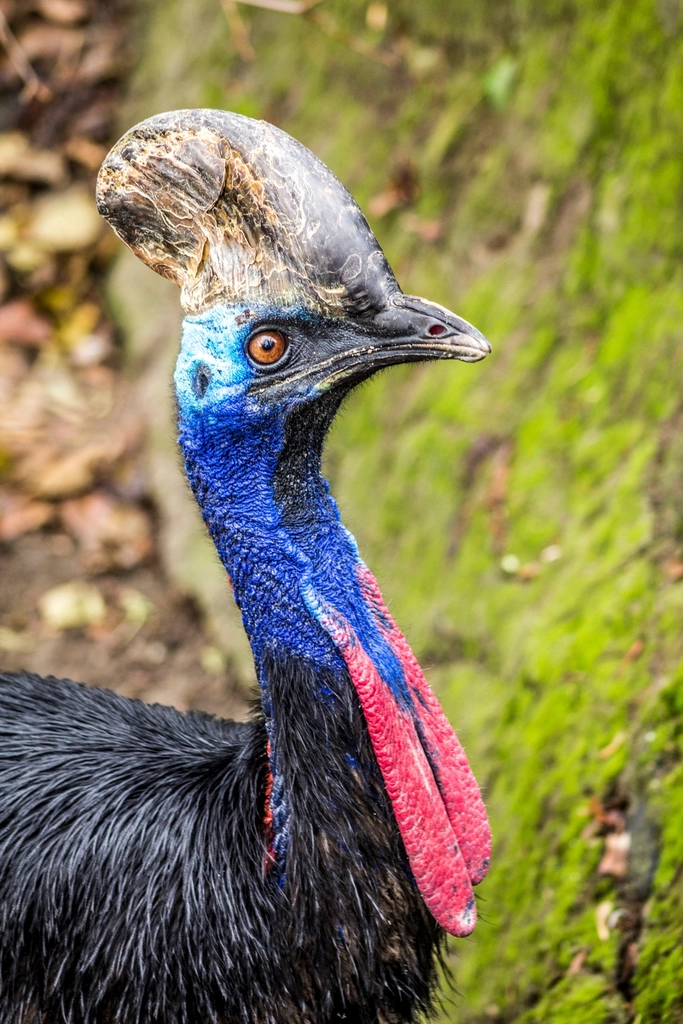 Photo Credit: Rawpixel
In the heart of the lush tropical forests of New Guinea and northern Australia, the cassowary, scientifically known as Casuarius, stands as a living testament to the wonders of evolution. This magnificent bird, often reaching heights of up to two meters, is a sight to behold with its striking blue and black plumage, a vibrant neck adorned with a bright red wattle, and a helmet-like casque atop its head. The cassowary’s powerful legs and sharp claws make it an impressive figure, capable of sprinting through dense underbrush with surprising speed. Its unique appearance and behavior have captivated scientists and nature enthusiasts alike, sparking curiosity about its role in the ecosystem and its fascinating life history.
As the sun filters through the thick canopy, casting dappled light on the forest floor, the cassowary emerges from the shadows, its presence both majestic and mysterious. This flightless bird is not just a solitary wanderer; it plays a crucial role in its environment as a keystone species. By consuming a variety of fruits and dispersing seeds throughout the forest, the cassowary helps maintain the health and diversity of its habitat. With its intriguing courtship rituals and solitary lifestyle, the cassowary invites us to explore the delicate balance of life in the rainforest, where every creature, no matter how large or small, contributes to the vibrant tapestry of nature.
The cassowary is a captivating bird that holds a special place in the tree of life. Classified within the Kingdom Animalia, it belongs to the Phylum Chordata, which includes all animals with a backbone. As a member of the Class Aves, or birds, the cassowary is part of the Order Casuariiformes, which is known for its flightless, large-bodied birds. What sets the cassowary apart is its striking appearance, featuring a vibrant blue and black plumage, a helmet-like casque on its head, and powerful legs that can deliver a swift kick. This unique combination of traits not only makes the cassowary visually stunning but also highlights its evolutionary adaptations for survival in dense tropical forests.
| Taxonomic Rank | Scientific Name | Meaning & Significance |
|---|---|---|
| Kingdom | Animalia | The name “Animalia” comes from the Latin word “animalis,” meaning “having breath” or “living.” This reflects the vital, breathing nature of all animals. |
| Phylum | Chordata | “Chordata” is derived from the Latin word “chorda,” meaning “string” or “cord,” referring to the notochord, a flexible rod that supports the body in the early stages of development in these animals. |
| Class | Aves | The term “Aves” comes from the Latin word for “bird.” This classification emphasizes the unique characteristics of birds, such as feathers and beaks. |
| Order | Casuariiformes | This name combines “Casuarius,” the genus name for cassowaries, with “formes,” meaning “shaped like.” It highlights the distinct form of these large, flightless birds. |
| Family | Casuariidae | The family name “Casuariidae” is derived from “Casuarius,” which is thought to come from an Austronesian word meaning “horned head,” referring to the cassowary’s prominent casque. |
| Genus | Casuarius | The genus name “Casuarius” is linked to the bird’s unique physical features, particularly its striking casque and colorful skin, which are key identifiers of this group. |
The classification of the cassowary reveals much about its evolutionary history. As a member of the Casuariiformes order, it shares a lineage with other flightless birds, such as emus and ostriches, indicating a fascinating journey of adaptation to life on the ground. The cassowary’s unique features, like its casque and powerful legs, suggest that it has evolved to thrive in its rainforest habitat, where it plays a crucial role in seed dispersal and maintaining the ecosystem. Understanding its taxonomic position not only highlights its biological significance but also connects us to the broader story of avian evolution and the diverse forms life can take on our planet.
The evolutionary journey of the cassowary stretches back millions of years, tracing its roots to the time when birds began to diverge from their dinosaur ancestors. This timeline places the cassowary within a lineage that has adapted to the lush, tropical forests of New Guinea and surrounding islands. As these birds evolved, they developed unique traits that helped them thrive in their specific environments, showcasing the wonders of natural selection.
The cassowary’s ancestors were part of a group of flightless birds that emerged after the age of dinosaurs. Over time, these birds adapted to their surroundings, leading to significant changes in their physical structure and behavior. One major transition was the loss of flight, which allowed them to become more robust and better suited for life on the forest floor. Their powerful legs evolved to help them navigate dense underbrush, while their large size provided protection from predators.
These adaptations have been crucial for the cassowary’s survival in the wild. Their strong legs not only enable swift movement but also help them traverse the challenging terrain of their forest habitat. The casque aids in both navigation and social interactions, while their vibrant colors play a role in attracting mates. Additionally, their ability to consume and disperse seeds supports the health of their ecosystem, showcasing how interconnected life can be. Through these evolutionary changes, the cassowary has become a vital part of its environment, demonstrating the power of adaptation in the natural world.
The cassowary is an awe-inspiring sight, standing tall and proud, often reaching heights of 1.5 to 2 meters, which is about as tall as a basketball hoop! With a weight ranging from 25 to 58.5 kilograms, this flightless bird has a robust and muscular body that gives it a powerful presence. Its striking blue and black feathers shimmer in the sunlight, while its long, slender legs are built for speed and agility. The cassowary’s most distinctive feature is its helmet-like casque on top of its head, which adds to its prehistoric appearance, making it look like a living dinosaur.
| Feature | Description |
|---|---|
| Height | 1.5m – 2m (59in – 79in) |
| Weight | 25-58.5 kg (55-129 lbs) |
| Skin Type | Feathers |
| Color | Vibrant blue and black |
| Legs | Long and powerful, designed for running |
| Casque | Helmet-like structure on the head |
The combination of these features not only makes the cassowary visually striking but also plays a crucial role in its survival. The long legs allow it to sprint through dense forests, while its feathers provide insulation and protection. The casque may help in navigating through thick vegetation or even in attracting mates. Together, these adaptations enable the cassowary to thrive in its tropical habitat, showcasing the incredible ways nature equips its inhabitants for life in the wild.
The cassowary thrives in the lush, vibrant world of wet tropical forests. Imagine a place where towering trees stretch high into the sky, their leaves forming a thick canopy that filters sunlight into a soft, dappled glow. Beneath this green roof, the air is warm and humid, filled with the sounds of chirping insects and rustling leaves. The forest floor is a rich tapestry of ferns, vines, and fallen fruits, creating a perfect playground for this extraordinary bird.
The climate in these regions is typically warm and wet, with plenty of rainfall throughout the year. This environment supports a diverse range of plant life, which is crucial for the cassowary’s diet. The bird prefers areas where it can find abundant fruits, seeds, and other vegetation. The humidity helps maintain the lushness of the forest, providing the perfect conditions for the cassowary to thrive.
Over time, the cassowary has developed remarkable adaptations to its forest home. Its strong legs and large feet are perfect for navigating the uneven terrain, allowing it to move swiftly through dense underbrush. The cassowary’s striking blue and black plumage helps it blend into the shadows of the forest, while its casque, a helmet-like structure on its head, may assist in breaking through thick foliage. These features not only help the cassowary survive but also play a vital role in its interactions with the ecosystem, as it helps disperse seeds throughout its habitat.
The cassowary leads a life that is both solitary and intriguing. Each day begins with the soft sounds of the forest waking up around it. As the sun rises, this large, flightless bird ventures out in search of food. Its diet mainly consists of fruits, seeds, and small animals, which it forages for among the dense underbrush. Cassowaries are known for their powerful legs, allowing them to run swiftly through their habitat, reaching speeds of up to 30 kilometers per hour (about 18 miles per hour). Throughout the day, they engage in activities like scratching the ground to uncover hidden snacks and using their keen eyesight to spot potential threats.
While cassowaries are primarily solitary creatures, they do have interesting social behaviors, especially during the breeding season. Males and females come together to mate, and after laying eggs, the female often leaves the male to incubate them alone. This unique arrangement means that the male takes on the role of protector and caregiver, ensuring the eggs are safe and warm. Communication among cassowaries is subtle but effective. They use a variety of sounds, from low rumbles to high-pitched calls, to express their presence and alert others to danger.
| Behavior Type | Description |
|---|---|
| Activity Patterns | Cassowaries forage for food, run swiftly, and scratch the ground to uncover hidden snacks. |
| Social Structure | Primarily solitary, with males taking care of eggs after mating. |
| Communication Methods | Use a range of sounds, including low rumbles and high-pitched calls, to communicate with each other. |
The behaviors of the cassowary are finely tuned to ensure its survival in the wild. By foraging for a diverse diet and maintaining a solitary lifestyle, it minimizes competition for resources. The male’s dedication to incubating the eggs and protecting the young highlights the importance of parental care in the species. Through their unique adaptations and social dynamics, cassowaries thrive in their lush tropical habitats, playing a vital role in the ecosystem as seed dispersers and guardians of their young.
The cassowary is an omnivore, which means it enjoys a varied diet that includes both plant and animal matter. This large, flightless bird primarily feeds on fruits, making it a key player in its ecosystem. As it roams through the dense underbrush of tropical forests, the cassowary uses its strong legs and sharp claws to forage for food. It often forages alone, using its keen eyesight to spot ripe fruits hanging from trees or lying on the forest floor. In addition to fruits, cassowaries also munch on insects, grass, and fungi, showcasing their adaptability in finding nourishment.
| Dietary Aspect | Details |
|---|---|
| Diet Type | Omnivore |
| Favorite Foods | Fruits, especially fallen ones |
| Prey Items | Insects, grass, fungi |
| Hunting/Foraging Strategies | Forages alone, uses strong legs and sharp claws to find food |
The cassowary’s diet plays a crucial role in shaping its ecology and daily routine. By consuming a variety of fruits, it helps disperse seeds throughout the forest, promoting plant growth and biodiversity. This not only benefits the cassowary but also supports the entire ecosystem. As it forages, the cassowary contributes to the health of its habitat, ensuring that the vibrant world of the tropical forest continues to thrive. Each day, as it searches for food, the cassowary embodies the delicate balance of nature, reminding us of the interconnectedness of all living things.
During the breeding season, which typically occurs from late summer to early fall, cassowaries engage in a fascinating courtship ritual. Males perform elaborate displays to attract females, showcasing their vibrant blue and black plumage. They may also produce deep booming calls that resonate through the forest, signaling their readiness to mate. Once a female selects a mate, they will engage in a brief courtship before the female lays her eggs, usually in a nest made of leaves and vegetation.
| Reproductive Aspect | Details |
|---|---|
| Gestation Period | About 50 to 60 days |
| Litter Size | Typically 3 to 5 eggs |
| Age of Maturity | Around 1.5 to 2 years |
| Name of Young | Chicks |
After the eggs are laid, the male cassowary takes on the role of a dedicated parent. He incubates the eggs for about two months, keeping them warm and safe from predators. Once the chicks hatch, they are precocial, meaning they are relatively mature and mobile right from the start. The male continues to care for them, guiding them through their early days in the forest. As the chicks grow, they learn to forage for food and navigate their lush environment, gradually developing the skills they need to thrive as independent adults. By the time they reach maturity, they will have transformed into the striking, majestic birds that roam the tropical forests, continuing the cycle of life in their vibrant habitat.
The cassowary occupies a unique position in its ecosystem, often referred to as a “keystone species.” This means that its presence and activities significantly influence the environment around it. As a large, flightless bird, the cassowary plays a crucial role in seed dispersal, helping to maintain the health of its tropical forest habitat. However, despite its size and strength, the cassowary faces various dangers that threaten its survival.
To defend themselves against these threats, cassowaries have developed impressive survival strategies. Their powerful legs can deliver a swift kick, capable of injuring potential predators. Additionally, their keen eyesight helps them spot danger from a distance, allowing them to flee or hide. When faced with threats, cassowaries often seek refuge in dense vegetation, where their dark plumage provides excellent camouflage. By using these tactics, they navigate the challenges of their environment, ensuring their continued presence in the wild.
A keystone species is an organism that plays a critical role in maintaining the structure of its ecosystem. The cassowary, a large, flightless bird native to the wet tropical forests of New Guinea, Australia, and nearby islands, qualifies as a keystone species. Its presence and activities have a profound impact on the environment, influencing the survival of many other species and the overall health of its habitat.
One of the most significant ways the cassowary affects its ecosystem is through its diet. As an omnivore, it primarily feeds on fruits, which makes it an important seed disperser. When cassowaries consume fruits, they often swallow the seeds whole. These seeds pass through their digestive system and are deposited in new locations, sometimes far from the parent plant. This process helps to promote plant diversity and allows various tree species to thrive in the forest. Without the cassowary, many of these plants might struggle to reproduce and spread.
Additionally, cassowaries help maintain the balance of their ecosystem by controlling insect populations. They forage on the forest floor, where they consume insects and small animals. This behavior not only provides food for the cassowary but also helps regulate the populations of these smaller creatures, preventing any one species from becoming too dominant.
Moreover, the cassowary’s presence supports a variety of other wildlife. Many animals rely on the fruits and seeds that cassowaries help disperse. For example, smaller birds and mammals benefit from the increased availability of food sources, which can lead to a more diverse and stable ecosystem.
If cassowaries were to disappear from their ecosystems, the consequences would be significant. Many plant species that rely on them for seed dispersal could decline, leading to reduced biodiversity. This decline would ripple through the food web, affecting not only the plants but also the animals that depend on them for shelter and food. The overall health of the tropical forest would suffer, demonstrating just how vital the cassowary is to its environment.
The cassowary occupies a vital ecological niche in the wet tropical forests where it resides. As a large, flightless bird, it plays a significant role in its environment, influencing the health and diversity of the ecosystem. By foraging for fruits and other plant materials, the cassowary helps to disperse seeds, ensuring that various plant species can thrive and grow. This process not only supports the forest’s biodiversity but also contributes to the overall stability of the ecosystem.
| Ecosystem Service | Impact |
|---|---|
| Seed Dispersal | Helps in the growth of various plant species by spreading seeds through its droppings. |
| Forest Regeneration | Encourages the regeneration of the forest by promoting plant diversity. |
| Habitat Creation | Provides shelter and food for other species through its foraging activities. |
| Soil Enrichment | Contributes to soil health with nutrient-rich droppings. |
The cassowary’s influence on its environment is profound. For instance, when it consumes fruits, it often swallows seeds whole. As these seeds pass through its digestive system, they are deposited in new locations, ready to sprout into new plants. This behavior is crucial for many tree species that rely on the cassowary for their reproduction. Additionally, the cassowary’s foraging habits help to clear the forest floor, allowing sunlight to reach the ground and promoting the growth of smaller plants and seedlings. This creates a vibrant habitat for countless other organisms, from insects to small mammals.
The broader ecological importance of the cassowary cannot be overstated. As a keystone species, its presence is essential for maintaining the balance of its tropical forest ecosystem. Without the cassowary, many plant species would struggle to reproduce, leading to a decline in forest diversity. This, in turn, would affect the myriad of animals that depend on these plants for food and shelter. By understanding the cassowary’s role, we can appreciate the intricate web of life that exists in these lush environments and the importance of protecting such remarkable ecosystems.
In the intricate web of life, symbiosis refers to the close interactions between different species, which can take many forms. These relationships can be mutualistic, where both species benefit, parasitic, where one benefits at the other’s expense, or commensal, where one benefits while the other is neither helped nor harmed. The cassowary, a striking bird of the wet tropical forests, engages in various ecological partnerships that highlight the interconnectedness of nature.
| Species/Type | Relationship Type | Description |
|---|---|---|
| Fruit-bearing trees | Mutualistic | The cassowary helps disperse the seeds of these trees through its droppings, promoting forest growth while enjoying the fruits as food. |
| Small insects | Commensal | Insects may find shelter in the feathers of the cassowary, gaining protection without affecting the bird. |
| Parasites (like ticks) | Parasitic | Ticks can latch onto the cassowary, feeding on its blood, which can harm the bird if the infestation is severe. |
These relationships have evolved over time, shaped by the needs and behaviors of the species involved. The cassowary’s role as a seed disperser is particularly vital, as it helps maintain the health of its forest habitat. By eating fruits and excreting the seeds, the cassowary ensures that new plants can grow, creating a thriving ecosystem. Meanwhile, the presence of insects and parasites illustrates the complexity of life, where even the smallest creatures play a part in the grand tapestry of nature. Understanding these connections deepens our appreciation for the delicate balance that sustains life in the wild.
The cassowary is a fascinating bird that often surprises those who learn about it. With its striking appearance and unique behaviors, this flightless giant is more than just a pretty face in the rainforest. Here are some intriguing facts that showcase the cassowary’s remarkable traits and ecological importance.
The cassowary has long captivated human imagination, woven into the cultural fabric of the regions it inhabits. Indigenous peoples of New Guinea and surrounding islands regard this striking bird as a symbol of strength and resilience. In some cultures, cassowary feathers are used in ceremonial attire, while their presence in folklore often represents the wild and untamed spirit of the rainforest. Historical encounters between humans and cassowaries have been marked by both reverence and fear, as these large birds are known for their powerful legs and sharp claws, which can deliver a formidable kick if threatened.
Today, the relationship between cassowaries and humans is complex and multifaceted. As habitats shrink due to deforestation and urban development, cassowaries often find themselves in conflict with human activities. Conservation efforts are underway to protect these magnificent birds and their habitats, emphasizing the importance of preserving the lush tropical forests they call home. However, as cassowaries venture into human-populated areas in search of food, they can sometimes cause damage to gardens and crops, leading to tensions between wildlife and local communities. While domestication of cassowaries is not common, there is growing interest in understanding their behavior and ecology to foster coexistence.
As we look to the future, the relationship between cassowaries and humanity holds both challenges and opportunities. With increased awareness of the ecological importance of these birds, there is hope for more effective conservation strategies that benefit both cassowaries and local communities. By fostering a deeper understanding of their role in the ecosystem and promoting coexistence, we can ensure that future generations will continue to marvel at the beauty and significance of the cassowary in our world.
The cassowary, a striking bird known for its vibrant colors and impressive stature, currently holds a conservation status of “Least Concern” according to the International Union for Conservation of Nature (IUCN). This means that, at present, the species is not facing an immediate threat of extinction. However, population trends can vary by region, and while some areas may see stable numbers, others may experience declines due to various environmental pressures.
| Conservation Factor | Status/Details |
|---|---|
| IUCN Status | Least Concern |
| Population Estimates | Exact numbers are difficult to determine, but populations are generally stable in some regions. |
| Trend Direction | Varies by location; some populations are stable while others may be declining. |
Despite its current status, the cassowary faces significant threats that could impact its future. Habitat loss is one of the primary concerns, as deforestation and land development reduce the lush tropical forests where these birds thrive. Additionally, road traffic poses a danger, as cassowaries often cross roads in search of food or mates, leading to fatal accidents. Invasive species, such as feral pigs, can also disrupt their nesting sites and compete for food resources.
Conservation efforts are underway to protect the cassowary and its habitat. Organizations are working to preserve the rainforests that are crucial for the bird’s survival, while also raising awareness about the importance of this unique species. Community engagement is key, as local populations are encouraged to participate in conservation initiatives. With continued efforts and a focus on habitat protection, there is hope that the cassowary will maintain its presence in the wild for generations to come.
| Question | Answer |
|---|---|
| What is the habitat of the cassowary? | Cassowaries live in wet tropical forests, which are lush and filled with a variety of plants. These birds prefer areas with dense vegetation where they can find food and shelter from predators. |
| What do cassowaries eat? | Cassowaries are omnivores, meaning they eat both plants and animals. Their diet mainly consists of fruits, seeds, and small animals, which they find while foraging on the forest floor. |
| How do cassowaries behave in the wild? | Cassowaries are generally solitary creatures, preferring to roam alone rather than in groups. They are known for their strong territorial instincts and can be quite protective of their space. |
| How do cassowaries reproduce? | Cassowaries typically mate during the rainy season. After mating, the female lays eggs, which the male incubates for about 50 days, taking care of the chicks once they hatch. |
| What threats do cassowaries face? | While cassowaries are currently listed as Least Concern, they face threats from habitat loss due to deforestation and human encroachment. Additionally, they can be vulnerable to vehicle strikes and predation by introduced species. |
| What are some interesting characteristics of cassowaries? | Cassowaries are known for their striking appearance, featuring a bright blue and black plumage and a helmet-like casque on their heads. They are also one of the heaviest bird species, capable of running at speeds up to 30 miles per hour! |
| Can cassowaries be dangerous to humans? | Yes, cassowaries can be dangerous if they feel threatened. They have powerful legs and sharp claws that can inflict serious injuries, so it’s best to admire them from a safe distance. |