Taxonomy & Classification
- Kingdom
- Animalia
- Phylum
- Chordata
- Class
- Aves
- Order
- Passeriformes
- Family
- Bombycillidae
- Genus
- Bombycilla
- Species
- Bombycilla cedrorum

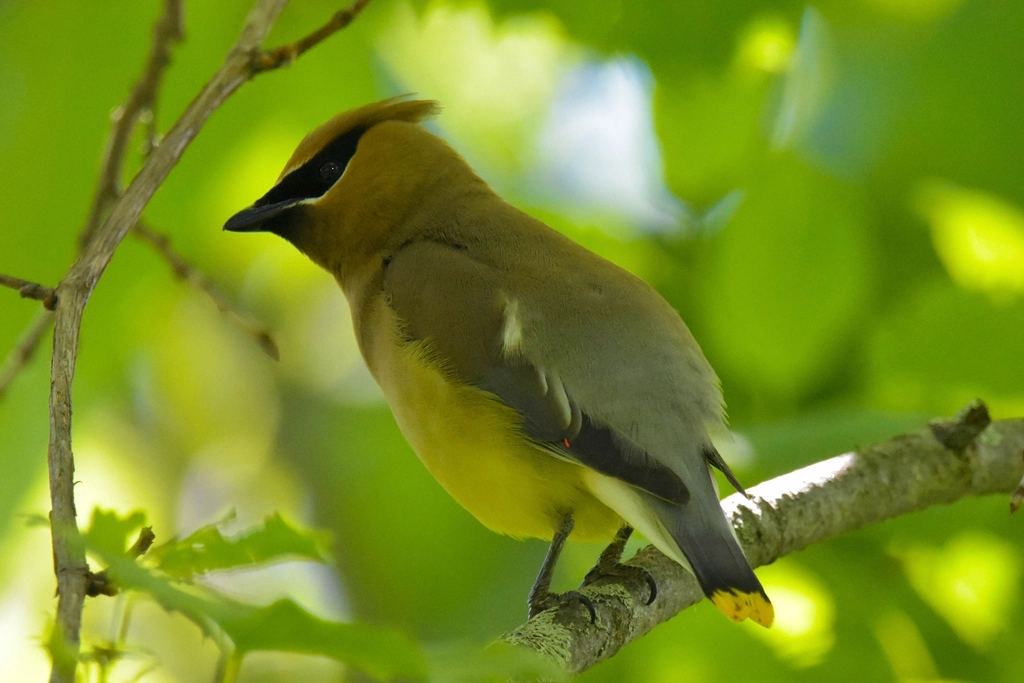 Photo Credit: Rawpixel
In the heart of lush woodlands, where sunlight filters through the leaves, the Cedar Waxwing, scientifically known as Bombycilla cedrorum, flits gracefully among the branches. With its sleek, plump body and a striking crest that resembles a stylish hat, this bird is a true gem of the avian world. Its soft, warm colors of tan and yellow blend beautifully with the natural surroundings, while the black mask around its eyes adds a touch of mystery. What truly captivates both scientists and nature enthusiasts alike is the Cedar Waxwing’s social nature and its love for fruit, particularly berries. Watching a flock of these birds swoop and dive in unison is like witnessing a choreographed dance in the sky.
As they gather in groups, the Cedar Waxwings create a lively atmosphere, their cheerful calls echoing through the trees. These birds are not just beautiful; they play a vital role in their ecosystem. By feasting on fruits and dispersing seeds, they help plants thrive and grow. Their unique feeding habits and social behaviors make them a fascinating subject of study, revealing the intricate connections between species in the wild. Join us as we explore the enchanting world of the Cedar Waxwing, uncovering its habits, habitats, and the important role it plays in the natural landscape.
The Cedar Waxwing is a captivating bird that holds a special place in the animal kingdom. Taxonomically, it belongs to the Kingdom Animalia, which includes all animals, and it is classified under the Phylum Chordata, known for animals with a backbone. This charming bird is part of the Class Aves, which encompasses all birds, and it falls within the Order Passeriformes, the largest order of birds that includes songbirds. What makes the Cedar Waxwing particularly interesting is its family, Bombycillidae, which is known for its soft, silky feathers and social behavior. These birds are often seen in flocks, flitting from tree to tree, and they have a distinctive appearance with their sleek bodies and striking yellow-tipped tails.
| Taxonomic Rank | Scientific Name | Meaning & Significance |
|---|---|---|
| Kingdom | Animalia | This name means “animals” in Latin, highlighting the Cedar Waxwing’s status as a living organism that moves and feeds. |
| Phylum | Chordata | Derived from the Latin word “chorda,” meaning “string,” this refers to the notochord, a flexible rod that supports the body in all chordates, including the Cedar Waxwing. |
| Class | Aves | This term comes from the Latin word for “bird,” emphasizing the Cedar Waxwing’s identity as a feathered creature capable of flight. |
| Order | Passeriformes | Meaning “perching birds,” this name reflects the Cedar Waxwing’s ability to perch on branches and its songbird characteristics. |
| Family | Bombycillidae | This name is derived from the Latin “bombyx,” meaning “silk,” which refers to the bird’s soft plumage and gentle appearance. |
| Genus | Bombycilla | Also from “bombyx,” this genus name highlights the silky feathers of the Cedar Waxwing and its close relatives. |
The classification of the Cedar Waxwing reveals much about its evolutionary history. As a member of the Bombycillidae family, it shares traits with other waxwings, such as their social nature and fruit-based diet. This lineage suggests that these birds have adapted to thrive in environments where they can find abundant food sources, particularly berries. Their unique features, like the striking yellow tips on their tails, not only make them visually appealing but also hint at their evolutionary adaptations for survival and reproduction. Understanding where the Cedar Waxwing fits in the tree of life helps us appreciate the intricate connections between species and the diverse strategies they employ to flourish in the natural world.
The Cedar Waxwing, a charming bird known for its sleek appearance and social behavior, has a rich evolutionary history that stretches back millions of years. This avian species belongs to the family Bombycillidae, which includes waxwings and their relatives. The evolutionary journey of the Cedar Waxwing is marked by significant adaptations that have allowed it to thrive in various environments, particularly in North America.
The ancestors of the Cedar Waxwing were small, insect-eating birds that roamed the forests and woodlands of the Northern Hemisphere. Over time, these birds began to adapt to a changing environment, shifting their diet from insects to fruits and berries. This transition was crucial, as it allowed them to exploit a wider range of food sources, especially in the colder months when insects were scarce. The development of their distinctive, soft plumage and the unique waxy tips on their wing feathers are adaptations that not only enhance their beauty but also play a role in their social interactions and mating displays.
These adaptations have been vital for the Cedar Waxwing’s survival in diverse habitats. By evolving to consume a diet rich in fruits, they have become key players in their ecosystems, helping to disperse seeds and promote plant growth. Their striking appearance and social behavior not only enhance their chances of finding mates but also provide protection from predators. As they continue to thrive in forests, gardens, and urban areas, the Cedar Waxwing stands as a testament to the power of evolution in shaping life on Earth.
The Cedar Waxwing is a delightful sight, embodying elegance and charm in its compact form. With a plump body and a distinctive flat crest atop its head, this bird exudes a sense of sophistication. Its smooth, sleek feathers glisten in the sunlight, showcasing a palette of soft browns and yellows that blend seamlessly with its surroundings. The Cedar Waxwing’s overall appearance is not just about beauty; it is a perfect blend of form and function, designed for life in the trees and among the fruits it loves to eat.
| Feature | Description |
|---|---|
| Weight | 1.1 ounces |
| Skin Type | Feathers |
| Most Distinctive Feature | Rotund bodies and flat crests |
The Cedar Waxwing’s features are not just for show; they play vital roles in its survival. The rounded body shape allows for agile flight, making it easier to navigate through dense foliage while foraging for berries. The flat crest adds to its striking appearance, helping it stand out among its peers, which is important for social interactions within flocks. Together, these characteristics create a bird that is not only visually stunning but also perfectly adapted to thrive in its environment.
The Cedar Waxwing thrives in open woodlands, where the sun filters through the leaves, creating a dappled light that dances on the forest floor. These birds are often found near fruiting trees, which provide both food and shelter. Imagine a serene landscape filled with tall trees, their branches heavy with berries, and the sweet sound of birdsong filling the air. This is the perfect setting for the Cedar Waxwing, where it can flit from branch to branch, enjoying the bounty of nature.
Cedar Waxwings prefer climates that offer a mix of warm summers and mild winters. They are often found in areas where the temperature allows for the growth of fruit-bearing plants, which are essential for their diet. These birds are particularly fond of habitats that provide a variety of berries, such as serviceberries and juniper, which thrive in open woodlands. The combination of these environmental conditions creates a welcoming home for the Cedar Waxwing.
To thrive in their chosen habitats, Cedar Waxwings have developed some clever adaptations. Their social nature allows them to flock together, making it easier to find food and stay safe from predators. Their sleek bodies and agile flight help them navigate through trees with ease, while their keen eyesight enables them to spot ripe berries from a distance. These adaptations not only enhance their survival but also make them a delightful presence in the woodlands they call home.
The Cedar Waxwing leads a lively and engaging daily life, filled with activities that reflect its diurnal nature, meaning it is active during the day. As the sun rises, these birds emerge from their roosts, often found in flocks that flit from tree to tree. Their day typically revolves around foraging for food, particularly fruits and berries, which they consume with great enthusiasm. They are also known to enjoy the occasional insect, adding a bit of variety to their diet. As the day progresses, you might see them preening their feathers, a behavior that helps keep their plumage in top condition, ensuring they remain both healthy and attractive.
Social behavior is a hallmark of the Cedar Waxwing’s life. These birds thrive in groups, often seen flying together in tight formations. Their social structure is quite dynamic, with flocks communicating through a series of soft, high-pitched calls. This vocalization not only helps them stay connected but also alerts the group to potential dangers. When feeding, they often take turns at fruiting trees, allowing each bird a chance to eat while maintaining harmony within the group. This cooperative behavior fosters strong bonds among flock members, making their social interactions both complex and fascinating.
| Behavior Type | Description |
|---|---|
| Foraging | Cedar Waxwings primarily feed on fruits and berries, often seen in trees where they can easily access their favorite snacks. |
| Social Structure | These birds live in flocks, which helps them stay safe from predators and find food more efficiently. |
| Communication | They use soft, high-pitched calls to communicate with each other, helping to maintain group cohesion and alerting others to danger. |
| Preening | Regularly preening their feathers keeps them clean and helps maintain their striking appearance. |
The behaviors of Cedar Waxwings are not just charming; they are essential for their survival. By foraging in groups, they can locate food more effectively and protect each other from predators. Their social interactions strengthen their bonds, which is crucial for navigating the challenges of their environment. In essence, the Cedar Waxwing’s daily life is a beautiful blend of cooperation and communication, ensuring that these delightful birds thrive in their natural habitats.
The Cedar Waxwing is an omnivorous bird, meaning it enjoys a varied diet that includes both plant and animal matter. These birds are particularly fond of berries and small fruits, which they often consume in large quantities. Their feeding behavior is social; they are frequently seen foraging in flocks, which allows them to locate food sources more efficiently. Cedar Waxwings have a unique way of obtaining their meals, often hovering near fruit-laden branches and plucking the ripest offerings with their sharp beaks.
| Dietary Aspect | Details |
|---|---|
| Diet Type | Omnivore |
| Favorite Foods | Berries, small fruits, flowers, oozing sap |
| Prey Items | Insects |
| Hunting/Foraging Strategies | Forages in flocks, hovers to pluck fruit |
This diverse diet plays a crucial role in the Cedar Waxwing’s ecology and daily routine. By feeding on fruits and insects, these birds help in seed dispersal, which is vital for plant reproduction. Their social foraging behavior not only enhances their chances of finding food but also strengthens their bonds within the flock. As they flit from tree to tree, Cedar Waxwings contribute to the vibrant tapestry of their woodland habitats, making them an essential part of the ecosystem.
As spring arrives, Cedar Waxwings engage in a lively courtship ritual that sets the stage for their breeding season. Males often perform aerial displays, swooping and diving to impress potential mates. These social birds are known for their strong pair bonds, often forming monogamous relationships for the breeding season. Nesting typically occurs from late April to early July, coinciding with the abundance of fruits that will later nourish their young.
| Reproductive Aspect | Details |
|---|---|
| Gestation Period | About 14 days |
| Litter Size | 3 to 6 eggs |
| Age of Maturity | One year |
| Name of Young | Chicks |
Once the eggs hatch, both parents take on the responsibility of feeding their chicks. They bring a variety of food, including insects and berries, to ensure their young grow strong and healthy. The chicks are altricial, meaning they are born helpless and require significant care. As they develop, they begin to grow feathers and learn to fly, eventually leaving the nest after about two weeks. This nurturing process is crucial, as it helps the young Cedar Waxwings gain the skills they need to thrive in the wild, preparing them for their own adventures in the vibrant world around them.
The Cedar Waxwing occupies a fascinating position in the food web, primarily feeding on fruits and insects. This bird plays a vital role in its ecosystem by helping to disperse seeds from the berries it consumes. However, despite its charming demeanor and social nature, the Cedar Waxwing faces several dangers that threaten its survival.
To defend itself against these threats, the Cedar Waxwing employs a few clever strategies. When it senses danger, it often seeks refuge in dense foliage, where its muted colors help it blend into the surroundings. Additionally, these birds are known for their social behavior, often flocking together. This group dynamic can confuse predators, making it harder for them to target a single bird. By staying alert and using their environment wisely, Cedar Waxwings enhance their chances of survival in a world filled with challenges.
A keystone species is an organism that has a disproportionately large impact on its environment relative to its abundance. This means that if a keystone species were to disappear, the entire ecosystem could change dramatically. The Cedar Waxwing, with its unique feeding habits and social behavior, does play a significant role in its ecosystem, particularly in the open woodlands where it thrives.
Cedar Waxwings are known for their love of berries and fruits, which they consume in large quantities. This diet makes them important seed dispersers. When they eat berries, they help to spread the seeds throughout their habitat, allowing new plants to grow in different areas. This process is crucial for maintaining plant diversity and health in their ecosystem. Additionally, their social nature means they often feed in flocks, which can lead to a more efficient dispersal of seeds over a wider area.
Moreover, Cedar Waxwings contribute to the balance of insect populations. While they primarily feast on fruits, they also consume insects, particularly during the breeding season when they need extra protein for their young. By keeping insect populations in check, they help maintain a healthy balance in their environment, which benefits other species that share the same habitat.
If Cedar Waxwings were to vanish from their ecosystems, the consequences could be significant. Without these birds to disperse seeds, many fruiting plants might struggle to reproduce, leading to a decline in plant diversity. This, in turn, would affect the animals that rely on those plants for food and shelter. The balance of insect populations could also shift, potentially leading to overpopulation of certain species, which might disrupt the entire food web. The loss of Cedar Waxwings would not only diminish the beauty of open woodlands but could also trigger a cascade of ecological changes that would impact many other species.
The Cedar Waxwing occupies a vital ecological niche, acting as both a seed disperser and a consumer of fruits and insects. This charming bird thrives in open woodlands, where it flits among fruiting trees, feasting on berries and small fruits. By consuming these fruits, Cedar Waxwings help to spread seeds across their habitat, promoting plant diversity and contributing to the health of their ecosystem. Their presence is a clear indicator of a balanced environment, as they rely on abundant food sources and suitable nesting sites.
| Ecosystem Service | Impact |
|---|---|
| Seed Dispersal | Helps in the growth of new plants and trees, promoting biodiversity. |
| Pest Control | Reduces insect populations by feeding on them, helping to maintain ecological balance. |
| Food Source | Serves as prey for larger birds and mammals, contributing to the food web. |
Cedar Waxwings influence their environment in several specific ways. For instance, when they consume berries, they often fly long distances before excreting the seeds. This behavior allows plants to colonize new areas, which can lead to the establishment of diverse plant communities. Additionally, by feeding on insects, they help control pest populations, which can benefit both plants and other animals in the ecosystem. Their social nature also encourages flocking behavior, which can enhance foraging efficiency and promote a healthy balance among species.
The broader ecological importance of Cedar Waxwings cannot be overstated. As a keystone species, their role in seed dispersal and pest control supports the overall health of their habitats. Without these birds, the dynamics of their ecosystems could shift dramatically, leading to reduced plant diversity and increased pest populations. By maintaining the balance of their environment, Cedar Waxwings contribute to the resilience of open woodlands, ensuring that these vibrant ecosystems continue to thrive for generations to come.
In the intricate web of nature, symbiosis plays a crucial role in the survival and thriving of various species. Symbiosis refers to the close and often long-term interactions between different biological species. These relationships can be mutualistic, where both species benefit; parasitic, where one benefits at the expense of the other; or commensal, where one benefits while the other is neither helped nor harmed. Cedar Waxwings, with their social nature and fruit-loving habits, engage in several fascinating ecological relationships that highlight the interconnectedness of life.
| Species/Type | Relationship Type | Description |
|---|---|---|
| Fruit-bearing trees | Mutualistic | Cedar Waxwings help disperse the seeds of the fruits they eat, promoting the growth of new trees while benefiting from the food source. |
| Insects | Commensal | While feeding on fruits, Cedar Waxwings may inadvertently consume insects that are present, benefiting from a protein source without directly impacting the insect population. |
| Other bird species | Mutualistic | In mixed-species flocks, Cedar Waxwings can benefit from the vigilance of other birds, which help alert them to potential predators. |
The evolution of these relationships showcases the adaptability and resourcefulness of Cedar Waxwings. Over time, these birds have developed behaviors that not only enhance their survival but also contribute positively to their environment. By dispersing seeds, they play a vital role in forest regeneration, while their interactions with other species create a dynamic ecosystem. This interconnectedness illustrates how every creature, big or small, has a part to play in the grand tapestry of life.
The Cedar Waxwing is a delightful bird that captures the imagination of nature lovers with its striking appearance and intriguing behaviors. Known for their social nature and love of fruit, these birds have some surprising traits that make them truly special.
The Cedar Waxwing has long enchanted humans with its striking beauty and social behavior. Historically, these birds have been celebrated in various cultures, often symbolizing joy and abundance due to their fondness for berries. Indigenous peoples in North America recognized the Cedar Waxwing’s role in the ecosystem, understanding that its diet helped spread seeds and promote plant growth. This connection to nature has inspired stories and art, making the Cedar Waxwing a beloved figure in folklore and cultural traditions.
In modern times, our interactions with Cedar Waxwings have evolved, reflecting both harmony and conflict. As urban areas expand, these birds often find themselves in close proximity to human habitats, feasting on ornamental fruit trees and shrubs. While this can lead to delightful birdwatching experiences, it can also create challenges, such as overpopulation in certain areas and conflicts with gardeners. Conservation efforts are underway to protect their natural habitats, ensuring that Cedar Waxwings continue to thrive alongside human development.
Looking ahead, the future of the Cedar Waxwing and humanity will depend on our ability to coexist harmoniously. As we continue to develop our landscapes, it is crucial to consider the needs of these beautiful birds. By creating green spaces and preserving natural habitats, we can ensure that Cedar Waxwings remain a vibrant part of our ecosystems. With a little effort and understanding, we can foster a relationship that benefits both humans and these charming avian companions.
The Cedar Waxwing is currently classified as a species of Least Concern by the International Union for Conservation of Nature (IUCN). This means that, at present, they are not facing immediate threats that could lead to their extinction. With an estimated population size of around 64 million individuals, Cedar Waxwings are thriving in many areas. However, while their numbers are stable overall, local populations can fluctuate based on environmental changes and food availability.
| Conservation Factor | Status/Details |
|---|---|
| IUCN Status | Least Concern |
| Estimated Population Size | 64 million |
| Population Trend | Stable |
Despite their overall stable status, Cedar Waxwings face several threats that can impact their local populations. Habitat loss due to urban development and agricultural expansion can reduce the availability of the fruiting trees they rely on for food. Additionally, climate change poses a risk by altering the timing of fruiting seasons, which can lead to mismatches between the birds’ breeding cycles and food availability. Pesticide use can also affect their insect prey, further complicating their survival.
Conservation efforts for Cedar Waxwings focus on habitat preservation and restoration. By protecting open woodlands and ensuring that fruit-bearing trees remain abundant, we can help support these charming birds. Public awareness campaigns also play a crucial role in educating communities about the importance of maintaining healthy ecosystems. With continued efforts, the outlook for Cedar Waxwings remains positive, allowing future generations to enjoy their beauty and ecological contributions.
| Question | Answer |
|---|---|
| What is the habitat of the Cedar Waxwing? | Cedar Waxwings thrive in open woodlands, especially those with plenty of fruiting trees. They enjoy areas where they can easily find berries and insects, which are essential for their diet. |
| What do Cedar Waxwings eat? | These birds are omnivores, meaning they eat both plants and animals. Their diet mainly consists of fruits, such as berries, but they also consume insects, especially during the breeding season when they need extra protein. |
| How do Cedar Waxwings behave in the wild? | Cedar Waxwings are social birds that often travel in flocks. They are known for their playful behavior, such as chasing each other and engaging in acrobatic flight, especially when they are feeding on berries. |
| How do Cedar Waxwings reproduce? | During the breeding season, Cedar Waxwings build their nests in trees, usually in dense foliage. The female lays about 3 to 6 eggs, which she incubates for about two weeks before they hatch into tiny, helpless chicks. |
| What threats do Cedar Waxwings face? | While Cedar Waxwings are currently classified as Least Concern, they face threats from habitat loss and changes in food availability. Pesticides can also impact their insect food sources, which is a concern for their health and survival. |
| What are some interesting characteristics of Cedar Waxwings? | Cedar Waxwings are easily recognized by their rotund bodies and flat crests on their heads. One of their most distinctive features is the bright yellow tips on their tail feathers, which look like they have been dipped in paint! |
| Do Cedar Waxwings migrate? | Yes, Cedar Waxwings are known to migrate, especially in search of food. They typically move south in the winter to find warmer climates and more abundant fruit sources, returning north in the spring to breed. |