Taxonomy & Classification
- Kingdom
- Animalia
- Phylum
- Chordata
- Class
- Reptilia
- Order
- Squamata
- Family
- Chamaeleonidae
- Genus
- Chamaeleo
- Species
- Chamaeleonidae

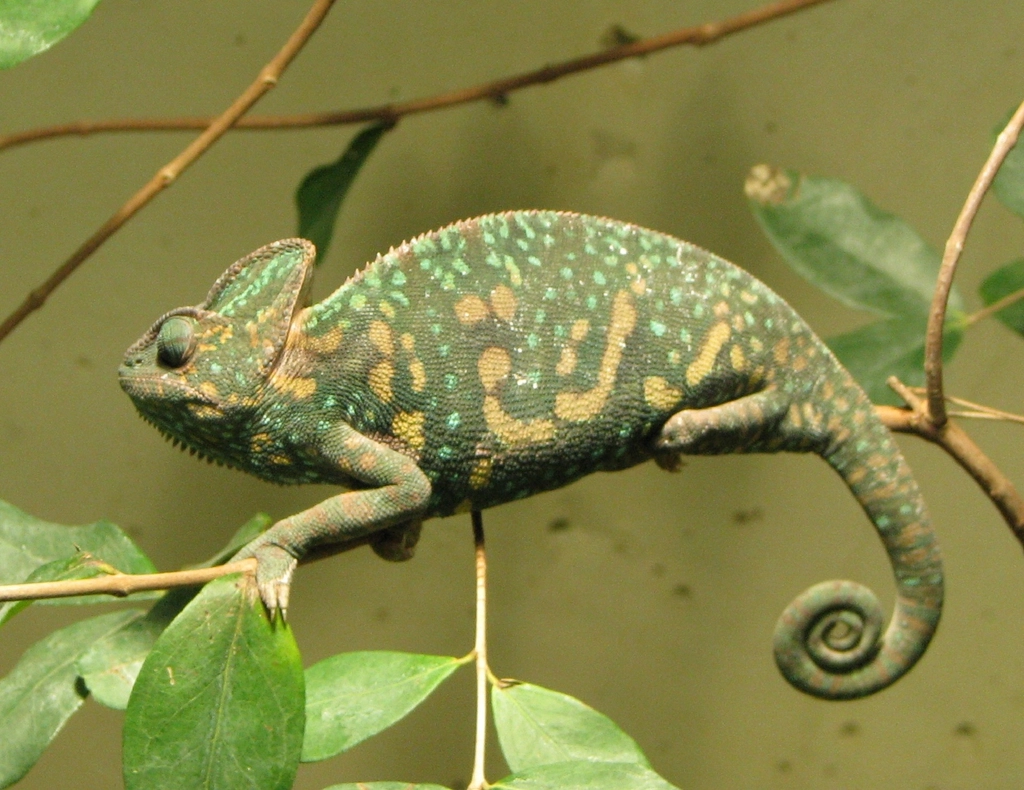 Photo Credit: Rawpixel
In the heart of a sun-drenched tropical forest, the chameleon, known scientifically as Chamaeleonidae, makes its home among the vibrant foliage. With its long, curled tail and bulging eyes that can move independently, this remarkable reptile is a master of disguise. As it clings to a branch, its skin shifts in color, blending seamlessly with the surrounding leaves and flowers. This extraordinary ability to change hues is not just for camouflage; it also communicates emotions and signals to other chameleons. Scientists and nature enthusiasts alike are captivated by these colorful creatures, drawn to their unique adaptations and the mysteries of their behavior.
Imagine a chameleon perched quietly, its body a canvas of greens, browns, and even bright blues, depending on its mood and environment. As the sun filters through the canopy, the chameleon basks in the warmth, soaking up the rays to fuel its energy for the day ahead. With a flick of its long, sticky tongue, it snatches an unsuspecting insect, showcasing its incredible hunting skills. These reptiles are not just fascinating for their appearance; they play a vital role in their ecosystems, helping to maintain the balance of life in their habitats. Join us as we explore the enchanting world of chameleons, uncovering their secrets and the challenges they face in a rapidly changing environment.
Chameleons are truly captivating members of the animal kingdom, sitting within the class Reptilia and the order Squamata, which includes all lizards and snakes. What sets chameleons apart is their incredible ability to change color, a skill that serves various purposes, from camouflage to communication. These reptiles belong to the family Chamaeleonidae, which is home to around 200 species, each with its own unique adaptations. Their specialized feet, long tongues, and independently moving eyes make them one of nature’s most intriguing examples of evolutionary innovation.
| Taxonomic Rank | Scientific Name | Meaning & Significance |
|---|---|---|
| Kingdom | Animalia | This name signifies that chameleons are part of the vast group of multicellular organisms that are primarily heterotrophic, meaning they consume other organisms for energy. |
| Phylum | Chordata | Chordata refers to animals that have a notochord, a flexible rod that supports the body. In chameleons, this structure is present during their development, linking them to all vertebrates. |
| Class | Reptilia | Reptilia indicates that chameleons are reptiles, characterized by their scaly skin and cold-blooded nature, meaning they rely on external sources to regulate their body temperature. |
| Order | Squamata | Squamata means “scaly,” which is fitting for chameleons as they have a distinctive scaly skin that helps protect them and retain moisture. |
| Family | Chamaeleonidae | This family name comes from the Greek word “chamaeleon,” meaning “ground lion,” a nod to their unique appearance and behavior. |
| Genus | Chamaeleo | The genus name Chamaeleo is derived from the same Greek roots, emphasizing their distinctive features and adaptations. |
Understanding the taxonomic classification of chameleons reveals much about their evolutionary journey. As members of the Chamaeleonidae family, they have adapted to a variety of environments, showcasing a remarkable range of colors and behaviors that help them survive. Their lineage reflects a long history of adaptation, allowing them to thrive in diverse habitats, from rainforests to deserts. This classification not only highlights their unique traits but also connects them to the broader tapestry of life on Earth, illustrating how evolution shapes the incredible diversity we see in the animal kingdom today.
The evolutionary journey of chameleons stretches back millions of years, weaving through the tapestry of time to reveal a lineage that has adapted to a variety of environments. These fascinating reptiles belong to the family Chamaeleonidae, which emerged during the late Cretaceous period, around 100 million years ago. As the Earth transformed, so too did these remarkable lizards, evolving traits that would help them thrive in diverse habitats, particularly in the lush forests and arid regions of Africa and Madagascar.
Chameleons are believed to have evolved from ancestral lizards that roamed the Earth long before the dinosaurs disappeared. Over time, they developed several key adaptations that set them apart from their relatives. One major transition was the development of their specialized feet, which evolved to grasp branches and aid in climbing. This adaptation allowed them to navigate their arboreal homes with ease. Another significant change was the evolution of their long, sticky tongues, which can extend up to twice their body length. This incredible feature enables them to catch insects with remarkable precision. Additionally, chameleons developed the ability to change color, a skill that serves multiple purposes, from camouflage to communication.
These adaptations have been crucial for the survival of chameleons in their ever-changing environments. The ability to change color not only aids in evading predators but also plays a role in social interactions, helping them communicate with one another. Their prehensile tails and specialized feet allow them to navigate the treetops, where food is abundant and threats are minimized. With their long tongues, they can efficiently capture prey, ensuring they have enough energy to thrive. Together, these evolutionary traits have made chameleons some of the most intriguing and successful reptiles in the animal kingdom.
Chameleons are enchanting reptiles that capture the imagination with their vibrant colors and extraordinary features. Their bodies are typically elongated, with a distinctively prehensile tail that helps them navigate through trees and shrubs. With bulging eyes that can move independently, chameleons have a unique way of surveying their surroundings, making them look like little living jewels perched among the leaves. Their skin, covered in scales, can change color, allowing them to blend into their environment or communicate with other chameleons.
| Feature | Description |
|---|---|
| Weight | 0.01kg – 2kg (0.02lbs – 4.4lbs) |
| Skin Type | Scales |
| Color | Varies widely, including greens, browns, yellows, and blues |
| Body Shape | Elongated with a prehensile tail |
| Eyes | Bulging and capable of independent movement |
These physical characteristics work together in a remarkable way to enhance the chameleon’s survival. The ability to change color not only helps them camouflage from predators but also plays a role in social interactions, signaling mood or readiness to mate. Their prehensile tail acts like a fifth limb, allowing them to grip branches securely as they navigate their arboreal homes. With their unique eyes, chameleons can spot prey from a distance, making them effective hunters. Together, these features create a well-adapted creature that thrives in its environment, showcasing the wonders of evolution in the animal kingdom.
Chameleons thrive in a variety of habitats, but they are most commonly found in lush tropical forests and arid deserts. Picture a vibrant jungle filled with towering trees, where sunlight filters through the leaves, creating a dappled effect on the forest floor. Here, chameleons can be seen lounging on branches, blending seamlessly with the colorful foliage. In contrast, in the dry, sun-baked expanses of the desert, these reptiles find refuge among rocks and sparse vegetation, showcasing their incredible ability to adapt to different environments.
Chameleons prefer warm climates, as they are ectothermic, meaning they rely on external heat sources to regulate their body temperature. They thrive in areas where temperatures can range from 70 to 90 degrees Fahrenheit (21 to 32 degrees Celsius). These reptiles also need a humid environment, especially in tropical forests, where moisture in the air helps them stay hydrated. In deserts, they have adapted to survive with less water, often becoming active during cooler parts of the day to avoid the scorching heat.
To survive in their diverse habitats, chameleons have developed remarkable adaptations. Their ability to change color not only helps them communicate with other chameleons but also provides excellent camouflage against predators. In the dense foliage of tropical forests, their vibrant greens and browns allow them to blend in, while in the desert, they can shift to sandy hues to remain hidden. Additionally, their long, sticky tongues enable them to catch insects from a distance, making them efficient hunters in both lush and arid environments.
Chameleons lead a life that is both intriguing and solitary. As daylight breaks, these colorful reptiles begin their day by basking in the sun, soaking up warmth to kickstart their metabolism. They are primarily diurnal, meaning they are active during the day. Throughout the morning, chameleons hunt for insects, using their long, sticky tongues to snatch up prey with impressive speed. As the sun moves across the sky, they may change colors, not just for camouflage but also to communicate their mood or temperature needs. By evening, they retreat to their chosen perch, often high in the branches, where they can rest and stay safe from nighttime predators.
While chameleons are generally solitary creatures, they do exhibit interesting social behaviors, especially during the breeding season. Males often display vibrant colors and perform elaborate body movements to attract females and establish dominance over other males. These displays can include puffing up their bodies and extending their throat sacs, which are called dewlaps. Although they prefer to live alone, chameleons will sometimes tolerate the presence of others in their territory, especially when it comes to mating. This complex dance of colors and movements is essential for their social interactions, helping them navigate the challenges of finding a mate while avoiding conflict.
| Behavior Type | Description |
|---|---|
| Activity Patterns | Chameleons are diurnal, hunting for insects during the day and basking in the sun to regulate their body temperature. |
| Social Structure | Primarily solitary, with males displaying vibrant colors and movements to attract females and assert dominance. |
| Communication Methods | Color changes and body movements are used to convey mood, territory, and readiness to mate. |
Chameleons’ behaviors are finely tuned to ensure their survival in the wild. By basking in the sun, they maintain the energy needed for hunting and daily activities. Their ability to change colors not only helps them blend into their surroundings, making it harder for predators to spot them, but also plays a crucial role in social interactions. This combination of hunting skills, temperature regulation, and communication strategies allows chameleons to thrive in their environments, showcasing the delicate balance of life in the animal kingdom.
Chameleons are omnivores, which means they enjoy a varied diet that includes both animal and plant matter. Their primary food sources are insects, snails, and even leaves. With their specialized hunting techniques, chameleons are expert ambush predators. They use their long, sticky tongues to snatch up unsuspecting prey from a distance, often waiting patiently in the branches of trees or shrubs until the perfect moment arises. This stealthy approach allows them to capture insects like crickets and grasshoppers, which make up a significant portion of their diet.
| Dietary Aspect | Details |
|---|---|
| Diet Type | Omnivore |
| Favorite Foods | Insects, snails, and leaves |
| Prey Items | Crickets, grasshoppers, and other small invertebrates |
| Hunting/Foraging Strategies | Ambush predators using long, sticky tongues |
This diverse diet plays a crucial role in the chameleon’s ecology and daily routine. By consuming a mix of insects and plant matter, they help control insect populations while also contributing to the health of their habitat. Their feeding habits influence their movement patterns, as they often seek out areas rich in food sources. This not only shapes their interactions with other species but also highlights the delicate balance of the ecosystems they inhabit.
When it comes to mating, chameleons have some interesting behaviors that vary by species. Most chameleons breed during the warmer months when food is plentiful and conditions are just right for raising young. Males often display vibrant colors and perform elaborate courtship rituals to attract females. These displays can include head bobbing, body inflation, and even changing colors to show off their health and vitality. Once a female chooses a mate, the two will engage in a brief but intense mating process, after which the female will prepare to lay her eggs.
| Reproductive Aspect | Details |
|---|---|
| Gestation Period | Approximately 4 to 6 weeks |
| Litter Size | Typically 10 to 30 eggs |
| Age of Maturity | 6 to 12 months |
| Name of Young | Hatchlings |
After laying her eggs, the female buries them in a warm, safe spot, often in sandy or loose soil. The eggs will incubate for several weeks, during which time the developing hatchlings grow inside their protective shells. Once they emerge, these tiny chameleons are independent from the start. They are miniature versions of adults, equipped with the skills they need to survive. As they grow, they will gradually develop their vibrant colors and unique patterns, which help them blend into their surroundings. Parental care is minimal, as chameleons do not nurture their young after laying eggs, but the hatchlings are born ready to face the world on their own.
Chameleons occupy a fascinating niche in the food web, often serving as both predators and prey. These colorful reptiles primarily feast on insects, using their long, sticky tongues to snatch up their meals with impressive speed. However, their vibrant hues and slow movements can also make them targets for various predators. In the wild, chameleons must navigate a world filled with dangers, balancing their role as hunters with the constant threat of being hunted.
To survive these threats, chameleons have developed a range of clever defensive behaviors. Their ability to change color is not just for communication; it also helps them blend into their surroundings, making it harder for predators to spot them. When threatened, some chameleons will puff up their bodies to appear larger or will remain completely still, relying on their camouflage to avoid detection. Additionally, their quick reflexes allow them to dart away when danger approaches, showcasing their adaptability in the wild. Through these strategies, chameleons continue to thrive despite the many challenges they face.
A keystone species is a vital part of its ecosystem, meaning its presence has a significant impact on the environment and other living things. Chameleons, with their unique adaptations and behaviors, can be considered a keystone species in certain habitats, particularly in tropical forests. Their role in the ecosystem goes beyond just being colorful reptiles; they help maintain the balance of their environment in several important ways.
Chameleons are skilled hunters, primarily feeding on insects. By controlling insect populations, they help prevent outbreaks that could harm plants and other animals. For example, if chameleons were to disappear, the number of insects could skyrocket, leading to overgrazing of vegetation. This would not only affect the plants but also the animals that rely on those plants for food and shelter. Additionally, chameleons are prey for larger animals, making them an essential link in the food chain. Their presence supports a diverse range of predators, from birds to mammals, which rely on them for sustenance.
Moreover, chameleons contribute to the health of their ecosystems through their unique camouflage abilities. By blending into their surroundings, they help maintain the balance of predator and prey dynamics. This camouflage also protects them from being easily hunted, allowing them to thrive and continue their role in the ecosystem. Their varied diet, which includes both insects and plant matter, further enriches the soil and promotes plant growth, creating a more vibrant habitat for all species.
If chameleons were to vanish from their ecosystems, the consequences could be dire. Insect populations would likely explode, leading to significant damage to plant life. This would create a ripple effect, impacting other animals that depend on those plants for food and shelter. The loss of chameleons would disrupt the delicate balance of their habitats, potentially leading to a decline in biodiversity. In essence, the disappearance of these vibrant reptiles would not only affect their immediate surroundings but could also have far-reaching effects on the entire ecosystem.
Chameleons play a crucial role in their ecosystems, acting as both predators and prey. These colorful reptiles are often found in tropical forests and arid deserts, where they help maintain the balance of their environments. By controlling insect populations, chameleons contribute to the health of plant life, ensuring that vegetation can thrive. Their unique adaptations, such as their ability to change color, not only aid in camouflage but also influence their interactions with other species, making them an integral part of the ecological web.
| Ecosystem Service | Impact |
|---|---|
| Insect Population Control | Chameleons help keep insect numbers in check, preventing overpopulation that could harm plants. |
| Prey for Other Animals | As a food source for birds and larger reptiles, chameleons support the diets of various predators. |
| Seed Dispersal | By consuming fruits and plants, chameleons can aid in the dispersal of seeds, promoting plant diversity. |
| Habitat Indicator | The presence of chameleons can indicate the health of their habitat, as they require specific environmental conditions. |
Chameleons influence their surroundings in several fascinating ways. For instance, by preying on insects, they help control populations of pests that could otherwise damage crops and native plants. This natural pest control is especially important in tropical forests, where biodiversity is high, and every species plays a role in maintaining the ecosystem’s balance. Additionally, when chameleons consume fruits, they inadvertently assist in seed dispersal, allowing new plants to grow in different areas, which enhances the overall health of their habitat.
The broader ecological importance of chameleons cannot be overstated. As keystone species, their presence is vital for the stability of their ecosystems. By regulating insect populations and serving as prey for larger animals, chameleons help maintain a delicate balance that supports a diverse array of life. Their unique adaptations and behaviors not only enrich their immediate environment but also contribute to the intricate web of life that sustains our planet. Understanding the role of chameleons encourages us to appreciate the complexity of ecosystems and the importance of every species within them.
In the intricate web of life, symbiosis plays a vital role, connecting different species in various ways. Symbiosis refers to the close and often long-term interactions between two different biological species. These relationships can be mutualistic, where both species benefit; parasitic, where one benefits at the expense of the other; or commensal, where one benefits while the other is neither helped nor harmed. Chameleons, with their unique adaptations and behaviors, engage in several fascinating partnerships with other species, showcasing the complexity of ecological relationships.
| Species/Type | Relationship Type | Description |
|---|---|---|
| Insects (e.g., ants) | Mutualistic | Chameleons may benefit from the presence of ants, which help keep pests away from their territory, while the ants gain protection from larger predators. |
| Birds (e.g., drongos) | Commensal | Some birds follow chameleons to catch insects that are disturbed during the chameleon’s movement, benefiting from an easy meal without affecting the chameleon. |
| Parasites (e.g., mites) | Parasitic | Mites can latch onto chameleons, feeding on their skin and bodily fluids, which can harm the chameleons by causing irritation and potential health issues. |
These relationships have evolved over time, shaped by the needs and behaviors of the species involved. Mutualistic partnerships, like those with ants, highlight how cooperation can enhance survival for both parties. Meanwhile, commensal relationships, such as those with birds, illustrate how one species can thrive by taking advantage of another’s actions without causing harm. On the other hand, parasitic relationships remind us of the darker side of nature, where one species can exploit another. Understanding these connections not only enriches our knowledge of chameleons but also emphasizes the delicate balance of ecosystems where every interaction counts.
Chameleons are not just masters of disguise; they are also full of surprises that make them truly extraordinary. From their unique color-changing abilities to their fascinating hunting techniques, these reptiles have a lot to teach us about adaptation and survival.
Throughout history, chameleons have captured the imagination of people around the world. These remarkable reptiles have been featured in folklore, art, and literature, often symbolizing transformation and adaptability. In many cultures, their ability to change color has been interpreted as a sign of wisdom or a connection to the spiritual world. Ancient Egyptians revered them, while in some African traditions, they were seen as messengers of the gods. This rich cultural significance highlights the deep-rooted relationship between chameleons and humanity, showcasing how these creatures have inspired stories and beliefs across generations.
In modern times, our interactions with chameleons have evolved, reflecting both admiration and concern. As habitats are threatened by deforestation and urbanization, many chameleon species face the risk of extinction. Conservation efforts are underway to protect these reptiles and their environments, emphasizing the importance of biodiversity. However, conflicts can arise when chameleons invade agricultural areas, leading to tensions between farmers and wildlife. Interestingly, some people have taken to keeping chameleons as pets, drawn by their vibrant colors and unique behaviors. This domestication, while fascinating, raises questions about the ethical treatment of these animals and the impact on wild populations.
Looking ahead, the future of the relationship between chameleons and humanity will depend on our ability to balance admiration with responsibility. As we continue to learn about these extraordinary reptiles, it is crucial to promote conservation efforts and sustainable practices. By fostering a deeper understanding of their ecological roles and the challenges they face, we can ensure that chameleons thrive alongside us in a world that respects and cherishes biodiversity. Together, we can create a future where both humans and chameleons coexist harmoniously, celebrating the wonders of nature.
Chameleons are currently classified as Near Threatened, indicating that they face a risk of becoming endangered in the near future. Their populations are declining due to various environmental pressures, and while some species are more stable, many are experiencing significant drops in numbers. This decline is a cause for concern among conservationists, as these reptiles play an important role in their ecosystems.
| Conservation Factor | Status/Details |
|---|---|
| IUCN Status | Near Threatened |
| Population Estimates | Varies by species; some populations are decreasing |
| Trend Direction | Declining |
The main threats to chameleons stem from habitat loss, primarily due to deforestation and urbanization. As forests are cleared for agriculture or development, these reptiles lose their homes and the resources they need to survive. Additionally, climate change poses a significant risk, altering the delicate balance of their habitats and affecting food availability. Illegal pet trade also contributes to their decline, as many chameleons are captured and sold, further stressing wild populations.
Conservation efforts are underway to protect chameleons and their habitats. Organizations are working to raise awareness about the importance of these reptiles and the ecosystems they inhabit. Protected areas are being established to safeguard their natural environments, and breeding programs are being developed to help boost populations. With continued efforts and public support, there is hope that chameleons can thrive once more, ensuring that future generations can marvel at their vibrant colors and unique behaviors.
| Question | Answer |
|---|---|
| Where do chameleons live? | Chameleons are primarily found in tropical forests and deserts. They thrive in warm climates, where they can easily blend into their surroundings among the leaves and branches. |
| What do chameleons eat? | Chameleons are omnivores, which means they eat both plants and animals. Their diet mainly consists of insects, but they can also munch on fruits and leaves when available. |
| How do chameleons change color? | Chameleons change color through special cells in their skin called chromatophores. These cells contain different pigments and can expand or contract, allowing the chameleon to blend in with its environment or communicate with other chameleons. |
| How do chameleons reproduce? | Chameleons reproduce by laying eggs, although some species give birth to live young. The female usually lays her eggs in a burrow, where they will incubate until they hatch, often several months later. |
| What are the main threats to chameleons? | Chameleons face several threats, including habitat loss due to deforestation and climate change. They are also sometimes captured for the pet trade, which can further endanger their populations. |
| What is an interesting fact about chameleons? | One fascinating characteristic of chameleons is their long, sticky tongues, which can be as long as their bodies! They use these tongues to catch prey quickly, extending them at incredible speeds. |
| Do chameleons have good eyesight? | Yes, chameleons have excellent eyesight. Their eyes can move independently, allowing them to look in two different directions at once, which helps them spot predators and prey effectively. |