Taxonomy & Classification
- Kingdom
- Animalia
- Phylum
- Chordata
- Class
- Mammalia
- Order
- Carnivora
- Family
- Feliformia
- Genus
- Felis
- Species
- Felis catus

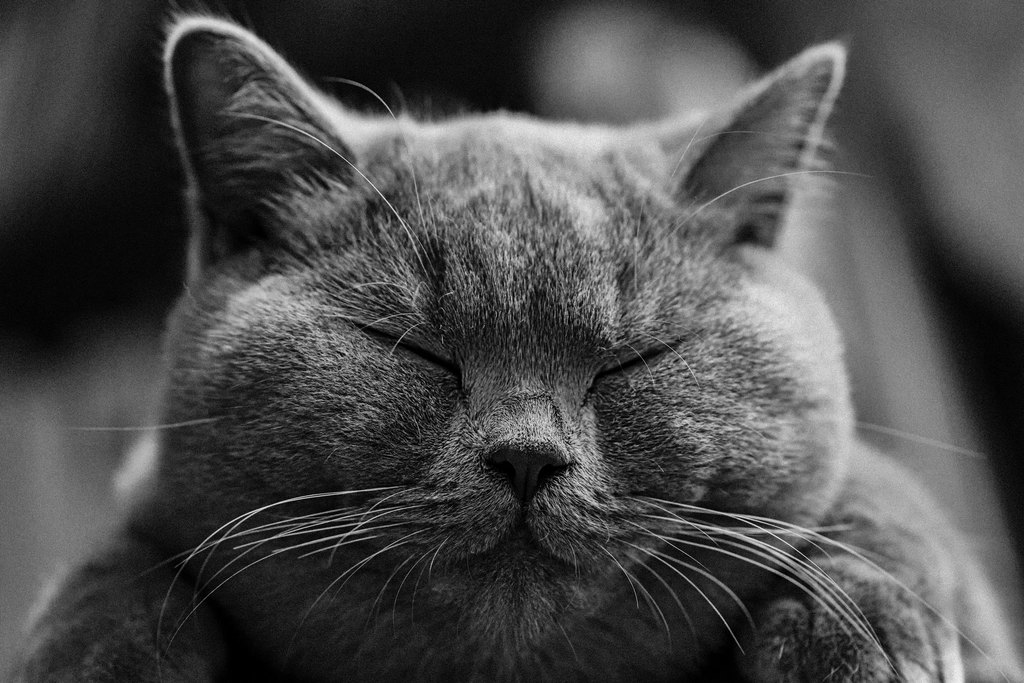 Photo Credit: Rawpixel
In the heart of France, where the rolling hills meet quaint villages, lives the Chartreux cat, scientifically known as Felis catus. This enchanting breed is easily recognized by its striking blue-gray coat, which feels as soft as a cloud and glimmers in the sunlight. With its round, coppery eyes and a sturdy, muscular build, the Chartreux exudes an air of both elegance and strength. These cats are not just beautiful; they are also known for their playful yet calm demeanor, making them beloved companions to many.
As you wander through the picturesque landscapes of their native habitat, you might catch a glimpse of a Chartreux darting through the tall grass, showcasing its agile hunting skills. These cats have a rich history, believed to have originated with the Carthusian monks, who valued their companionship and hunting prowess. Scientists and nature enthusiasts alike are captivated by the Chartreux not only for its charming appearance but also for its role in maintaining the balance of its ecosystem. With a natural instinct for hunting small animals, the Chartreux plays a vital part in controlling local rodent populations, making it a keystone species in its environment. Join us as we explore the fascinating world of the Chartreux, uncovering its history, behavior, and the special bond it shares with humans.
The Chartreux is a captivating breed of domestic cat that holds a special place in the animal kingdom. Taxonomically, it belongs to the Kingdom Animalia, which includes all animals, and is classified under the Phylum Chordata, meaning it has a backbone. This breed is part of the Class Mammalia, indicating it is a mammal, and falls under the Order Carnivora, which includes meat-eating animals. What sets the Chartreux apart is not just its striking blue-gray coat and copper or gold eyes, but also its gentle demeanor and playful nature. This combination of traits makes it a beloved companion and a fascinating subject of study in the world of felines.
| Taxonomic Rank | Scientific Name | Meaning & Significance |
|---|---|---|
| Kingdom | Animalia | The name comes from the Latin word “animalis,” meaning “having breath,” which reflects the living nature of all animals. |
| Phylum | Chordata | This term is derived from the Greek word “chordē,” meaning “string” or “cord,” referring to the notochord, a flexible rod that supports the body in the early stages of development. |
| Class | Mammalia | From the Latin “mamma,” meaning “breast,” this classification highlights that mammals nurse their young with milk. |
| Order | Carnivora | This name comes from the Latin “carnivorus,” meaning “meat-eating,” which is fitting for this group that includes cats, dogs, and bears. |
| Family | Feliformia | Derived from the Latin “felis,” meaning “cat,” this family includes all cat-like carnivores, emphasizing their shared characteristics. |
| Genus | Felis | This Latin word simply means “cat,” and it encompasses various small cat species, including the domestic cat, which the Chartreux belongs to. |
The classification of the Chartreux reveals much about its evolutionary history. As a member of the Felis genus, it shares a lineage with other small cats, suggesting that it has adapted to life alongside humans while retaining many of its wild instincts. The Chartreux’s unique traits, such as its robust build and playful personality, are likely the result of both natural selection and domestication. Understanding its place in the tree of life not only highlights its biological connections but also enriches our appreciation for the diversity and adaptability of the animal kingdom.
The evolutionary journey of the Chartreux cat is a tale that stretches back thousands of years, intertwining with the history of human civilization. This breed is believed to have originated in the rugged mountains of France, where it developed alongside early human settlements. The Chartreux’s lineage can be traced back to the Feliformia family, a group that includes all cat-like mammals, and its ancestors likely roamed the earth long before the domestication of cats began.
Ancestral forms of the Chartreux were wild cats that adapted to their environments in various ways. Over time, these early felines evolved traits that would help them thrive in diverse habitats. As they transitioned from wild to domesticated, they developed a more sociable nature, allowing them to coexist with humans. This shift was crucial, as it enabled them to find food and shelter in human homes, leading to a mutually beneficial relationship. The Chartreux’s robust build and dense, water-repellent coat are adaptations that likely emerged from their need to survive in the harsh climates of their mountainous origins.
These adaptations have played a vital role in the survival and success of the Chartreux. Their strong muscles and agile bodies enable them to hunt effectively, while their water-repellent coats protect them from the elements. The expressive eyes not only enhance their hunting skills but also foster a deep connection with their human companions. Finally, their gentle temperament has ensured their place in homes around the world, allowing them to thrive alongside people for generations. The Chartreux is not just a breed; it is a living testament to the power of evolution and adaptation in the natural world.
The Chartreux cat presents a striking silhouette that captures the eye and the heart. With a sturdy, muscular body, this breed exudes strength and grace. Their broad chest and strong legs give them a solid appearance, while their rounded head and large, expressive eyes add a touch of softness. The Chartreux is not just a pretty face; it’s a well-built feline that moves with a unique blend of agility and poise, making it a delightful companion for both play and relaxation.
| Feature | Description |
|---|---|
| Weight | Seven to 16 pounds |
| Skin Type | Hair |
| Color | Blue-gray coat with a dense, water-repellent texture |
| Eyes | Large, copper or gold eyes that are round and expressive |
| Build | Muscular and compact with a broad chest |
The combination of the Chartreux’s physical features serves several important purposes. Their dense, water-repellent coat not only keeps them warm in cooler climates but also helps them stay dry during rainy weather. The strong, muscular build allows them to be agile hunters, capable of pouncing on prey with precision. Meanwhile, their large, expressive eyes enhance their night vision, making them effective nocturnal hunters. Together, these traits create a well-adapted feline that thrives in various environments, showcasing the beauty of nature’s design.
The Chartreux cat finds its home primarily in the picturesque landscapes of France, where rolling hills and quaint villages create a serene backdrop. This breed is often associated with the Carthusian monks, who are believed to have nurtured them in the monasteries of the region. Picture sun-drenched fields dotted with wildflowers, ancient stone buildings, and the gentle sound of a nearby stream. These cats thrive in environments that offer both comfort and a touch of adventure, making them well-suited to the charming rural settings of their homeland.
The climate where Chartreux cats flourish is typically temperate, characterized by mild winters and warm summers. They enjoy a variety of weather conditions, but they prefer environments that are not too extreme. This means they can comfortably adapt to both sunny days and cooler evenings. The lush greenery and natural resources of their habitat provide ample opportunities for exploration and play, which are essential for their physical and mental well-being.
Over time, the Chartreux has developed several adaptations that help it thrive in these specific habitats. Their dense, water-repellent coat keeps them warm during chilly nights, while their strong, agile bodies allow them to navigate the varied terrain with ease. These cats are also known for their keen hunting skills, which were essential for survival in the wild. Their friendly and sociable nature makes them well-suited to life alongside humans, creating a bond that has lasted for centuries.
The daily life of a Chartreux cat is a blend of playful antics and serene moments. These cats are known for their lively yet calm demeanor, often starting their day with a burst of energy. They enjoy exploring their surroundings, whether it’s a sunbeam streaming through the window or a cozy nook in the house. As the day unfolds, they might engage in a variety of activities, from chasing after toys to lounging lazily on a warm lap. Their natural curiosity drives them to investigate every corner, making each day an adventure filled with new discoveries.
Socially, Chartreux cats are known for their affectionate and gentle nature. They thrive in the company of humans and other pets, often forming strong bonds with their families. These cats are not overly demanding but appreciate companionship and will often follow their favorite people around the house. Their social behavior is characterized by a calm presence, making them excellent companions for both children and adults. They communicate through soft chirps and purrs, expressing their feelings and desires in a way that is both endearing and easy to understand.
| Behavior Type | Description |
|---|---|
| Activity Patterns | Chartreux cats are playful and curious, often engaging in short bursts of activity followed by long periods of rest. They enjoy interactive play and exploring their environment. |
| Social Structure | These cats are social and form strong bonds with their human families and other pets. They are known for their gentle demeanor and adaptability in group settings. |
| Communication Methods | Chartreux cats communicate through soft vocalizations, including chirps and purrs. They also use body language, such as rubbing against their owners, to express affection. |
The behaviors of the Chartreux cat are not just charming; they play a crucial role in their survival. Their playful nature keeps them physically fit, while their social skills help them navigate relationships with humans and other animals. By forming strong bonds and communicating effectively, they create a supportive environment that enhances their well-being. In essence, the daily life of a Chartreux cat is a harmonious blend of activity and companionship, ensuring they thrive in both home and community settings.
The Chartreux cat is an omnivore, which means it enjoys a varied diet that includes both animal and plant-based foods. This breed has a natural instinct for hunting, often displaying playful behaviors that mimic the chase of prey. While they are primarily known for their love of meat, such as fish and poultry, they also appreciate the occasional treat of fruits and vegetables. Their feeding behavior is influenced by their environment, as they adapt to the food sources available to them, whether in a home setting or outdoors.
| Dietary Aspect | Details |
|---|---|
| Diet Type | Omnivore |
| Favorite Foods | Fish, poultry, and occasional fruits and vegetables |
| Prey Items | Small rodents, birds, and insects |
| Hunting/Foraging Strategies | Stalking and pouncing, often using stealth and agility |
This diverse diet not only supports the Chartreux’s health but also shapes its daily routine. Their hunting instincts keep them active and engaged, whether they are chasing after a toy or exploring their surroundings. By balancing their need for protein with the occasional plant-based snack, these cats maintain their energy levels and overall well-being. This adaptability in diet allows the Chartreux to thrive in various environments, making them resilient companions for families and individuals alike.
The mating behavior of Chartreux cats is both intriguing and essential for their reproduction. These cats typically breed in the spring, a time when the days grow longer and warmer. During this season, male Chartreux cats become more vocal and display their interest through playful antics and affectionate behaviors. Females, on the other hand, may exhibit signs of heat, which is a period when they are ready to mate. This courtship dance can involve gentle head-butting and purring, creating a bond that sets the stage for the arrival of new kittens.
| Reproductive Aspect | Details |
|---|---|
| Gestation Period | Approximately 63 to 65 days |
| Litter Size | Typically 3 to 5 kittens |
| Age of Maturity | About 5 to 12 months |
| Name of Young | Kittens |
Once the kittens are born, the mother Chartreux takes on the vital role of caregiver. She provides warmth, nourishment, and protection to her young, ensuring they thrive in their early weeks. The kittens are born blind and deaf, relying entirely on their mother for survival. As they grow, they begin to open their eyes and ears, exploring their surroundings with curiosity. By the time they reach about five to six weeks, they start to play and interact with each other, developing their social skills. This nurturing environment helps them transition into confident, independent adults, ready to explore the world on their own.
The Chartreux cat occupies a unique position in the food web, primarily as a predator rather than prey. These agile hunters are skilled at catching small animals like mice and birds, which makes them important players in controlling rodent populations. However, their size and domestic nature also place them at risk from larger predators and various threats in their environment.
To defend themselves against these threats, Chartreux cats rely on a combination of stealth and agility. Their natural hunting instincts help them stay alert and aware of their surroundings. When faced with danger, they can quickly climb to higher ground or find hiding spots, using their excellent climbing skills and keen senses to evade predators. Additionally, their strong, muscular build allows them to escape quickly if needed, ensuring they can navigate their environment with both grace and speed.
A keystone species is an organism that plays a critical role in maintaining the structure of its ecosystem. This means that its presence or absence can significantly impact the environment and other species within it. While the Chartreux cat is a beloved domestic breed known for its charming personality and hunting skills, it does not qualify as a keystone species. Instead, it serves more as a companion animal, influencing human lives rather than the broader ecosystem.
Despite not being a keystone species, the Chartreux cat does have ecological impacts, particularly in its role as a predator. These cats are skilled hunters, often catching small mammals and birds. By controlling the populations of these animals, Chartreux cats help maintain a balance in their local environments. For instance, if their hunting is effective, they can prevent overpopulation of rodents, which might otherwise lead to crop damage and the spread of disease.
Additionally, the Chartreux’s omnivorous diet allows it to adapt to various food sources, which can influence the availability of certain plants and animals in its habitat. When these cats forage, they may inadvertently help disperse seeds from the plants they consume, contributing to plant diversity. This interaction highlights how even domestic animals can play a role in their ecosystems, albeit a less pronounced one than true keystone species.
If Chartreux cats were to disappear, the effects might not be immediately catastrophic, but they would still be felt. Without these cats to keep rodent populations in check, there could be a surge in small mammal numbers. This increase might lead to more significant crop damage and a rise in diseases that rodents can carry. Additionally, the absence of Chartreux cats would mean a loss of companionship for many people, highlighting the interconnectedness of human lives and the animals we cherish.
The Chartreux cat plays a vital role in its ecosystem, acting as both a predator and a companion to humans. This breed, known for its hunting skills and friendly nature, helps maintain the balance of local wildlife populations. By controlling the numbers of small mammals and birds, the Chartreux contributes to a healthier environment, ensuring that no single species dominates the landscape. This balance is crucial for the overall health of the ecosystem, allowing various species to thrive.
| Ecosystem Service | Impact |
|---|---|
| Predation | Controls populations of small mammals and birds, preventing overpopulation. |
| Companionship | Enhances human well-being, promoting a bond that can lead to conservation efforts. |
| Seed Dispersal | May inadvertently aid in plant growth by moving seeds in their fur or through their activities. |
| Soil Aeration | As they dig and play, they help aerate the soil, which benefits plant life. |
The Chartreux cat’s influence extends beyond mere predation. For instance, when they hunt, they help keep the populations of rodents in check, which can otherwise lead to crop damage and the spread of disease. Their playful nature also encourages interaction with humans, fostering a sense of responsibility towards wildlife conservation. By being a part of human households, Chartreux cats inspire their owners to appreciate and protect the natural world around them.
In a broader ecological context, the Chartreux cat exemplifies the interconnectedness of species within an ecosystem. Their presence not only supports the balance of local wildlife but also enhances human experiences with nature. By understanding and valuing the role of the Chartreux, we can better appreciate the delicate web of life that sustains us all. This breed serves as a reminder that every creature, no matter how small, has a significant impact on the environment.
In the intricate web of life, symbiosis refers to the close interactions between different species, which can take many forms. These relationships can be mutualistic, where both species benefit, parasitic, where one benefits at the expense of the other, or commensal, where one benefits while the other is neither helped nor harmed. Understanding these ecological relationships helps us appreciate how species like the Chartreux cat interact with their environment and other organisms, creating a dynamic balance in their ecosystems.
| Species/Type | Relationship Type | Description |
|---|---|---|
| Rodents (e.g., mice) | Predatory | The Chartreux cat preys on rodents, helping to control their populations. This relationship is beneficial for the cat, providing food, while it can be harmful to the rodents. |
| Humans | Mutualistic | Chartreux cats often form strong bonds with humans, providing companionship and emotional support. In return, humans offer food, shelter, and care, benefiting both parties. |
| Fleas | Parasitic | Fleas can infest Chartreux cats, feeding on their blood. This relationship is harmful to the cat, causing discomfort and potential health issues. |
These relationships have evolved over time, shaped by the needs and behaviors of the species involved. The Chartreux cat’s role as a predator helps maintain the balance of small mammal populations, while its companionship with humans has fostered a nurturing environment for both. As these interactions continue to develop, they highlight the interconnectedness of life and the importance of each species in sustaining the health of their ecosystems.
The Chartreux cat is not just a beautiful breed; it’s a fascinating part of our natural world with a rich history and unique traits. Here are some surprising facts that will surely intrigue nature enthusiasts of all ages.
<li Chartreux cats are often described as “silent hunters” because they tend to be less vocal than other breeds. Instead of meowing, they communicate through body language and subtle gestures, making them intriguing companions.
<li Interestingly, the Chartreux is believed to have originated in the monasteries of the Carthusian monks in France, where they were cherished for their companionship and ability to keep the premises free of pests.
<li These cats are known for their playful yet calm demeanor, making them excellent family pets. They often form strong bonds with their human companions, displaying loyalty and affection that can last a lifetime.
<li Chartreux cats have a unique genetic trait that gives them their striking blue eyes, which are not only beautiful but also a sign of their breed’s distinct lineage. This eye color is a hallmark of their identity and adds to their charm.
<li Despite their robust appearance, Chartreux cats are surprisingly agile and can leap impressively high. This ability helps them in their natural hunting behavior, allowing them to catch prey with grace and precision.
The Chartreux cat has woven itself into the fabric of human history, particularly in France, where it is believed to have originated. This breed is often linked to the Carthusian monks, who valued the Chartreux for its exceptional hunting skills, especially in controlling rodent populations in monasteries. Over the centuries, these cats have become symbols of companionship and grace, celebrated in art and literature. Their striking blue-gray coats and captivating yellow eyes have made them beloved pets, embodying a rich cultural significance that resonates with many.
Today, the relationship between Chartreux cats and humans continues to evolve. As more people recognize the importance of animal welfare, efforts are being made to ensure the health and well-being of these cats. Many Chartreux are adopted from shelters, where they find loving homes. However, challenges remain, such as the need for responsible breeding practices to avoid health issues. Additionally, as urban areas expand, conflicts can arise when these cats venture into neighborhoods, leading to concerns about their safety and the impact on local wildlife.
Looking ahead, the future of the Chartreux and humanity’s relationship appears promising. As awareness of animal welfare grows, more people are likely to embrace the joys of adopting these affectionate cats. Conservation efforts will also play a crucial role in ensuring that Chartreux cats thrive in both domestic and wild settings. By fostering a deeper understanding of their needs and behaviors, we can create a harmonious coexistence that benefits both Chartreux cats and the humans who cherish them.
The Chartreux cat currently holds a conservation status of “Not Listed,” which means it is not considered endangered or threatened at this time. While there are no specific population estimates available, the breed is generally well-regarded and maintained by cat enthusiasts around the world. However, as with many domestic breeds, trends in population can fluctuate based on breeding practices and public interest.
| Conservation Factor | Status/Details |
|---|---|
| IUCN Status | Not Listed |
| Population Estimates | Not specifically available |
| Trend Direction | Stable |
Despite its stable status, the Chartreux cat faces some challenges that could impact its future. One of the main threats is the potential for genetic diversity loss due to selective breeding. When breeders focus on specific traits, it can lead to a smaller gene pool, which may make the breed more susceptible to health issues. Additionally, the popularity of other cat breeds can overshadow the Chartreux, leading to fewer people choosing to adopt or breed them.
Conservation efforts for the Chartreux cat primarily revolve around responsible breeding practices and raising awareness about the breed. Cat fanciers and organizations are working to promote the unique qualities of the Chartreux, ensuring that it remains a cherished companion. As long as enthusiasts continue to advocate for this breed, the outlook remains positive, allowing future generations to enjoy the charm and companionship of the Chartreux cat.
| Question | Answer |
|---|---|
| What is the natural habitat of the Chartreux? | The Chartreux is originally from France, where it was bred by monks in the Carthusian order. They thrive in homes and are known for their adaptability, making them great companions in various living environments. |
| What do Chartreux cats eat? | Chartreux cats are omnivores, which means they eat both animal and plant-based foods. Their diet typically includes high-quality cat food, which provides the necessary proteins, fats, and vitamins to keep them healthy and active. |
| What is the behavior of a Chartreux? | Chartreux cats are known for their playful and affectionate nature. They are often described as being calm and gentle, making them excellent companions for families and individuals alike. |
| How do Chartreux reproduce? | Like all cats, Chartreux reproduce through mating, which typically occurs in the spring. After a gestation period of about 63 to 65 days, the female gives birth to a litter of kittens, usually ranging from two to five. |
| What threats do Chartreux face? | Chartreux cats are not currently listed as endangered, but like many breeds, they can face threats from overbreeding and health issues. Responsible breeding practices and regular veterinary care are essential to ensure their well-being. |
| What are some interesting characteristics of the Chartreux? | One fascinating trait of the Chartreux is their unique blue-gray coat, which is dense and water-resistant. They also have striking copper or gold eyes, adding to their charm and making them easily recognizable. |
| Are Chartreux good with children and other pets? | Yes, Chartreux cats are generally very good with children and can get along well with other pets. Their friendly and adaptable nature makes them a great choice for families looking for a loving companion. |