Taxonomy & Classification
- Kingdom
- Animalia
- Phylum
- Chordata
- Class
- Mammalia
- Order
- Carnivora
- Family
- Felidae
- Genus
- Acinonyx
- Species
- Acinonyx jubatus

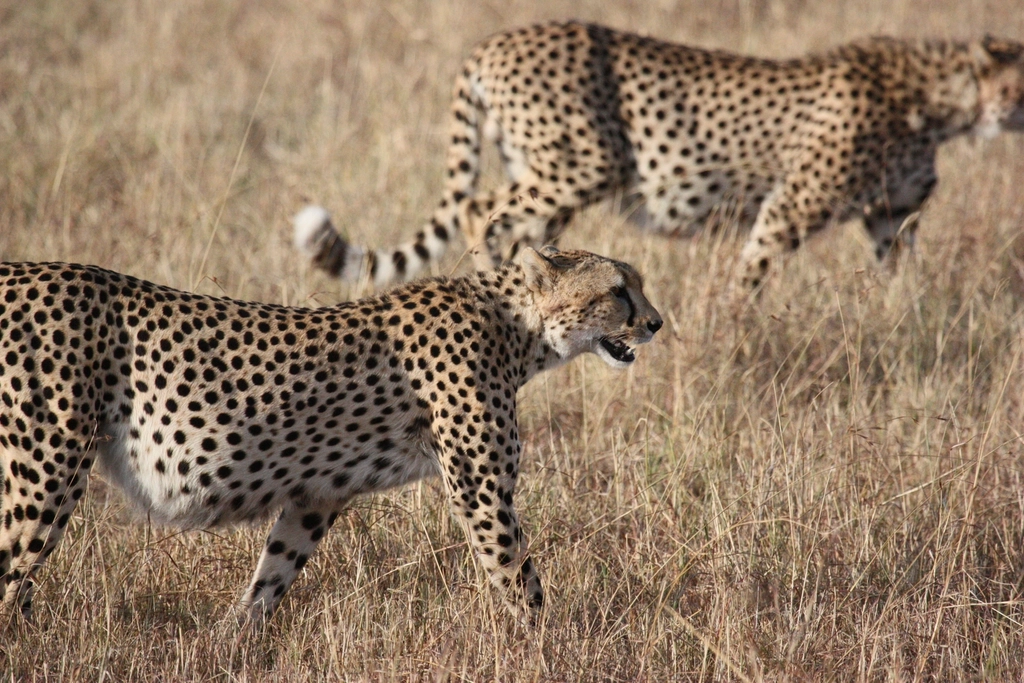 Photo Credit: Rawpixel
In the sun-drenched savannas of Africa, the cheetah, known scientifically as Acinonyx jubatus, reigns as the fastest land animal on Earth. Picture this sleek feline, its golden coat adorned with distinctive black spots, blending seamlessly into the tall grasses. With its long legs and slender body, the cheetah is built for speed, capable of reaching astonishing bursts of up to 60 miles per hour in just a few seconds. This remarkable ability not only captivates wildlife enthusiasts but also intrigues scientists who study its unique adaptations, such as its large nasal passages that allow for increased oxygen intake during high-speed chases.
As the sun rises over the horizon, the cheetah’s day begins with a mix of thrilling pursuits and strategic rest. These agile hunters are most active during daylight, using their keen eyesight to spot potential prey from afar. With a heart full of determination, they stalk their targets—small to medium-sized ungulates like gazelles—before launching into a breathtaking sprint. The cheetah’s role as a top predator is vital for maintaining the balance of its ecosystem, making it not just a symbol of speed, but also a key player in the intricate web of life. Join us as we explore the fascinating world of the cheetah, uncovering its behaviors, challenges, and the efforts to protect this extraordinary species.
The cheetah, known scientifically as Acinonyx jubatus, occupies a special place in the tree of life. As a member of the animal kingdom (Animalia), it belongs to the phylum Chordata, which includes all animals with a backbone. What sets the cheetah apart is its incredible speed, making it the fastest land animal, capable of reaching speeds up to 75 miles per hour in short bursts. This remarkable ability is not just a party trick; it plays a crucial role in its survival as a predator. The cheetah’s unique adaptations, such as its lightweight body and specialized respiratory system, allow it to sprint with astonishing agility, showcasing the wonders of evolution.
| Taxonomic Rank | Scientific Name | Meaning & Significance |
|---|---|---|
| Kingdom | Animalia | This name signifies that cheetahs are part of the vast group of multicellular organisms that are primarily heterotrophic, meaning they consume other organisms for energy. |
| Phylum | Chordata | Chordata refers to animals that possess a notochord, a flexible rod that supports the body, at some stage of their development. This feature is a key characteristic of vertebrates. |
| Class | Mammalia | Mammalia indicates that cheetahs are warm-blooded animals with fur or hair and mammary glands, which allow females to nurse their young. |
| Order | Carnivora | Carnivora is the order that includes meat-eating mammals. The cheetah’s sharp teeth and claws are perfectly designed for hunting and consuming prey. |
| Family | Felidae | Felidae is the family of cats, which includes both big cats like lions and tigers and small cats like domestic cats. Cheetahs share common traits like retractable claws and keen senses. |
| Genus | Acinonyx | Acinonyx means “not a tiger,” highlighting the cheetah’s unique characteristics that set it apart from other big cats, particularly its speed and slender build. |
| Species | jubatus | Jubatus is derived from the Latin word for “spotted,” referring to the cheetah’s distinctive coat pattern that provides camouflage in its natural habitat. |
Understanding the cheetah’s classification reveals much about its evolutionary journey. As a member of the Felidae family, it shares a common ancestor with other cats, but its unique adaptations for speed and hunting set it apart. The genus name Acinonyx emphasizes its distinctiveness, showcasing how evolution has shaped this incredible animal to thrive in its environment. The cheetah’s place in the animal kingdom is a testament to the diverse paths life can take, highlighting the intricate connections between species and their adaptations to survive in a changing world.
The evolutionary journey of the cheetah stretches back millions of years, weaving through the tapestry of time and adaptation. This sleek and speedy feline, known scientifically as Acinonyx jubatus, has a lineage that can be traced to the late Miocene epoch, around 8 to 12 million years ago. During this period, the ancestors of modern cats began to diversify, leading to the emergence of various species, including the cheetah.
The earliest ancestors of the cheetah were part of a group known as the Felidae family, which includes all modern cats. These early felids were more generalized hunters, relying on stealth and ambush rather than speed. Over time, as grasslands expanded and prey became more abundant, certain adaptations began to take shape. The cheetah’s lineage branched off from other big cats, developing traits that would set it apart. By the Pleistocene epoch, around 2.6 million years ago, the cheetah had evolved into a specialized predator, honing its incredible speed and agility to chase down prey in open habitats.
The adaptations of the cheetah have been crucial for its survival in the wild. Speed and agility allow it to outpace competitors and catch prey that other predators cannot. Its unique body structure and specialized respiratory system enable it to maintain high speeds over short distances, while its flexible spine and specialized claws enhance its running efficiency. Together, these traits have made the cheetah a master of the chase, perfectly suited to thrive in the open savannas where it hunts.
The cheetah is a stunning embodiment of speed and grace, with a body designed for the ultimate sprint. Its slender frame is built for agility, featuring long legs that propel it forward with astonishing quickness. The cheetah’s head is small and rounded, with high cheekbones that give it a streamlined appearance. Its large nostrils allow for increased oxygen intake, essential during high-speed chases. This magnificent animal can reach speeds of up to 75 miles per hour, making it the fastest land animal on Earth.
| Feature | Description |
|---|---|
| Height | 115cm – 136cm (45in – 53in) |
| Weight | 40kg – 65kg (88lbs – 140lbs) |
| Skin Type | Fur |
| Most Distinctive Feature | Yellowish fur covered in small black spots |
The cheetah’s physical features work in harmony to enhance its survival in the wild. The lightweight body and long legs allow for explosive acceleration, while the unique coat of yellowish fur with black spots provides excellent camouflage in the grasslands where it hunts. This coloration helps the cheetah blend into its surroundings, making it easier to stalk prey. Together, these adaptations not only make the cheetah a master of speed but also a skilled predator, perfectly suited to its environment.
The cheetah’s home is a vibrant tapestry of open spaces, where the golden grasses sway gently in the breeze and the sun casts a warm glow over the landscape. These magnificent animals thrive in habitats that range from expansive grasslands to semi-desert prairies, and even mountainous terrains. Here, they can be seen sprinting across the plains, their sleek bodies perfectly adapted to the demands of their environment. The wide-open areas provide them with the visibility they need to spot prey, while the varied terrain offers both challenges and opportunities for hunting.
Cheetahs prefer climates that are generally warm and dry, which is why they are often found in regions with low rainfall. These areas can experience extreme temperatures, from scorching heat during the day to cooler nights. The grasslands and semi-desert regions provide the perfect backdrop for their hunting strategies, allowing them to use their incredible speed to chase down prey. The combination of open spaces and a suitable climate helps maintain the delicate balance of life in their habitats.
To thrive in these specific environments, cheetahs have developed remarkable adaptations. Their lightweight bodies and long legs enable them to reach speeds of up to 60 miles per hour, making them the fastest land animals. Their keen eyesight allows them to spot potential prey from great distances, while their unique hunting style—often relying on short bursts of speed—ensures they can catch their meals efficiently. These adaptations not only help them survive but also make them one of the most fascinating predators in the animal kingdom.
The daily life of a cheetah is a blend of thrilling pursuits and strategic rest. As a diurnal animal, the cheetah is most active during the day, using the bright sunlight to its advantage. Mornings often begin with a stretch and a grooming session, where they meticulously clean their sleek fur. Afterward, they may embark on a hunt, relying on their incredible speed and keen eyesight to spot prey from a distance. Once the sun reaches its peak, cheetahs often retreat to the shade, conserving energy for the next burst of activity. This rhythm of activity and rest is essential for their survival in the wild.
Cheetahs are generally solitary creatures, but they can also be found in pairs, especially during mating season. Unlike lions, which live in prides, cheetahs prefer to roam alone or with a sibling. This social structure allows them to be stealthy hunters, as they can cover large territories without the competition for resources that comes with larger groups. Communication among cheetahs is subtle yet effective. They use a variety of sounds, including purring, chirping, and hissing, to convey messages to one another. These vocalizations help maintain their social bonds and alert others to potential dangers.
| Behavior Type | Description |
|---|---|
| Activity Patterns | Cheetahs are diurnal, meaning they are active during the day. They hunt primarily in the early morning and late afternoon when temperatures are cooler. |
| Social Structure | Typically solitary or found in pairs, cheetahs do not form large groups like some other big cats. This helps them avoid competition for food. |
| Communication Methods | Cheetahs communicate through a range of sounds, including purring, chirping, and hissing. These sounds help them express emotions and alert others to danger. |
The behaviors of cheetahs are finely tuned to ensure their survival in the wild. Their solitary nature allows them to be stealthy hunters, while their daytime activity helps them take advantage of the visibility and warmth. By mastering their environment and honing their communication skills, cheetahs can navigate the challenges of their habitat, ensuring they remain one of nature’s most efficient predators.
Cheetahs are carnivores, which means they primarily eat meat. Their diet mainly consists of small to medium-sized ungulates, or hoofed animals, that roam the open savannas and grasslands. With their incredible speed, cheetahs are built for the chase, relying on their keen eyesight and swift legs to catch their prey. They often hunt alone or in small family groups, using stealth and bursts of speed to close the distance before launching into a sprint that can reach up to 60 miles per hour!
| Dietary Aspect | Details |
|---|---|
| Diet Type | Carnivore |
| Favorite Foods | Gazelle, Wildebeest, Hare |
| Prey Items | Small to medium-sized ungulates |
| Hunting Strategies | Stealthy approach followed by a high-speed chase |
The cheetah’s diet plays a crucial role in shaping its ecology and daily routine. By preying on animals like gazelles and wildebeests, cheetahs help maintain the balance of their ecosystem, ensuring that populations of these herbivores do not grow too large. This not only supports the health of the grasslands but also influences the behavior of other predators in the area. Their hunting style, which requires energy and precision, means that cheetahs must carefully manage their time between hunting, resting, and caring for their young, making every meal a vital part of their survival strategy.
Cheetahs have a fascinating mating ritual that showcases their unique behaviors. During the breeding season, which can occur at any time of the year, males will often compete for the attention of females. They use a combination of vocalizations, scent marking, and physical displays to attract potential mates. Once a female is ready to mate, she will signal her interest by adopting a specific posture. After a brief courtship, the pair will mate multiple times over a few days, ensuring the best chance of successful reproduction.
| Reproductive Aspect | Details |
|---|---|
| Gestation Period | 90 days |
| Average Litter Size | 3 |
| Age of Sexual Maturity | 20 – 24 months |
| Name of Young | Cub |
After the cubs are born, the mother takes on the role of a dedicated caregiver. She will find a secluded den, often hidden in tall grass or rocky outcrops, to keep her young safe from predators. The cubs are born blind and rely entirely on their mother for warmth and nourishment. As they grow, they begin to explore their surroundings, learning essential skills through play and observation. By the time they reach about 20 to 24 months, they are ready to venture out on their own, equipped with the skills needed to survive in the wild. The journey from helpless cub to independent adult is a remarkable transformation, showcasing the resilience and adaptability of these incredible animals.
The cheetah, a master of speed and agility, plays a crucial role in its ecosystem as a top predator. Positioned at the top of the food web, it helps maintain the balance of populations among herbivores, ensuring that no single species dominates the landscape. However, despite its prowess, the cheetah faces numerous dangers that threaten its survival.
To combat these threats, cheetahs have developed several defensive behaviors and survival strategies. They rely on their incredible speed to escape danger, capable of reaching up to 60 miles per hour in short bursts. Cheetahs also use their keen eyesight to spot potential threats from a distance, allowing them to make quick decisions about fleeing or hiding. Additionally, they often hunt during the day when they can see clearly, reducing competition with nocturnal predators. By adapting their behaviors and remaining vigilant, cheetahs strive to navigate the challenges of their environment and continue their legacy as one of nature’s most extraordinary hunters.
A keystone species is an organism that has a disproportionately large impact on its environment relative to its abundance. In the case of the cheetah, Acinonyx jubatus, it does indeed qualify as a keystone species. This agile predator plays a vital role in maintaining the balance of its ecosystem, particularly in the grasslands and semi-desert prairies where it resides. By controlling the populations of herbivores, the cheetah helps to ensure that vegetation remains healthy and diverse.
Cheetahs primarily hunt small to medium-sized ungulates, such as gazelles and impalas. By preying on these animals, they help regulate their populations. If herbivore numbers grow too high, they can overgraze, leading to habitat degradation. This not only affects the plants but also the other animals that depend on those plants for food and shelter. In this way, the cheetah’s hunting habits contribute to a balanced ecosystem, allowing various species to thrive.
Moreover, the presence of cheetahs can influence the behavior of their prey. When herbivores sense the threat of a predator, they tend to graze in more cautious patterns, which can prevent overgrazing in certain areas. This behavior promotes a healthier distribution of plant life across the landscape. Additionally, cheetahs are often seen as indicators of ecosystem health; their presence suggests a well-functioning environment with sufficient prey and habitat.
If cheetahs were to disappear from their ecosystems, the consequences could be severe. Without these skilled hunters, herbivore populations could explode, leading to overgrazing and the eventual collapse of plant communities. This would not only affect the cheetahs’ prey but also countless other species that rely on those plants for survival. The intricate web of life that depends on the cheetah would unravel, highlighting just how crucial this magnificent feline is to the health of its environment.
The cheetah, a swift and agile predator, plays a vital role in shaping its ecosystem. As a top predator, it helps regulate the populations of herbivores in its habitat, which includes grasslands, semi-desert prairies, and mountainous terrain. By keeping these populations in check, cheetahs ensure that vegetation remains healthy and diverse, allowing other species to thrive. This balance is crucial for maintaining the overall health of the ecosystem, as it prevents overgrazing and promotes a rich tapestry of life.
| Ecosystem Service | Impact |
|---|---|
| Population Control | Regulates herbivore numbers, preventing overgrazing. |
| Habitat Maintenance | Promotes plant diversity by allowing various species to flourish. |
| Food Source for Scavengers | Provides carrion that supports scavenger species. |
| Genetic Diversity | Contributes to the genetic health of prey populations. |
Cheetahs influence their environment in several specific ways. For instance, by hunting smaller ungulates, they help maintain a balance in the populations of these animals. This balance is essential because if herbivore numbers grow too high, they can strip the land of vegetation, leading to soil erosion and habitat loss for many other species. Additionally, when cheetahs catch their prey, they often leave behind remains that provide food for scavengers like hyenas and vultures. This interaction supports a whole community of animals that rely on carrion, showcasing the interconnectedness of life in the savanna.
The broader ecological importance of the cheetah cannot be overstated. As a keystone species, its presence or absence can significantly impact the entire ecosystem. By controlling herbivore populations and promoting biodiversity, cheetahs help maintain the health of their habitats. This balance is crucial not only for the survival of countless other species but also for the overall resilience of the ecosystem. In a world facing rapid changes, the cheetah’s role as a top predator highlights the intricate web of life and the importance of every species in sustaining the natural world.
In the intricate web of life, animals often form partnerships that can be beneficial, harmful, or neutral. These relationships, known as symbiosis, play a crucial role in the survival and thriving of species within their ecosystems. Cheetahs, with their remarkable speed and hunting prowess, engage in various ecological relationships that highlight the interconnectedness of life. Understanding these partnerships not only reveals the complexity of nature but also showcases how different species can influence one another’s existence.
| Species/Type | Relationship Type | Description |
|---|---|---|
| Oxpeckers | Mutualistic | Oxpeckers are small birds that perch on large mammals like buffalo or giraffes. They eat ticks and parasites off the cheetah’s skin, providing relief to the cheetah while getting a meal. |
| Wildebeest | Commensal | Cheetahs often hunt near herds of wildebeest. While the wildebeest are not directly helped or harmed, their presence can stir up movement, making it easier for cheetahs to spot and chase prey. |
| Hyenas | Parasitic | Hyenas can be a threat to cheetah cubs. They may steal kills from cheetahs or even prey on young cheetahs, creating a competitive and dangerous relationship. |
These relationships have evolved over time, shaped by the needs and behaviors of the species involved. Mutualistic partnerships, like that of the cheetah and oxpeckers, demonstrate how cooperation can enhance survival for both parties. In contrast, the parasitic relationship with hyenas highlights the challenges that come with being a top predator. Each interaction, whether beneficial or harmful, contributes to the delicate balance of the ecosystem, reminding us that every species plays a role in the grand story of life on Earth.
Cheetahs are not just the fastest land animals; they are full of surprises that make them truly captivating. Here are some intriguing facts that showcase their extraordinary adaptations and behaviors.
Throughout history, the relationship between cheetahs and humans has been a tapestry woven with admiration, utility, and sometimes conflict. Ancient cultures revered these magnificent animals, often depicting them in art and mythology. In ancient Egypt, for instance, cheetahs were associated with royalty and grace, symbolizing speed and agility. They were even kept as pets by the elite, showcasing a bond that transcended mere admiration. This cultural significance has persisted, as the cheetah continues to capture the human imagination, representing both the beauty of the wild and the fragility of nature.
In modern times, the interactions between cheetahs and humans have evolved, reflecting both conservation efforts and challenges. As habitats shrink due to human expansion, conflicts arise, particularly in areas where livestock and cheetahs coexist. Farmers may view these swift predators as threats to their livelihoods, leading to unfortunate encounters. However, many organizations are working tirelessly to protect cheetah populations through conservation programs that educate communities about the importance of these animals in maintaining ecological balance. Some initiatives even explore the potential for domestication, as cheetahs have been trained in the past for hunting, though this practice raises ethical questions about their welfare and the preservation of their wild instincts.
As we look to the future, the relationship between cheetahs and humanity stands at a crossroads. With increasing awareness of environmental issues, there is hope for a more harmonious coexistence. By fostering understanding and respect for these incredible animals, we can work together to ensure that cheetahs not only survive but thrive in their natural habitats. The journey ahead will require collaboration, innovation, and a commitment to preserving the wild beauty that cheetahs represent, reminding us of the vital connections we share with the natural world.
The cheetah, a symbol of speed and elegance, currently faces significant challenges in the wild. Classified as “Vulnerable” by the International Union for Conservation of Nature (IUCN), the global population is estimated to be around 8,500 individuals. Unfortunately, this number is on a downward trend, highlighting the urgent need for conservation efforts to protect this iconic species.
| Conservation Factor | Status/Details |
|---|---|
| IUCN Status | Vulnerable |
| Estimated Population Size | 8,500 |
| Population Trend | Decreasing |
The main threats to cheetahs are multifaceted and deeply intertwined with human activities. Habitat loss due to agriculture and urban development has significantly reduced the areas where cheetahs can roam and hunt. Additionally, human-wildlife conflict arises when cheetahs prey on livestock, leading to retaliatory killings. Poaching and illegal wildlife trade further exacerbate their decline, as these magnificent animals are sometimes hunted for their beautiful fur or captured for the exotic pet trade.
Despite these challenges, there is hope for the future of cheetahs. Conservation organizations are actively working to protect their habitats and reduce human-wildlife conflict through education and community engagement. Protected areas are being established to provide safe spaces for cheetahs to thrive. With continued efforts and global awareness, there is a chance to stabilize and even increase the cheetah population, ensuring that these incredible animals continue to grace our planet for generations to come.
| Question | Answer |
|---|---|
| What is the natural habitat of a cheetah? | Cheetahs thrive in grasslands, semi-desert prairies, and mountainous terrain. These environments provide them with the open spaces they need to sprint at high speeds while hunting. |
| What do cheetahs eat? | Cheetahs are carnivores, which means they primarily eat meat. Their diet mainly consists of small to medium-sized ungulates, like gazelles and impalas, which they catch using their incredible speed. |
| How do cheetahs behave in the wild? | Cheetahs are known for their unique hunting style, which involves short bursts of speed to chase down prey. They are also social animals, often seen in small groups, especially females with their cubs or males forming coalitions. |
| How do cheetahs reproduce? | Cheetah mating typically occurs throughout the year, with females giving birth to a litter of three to five cubs after a gestation period of about 90 to 95 days. The mother raises the cubs alone, teaching them essential survival skills. |
| What are the main threats to cheetahs? | Cheetahs face several threats, including habitat loss due to human expansion and poaching. Their vulnerable status is also impacted by competition with larger predators and a decline in their prey populations. |
| What is a distinctive feature of cheetahs? | Cheetahs are easily recognized by their yellowish fur covered in small black spots. This unique coat helps them blend into their surroundings, making it easier to stalk prey. |
| How fast can a cheetah run? | Cheetahs are the fastest land animals, capable of reaching speeds up to 60 to 70 miles per hour in short bursts. They can accelerate from 0 to 60 miles per hour in just a few seconds, making them incredible hunters. |